
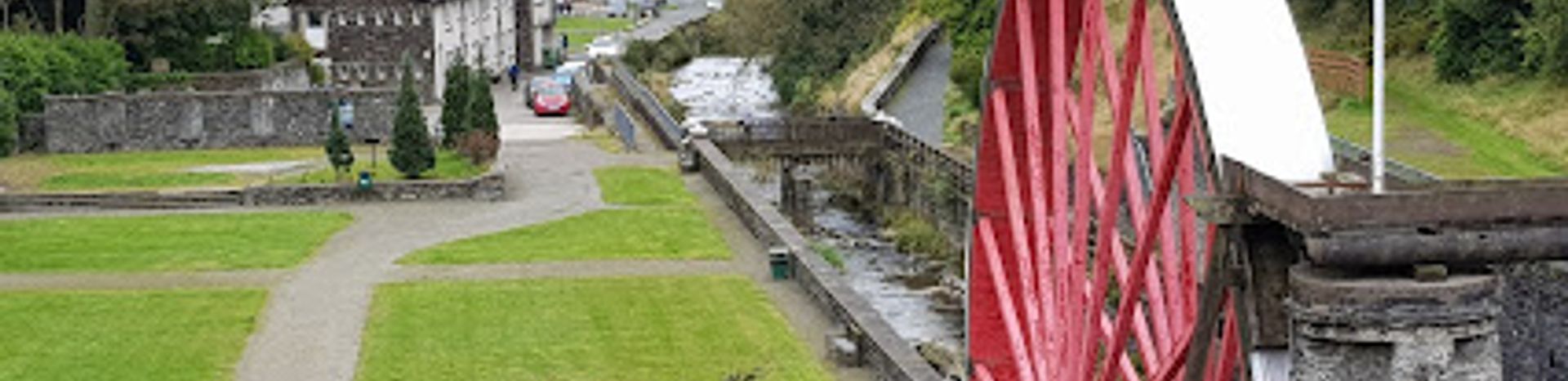
Laxey Woollen Mills
Over 140 years of hand-woven Manx tweed and worsted tradition in a working riverside mill.
A working textile mill established in 1881 on the banks of the Laxey River, Laxey Woollen Mills preserves over 140 years of traditional Manx tweed and worsted weaving. Founded by silk weaver Egbert Rydings and influenced by John Ruskin's Guild of St. George, this family-run business continues to produce high-quality woollen goods and operates as both a functional mill and visitor attraction. The on-site gallery and tearoom showcase locally made textiles, traditional craftsmanship, and homemade refreshments in a charming heritage setting.
A brief summary to Laxey Woollen Mills
- 6HJW+8Q6, Glen Rd, Laxey, Isle of Man, IM4 7AR, IM
- +441624861395
- Visit website
- Duration: 1 to 2.5 hours
- Budget
-
 Mixed
Mixed
- Mobile reception: 4 out of 5
- Tuesday 10 am-5 pm
- Wednesday 10 am-5 pm
- Thursday 10 am-5 pm
- Friday 10 am-5 pm
- Saturday 10 am-5 pm
Local tips
- Visit the tearoom on the upper level for homemade baked goods and refreshments while browsing the gallery—a perfect way to experience the mill's hospitality alongside its products.
- Arrive during mid-week mornings (Tuesday to Thursday, 10am–12pm) to observe weavers at work with fewer crowds and better opportunities for conversation with craftspeople.
- Combine your visit with nearby heritage attractions including the Lady Evelyn Wheel and Great Laxey Wheel, both within walking distance, to experience Laxey's complete industrial heritage.
- Purchase Laxey Manx Tartan products directly from the mill—these signature textiles are produced on-site and represent the island's cultural identity more authentically than mass-produced alternatives.
- Allow at least 90 minutes for your visit to properly explore the production areas, browse the gallery, and enjoy the tearoom without feeling rushed.

For the on-the-go comforts that matter to you
- Restrooms
- Drink Options
- Food Options
- Seating Areas
- Information Boards
Getting There
-
Bus from Douglas
Regular bus services operate from Douglas town centre to Laxey village, with journey times of approximately 30–40 minutes depending on route and traffic. Services run throughout the day with reduced frequency on Sundays. Single fares are typically in the region of £2.50–£4.00. The bus stops in Laxey village centre; from there, Laxey Woollen Mills is a 5–10 minute walk south along Glen Road.
-
Manx Electric Railway from Douglas
The historic Manx Electric Railway operates seasonal services (typically March to October, with limited winter services) between Douglas and Ramsey, stopping at Laxey station. Journey time from Douglas is approximately 25–30 minutes. Return fares range from £6.00–£10.00 depending on season. From Laxey station, the mill is a 10–15 minute walk via Glen Road, passing through the village centre.
-
Private car or taxi from Douglas
Driving from Douglas to Laxey takes approximately 20–25 minutes via the A2 coast road. Parking is available near the mill on Glen Road. Taxi fares from Douglas typically range from £20.00–£30.00 depending on exact pickup location. The mill's address (Glen Road, Laxey, IM4 7AR) can be entered into GPS navigation systems.
-
Walking from Laxey village centre
If already in Laxey village, the mill is accessible via a pleasant 15–20 minute walk south along Glen Road from the village centre. The route is relatively flat with pavement throughout, suitable for most fitness levels. Glen Road is clearly signposted, and the mill's location is well-known locally.
Laxey Woollen Mills location weather suitability
-
 Any Weather
Discover more about Laxey Woollen Mills
A Legacy of Victorian Enterprise and Artistic Vision
Laxey Woollen Mills stands as a remarkable survivor of the Isle of Man's industrial heritage, established in 1881 when Lancashire-born silk weaver Egbert Rydings converted an existing corn mill into a woollen manufacturing facility. The mill's founding was deeply influenced by the ideals of John Ruskin and his Guild of St. George, a movement dedicated to preserving traditional craftsmanship and promoting artistic values in industrial production. This philosophical foundation shaped the mill's identity from its inception, distinguishing it from purely commercial textile operations of the era. For over 140 years, the mill has occupied its picturesque location on the banks of the fast-flowing Laxey River, a setting that provided both the water power essential to early textile production and the natural beauty that would later attract Victorian tourists to the region.Weaving Tradition in a Changing World
The mill's primary achievement lies in its continuous production of Manx tweed and worsted cloth, a tradition that predates the world-famous Harris Tweed by several years. This distinction underscores the mill's pioneering role in establishing quality woollen textile production on the island. Operating as a family-run business, Laxey Woollen Mills has maintained its commitment to traditional hand-loom weaving techniques while adapting to contemporary market demands. The mill produces the distinctive Laxey Manx Tartan, a signature product that has become synonymous with the business and represents the island's cultural identity. Beyond tartan, the mill's range includes both woven and knitted garments, worsted products, and various woollen goods that reflect both historical patterns and modern design innovations.The Working Mill and Visitor Experience
Unlike many heritage mills that have been converted into museums, Laxey Woollen Mills remains a fully operational textile production facility, allowing visitors to witness authentic weaving processes and observe craftspeople at work. The mill's gallery space showcases the full range of products available for purchase, from traditional Manx textiles to complementary Irish and Scottish woollen items. The upper level features a charming tearoom that serves lovingly prepared homemade baked goods, creating a welcoming atmosphere for visitors to rest and reflect on their experience. This integration of production, retail, and hospitality within a single heritage building offers an immersive encounter with working craftsmanship rather than a static historical display.Laxey's Industrial and Cultural Context
The mill's significance extends beyond its own operations to its role within Laxey's broader industrial landscape. The village transformed dramatically during the 19th century, evolving from a small fishing community into a thriving industrial centre centred on lead mining. As mining declined, the woollen mill and flour mill provided crucial alternative employment, helping sustain the local economy and population. The opening of the Manx Electric Railway in 1894 and the Snaefell Mountain Railway in 1895 brought Victorian tourists to the region, and Laxey Woollen Mills became an established stop on the visitor circuit. The mill's proximity to other heritage attractions—including the iconic Lady Evelyn Wheel, the Great Laxey Wheel, and the Great Laxey Mines Railway—positions it within a rich cluster of industrial heritage sites that collectively tell the story of the island's 19th-century transformation.Craftsmanship and Quality in Contemporary Practice
The mill's reputation rests on the consistent quality of its products and the integrity of its production methods. Operating continuously for over a century and a half, the business has earned recognition as a keeper of traditional textile arts at a time when such skills have largely disappeared from industrial production. The mill's commitment to preserving hand-loom weaving and traditional dyeing techniques stands in contrast to mass manufacturing, making each piece a product of deliberate craftsmanship. Visitors frequently comment on the quality and uniqueness of the goods available, noting that the mill offers authentic Manx products unavailable elsewhere, making it a destination for those seeking genuine cultural souvenirs rather than mass-produced alternatives.Iconic landmarks you can’t miss

Presence of Mann
0.0 km
Explore the unique gifts and local crafts at Presence of Mann in Laxey, Isle of Man - a perfect stop for souvenirs and books.
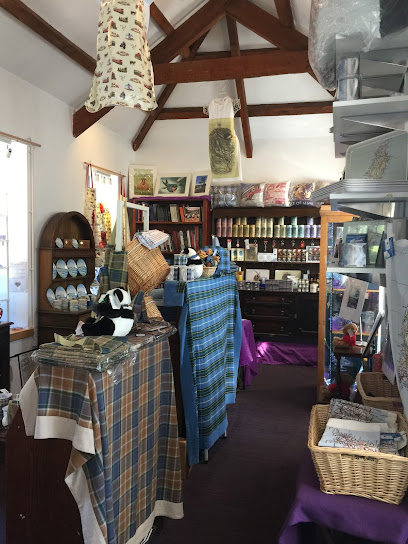
Garff Commissioners
0.1 km
Explore the Isle of Man with local insights from the Garff Commissioners, your essential tourist information hub in Laxey.
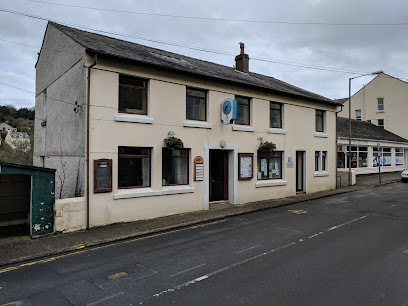
Trading Places (IOM) Ltd
0.1 km
Explore the charm of Laxey and uncover unique pre-loved furniture and decor at Trading Places (IOM) Ltd, a must-visit treasure trove.
The Workshop Apartment
0.1 km
Experience the charm of Laxey at The Workshop Apartment, your perfect self-catering haven on the Isle of Man.
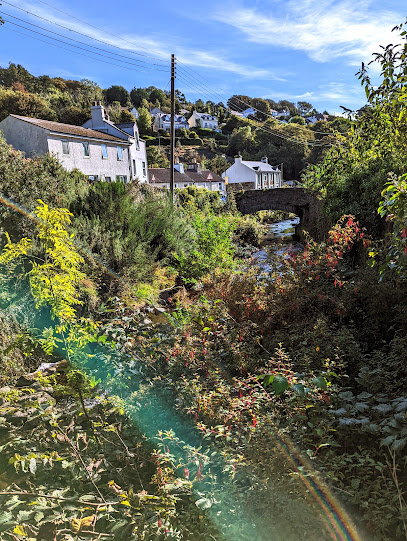
The Queens Hotel
0.2 km
Experience the heart of Laxey at The Queens Hotel, a charming pub offering local ales, traditional dishes, and a warm, inviting atmosphere for travelers.
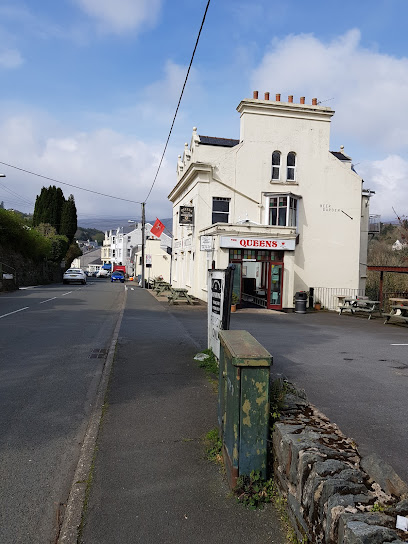
Laxey Railway Station
0.2 km
Experience the charm and history of Laxey Railway Station, a gateway to the stunning landscapes of the Isle of Man's Manx Electric Railway.
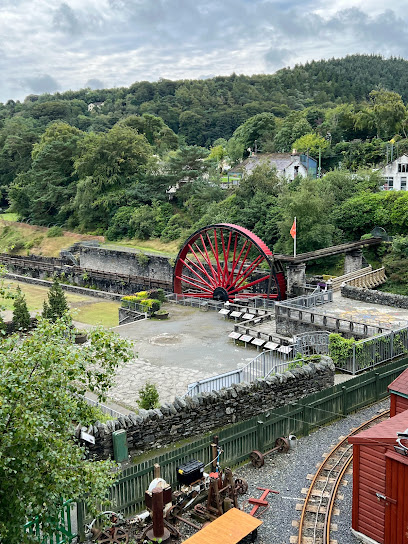
Laxey Working Men's Institute
0.2 km
Explore the Laxey Working Men's Institute, a vibrant community center in Laxey, Isle of Man, rich in heritage and local culture.
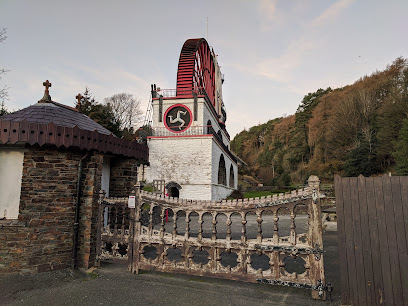
Laxey Pit Stop
0.2 km
Discover the delicious flavors of Laxey Pit Stop, where freshly made pizzas meet the charm of the Isle of Man's scenic village life.
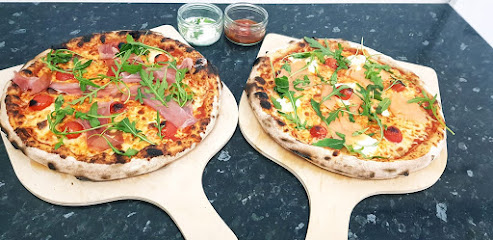
The Bridge Inn
0.2 km
Experience the warmth of The Bridge Inn in Laxey, where local cuisine meets stunning landscapes in a charming inn and bar.

The Mines Tavern
0.3 km
Experience the heart of Isle of Man hospitality at The Mines Tavern, where local flavors meet a warm and inviting atmosphere.
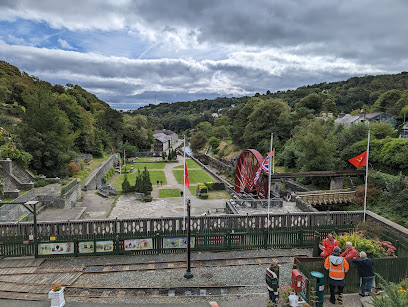
World Wars Laxey Memorial
0.3 km
Discover the World Wars Laxey Memorial, a historic landmark on the Isle of Man honoring bravery and sacrifice during the World Wars amidst stunning coastal beauty.
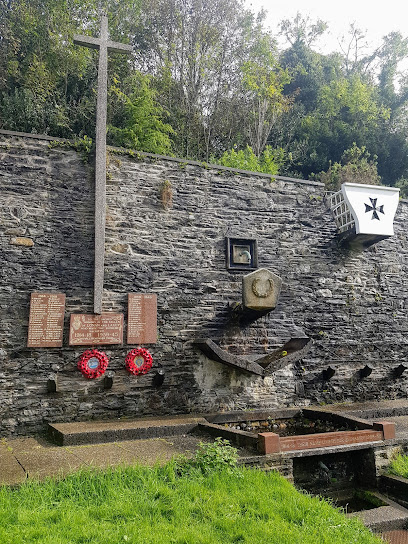
The Washing Floors
0.3 km
Discover the historical significance and natural beauty of The Washing Floors in Laxey, Isle of Man – a unique landmark showcasing the region's industrial past.
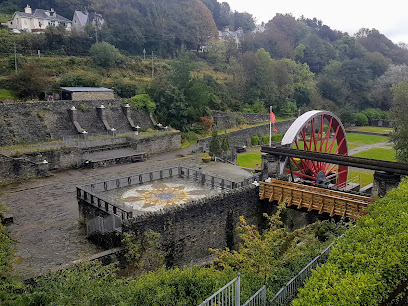
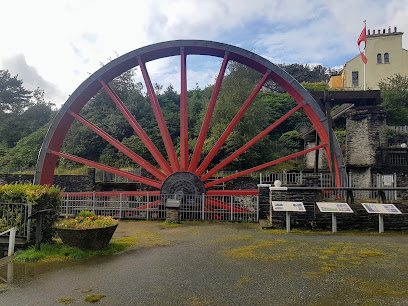
Lady Evelyn Wheel
0.3 km
Explore the Lady Evelyn Wheel, an iconic historical landmark in Laxey, Isle of Man, showcasing the island's rich industrial heritage amidst stunning landscapes.
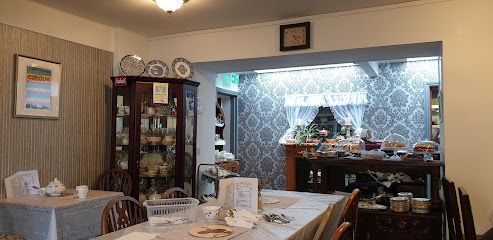
Browns Tearoom
0.4 km
Discover the charm of Browns Tearoom in Laxey, Isle of Man, where homemade delights and cozy ambiance await every visitor.
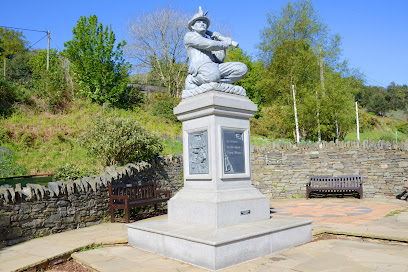
LAXEY MINERS STATUE
0.4 km
Experience the historic Laxey Miners Statue, a captivating tribute to the Isle of Man's mining heritage amidst scenic landscapes.
Unmissable attractions to see

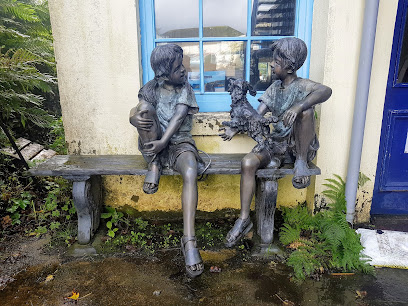
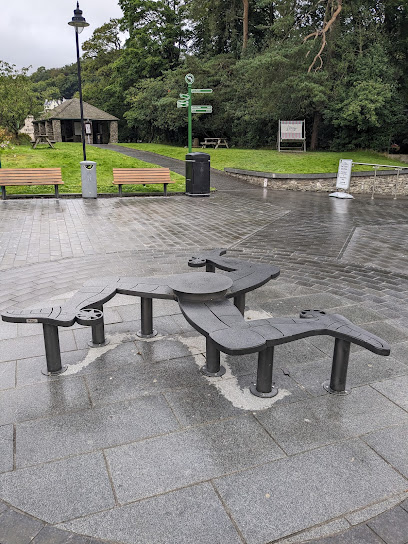
Kids Statues
0.0 km
Explore the magic of Kids Statues in Laxey, Isle of Man, where vibrant sculptures create a whimsical world for families and children to enjoy.
Snaefell Mountain Railway - Laxey
0.2 km
Experience the breathtaking views and rich history of the Snaefell Mountain Railway in Laxey, Isle of Man, a must-visit for every traveler.
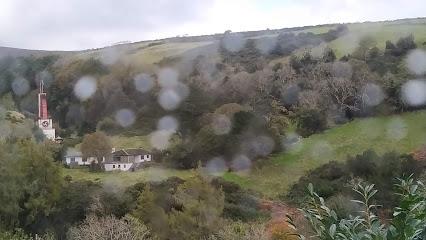
Rose Gardens
0.2 km
Explore the breathtaking Rose Gardens in Laxey, Isle of Man, a serene haven filled with colorful blooms and lush greenery for nature lovers.
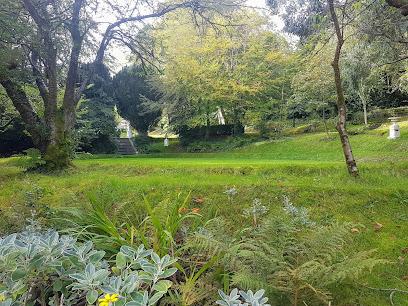
Laxey Glen Garden
0.3 km
Explore the enchanting Laxey Glen Garden in the Isle of Man, a peaceful haven filled with vibrant flora and serene pathways amidst stunning natural beauty.
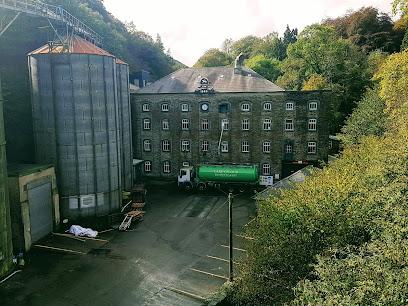
Laxey Glen Mills Ltd
0.3 km
Explore the historic Laxey Glen Mills, a beautifully preserved flour mill in the picturesque Isle of Man, rich in heritage and stunning scenery.
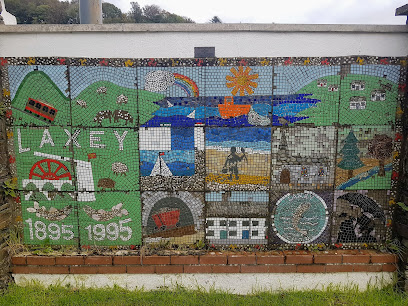
Laxey Mosaic Walls
0.3 km
Experience the artistic beauty of the Laxey Mosaic Walls, a captivating tourist attraction on the Isle of Man showcasing intricate artistry and cultural heritage.
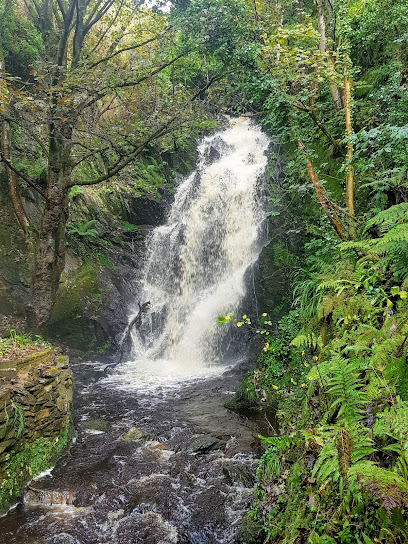
The Quarry Falls
0.4 km
Explore the breathtaking beauty of The Quarry Falls in Laxey, Isle of Man, a serene natural attraction perfect for nature lovers and photographers.
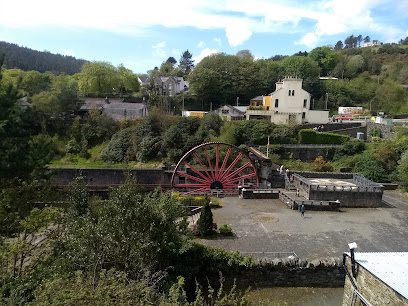
Great Laxey Mines Railway
0.4 km
Explore the Great Laxey Mines Railway, a fascinating museum and scenic railway in the heart of Laxey, Isle of Man, showcasing its mining heritage.
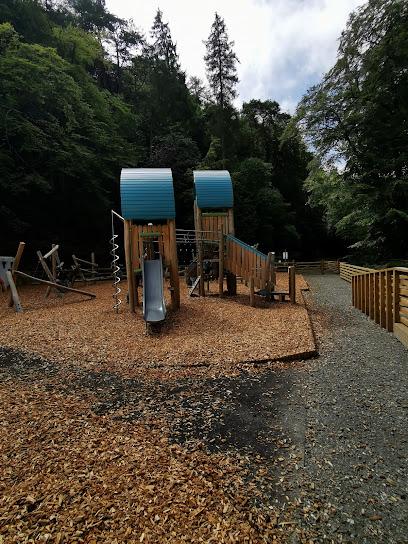
Laxey Glen Play Area
0.4 km
Experience family fun and outdoor adventure at Laxey Glen Play Area in the scenic Isle of Man, where children can play and explore in a safe, beautiful environment.
Laxey Beach
0.4 km
Experience the tranquility of Laxey Beach, a stunning coastal retreat on the Isle of Man with breathtaking views and exciting water activities.
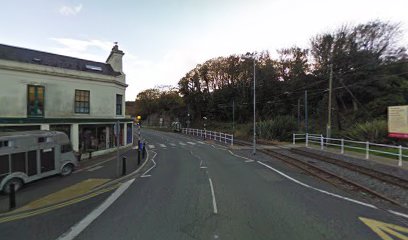
The Laxey Glen - Cafe, Bistro & Events Venue
0.4 km
Discover the serene beauty and culinary delights at The Laxey Glen, a perfect blend of nature and exquisite dining on the Isle of Man.
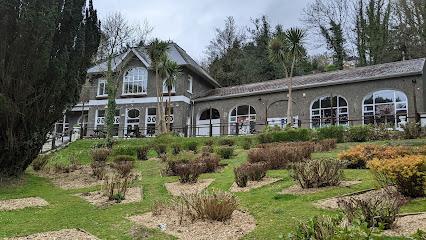
King Orry's Grave
0.4 km
Discover the ancient heritage of King Orry's Grave in Laxey, Isle of Man, a serene site steeped in history and folklore.
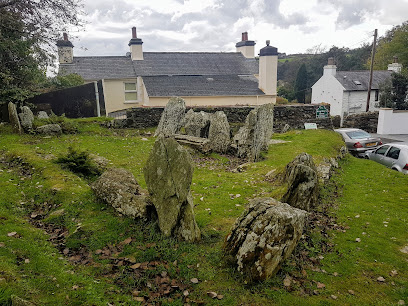
The Laxey Plantation
0.9 km
Discover the natural beauty and historical charm of The Laxey Plantation in the Isle of Man, a perfect park for relaxation and exploration.
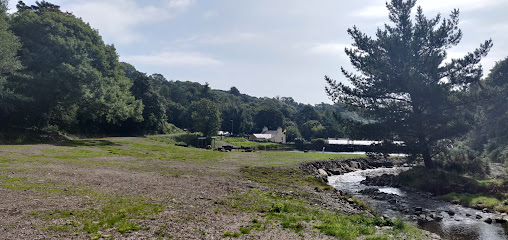
The Great Laxey Wheel
0.9 km
Explore the Great Laxey Wheel, the world's largest working waterwheel, and immerse yourself in the Isle of Man's rich mining history amidst stunning landscapes.
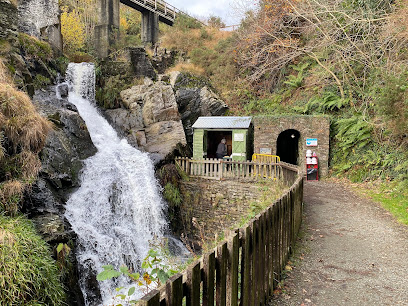
Laxey Glen
0.9 km
Explore Laxey Glen, a stunning ravine on the Isle of Man, where breathtaking landscapes and tranquility await every traveler.
Essential places to dine

Victory Cafe
4.6 km
Experience delicious meals in a family-friendly atmosphere at Victory Cafe, your go-to spot at the Milestone TT Race Course in Snaefell.
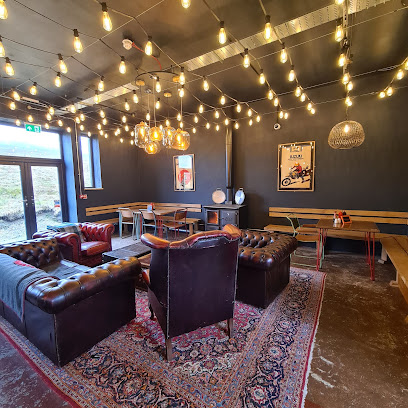
Domino's Pizza
7.0 km
Savor delicious pizzas and sides at Domino's Pizza on the Isle of Man – perfect for fueling your adventures with quick and tasty meals.
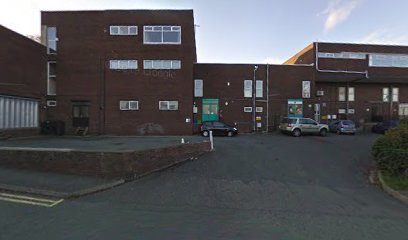
Loong Tan Garden
7.0 km
Discover authentic Chinese flavors at Loong Tan Garden in Douglas - a must-visit takeout haven for food lovers.
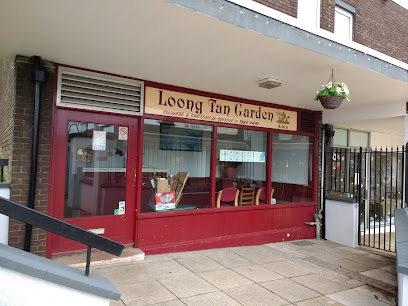
New Cod on the Block
7.1 km
Experience authentic British fish and chips at New Cod on the Block in Onchan, Isle of Man – a culinary delight not to be missed!
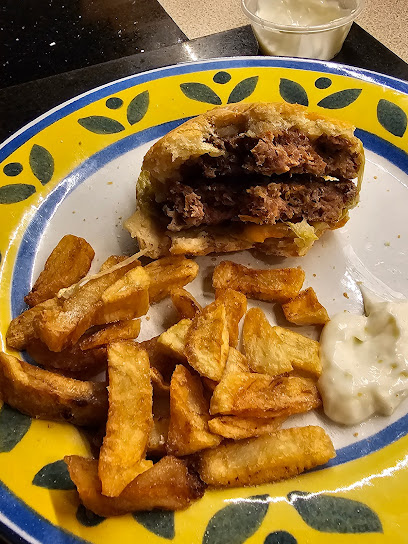
Pizza Bella
7.1 km
Experience the best takeout on the Isle of Man at Pizza Bella – where delicious pizzas meet hearty burgers and kebabs.
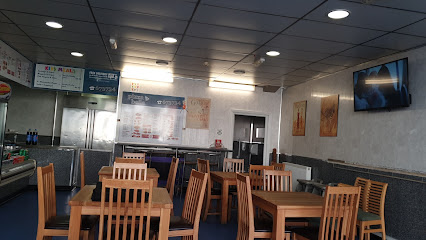
Bonds
7.1 km
Experience exquisite cuisine at Bonds in Onchan - where local flavors meet exceptional service for an unforgettable dining experience.
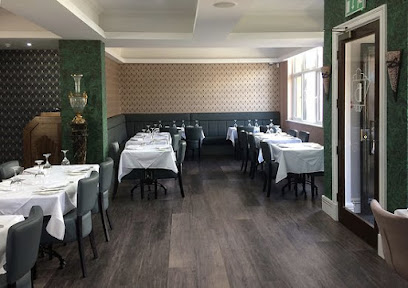
Gandhi Restaurant
7.2 km
Experience authentic Indian cuisine at Gandhi Restaurant in Onchan – where every dish tells a story.
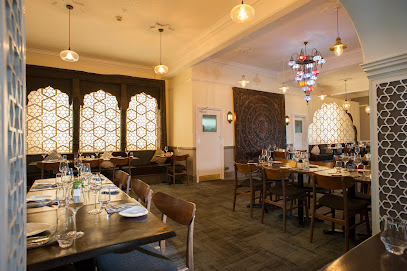
Ocean Views Bar & Grill
7.6 km
Discover family-friendly dining at Ocean Views Bar & Grill with breathtaking vistas and delicious local cuisine on the Isle of Man.
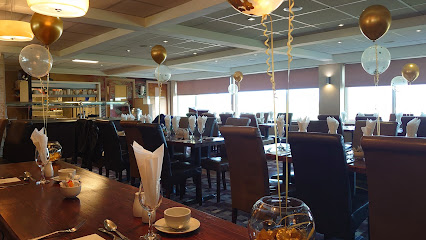
Delissimo
7.7 km
Discover Delissimo in Onchan: Your go-to takeout restaurant for delicious breakfasts and quick meals while exploring the Isle of Man.
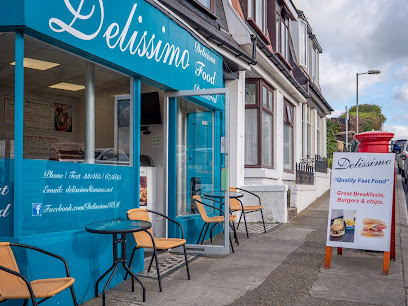
Port Jack Chippy & Diner
7.8 km
Experience authentic British fish and chips at Port Jack Chippy & Diner in Onchan, Isle of Man - where tradition meets taste!
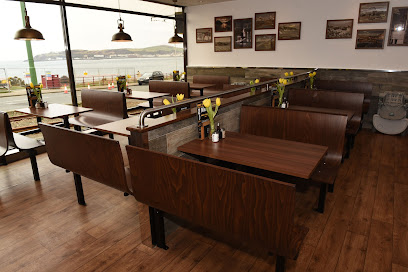
China Town
8.0 km
Experience authentic Chinese cuisine at China Town in Douglas – where every dish tells a story.
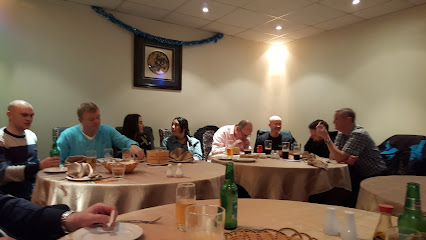
Mama's Kitchen
8.2 km
Experience delicious fast food at Mama's Kitchen in Douglas - where fresh pizzas and late-night cravings meet stunning seaside views.
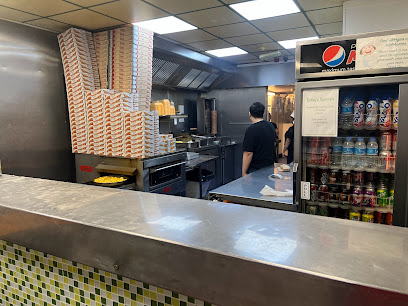
Kurries and steaks
8.2 km
Discover authentic Indian flavors at Kurries and Steaks in Douglas - where every meal is a delightful journey through India's rich culinary heritage.
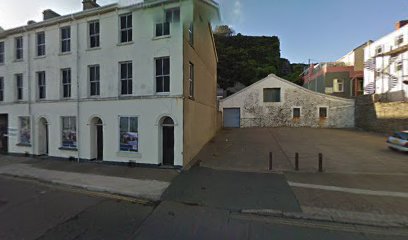
L'Experience
8.2 km
Discover exquisite French cuisine at L'Experience in Douglas, Isle of Man – where every dish tells a story.
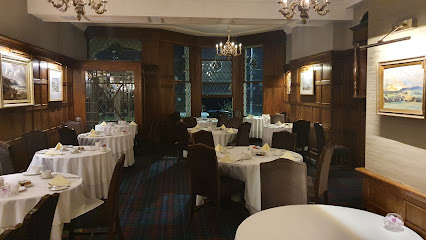
AURA BAR & BISTRO
8.5 km
Discover vibrant Indian cuisine blended with fresh seafood at Aura Bar & Bistro on the beautiful Isle of Man's Queens Promenade.
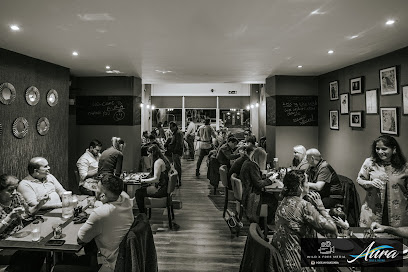
Markets, malls and hidden boutiques

The Laxey Kitchen Co. Ltd t/a The Granite Centre
0.1 km
Dive into the culinary world at The Laxey Kitchen Co. Ltd, where kitchenware meets local charm in the heart of Laxey, Isle of Man.
Mother T's
0.1 km
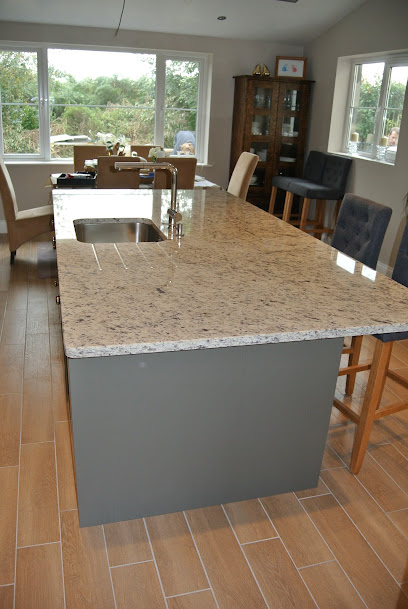
Explore the whimsical charm of Mother T's Gift Shop in Laxey, where unique souvenirs and local treasures await every traveler.
IFDA
0.1 km
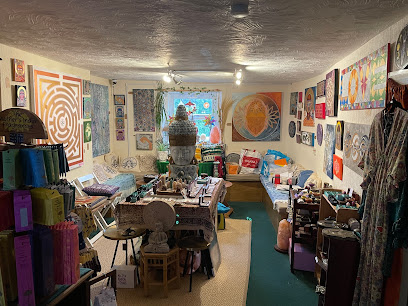
Explore IFDA in Laxey for unique local crafts and specialties that capture the essence of the Isle of Man.
Just Enough Soft Furnishings
0.1 km
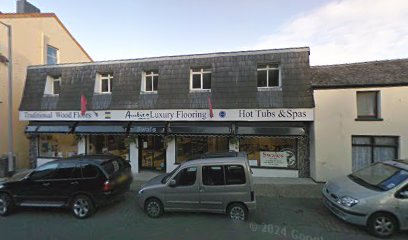
Explore Just Enough Soft Furnishings in Laxey, Isle of Man, for unique textiles and crafting supplies that inspire creativity and celebrate local craftsmanship.
Laxey Booking Office and Cafe
0.2 km
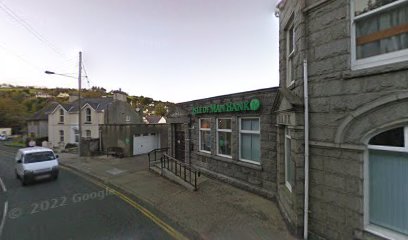
Discover the charm of Isle of Man at Laxey Booking Office and Cafe, where quality coffee meets local history and scenic beauty.
Mo T's Magical Things
0.2 km
Explore Mo T's Magical Things in Laxey for unique gifts and local crafts that capture the spirit of the Isle of Man.
The Tram Junction Shop
0.2 km
Discover the enchanting world of model trains at The Tram Junction Shop in Laxey, Isle of Man - a must-visit for enthusiasts and curious travelers alike.
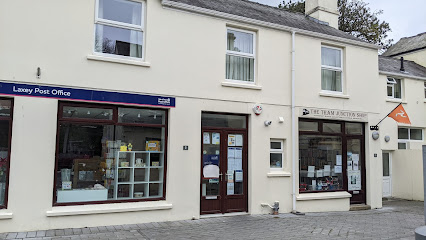
Laxey Chemist
0.2 km
Discover the essential Laxey Chemist for all your health and wellness needs while exploring the charming Isle of Man.
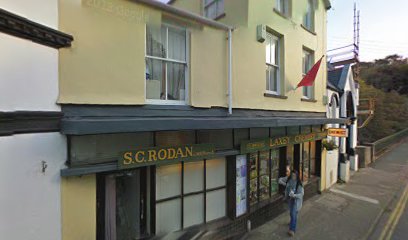
Co-op Food - Laxey
0.2 km
Experience the charm of local shopping at Co-op Food Laxey, your one-stop convenience store for fresh produce and Isle of Man specialties.
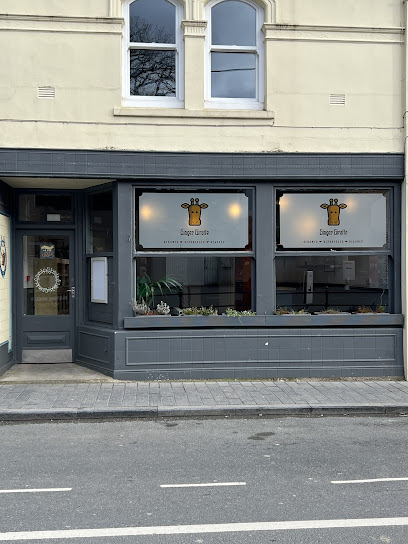
Ginger Giraffe
0.2 km
Explore Ginger Giraffe in Laxey for exquisite furniture accessories and unique candles that bring a touch of Isle of Man charm to your home.
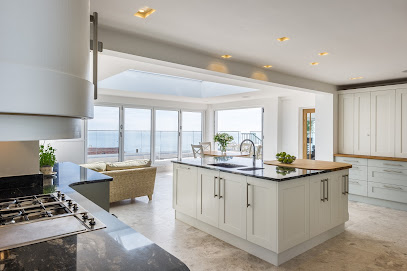
The Village Workshop
0.3 km
Discover bespoke fitted furniture and kitchen remodeling at The Village Workshop in Laxey, Isle of Man, where craftsmanship meets creativity.
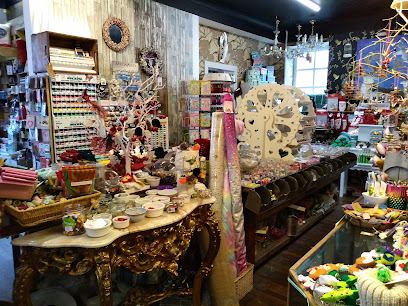
J J Ribbons
0.3 km
Explore J J Ribbons: A charming gift shop and haberdashery in Laxey, offering unique souvenirs and local crafts on the Isle of Man.
Whim Boutique
0.4 km
Explore unique fashion options at Whim Boutique in Laxey, Isle of Man, where local design meets contemporary style.
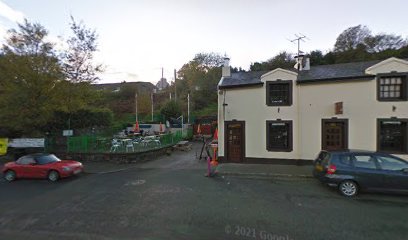
Laxey Gift Shop
0.5 km
Discover unique souvenirs and local crafts at Laxey Gift Shop, the perfect stop for tourists on the Isle of Man.
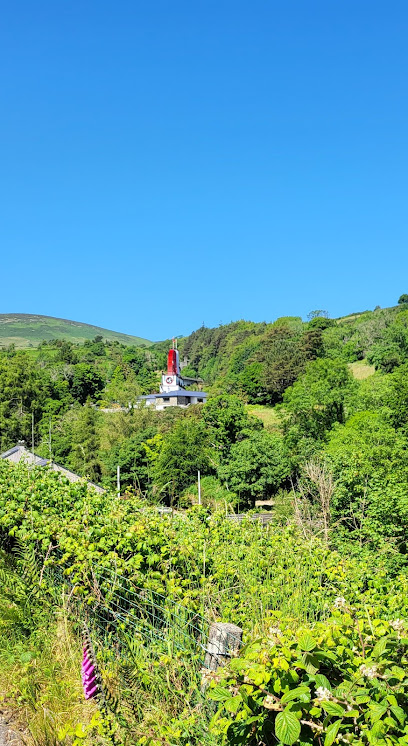
Skin and scent
1.5 km
Discover rejuvenating beauty and wellness at Skin and Scent, a premium health and beauty shop in Laxey, Isle of Man.
Essential bars & hidden hideouts

Mint Bar
6.6 km
Experience the cozy ambiance and delightful drinks at Mint Bar, a beloved local spot in Onchan, Isle of Man, perfect for tourists seeking relaxation.
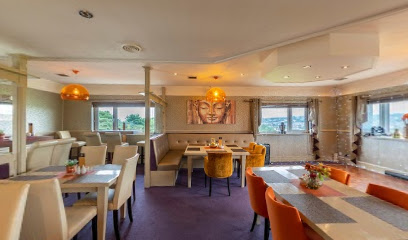
Archibald Knox
7.0 km
Discover the local charm and vibrant atmosphere of Archibald Knox Pub in Onchan, Isle of Man, where great food and drinks await.
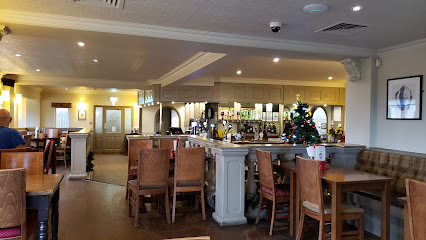
Raise The Bar
7.1 km
Experience the vibrant flavors of the Isle of Man with Raise The Bar, the premier mobile caterer bringing delicious dishes to you.
The Manx Arms
7.1 km
Discover the heart of Isle of Man's pub culture at The Manx Arms, where locals gather for good food, drinks, and camaraderie.
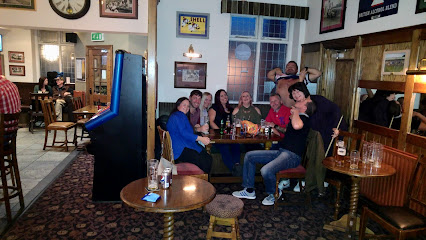
The Cat With No Tail
7.6 km
Discover the charm of The Cat With No Tail pub in Douglas, offering a warm atmosphere, local flavors, and a delightful drink selection.
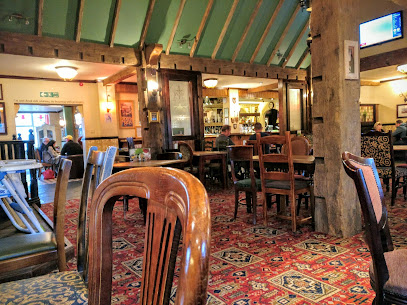
The Terminus Tavern
8.0 km
Discover the charm of The Terminus Tavern in Douglas, where local flavors meet a vibrant atmosphere for an unforgettable pub experience.
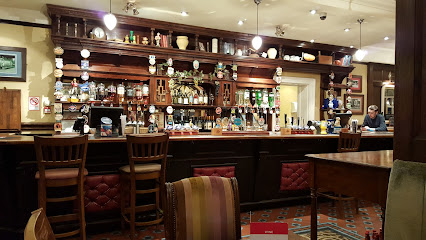
The Trackside
8.5 km
Experience the vibrant atmosphere of The Trackside, where local culture meets racing excitement in the heart of Douglas.
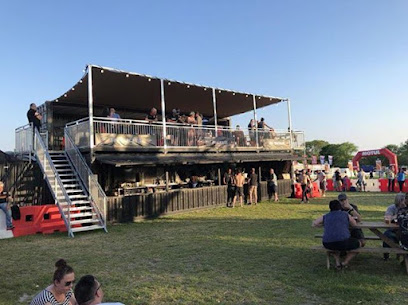
Looky's Lounge Bar
8.8 km
Discover Looky's Lounge Bar in Douglas: a vibrant bar with stunning views, extensive drinks, and a welcoming atmosphere for all visitors.
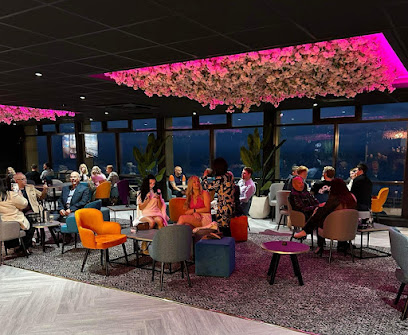
HQ Bar & Restaurant
9.0 km
Savor exquisite flavors and stunning views at HQ Bar & Restaurant in Douglas, Isle of Man, a perfect dining spot for every traveler.
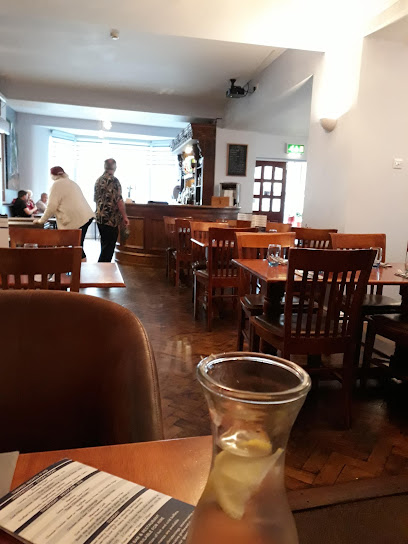
mshary al arabi
9.4 km
Experience the vibrant nightlife of the Isle of Man at Mshary Al Arabi, a bar that offers a unique blend of local charm and modern elegance.
Sir Norman's Bar
9.8 km
Discover Sir Norman's Bar in Douglas: A lively venue for fine dining, refreshing drinks, and unforgettable live music experiences.
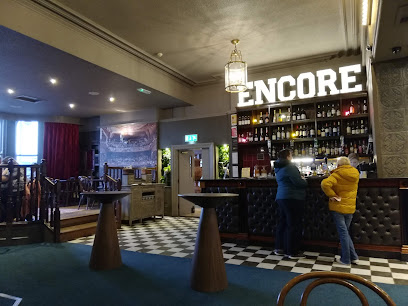
Encore Bar & Brasserie
9.8 km
Discover a charming blend of local flavors and exquisite cocktails at Encore Bar & Brasserie on the Isle of Man's scenic Harris Promenade.
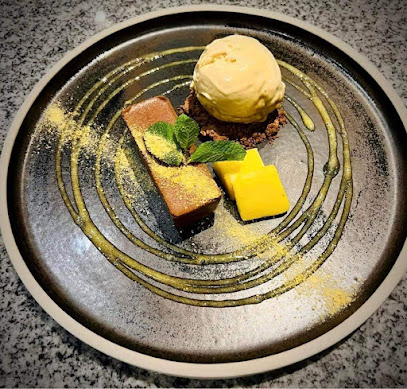
The Original Quids Inn
9.9 km
Discover the lively atmosphere of The Original Quids Inn, a premier live music bar in Douglas, Isle of Man, perfect for karaoke and sports fans.
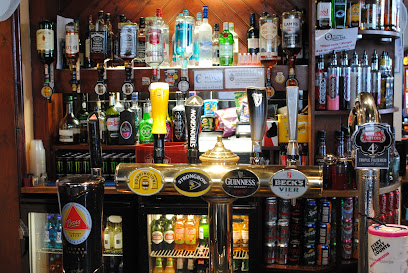
The Woodbourne
9.9 km
Experience the warmth of Isle of Man's pub culture at The Woodbourne, a delightful spot for drinks, food, and local camaraderie.
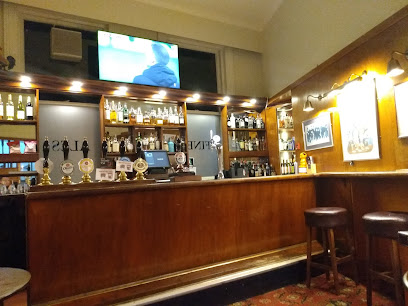
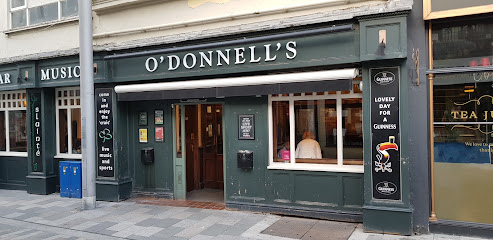
Brendan O'Donnell's
9.9 km
Discover Brendan O'Donnell's Pub: A cozy spot in Douglas blending local flavors and vibrant culture for an unforgettable Isle of Man experience.
Nightclubs & after hour spots

Laxey Football Club
0.4 km
Discover the vibrant community spirit of Laxey Football Club, a cornerstone of Isle of Man's local culture and a thrilling sports venue for visitors.
Laxey Sailing Club
1.0 km
Experience the serene beauty and vibrant community of Laxey Sailing Club on the Isle of Man, perfect for sailing, relaxation, and local culture.
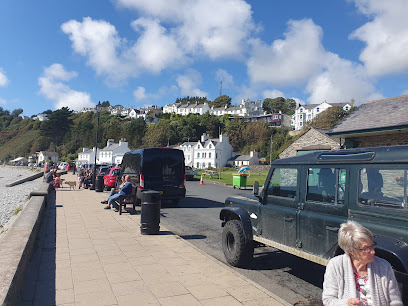
Isle of man
9.4 km
Discover the Isle of Man: A breathtaking island known for exhilarating sports events and rich cultural heritage amidst stunning landscapes.
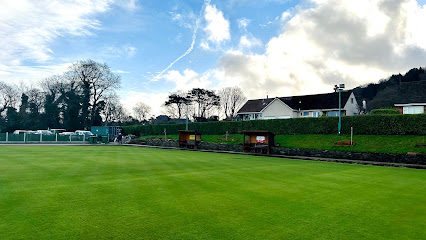
South Ramsey Bowling Club
9.7 km
Discover the charm of bowling at South Ramsey Bowling Club, a local favorite nestled in the scenic beauty of Ramsey, Isle of Man.
Mitre Hotel
10.2 km
Discover the warm hospitality of Mitre Hotel in Ramsey, where a vibrant atmosphere and a diverse drink selection await you.
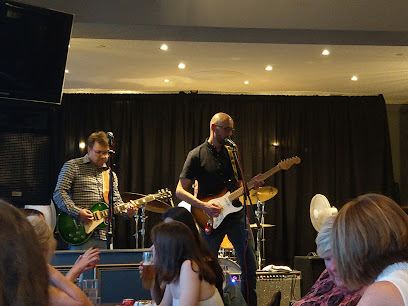
Bar Logo
10.2 km
Discover the perfect blend of drinks and dining at Bar Logo, a vibrant bar and restaurant in the heart of Ramsey, Isle of Man.
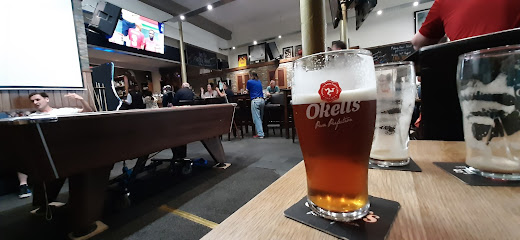
The Trafalgar Free House
10.2 km
Experience the vibrant culture of Ramsey at The Trafalgar Free House, where great drinks and a lively atmosphere await.
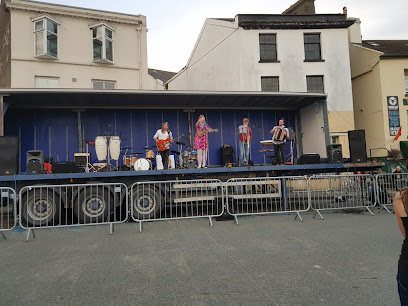
The Royal George
10.2 km
Discover the charm of The Royal George, a traditional pub in Ramsey offering local ales, hearty meals, and a lively atmosphere perfect for all visitors.
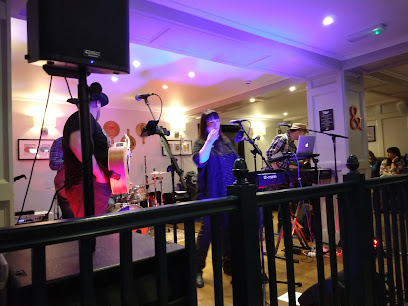
South Douglas Old Friends Association
10.2 km
Discover the heart of Douglas at the South Douglas Old Friends Association, a community bar offering a taste of Isle of Man's vibrant culture.
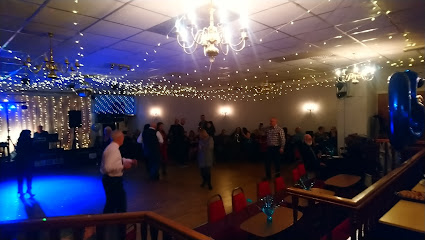
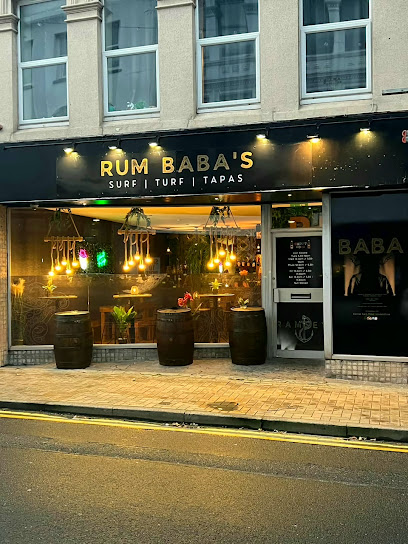
Rum Baba's
10.2 km
Experience the best of culinary arts at Rum Baba's, where exquisite steaks and delightful cocktails meet in a vibrant atmosphere.
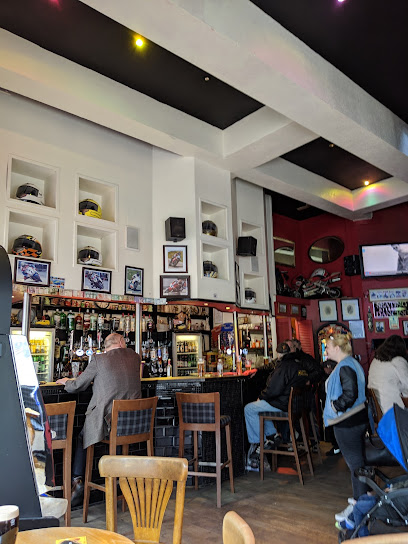
The Nags Head
10.3 km
Discover the vibrant atmosphere and local charm of The Nags Head Pub, a top destination for drinks and dancing in Douglas, Isle of Man.
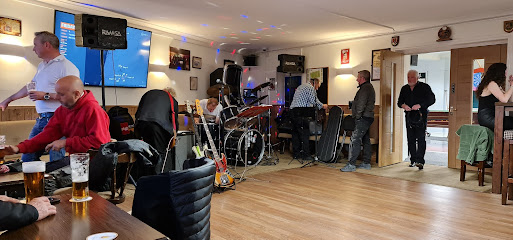
R.A.O.B Club
10.3 km
Discover the R.A.O.B Club in Ramsey, a vibrant social hub where locals and tourists unite for friendship and fun on the Isle of Man.
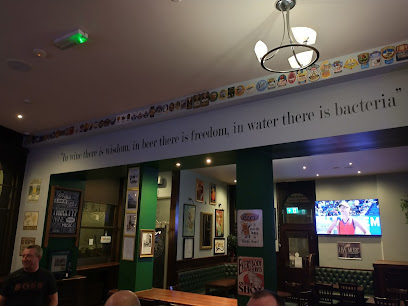
Thirsty Pigeon
10.4 km
Discover the vibrant atmosphere of Thirsty Pigeon, a must-visit pub in Douglas, Isle of Man, celebrated for its drinks and lively music nights.
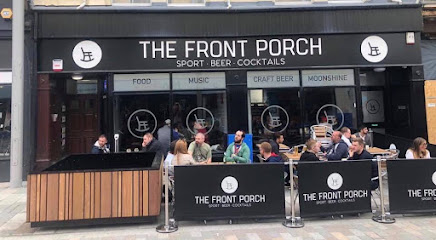
The Front Porch
10.4 km
Discover the vibrant atmosphere of The Front Porch, Douglas's premier bar, offering a lively nightlife experience on the Isle of Man.
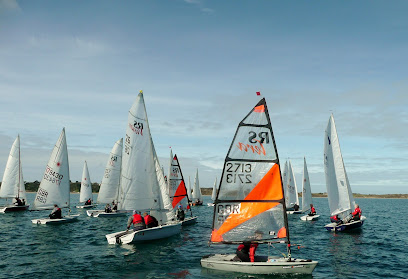
Manx Sailing & Cruising Club
10.4 km
Discover the vibrant maritime culture at the Manx Sailing & Cruising Club, a hub for sailing enthusiasts along Ramsey's scenic coastline.
For the vibe & atmosphere seeker
- Unique
- Casual
- Scenic
- Entertaining
For the design and aesthetic lover
- Vintage Styles
- Industrial Designs
- Rustic Designs
For the architecture buff
- Historic
- Industrial
- Heritage Neighborhoods
For the view chaser and sunset hunter
- Waterfront
For the social media creator & influencer
- Photo Spots
- Aesthetic Corners
- Architectural Shots
For the eco-conscious traveler
- Sustainable
- Locally Managed
- Low Impact
For the kind of experience you’re after
- Cultural Heritage
- Photowalk
- Day Trip
For how adventurous you want the journey to be
- Easy Access
Location Audience
- Family Friendly
- Senior Friendly
- Solo Friendly
- Couple Friendly


