
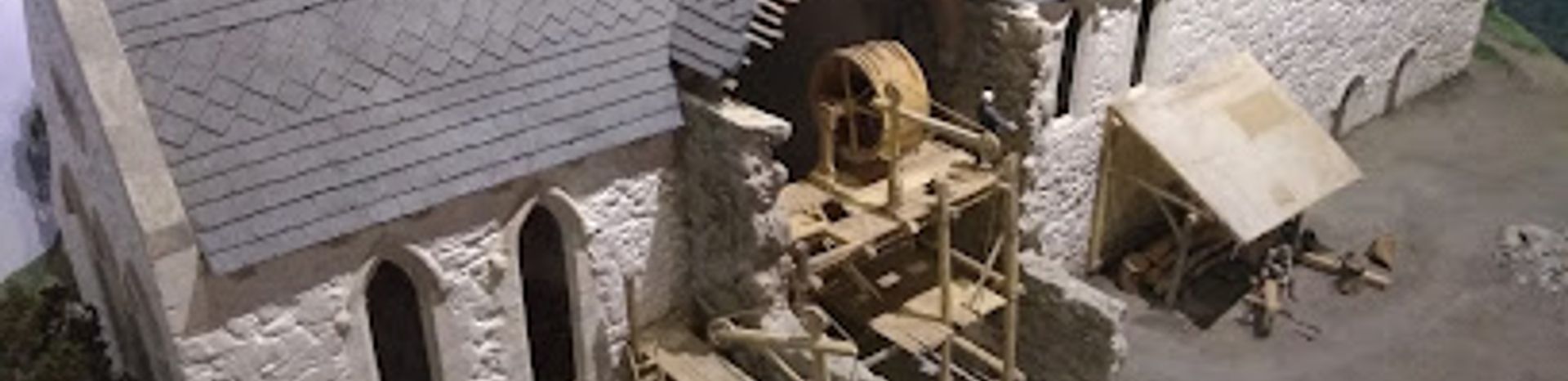
Rushen Abbey: Isle of Man’s Medieval Monastic Heritage and Tranquil Gardens
Explore the tranquil ruins and gardens of Rushen Abbey, the Isle of Man’s medieval monastic heart and royal mausoleum.
Rushen Abbey, founded in 1134 by King Olaf I, is the Isle of Man’s most significant medieval monastic site. Once a powerful Cistercian monastery and royal mausoleum, its ruins now lie within peaceful gardens in Ballasalla. Managed by Manx National Heritage, the site offers visitors a glimpse into medieval religious life, archaeological discoveries, and a charming setting for picnics and events. The abbey’s history, from its founding through dissolution and later transformation, enriches the cultural landscape of the island.
A brief summary to Rushen Abbey
- Mill Road Ballasalla, Ballasalla, Isle of Man, IM9 3DB, IM
- +441624648000
- Visit website
- Duration: 1 to 3 hours
- Mid ranged
-
 Outdoor
- Mobile reception: 4 out of 5
- Monday 12 pm-4 pm
- Thursday 12 pm-4 pm
- Friday 12 pm-4 pm
- Saturday 12 pm-4 pm
- Sunday 12 pm-4 pm
Local tips
- Visit between 12pm and 4pm on open days to enjoy the heritage center and gardens.
- Bring a picnic to enjoy in the scenic Abbey Gardens, a perfect spot for relaxation.
- Explore nearby Monks’ Bridge and Silverdale Glen for a fuller historical and natural experience.
- Check for special events like tea dances or guided tours to enrich your visit.

For the on-the-go comforts that matter to you
- Restrooms
- Seating Areas
- Information Boards
- Visitor Center
Getting There
-
Bus
Take Bus Vannin services to Ballasalla, which runs regularly from Douglas and other major towns. The journey typically takes 20–30 minutes from Douglas. The bus stop is within walking distance of Rushen Abbey. Tickets cost approximately £2–£4 one way. Buses are accessible and run daily except Christmas Day.
-
Steam Railway
Use the Isle of Man Steam Railway from Douglas to Ballasalla station, a scenic 30-minute ride operating seasonally from spring to autumn. From the station, it is a 10-minute walk to the abbey. Tickets cost around £6 for a single journey. The railway offers a historic travel experience but runs less frequently in winter.
-
Car
Driving to Rushen Abbey is straightforward via the island’s well-maintained roads. Parking is available nearby but limited during peak seasons. Car hire is widely available on the island, with daily rates starting from £30. Note that roads may be narrow in places, so cautious driving is advised.
Rushen Abbey location weather suitability
-
 Any Weather
-
 Mild Temperatures
-
 Rain / Wet Weather
-
 Clear Skies
Discover more about Rushen Abbey
Origins and Religious Significance of Rushen Abbey
Rushen Abbey was established in 1134 by King Olaf I of Man and the Isles as a daughter house of the Savignac Abbey of Furness in Cumbria. In 1147, it transitioned to the Cistercian order, which greatly influenced its spiritual and economic development. The abbey church, dedicated to St Mary, was completed in 1257. It became the most important religious institution on the Isle of Man, second only to the king in land ownership and political influence. The abbots wielded both ecclesiastical and secular power, with many eventually becoming bishops of the region. The abbey also functioned as a royal mausoleum, earning it the nickname "Westminster Abbey of the Irish Sea." The site was a center of literacy and knowledge, where the Chronicle of Mann and other key historical documents were compiled.Decline, Dissolution, and Later Uses
The abbey was dissolved in 1540 during the Reformation under Henry VIII, with its assets sold to fund the king’s military campaigns. Only fragments of the original structures, including parts of the abbot’s lodgings and a tower, survived. The site was later converted into a working farm by local families. In 1853, the Isle of Man government purchased the site intending to use it as a lunatic asylum, but this plan was never realized. Instead, the ruins became a public heritage site, cherished for their historical resonance and scenic surroundings.Archaeological Discoveries and Preservation Efforts
Archaeological interest in Rushen Abbey has spanned over a century, with early excavations in the late 19th and early 20th centuries followed by extensive digs from the late 1970s through the early 2000s. These investigations have revealed the abbey’s layout, monastic buildings, cemetery, and burial practices dating back over 1,000 years. Since 1998, Manx National Heritage has managed the site, preserving its ruins and developing visitor facilities. Excavations have illuminated the abbey’s role in medieval society and its architectural evolution.Visitor Experience and Gardens
Today, visitors can explore the abbey ruins nestled within beautifully maintained gardens featuring blossom trees, herbs, and flowers historically used for healing. The peaceful Abbey Gardens provide a perfect setting for picnics, leisurely walks, and events such as weddings and traditional tea dances. The heritage center offers interactive displays explaining monastic life, literacy, and the abbey’s changing role through centuries. While there is no formal café, refreshments are available for donations, enhancing the tranquil atmosphere.Connection to the Isle of Man’s Cultural Landscape
Rushen Abbey sits near Castle Rushen and along the Silver Burn river, linking it to other key medieval sites on the island. The nearby Monks’ Bridge, built around 1350, is a rare surviving packhorse bridge used by monks traveling across the island. The abbey’s story spans from medieval spirituality to 20th-century social life, including its fame for strawberry teas and dance nights. This layered history makes it a unique cultural landmark reflecting the Isle of Man’s heritage.Practical Information for Visitors
The abbey is open seasonally, typically from 12pm to 4pm on select days. Admission is free with an option to donate, and children under 16 enter free when accompanied by adults. Accessibility features include ramps and disabled toilets. The site welcomes visitors interested in history, archaeology, and tranquil outdoor spaces. It is managed sustainably to protect its archaeological integrity and natural beauty.Iconic landmarks you can’t miss

The Abbey Restaurant
0.1 km
Experience exquisite dining at The Abbey Restaurant, where local flavors meet historical charm in the heart of the Isle of Man.
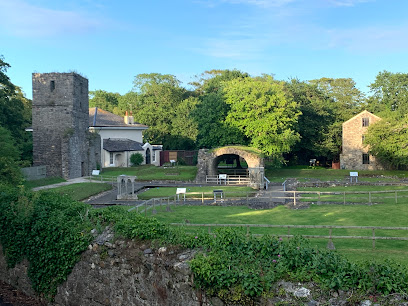
The Whitestone Inn
0.3 km
Experience the warmth of The Whitestone Inn in Ballasalla, Isle of Man—where local brews and hearty meals await every traveler.
Manx Memorials Ltd
0.4 km
Explore the artistry of remembrance at Manx Memorials Ltd, the Isle of Man's dedicated monument maker, where memories are crafted into lasting tributes.

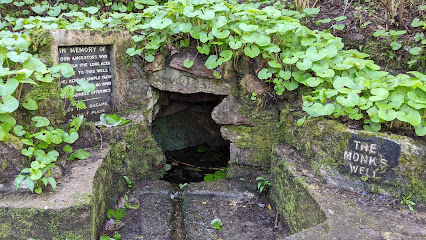
The Monks Well
0.7 km
Discover the serene beauty and historical significance of The Monks Well, a captivating landmark on the Isle of Man, perfect for history enthusiasts and nature lovers.
Isle of man
0.7 km
Explore the Isle of Man: A captivating destination with stunning landscapes, rich history, and unique culture in the heart of the Irish Sea.
Silverdale Glen Cafe
0.9 km
Discover the serene Silverdale Glen Cafe, a perfect blend of nature and delicious homemade treats on the Isle of Man.
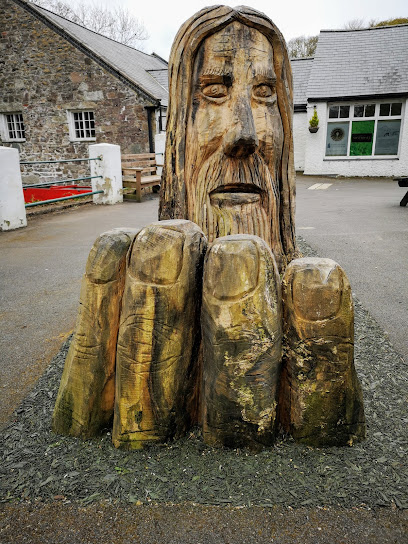
Reayrt Mie
1.0 km
Discover the charm of Ballasalla at Reayrt Mie, your cozy and comfortable apartment complex on the breathtaking Isle of Man.
Ronaldsway Battlefield
2.1 km
Uncover the rich military history of the Isle of Man at Ronaldsway Battlefield, a serene landmark that invites exploration and reflection.
The Sidings
2.4 km
Experience the warmth and charm of The Sidings, a cozy pub in Castletown, offering local cuisine and a welcoming atmosphere for all visitors.
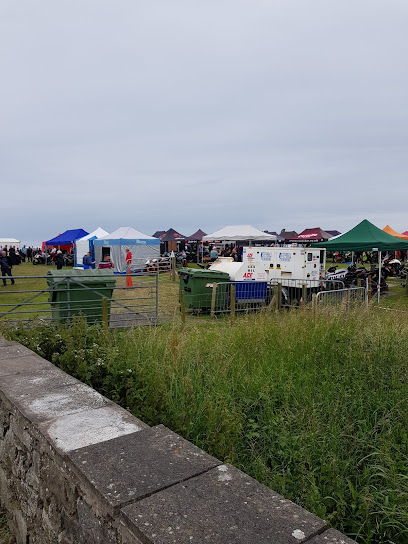
Southern 100 Road Races
2.7 km
Discover the excitement of the Southern 100 Road Races in Castletown, Isle of Man, where speed meets scenic beauty in a thrilling motorsport event.
Cronk darragh cottage
2.9 km
Discover the serene beauty of Cronk Darragh Cottage in Castletown, Isle of Man, your perfect homestay for an unforgettable getaway.
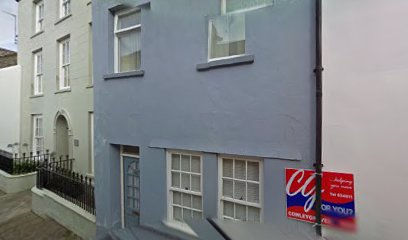
Isle of Man Chamber of Commerce
2.9 km
Explore the architectural beauty and cultural significance of the Isle of Man Chamber of Commerce in Castletown, a hub of local enterprise and heritage.
Mariner's Cottage Isle of Man
3.0 km
Experience the charm of Mariner's Cottage in Castletown, a perfect holiday home for exploring the scenic beauty and rich history of the Isle of Man.
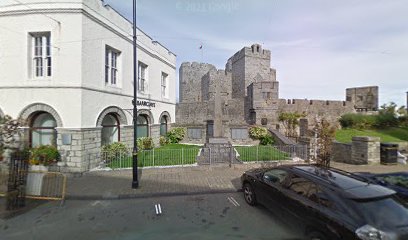
War Memorial
3.0 km
Explore the War Memorial in Castletown, a historical landmark that honors local heroes and enriches your travel experience with its profound heritage.
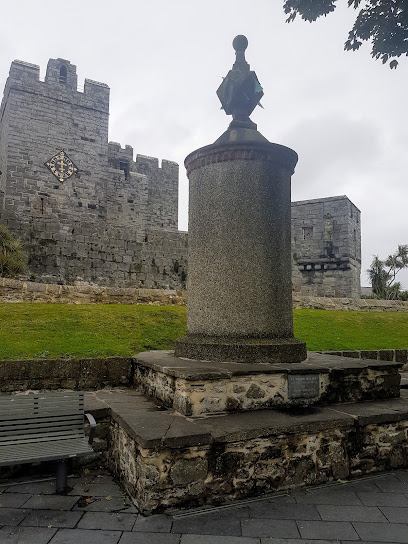
John Wesley Column
3.0 km
Discover the historical significance of the John Wesley Column in Castletown, a captivating landmark that reflects the Isle of Man's rich cultural heritage.
Unmissable attractions to see

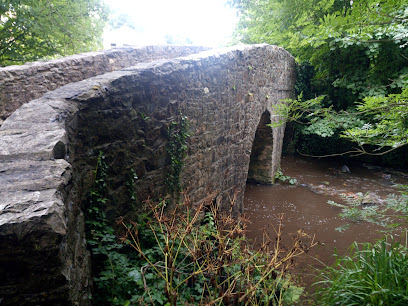
Monks Bridge
0.3 km
Explore Monks Bridge in Ballasalla, a historical landmark on the Isle of Man, showcasing stunning architecture and rich local heritage.
Silverdale Glen
1.0 km
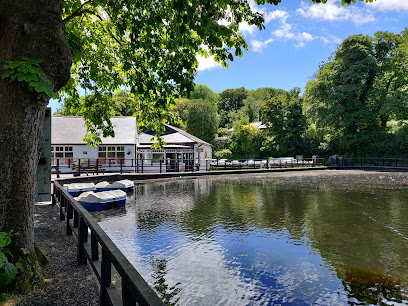
Experience the tranquility of Silverdale Glen, a picturesque park in the Isle of Man with lush landscapes, paddle boating, and delightful café treats.
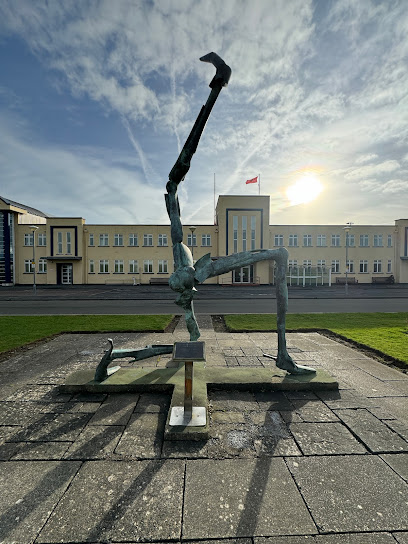
The Legs of Man
1.3 km
Discover the captivating beauty and rich folklore of The Legs of Man, a must-visit tourist attraction on the Isle of Man.
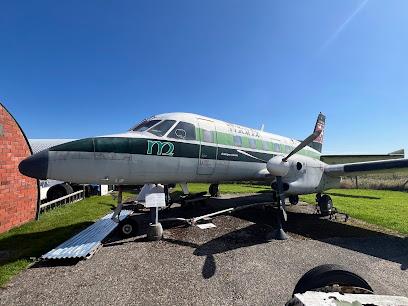
Manx Aviation and Military Museum
1.7 km
Explore the Isle of Man's aviation and military heritage at the Manx Aviation and Military Museum, a captivating tourist attraction at the airport.
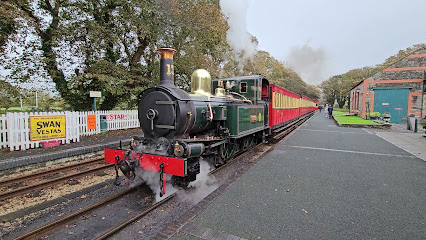
Isle of Man Railway - Castletown Station
2.3 km
Step back in time at Castletown Station, the bustling heritage hub of the Isle of Man Railway, blending historic charm with scenic island adventures.
Pulsom park
2.5 km
Discover the tranquil beauty of Pulsom Park in Castletown, Isle of Man - a perfect spot for relaxation and family fun amidst stunning natural landscapes.
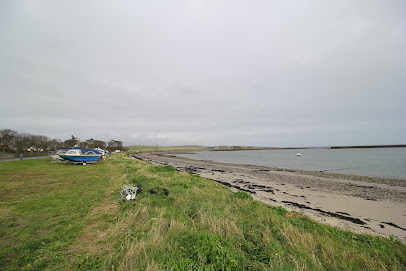
Derbyhaven Beach
2.5 km
Experience the tranquil beauty of Derbyhaven Beach, where serene sands meet stunning blue seas on the Isle of Man.
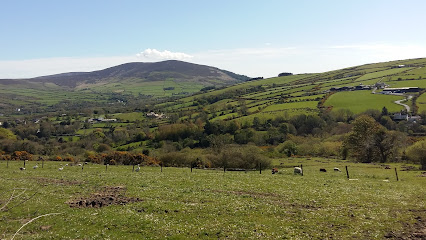
Ballalough Reedbeds Nature Reserve
2.8 km
Discover the serene beauty and rich biodiversity of Ballalough Reedbeds Nature Reserve, a must-visit for nature lovers on the Isle of Man.
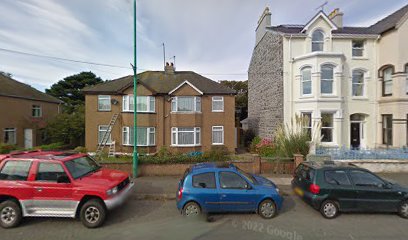
Lorne House
2.8 km
Explore the historical allure of Lorne House in Castletown, Isle of Man, where architecture meets rich cultural heritage.
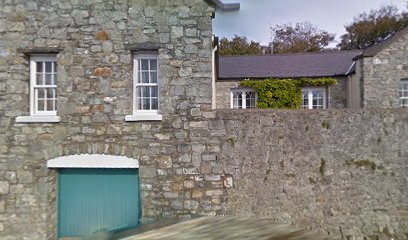
The Nautical Museum
2.9 km
Explore the rich maritime heritage of the Isle of Man at The Nautical Museum in Castletown, a must-visit for history and sea enthusiasts.
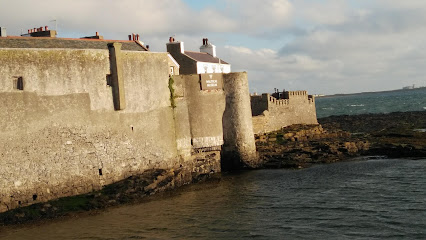
Captain Quilliam Statue
2.9 km
Explore the Captain Quilliam Statue in Castletown, a stunning tribute to maritime heritage and local artistry in the heart of the Isle of Man.
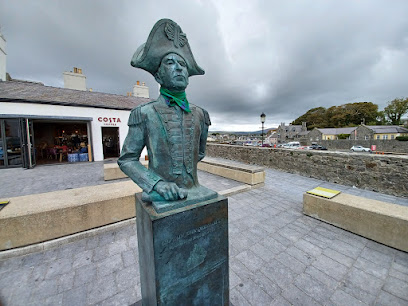
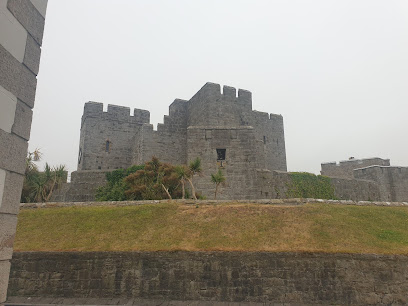
Castle Rushen
3.0 km
Explore Castle Rushen, a historical landmark in Isle of Man, where medieval history meets breathtaking architecture and stunning views.
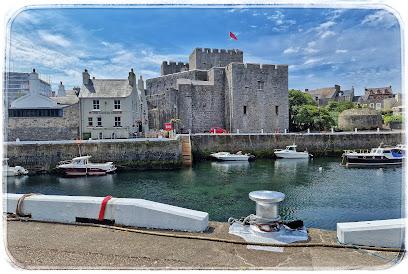
The Old House of Keys
3.0 km
Discover the rich political history of the Isle of Man at The Old House of Keys in Castletown, a captivating museum experience for all ages.
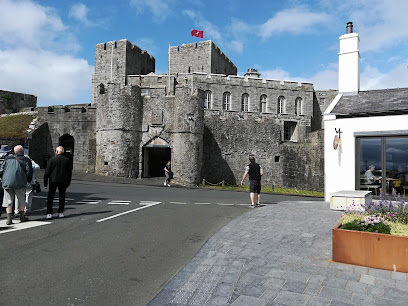
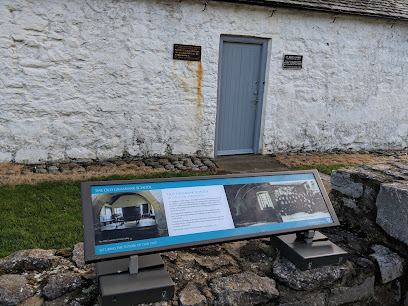
Old Grammar School
3.1 km
Explore the Old Grammar School in Castletown, a historical museum that offers a captivating insight into the Isle of Man's educational past.
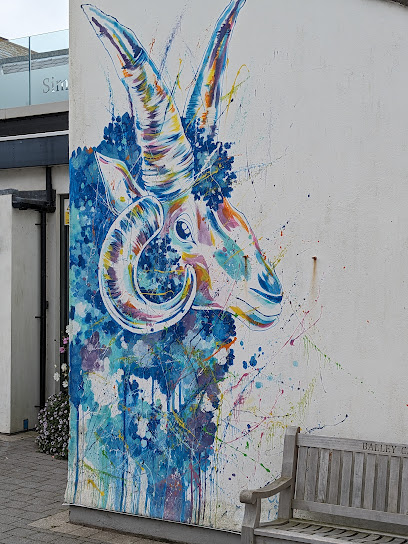
Manx Sheep Mural
3.1 km
Experience the vibrant Manx Sheep Mural in Castletown, a colorful tribute to the Isle of Man's rich agricultural heritage and artistic expression.
Essential places to dine

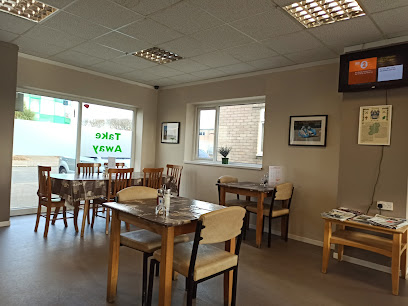
Kelly's Café
0.7 km
Discover delightful dining at Kelly's Café on the Isle of Man—where local flavors meet cozy ambiance for an unforgettable culinary experience.
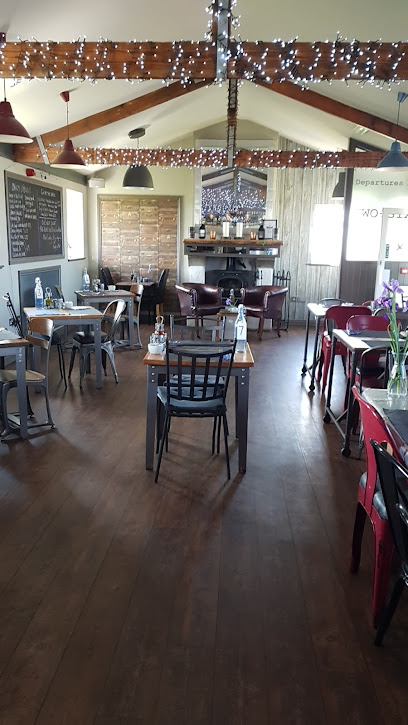
Café Bar Two Six
2.2 km
Discover Café Bar Two Six: A cozy spot in Ballasalla offering delicious brunches and freshly brewed coffee amidst local charm.
Tuscany Restaurant
3.0 km
Experience authentic Italian cuisine at Tuscany Restaurant in Castletown - where every dish is crafted with passion and served with warmth.
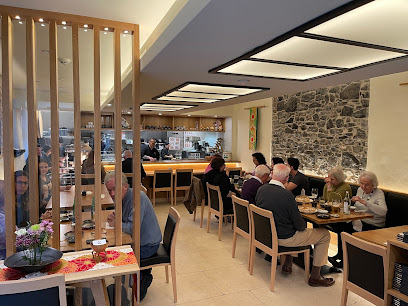
Kizuna
3.0 km
Discover Kizuna: A premier destination in Castletown for authentic Japanese cuisine featuring expertly crafted dishes in a serene atmosphere.
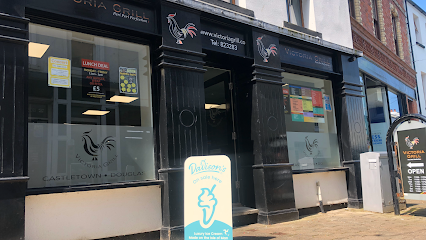
Victoria Grill
3.0 km
Discover the mouthwatering peri-peri chicken at Victoria Grill in Castletown - your perfect takeout spot on the Isle of Man.
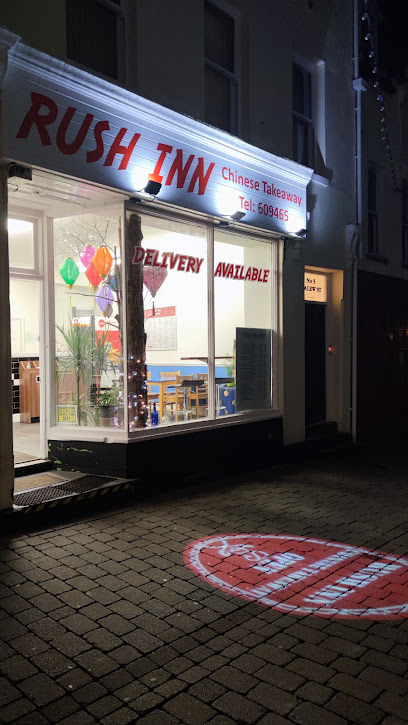
Rush Inn Chinese Takeaway
3.0 km
Experience the best of Chinese cuisine at Rush Inn Takeaway in Castletown—where authentic flavors meet local charm.
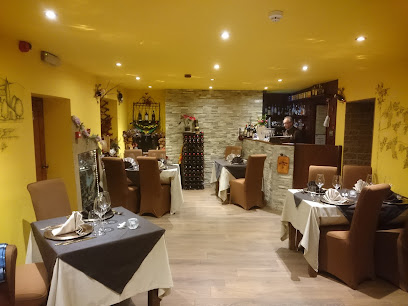
Leonardo's Restaurant
3.0 km
Experience authentic Italian flavors in Castletown at Leonardo's Restaurant - where every meal is a celebration of culinary tradition.
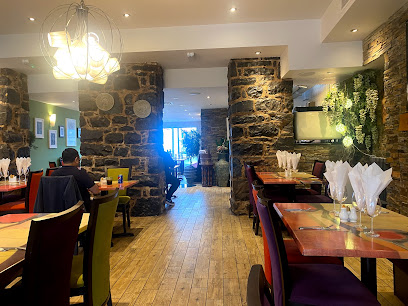
Garrison
3.0 km
Discover Garrison in Castletown – where local flavors meet contemporary cuisine in a charming setting.
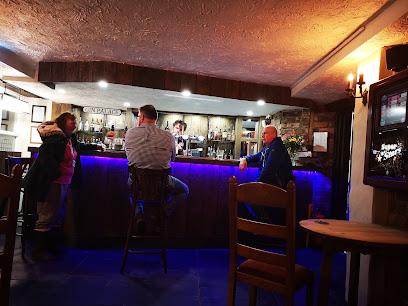
The George Hotel
3.1 km
Discover the perfect blend of history and modernity at The George Hotel, your culinary destination in Castletown.

Secret Pizza
3.1 km
Savor authentic Italian pizza amidst live music and vibrant atmosphere at Secret Pizza in Castletown.
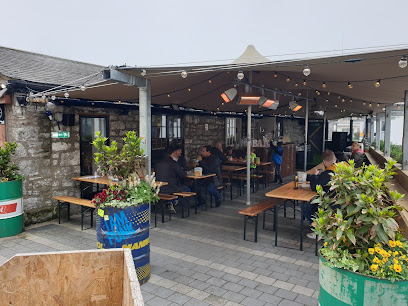
Bay Green Restaurant
3.3 km
Experience exquisite local cuisine at Bay Green Restaurant on the scenic Isle of Man – where every dish tells a story.
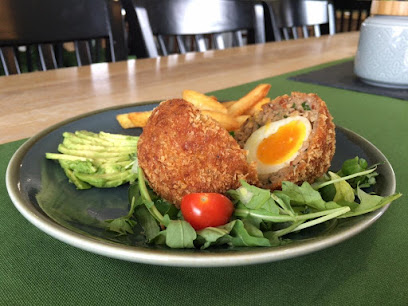
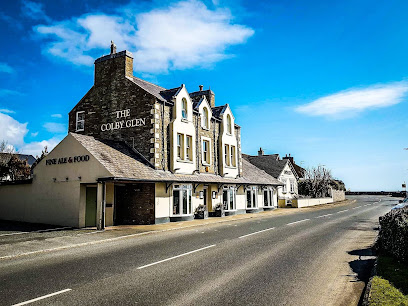
The Colby Glen
4.4 km
Experience the charm of The Colby Glen in Isle of Man - your go-to pub for delicious food and local brews.
The Shore
5.8 km
Discover breathtaking coastal views at The Shore while enjoying delightful food and drinks in an inviting bar atmosphere.
Shore Hotel, Gansey
5.8 km
Discover breathtaking coastal views and exceptional hospitality at Shore Hotel in Gansey – your perfect retreat on the Isle of Man.
The Forge
6.5 km
Discover the culinary delights at The Forge in Mount Murray, where every meal is crafted with care and local flavor.
Markets, malls and hidden boutiques

Ballasalla Stores
0.2 km
Explore the essence of Isle of Man at Ballasalla Stores, a charming grocery store offering local produce and artisanal delights.
M J S Marine Services
0.2 km
Explore the best in marine supplies at M J S Marine Services in Ballasalla, Isle of Man, your trusted partner for all boating adventures.

Costain Pharmacy
0.2 km
Discover health and wellness at Costain Pharmacy in Ballasalla, your trusted ally for pharmaceutical care on the Isle of Man.
Beautiful Blooms Ltd
0.3 km
Discover Beautiful Blooms Ltd, a charming florist in Ballasalla offering exquisite floral arrangements and unique gifts that capture the Isle of Man's beauty.
Manxit - Automotive
0.3 km
Explore Ballasalla's leading used car dealer, Manxit, offering quality vehicles and full automotive services for every traveler.

SPAR Clagh Vane
0.4 km
Discover local flavors and essentials at SPAR Clagh Vane, the perfect convenience store in Ballasalla for all your grocery needs.
Watches of Mann
0.4 km
Explore the exquisite collection of luxury watches at Watches of Mann in Ballasalla, Isle of Man, where timeless elegance meets exceptional service.

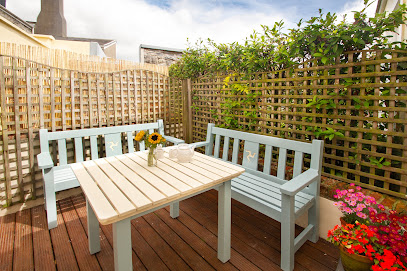
benchman of ballasalla.com
0.4 km
Discover exquisite garden furniture in Ballasalla, Isle of Man, blending craftsmanship with charm for your outdoor spaces.
Ballasalla Signs
0.5 km
Explore the artistry of custom sign making at Ballasalla Signs, a unique shop in the Isle of Man offering personalized designs for every occasion.
SPAR Ballasalla
0.6 km
Discover convenience and local products at SPAR Ballasalla, your one-stop shop for groceries, fuel, and more on the Isle of Man.
Toque Snuff Ltd
0.6 km
Discover the rich heritage of tobacco at Toque Snuff Ltd, Ballasalla's premier tobacco shop offering a range of exquisite products.

Vinyl Flooring
0.7 km
Discover stylish and durable vinyl flooring solutions in Ballasalla, Isle of Man, perfect for transforming your home or business.
Snuff Store UK
0.7 km
Explore the rich heritage of tobacco at Snuff Store UK in Ballasalla, Isle of Man, a haven for snuff enthusiasts and curious visitors.
MrSnuff
0.7 km
Uncover the exquisite world of tobacco at MrSnuff, Isle of Man's premier shop offering a vast selection of premium products and expert advice.
Rainbow Life
0.7 km
Discover the vibrant shopping experience at Rainbow Life on the Isle of Man, where unique gifts and local culture come to life.
Essential bars & hidden hideouts

Rendezvous Executive Lounge
1.2 km
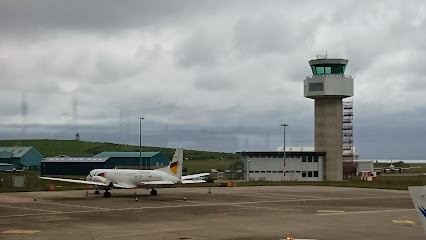
Discover the perfect blend of comfort and elegance at Rendezvous Executive Lounge, your serene escape at Ronaldsway Airport.
The Viking Hotel
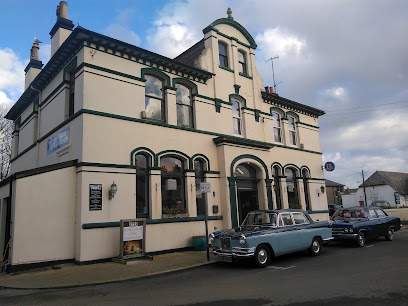
2.4 km
Experience the warm hospitality and local flavors at The Viking Hotel, a top pub destination in Castletown, Isle of Man.
The Castle Arms
2.9 km
Experience the charm of Castletown at The Castle Arms, a cozy pub on the quayside, offering local ales and heartfelt hospitality.
Union Hotel
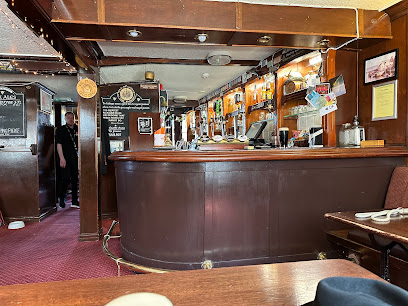
3.0 km
Discover the welcoming Union Hotel in Castletown, Isle of Man - your perfect blend of comfort and local charm.
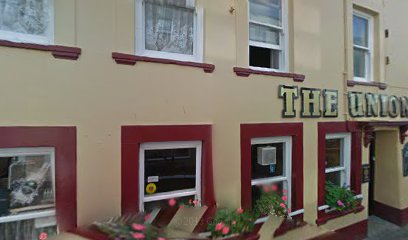
Baltic Inn
8.1 km
Discover the vibrant atmosphere of Baltic Inn, a beloved bar on the Isle of Man, perfect for savoring local drinks and connecting with fellow travelers.
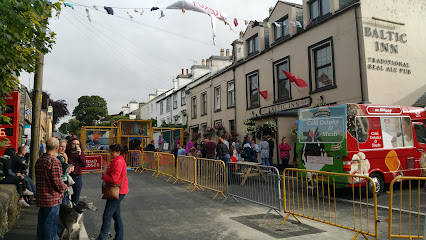
The Station
8.2 km
Experience the charm of The Station, a cozy pub in Port Erin, Isle of Man, offering delicious food, local ales, and a welcoming atmosphere.
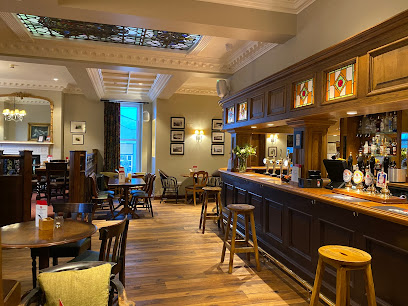
Whistlestop Coffee Shop
8.2 km
Experience the charm of Port Erin at Whistlestop Coffee Shop, where quality coffee meets local culture in a cozy railway station setting.
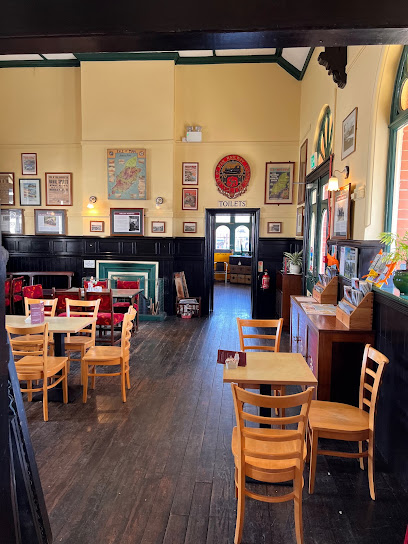
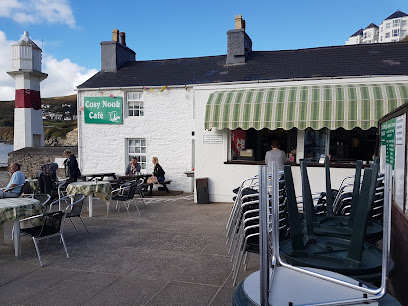
Foraging Vintners and Noa at the Cosy Nook
8.2 km
Experience the essence of Isle of Man dining at Foraging Vintners and Noa, where local wines and artisanal dishes meet breathtaking coastal views.
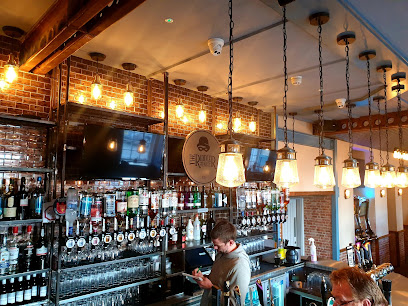
The Riddler under the Nest
8.3 km
Discover The Riddler Under the Nest in Port Erin – a cozy bar offering a delightful selection of drinks and stunning coastal views in a charming seaside town.
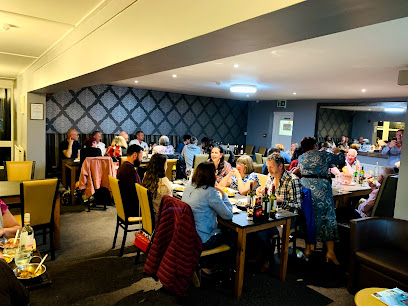
Falcon's Nest Hotel
8.3 km
Discover the charm and comfort of Falcon's Nest Hotel in Port Erin, where stunning coastal views meet warm hospitality on the Isle of Man.
Breagle Glen Indian Restaurant
8.3 km
Experience the rich and diverse flavors of India at Breagle Glen Indian Restaurant in Port Erin, Isle of Man.
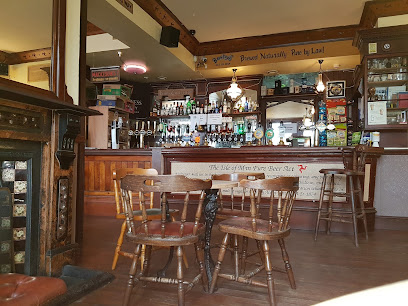
Bay Hotel
8.5 km
Discover the Bay Hotel in Port Erin, a charming pub offering delicious food, local brews, and stunning coastal views for an unforgettable experience.
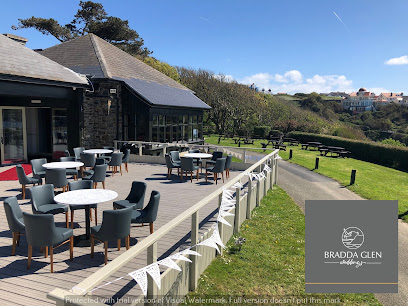
Bradda Glen Restaurant, Function Rooms & Wedding Venue
8.6 km
Discover culinary delights and breathtaking views at Bradda Glen Restaurant, the perfect venue for dining and events in Port Erin.
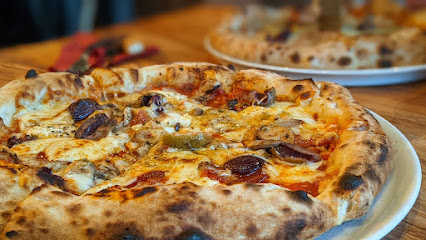
Byron's
8.6 km
Indulge in gourmet pizzas with stunning coastal views at Byron's, Port Erin's top destination for Italian cuisine.
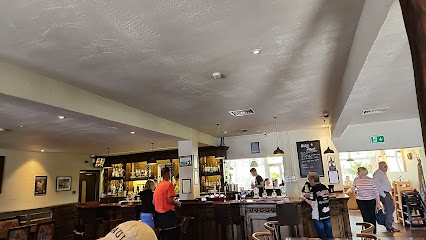
The Horse & Plough
9.1 km
Experience the charm of The Horse & Plough, a welcoming pub in the Isle of Man, serving delicious food and drinks in a cozy atmosphere.
Nightclubs & after hour spots

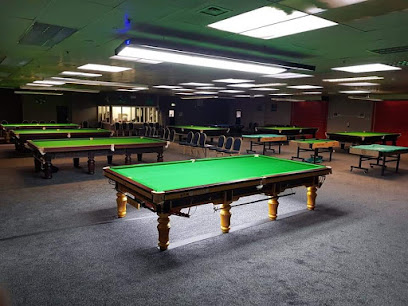
The Cue Zone IOM
1.4 km
Experience the thrill of pool billiards at The Cue Zone IOM, the Isle of Man's premier destination for players of all skill levels.
Manx Flyers Aero Club
2.2 km
Discover the vibrant nightlife at Manx Flyers Aero Club, where aviation meets unforgettable experiences on the Isle of Man.
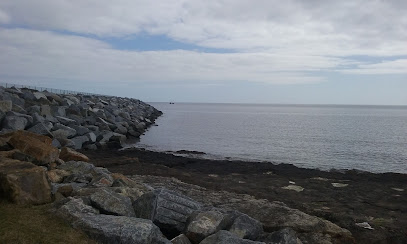
Castletown Rifle Club
2.5 km
Discover the excitement of shooting sports at Castletown Rifle Club, the Isle of Man's premier destination for adventure and fun.
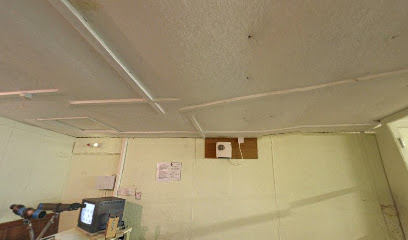
Castletown Football Club
2.5 km
Discover the excitement of local football culture at Castletown Football Club, where community spirit meets sporting passion on the Isle of Man.
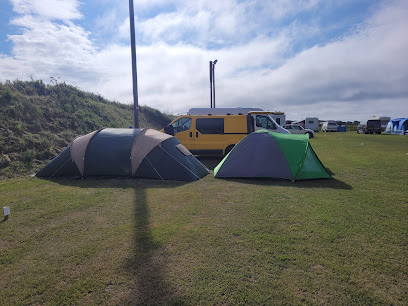
Castletown Youth Centre
3.1 km
Experience the heart of youth culture at Castletown Youth Centre, where creativity, community, and fun come together in a vibrant environment.
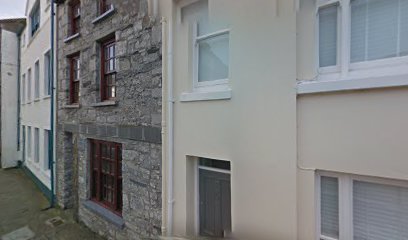
Rowany Golf Club
8.2 km
Discover Rowany Golf Club – a stunning golfing paradise on the Isle of Man, where breathtaking views and lush landscapes await every golfer.
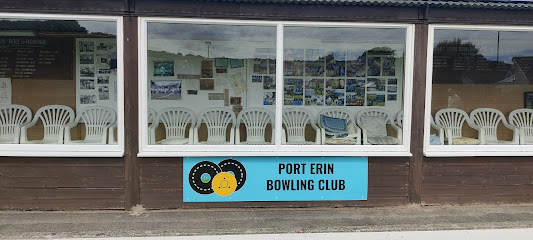
Port Erin Bowling Club
8.3 km
Experience the welcoming atmosphere of Port Erin Bowling Club, a community hub for bowling enthusiasts amidst the stunning Isle of Man scenery.
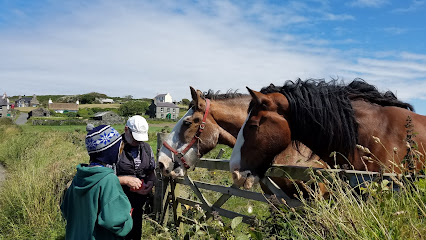
Cregneash Car Park
9.2 km
Explore the beauty of the Isle of Man from Cregneash Car Park, your gateway to scenic trails and rich cultural heritage.
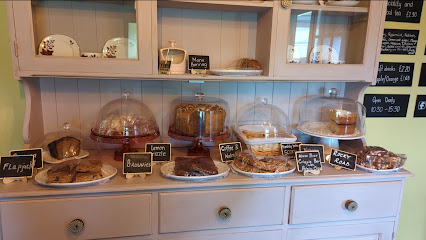
Cregneash Café
9.3 km
Experience the serene charm of Cregneash Café, a delightful tea house offering homemade treats amid stunning Isle of Man landscapes.
Cregneash
9.3 km
Discover the enchanting village of Cregneash on the Isle of Man, a historical gem showcasing traditional Manx culture amidst stunning landscapes.
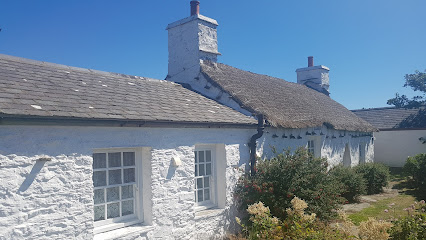
The Crosby
10.6 km
Discover the heart of Crosby at The Crosby pub, where local brews and hearty meals create an unforgettable experience on the Isle of Man.
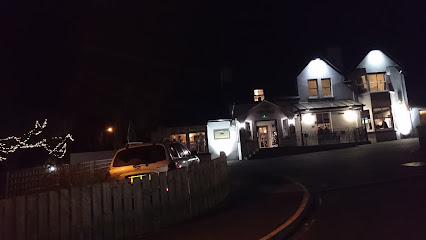
Glen Maye Beach
11.2 km
Experience the breathtaking beauty and tranquility of Glen Maye Beach on the Isle of Man, a hidden gem perfect for relaxation and exploration.
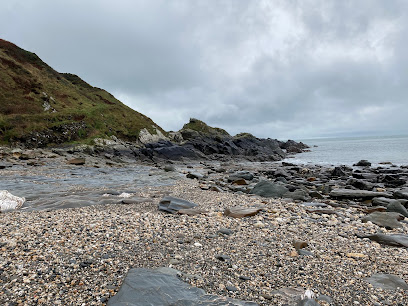
Mad Jack's
11.3 km
Experience the vibrant nightlife at Mad Jack's, Douglas' premier bar and live music venue, offering thrilling entertainment and fantastic drinks.

The Seven Sins Speakeasy
11.4 km
Experience the vibrant atmosphere and creative cocktails at The Seven Sins Speakeasy, Douglas' premier night club destination.
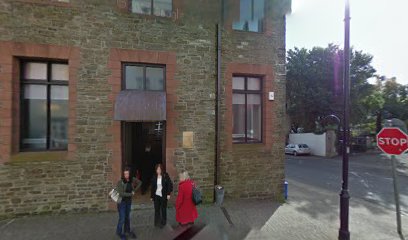
Bar George
11.4 km
Discover the enchanting Bar George in Douglas, where exquisite wines and delectable cuisine create unforgettable dining moments.
For the vibe & atmosphere seeker
- Tranquil
- Scenic
- Unique
- Relaxing
For the design and aesthetic lover
- Rustic Designs
- Vintage Styles
For the architecture buff
- Historic
- Landmarks
- Heritage Neighborhoods
- Parks & Gardens
For the view chaser and sunset hunter
- Iconic Views
- Panoramas
For the social media creator & influencer
- Instagrammable
- Photo Spots
- Aesthetic Corners
For the eco-conscious traveler
- Protected Area
- Locally Managed
- Public-Transport Accessible
- Leave-No-Trace Critical
For the kind of experience you’re after
- Cultural Heritage
- Photowalk
- Day Trip
- Weekend Getaway
- Myth & Legends
For how adventurous you want the journey to be
- Easy Access
Location Audience
- Family Friendly
- Senior Friendly
- Child Friendly
- Wheelchair Access
- Couple Friendly
- Solo Friendly


