

The Braaid: A Rare Viking and Celtic Farmstead on the Isle of Man
Explore The Braaid, a rare Celtic and Viking farmstead with ancient stone remains nestled in the tranquil Manx countryside overlooking Glen Vine.
The Braaid is an evocative archaeological site on the Isle of Man featuring the remains of an Iron Age Celtic roundhouse alongside two Viking longhouses. This rare farmstead offers a glimpse into the island’s layered history, where Celtic and Norse cultures intersected. Set in tranquil countryside overlooking Glen Vine, the site is open year-round with free access, allowing visitors to explore the atmospheric stone foundations and imagine life from centuries past.
A brief summary to The Braaid
- 5C4M+XFJ, Isle of Man, IM
- Visit website
- Duration: 0.5 to 1.5 hours
- Free
-
 Outdoor
- Mobile reception: 4 out of 5
- Monday 12 am-12 am
- Tuesday 12 am-12 am
- Wednesday 12 am-12 am
- Thursday 12 am-12 am
- Friday 12 am-12 am
- Saturday 12 am-12 am
- Sunday 12 am-12 am
Local tips
- Wear sturdy footwear as the site is outdoors on uneven ground with grassy paths.
- Visit during daylight hours to fully appreciate the stone outlines and surrounding views.
- Bring a camera to capture the atmospheric ruins and peaceful rural setting.
- Combine your visit with nearby Glen Vine and other Manx heritage sites for a fuller experience.

For the on-the-go comforts that matter to you
- Information Boards
Getting There
-
Car
Driving from Douglas, take the A24 towards Foxdale for about 10-15 minutes. Parking is limited near the site, so plan accordingly. The site is marked with green signage at the Braaid crossroads.
-
Bus
Take the local Bus 4 service running between Douglas and Peel. Alight at the Braaid crossroads stop, then walk approximately 10 minutes along the A24 towards Douglas to reach the site.
-
Walking
From Braaid hamlet, a countryside path leads to the site over uneven terrain. Expect a 15-20 minute walk suitable for most walkers but not wheelchair accessible.
The Braaid location weather suitability
-
 Any Weather
-
 Clear Skies
-
 Mild Temperatures
-
 Rain / Wet Weather
Discover more about The Braaid
Echoes of Ancient Habitation in the Manx Countryside
Nestled in the peaceful countryside overlooking Glen Vine, The Braaid presents a unique archaeological ensemble comprising an Iron Age Celtic roundhouse and two Viking Age longhouses. The roundhouse, approximately 16 metres in diameter, was originally constructed with upright standing stones supporting stone walls and a turfed roof. This structure likely served as a dwelling before later being repurposed as an enclosure for animals. The surrounding landscape retains a quiet, rural charm that complements the site’s historical significance.Viking Longhouses: Signs of Norse Settlement
Adjacent to the Celtic roundhouse lie the foundations of two Norse-style longhouses dating from around 950 AD. The larger longhouse, measuring roughly 20 by 9 metres, featured curved external walls and a roof supported by rows of timber posts. The smaller rectangular building, possibly a byre for cattle or sheep, had stone stalls and a lighter roof structure. These buildings reflect the Viking settlers’ architectural traditions and suggest the farmstead was occupied simultaneously by Celtic and Norse inhabitants, illustrating a period of cultural integration.Archaeological Discoveries and Interpretations
Early interpretations mistook the stone remains for a prehistoric ceremonial site with stone circles and avenues. However, excavations in the 20th century clarified the site’s function as a farmstead. The stone circle outline of the roundhouse and the longhouse foundations have been carefully studied, revealing construction techniques and domestic arrangements. Some stones have been re-erected to give visitors a clearer sense of the original structures. Although little survives above ground, the site’s layout and features provide valuable insights into Iron Age and Viking rural life on the Isle of Man.Visiting The Braaid Today
Managed by Manx National Heritage, The Braaid is freely accessible all year round with no admission fee. Visitors can wander the open site, absorbing the atmosphere of this ancient farmstead amid the rolling Manx countryside. The site’s open access encourages quiet reflection on the island’s layered history and the everyday lives of its early inhabitants. Donations are welcomed to support ongoing preservation efforts, ensuring The Braaid remains a special heritage site for future generations.Significance in Manx Cultural Heritage
The Braaid stands as one of the Isle of Man’s few visible lowland Viking-Age domestic sites, highlighting the island’s role as a cultural crossroads between Celtic and Norse peoples. The farmstead’s scale and construction suggest its occupant was a person of some importance during the Viking period. The site’s preservation and interpretation contribute to understanding the island’s complex past, enriching Manx identity and offering a tangible connection to early medieval life.Setting and Surrounding Landscape
The Braaid’s setting amid gentle fields and countryside paths enhances its tranquil and contemplative ambience. The views over Glen Vine add to the sense of place, situating the site within a broader rural landscape that has changed little since the farmstead’s occupation. This peaceful environment invites visitors to imagine the rhythms of ancient farm life and the enduring legacy of Manx history etched into the land.Iconic landmarks you can’t miss

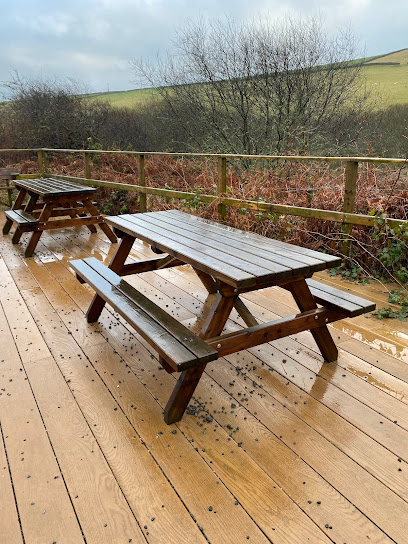
Heritage Trail Picnic Area
2.9 km
Experience the tranquil beauty of the Heritage Trail Picnic Area on the Isle of Man, where nature meets relaxation and adventure awaits.
Hot Rocks Climbing Wall
4.3 km
Explore the exhilarating world of indoor rock climbing at Hot Rocks Climbing Wall in Douglas, Isle of Man, catering to all skill levels.

Ago's leap
4.9 km
Explore Ago's Leap, a historic landmark in Douglas, Isle of Man, and immerse yourself in the island's rich cultural heritage and scenic beauty.
The Archibald Knox Forum
4.9 km
Explore the artistic legacy of Archibald Knox at the forum dedicated to creativity and community engagement in Douglas, Isle of Man.
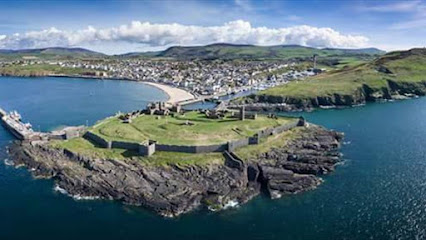
Isle of Man Guided Tours in English and German
5.0 km
Experience the beauty and history of the Isle of Man with guided tours in English and German, perfect for every traveler seeking adventure.
Laser-Mayhem
5.0 km
Experience thrilling laser tag adventures in the scenic South Barrule Forest Park at Laser-Mayhem, the ultimate outdoor activity destination on the Isle of Man.
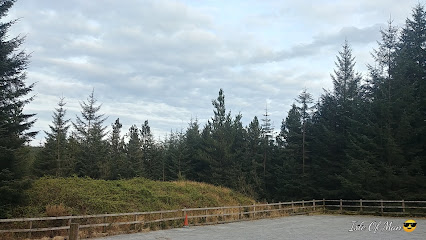
isle of man
5.3 km
Explore the Isle of Man: a stunning blend of nature, culture, and history, perfect for your next travel adventure.
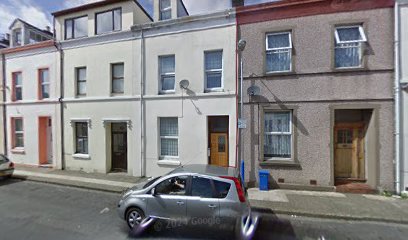
Douglas Rail Station
5.4 km
Discover the charm of Douglas Rail Station, your gateway to the scenic Isle of Man's landscapes and cultural treasures.
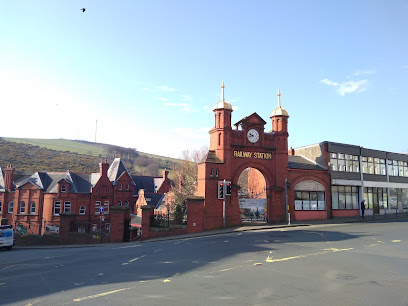
Visit Isle of Man
5.5 km
Discover the Isle of Man: A unique travel destination with stunning landscapes, rich history, and vibrant local culture for every traveler.
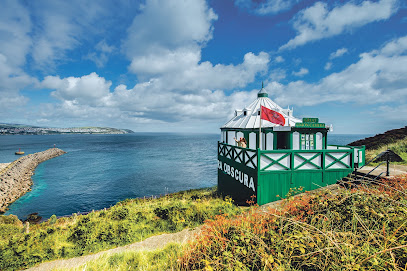
Monument International
5.5 km
Discover the economic heart of the Isle of Man at Monument International in Douglas, a pivotal financial institution within vibrant surroundings.
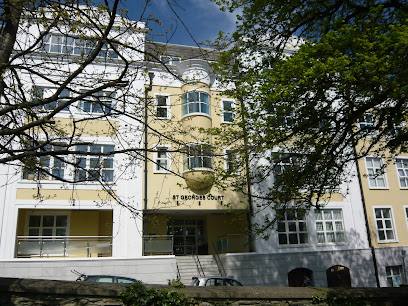
Isle of Man Relocation
5.7 km
Experience the beauty, culture, and history of the Isle of Man, a hidden gem in the Irish Sea that captivates every visitor with its charm.
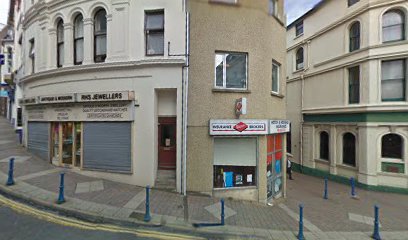
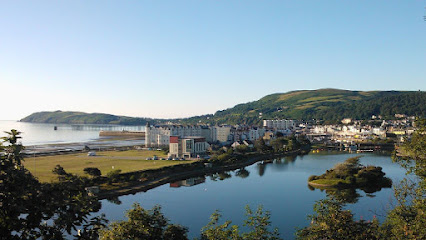
VisitIOM.co.uk
5.7 km
Experience the enchanting Isle of Man: a blend of adventure, culture, and breathtaking landscapes awaits every traveler.
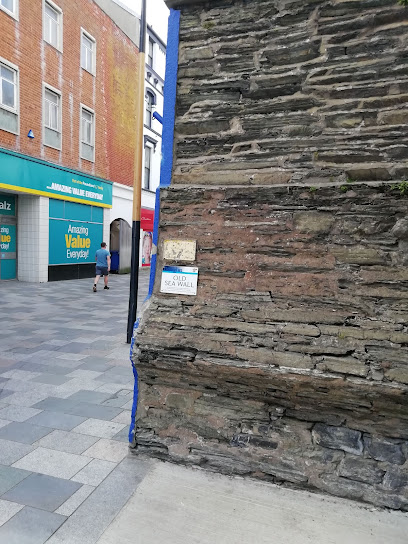
Douglas Old Sea Wall and Plaque
5.8 km
Explore the Douglas Old Sea Wall and Plaque, a historical landmark rich in maritime heritage, offering stunning coastal views in the heart of Douglas, Isle of Man.
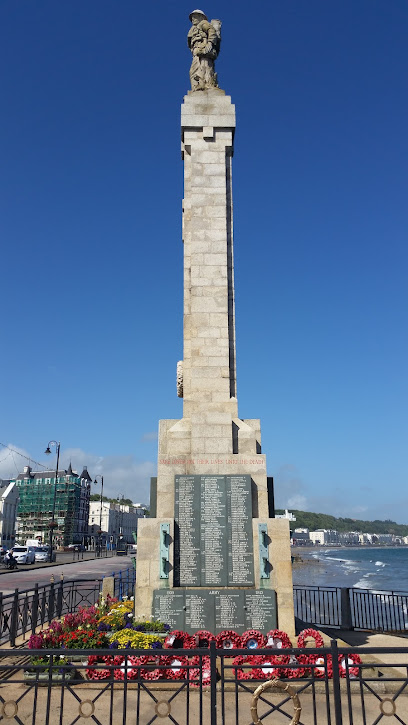
Douglas War Memorial
5.8 km
Explore the Douglas War Memorial on the Isle of Man, a serene tribute to the courage and sacrifice of those who served in conflicts.
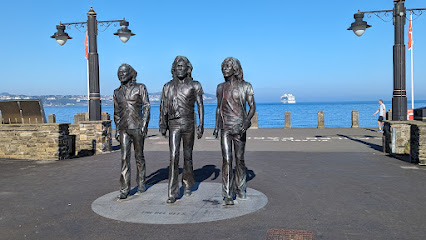
Bee Gees Statue
5.9 km
Discover the Bee Gees Statue in Douglas, Isle of Man – a striking tribute to the legendary band amidst stunning coastal scenery.
Unmissable attractions to see

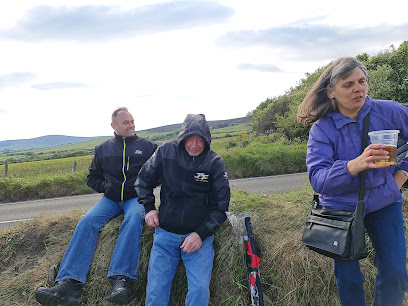
Isle Of Man TT Course: Ballagarey
2.1 km
Discover the exhilarating Isle of Man TT Course at Ballagarey, a must-visit for racing fans and adventure enthusiasts offering stunning views and rich history.
Home of Rest for Old Horses
2.7 km
Visit the Home of Rest for Old Horses in Douglas, Isle of Man, a unique sanctuary dedicated to retired equines, offering heartwarming experiences for all ages.
Kirk Braddan Church hall
3.9 km
Explore Kirk Braddan Church Hall, a tranquil sanctuary on the Isle of Man, blending rich history with community spirit and beautiful architecture.
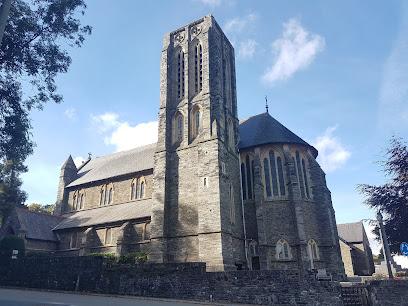
Douglas to Peel Heritage Trail
3.9 km
Explore the stunning Douglas to Peel Heritage Trail, a scenic hiking path on the Isle of Man that blends natural beauty with rich history.

Isle of Man Steam Railway - (Port Soderick,Station)
3.9 km
Experience the charm and nostalgia of the Isle of Man Steam Railway, where vintage locomotives transport you through stunning landscapes.
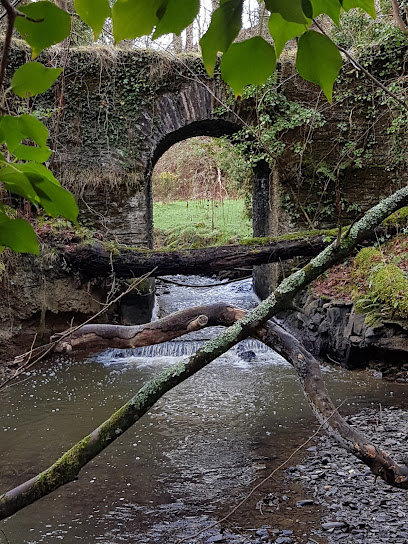
Braddan Bridge
3.9 km
Experience the scenic beauty and historical charm of Braddan Bridge in the Isle of Man, a must-visit for every traveler seeking tranquility.
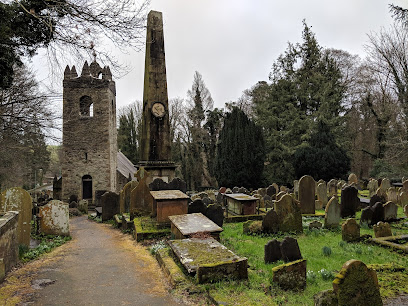
TT Access Road
4.2 km
Discover the breathtaking landscapes and rich racing heritage along the iconic TT Access Road in Douglas, Isle of Man.
Port Soderick Beach
4.4 km
Port Soderick Beach: A serene escape on the Isle of Man with stunning views, golden sands, and a variety of outdoor activities for every traveler.
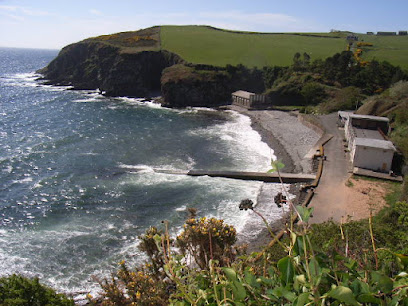
Port Soderick
4.4 km
Experience the tranquil beauty and rich history of Port Soderick on the scenic Isle of Man, a perfect getaway for nature and culture enthusiasts.
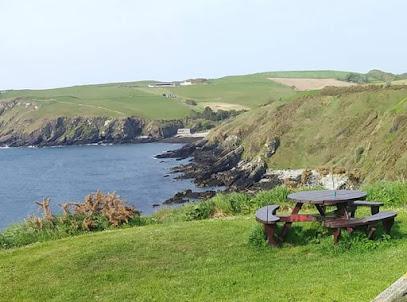
Murray's Motorcycle Museum
4.6 km
Explore the rich history of motorcycling at Murray's Motorcycle Museum, a captivating attraction on the Isle of Man showcasing over 200 bikes.
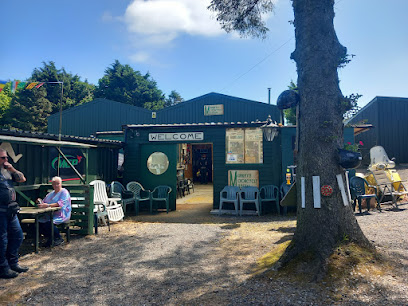
Ape Mann Adventure Park
5.0 km
Experience the thrill of adventure at Ape Mann Adventure Park, where fun meets nature in Isle of Man's most exciting attraction.
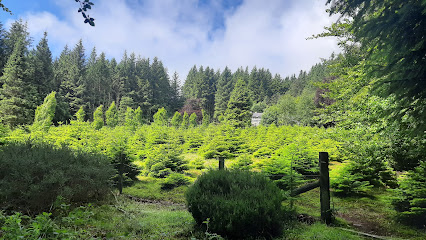
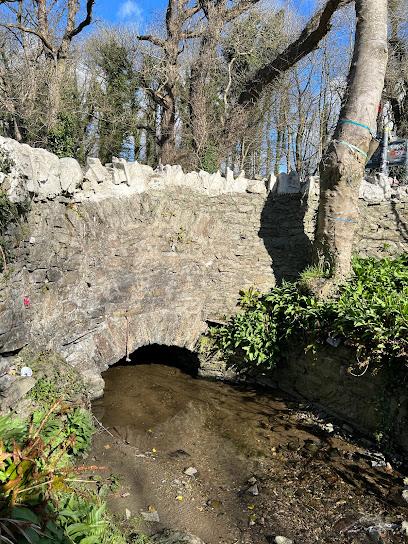
Fairy Bridge
5.1 km
Explore the enchanting Fairy Bridge on the Isle of Man: A historical gem surrounded by stunning landscapes and rich folklore.
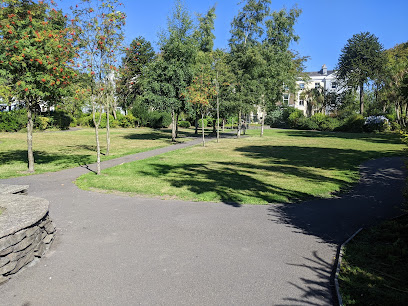
Woodburn Square
5.2 km
Explore the tranquil beauty of Woodburn Square in Douglas, Isle of Man - a perfect escape for relaxation and leisurely strolls amidst nature.
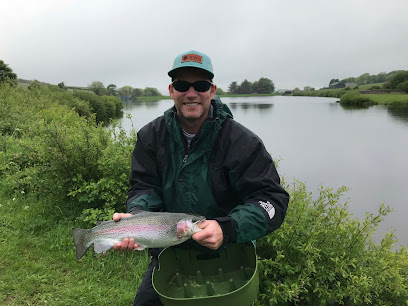
Isle of Man Fly Fishing
5.3 km
Experience the serenity of the Isle of Man with exceptional fly fishing adventures amidst breathtaking landscapes, perfect for anglers of all levels.
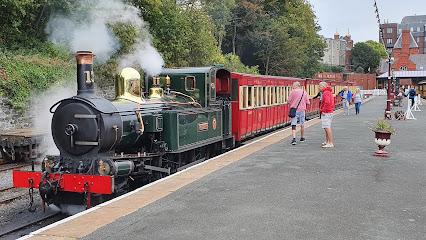
Isle of Man Steam Railway - (Douglas, Station)
5.4 km
Experience the enchanting Isle of Man Steam Railway, a scenic journey through history and stunning landscapes on the Isle of Man.
Essential places to dine

Comis Hotel & Golf Resort
2.0 km
Experience luxury and relaxation at Comis Hotel & Golf Resort with stunning views, exceptional dining, and world-class golf on the Isle of Man.
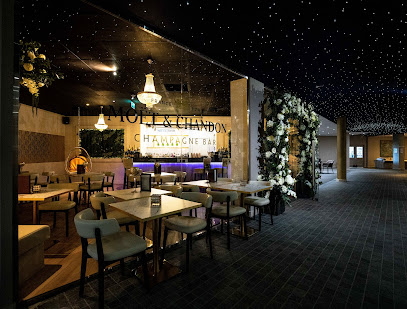
Eat Out Isle of Man
2.1 km
Experience diverse flavors and fresh local ingredients at Eat Out Isle of Man - your go-to takeaway spot in Douglas.

Lucky House
2.1 km
Experience authentic Chinese takeout at Lucky House on the Isle of Man – where every dish tells a story.

The Horse & Plough
2.1 km
Experience the best local flavors at The Horse & Plough - where cozy ambiance meets delightful cuisine on the Isle of Man.
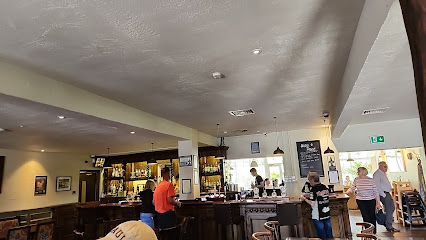
The Forge
2.4 km
Discover the culinary delights at The Forge in Mount Murray, where every meal is crafted with care and local flavor.
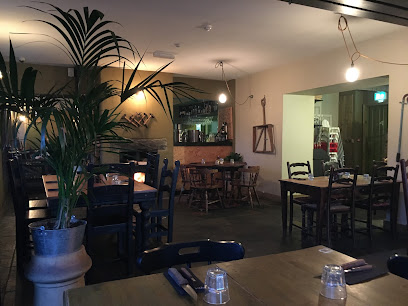
Yummy House Chinese
3.3 km
Experience authentic Chinese takeout at Yummy House Chinese in Douglas—delicious flavors await you!
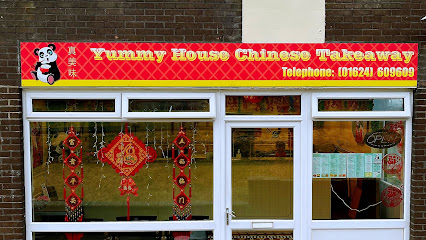
Velikas
4.4 km
Discover the rich flavors of India at Velikas in Douglas - where authentic cuisine meets warm hospitality.

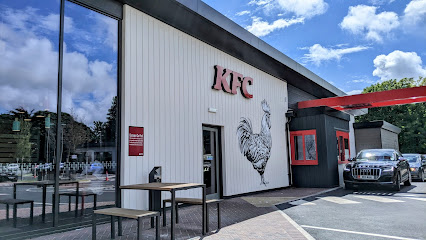
KFC Restaurant DT IOM
4.4 km
Discover fast food comfort at KFC Restaurant DT IOM in Douglas - home to delicious fried chicken and friendly service.
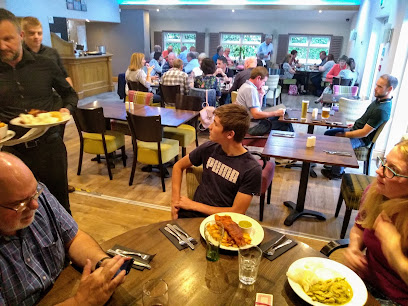
The Hawthorn
5.3 km
Discover The Hawthorn in Greeba: Where traditional pub comfort meets exquisite bistro dining on the Isle of Man.
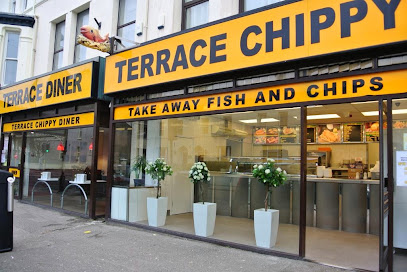
Terrace Chippy Diner & Take Away
5.3 km
Discover the authentic taste of British fish and chips at Terrace Chippy Diner & Take Away in Douglas - where tradition meets flavor.
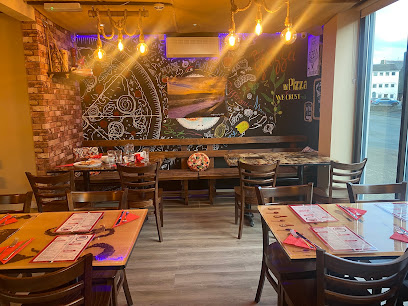
Pizza Napoli Isle of Man
5.3 km
Experience authentic Italian cuisine at Pizza Napoli Isle of Man—home to delicious wood-fired pizzas and a cozy atmosphere.
Tickethall
5.4 km
Experience delightful breakfasts and brunches at Tickethall in Douglas - where local flavors meet warm hospitality.
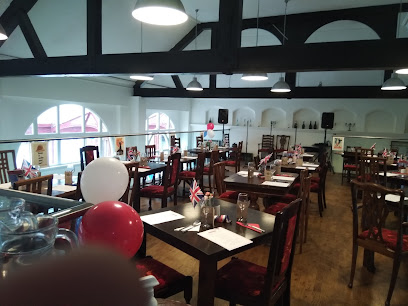
Thai Taste Restaurant
5.4 km
Experience authentic Thai cuisine in Douglas with flavorful dishes crafted from fresh ingredients at Thai Taste Restaurant.
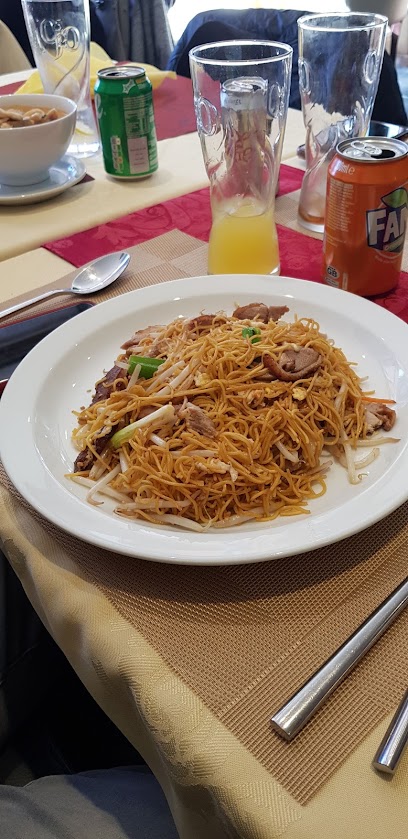
Flaming Great Ballakebab
5.4 km
Discover mouthwatering kebabs at Flaming Great Ballakebab in Douglas – a must-try takeout spot on the Isle of Man.
Thai Thai Restaurant
5.4 km
Discover authentic Thai cuisine at Thai Thai Restaurant in Douglas – where every dish tells a story of flavor and tradition.
Markets, malls and hidden boutiques

Your Festive Shop
2.2 km
Explore the enchanting Your Festive Shop in Glen Vine, where every visit brings seasonal joy and unique treasures for your celebrations.
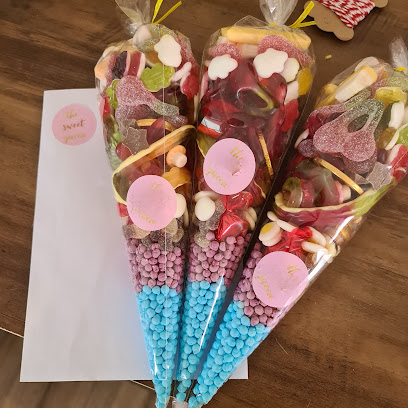
The Sweet Queen IOM
2.3 km
Explore unique gifts and local treasures at The Sweet Queen, a charming gift shop in the heart of Douglas, Isle of Man.
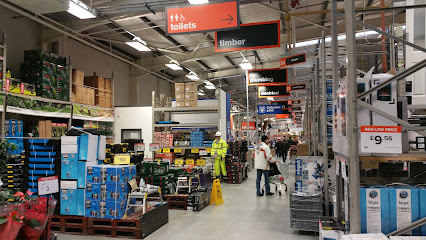
B&Q Isle Of Man
2.6 km
Explore B&Q Isle of Man for an extensive range of home improvement supplies, from DIY essentials to festive decorations, all in one place.
The Gift Shed IOM
3.0 km
Discover unique local crafts and souvenirs at The Gift Shed IOM in Crosby, Isle of Man, a treasure trove for thoughtful gifts and mementos.
Strang Stores
4.0 km
Explore Strang Stores for a unique shopping experience featuring local products and one-of-a-kind treasures on the Isle of Man.
Carnoisseur
4.3 km
Explore Carnoisseur in Douglas for the finest wheels and auto parts, with expert advice and a passion for all things automotive.
Istore Isle Of Man
4.8 km
Explore Istore Isle Of Man for the best in computer accessories, from gadgets to essential peripherals, enhancing your digital experience.

Cubbin & Bregazzi
5.0 km
Discover Cubbin & Bregazzi, Douglas's premier furniture store and interior designer, offering unique pieces and expert design services for your home.
Tesco Superstore
5.2 km
Experience the local shopping culture at Tesco Superstore, your go-to destination for groceries and everyday essentials in Douglas, Isle of Man.
Noel's Emporium
5.3 km
Explore Noel's Emporium in Douglas for unique second-hand furniture and individualistic home decor treasures.
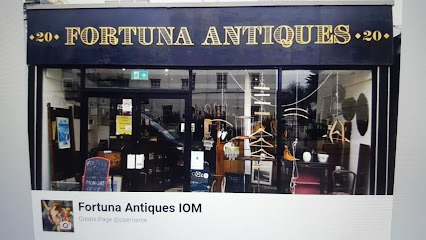
Fortuna Antiques IOM
5.3 km
Explore Fortuna Antiques in Douglas, Isle of Man, for a unique collection of vintage treasures and captivating stories from the past.
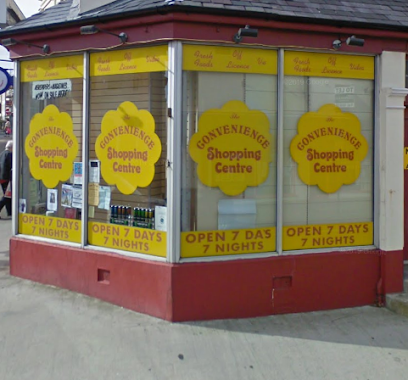
The Convenience Shopping Centre
5.4 km
Explore the Isle of Man with ease at The Convenience Shopping Centre, your ultimate stop for local snacks, essentials, and more.
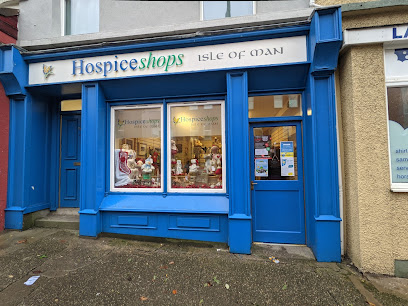
Hospice Shops
5.4 km
Explore the Hospice Shops in Douglas for unique thrift treasures and support local hospice care with every purchase.
Up & Running Isle of Man Ltd
5.4 km
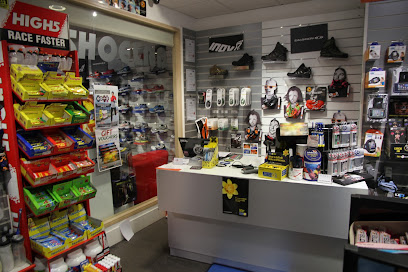
Explore the ultimate destination for runners in Douglas, offering expert advice, quality gear, and a community-focused atmosphere.
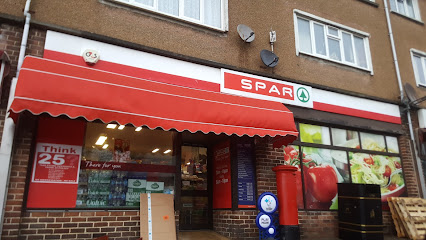
SPAR Snaefell Road Willaston
5.5 km
Discover local convenience at SPAR Snaefell Road Willaston, where fresh bakery goods and grocery essentials await your visit.
Essential bars & hidden hideouts

The Heron
3.3 km
Discover the charm of The Heron, a cozy pub in Douglas offering local ales and a warm atmosphere for an unforgettable experience.
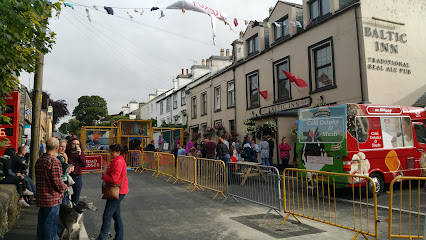
Baltic Inn
5.0 km
Discover the vibrant atmosphere of Baltic Inn, a beloved bar on the Isle of Man, perfect for savoring local drinks and connecting with fellow travelers.
The Woodbourne
5.1 km
Experience the warmth of Isle of Man's pub culture at The Woodbourne, a delightful spot for drinks, food, and local camaraderie.
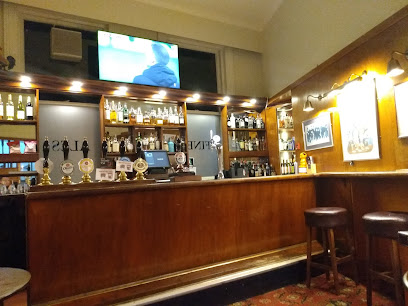
Seven Kingdom Distillery
5.4 km
Experience the local flavor at Seven Kingdom Distillery, a lively bar and restaurant in Douglas, Isle of Man, offering handcrafted spirits and delicious cuisine.
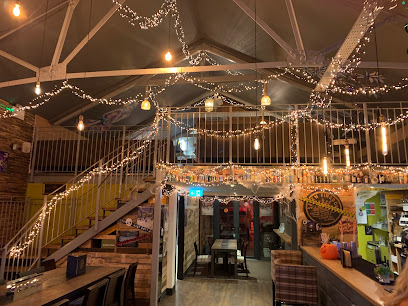
The Railway Inn
5.4 km
Experience the charm of The Railway Inn, a welcoming pub in Douglas offering local ales and hearty meals amidst a cozy atmosphere.
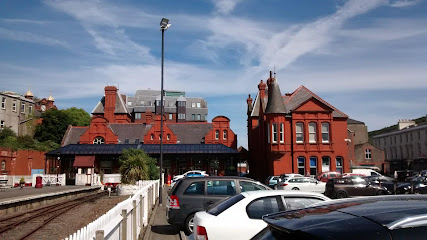
The Prospect
5.6 km
Experience the best of local cuisine and vibrant atmosphere at The Prospect in Douglas, Isle of Man, perfect for any traveler.
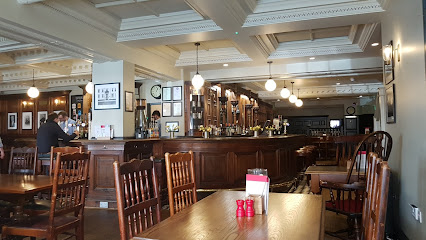
The Outback
5.6 km
Discover the lively charm of The Outback, a premier bar in Douglas, Isle of Man, where great drinks and good company await.
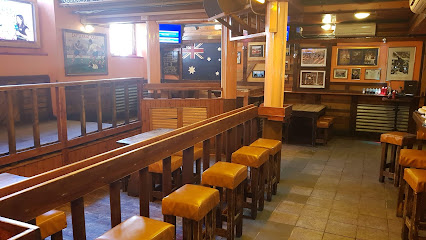
Saddle Inn
5.6 km
Discover the cozy charm of Saddle Inn, a quintessential pub in Douglas, Isle of Man, offering local ales and hearty meals.
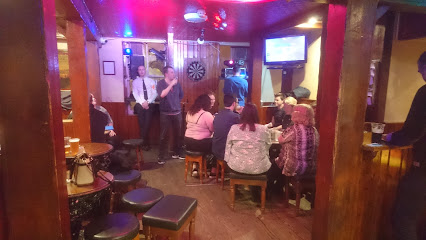
Thirsty Pigeon
5.7 km
Experience the charm of local culture at Thirsty Pigeon, the perfect pub to unwind with a drink in Douglas.
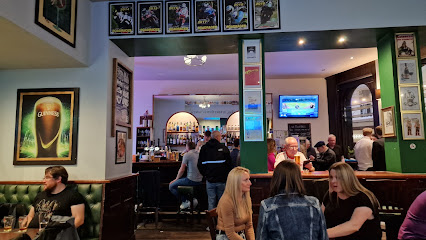
Encore Bar & Brasserie
5.7 km
Discover a charming blend of local flavors and exquisite cocktails at Encore Bar & Brasserie on the Isle of Man's scenic Harris Promenade.
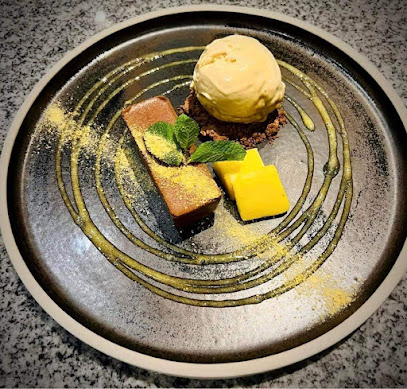
HOPS Isle of Man
5.7 km
Discover the lively spirit of HOPS Isle of Man, where exceptional drinks and a warm atmosphere create unforgettable moments.
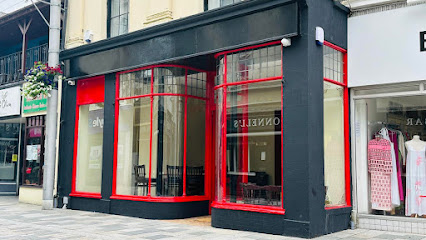
Brendan O'Donnell's
5.7 km
Discover Brendan O'Donnell's Pub: A cozy spot in Douglas blending local flavors and vibrant culture for an unforgettable Isle of Man experience.
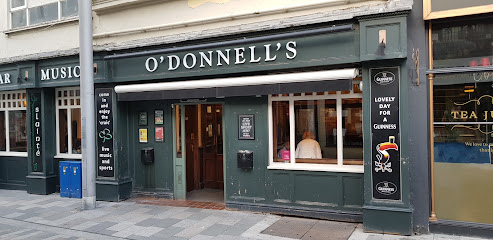
Sir Norman's Bar
5.7 km
Discover Sir Norman's Bar in Douglas: A lively venue for fine dining, refreshing drinks, and unforgettable live music experiences.
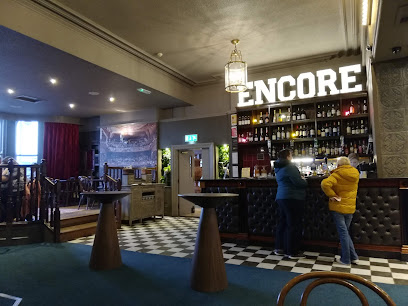
The Original Quids Inn
5.7 km
Discover the lively atmosphere of The Original Quids Inn, a premier live music bar in Douglas, Isle of Man, perfect for karaoke and sports fans.
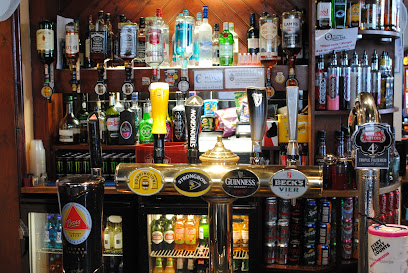
Kiki Lounge
5.7 km
Experience the vibrant tiki culture at Kiki Lounge, Douglas' premier cocktail bar, offering exotic drinks and a lively atmosphere.
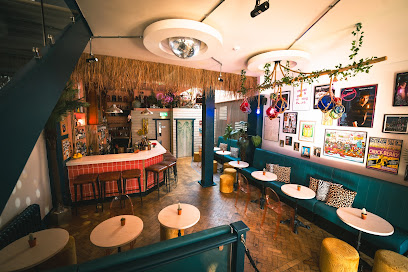
Nightclubs & after hour spots

The Crosby
3.1 km
Discover the heart of Crosby at The Crosby pub, where local brews and hearty meals create an unforgettable experience on the Isle of Man.
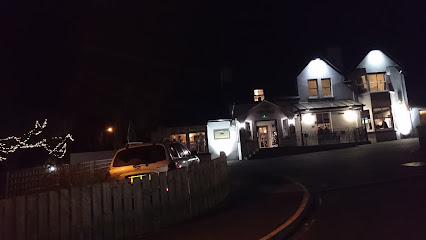
The Seven Sins Speakeasy
5.5 km
Experience the vibrant atmosphere and creative cocktails at The Seven Sins Speakeasy, Douglas' premier night club destination.
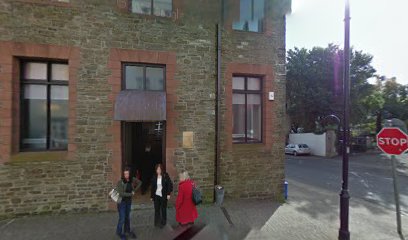
South Douglas Old Friends Association
5.6 km
Discover the heart of Douglas at the South Douglas Old Friends Association, a community bar offering a taste of Isle of Man's vibrant culture.
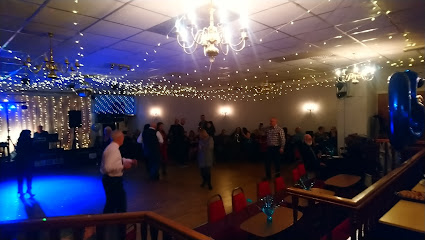
Mad Jack's
5.6 km
Experience the vibrant nightlife at Mad Jack's, Douglas' premier bar and live music venue, offering thrilling entertainment and fantastic drinks.

Manx Legion Club
5.8 km
Discover the lively spirit of Douglas at the Manx Legion Club, where history meets vibrant nightlife in the Isle of Man.
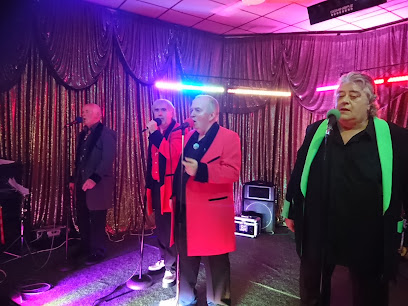
The Nags Head
5.8 km
Discover the vibrant atmosphere and local charm of The Nags Head Pub, a top destination for drinks and dancing in Douglas, Isle of Man.
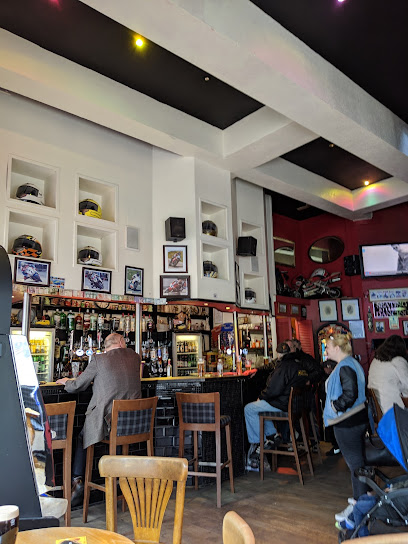
The Trackside
5.9 km
Experience the thrill of the Isle of Man at The Trackside, a lively bar near the TT Grandstand, perfect for racing fans and socializers alike.
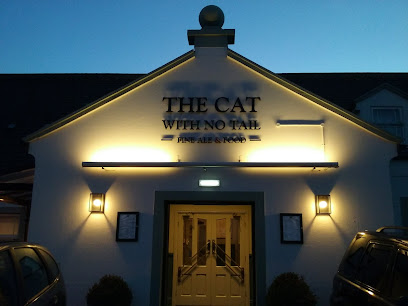
The Cat With No Tail
6.2 km
Discover the charm of The Cat With No Tail, a cozy pub in Douglas offering local ales, delicious bites, and lively entertainment.
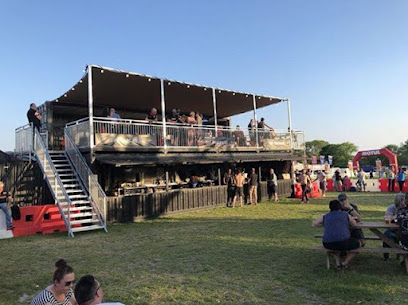
Archibald Knox
7.4 km
Discover the warm atmosphere and delightful offerings of Archibald Knox Pub in Onchan, Isle of Man - a perfect spot for travelers to unwind.
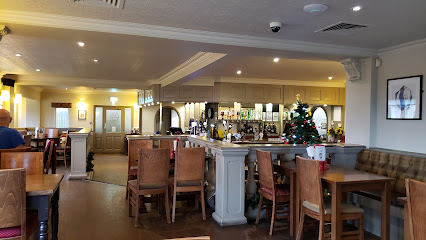
The Manx Arms
7.5 km
Experience the charm of The Manx Arms, a cozy pub in Onchan, Isle of Man, offering local ales, hearty meals, and a vibrant atmosphere.
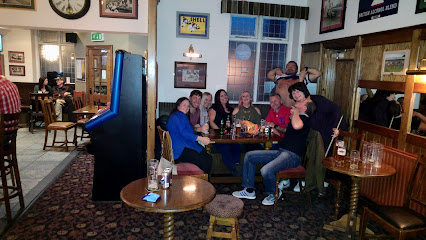
The Whitestone Inn
7.9 km
Experience the heart of local culture at The Whitestone Inn, a lively pub in Ballasalla, Isle of Man, known for its welcoming ambiance and delicious food.
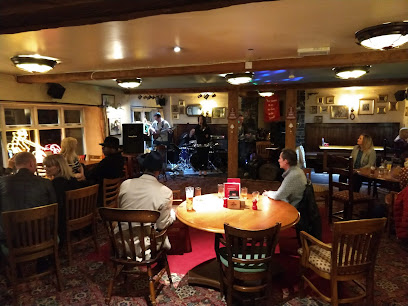
The Black Dub
8.0 km
Experience the vibrant nightlife of the Isle of Man at The Black Dub, a lively bar and event venue that embraces local culture and entertainment.
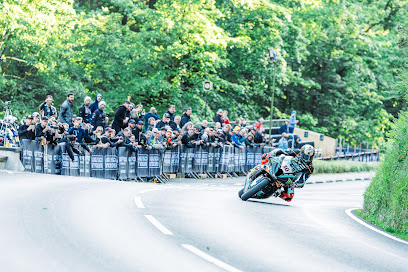
The Creg-Ny-Baa
8.6 km
Experience the charm of The Creg-Ny-Baa, a classic Isle of Man pub with stunning views, hearty dishes, and a vibrant atmosphere.
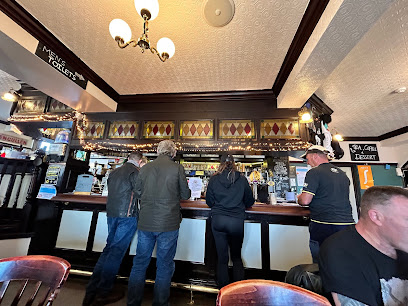
Mint Bar
8.6 km
Explore Mint Bar in Onchan: A lively bar offering a perfect blend of local culture, friendly service, and a diverse drink selection for every traveler.
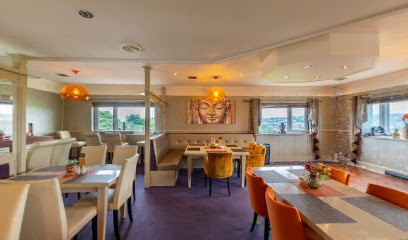
Manx Flyers Aero Club
8.8 km
Discover the vibrant nightlife at Manx Flyers Aero Club, where aviation meets unforgettable experiences on the Isle of Man.
For the vibe & atmosphere seeker
- Tranquil
- Scenic
- Unique
- Relaxing
For the design and aesthetic lover
- Rustic Designs
For the architecture buff
- Historic
- Heritage Neighborhoods
For the view chaser and sunset hunter
- Iconic Views
- Panoramas
For the social media creator & influencer
- Photo Spots
- Instagrammable
For the eco-conscious traveler
- Protected Area
- Public-Transport Accessible
- Locally Managed
For the kind of experience you’re after
- Cultural Heritage
- Photowalk
- Day Trip
- Nature Escape
For how adventurous you want the journey to be
- Easy Access
Location Audience
- Family Friendly
- Senior Friendly
- Child Friendly
- Couple Friendly
- Solo Friendly


