

The Oratory, Lancashire Travel Guide
A serene Greek Revival chapel steeped in Liverpool’s funerary history and architectural grandeur near the Cathedral.
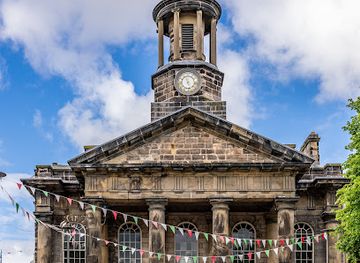
The Oratory is a striking 19th-century mortuary chapel located on Upper Duke Street, Liverpool, designed by John Foster in the Greek Revival style. Originally built in 1829 as the chapel for St. James's Cemetery, it served as a venue for funeral services and a cenotaph housing notable monuments. Its classical Greek temple design and historical significance make it a unique architectural landmark near Liverpool Cathedral.
A brief summary to The Oratory
- Upper Duke St, Cathedral Gate, Liverpool, L1 7AZ, GB
- Click to display
- Duration: 0.25 to 1 hours
- Budget
-
 Outdoor
- Mobile reception: 4 out of 5

Know before you go
Hi, I'm Eve. Here are a few practical things to know before exploring The Oratory.
- Book your visit in advance as access to the Oratory is by appointment only.
- Combine your visit with a trip to Liverpool Cathedral and the nearby St. James Gardens for a full historical experience.
- Bring a camera to capture the striking Greek temple façade and detailed architectural features.
- Visit on weekday mornings for a quieter, more contemplative atmosphere.
Do you manage this location?
Take control to get all the benefits, like improved information, better appearance, and stronger visibility across AI-powered discovery. Learn more about listing your business on Evendo
Activate your presenceOther nearby places you may find interesting
The closest places of the same kind, if this one is not quite what you had in mind.
Explore The Oratory on the Map
A handpicked selection of must-see spots near The Oratory, mapped for you.
Getting There
-
Bus
Take the Liverpool City Explorer bus routes 1 or 2, which stop near Liverpool Cathedral. From there, it is a 5-minute walk to The Oratory. Bus services run frequently every 10-15 minutes, with a single fare around £2.50.
-
Train
Arrive at Liverpool Lime Street Station, approximately 1.5 km from The Oratory. From the station, a taxi ride takes about 7-10 minutes with fares around £6-£8. Alternatively, a 20-minute walk through the city center is possible on mostly flat terrain.
-
Walking
If staying nearby, walking to The Oratory from Liverpool Cathedral takes about 5 minutes on paved, wheelchair-accessible paths, suitable for most visitors.
For the on-the-go comforts that matter to you
-
 Restrooms
-
 Drink Options
-
 Food Options
-
 Seating Areas
-
 Information Boards
Discover more about The Oratory
Architectural Elegance Rooted in Antiquity
The Oratory stands as a remarkable example of Greek Revival architecture in Liverpool, designed by the prominent architect John Foster and completed in 1829. Its design deliberately echoes the grandeur and simplicity of ancient Greek temples, distinguished by its solemn, windowless side walls and a skylight that bathes the interior in natural light. This architectural purity was possible because the building’s function was limited to funeral services, allowing Foster to create a near-perfect classical temple form without the compromises typical in churches. The Oratory’s austere yet dignified style reflects the 19th-century fascination with classical antiquity and Liverpool’s booming prosperity during that era.A Sacred Space for Mourning and Memory
Originally serving as the chapel for St. James's Cemetery, the Oratory was the site where funeral services were held before burials in the adjoining cemetery. Beyond its practical use, it also functioned as a cenotaph, housing monuments and sculptures commemorating notable Liverpool citizens. These monuments include works by significant 19th-century sculptors, emphasizing the Oratory’s role as a place of remembrance and artistic heritage. After the cemetery’s closure in 1936, the Oratory fell into disuse but remains a poignant symbol of Liverpool’s historical funerary customs.Historical Context and Urban Significance
The Oratory is located on Upper Duke Street, near the Anglican Liverpool Cathedral, within what was once a quarry transformed into St. James's Cemetery in the 1820s. This cemetery, now a Grade I listed public park, was a key burial ground during Liverpool’s rapid expansion as a major port city. The Oratory and its surroundings evoke the city’s 19th-century growth and the cultural values of that period. Its Greek Revival style was part of a broader architectural trend in Liverpool, where classical motifs were widely adopted for civic and commercial buildings, reflecting the city’s aspirations and wealth.Visiting Experience and Preservation
Today, the Oratory is a small but powerful historical site that invites visitors to appreciate its architectural finesse and the stories it embodies. Access is typically by appointment, preserving the building’s delicate interior and its collection of funerary monuments. The exterior’s classical temple façade is highly photogenic, making it a favored subject for photographers, especially given its proximity to the imposing Liverpool Cathedral. The Oratory’s quiet, solemn atmosphere offers a reflective contrast to the bustling city nearby.Legacy of John Foster and Greek Revival in Liverpool
John Foster was a leading figure in Liverpool’s Greek Revival movement, and the Oratory remains one of his best-preserved works. His influence shaped much of Liverpool’s early 19th-century architecture, with the Oratory exemplifying his dedication to classical purity and grandeur. While many of his other works have been lost, the Oratory endures as a testament to his architectural vision and Liverpool’s rich cultural history.Artistic and Cultural Heritage
The Oratory houses several important 19th-century monuments relocated from other historic sites, including pieces from Liverpool’s former Roman Catholic Pro-Cathedral. These artworks contribute to the Oratory’s status as a repository of local heritage and artistic achievement. The building’s role as both a chapel and a monument space bridges religious, cultural, and artistic traditions, making it a unique landmark within Liverpool’s historic landscape.












Your all‑in‑one travel companion app
Explore expert travel guides, compare and book tours, experiences, hotels, and more—all from the palm of your hand. Download now for seamless trip planning wherever your wanderlust takes you.


Explore More of Lancashire
Looking beyond The Oratory? Discover Lancashire for broader travel guides, local hot-spots, and regional highlights.
Explore Lancashire
A working microbrewery taproom in Liverpool’s Baltic Triangle serving house beers, distilled spirits and seasonal pub food in a converted industrial setting.

Discover Liverpool’s historic St James Memorial Cemetery—a serene Victorian park born from a quarry, blending rich heritage with tranquil urban green space.
