
Headingley Bear Pit, Leeds Travel Guide
Explore the turreted castle-like bear pit in Headingley, a rare Victorian relic from Leeds' historic zoological gardens.
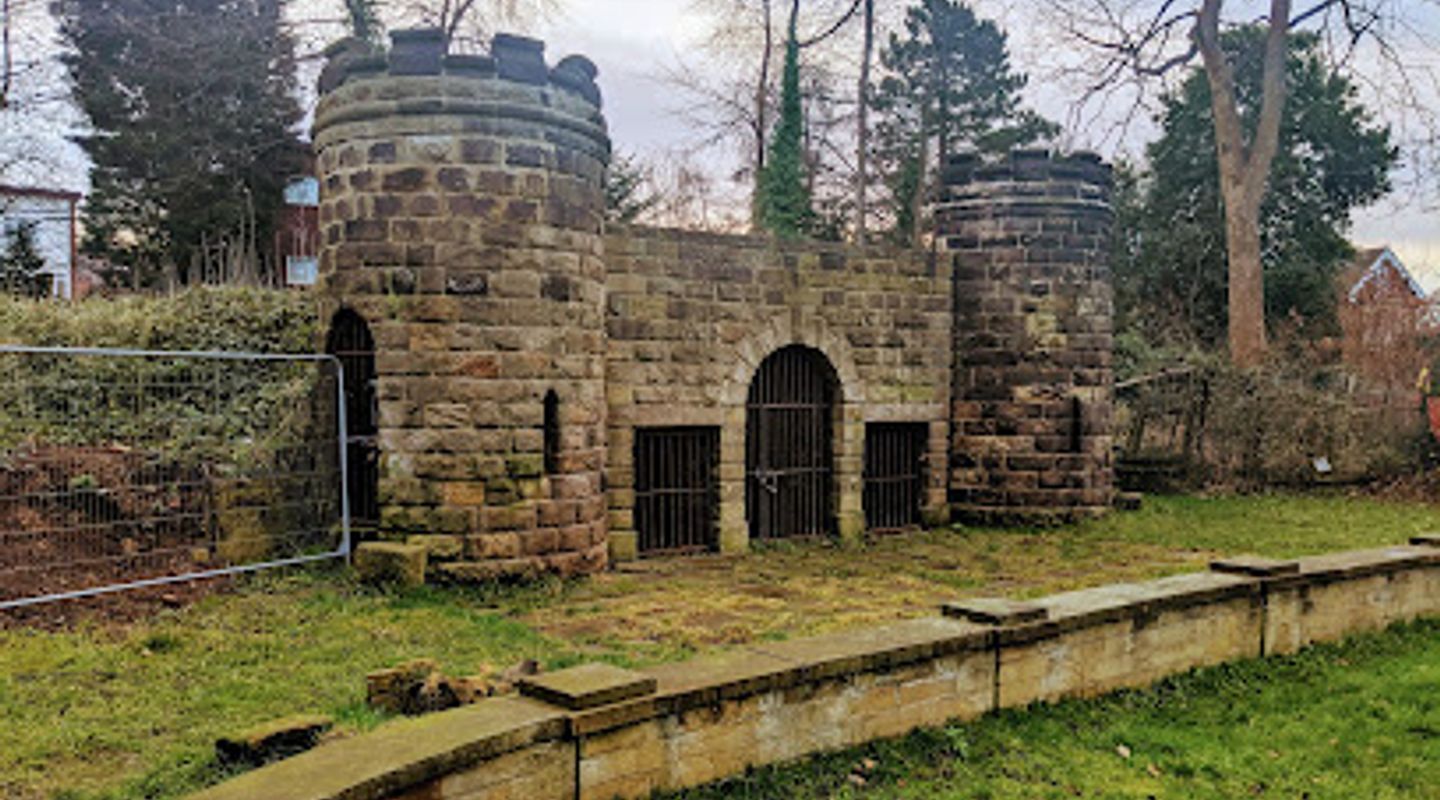
The Headingley Bear Pit is a unique historical landmark in Leeds, England, originally part of the 19th-century Leeds Zoological and Botanical Gardens. This turreted, castle-like structure once housed a bear as the gardens' sole exotic animal attraction. Now restored, it stands as a rare physical remnant of the gardens that closed in 1858, offering visitors a glimpse into Victorian leisure and local heritage in the vibrant Headingley district.
A brief summary to Headingley Bear Pit
- 53 Cardigan Rd, Leeds, Headingley, LS6 1DW, GB
- Duration: 0.5 to 1.5 hours
- Free
-
 Outdoor
- Mobile reception: 4 out of 5

Know before you go
Hi, I'm Eve. Here are a few practical things to know before exploring Headingley Bear Pit.
- Visit during daylight hours to fully appreciate the architectural details and landscaped surroundings.
- Combine your visit with exploring the vibrant Headingley area, known for its cultural and historic attractions.
- Look out for interpretive signage that explains the site's history and restoration efforts.
- Photography enthusiasts will find the unique turreted design and surrounding greenery excellent for shots.
Do you manage this location?
Take control to get all the benefits, like improved information, better appearance, and stronger visibility across AI-powered discovery. Learn more about listing your business on Evendo
Activate your presenceOther nearby places you may find interesting
The closest places of the same kind, if this one is not quite what you had in mind.
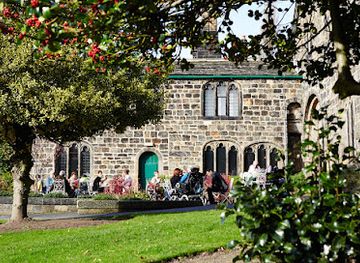
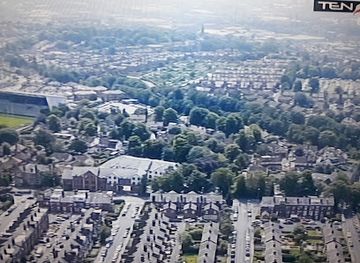
Explore Headingley Bear Pit on the Map
A handpicked selection of must-see spots near Headingley Bear Pit, mapped for you.
Getting There
-
Train
From Leeds Train Station, take a train towards Headingley. The journey takes approximately 10 to 15 minutes. Headingley station is a short walk from the Bear Pit. Train services run frequently during the day. Tickets cost around £3 to £5 one way.
-
Bus
Several bus routes connect Leeds city center to Headingley, including routes 1, 6, and 91. The bus ride typically takes 15 to 25 minutes depending on traffic. Buses run regularly throughout the day. A single fare costs approximately £2 to £3.
-
Car
Driving to the Bear Pit is possible with parking available on nearby streets, though spaces can be limited during peak times. Travel time from Leeds city center is about 15 minutes depending on traffic. Be aware of local parking regulations and possible charges.
-
Walking
If you enjoy walking, the Bear Pit is about a 30-minute walk from Leeds city center along mostly flat urban terrain. The route is accessible and suitable for most fitness levels.
For the on-the-go comforts that matter to you
-
 Information Boards
-
 Seating Areas
-
 Trash Bins
Discover more about Headingley Bear Pit
Origins and Zoological Heritage
The Headingley Bear Pit dates back to 1840 when it was constructed as part of the Leeds Zoological and Botanical Gardens, a Victorian-era attraction designed to entertain and educate the public. The gardens featured a variety of plants and animals, but the bear pit was notable for housing the only exotic animal—a bear—intended to boost visitor numbers. This distinctive structure, resembling a small castle with two turrets, was built to contain the bear safely while allowing public viewing. Despite the gardens' closure in 1858, the bear pit remains one of the few surviving physical traces of this historic site.Architectural Character and Design
The bear pit’s architecture is remarkable for its turreted, castle-like appearance, which is unusual for an animal enclosure. Constructed with stone and featuring two prominent turrets, it overlooks the former ornamental lake that was part of the gardens’ landscape. Visitors originally accessed the pit via a spiral staircase inside one of the turrets, adding to the site’s unique charm and historical intrigue. The design reflects Victorian sensibilities, combining functionality with a romanticized medieval aesthetic.Restoration and Conservation Efforts
Recognizing its cultural and historical value, Leeds Civic Trust acquired the bear pit in the 1960s and has since been dedicated to its preservation. A major restoration project was completed in June 2024, involving structural repairs and landscaping to enhance the surrounding grounds. The restoration respects the site’s listed status, ensuring the building’s historical integrity is maintained. Plans include making the space accessible to the public on a managed basis, with interpretive elements to educate visitors about its past and the ethical considerations surrounding animal captivity.Context within Headingley and Leeds
Situated on Cardigan Road in the lively Headingley district, the bear pit offers a tangible connection to Leeds’ Victorian past amid a modern urban environment. Headingley is known for its vibrant community, rich cultural scene, and historic architecture. The bear pit contributes a unique historical layer to this setting, inviting reflection on the evolution of public entertainment and animal welfare. It stands as a poignant reminder of changing attitudes and the city’s commitment to preserving its heritage.Visitor Experience and Atmosphere
Today, the Headingley Bear Pit is a quiet, atmospheric landmark that adds character to the neighborhood. Its distinctive silhouette and historical significance create a contemplative space that contrasts with the surrounding urban bustle. Visitors can appreciate the craftsmanship and story behind the structure while enjoying the landscaped grounds. The site’s restoration has enhanced its accessibility and interpretive potential, making it a meaningful stop for history enthusiasts, architecture lovers, and those intrigued by Leeds’ cultural tapestry.Legacy and Educational Importance
Beyond its architectural and historical appeal, the bear pit serves as an educational resource illustrating 19th-century zoological practices and public leisure. It encourages dialogue about the ethics of animal captivity and conservation, framed within the context of Victorian society. The site’s preservation by local volunteers and civic organizations underscores community dedication to safeguarding Leeds’ heritage for future generations, blending historical reverence with contemporary values.












Your all‑in‑one travel companion app
Explore expert travel guides, compare and book tours, experiences, hotels, and more—all from the palm of your hand. Download now for seamless trip planning wherever your wanderlust takes you.


Explore More of Leeds
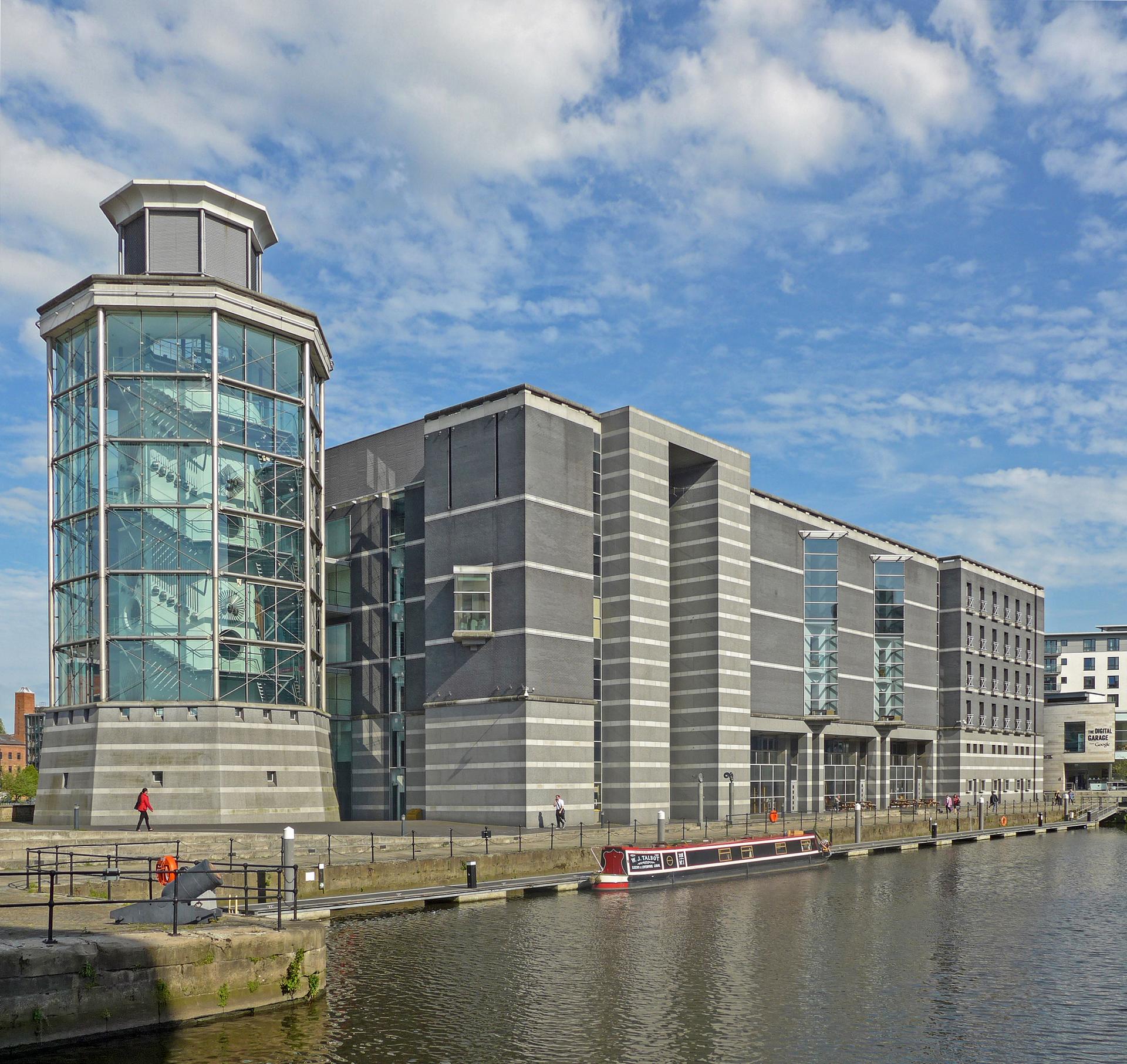
Looking beyond Headingley Bear Pit? Discover Leeds for broader travel guides, local hot-spots, and regional highlights.
Explore Leeds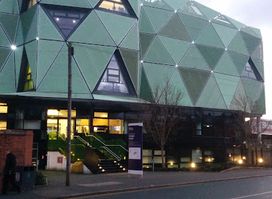
Modern cricket pavilion blending heritage and hospitality in the heart of Leeds’ iconic Headingley Stadium complex.

A small, tranquil green triangle in Headingley offering peaceful respite, birdwatching, and community gardening near Leeds’ bustling Cardigan Road.
