

Bully Hill, Lincolnshire Travel Guide
Historic Bully Hill offers scenic views and springs that shaped Market Rasen’s industrial heritage and rural charm.
Bully Hill, located near Market Rasen in Lincolnshire, England, is a scenic elevated site known for its historical significance and natural springs. Overlooking the village of Tealby, it is the source of the River Rase, which historically powered numerous mills along its course. The hill offers a glimpse into the region’s industrial past and pastoral charm, making it a quiet yet captivating destination for visitors interested in local heritage and countryside views.
A brief summary to Bully Hill
- Papermill Ln, Market Rasen, LN8 3XN, GB
- Duration: 0.5 to 2 hours
- Free
-
 Outdoor
- Mobile reception: 4 out of 5

Know before you go
Hi, I'm Eve. Here are a few practical things to know before exploring Bully Hill.
- Visit in daylight to fully appreciate the scenic views and natural springs.
- Wear comfortable shoes suitable for gentle hill walking and uneven terrain.
- Bring a camera to capture panoramic countryside vistas and the village of Tealby below.
- Combine your visit with a trip to Market Rasen to explore local history and amenities.
Do you manage this location?
Take control to get all the benefits, like improved information, better appearance, and stronger visibility across AI-powered discovery. Learn more about listing your business on Evendo
Activate your presenceOther nearby places you may find interesting
The closest places of the same kind, if this one is not quite what you had in mind.
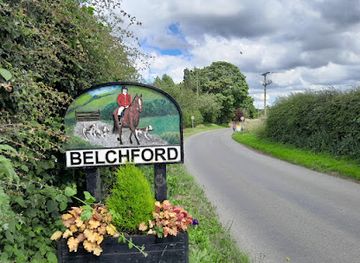
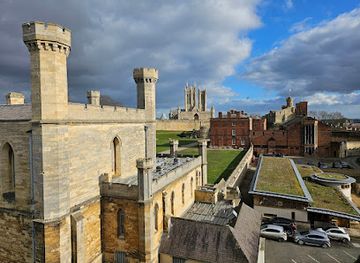
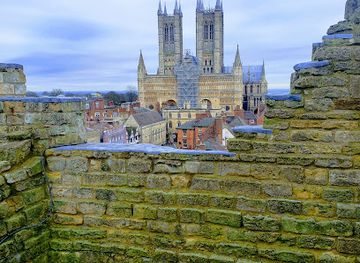
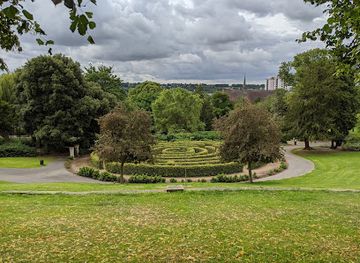
Explore Bully Hill on the Map
A handpicked selection of must-see spots near Bully Hill, mapped for you.
Getting There
-
Bus
Take the Stagecoach bus service from Lincoln to Market Rasen, which runs approximately every hour and takes about 50 to 70 minutes. From Market Rasen, a taxi or local transport can cover the 6 km to Bully Hill. Bus fare ranges from £5 to £8 one way.
-
Car
Driving from Market Rasen to Bully Hill takes around 15 minutes via local roads. Parking is limited near the hill, so plan to park in Tealby village and walk the short distance to the hilltop. No parking fees apply.
-
Taxi
Local taxi services from Market Rasen to Bully Hill take about 15 minutes. Expect fares in the range of £10 to £15. Taxi availability may vary, so booking ahead is recommended.
For the on-the-go comforts that matter to you
-
 Seating Areas
-
 Information Boards
Discover more about Bully Hill
Geographical and Natural Significance of Bully Hill
Bully Hill rises prominently above the village of Tealby, providing a natural vantage point over the surrounding Lincolnshire countryside. The hill is notable for its chalk springs at its foot, which give rise to the River Rase. This river, fast-flowing and clear, historically played a vital role in the local economy by powering a dozen mills between Tealby and Market Rasen. The natural environment of Bully Hill is characterized by its pastoral landscapes and the presence of these important water sources, which have shaped both the ecology and human activity in the area.Historical Context and Industrial Heritage
The springs on Bully Hill have been central to the region’s industrial development, particularly during the era when water mills were a primary source of mechanical power. The River Rase, emerging from these springs, enabled the operation of several mills that supported local agriculture and trade. This industrial heritage is a key aspect of Bully Hill’s historical identity, linking the natural landscape with the socioeconomic evolution of Market Rasen and its environs.Connection to Local Villages and Community
Bully Hill overlooks the picturesque village of Tealby, a settlement with its own rich history and charming character. The hill’s proximity to Tealby and Market Rasen situates it within a network of rural communities that have long depended on the natural resources and topography of the area. This connection enhances the hill’s significance as a landmark that embodies the intertwining of natural features and human settlement in Lincolnshire.Visitor Experience and Atmosphere
Visitors to Bully Hill can enjoy tranquil and scenic views typical of the Lincolnshire countryside. The area invites quiet reflection and appreciation of the natural springs and rolling hills. While not a heavily commercialized tourist site, Bully Hill offers a peaceful retreat for those interested in history, nature, and rural landscapes. Its understated charm lies in the blend of natural beauty and historical resonance.Preservation and Local Importance
Though not widely known as a major tourist attraction, Bully Hill holds local importance for its environmental and historical attributes. The preservation of its springs and the surrounding landscape contributes to maintaining the ecological health of the River Rase. Additionally, the hill’s historical role in powering mills is a point of cultural heritage valued by the local community and historians alike.Broader Regional Context
Bully Hill forms part of the broader heritage landscape of Lincolnshire, a county known for its rural charm and historical sites. Its natural springs and connection to the river system highlight the interplay between geology and human industry in the region. The hill’s vantage point offers a unique perspective on the countryside, linking visitors to the past and present of this part of England.












Your all‑in‑one travel companion app
Explore expert travel guides, compare and book tours, experiences, hotels, and more—all from the palm of your hand. Download now for seamless trip planning wherever your wanderlust takes you.


Explore More of Lincolnshire
Looking beyond Bully Hill? Discover Lincolnshire for broader travel guides, local hot-spots, and regional highlights.
Explore Lincolnshire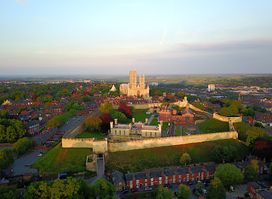
Historic meadow and peaceful green space offering stunning views of Lincoln Cathedral and a glimpse into the city’s racing past.
Explore 216 square miles of rolling hills, hidden valleys, and rich heritage in Lincolnshire’s tranquil and unspoilt National Landscape.
