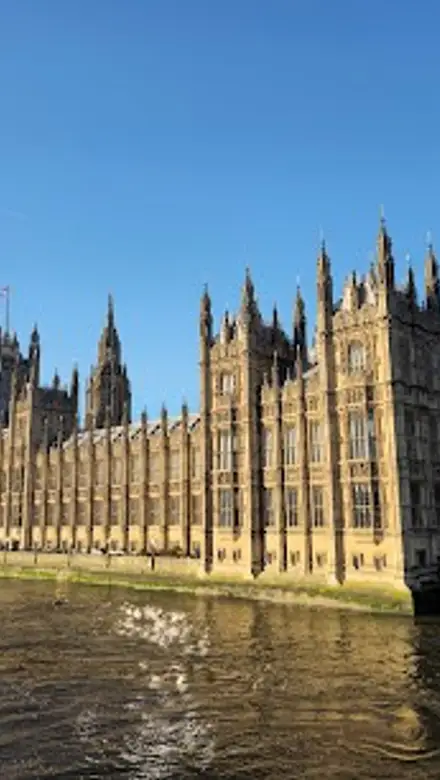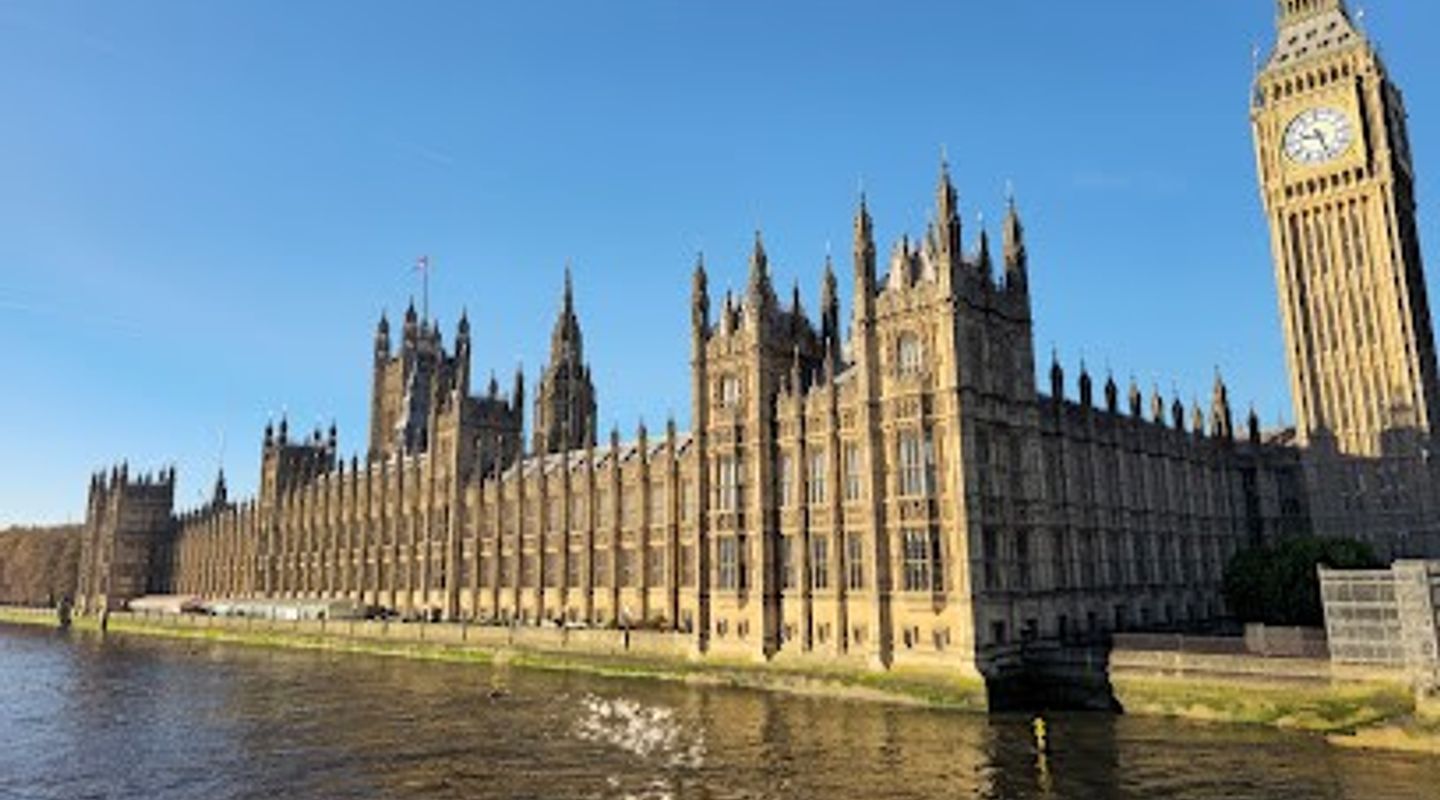
Big Ben, London Travel Guide
Iconic Gothic Revival clock tower whose illuminated dials and Great Bell define the Westminster skyline and parliamentary identity.
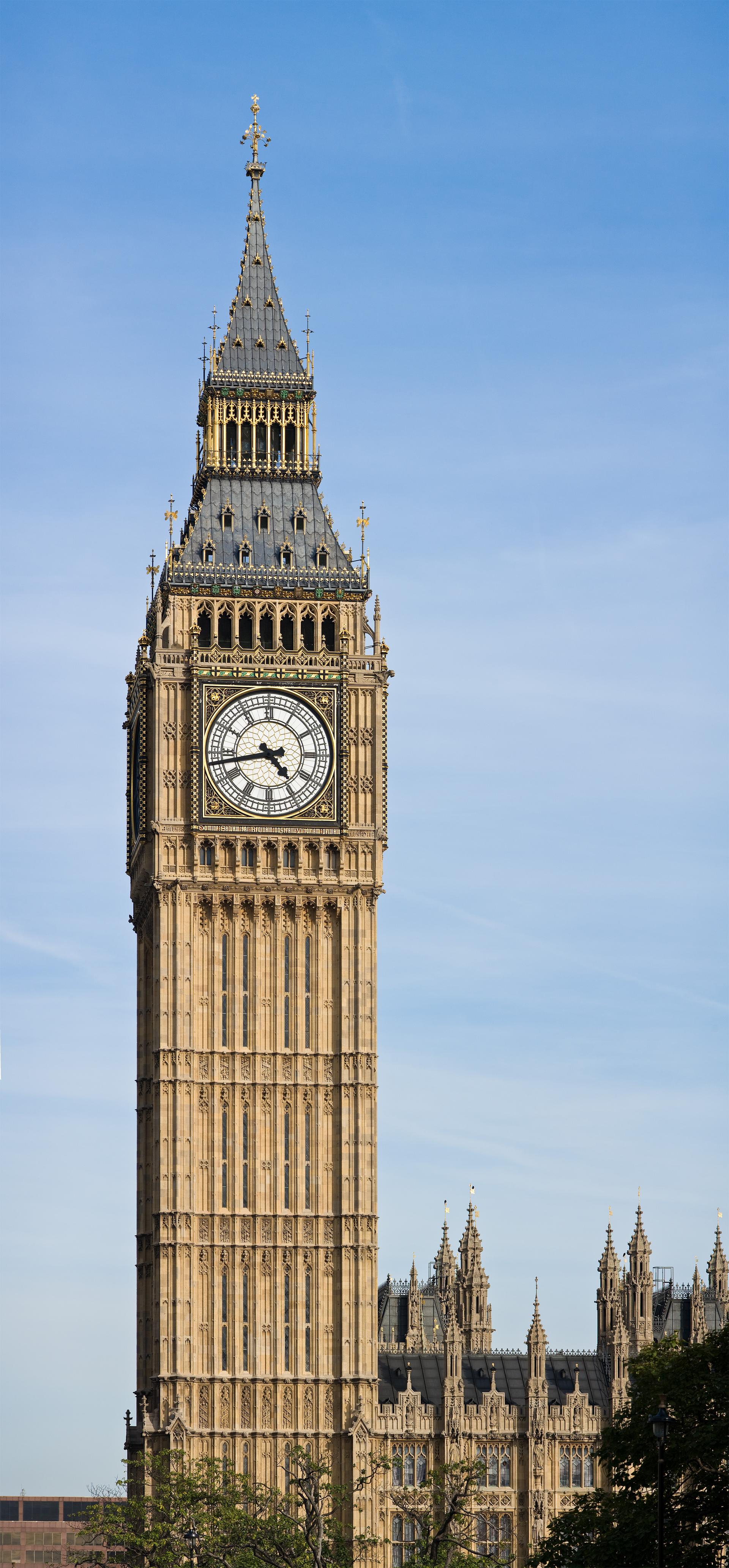
The Elizabeth Tower, universally known as Big Ben, stands at the north end of the Palace of Westminster beside the Thames. Its four illuminated clock faces and the hourly strike of the 13.7-tonne Great Bell create one of London’s most recognisable silhouettes. Visitors experience the landmark freely from Westminster Bridge, Parliament Square and the South Bank, where the Westminster chimes and the tower’s Gothic Revival stonework remain visible day and night.
A brief summary to Big Ben
- London, SW1A 0AA, GB
- Click to display
- Click to display
- Duration: 0.25 to 2 hours
- Mid ranged
-
 Outdoor
- Mobile reception: 5 out of 5

Know before you go
Hi, I'm Eve. Here are a few practical things to know before exploring Big Ben.
- Stand on Westminster Bridge or the South Bank path between Westminster and Lambeth Bridges for the classic postcard views of the lit clock faces against the palace and river.
- Time an exterior visit around an hour strike if you want to hear Big Ben; the chimes sound every 15 minutes throughout the day.
- Book Elizabeth Tower interior tours as soon as tickets are released three months ahead; they sell out rapidly and require closed-toe shoes and no walking aids.
Do you manage this location?
Take control to get all the benefits, like improved information, better appearance, and stronger visibility across AI-powered discovery. Learn more about listing your business on Evendo
Activate your presenceOther nearby places you may find interesting
The closest places of the same kind, if this one is not quite what you had in mind.

Explore Big Ben on the Map
A handpicked selection of must-see spots near Big Ben, mapped for you.
Unlock the Best of Big Ben
Buy tickets
-
No tickets available
Book tours with entry


Getting There
-
Walk
From Westminster Underground station (District, Circle, Jubilee), exit toward Bridge Street; the tower is visible within a one-minute walk.
-
Walk
From Waterloo station, cross Westminster Bridge for the classic first view; the walk takes about ten minutes.
-
Public Transport
Numerous buses stop at Parliament Square or Bridge Street; river buses serve Westminster Pier beside the palace.
For the on-the-go comforts that matter to you
-
 Restrooms
-
 Information Boards
Discover more about Big Ben
The Elizabeth Tower and the Great Bell
The structure officially named the Elizabeth Tower houses the Great Clock of Westminster and the Great Bell nicknamed Big Ben. Completed in 1859 after the 1834 fire that destroyed the earlier palace, the 96-metre tower forms the north-east corner of the Houses of Parliament. Its four pot-opal glass dials, each roughly seven metres across, copper minute hands four metres long, and the 13.7-tonne bell that strikes the hours remain the defining features of the riverside view.Design and Construction
Charles Barry designed the Gothic Revival palace while Augustus Pugin supplied the tower’s detailed stonework. The clock mechanism, developed with Edmund Beckett Denison and Astronomer Royal Sir George Airy, still runs with a 4.4-metre pendulum adjusted by old pennies. After the original bell cracked, a lighter recast version was winched into place in 1858 and first struck on 11 July 1859. The present hammer weight and striking face produce the familiar tone heard today.Visitor Experience from Public Space
Most travellers view the tower from Westminster Bridge, Parliament Square or the South Bank riverside path. The clock faces light after dark, and the quarter chimes and hourly strike can be heard clearly from the surrounding pavements. No ticket or reservation is required for these outdoor viewpoints, which remain accessible at any hour.Interior Tours of the Tower
Official guided tours climb 334 narrow spiral steps to the clock mechanism and belfry. Visitors stand beside the Great Bell during the strike and learn about the 2017–2022 conservation that restored stone, ironwork and the Prussian-blue dials. Tours last up to 90 minutes for the climb plus security and locker time; they are open to ages 11 and over and require closed-toe shoes. Tickets are released three months ahead and sell out quickly.Physical Setting and Materials
The tower is built of brick with Anston, Clipsham and Caen stone cladding and a cast-iron upper stage. It rises directly beside the Thames at the palace’s river corner, with no public rooftop terrace. The Ayrton Light at the top shines when either House is sitting. Exterior viewing uses ordinary pavements and bridges; interior access is limited to timed tours.History and Symbolism
The tower was simply called the Clock Tower until 2012, when it was renamed Elizabeth Tower to mark Queen Elizabeth II’s Diamond Jubilee. BBC broadcasts of the chimes began on New Year’s Eve 1923, and the mechanism continued striking through wartime damage. The 2017–2022 works replaced hundreds of stones and modernised services while preserving traditional crafts. Today the landmark functions both as a working timepiece and a civic symbol of Parliament.












Your all‑in‑one travel companion app
Explore expert travel guides, compare and book tours, experiences, hotels, and more—all from the palm of your hand. Download now for seamless trip planning wherever your wanderlust takes you.


Explore More of London
Looking beyond Big Ben? Discover London for broader travel guides, local hot-spots, and regional highlights.
Explore London
A controlled, appointment-led look at Metropolitan Police history on Victoria Embankment, where the Crime Museum’s legacy meets New Scotland Yard.
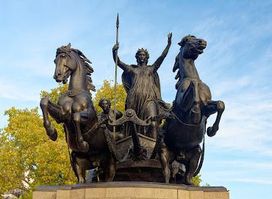
A bronze tribute to Boudica on the Victoria Embankment, where Westminster Bridge, the Thames, and London traffic frame a brief but memorable stop.