Crime Museum, London Travel Guide
Free Guide: A controlled, appointment-led look at Metropolitan Police history on Victoria Embankment, where the Crime Museum’s legacy meets New Scotland Yard.


A brief summary of Crime Museum
A controlled, appointment-led look at Metropolitan Police history on Victoria Embankment, where the Crime Museum’s legacy meets New Scotland Yard.
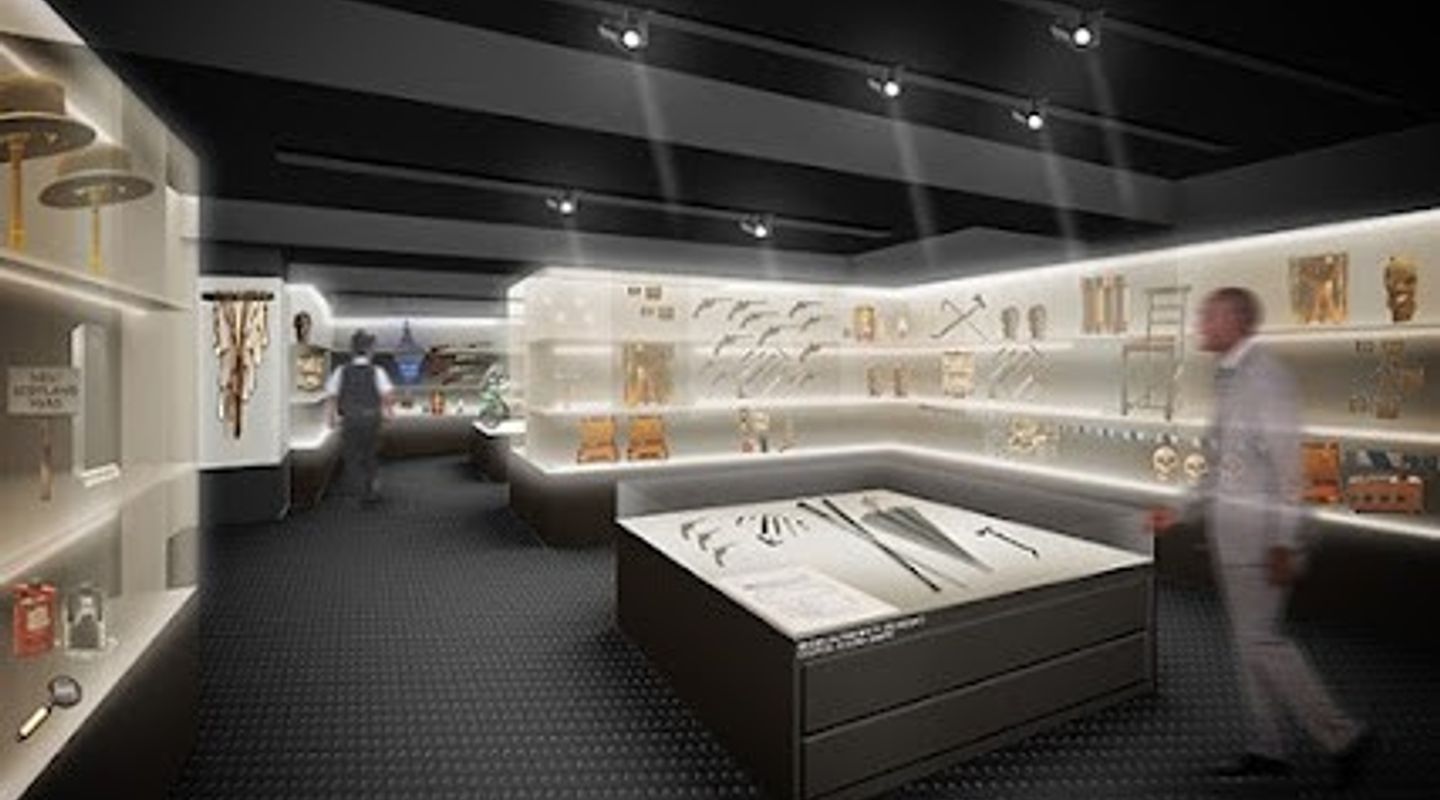
At New Scotland Yard on Victoria Embankment, this is less a walk-in museum than a tightly controlled window into British policing history. The Crime Museum itself is not generally open to the public; access is usually through booked visits, exhibitions, or research appointments. Expect a formal, quiet setting, case material, and a strong institutional feel rather than a conventional gallery experience.
On-site amenities
 Information boards
- Address
- New Scotland Yard, Victoria Embankment, London SW1A 2JL
- Website
Getting there
Tube
Walking
Taxi / rideshare
Driving
Discover more about Crime Museum
What it is
The Crime Museum at New Scotland Yard is a specialist policing collection with a long history, founded in 1875 as a teaching resource for Metropolitan Police staff. It sits within a wider museum and archives context rather than operating like a standard public attraction. The public-facing experience is limited and structured: visitors are more likely to see a Metropolitan Police Museum display, a temporary exhibition, or a research room by appointment than to browse freely.This is an attraction for people interested in crime history, forensic development, and the institutional story of policing in London. It is not designed for casual drop-in sightseeing, and the tone is serious from the outset. The setting at New Scotland Yard also gives the visit a strong sense of place, tying the collection to one of the most recognisable names in British law enforcement.
Atmosphere and setting
The location is firmly urban and indoor, on Victoria Embankment near the Thames and Westminster. The surrounding area is busy and central, but the museum experience itself is controlled, quiet, and often security-conscious. You are unlikely to spend long wandering; instead, the visit tends to unfold in a measured, appointment-led way, with limited space and a focused amount of interpretation.That contrast is part of the appeal. Outside, you have the traffic, riverfront movement, and government buildings of central London. Inside, the mood shifts to archives, case material, and institutional memory. The result is not scenic in the usual sense, but it is distinctive: a place where the city’s public image and its policing history sit side by side.
What you actually do on a visit
A visit usually begins with advance booking and identity checks, then moves into a short, structured session. Depending on access, you may view exhibits, read interpretation panels, or use a reference library or research room. The pace is deliberate rather than immersive, and the experience is shaped by what has been made available for that day rather than by open-ended browsing.Because access is limited, expectations matter. This is not a large museum with multiple floors of displays, cafés, and free circulation. It is closer to a specialist heritage site with a public-facing layer. Most visitors will find that 30 to 45 minutes is enough for a tightly focused visit, while one to two hours suits a fuller exhibition or research session.
Practical expectations
The best way to reach the site is by public transport, with Westminster Station the most practical nearby Tube stop. Walking from the Westminster and Embankment area is straightforward if you are already in central London, but driving is a poor choice because of congestion and parking limits. The location is well suited to combining with other Westminster or Thames-side plans, though the museum itself is not a casual add-on unless you already have access arranged.Facilities are likely limited and security-controlled, so do not assume the usual museum extras. The experience is strongest for adults, older teens, and anyone with a serious interest in London’s policing past. For everyone else, it remains a curious, tightly managed stop that feels more archival than touristy, and that is exactly what makes it unusual.
Evendo Review Centre
 Google
Guest reviews
Best time to go
Quietest: Jan, Feb & Dec · before 9am or from 5pm
Busy times are Evendo estimates for a typical year, to help you plan. Actual crowds vary with events, school holidays and the weather.
Explore Crime Museum on the map
A handpicked selection of must-see spots near Crime Museum, mapped for you.
Get your free copy of our complete guide to Crime Museum, delivered straight to you.
Everything on this page, from opening hours and how to get there to Eve’s tips and the best time to go, in one PDF you can read offline, print or share.
Already have an account? Sign in
Your Crime Museum guide is ready.
We'll send it to · Not you? Sign out

Getting your guide ready…
We are putting together a fresh copy of the Crime Museum guide. This can take up to a minute.
This can take a few moments. If your browser asks, choose Allow so the download can start. You'll find the guide in your Downloads folder.
Nothing happened? Download it again
Sorry, the guide is taking longer than usual. Please try again in a minute, or get it by email instead.
Other nearby places you may find interesting
The closest places of the same kind, if this one is not quite what you had in mind.
-
-
-
-
-


Swipe for more places
More to explore near Crime Museum

 Best experiences near Crime Museum

 Best hotels near Crime Museum

 Best landmarks near Crime Museum

 Best attractions near Crime Museum

 Best shops near Crime Museum

 Best restaurants near Crime Museum

 Best bars near Crime Museum
Do you manage this location?
Take control to get all the benefits, like improved information, better appearance, and stronger visibility across AI-powered discovery.
Explore more

Explore more of London
Explore London: A city of iconic landmarks, rich history, vibrant culture, and endless attractions that cater to every taste, making it a must-visit destination.
Explore London
Explore more of United Kingdom
Discover the United Kingdom: A blend of rich history, stunning landscapes, and vibrant cities, offering a unique travel experience for every visitor.
Explore United Kingdom