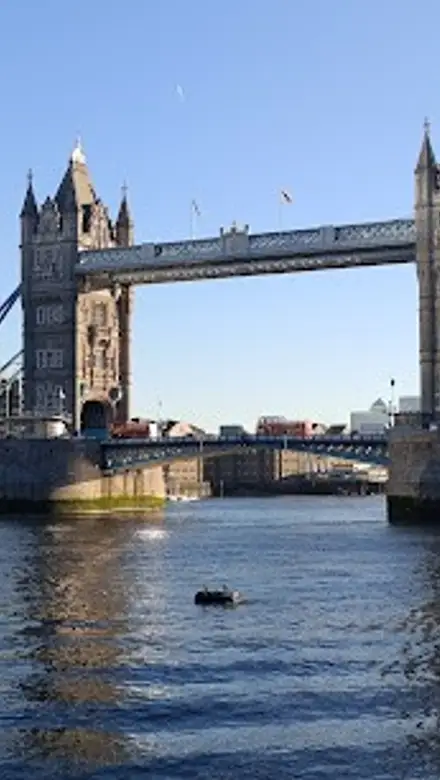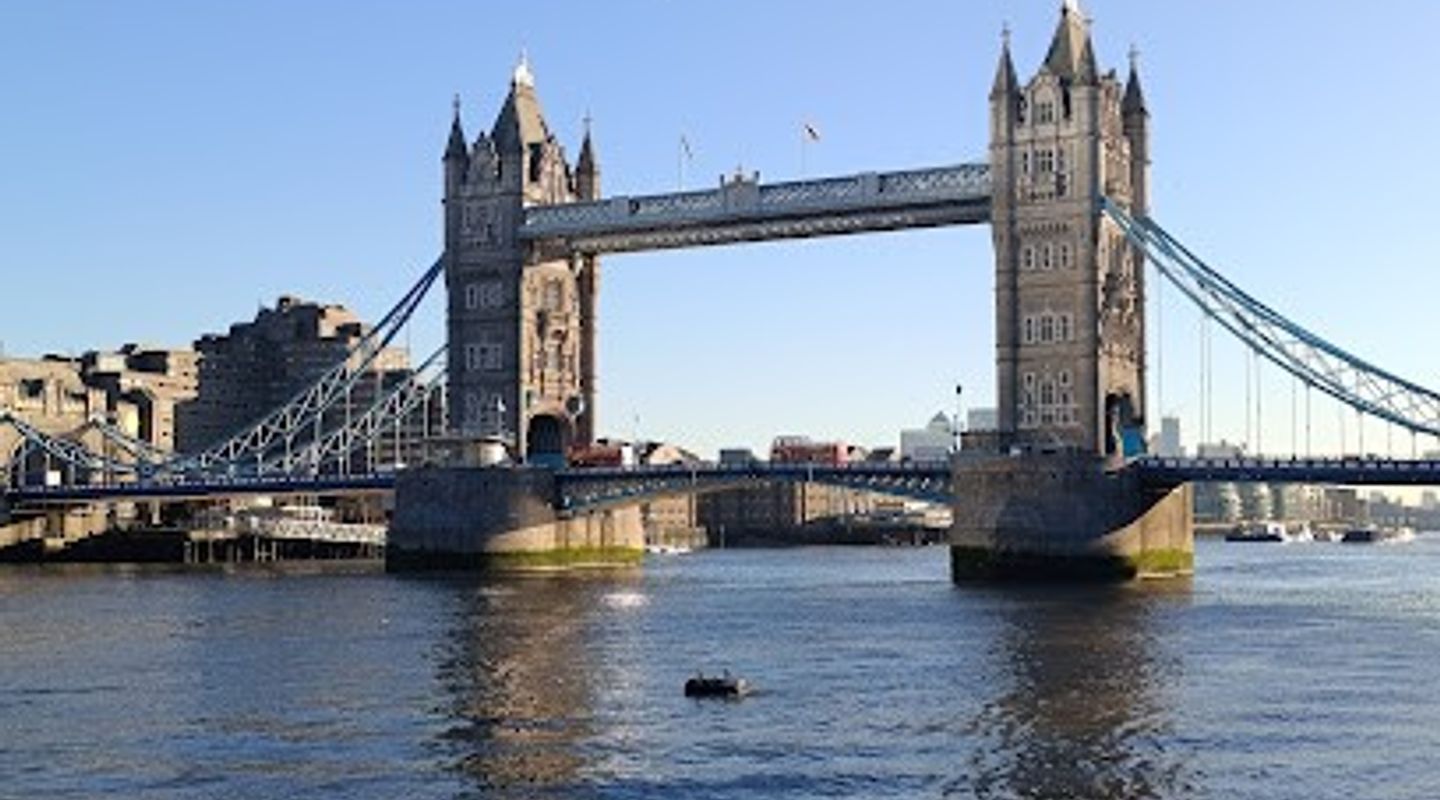
Tower Bridge, London Travel Guide
Walk the towers, cross the glass floors and read the River Thames from one of London’s most recognisable Victorian engineering landmarks.
Tower Bridge is both a working Thames crossing and one of London’s most recognisable landmarks. Inside the Victorian towers, a one-way route leads to high-level walkways, glass floors and the Engine Rooms, where the bridge’s bascules and steam-era machinery explain why it was built to lift for river traffic. Expect queues outside, river views, and a compact visit that feels busy but well ordered.
A brief summary to Tower Bridge
- Tower Bridge Rd, London, SE1 2UP, GB
- Click to display
- Click to display
- Duration: 0.75 to 2 hours
- Mid ranged
-
 Mixed
Mixed
- Mobile reception: 4 out of 5
- Monday 9:30 am-6 pm
- Tuesday 9:30 am-6 pm
- Wednesday 9:30 am-6 pm
- Thursday 9:30 am-6 pm
- Friday 9:30 am-6 pm
- Saturday 9:30 am-6 pm
- Sunday 9:30 am-6 pm

Know before you go
Hi, I'm Eve. Here are a few practical things to know before exploring Tower Bridge.
- Allow time for the outside queue, especially at midday and on weekends, because entry is controlled and the approach is exposed to weather.
- If you want a quieter visit, aim for the first hour after opening on a weekday, when the route is usually calmer and easier to photograph.
- Treat any bridge lift as a bonus. The attraction works well without one, and lift timings are not guaranteed for visitors.
Do you manage this location?
Take control to get all the benefits, like improved information, better appearance, and stronger visibility across AI-powered discovery. Learn more about listing your business on Evendo
Activate your presenceOther nearby places you may find interesting
The closest places of the same kind, if this one is not quite what you had in mind.

Explore Tower Bridge on the Map
A handpicked selection of must-see spots near Tower Bridge, mapped for you.
Unlock the Best of Tower Bridge
Buy tickets
Book tours with entry


Getting There
-
Underground / rail
London Bridge station is the most practical rail and Underground option, with a walk of roughly 10 to 15 minutes depending on your route and pace.
-
Bus
Several central London bus routes serve the Tower Bridge area, making it easy to combine the visit with other riverside sights without changing lines.
-
On foot or by bike
Walking along the Thames from the Tower of London, London Bridge or the South Bank is straightforward and often the most pleasant approach in good weather.
-
Taxi or rideshare
A direct drop-off is simple, but traffic and congestion make this less efficient than public transport for most visitors.
For the on-the-go comforts that matter to you
-
 Restrooms
-
 Seating Areas
-
 Sheltered Areas
-
 Trash Bins
-
 Information Boards
-
 Visitor Center
Discover more about Tower Bridge
What it is
Tower Bridge is a Victorian bascule bridge and one of London’s defining landmarks, spanning the Thames between the Tower of London area and Southwark. It is still a working road bridge, but visitors also enter the structure itself for a paid heritage route through the towers, elevated walkways and Victorian Engine Rooms. The appeal is part engineering lesson, part city viewpoint, and part symbol of London seen from close range rather than from a postcard.How the visit unfolds
Most visitors arrive on foot, queue outside, and then move through the attraction in a one-way self-guided sequence. The route is compact and usually takes about an hour to 90 minutes, though photographers and families often stay longer. You climb through the towers, step onto the high-level walkways, and look down through the glass floors to the traffic and river below. The Engine Rooms add the practical story: how the bridge was designed to lift for shipping while keeping road traffic moving. Bridge lifts may be visible if timed well, but they are not guaranteed, so treat them as a bonus rather than the main event.Atmosphere and setting
The setting is urban, exposed and busy, with strong river views and constant movement around the bridge approaches. The experience is more interpretive than contemplative: there are displays, historic detail and engineering explanations, but also a steady flow of visitors and a fair amount of queueing outside. The glass floors create a brief jolt for some people, though the overall visit is not physically demanding. It suits first-time London visitors, architecture fans, families and anyone who wants a close look at one of the city’s most photographed structures. It is less suitable if you want solitude, long walks, or a quiet riverside pause.History and significance
Tower Bridge opened in 1894 after eight years of construction, built to ease road traffic while preserving access for ships in the busy Pool of London. Its significance is both cultural and technical: it is a heritage structure, a functioning transport link, and a carefully maintained piece of Victorian engineering. The bridge’s ownership and upkeep sit with a long-established charitable body connected to London’s bridges, which helps explain why it remains so well preserved and so closely tied to the city’s identity.Practical expectations
This is a central London attraction with easy access by Underground, rail, bus, walking or cycling. The queue is outdoors, so weather matters more than at a fully indoor museum. Clear skies and mild temperatures make the visit more comfortable, while rain, wind and summer heat can make waiting less pleasant. Facilities include restrooms, lifts and a shop, but food options are limited on site, so many visitors eat nearby in the surrounding riverfront area. The bridge is best treated as a focused sightseeing stop rather than an all-day outing.












Your all‑in‑one travel companion app
Explore expert travel guides, compare and book tours, experiences, hotels, and more—all from the palm of your hand. Download now for seamless trip planning wherever your wanderlust takes you.


Explore More of London
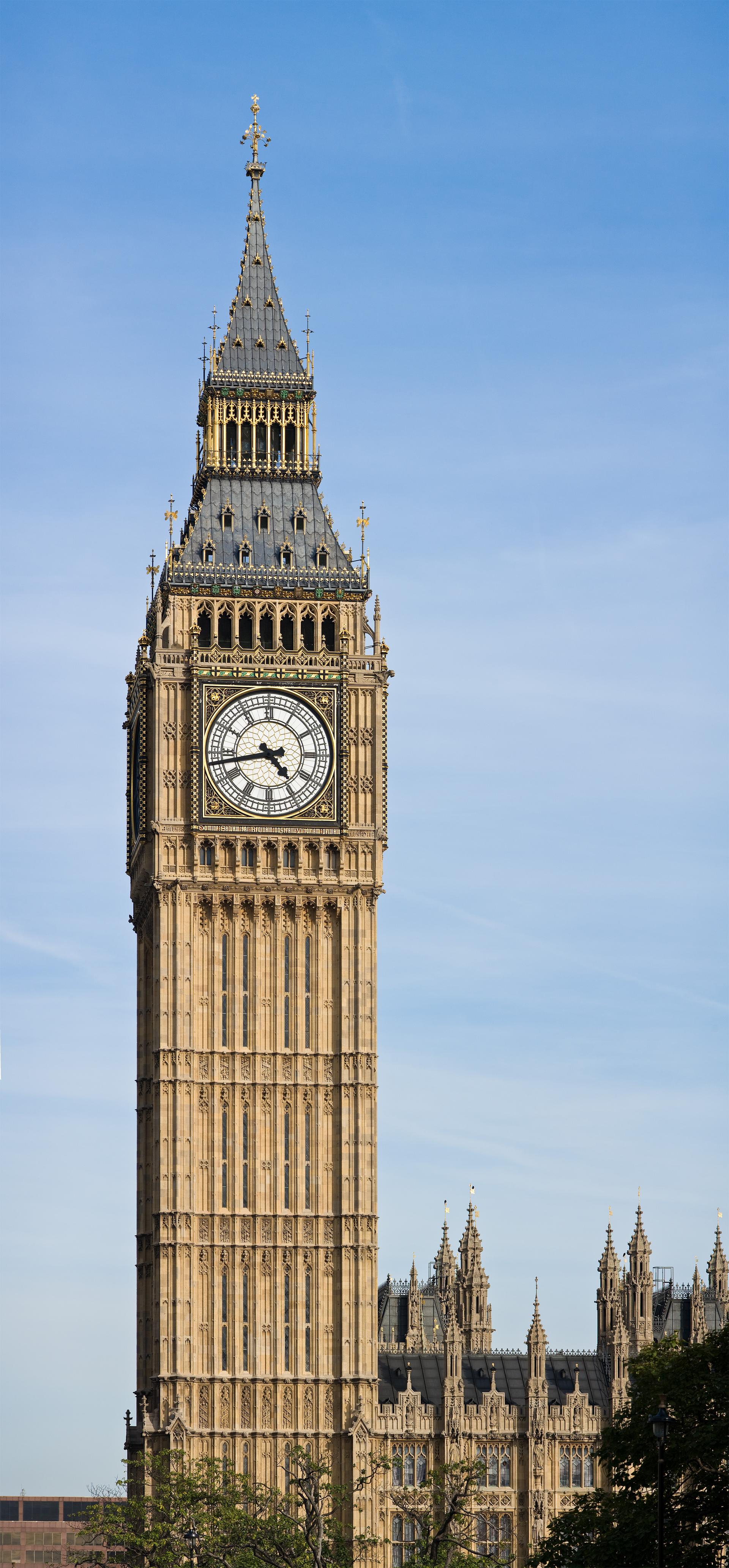
Looking beyond Tower Bridge? Discover London for broader travel guides, local hot-spots, and regional highlights.
Explore London
See Britain’s royal regalia inside the Tower of London, where the Crown Jewels are shown in a tightly managed, history-heavy fortress setting.

Explore London’s iconic Tower Bridge with panoramic views, historic Engine Rooms, and a unique gift shop celebrating this engineering masterpiece.