Machine Gun Corps Memorial, London Travel Guide
A powerful tribute at Hyde Park Corner, the Machine Gun Corps Memorial commemorates the bravery and sacrifice of WWI’s deadly machine gunners.
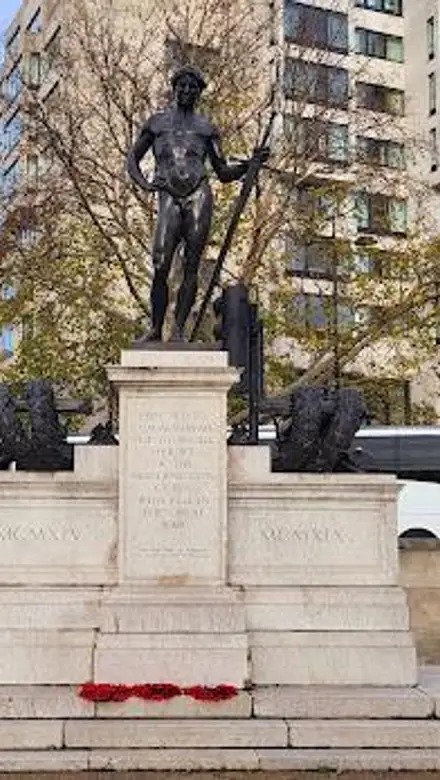
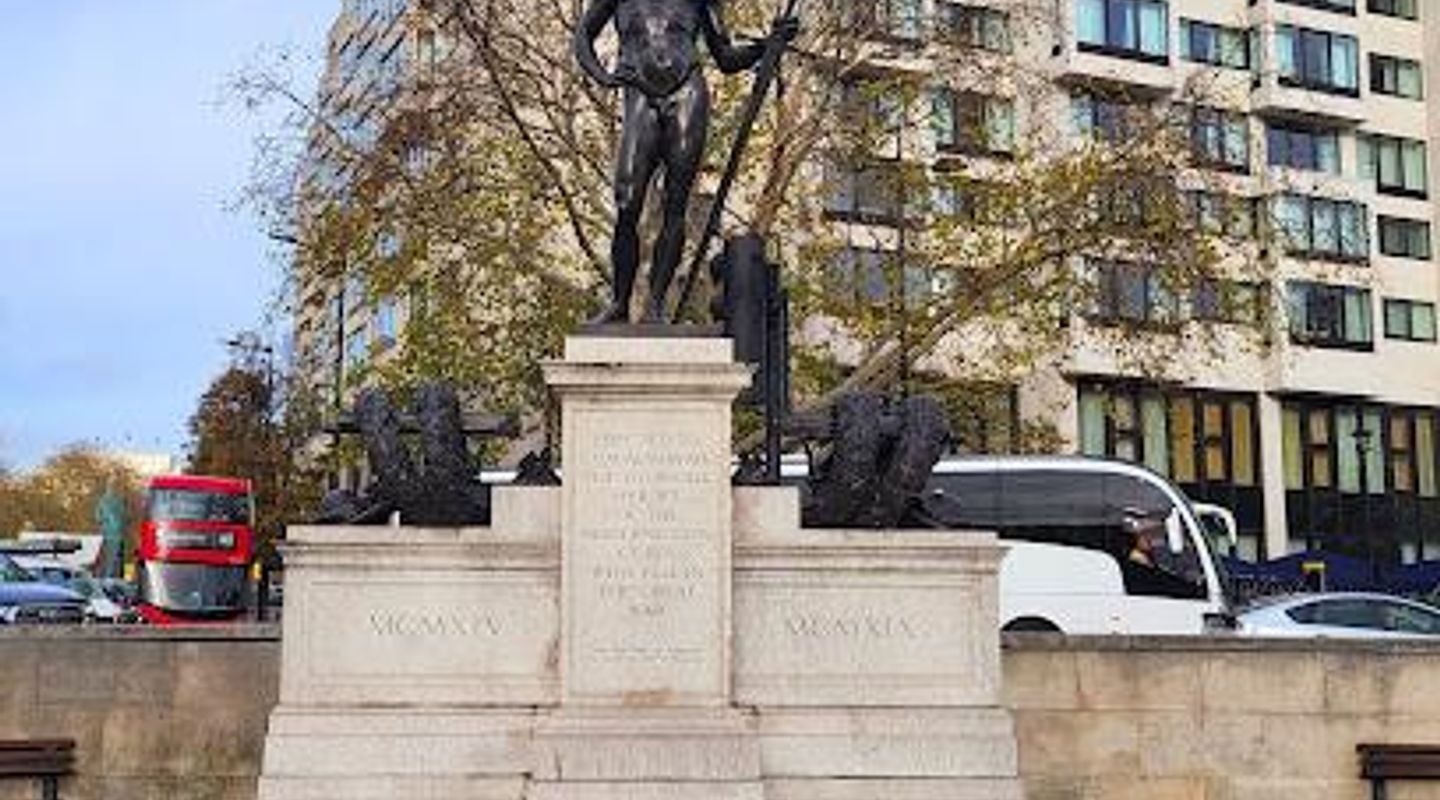
The Machine Gun Corps Memorial, located at 4 Duke of Wellington Place near Hyde Park Corner, London, commemorates the sacrifices of the Machine Gun Corps during World War I. Unveiled in 1925, it features a striking bronze statue of the biblical figure David flanked by Vickers machine guns, symbolizing the deadly impact of the Corps. This poignant monument stands as a tribute to the bravery and heavy losses endured by the Corps, set amidst the historic military memorials of central London.
A brief summary to Machine Gun Corps Memorial
- 4 Duke of Wellington Pl, London, SW1W 0QH, GB
- Click to display
- Duration: 0.25 to 1 hours
- Free
-
 Outdoor
- Mobile reception: 5 out of 5

Know before you go
Hi, I'm Eve. Here are a few practical things to know before exploring Machine Gun Corps Memorial.
- Visit early in the day for a quieter, more reflective atmosphere before the area becomes busy.
- Combine your visit with nearby landmarks like Wellington Arch and Apsley House for a fuller historical experience.
- Take time to read the inscriptions and appreciate the symbolism of the bronze statue representing David and the Vickers guns.
- Attend on Armistice Day or Remembrance Sunday to experience commemorative ceremonies held at the memorial.
Do you manage this location?
Take control to get all the benefits, like improved information, better appearance, and stronger visibility across AI-powered discovery. Learn more about listing your business on Evendo
Activate your presenceOther nearby places you may find interesting
The closest places of the same kind, if this one is not quite what you had in mind.



Explore Machine Gun Corps Memorial on the Map
A handpicked selection of must-see spots near Machine Gun Corps Memorial, mapped for you.
Unlock the Best of Machine Gun Corps Memorial
Buy tickets
-
No tickets available
Book tours with entry

Book tours without entry
-
No tours available
Getting There
-
London Underground
Take the Piccadilly Line to Hyde Park Corner station, approximately a 5-10 minute walk from the memorial. The station is well-served with frequent trains, and the walk is on paved roads suitable for most visitors.
-
Bus
Several London bus routes stop near Hyde Park Corner, including routes 9, 14, 19, 22, and 38. Bus travel times vary depending on traffic but typically range from 15 to 30 minutes from central London locations.
-
Taxi or Ride-Hailing
A taxi or ride-hailing service can drop you directly at 4 Duke of Wellington Place. Travel times depend on traffic, generally 10-20 minutes from central London. Note that parking is limited in this busy area.
For the on-the-go comforts that matter to you
-
 Restrooms
-
 Drink Options
-
 Food Options
-
 Seating Areas
-
 Trash Bins
-
 Information Boards
Discover more about Machine Gun Corps Memorial
Origins and Historical Context
The Machine Gun Corps Memorial was unveiled on May 10, 1925, at Hyde Park Corner, London, to honour the members of the Machine Gun Corps (MGC) who served and died in the First World War. The Corps itself was established in October 1915 in response to the increasing importance and devastating impact of machine guns on the battlefield. The memorial was commissioned to recognize the heavy casualties suffered by the Corps, which had a casualty rate exceeding 30%, earning it the grim nickname "the suicide club." The unveiling ceremony was attended by notable figures including the Duke of Connaught, reflecting the memorial’s national significance.Design and Symbolism
The memorial is best known for its central bronze statue, often called "The Boy David," depicting the biblical figure David standing naked and poised, flanked on either side by two Vickers machine guns—the primary armament used by the Corps. This juxtaposition of youthful innocence and lethal weaponry powerfully symbolizes both the human cost and the deadly efficiency of the machine gun in modern warfare. The inscription on the memorial references the biblical phrase, "Saul hath slain his thousands, but David his tens of thousands," underscoring the Corps’ deadly role in the war. The design was controversial at the time for its stark realism and symbolism, sparking protests and debate about war remembrance.Location and Surroundings
Situated at 4 Duke of Wellington Place, the memorial occupies a prominent position near Hyde Park Corner, a historic site dense with military monuments including the Wellington Arch and the Royal Artillery Memorial. This area serves as a ceremonial and commemorative hub in London, linking the memory of the First World War with broader national military history. The memorial’s placement amidst these landmarks enhances its solemnity and provides a contemplative space for visitors amidst the bustle of central London.Legacy and Cultural Importance
The Machine Gun Corps Memorial remains a significant symbol of the sacrifices made by specialized military units during the First World War. It reflects a shift in war memorial design during the early 20th century towards more direct and sometimes challenging representations of war’s realities. Despite initial controversy, the memorial has become a respected site of remembrance, contributing to the collective memory of the Great War and the evolution of military commemoration in Britain.Visitor Experience and Atmosphere
Visitors to the memorial are greeted by its striking bronze figure and the powerful contrast between the youthful David and the cold machinery of war. The quiet dignity of the site invites reflection on the human cost of conflict and the technological changes that defined the First World War. Its location near Hyde Park Corner allows visitors to combine their visit with exploration of nearby historic sites, offering a rich cultural and historical experience in one of London’s most iconic areas.Preservation and Accessibility
The memorial is maintained as part of London’s heritage of war remembrance and is accessible to the public year-round. Its urban setting ensures easy access via public transport, and it stands as a protected monument within a cityscape that balances modern life with historical memory. The site continues to be a focal point for commemorative events, particularly on Armistice Day and other occasions honoring military service.More to explore near Machine Gun Corps Memorial













Your all‑in‑one travel companion app
Explore expert travel guides, compare and book tours, experiences, hotels, and more—all from the palm of your hand. Download now for seamless trip planning wherever your wanderlust takes you.


Explore More of London
Looking beyond Machine Gun Corps Memorial? Discover London for broader travel guides, local hot-spots, and regional highlights.
Explore London
A dignified tribute to Franklin D. Roosevelt in the historic heart of London’s Grosvenor Square, symbolizing enduring Anglo-American friendship.

Bronze standards honour New Zealand's shared sacrifice in two world wars, blending Māori heritage with contemporary memorial design.