
St Albans Cathedral
Britain's oldest sacred site, where 1,700 years of history converge in Norman stone and Roman brick.
St Albans Cathedral stands as Britain's oldest site of continuous Christian worship, built over the burial place of St Alban, the nation's first martyr, 1,700 years ago. This magnificent Norman structure features England's longest nave and showcases a remarkable blend of architectural styles spanning over a millennium. Constructed partly from recycled Roman bricks salvaged from the nearby ruins of Verulamium, the cathedral houses two beautifully restored medieval shrines, exceptional 13th-century wall paintings, and a distinctive 211-step Norman tower offering panoramic views across the city. Entry is free with suggested donations, and expert-guided tours are available daily.
A brief summary to St Albans Cathedral
- Cathedral, Sumpter Yard, St Albans, AL1 1BY, GB
- +441727890210
- Visit website
- Duration: 1.5 to 3.5 hours
- Free
-
 Mixed
Mixed
- Mobile reception: 5 out of 5
Local tips
- Climb the 211 steps of the Norman tower early in your visit to avoid crowds and enjoy clearer views across the city and cathedral grounds.
- Join a free guided tour to fully appreciate the cathedral's complex architectural history and discover hidden details like the medieval wall paintings and rare watching loft.
- Allow time to visit the Abbot's Kitchen café for lunch or afternoon tea, and browse the cathedral shop for gifts and historical publications.
- Visit the nearby Verulamium Park to see the Roman ruins that provided the bricks used in the cathedral's construction, completing your understanding of the site's layered history.
- Bring binoculars or a camera with good zoom to appreciate the architectural details high on the walls and towers, particularly the medieval coats of arms in the crossing.

For the on-the-go comforts that matter to you
- Restrooms
- Drink Options
- Food Options
- Seating Areas
- Information Boards
- Visitor Center
Getting There
-
Train from London
From London King's Cross or other major London stations, take a train to St Albans City station (approximately 20–25 minutes from King's Cross). The cathedral is a 20-minute walk from the station through the city centre, or approximately 10–15 minutes by taxi. Trains run frequently throughout the day with typical fares ranging from £5–£15 depending on time of booking.
-
Car from London or Hertfordshire
St Albans Cathedral is located at Sumpter Yard, St Albans AL1 1BY. From the M25 motorway, take junction 21 and follow signs to St Albans city centre (approximately 15–20 minutes depending on traffic). Multiple car parks are available in the city centre within 5–10 minutes' walk of the cathedral. Parking typically costs £1–£3 per hour with daily rates around £8–£12. Blue badge holders can pre-book accessible parking spaces by calling ahead.
-
Bus from surrounding areas
Regular bus services connect St Albans to surrounding towns and villages in Hertfordshire and Bedfordshire. The main bus station is approximately 10–15 minutes' walk from the cathedral, or accessible by local buses. Journey times vary by origin, typically ranging from 30 minutes to 1.5 hours from nearby towns. Bus fares generally range from £2–£6 for local journeys.
-
Walking from St Albans city centre
St Albans Cathedral is surrounded by parkland and is easily accessible on foot from the city centre. The walk takes approximately 15–20 minutes from the main shopping areas. The route is relatively flat with clear signage, suitable for most mobility levels. The cathedral is located just north of the city centre near the historic Clock Tower.
St Albans Cathedral location weather suitability
-
 Any Weather
Discover more about St Albans Cathedral
A Thousand Years of Sacred Stone
St Albans Cathedral stands on a hilltop site in Hertfordshire, marking the oldest location of continuous Christian worship in Britain. The cathedral was allegedly founded by King Offa in 793 as a Benedictine monastery, but its most significant role emerged over 1,700 years ago when it was built over the burial place of St Alban, Britain's first Christian martyr. The present structure began in 1077 under Abbot Paul of Caen, representing one of the earliest surviving examples of Romanesque architecture in England. What makes this building extraordinary is not merely its age, but the ingenious way its Norman builders adapted to the materials available to them.Roman Bricks and Medieval Innovation
The cathedral's most distinctive feature is its extensive use of recycled Roman brick and flint salvaged from the nearby ruins of Verulamium, the Roman settlement that once flourished in this region. Rather than forcing a predetermined design onto available materials, the Norman architect Robert based the entire structural design around this abundance of Roman brick. This pragmatic approach created a severe, unadorned aesthetic that has become the cathedral's signature character. The builders developed an exceptionally strong mortar made from lime, gravel, and pulverised brick, replicating the durability of Roman construction techniques. The great Norman tower, built entirely of these Roman bricks, stands as the only great crossing tower remaining from the 1000s in the country. The hilltop location was carefully chosen where bedrock lay close to the surface, minimizing foundation requirements, while the site was terraced and levelled using courses of Roman bricks and flint.Centuries of Transformation and Rebuilding
The cathedral's architectural narrative reflects the evolving tastes and needs of successive centuries. The original church, consecrated in 1115, underwent significant expansion when Abbot John de Cella lengthened the nave by three bays in the late 12th century. The 13th century brought dramatic changes as the eastern arm was completely rebuilt and extended, beginning with the choir aisles in 1235 and culminating in a new presbytery, feretory for St Alban's shrine, retrochoir, and Lady Chapel completed in the early 14th century. The nave itself displays three distinctly different architectural elevations—11th-century Romanesque on the north side, 14th-century work on the south following a catastrophic collapse in 1323, and late 12th- to early 13th-century work at the western end. This patchwork of styles, rather than detracting from the building, creates a living chronicle of medieval architectural evolution.Victorian Restoration and Controversy
By the 19th century, the cathedral had fallen into serious disrepair. Following a public meeting in 1856, restoration work began under the guidance of Sir George Gilbert Scott, who stabilised the central tower and corrected the dangerous listing of the south nave. However, when the abbey was raised to cathedral status in 1877, the restoration took a more controversial turn under Lord Grimthorpe. His extensive work between the 1880s and 1890s included completely rebuilding the west front and transept facades, installing a new high-pitched roof, and replacing the decorated nave ceiling with plain wood. While Grimthorpe's interventions were heavily criticised for their insensitivity to the original medieval fabric, his efforts ultimately saved the building from ruin. Ironically, his Victorian west front has now weathered and mellowed sufficiently that it blends harmoniously with the surrounding Norman and medieval stonework.Treasures Within
The interior reveals an extraordinary collection of historical and artistic treasures. The cathedral houses England's longest nave, stretching 85 metres, creating an overwhelming sense of space and light. Medieval wall paintings, discovered beneath whitewash in 1862, adorn numerous surfaces throughout the building, providing rare glimpses into medieval decorative schemes. The two fully restored medieval shrines—one dedicated to St Alban and the other to St Amphibalus, the priest who converted Alban to Christianity—stand as focal points of pilgrimage that have drawn visitors for over 1,700 years. The cathedral also features a rare watching loft, an architectural element found in few English cathedrals, and a stunning carved altar screen. The Norman tower, accessible via 211 winding steps, offers visitors the opportunity to touch the Roman bricks during their ascent and rewards the climb with panoramic views across St Albans and, on clear days, toward London's skyline.Living Heritage and Contemporary Welcome
Today, St Albans Cathedral remains an active place of worship and a major cultural landmark. The cathedral welcomes visitors daily with free entry and suggested donations, offering expert-guided tours that bring the building's complex history to life. A new Welcome Centre and café provide modern visitor facilities, while interactive exhibitions and family activities ensure the cathedral appeals to all ages. The surrounding parkland creates a serene setting that contrasts beautifully with the nearby city centre, allowing visitors to experience both the architectural grandeur and the spiritual atmosphere that has drawn pilgrims and worshippers for nearly two millennia.Iconic landmarks you can’t miss

Premier Inn London Elstree / Borehamwood hotel
11.8 km
Comfortable, accessible 3-star hotel near Elstree Studios with great dining and easy London connections.

Panshanger Park
16.8 km
Explore the beauty of Panshanger Park in Hertford, a natural paradise perfect for relaxation, adventure, and breathtaking scenic views.
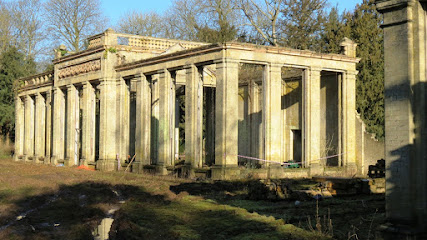
Whitewebbs Museum of Transport
18.7 km
Explore the rich history of transportation at Whitewebbs Museum of Transport, featuring vintage vehicles and fascinating memorabilia in Enfield.
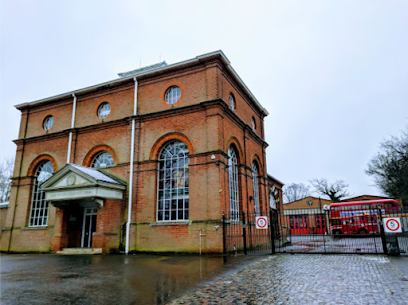
Middlesex University London
19.5 km
Discover Middlesex University London, where education meets culture in a vibrant campus setting, just a stone's throw from the heart of the city.
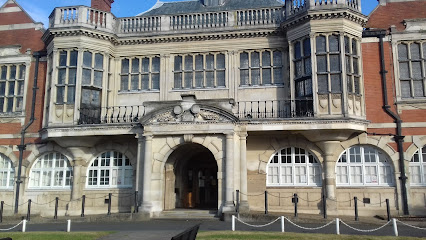
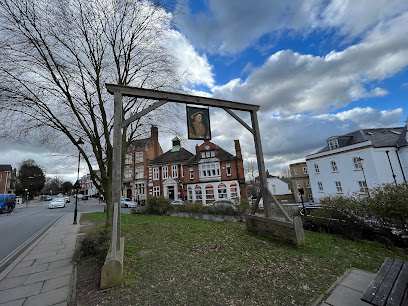
The King's Head Gantry
20.0 km
Historic King's Head Gantry in Harrow on the Hill, a royal relic and iconic village landmark steeped in centuries of heritage.
Manor Farm Library
20.0 km
Discover the hidden gem of Ruislip at Manor Farm Library, where literature meets community in a picturesque setting.

St Martin's
20.1 km
Experience the serene beauty and community spirit at St Martin's Church in Ruislip, a perfect blend of history and tranquility.

Pynchester Moated site
21.5 km
Explore the historical charm of Pynchester Moated Site in Ickenham, a serene retreat into England's medieval heritage amidst picturesque landscapes.

Queen's Wood
23.1 km
Explore the tranquility of Queen's Wood, a serene nature reserve in London perfect for leisurely walks and wildlife spotting amidst stunning greenery.
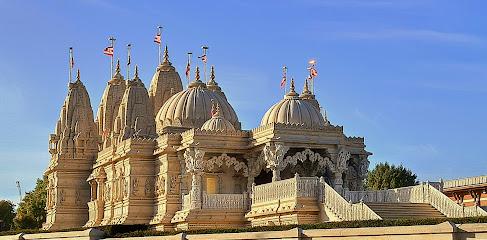
BAPS Shri Swaminarayan Mandir, London
23.2 km
Europe's first traditional Hindu stone temple: a masterpiece of faith, craftsmanship, and community in North London.
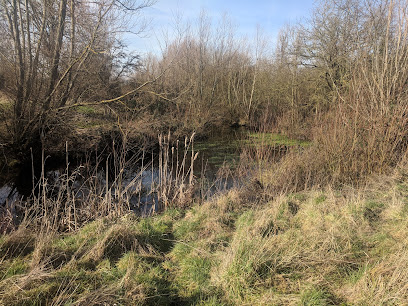
Down Barns Moated Site
23.5 km
Discover the Down Barns Moated Site, a hidden historical gem in Northolt, rich in medieval history and surrounded by tranquil nature.
Rye House Gatehouse
24.1 km
Discover the historical essence of England at the Rye House Gatehouse, a captivating landmark and museum in Hoddesdon, showcasing its rich heritage.
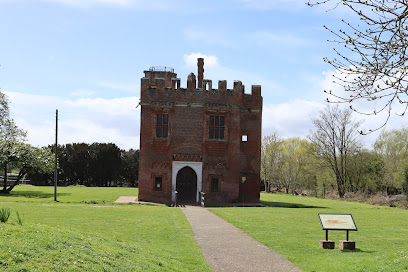
Battle of Britain Bunker
24.8 km
Explore the Battle of Britain Bunker: a historical museum in Uxbridge revealing the courage and strategies that changed the course of World War II.

Royal Free Hospital
25.0 km
Discover the Royal Free Hospital, a historic healthcare institution in London, blending tradition with modern medical excellence.
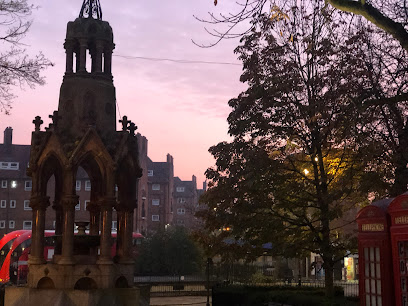
Downhills Park
25.0 km
Explore Downhills Park, a tranquil oasis in London offering picturesque gardens, expansive green spaces, and enjoyable recreational activities for all.
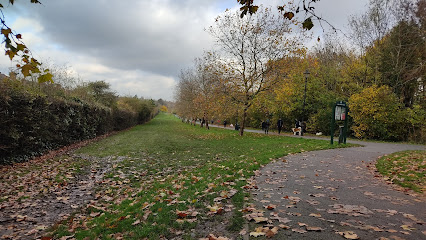
Unmissable attractions to see

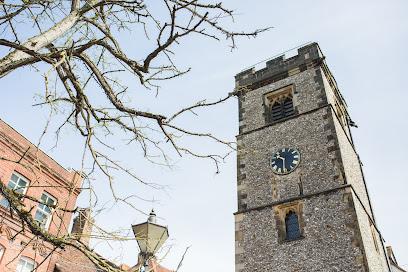
The Clock Tower
0.2 km
Discover the rich history and breathtaking views at The Clock Tower, a must-see landmark in St Albans that embodies the city's heritage and charm.
St Albans
0.2 km
Explore St Albans, a historic cathedral city blending Roman heritage, medieval grandeur, and vibrant market life just outside London.
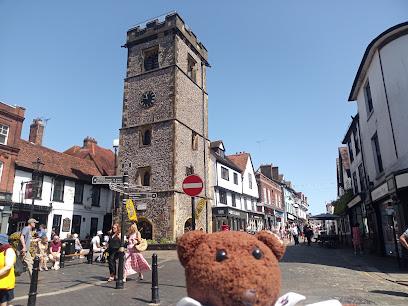
The Maltings
0.4 km
A historic and vibrant shopping centre blending heritage charm with modern retail in the heart of St Albans.
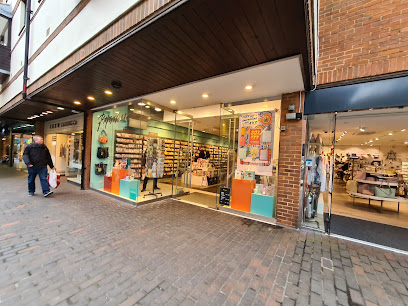
St Albans Market
0.4 km
A historic and bustling outdoor market in St Albans offering fresh produce, artisan goods, and vibrant community spirit every Wednesday and Saturday.
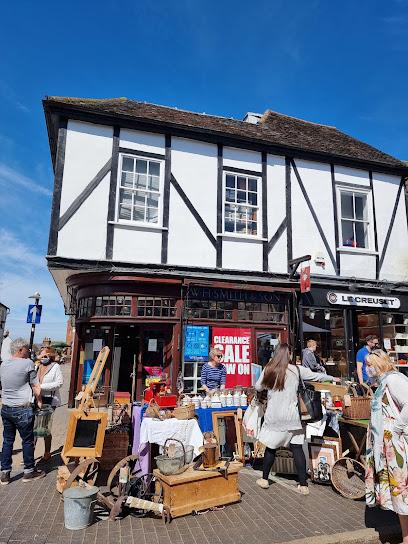
Roman Wall of St Albans
0.6 km
Explore the enduring Roman Wall of St Albans, a monumental relic enclosing the ancient city of Verulamium within scenic Verulamium Park.
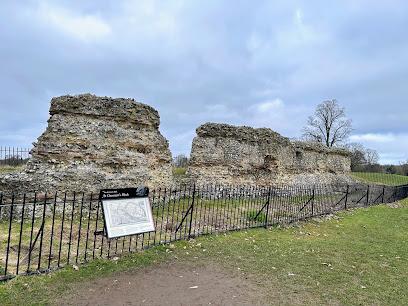
Verulamium Park
0.8 km
Explore 100 acres of Roman history, scenic lakes, and family fun in the heart of St Albans at award-winning Verulamium Park.
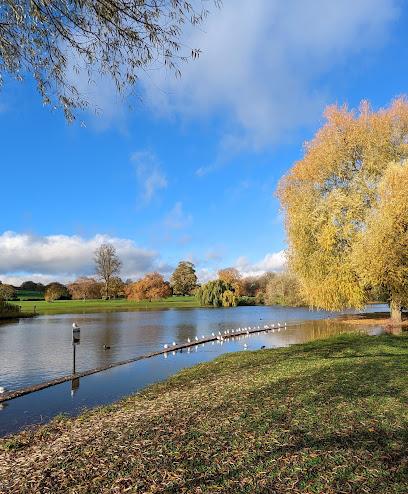
Abbey View Retail Park
0.9 km
Modern retail park with major stores, free parking, and convenient access south of St Albans town centre.
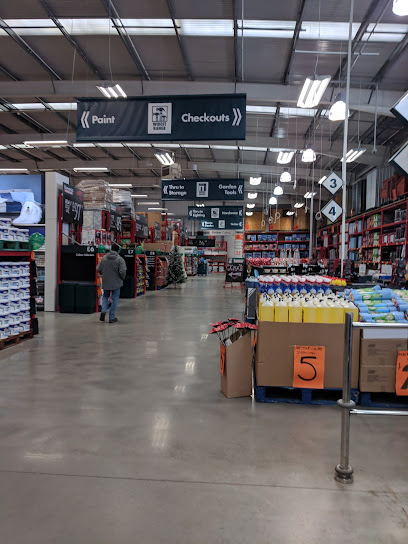
Verulamium Museum
0.9 km
Step into Roman Britain at Verulamium Museum, where history, mosaics, and ancient ruins bring St Albans’ past vividly to life.
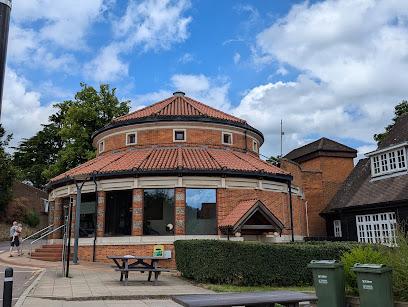
St Michael's Church
1.0 km
Discover the oldest Anglo-Saxon church in Hertfordshire, built on Roman ruins and steeped in over a millennium of history and artistry.
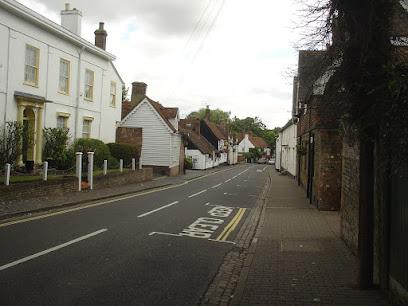
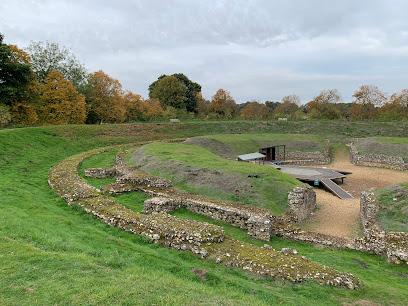
Roman Theatre of Verulamium
1.2 km
Britain's only Roman theatre with a stage, blending ancient ruins with live summer performances in historic St Albans.
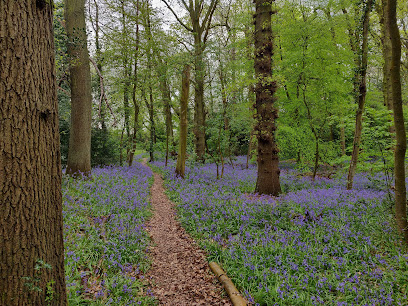
Longspring Wood
6.6 km
A serene 1.2-hectare woodland retreat in Kings Langley, famed for its bluebell carpets and rich local wildlife.
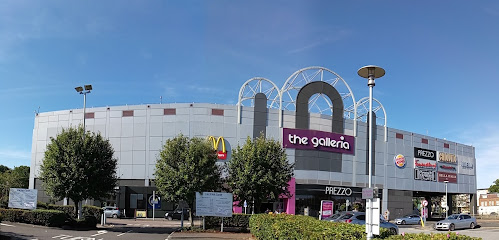
The Galleria
7.1 km
Hatfield’s covered outlet hub with 80+ stores, dining, cinema and family play, all under one roof just off the A1(M).
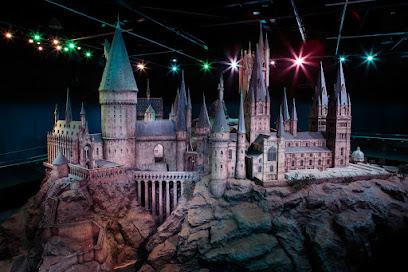
Warner Bros. Studio Tour London
8.5 km
Walk the actual sets where Harry Potter magic came to life—an immersive journey through eight films' worth of filmmaking brilliance.
Enchanted England Tours
9.0 km
Discover England’s magic and history with bespoke private tours from Hatfield, blending folklore, royal heritage, and scenic beauty.

Riverside Shopping Centre
9.1 km
A vibrant and accessible shopping hub at the heart of Hemel Hempstead, offering diverse retail and dining experiences for all visitors.
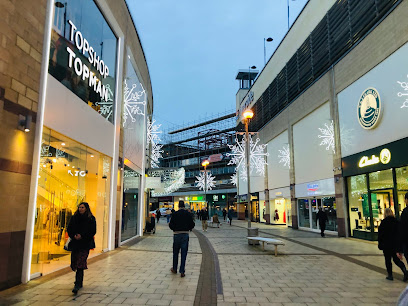
Essential places to dine

Lussmanns Sustainable Kitchen
0.1 km
Savor modern British cuisine with a sustainable focus in a stylish, welcoming setting in the heart of St Albans.
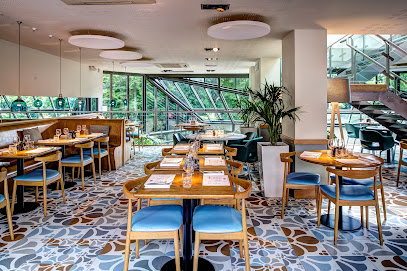
Loft St Albans
0.2 km
Stylish Mediterranean and Greek dining in St Albans with fresh seasonal dishes, a cozy lounge, and a welcoming wine bar atmosphere.
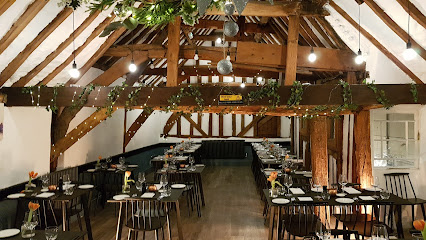
The Ivy St Albans Brasserie
0.2 km
Sophisticated British brasserie with Art Deco charm, generous portions, and a welcoming atmosphere in the heart of historic St Albans.
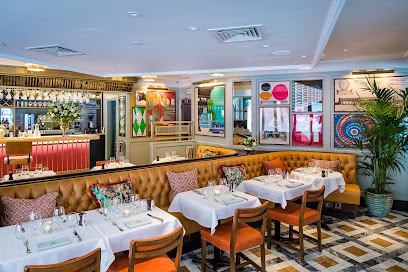
Thompson St Albans
0.6 km
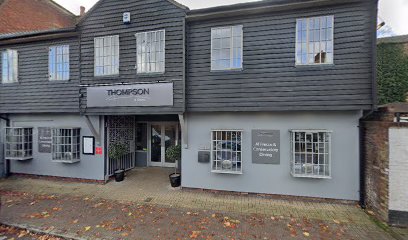
Experience refined modern European cuisine in a stylish, relaxed setting with seasonal dishes and expertly paired wines at THOMPSON St Albans.
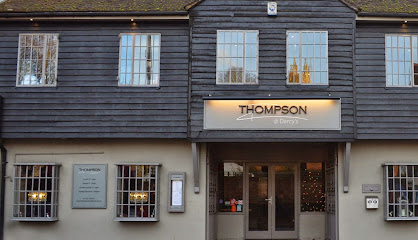
Phil Thompson Dining Ltd
0.6 km
Refined British fine dining with seasonal flair and impeccable service at Darcy's in St Albans.
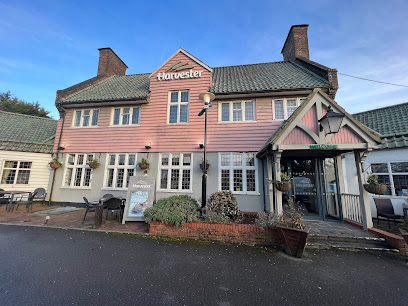
Harvester Ancient Briton St Albans
1.8 km
Family-friendly British dining with hearty grills, fresh salads, and a welcoming atmosphere in St Albans’ charming Harvester Ancient Briton.
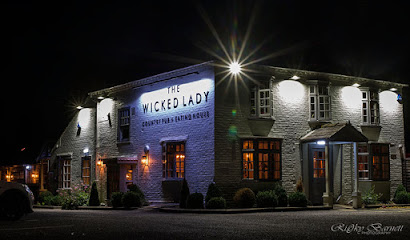
The Wicked Lady
6.4 km
A charming Hertfordshire gastropub blending rustic tradition with modern British cuisine in a warm, inviting countryside setting.
Lussmanns Sustainable Kitchen & Garden
7.2 km
Historic coach house dining with a sustainable British menu, charming garden, and warm hospitality in Harpenden’s heart.
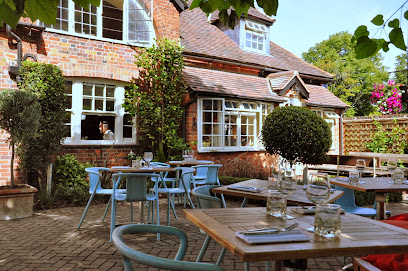
Le Moulin Restaurant
7.8 km
Experience authentic French fine dining in the cozy charm of Wheathampstead at Le Moulin Restaurant.
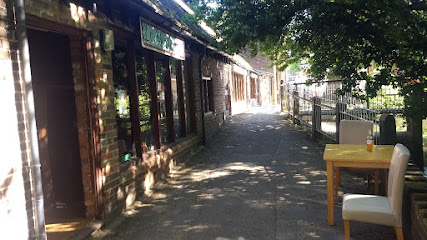
Auberge du Lac
8.9 km
Elegant Modern British dining with estate-grown ingredients in a historic lakeside lodge at Brocket Hall Estate.
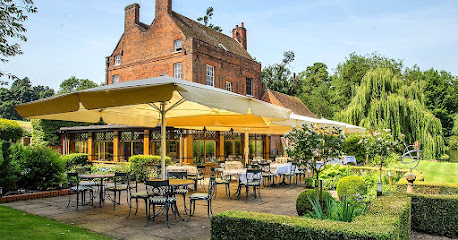
The Waggoners
10.3 km
A charming French bistro nestled in a traditional English country pub setting, offering authentic cuisine and warm hospitality in Ayot Green.
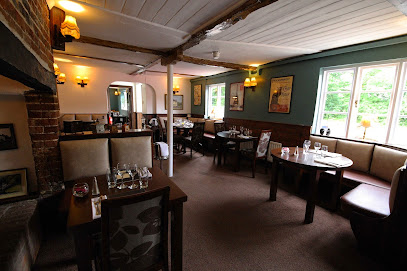
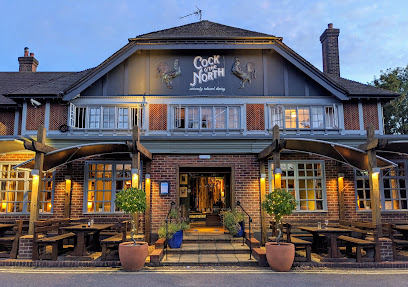
Cock o’ the North
10.9 km
A charming English pub in Bell Bar offering classic British fare, cozy fires, and a spacious beer garden near Hatfield.
St James Restaurant
11.8 km
Creative Modern British dining with exceptional service in the heart of Bushey’s vibrant High Street.

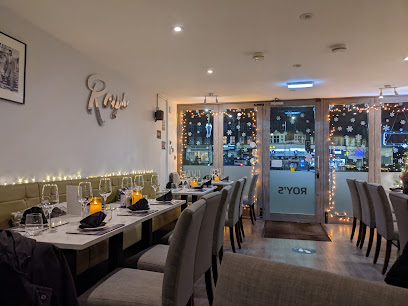
Roy's Restaurant
12.4 km
A warm, modern British restaurant in Welwyn offering diverse dishes, attentive service, and a cozy yet sophisticated atmosphere.
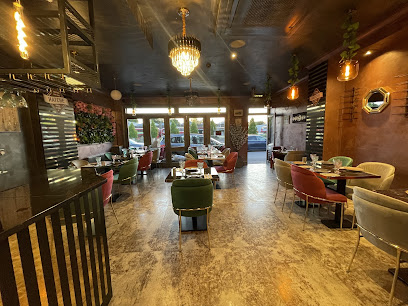
Hatche Bistro Grill & Bar
12.9 km
Family-owned Mediterranean bistro with charcoal-grilled specialties and warm hospitality on Potters Bar High Street.
Markets, malls and hidden boutiques

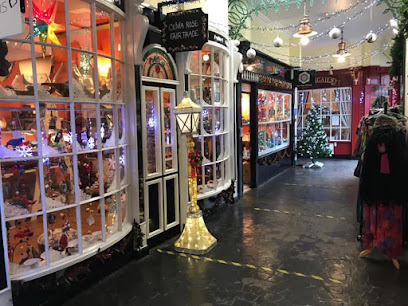
Olivia Rose Fairtrade
0.1 km
A colourful fair-trade gift shop in St Albans’ charming Village Arcade, offering handmade jewellery, bags, toys and homewares with a conscience.
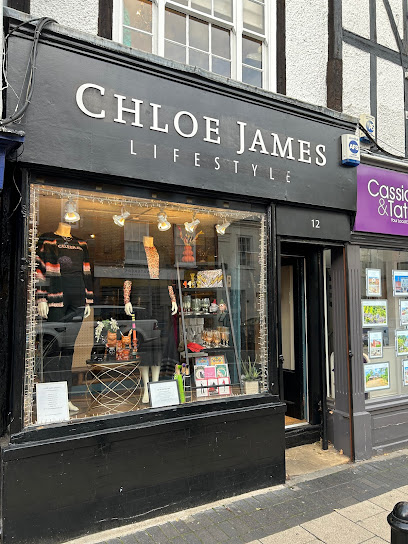
Chloe James Lifestyle
0.2 km
Discover ethical fashion, unique jewellery, and curated gifts in the heart of St Albans at Chloe James Lifestyle boutique.
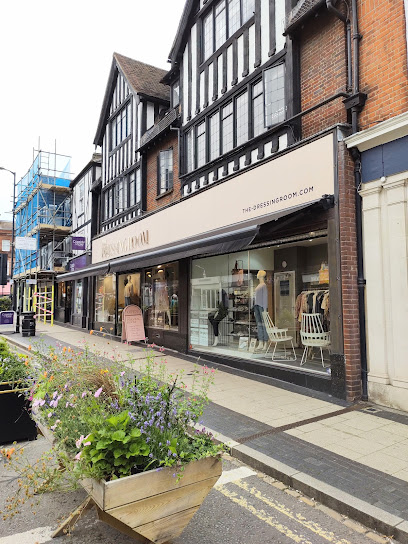
The Dressing Room
0.2 km
Discover contemporary women's fashion and personalized service at The Dressing Room, a stylish boutique in the heart of St Albans.
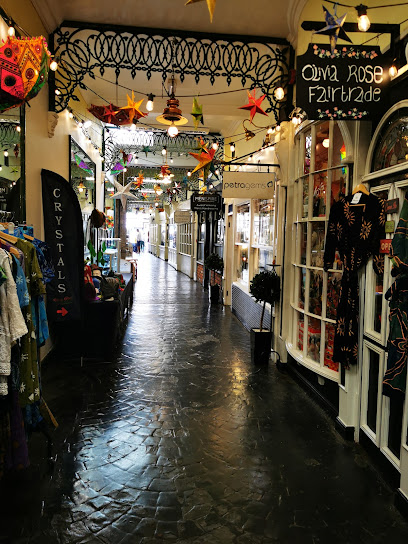
Christopher Place Shopping Centre
0.2 km
A stylish open-air shopping and dining destination at the heart of historic St Albans with top brands and family-friendly charm.
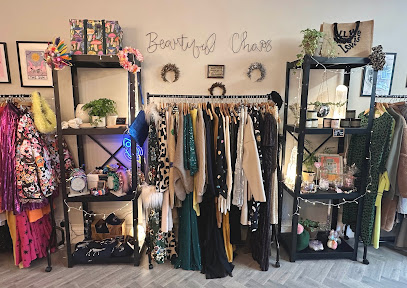
Im Fine Wellbeing - St. Albans
1.9 km
A unique St. Albans wellness centre blending holistic therapies, mental health support, and mindful shopping under one welcoming roof.
Pebble Home Interiors
4.3 km
A charming boutique blending rustic charm with stylish homewares and gifts, perfect for thoughtful decorating and gifting.
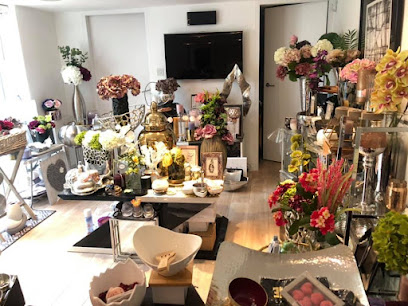
Dela's Gift Shop
8.7 km
Discover unique handcrafted gifts and spiritual treasures in a warm, welcoming boutique at the heart of Hemel Hempstead.
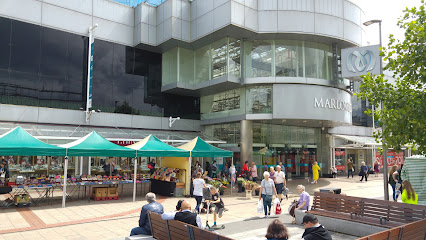
The Marlowes Shopping Centre
8.9 km
A spacious and accessible shopping hub blending popular brands with unique local stores in the heart of Hemel Hempstead.
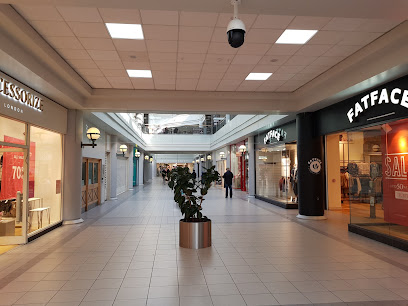
The Howard Centre
11.1 km
Welwyn Garden City’s vibrant shopping centre offering diverse stores, dining, and community events in a welcoming, accessible setting.
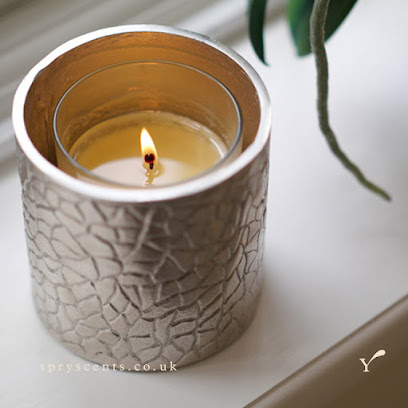
Spry Scents
12.0 km
Explore the enchanting world of fragrances at Spry Scents in Welwyn Garden City, where every scent tells a story.
The Copper Collection
16.2 km
Discover unique handcrafted treasures and local artistry at The Copper Collection, a charming gift shop in Pinner open daily.

Chamak Craft Art & Decor | Handmade Gifts for Home and Business | Stanmore, Harrow
16.5 km
Discover authentic Indian handmade crafts and unique gifts at Chamak Craft Art & Decor, a vibrant cultural hub in Stanmore.
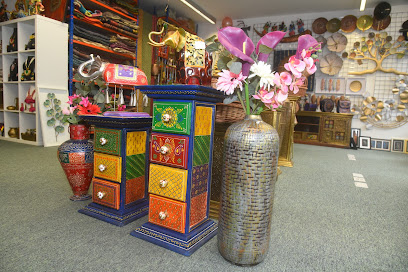
Miss Boutique
16.9 km
Discover curated fashion and unique gifts in Knebworth’s cozy and stylish Miss Boutique on London Road.
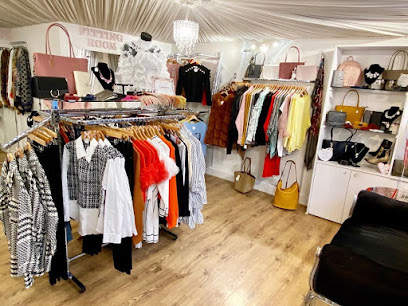
Fabulous Woman Limited
18.1 km
Explore luxurious beauty and wellness at Fabulous Woman Limited, the ultimate health and beauty destination for tourists seeking rejuvenation.
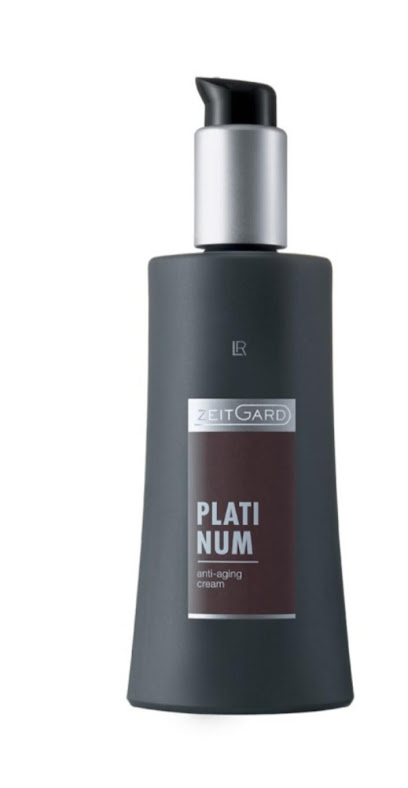
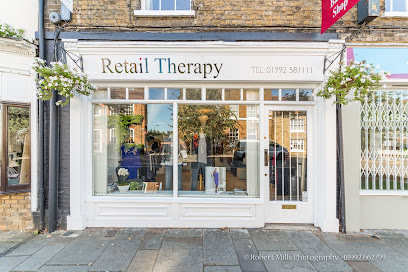
Retail Therapy
18.6 km
Discover unique, stylish women's fashion curated globally in Hertford’s charming boutique since 2003.
Essential bars & hidden hideouts

Ye Olde Fighting Cocks
0.4 km
Step into England’s oldest pub, where medieval heritage meets riverside charm and authentic British ales in St Albans.
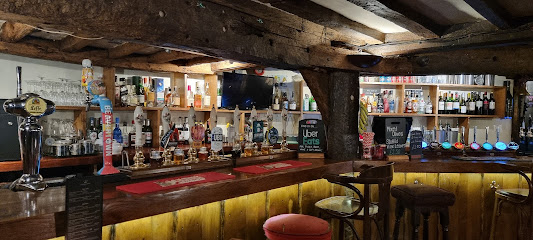
The Elephant and Castle
6.5 km
Historic 18th-century pub with spacious gardens, unique tepees, and a welcoming atmosphere in the heart of Wheathampstead.
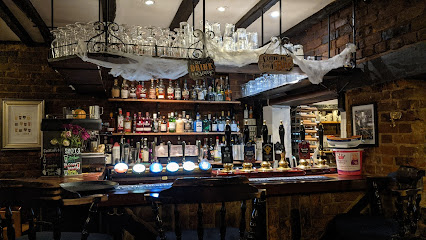
The Crooked Chimney
8.3 km
A cozy, rustic country pub in Lemsford offering hearty British fare and a warm, inviting atmosphere near Welwyn Garden City.
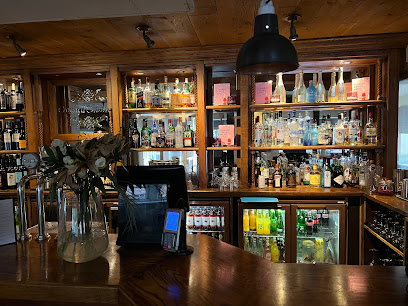
The Great Northern
8.9 km
A vibrant Hatfield pub blending classic fare, lively events, and a welcoming community atmosphere near the Odyssey cinema.
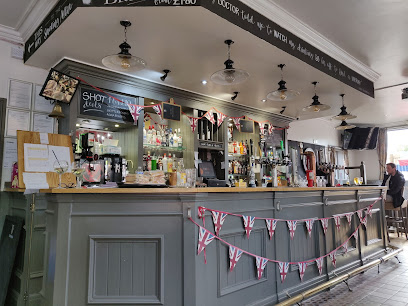
Red Lion
8.9 km
A lively Hatfield pub-restaurant blending hearty British classics, quirky charm, and a welcoming atmosphere for families and friends.
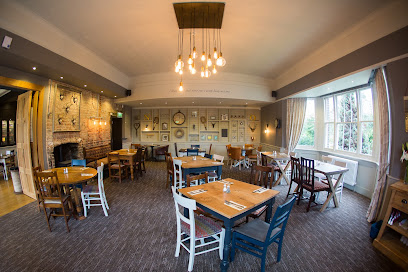
Horse and Groom
9.0 km
Historic 17th-century pub in Old Hatfield offering cozy ambiance, real ales, and classic British fare in a charming timber-framed setting.
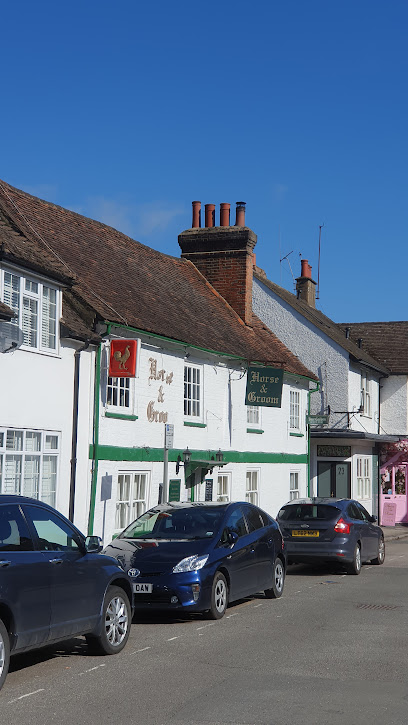
The Woodman Wildhill
11.8 km
A cherished Hertfordshire country pub famed for its real ales, hearty fare, sunny garden, and warm, welcoming atmosphere.
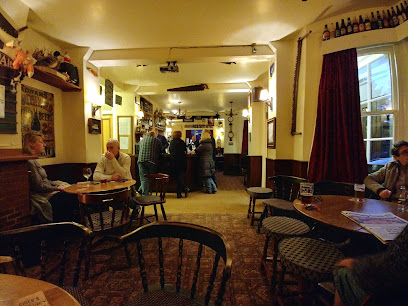
Alford Arms
13.1 km
A charming Victorian gastropub in the Chilterns offering seasonal British fare, local ales, and warm community spirit in a scenic rural setting.
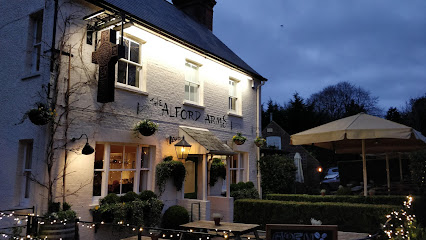
The Beehive
15.0 km
A charming Hertford country pub offering hearty British fare, warm hospitality, and a cozy rural atmosphere in Epping Green.
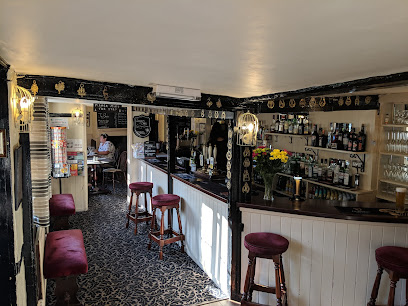
Plume of Feathers
15.1 km
Historic 400-year-old country pub in Tewin offering traditional British fare, family-friendly gardens, and lively community events.
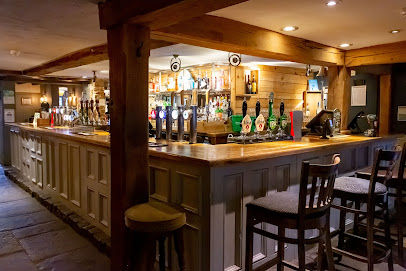
Coach & Horses
15.7 km
Quintessential British pub in Hertford offering traditional fare, local ales, live music, and a warm, welcoming atmosphere every day from noon till late.
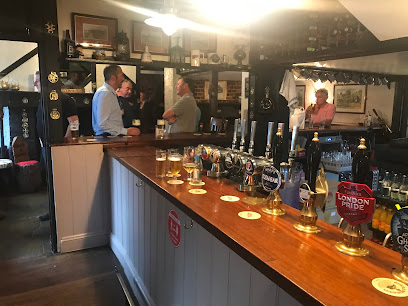
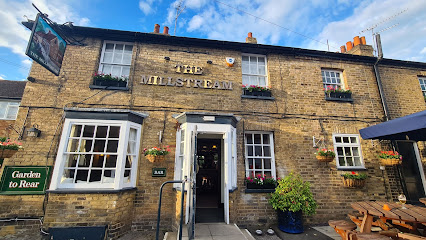
The Millstream
18.4 km
Classic British pub charm meets quality dining and warm hospitality in Hertford’s welcoming Millstream.
The Black Horse Hertford
18.5 km
Historic 1642 timbered pub in Hertford with wood-fired pizzas, real ales, a large garden, and a lively, family-friendly atmosphere.
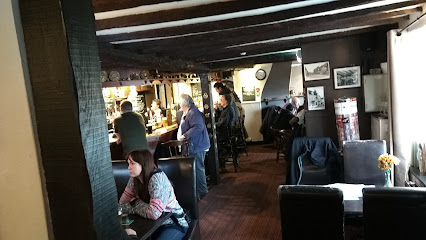
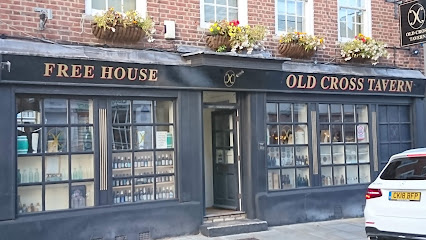
Old Cross Tavern
18.7 km
Historic Hertford pub renowned for award-winning ales, traditional charm, and a welcoming community atmosphere in a Grade II-listed setting.
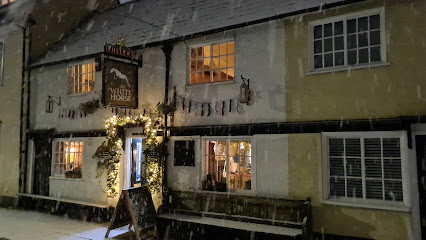
The White Horse Hertford
18.7 km
Classic British pub charm meets modern dining and lively atmosphere in the heart of Hertford’s Castle Street.
Nightclubs & after hour spots

Havana
0.5 km
Vibrant late-night nightclub and bar in St Albans offering energetic music and lively weekend entertainment.
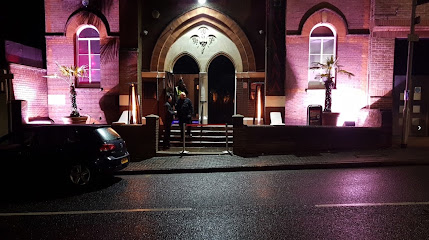
The Forum Hertfordshire
6.9 km
A lively nightclub and live music venue at University of Hertfordshire, hosting diverse cultural events and vibrant nightlife in Hatfield.

VOLTS NIGHT CLUB/ COPPER BAR
9.1 km
A vibrant nightlife hotspot in Hemel Hempstead, Volts Night Club offers energetic music, friendly staff, and a lively dance floor for unforgettable nights out.
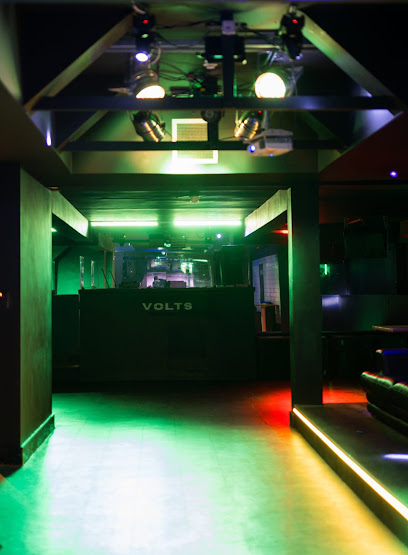
Canvas Bar & Nightclub
11.0 km
Experience vibrant nights of music, dancing, and cocktails at Canvas Bar & Nightclub in the heart of Watford’s High Street.
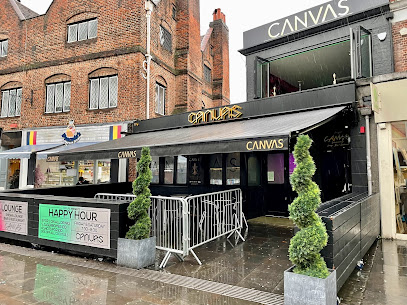
Popworld Watford
11.0 km
A vibrant late-night hotspot in Watford playing all your favorite 90s and 2000s pop classics with fun cocktails and a lively dancefloor.
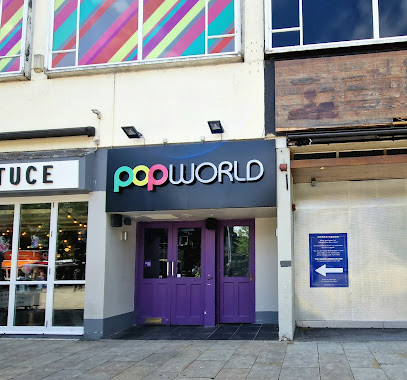
Mia Musica
14.8 km
Luton’s lively Romanian-themed night club and sports bar with authentic football culture and late-night weekend vibes.
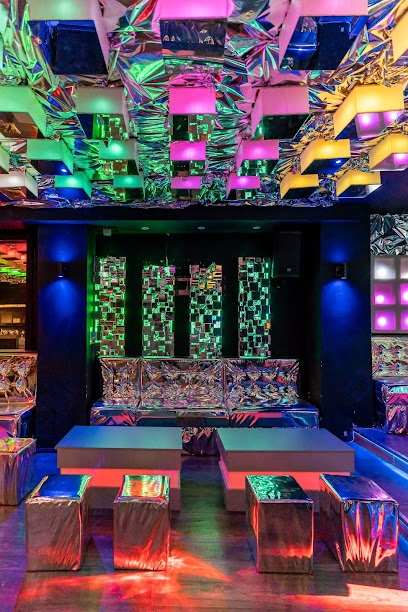
—
18.8 km
Vibrant nightclub and Asian fusion lounge blending historic charm with lively nightlife in Hertford’s Parliament Square.
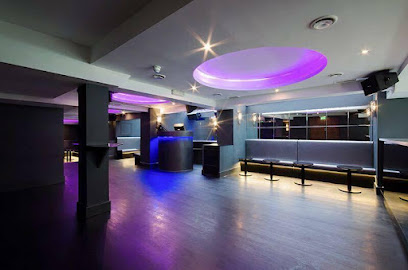
The Hertford Club
18.9 km
A historic private members’ club in Hertford, renowned for real ales, hearty home-cooked meals, and a vibrant social scene.
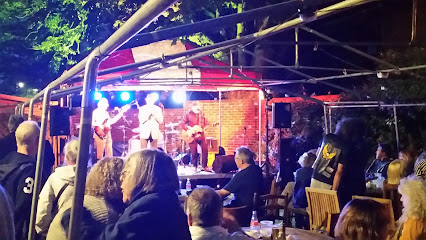
Penthouse Playrooms
20.3 km
A vibrant adult nightclub in Dunstable offering themed events and lively weekend entertainment for an energetic night out.
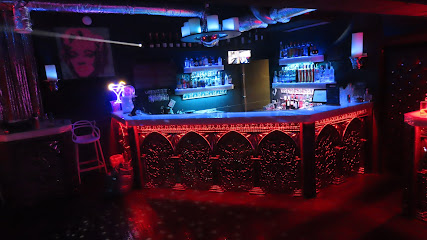
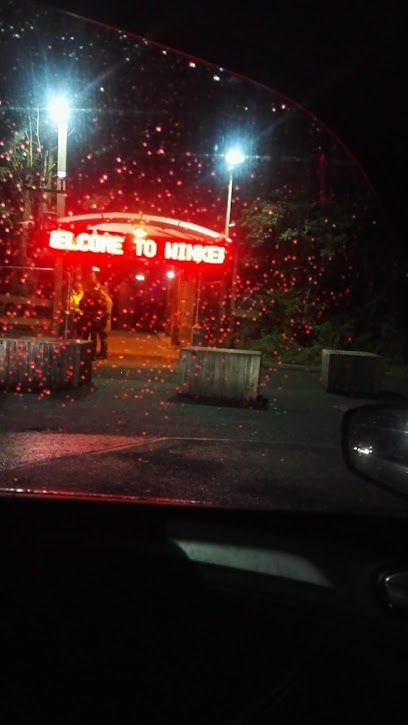
Winkers Nightclub
20.9 km
A lively, budget-friendly nightclub in Gerrards Cross offering energetic music and a casual local vibe for weekend partygoers.
Monster Queen
26.6 km
Dive into Camden's dark heart at Monster Queen: intimate club nights pulsing with goth electronica, historic vibes, and non-stop energy till dawn.

TWC
26.6 km
Experience the vibrant nightlife and energetic party scene at TWC, Aylesbury’s premier nightclub destination.
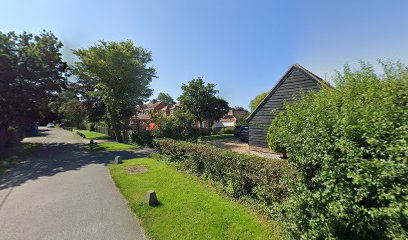
Club Stable
26.7 km
Historic Camden stables turned electrifying nightclub: dance in Victorian horse stalls amid live music, cabaret, and pulsing beats in London's nightlife epicenter.
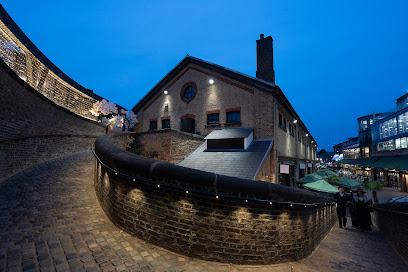
Lockside
26.9 km
Canal views, craft cocktails, and DJ-fueled nights atop Camden Market's vibrant West Yard—a daytime diner turned electric nightlife escape.
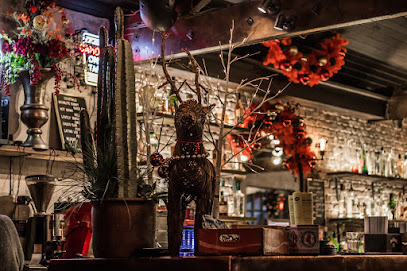
Electric Ballroom
27.1 km
A gritty, multi-level Camden music hall where loud live bands and club nights collide beneath theatrical lighting and raised balconies.
For the vibe & atmosphere seeker
- Romantic
- Scenic
- Tranquil
- Unique
- Cultural Heritage
For the design and aesthetic lover
- Historic
- Rustic Designs
- Vintage Styles
For the architecture buff
- Historic
- Landmarks
- Sacred Sites
- Heritage Neighborhoods
For the view chaser and sunset hunter
- Iconic Views
- Panoramas
- Skyline
For the social media creator & influencer
- Instagrammable
- Photo Spots
- Architectural Shots
For the eco-conscious traveler
- Protected Area
- Locally Managed
For the kind of experience you’re after
- Spiritual / Energy Spot
- Myth & Legends
- Cultural Heritage
- Photowalk
- Day Trip
For how adventurous you want the journey to be
- Easy Access
- Requires Hike
Location Audience
- Family Friendly
- Senior Friendly
- Child Friendly
- Wheelchair Access
- Solo Friendly
- Couple Friendly
- Solo Female Friendly


