
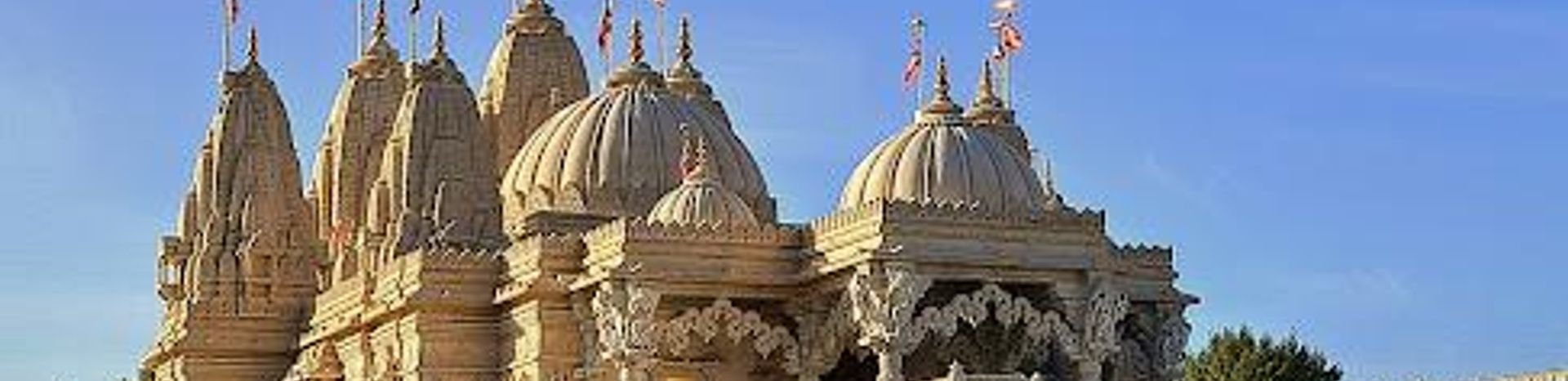
BAPS Shri Swaminarayan Mandir, London
Europe's first traditional Hindu stone temple: a masterpiece of faith, craftsmanship, and community in North London.
Europe's first traditional Hindu stone temple, the BAPS Shri Swaminarayan Mandir in Neasden is a stunning architectural masterpiece built entirely from Italian Carrara marble and Bulgarian limestone. Inaugurated in 1995, this sacred sanctuary features intricate hand-carved stonework created by over 1,500 sculptors in India. The complex includes a cultural centre with exhibition spaces, assembly hall, and gardens. Open to visitors of all faiths, it attracts nearly half a million visitors annually and stands as a beacon of London's multicultural heritage.
A brief summary to BAPS Shri Swaminarayan Mandir, London
- Pramukh Swami Rd, London, Neasden, NW10 8HW, GB
- +442089652651
- Visit website
- Duration: 1.5 to 3.5 hours
- Free
-
 Mixed
Mixed
- Mobile reception: 5 out of 5
Local tips
- Visit during major festivals such as Annakut or Diwali for an immersive experience of Hindu celebrations, though expect larger crowds. Regular weekday mornings offer a more serene atmosphere for contemplation.
- Remove your shoes before entering the temple sanctum as a sign of respect. The complex provides shoe storage facilities. Dress modestly, covering shoulders and knees.
- Explore the 'Understanding Hinduism' exhibition to deepen your appreciation of the temple's spiritual significance and Hindu philosophy before or after viewing the main mandir.
- Allow time to walk through the gardens and meditate in the peaceful courtyards. The complex is designed to encourage reflection and spiritual contemplation beyond the main temple building.
- Photography is permitted in most areas, but be respectful of worshippers and avoid flash photography during prayers or ceremonies. The white marble and intricate carvings are particularly photogenic in natural daylight.

For the on-the-go comforts that matter to you
- Restrooms
- Drink Options
- Food Options
- Seating Areas
- Sheltered Areas
- Trash Bins
- Information Boards
- Visitor Center
Getting There
-
London Underground (Tube)
Take the Jubilee Line to Neasden Station. The journey from central London takes approximately 20–30 minutes depending on your starting point. Exit the station and follow signs toward Pramukh Swami Road; the Mandir is a 10–15 minute walk from the station through residential streets. The station has step-free access and is wheelchair accessible. Service runs frequently throughout the day (every 3–5 minutes during peak hours).
-
Bus
Multiple bus routes serve the Neasden area, including routes 112, 142, 204, and 266. Journey times from central London range from 45–75 minutes depending on traffic and your starting location. Buses stop near Pramukh Swami Road, with the Mandir a short walk away. Buses are accessible with wheelchair lifts and real-time tracking available via Transport for London apps.
-
Private Vehicle or Taxi
The Mandir complex includes a 550-car parking lot available free to visitors. Driving from central London typically takes 30–50 minutes depending on traffic conditions. Taxis and ride-sharing services (Uber, Bolt) are available throughout London; expect fares of £15–30 from central areas. Parking is not metered and is available on a first-come, first-served basis.
-
Cycling
London's Santander Cycles network and personal bicycles are viable options. Cycle routes connect to the area via quieter residential streets. Journey time from central London is approximately 45–60 minutes depending on route and fitness level. Secure cycle parking is available at the complex.
BAPS Shri Swaminarayan Mandir, London location weather suitability
-
 Any Weather
-
 Clear Skies
-
 Mild Temperatures
Discover more about BAPS Shri Swaminarayan Mandir, London
A Vision Realized in Stone and Spirit
The BAPS Shri Swaminarayan Mandir stands as one of London's most remarkable architectural achievements, a testament to faith, craftsmanship, and community dedication. Inaugurated on 20 August 1995 by His Holiness Pramukh Swami Maharaj, this temple represents the materialization of a vision first expressed in 1970 by Yogiji Maharaj, the predecessor of Pramukh Swami Maharaj. What began as a spiritual aspiration transformed into a five-year construction project that would establish Europe's first authentic traditional Hindu stone temple, fundamentally changing the religious and cultural landscape of the United Kingdom. The journey to this magnificent structure began in the early 1950s when a small group of Hindu devotees gathered in a Baker Street office in post-war London. As the community grew, they moved to a converted disused church in Islington in 1970, then to a modest warehouse in Neasden in 1982. Yet the vision for a proper traditional mandir—a house of God built according to ancient Hindu principles—never faded. When Pramukh Swami Maharaj identified a site on Brentfield Road in Neasden, the groundbreaking ceremony took place on 7 July 1991, setting in motion one of the most ambitious religious construction projects ever undertaken in Britain.Engineering Marvel: Bridging Ancient Wisdom and Modern Standards
The construction of the Mandir presented an extraordinary challenge: to build a temple adhering to the 5,000-year-old principles of Shilpa Shastras and Vastu Shastras—ancient Hindu architectural texts—while simultaneously meeting Britain's stringent modern building codes. This required unprecedented collaboration between Indian architects, engineers, and British authorities. The lead architect, CB Sompura, designed the temple to metaphorically represent the different attributes of God through its architectural forms, a fundamental principle of Hindu sacred design. The material selection alone was meticulous. Over 5,000 tonnes of Bulgarian limestone and Italian Carrara marble were sourced and tested for density, compression, flexibility, water absorption, and freezing properties before approval. Remarkably, more than 1,500 sculptors working in Rajasthan and Gujarat spent three years hand-carving over 26,300 individually numbered stone pieces. Each piece was catalogued and shipped to London, where they were assembled like an enormous three-dimensional puzzle without using a single piece of structural steel—a unique achievement for a modern building in the United Kingdom. On 24 November 1992, the project recorded the biggest concrete pour ever undertaken in the UK: 4,500 tonnes of concrete laid in 24 hours to create a foundation mat 1.8 metres thick. The first stone was laid in June 1993, and by August 1995, the seven-pinnacled mandir rose majestically above the residential streets of Neasden, its white domes and intricate carvings creating an ethereal presence that seemed to transcend its urban surroundings.Sacred Architecture and Spiritual Significance
The Mandir itself serves as the sanctum sanctorum—the focal point of the entire complex and the centre of worship. Every architectural element carries spiritual meaning. The seven pinnacles represent different aspects of divinity, while the intricate stone carvings depict deities, sacred motifs, and scriptural narratives. The temple was designed to embody Hindu values and traditions, creating a space where worshippers can experience what one spokesperson described as the transformative power of prayer: 'when people come to pray, they forget about the outside world.' The complex encompasses 102,018 square feet and includes far more than the temple itself. The Haveli, a cultural centre constructed from intricately carved wood, houses an assembly hall, gymnasium, bookshop, library, health clinic, and conference facilities. A permanent exhibition entitled 'Understanding Hinduism' provides visitors with insights into Hindu philosophy, practices, and traditions. The complex also features beautifully maintained gardens designed for quiet reflection and meditation, offering peaceful respite within the bustling London landscape.A Monument to Community and Collective Faith
What distinguishes the Mandir from other religious structures is the extraordinary community effort that brought it into being. Over 3,000 volunteers, inspired by Pramukh Swami Maharaj's vision, contributed their time, skills, and resources. The entire project was funded by the Hindu community through donations and organized fundraising activities. Around 80 specialist stonemasons worked on-site in London applying finishing touches, while local BAPS volunteers assisted in assembling and fixing the intricately carved pieces. The total cost of £12 million represented a collective investment of faith and dedication. At the time of its completion, the Mandir was the largest Hindu temple built outside of India, a distinction that reflected both the ambition of the project and the significance of London's Hindu community. The Royal Commission on the Historical Monuments of England recognized it as a 'modern building of major importance in our multicultural society.' Time Out London's 2007 guide included Neasden Temple among the capital's finest seven man-made marvels, cementing its status as an architectural and cultural landmark.A Living Centre of Worship and Cultural Exchange
Since its inauguration, the Mandir has attracted close to half a million visitors annually, serving both as a functioning place of worship for London's Hindu community and as a cultural ambassador welcoming people of all faiths. The temple hosts numerous festivals and cultural celebrations throughout the year, including the spectacular Annakut festival, which has drawn as many as 20,000 devotees and visitors seeking darshan—the blessing of viewing the divine presence. The complex functions as a community centre offering spiritual guidance, educational programmes, cultural events, and social services. The Mandir's significance extends beyond its religious function. It represents the successful integration of Hindu traditions into British society, demonstrating London's commitment to multiculturalism and religious pluralism. The temple's serene atmosphere, created by the soft chanting of Vedic hymns, the fragrance of incense, and the intricate beauty of its stonework, offers visitors a profound experience of Hindu spirituality and artistic heritage. Whether approached as a place of worship, an architectural marvel, or a cultural institution, the BAPS Shri Swaminarayan Mandir stands as an enduring symbol of faith, craftsmanship, and community unity in the heart of modern London.Iconic landmarks you can’t miss

The Castle
5.1 km
Experience the charm of a traditional British pub at The Castle on Portobello Road, offering delicious food and a vibrant atmosphere in the heart of London.
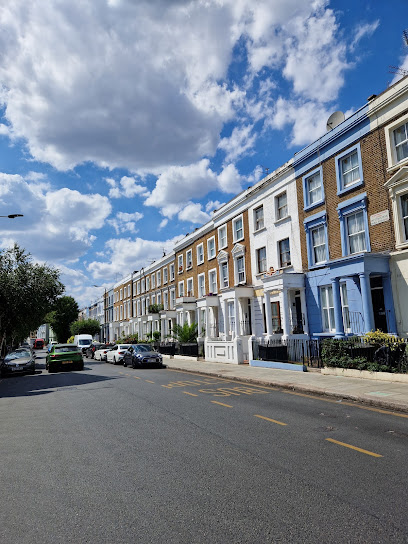
Howard Staunton Blue Plaque
5.3 km
Commemorating Howard Staunton, 19th-century chess master and organizer of the first international chess tournament, at his London blue plaque.
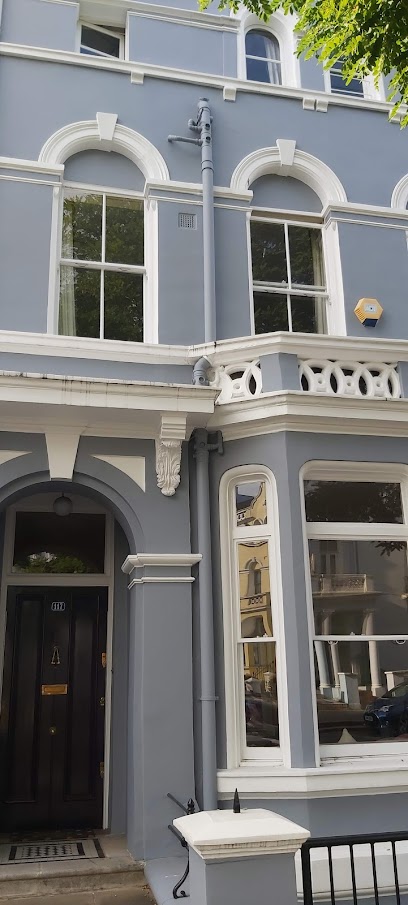
St Peter's Church, Notting Hill
5.6 km
A serene Victorian Anglican church blending classical architecture, rich history, and community spirit in the heart of Notting Hill.
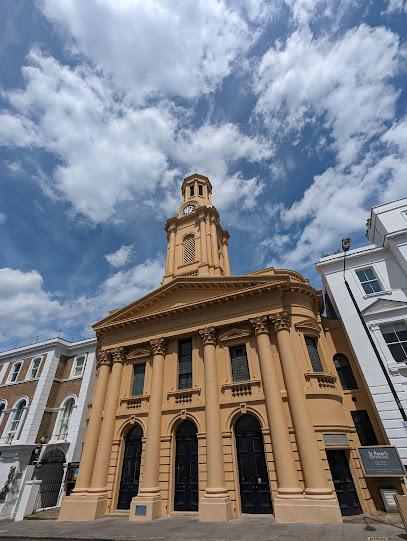
George Orwell Plaque
5.9 km
A literary landmark on vibrant Portobello Road celebrating George Orwell’s enduring legacy in London’s cultural heart.
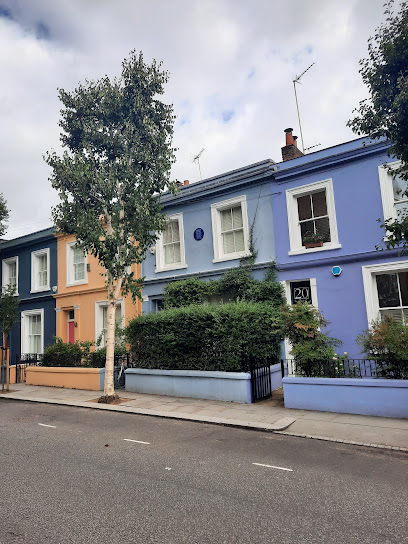
3 Abbey Rd.
6.0 km
World-famous recording studio in London where The Beatles and many legends crafted music history since 1931.
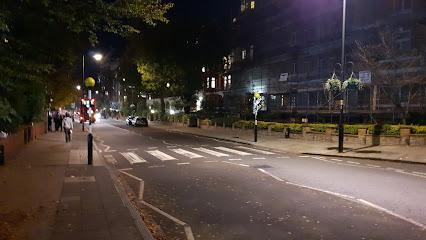
5 Abbey Rd.
6.0 km
World’s oldest purpose-built recording studio and iconic Beatles landmark in London’s St John’s Wood.
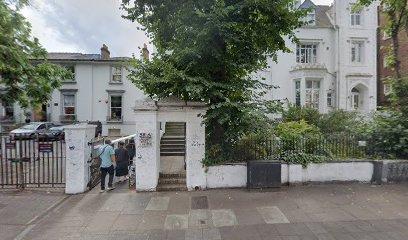
The King's Head Gantry
6.0 km
Historic King's Head Gantry in Harrow on the Hill, a royal relic and iconic village landmark steeped in centuries of heritage.
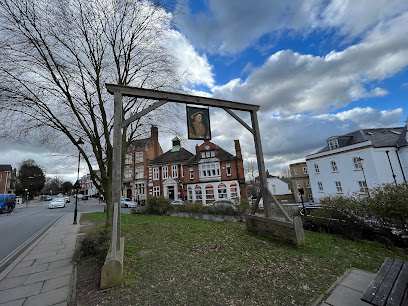
Space Apart Hotel
6.1 km
Modern serviced apartments in historic Kensington Gardens Square, offering stylish comfort and easy access to London’s top attractions.

Clanricarde Gardens
6.2 km
Elegant Notting Hill cul-de-sac facing Hyde Park and Kensington Gardens, where Victorian charm meets contemporary luxury.
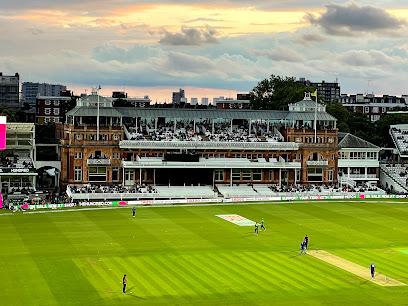
Lord's Cricket Ground
6.4 km
The world's most prestigious cricket venue and the undisputed 'Home of Cricket' since 1814.
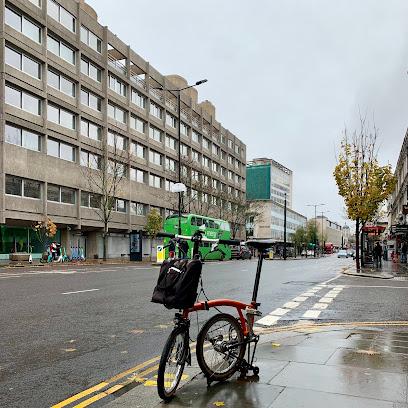
2 Eastbourne Terrace
6.5 km
Explore the architectural beauty of 2 Eastbourne Terrace, a stunning landmark in London showcasing the city's rich history and modern charm.
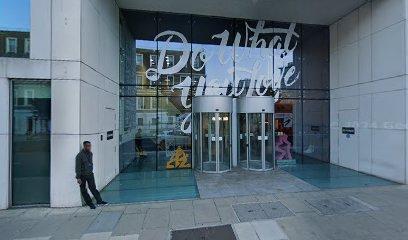
Royal Free Hospital
6.6 km
Discover the Royal Free Hospital, a historic healthcare institution in London, blending tradition with modern medical excellence.
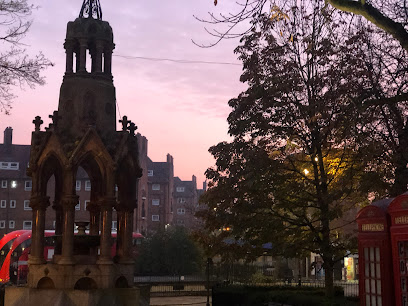
The Tower House
6.6 km
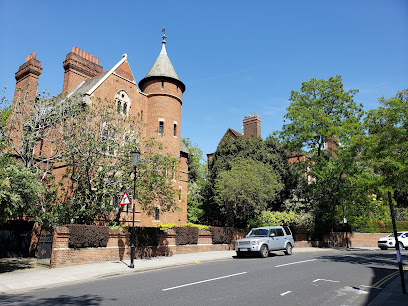
A stunning Victorian Gothic Revival townhouse in London, blending medieval artistry with rock legend heritage.
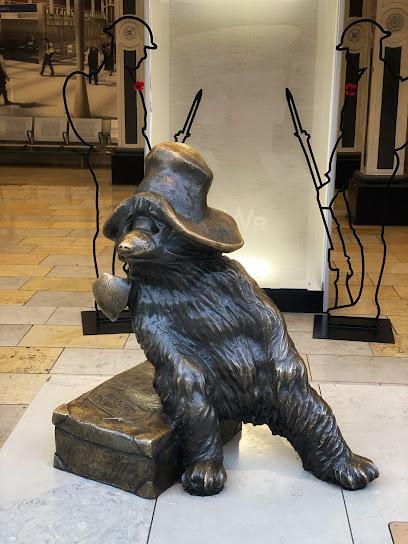
Paddington Bear Statue
6.7 km
Visit the charming Paddington Bear Statue in London, a delightful tribute to the beloved character that captures the hearts of tourists and locals alike.
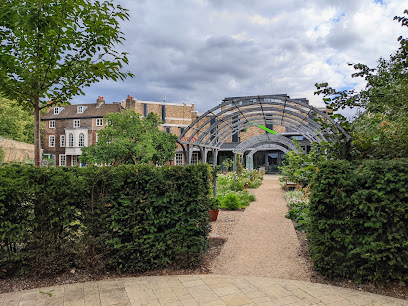
Hogarth's House
6.7 km
Explore the life and works of William Hogarth at Hogarth's House, a charming museum and garden in Chiswick, London.
Unmissable attractions to see

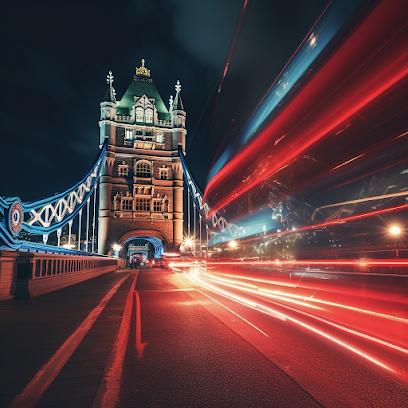
Photography Tours At Night Ltd
0.7 km
Unlock your creative potential with expert-led night photography tours capturing London’s iconic urban landscapes after dark.
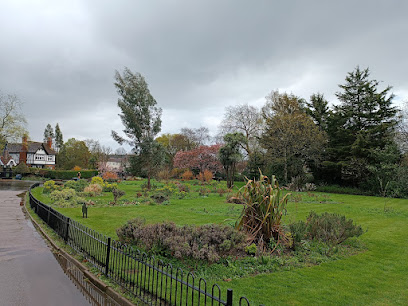
Roundwood Park
1.5 km
Historic Victorian park in Brent offering gardens, sports, wildlife, and vibrant community events in a tranquil London oasis.
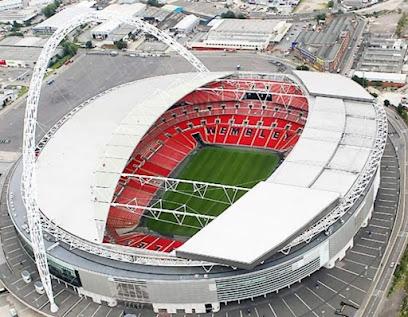
Wembley Stadium
1.6 km
Explore Wembley Stadium, London’s iconic 90,000-seat arena steeped in sporting glory and legendary music performances.
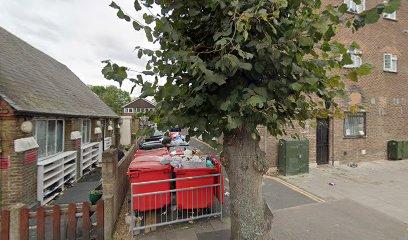
Best For You In Europe Ltd.
2.6 km
Discover Wembley through personalized tours with Best For You In Europe Ltd., showcasing its iconic landmarks and hidden treasures.
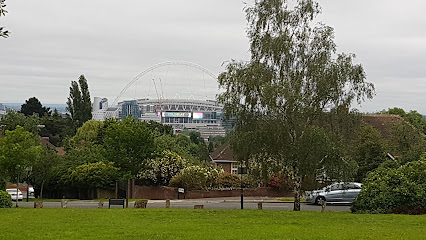
Fryent Country Park
3.4 km
Discover Fryent Country Park, a vast, serene green space in NW London with historic hills, rich wildlife, and panoramic views near Wembley.
Barham Park
3.5 km
A historic and vibrant green oasis in Wembley, blending nature, community events, and accessible recreation for all ages.
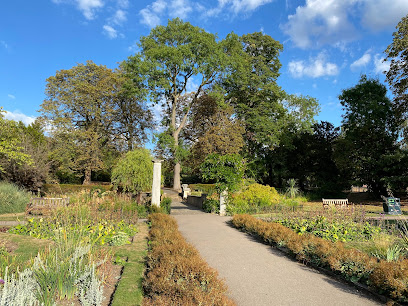
Kensal Green Cemetery
3.7 km
London’s first commercial garden cemetery, a tranquil historic parkland with royal burials, iconic monuments, and rich Victorian heritage.
BucketRace Games
3.8 km
Experience London’s vibrant neighborhoods through interactive scavenger hunts blending technology, teamwork, and playful challenges.
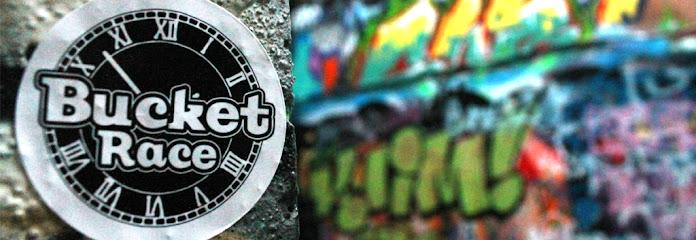
St Dunstan’s, East Acton
3.8 km
A striking Gothic Revival church with a soaring octagonal spire, embodying Victorian faith and craftsmanship in East Acton.
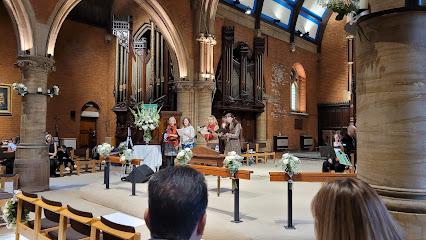
Queen's Park
4.2 km
Historic and vibrant, Queen's Park offers a lush green escape with rich community spirit and excellent London connectivity.
Ealing Common
4.7 km
A historic and spacious green oasis in West London, blending Victorian charm with lively community spirit and cultural events.
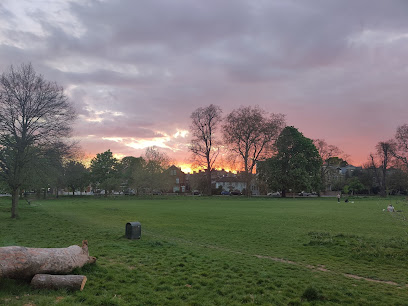
Notting Hill
4.8 km
Explore Notting Hill’s colorful streets, iconic market, and vibrant culture in one of London’s most charming neighborhoods.
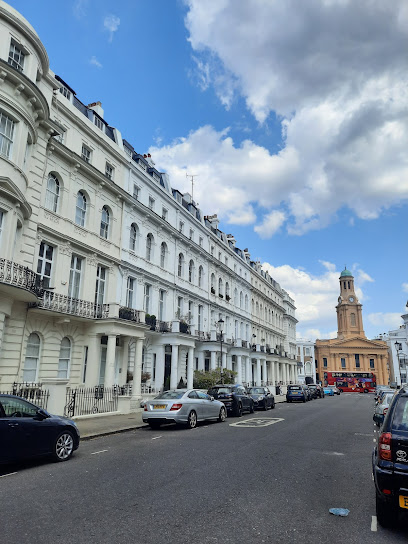
Cambridge Gdns
4.9 km
Charming Notting Hill street with historic homes, leafy communal gardens, and vibrant local culture in the heart of London’s Kensington and Chelsea.
Museum of Brands
4.9 km
Step into a vibrant Time Tunnel tracing 200 years of British brands, design, and consumer culture at London’s Museum of Brands in Notting Hill.

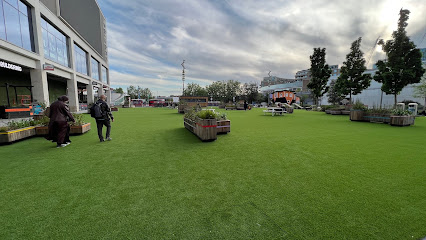
Upside Down House - Westfield White City
4.9 km
Step into London’s vibrant Upside Down House at Westfield White City for a mind-bending photo adventure that flips reality on its head.
Essential places to dine

Portobello Garden Arcade Italian Restaurant
5.0 km
Authentic Italian dining in a rustic, cozy setting nestled in the heart of vibrant Notting Hill’s Portobello Road.
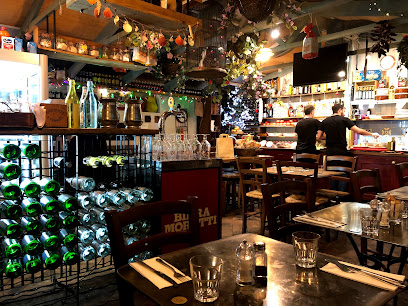
Fez Mangal Ladbroke Grove
5.0 km
Experience authentic Turkish barbecue and vibrant atmosphere at Fez Mangal Ladbroke Grove, a beloved London institution for kebab lovers.
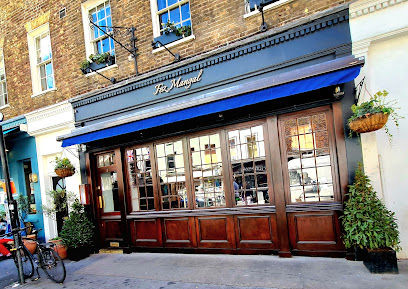
La mia Mamma Notting Hill
5.2 km
Experience authentic Italian regional cuisine prepared by real mammas in a warm, lively Notting Hill trattoria setting.
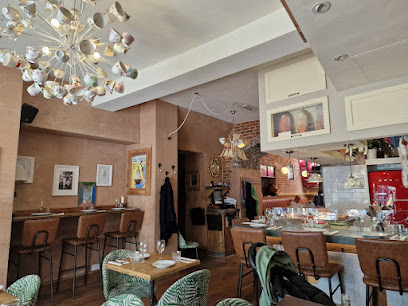
Osteria Napoletana
5.2 km
Cozy Neapolitan eatery in Notting Hill serving authentic southern Italian classics with warm hospitality and a lively atmosphere.
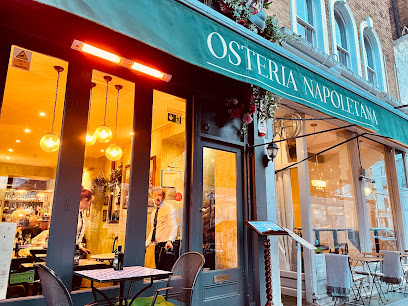
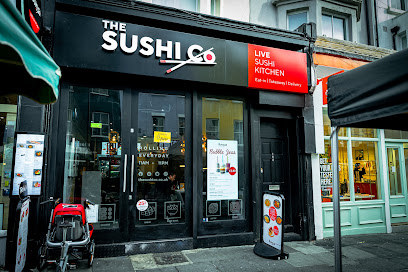
The Sushi Co - Notting Hill
5.3 km
Fresh, flavorful sushi and Asian dishes served late in a casual Portobello Road spot with friendly service and gluten-free options.
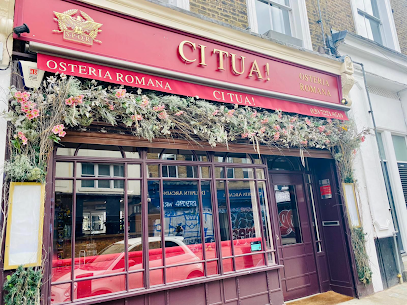
Ci Tua Osteria Romana
5.4 km
Experience authentic Roman cuisine and warm Italian hospitality in the heart of London’s vibrant Portobello Road.
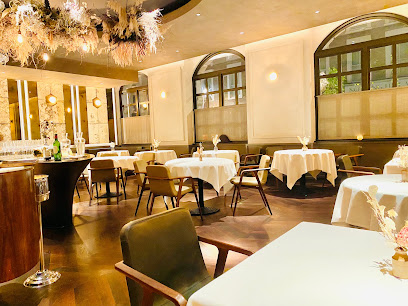
The Ledbury
5.4 km
Experience world-class Modern European fine dining in Notting Hill at The Ledbury, a 3-Michelin-starred culinary gem blending British ingredients with French elegance.
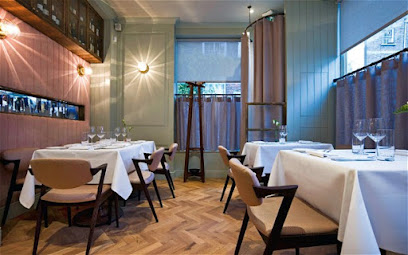
104 Restaurant by Richard Wilkins
5.5 km
A refined modern French gem in Notting Hill offering intimate dining, exquisite tasting menus, and impeccable service in a cozy setting.
Core by Clare Smyth
5.6 km
Experience three-Michelin-starred modern British cuisine by Clare Smyth in an elegant Notting Hill setting, where sustainability meets culinary artistry.
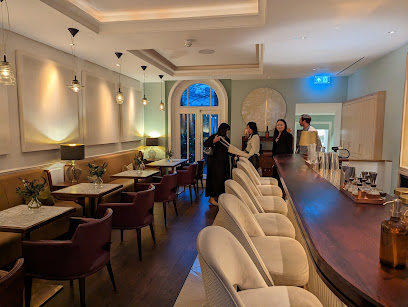
Gold
5.6 km
Stylish modern European dining with wood-roasted seasonal plates and inventive cocktails on iconic Portobello Road in vibrant Notting Hill.
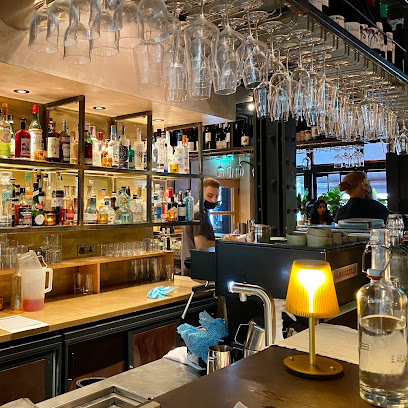
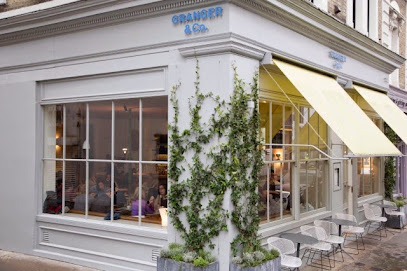
Granger and Co. Notting Hill
5.7 km
Experience vibrant Australian flavors all day in a sunny, welcoming setting at Granger and Co. Notting Hill on Westbourne Grove.
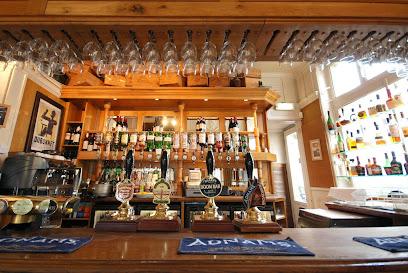
The Ladbroke Arms
5.9 km
A charming gastropub in Notting Hill offering refined British cuisine, standout Sunday roasts, and a welcoming garden terrace.
Cocotte Notting Hill
5.9 km
Experience authentic French rotisserie chicken in a cozy, farm-to-table setting on vibrant Westbourne Grove, Notting Hill.
The Shed
6.3 km
A rustic, family-run gem in Notting Hill serving sustainable, farm-to-table British cuisine with a warm, unpretentious atmosphere.
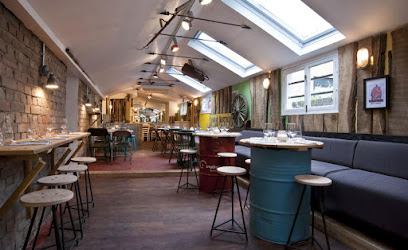
London Shell Co. - The Prince Regent
6.4 km
Savor exceptional British seafood aboard a charming canal barge cruising the historic Regent's Canal in Central London.
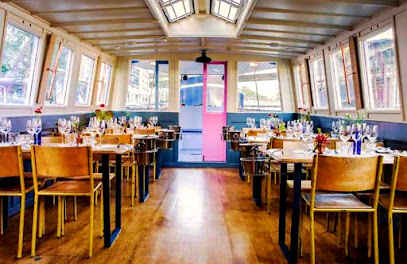
Markets, malls and hidden boutiques

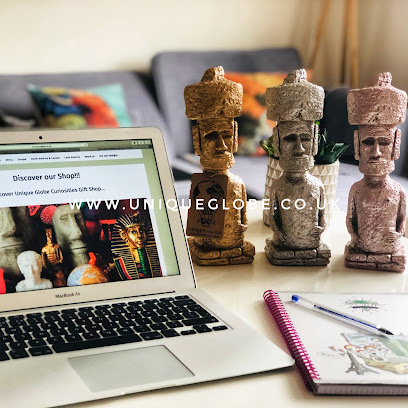
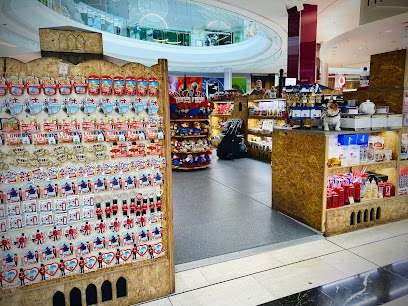
Unique Globe Curiosities Gift Shop
2.4 km
Explore the Unique Globe Curiosities Gift Shop – a whimsical haven of memorable gifts and souvenirs in Wembley.
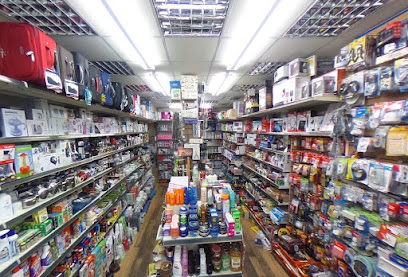
Gift Centre London
4.1 km
Discover a unique blend of gifts, souvenirs, and practical items at Gift Centre London, your one-stop shop for memorable finds.
Unique London
4.5 km
A vibrant clothing boutique on Kilburn High Road, offering unique fashion finds and personal service in a diverse, lively London neighbourhood.
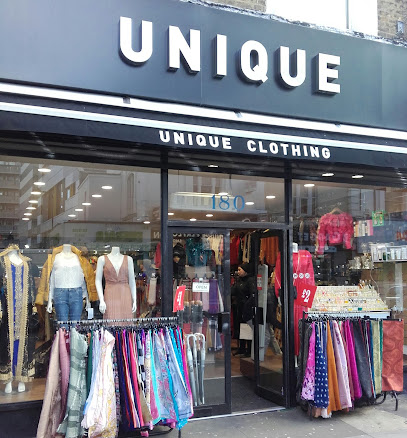
Antique Clothing Shop
4.8 km
Discover timeless threads and retro glamour at this Portobello Road gem, where antique clothing whispers stories from London's stylish past amid market vibrancy.
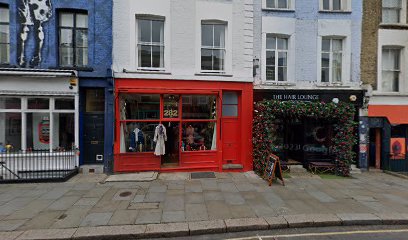
Jovonna Notting Hill Boutique
5.0 km
Discover Jovonna's feminine edge on Portobello Road: classic meets contemporary in Notting Hill's fashion heartbeat.
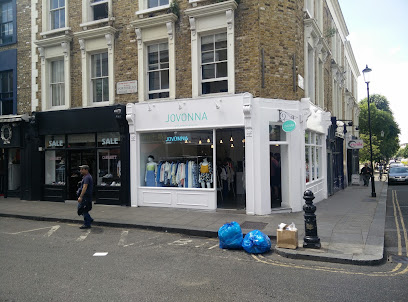
Stuff
5.1 km
Discover stylish women's fashion in a charming West London boutique with a personal touch and curated collections.
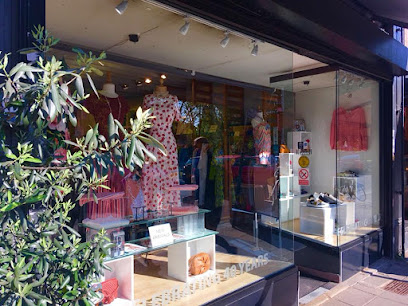
Hangout Clothing
5.1 km
Discover designer flair on Portobello Road at Hangout Clothing, where trendy threads meet Notting Hill's bohemian buzz in a chic boutique haven.

The London Heritage
5.2 km
A boutique heritage hotel in Canary Wharf blending historic elegance with modern luxury and wellness amenities.
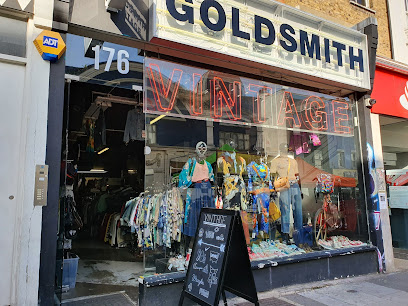
Goldsmith Vintage
5.3 km
Discover chic vintage treasures at Goldsmith Vintage on bustling Portobello Road, where timeless fashion meets Notting Hill's iconic market charm.
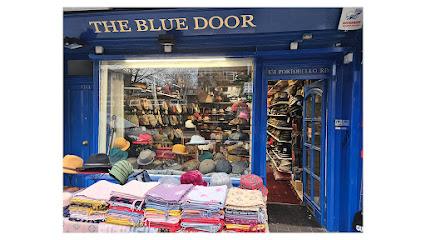
The Blue Door
5.4 km
Discover stylish clothing and unique hats at The Blue Door, a charming boutique nestled in the lively heart of Notting Hill’s Portobello Road.
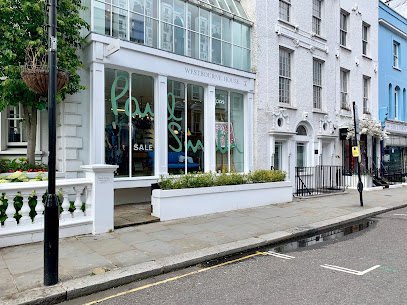
Paul Smith - Notting Hill
5.5 km
Classic British tailoring meets playful innovation at Paul Smith's elegant Notting Hill flagship in historic Westbourne House.
Fabulous Woman Limited
5.5 km
Explore luxurious beauty and wellness at Fabulous Woman Limited, the ultimate health and beauty destination for tourists seeking rejuvenation.

Portobello Gifts Shop London
5.7 km
Retro souvenirs and nostalgic trinkets on Notting Hill's iconic Portobello Road—a treasure hunt for affordable London mementos amid market vibrancy.
RETRO GIFTS RETAIL
5.7 km
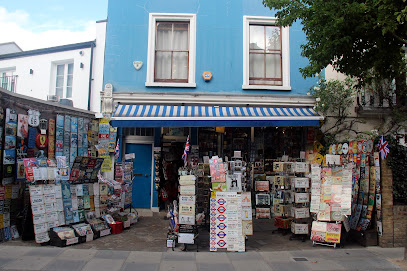
Discover nostalgic treasures at Retro Gifts Retail on Portobello Road—retro charms, quirky novelties, and market magic in Notting Hill's vibrant heart.

Appletree boutique
6.0 km
A small Notting Hill boutique specialising in retro‑inspired prints, colourful womenswear and standout accessories for playful, individual styling.

Essential bars & hidden hideouts

The White Horse
1.8 km
A stylish British pub in Wembley Park offering quality ales, elevated pub fare, and versatile event spaces near Wembley Stadium.
Bobby Fitzpatrick
4.8 km
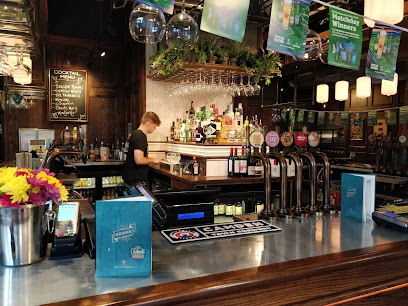
Step into a vibrant 1970s-themed cocktail bar in West Hampstead, where expertly crafted rum drinks meet retro charm and playful culinary twists.
Love
5.0 km
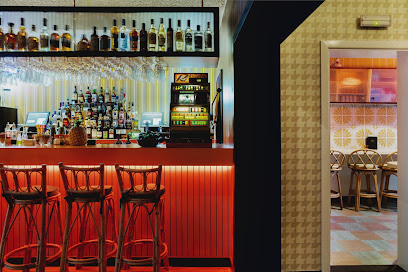
Intimate Portobello Road cocktail bar with polished service, crafted drinks and a warm, late‑night Notting Hill atmosphere.
The Elgin
5.0 km
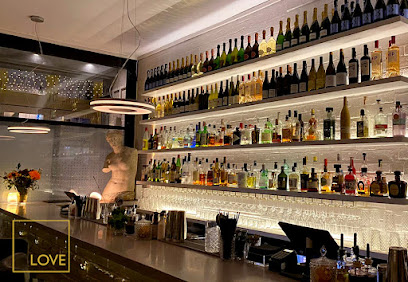
Opulent Notting Hill gastropub with historic charm, seasonal British dishes, gin haven, beer garden buzz, and versatile private event spaces.
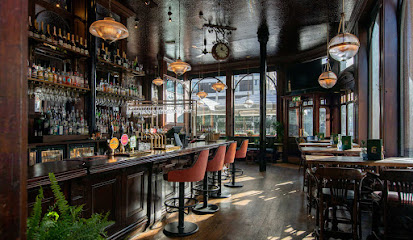
The Pelican
5.0 km
Notting Hill's gastropub gem: robust British plates, craft ales, and sustainable flair in a revived 150-year-old corner boozer.
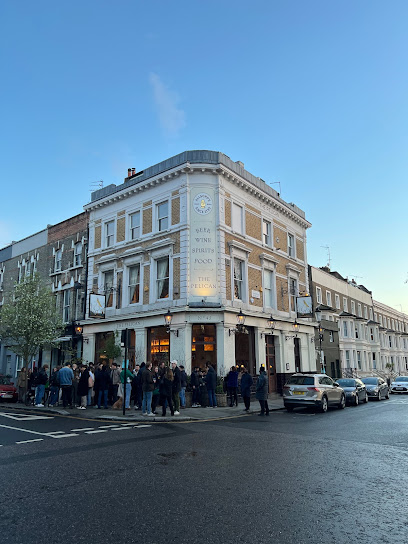
The Quiet Night Inn
5.1 km
Lively Notting Hill pub with roof terrace, local brews, games, live sports, and open mic nights—perfect for casual hangs and private events.
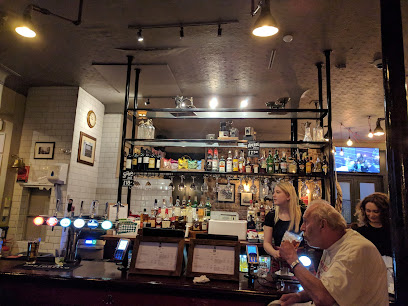
The Little Yellow Door
5.2 km
Notting Hill's quirky flatshare bar where cocktails flow from teacups, games spark laughs, and every night feels like a spontaneous house party in a colorful home.
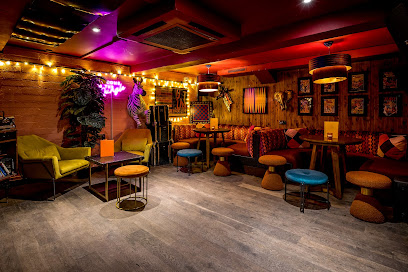
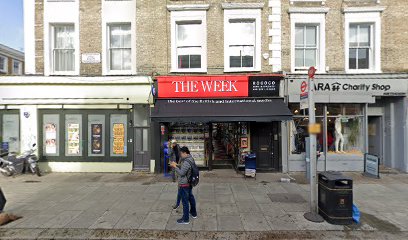
The Week
5.3 km
Cozy Notting Hill bar on Elgin Crescent, blending craft cocktails and warm vibes in West London's chicest corner. Ideal for intimate evenings amid Victorian charm.
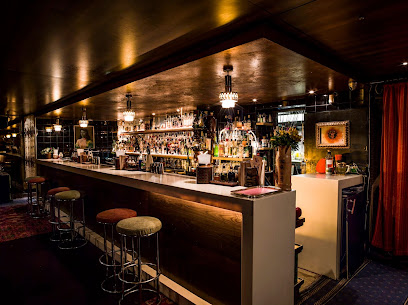
Trailer Happiness
5.3 km
Notting Hill's kitschy tiki basement bar pours rum-heavy daiquiris and tropical twists amid plush, indulgent vibes—prime for rowdy W11 nights.
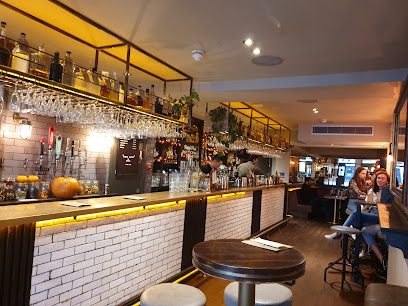
Portobello Star
5.3 km
Gin mastery on Portobello Road: vintage vibes, craft cocktails, and Notting Hill's electric market energy in one cozy retreat.
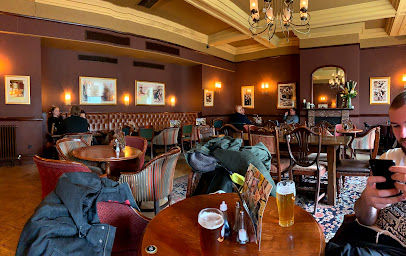
The Earl of Lonsdale
5.5 km
Step into Victorian Notting Hill pub charm at The Earl of Lonsdale, where etched glass, duck-under doors, and Yellow Earl lore create an unmissable Samuel Smith's haven amid Portobello buzz.
Star & Scorpion
5.5 km
A lively gastropub in West Ealing serving American-inspired dishes, craft cocktails, and featuring private heated cabins with Sky Sports.
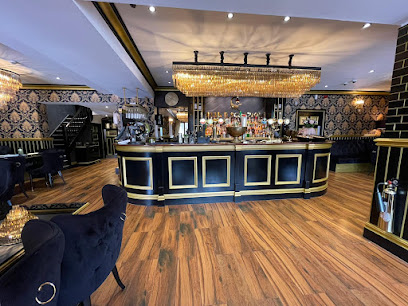
Naked & Famous Bar
5.5 km
A cozy, retro-styled Notting Hill basement bar focused on tequila and mezcal with bold, handcrafted cocktails.
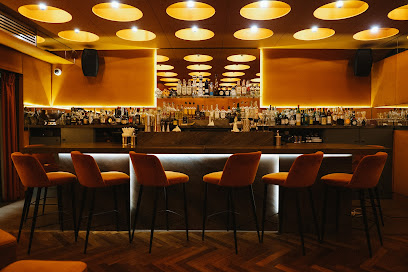
The Walmer Castle
5.6 km
Historic Notting Hill pub revived with cosy fires, seasonal British dishes, and a stellar drinks list – a true neighbourhood gem since 1845.
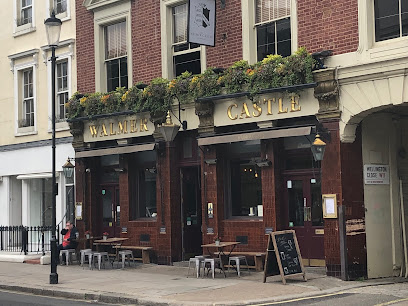
The Sun In Splendour
6.0 km
Historic Notting Hill pub with yellow charm, hearty fare, craft pours, and a secret garden haven on bustling Portobello Road.
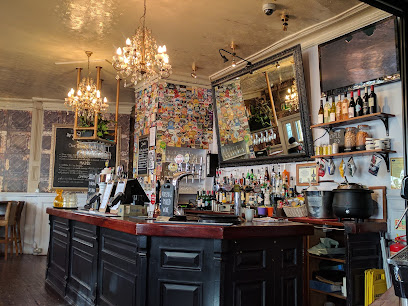
Nightclubs & after hour spots

Subteranian
4.9 km
A compact underground club on Acklam Road delivering dense, DJ-led electronic nights with an intimate, bass-heavy atmosphere.
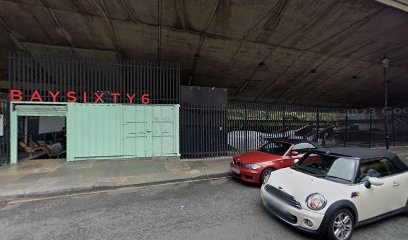
Lost In Disco
5.0 km
An intimate West London disco night celebrating 1970s–80s funk, soul and floor-filling classics with DJs, guest singers and a glittering dancefloor.
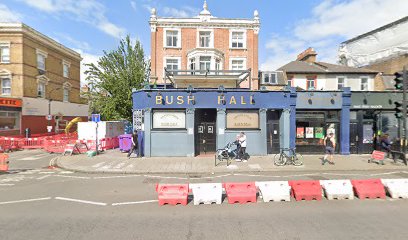
Electric House
5.3 km
Experience the vibrant social scene at Electric House, a chic social club in Notting Hill, London, blending style, comfort, and culinary delights.
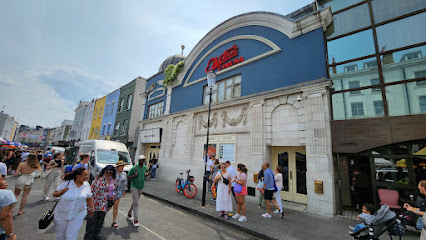
The Duke of Wellington
5.3 km
Historic Young's pub on Portobello Road: Victorian screens, market views, British roasts, and Notting Hill legends in every pint.
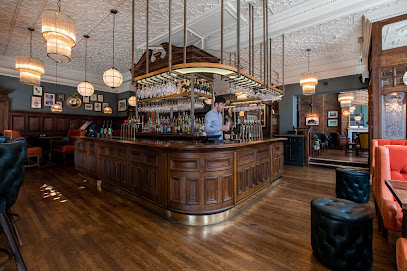
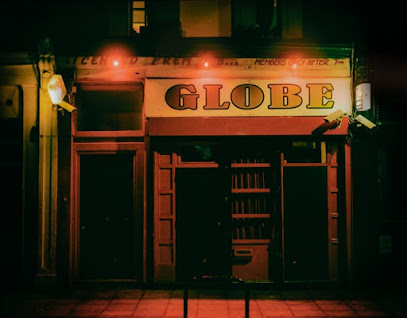
The Globe
5.4 km
Traditional London pub by day, lively late‑night bar and club by night—large, hireable rooms and a warm, characterful interior.
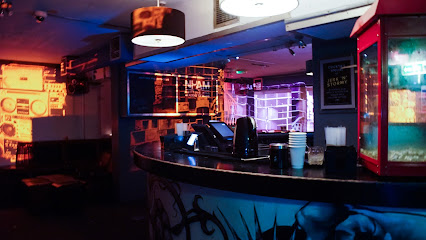
Notting Hill Arts Club
6.3 km
West London's sweaty basement cradle of music legends since '97—coffee by day, live gigs and club nights till 2am in an intimate den of funk, jazz, and raw talent.
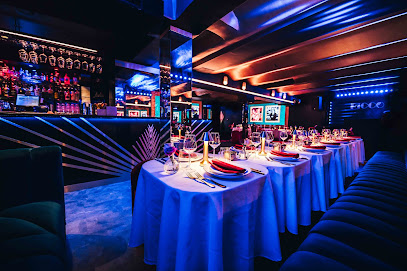
Ricco London
6.3 km
A plush, performance‑led lounge in Kensington Olympia where cocktails, Mediterranean sharers and cabaret create theatrical late‑night nights.
Privilege Entertainment Ltd
7.0 km
Discover the pulsating nightlife at Privilege Entertainment Ltd, London's premier entertainment agency and nightclub, where unforgettable experiences await.

Monster Queen
7.7 km
Dive into Camden's dark heart at Monster Queen: intimate club nights pulsing with goth electronica, historic vibes, and non-stop energy till dawn.

Metric
7.8 km
A compact, collegiate nightclub beneath Imperial College’s Beit Quadrangle — lively student nights, intimate dancefloor and a campus-centred party vibe.
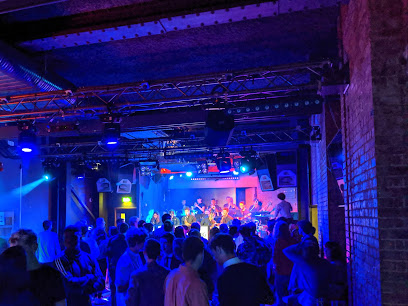
Club Stable
7.8 km
Historic Camden stables turned electrifying nightclub: dance in Victorian horse stalls amid live music, cabaret, and pulsing beats in London's nightlife epicenter.
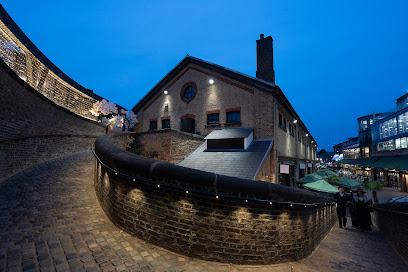
Lockside
7.9 km
Canal views, craft cocktails, and DJ-fueled nights atop Camden Market's vibrant West Yard—a daytime diner turned electric nightlife escape.
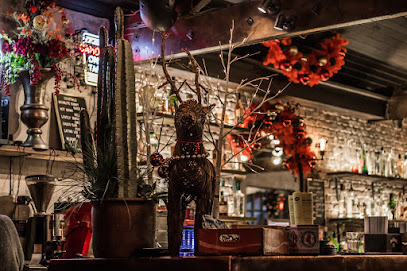
Electric Ballroom
8.2 km
A gritty, multi-level Camden music hall where loud live bands and club nights collide beneath theatrical lighting and raised balconies.
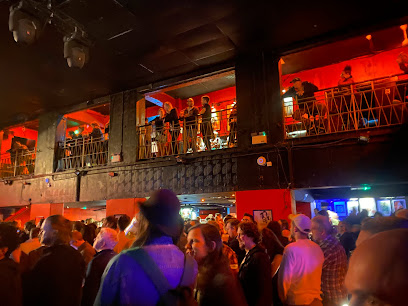
Club Swizzle
8.2 km
Dive into acrobatic cabaret mayhem at the Roundhouse: Swizzle Boys flip chairs, Reuben Kaye slays with wit, and the bar becomes your front-row thrill ride in Camden's hottest 2018 spectacle.
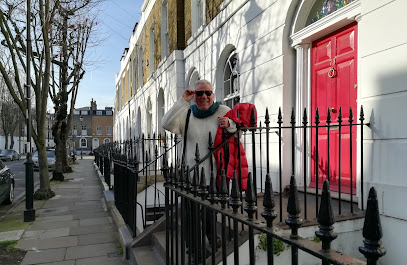
Soul City
8.2 km
A Saturday-night Camden basement party celebrating soul, disco and funk with DJ-led, record-minded sets in The Jazz Cafe’s atmospheric room.
For the vibe & atmosphere seeker
- Spiritual / Energy Spot
- Tranquil
- Scenic
- Unique
- Cultural Heritage
For the design and aesthetic lover
- Minimalist Designs
- Vintage Styles
For the architecture buff
- Historic
- Landmarks
- Art & Design
- Sacred Sites
- Heritage Neighborhoods
For the view chaser and sunset hunter
- Iconic Views
- Panoramas
For the social media creator & influencer
- Instagrammable
- Photo Spots
- Architectural Shots
- Aesthetic Corners
For the eco-conscious traveler
- Locally Managed
- Protected Area
For the kind of experience you’re after
- Spiritual / Energy Spot
- Meditation Spot
- Cultural Heritage
- Photowalk
- Day Trip
For how adventurous you want the journey to be
- Easy Access
- Wheelchair Access
Location Audience
- Family Friendly
- LGBT Friendly
- Senior Friendly
- Child Friendly
- Wheelchair Access
- Solo Friendly
- Couple Friendly
- Solo Female Friendly


