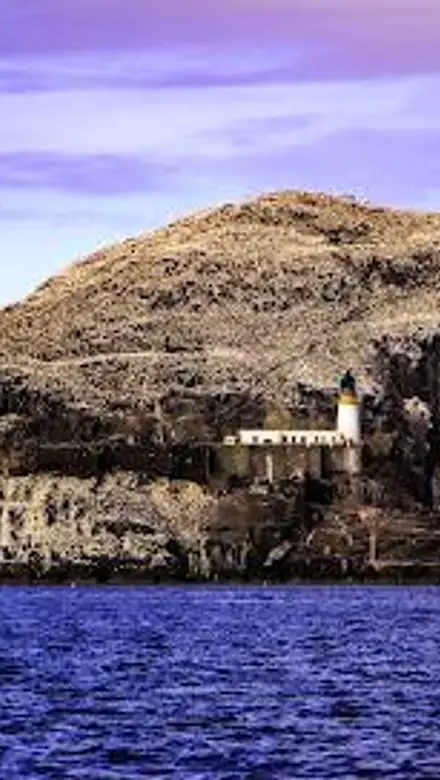
Bass Rock Travel Guide
Free Guide: A dramatic volcanic island sanctuary off Scotland’s coast, home to the world’s largest northern gannet colony and rich historic ruins.


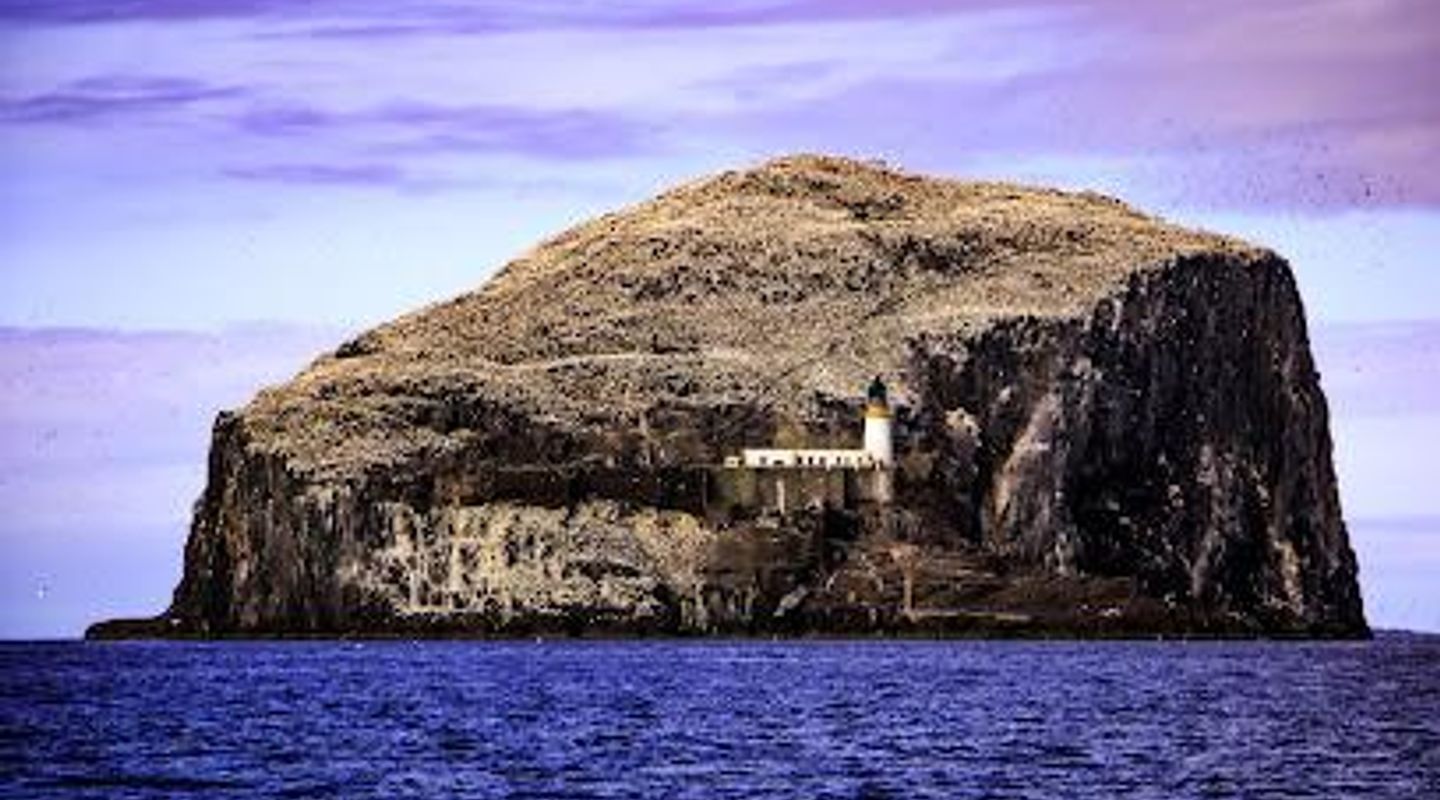
A brief summary of Bass Rock
A dramatic volcanic island sanctuary off Scotland’s coast, home to the world’s largest northern gannet colony and rich historic ruins.
Bass Rock is a steep-sided volcanic island rising 351 feet above the Firth of Forth, about 3 miles northeast of North Berwick, Scotland. Known for hosting the world’s largest colony of northern gannets, this uninhabited rock also holds ruins of a 14th-century castle and chapel. Its dramatic cliffs, rich wildlife, and layered history as a hermitage, fortress, and prison make it a captivating natural and cultural landmark.
On-site amenities
 Restrooms
 Drink options
 Food options
 Seating areas
 Trash bins
 Information boards
 Visitor centre
- Address
- Bass Rock
Getting there
Boat
Train and Walk
Car
Discover more about Bass Rock
A Geological Marvel Rising from the Sea
Bass Rock is a striking volcanic plug formed around 340 million years ago, standing 351 feet (107 meters) tall and nearly a mile in circumference. Its phonolitic trachyte rock creates sheer cliffs on three sides and a natural tunnel piercing through the island to a depth of 105 meters, accessible only at low tide. Often called "the Ailsa Craig of the East," Bass Rock’s rugged silhouette dominates the southern entrance to the Firth of Forth, offering iconic views from North Berwick and nearby coastal landmarks.
A Sanctuary for Seabirds and Wildlife
The island is globally renowned as the largest single-rock colony of northern gannets, hosting over 150,000 birds annually—about 10% of the world’s population. The white appearance of the rock is due to the dense coverage of gannets and their guano, which paints the cliffs in a ghostly hue. Besides gannets, the surrounding waters and nearby islets support puffins, guillemots, razorbills, and grey seals. The Bass Rock’s ecological importance has made it a protected seabird sanctuary, attracting wildlife enthusiasts and photographers eager to witness this vibrant natural spectacle.
Layers of History and Human Presence
Though uninhabited today, Bass Rock has a rich human history. In the 8th century, it was the hermitage of St Baldred, a Christian hermit who lived in a cell on the island. Later, a castle was constructed, with ruins still visible on the gentler southern slope. The castle served variously as a fortress and a prison, notably during the 17th century. Ownership passed from the Lauder family in the medieval period to the Dalrymple family in 1706, who maintain possession today. The island also features remnants of a chapel dedicated to St Baldred and a lighthouse built in 1902, which remains an important navigational aid.
Experiencing Bass Rock Today
Access to Bass Rock is only possible by boat, with tours departing mainly from North Berwick’s harbor. These trips offer close-up views of the gannet colony, the castle ruins, and surrounding wildlife. Some tours allow landings for guided exploration, while others provide scenic cruises around the island. Visitors are advised to bring binoculars and waterproof clothing due to the exposed maritime environment. The nearby coastal paths at Tantallon Castle and Seacliff Beach offer excellent vantage points for viewing and photographing the rock without going ashore.
Natural Beauty Meets Cultural Heritage
Bass Rock’s combination of dramatic geology, abundant wildlife, and layered history creates a unique and compelling destination. The island’s stark cliffs and bustling birdlife contrast with the quiet ruins of human habitation, evoking centuries of natural and cultural stories. It stands as a symbol of Scotland’s rich coastal heritage and offers an unforgettable experience for nature lovers, history buffs, and photographers alike.
Conservation and Ongoing Significance
Today, Bass Rock is managed with a focus on preserving its wildlife habitat and historical features. The island’s status as a protected seabird sanctuary ensures careful stewardship of its fragile ecosystems. Live cameras and visitor centers on the mainland provide educational opportunities to learn about the rock’s wildlife and geology. Bass Rock remains a vital part of Scotland’s natural heritage and a spectacular landmark on the Firth of Forth.
Evendo Review Centre
 Google
Guest reviews
Best time to go
Quietest: Jan, Feb & Dec · before 3am
Busy times are Evendo estimates for a typical year, to help you plan. Actual crowds vary with events, school holidays and the weather.
Explore Bass Rock on the map
A handpicked selection of must-see spots near Bass Rock, mapped for you.
Get your free copy of our complete guide to Bass Rock, delivered straight to you.
Everything on this page, from opening hours and how to get there to Eve’s tips and the best time to go, in one PDF you can read offline, print or share.
Already have an account? Sign in
Your Bass Rock guide is ready.
We'll send it to · Not you? Sign out

Getting your guide ready…
We are putting together a fresh copy of the Bass Rock guide. This can take up to a minute.
This can take a few moments. If your browser asks, choose Allow so the download can start. You'll find the guide in your Downloads folder.
Nothing happened? Download it again
Sorry, the guide is taking longer than usual. Please try again in a minute, or get it by email instead.
Unlock the best of Bass Rock
Skip-the-line tickets, guided tours with entry, and walking tours of the area, booked in a few clicks.

Other nearby places you may find interesting
The closest places of the same kind, if this one is not quite what you had in mind.
-
-
-
-
-


Swipe for more places
More to explore near Bass Rock

 Best experiences near Bass Rock
 Best hotels near Bass Rock
 Best landmarks near Bass Rock
 Best attractions near Bass Rock
 Best shops near Bass Rock
 Best restaurants near Bass Rock
 Best bars near Bass Rock
Do you manage this location?
Take control to get all the benefits, like improved information, better appearance, and stronger visibility across AI-powered discovery.
Explore more
Explore more of Midlothian
Discover Midlothian, Scotland's hidden gem, where history, nature, and culture blend seamlessly to offer a unique travel experience.
Explore Midlothian
Explore more of United Kingdom
Discover the United Kingdom: A blend of rich history, stunning landscapes, and vibrant cities, offering a unique travel experience for every visitor.
Explore United Kingdom