
Oswald's Well: The Legendary Healing Spring of Oswestry
A serene medieval well where legend and history converge, marking the miraculous spring born from King Oswald’s fallen arm.
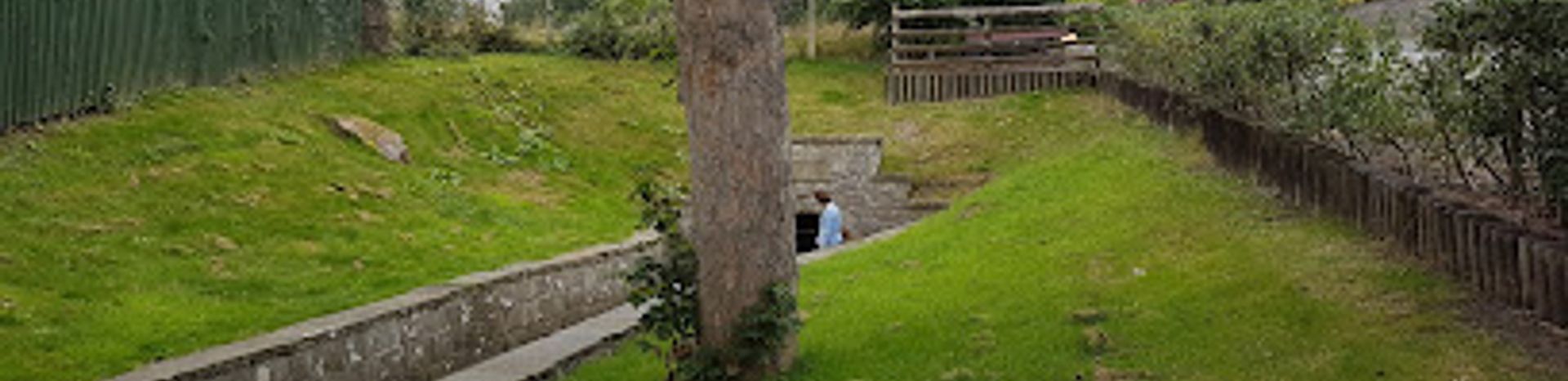
Oswald's Well in Oswestry is a historic and legendary site marking the spot where King Oswald of Northumbria's arm was said to have fallen, giving rise to a healing spring. The well, restored to its medieval form, is entwined with tales of miracles and ancient battles, offering visitors a tranquil glimpse into Anglo-Saxon history and local folklore.
A brief summary to Oswald's Well
- 4 Maserfield, Oswestry, SY11 1RZ, GB
- Duration: 0.25 to 1 hours
- Free
-
 Outdoor
- Mobile reception: 4 out of 5
- Monday 12 am-12 am
- Tuesday 12 am-12 am
- Wednesday 12 am-12 am
- Thursday 12 am-12 am
- Friday 12 am-12 am
- Saturday 12 am-12 am
- Sunday 12 am-12 am
Local tips
- Visit during daylight hours to fully appreciate the well’s restored medieval architecture and the surrounding peaceful setting.
- Combine your visit with a walk around Oswestry’s historic sites to deepen your understanding of the town’s Anglo-Saxon roots.
- Read the onsite plaque to learn about King Oswald’s story and the well’s legendary healing powers.
- Bring a camera for photos of the iron statue and the well’s distinctive stone archway, especially in soft natural light.

For the on-the-go comforts that matter to you
- Information Boards
- Seating Areas
- Trash Bins
Getting There
-
Bus
Take the local bus service from Oswestry town center to the Maserfield area, with a journey time of approximately 10-15 minutes. Buses run frequently during the day, but check schedules in advance. Walking from the stop to the well is short and on paved paths. Single fare costs around £2-£3.
-
Car
Driving to Oswald's Well is straightforward via local roads leading to 4 Maserfield. Parking is limited nearby, so plan to use public parking facilities in Oswestry town center and walk about 15 minutes to the site. No parking directly at the well.
-
Walking
From Oswestry town center, a pleasant 20-minute walk along mostly flat, paved streets leads to Oswald's Well. The route is accessible for most visitors, with no steep inclines or difficult terrain.
Oswald's Well location weather suitability
-
 Any Weather
-
 Mild Temperatures
-
 Rain / Wet Weather
Discover more about Oswald's Well
Legend and Origins of Oswald's Well
Oswald's Well is steeped in legend dating back to the 7th century. It is said to mark the spot where King Oswald of Northumbria, who died in 642 during the Battle of Maserfield against the pagan King Penda of Mercia, had his arm severed and carried away by a great bird—often described as an eagle or raven. According to the tale, the bird dropped Oswald's arm at this site, where a miraculous spring immediately emerged. This spring has been revered for centuries as a source of healing and spiritual power, with stories of cures and miracles attributed to its waters.Historical Context and Cultural Significance
The well is closely tied to the history of Oswestry, a town whose name is derived from 'Oswald's Tree,' referring to the site of Oswald's death and the subsequent legends. The earliest documentary mention of the well dates back to a 13th-century deed, and it has been referenced in medieval chronicles as a place of pilgrimage and healing. The surrounding area once hosted a chapel dedicated to St Oswald, with ruins surviving into the 18th century. The well's survival through centuries of neglect and restoration highlights its enduring cultural and religious importance.The Physical Site and Restoration
Today, Oswald's Well features a restored medieval stone structure built around the original spring. The well is enclosed by a rounded archway, now protected by a metal grill, preserving the sacred waters beneath. Nearby, an iron statue commemorates King Oswald, accompanied by a plaque recounting his story and the well’s legendary origins. The site is quiet and reflective, located just outside the town center, offering visitors a peaceful spot to connect with the deep history and spirituality of the location.Oswald’s Legacy in Oswestry and Beyond
King Oswald’s legacy extends beyond the well and Oswestry itself. He is venerated as a saint, with his feast day celebrated on August 5th. His story reflects the fusion of pagan and Christian traditions in early medieval Britain. The well symbolizes this blend, combining the natural healing powers attributed to springs with Christian sainthood. Oswald’s cult influenced religious practices across England and parts of Europe, and his memory remains central to Oswestry’s identity.Visiting Experience and Atmosphere
Visitors to Oswald's Well encounter a site that is both tranquil and evocative of ancient history. The atmosphere is one of quiet reverence, with the gentle sound of bubbling water and the surrounding greenery enhancing the sense of a sacred place. Though modest in scale, the well invites reflection on the region’s rich past and the enduring power of legend. It is a meaningful stop on any historical trail through Oswestry, especially for those interested in Anglo-Saxon history and folklore.Preservation and Future Outlook
Despite periods of neglect, Oswald's Well has been carefully preserved and restored to maintain its historical integrity. The site is protected as a cultural landmark, ensuring that this rare surviving piece of Saxon heritage endures for future generations. Its continued upkeep reflects the community’s respect for its past and the well’s role as a symbol of healing and spiritual significance in Oswestry.Iconic landmarks you can’t miss

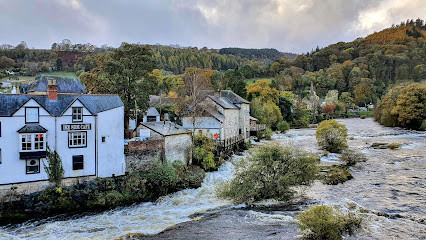
Llangollen Bridge
14.5 km
A medieval stone bridge spanning the River Dee, blending centuries of history with stunning river valley views in the heart of Llangollen.
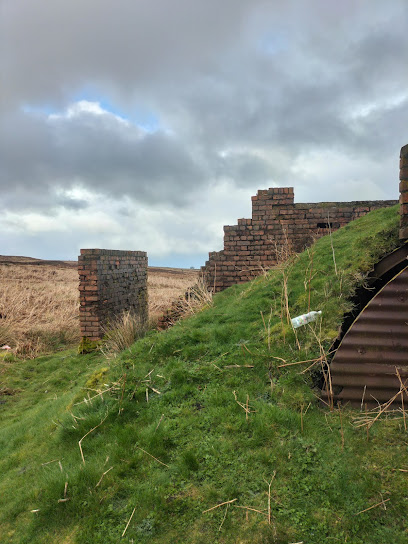
Cae-Llywd Bunker
19.2 km
Explore the Cold War era at Cae-Llywd Bunker, a hidden historical landmark nestled in the scenic landscapes of Llangollen, Wales.
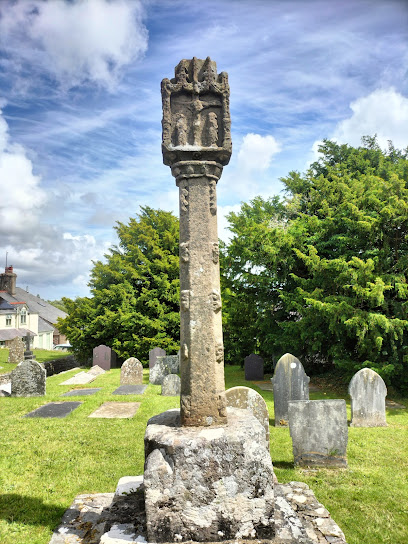
Derwen Churchyard Cross
30.2 km
Explore the intricately carved 15th-century Derwen Churchyard Cross, a rare medieval Welsh monument set in a serene circular churchyard near Corwen.
Montgomery Town Walls
32.9 km
Discover the enchanting Montgomery Town Walls, a historical landmark steeped in medieval history and offering breathtaking views of the Welsh landscape.
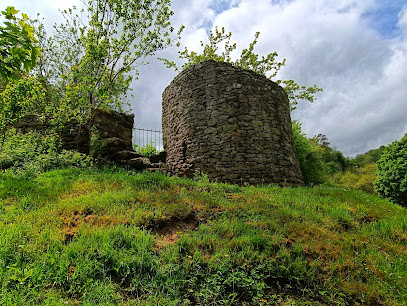
BeWILDerwood Cheshire
33.0 km
Discover the magic of BeWILDerwood Cheshire, an enchanting amusement park where adventure, nature, and imagination collide for an unforgettable family experience.
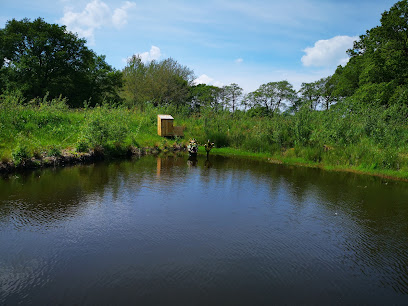
Tom Pryce Memorial
33.0 km
A poignant tribute in Ruthin to Tom Pryce, Wales’ only Formula 1 Grand Prix winner and a motorsport legend remembered for his talent and tragic fate.
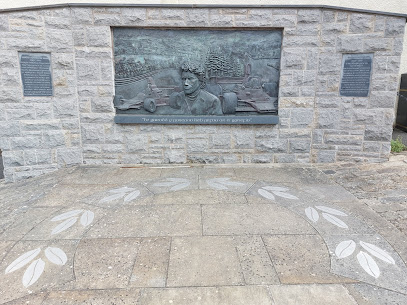
Ruthin Gaol Museum - Amgueddfa Carchar Rhuthun
33.1 km
Explore Ruthin Gaol Museum, an intriguing local history museum that delves into the stories of crime and punishment in Wales, enriching your travel experience.
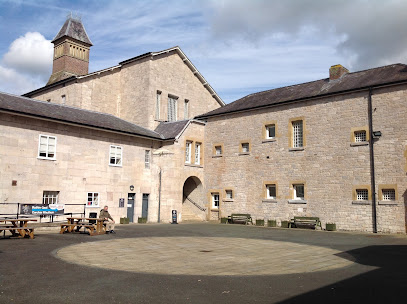
Ffridd Faldwyn Iron Age Hillfort
33.2 km
Experience the rich history and stunning views at Ffridd Faldwyn Iron Age Hillfort, a must-see historical landmark in Montgomery.
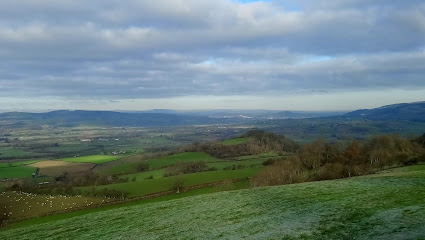
Montgomery Castle
33.2 km
Discover the rich history and breathtaking views at Montgomery Castle, a stunning medieval fortress in the heart of Wales.
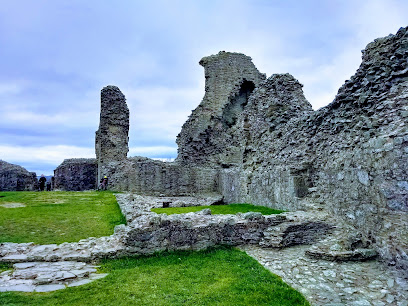
Montgomery War Memorial
33.2 km
A solemn white stone column on Town Hill honoring Montgomeryshire’s fallen with sweeping panoramic views across Powys.
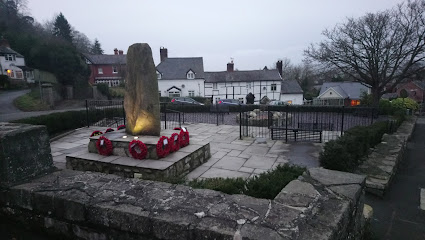
The Old Bell Museum
33.5 km
Discover the fascinating local history at The Old Bell Museum in Montgomery, a charming tourist attraction filled with engaging exhibits and stories from the past.
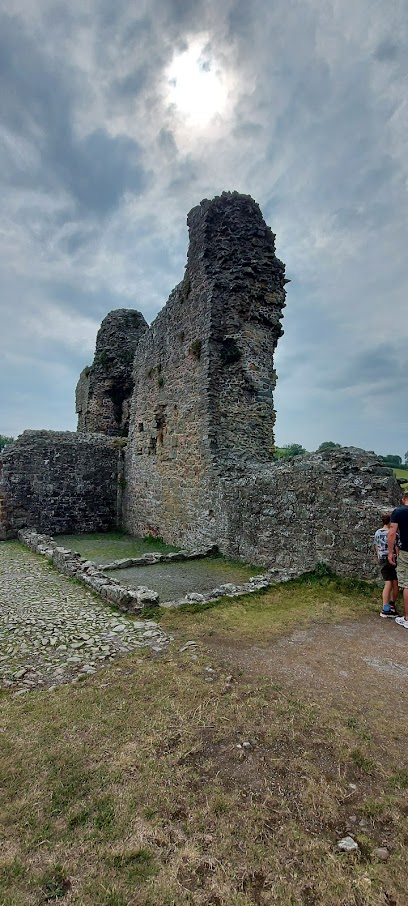
Ffridd Faldwyn, Montgomery
33.6 km
Explore the vast Iron Age hillfort of Ffridd Faldwyn, commanding the Severn Valley with ancient earthworks and panoramic Welsh landscapes.

Cholmondeley Castle Gardens
33.8 km
Explore the breathtaking landscapes of Cholmondeley Castle Gardens, a serene escape in Cheshire blending nature, history, and enchanting beauty.
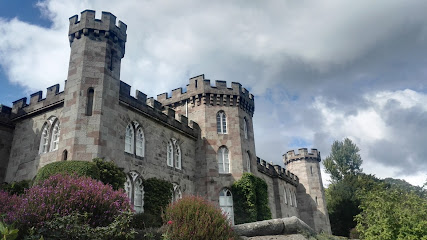
Eaton Hall
34.0 km
Explore the historical elegance of Eaton Hall, a stunning museum in Chester, surrounded by enchanting gardens and rich heritage.
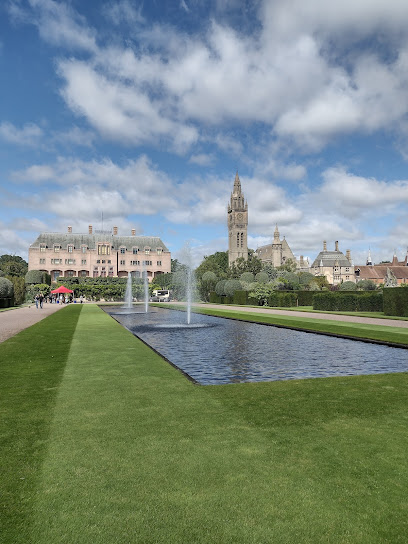
Red House Nature Reserve
34.4 km
Experience the tranquility of nature at Red House Nature Reserve - a beautiful haven for wildlife enthusiasts and outdoor adventurers.
Unmissable attractions to see

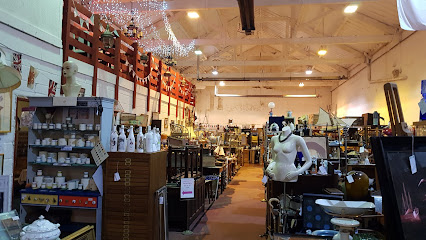
Cambrian House Emporium
1.3 km
Discover timeless treasures and vintage charm at Cambrian House Emporium, Oswestry’s premier antique destination with over 35 dealers under one roof.
Shropshire Sculpture Park
5.0 km
Explore over 70 acres of stunning metal sculptures, artisan crafts, and family-friendly trails at Shropshire’s premier outdoor art destination.
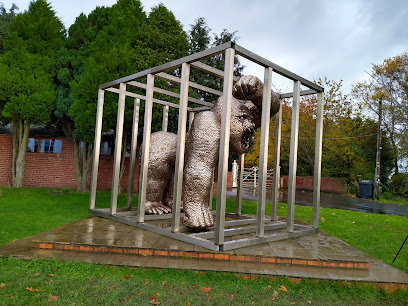
Llanymynech Rocks Nature Reserve (Montgomeryshire)
7.5 km
Explore rugged limestone cliffs and vibrant wildflower meadows at Llanymynech Rocks, a historic quarry turned nature reserve on the England-Wales border.
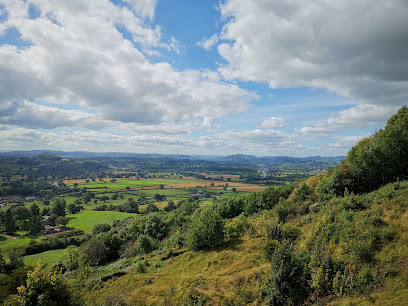
Chirk Aqueduct
7.9 km
Experience the breathtaking Victorian engineering marvel that bridges England and Wales over the River Ceiriog.
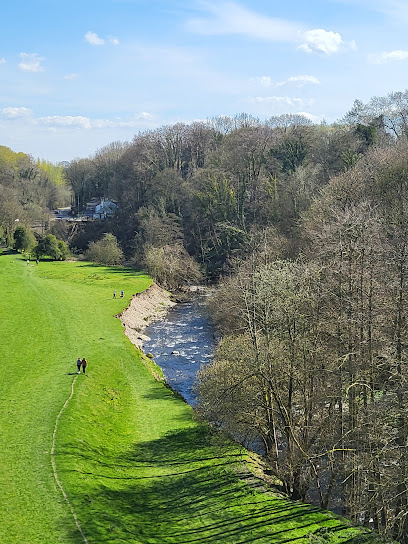
National Trust - Chirk Castle
8.8 km
Explore a majestic 13th-century fortress with stunning gardens and 480 acres of scenic parkland in the heart of the Welsh Marches.
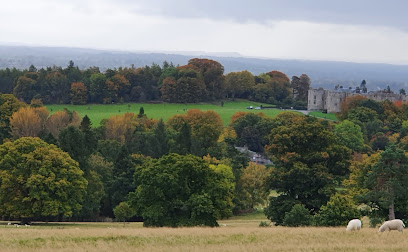
Tŷ Mawr Country Park
12.0 km
A tranquil 35-acre riverside retreat beneath Cefn Viaduct, blending scenic walks, farm animals, and family-friendly charm in North Wales.
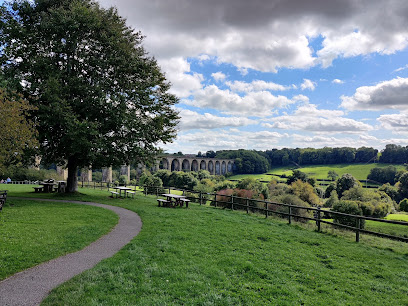
Pontcysyllte Aqueduct
12.7 km
Walk or boat across the world’s longest and highest navigable aqueduct, a breathtaking feat of engineering soaring over the Dee Valley.
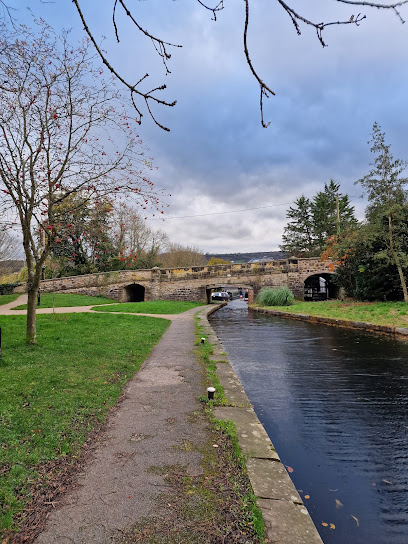
Plas Newydd Historic House & Gardens Llangollen
14.0 km
Explore the Gothic fantasy home and serene gardens of the Ladies of Llangollen, a unique historic retreat in North Wales.
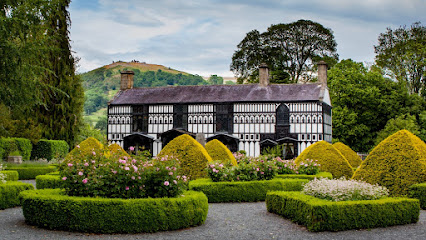
Llangollen
14.4 km
Discover Llangollen’s enchanting blend of medieval history, scenic river valley beauty, and charming heritage railway adventures in North Wales.
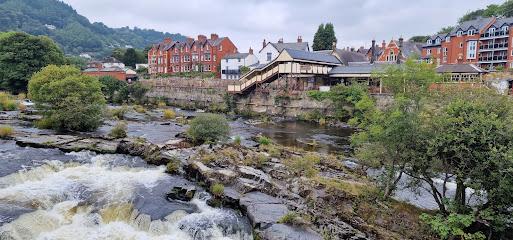
Safe and Sound Outdoors
14.4 km
Experience thrilling whitewater rafting adventures on the scenic River Dee with expert guides at Safe and Sound Outdoors in Llangollen.

Llangollen Museum
14.5 km
Discover the rich heritage of North Wales through engaging exhibits and local stories at Llangollen Museum.
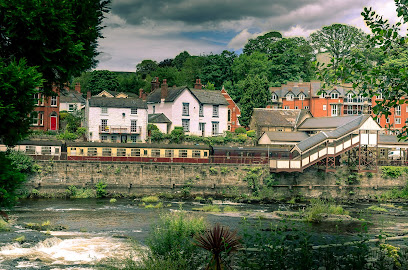
Castell Dinas Brân
15.0 km
Explore the majestic hilltop ruins of Castell Dinas Brân, where history meets breathtaking views over the Dee Valley.
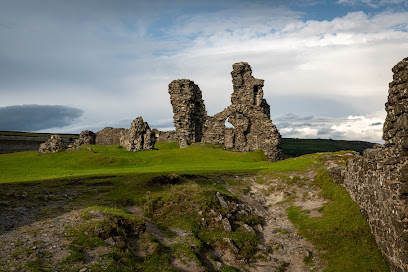
Admiral Rodney’s Pillar
15.0 km
A towering 18th-century obelisk offering panoramic views and honoring Admiral Rodney’s naval victories near Shrewsbury.
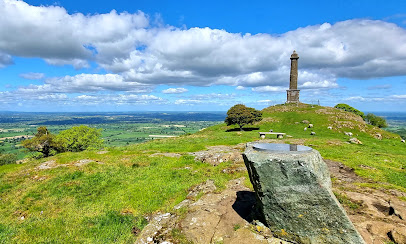
Llangollen Motor Museum
16.2 km
Discover a packed private collection of vintage cars and motoring memorabilia in the scenic Welsh countryside at Llangollen Motor Museum.
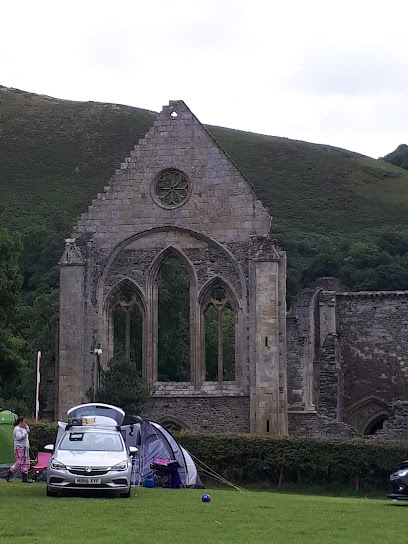
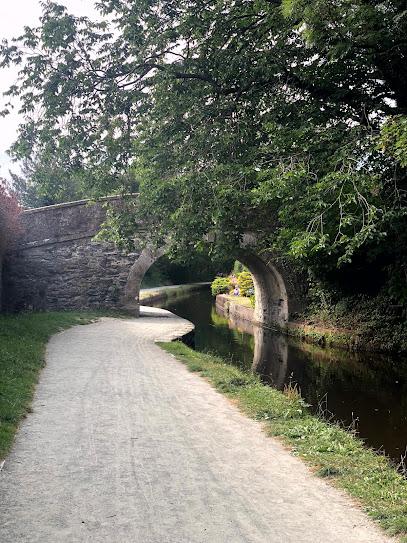
Llangollen Canal Towpath Llangollen
16.3 km
A serene towpath along a historic Welsh canal, blending iconic engineering with peaceful countryside walks and family-friendly outdoor fun.
Essential places to dine

Prezzo Italian Restaurant Oswestry
0.6 km
Authentic Italian dining in Oswestry with fresh ingredients, diverse menus, and a warm, welcoming atmosphere for every occasion.
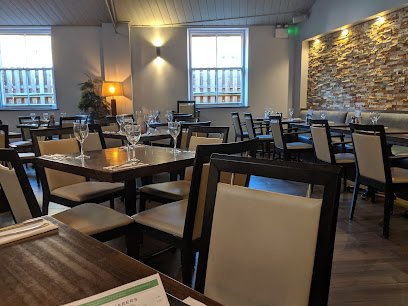
Dee Side Cafe Bistro
14.5 km
Riverside bistro in Llangollen serving hearty home-cooked meals with generous portions and a welcoming, casual atmosphere.
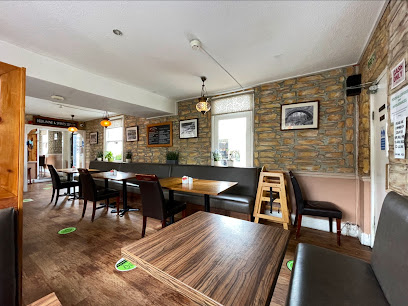
The New Inn
15.7 km
A charming British village pub in Baschurch offering hearty traditional dishes, warm hospitality, and a cozy countryside atmosphere.
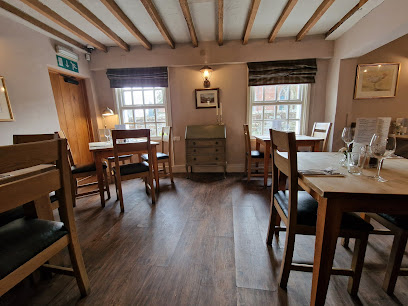
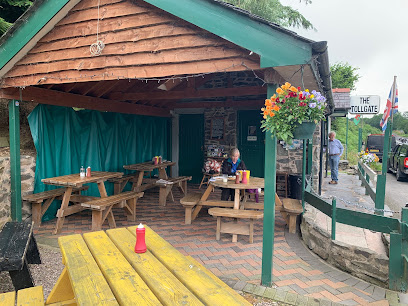
Tollgate Cafe
16.7 km
Charming countryside café near Glyndyfrdwy offering fresh home-cooked meals, scenic views, and warm Welsh hospitality.
HOGS INN The Breidden
17.0 km
Cozy Welsh pub-restaurant offering hearty local fare, warm hospitality, and lively evenings in scenic Middletown near Welshpool.
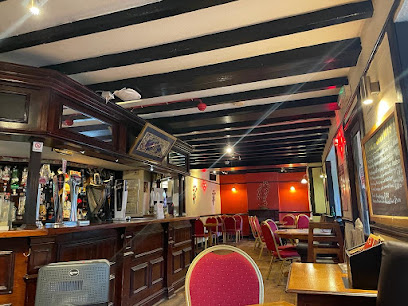
Cain Valley Hotel
17.3 km
Historic Welsh inn with cozy rooms, hearty dining, and a welcoming village atmosphere in the heart of Llanfyllin.

Fabrizio’s
18.9 km
Authentic Italian dining with warm hospitality in the tranquil Welsh village of Buttington near Welshpool.
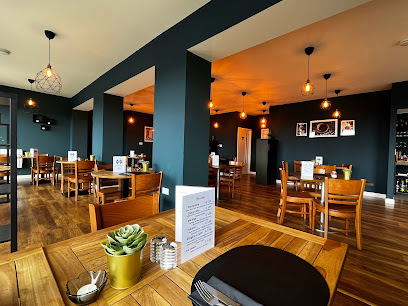
The Green Dragon Inn & Kitchen
20.8 km
A charming Welsh country pub and campsite blending rustic antiques, hearty food, and welcoming hospitality in tranquil Buttington.
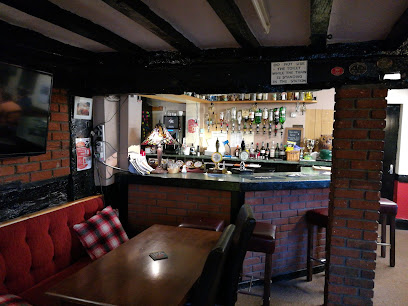
Ponderosa Cafe
20.8 km
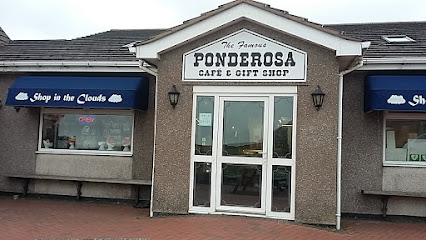
Classic British cafe with hearty fare and breathtaking views at the Horseshoe Pass, a beloved stop for travelers and bikers alike.
The Moat Shed
20.8 km
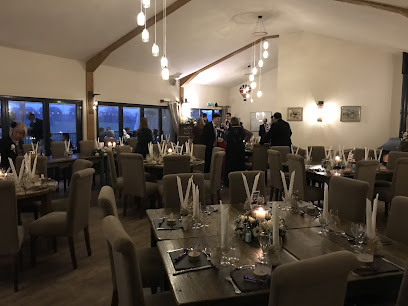
Charming British restaurant at Northwood Hall offering exceptional local cuisine with scenic countryside views near Shrewsbury.
The Yockleton Arms
21.8 km
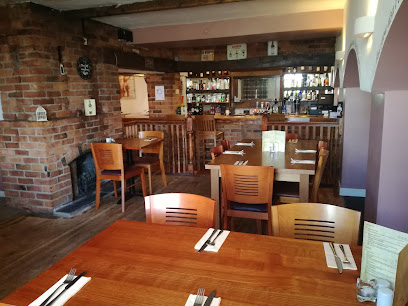
A cosy, welcoming English pub near Shrewsbury, famed for its delicious Sunday roasts and friendly community atmosphere.
The Cote Kitchen
22.6 km
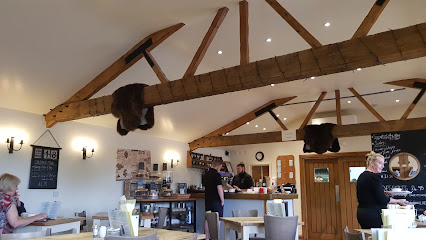
A welcoming countryside eatery in Shrewsbury serving fresh, local breakfasts and lunches with generous portions and friendly service.
Corn Store
22.6 km
Welshpool’s beloved Cornstore offers world cuisine in a warm, inviting atmosphere with generous portions perfect for couples and families.
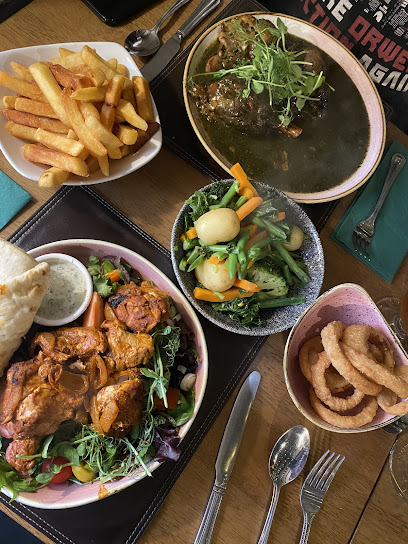
The Croft at Beaconsfield
25.7 km
A welcoming countryside restaurant near Shrewsbury, offering relaxed dining, quality food, and friendly service in a charming setting.
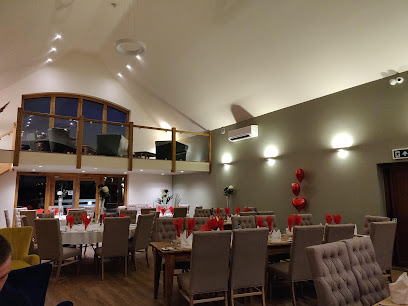
The Bothy Restaurant
25.8 km
Cozy countryside dining with hearty British fare and seasonal specials at Beaconsfield Farm Holiday Park near Shrewsbury.
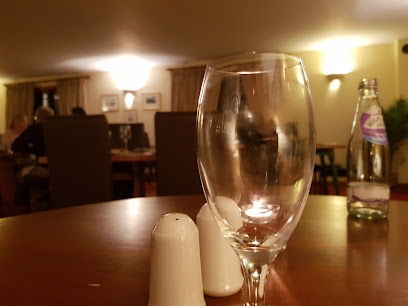
Markets, malls and hidden boutiques

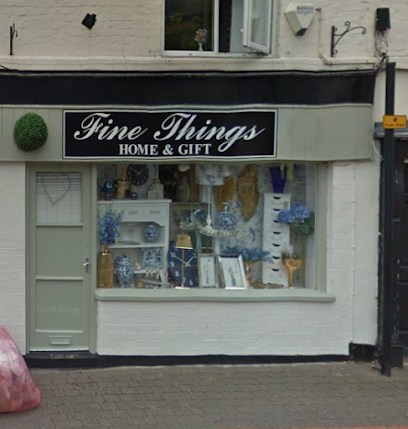
Fine Things
8.3 km
Discover unique local crafts and artisan treasures in the heart of Chirk at Fine Things gift shop.
Tialilly
8.5 km
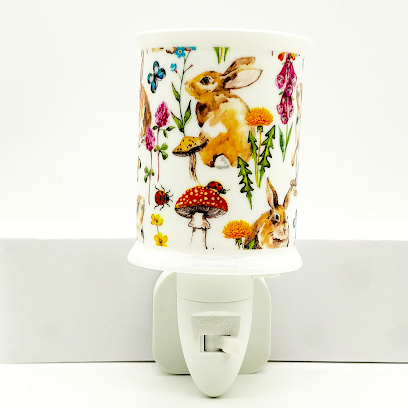
Explore Tialilly, your go-to internet shop in Llanymynech for unique gifts, novelties, and exquisite pottery.
The Pocket Hip Flask Co
10.7 km
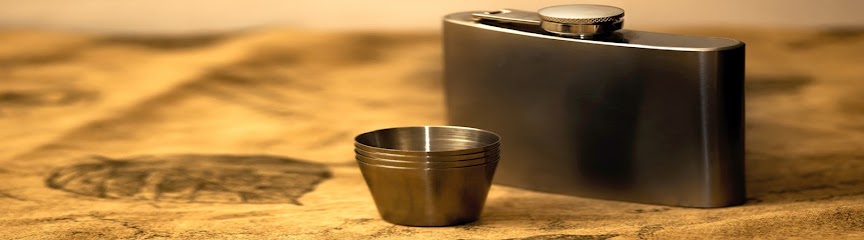
Discover handcrafted hip flasks and traditional pewter tankards blending heritage and style in the heart of Llansantffraid.
Mystical Mayhem Hippy Clothing
10.7 km
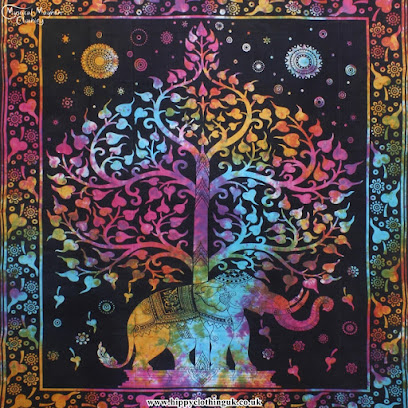
Discover vibrant bohemian and hippie fashion at Mystical Mayhem, Llansantffraid’s hub for unique, colorful, and alternative clothing styles.
Artful Expressions
10.7 km
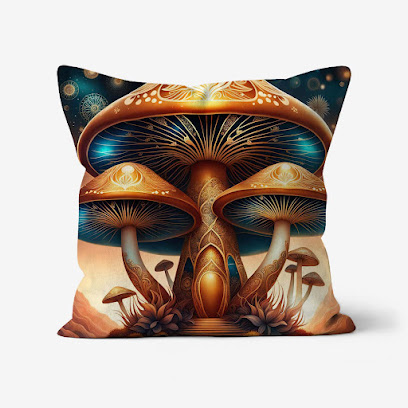
Discover unique art and homewares blending traditional craftsmanship with AI innovation in the heart of Llansantffraid.
Shop Around The Corner
14.4 km
Discover unique gifts and local crafts in the heart of Llangollen at Shop Around The Corner, a charming boutique with friendly service and fresh finds daily.
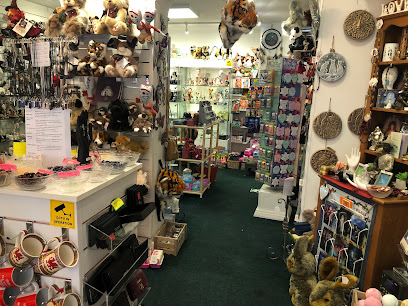
Gifts From Wales Ltd
14.5 km
Discover authentic Welsh crafts and heritage gifts at Gifts From Wales Ltd, a charming family-run shop in historic Llangollen.
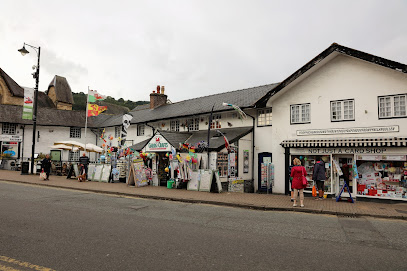
Chapel Emporium
14.6 km
Discover timeless treasures and vintage charm in a historic chapel turned antique emporium in the heart of Llangollen.

Dragons Gifts and Crafts
16.4 km
Discover authentic Welsh crafts and unique handmade gifts in a charming village shop full of local spirit and seasonal surprises.
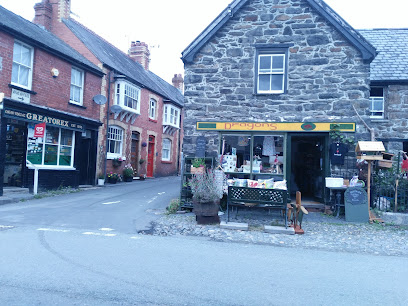
Wishing Well
17.3 km
Discover unique gifts and local treasures at the Wishing Well, Llanfyllin's charming gift shop filled with creativity and culture.
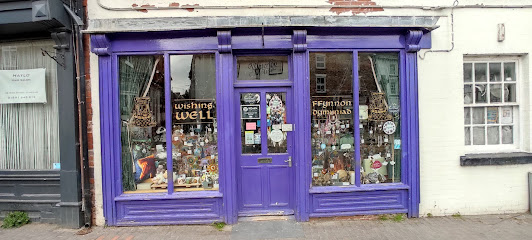
The Owl & Broomstick
22.6 km
Discover whimsical handmade jewellery and unique gifts at The Owl & Broomstick, Welshpool’s quirky boutique in Puzzle Square.

Plas Coch Retail Park
22.6 km
A vibrant retail hub in Wrexham offering diverse shopping, dining, and leisure options for a complete visitor experience.

Celtic Company - Gift, Card & Jewellery Shop
22.6 km
Discover unique Welsh gifts, heartfelt cards, and artisan jewellery at The Celtic Company, Welshpool’s award-winning boutique since 1999.
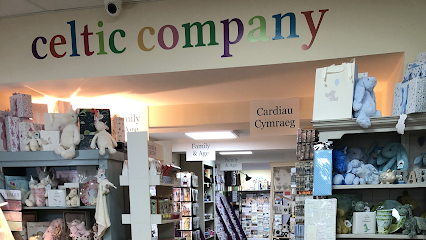
Gifts of Wales Ltd
22.7 km
Discover authentic Welsh gifts and handcrafted treasures at Gifts of Wales Ltd, a charming shop in the heart of Welshpool.
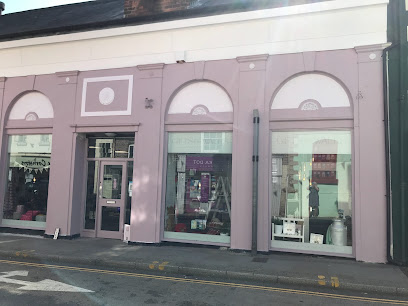
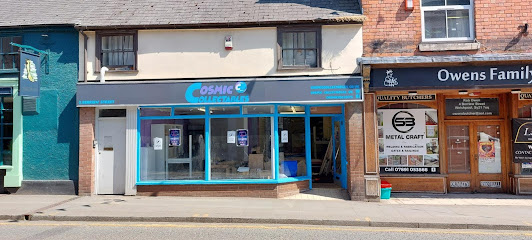
Cosmic Collectables
22.7 km
Discover rare collectible card games and accessories at Cosmic Collectables, Welshpool’s vibrant hub for gamers and collectors.
Essential bars & hidden hideouts

The Punch Bowl Tavern
11.8 km
A charming village pub in Llandrinio offering hearty fare, local ales, and a warm, welcoming atmosphere in mid-Wales.
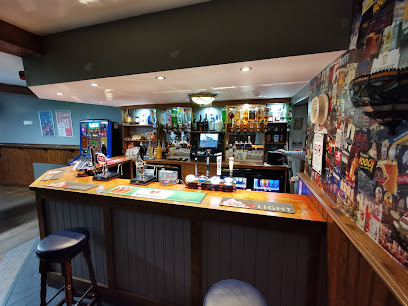
The Horseshoe Inn
13.5 km
Discover the charm of The Horseshoe Inn in Arddleen, where rustic hospitality meets delicious local cuisine amidst breathtaking Welsh landscapes.
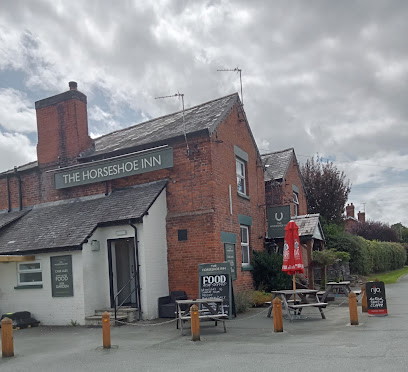
Liberty Tavern & Wine Bar
14.4 km
A cosy and sophisticated tavern offering fine wines, local ales, and tapas in the heart of Llangollen’s Market Street.
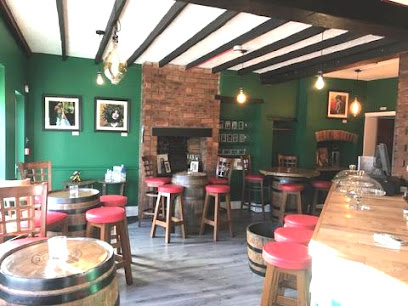
The Corn Mill
14.5 km
A welcoming pub and restaurant in Llangollen offering diverse menu options, scenic riverside views, and a lively, friendly atmosphere.
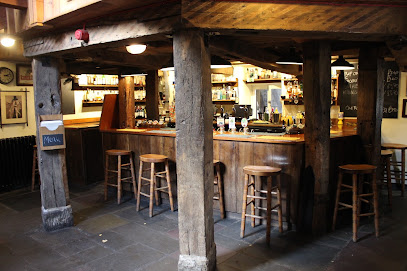
The Kings Head
18.9 km
A traditional Welsh pub in Guilsfield offering hearty meals, friendly service, and a welcoming atmosphere with indoor and outdoor seating.
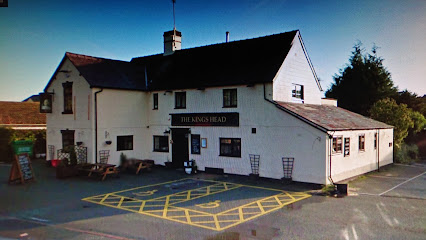
Raven Inn
22.8 km
Welshpool’s welcoming pub with quality food, a lively bar, and a friendly atmosphere in the heart of Raven Square.
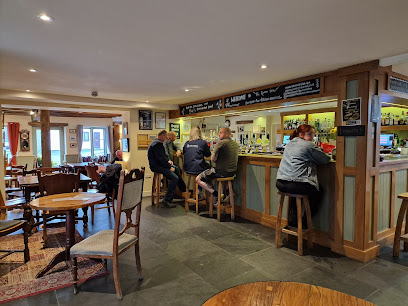
The Boathouse
26.1 km
Historic riverside pub in Shrewsbury offering hearty grills, scenic terraces, and a welcoming atmosphere year-round.
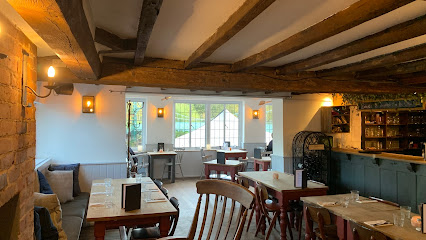
The Woodman Inn
26.2 km
A cozy, traditional Shrewsbury pub with real ales, roaring fires, and peaceful garden courtyards for a genuine local experience.
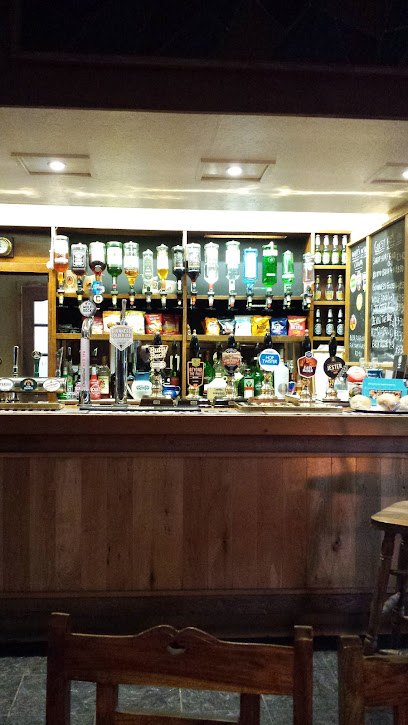
Riverbank Bar + Kitchen
26.3 km
Vibrant Mediterranean dining and lively live music on Shrewsbury’s scenic River Severn waterfront.
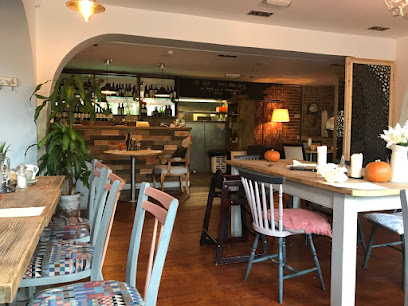
The Armoury
26.3 km
Traditional riverside pub in Shrewsbury with cosy interiors, fresh British fare, and scenic outdoor seating overlooking the River Severn.
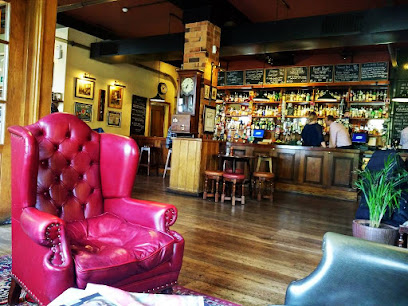
Blind Tiger
26.4 km
A chic and quirky cocktail bar in Shrewsbury, blending creative drinks with a cozy, atmospheric vibe and playful table games.
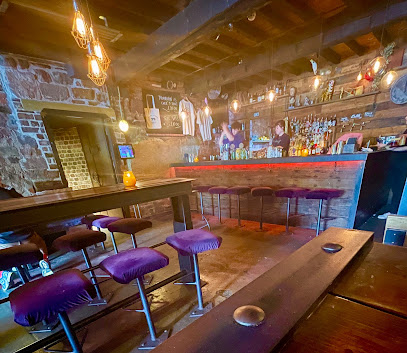
The Salopian Bar
26.5 km
A lively Shrewsbury pub with a vast ale selection, quirky charm, and spacious outdoor area perfect for real ale lovers and sports fans alike.
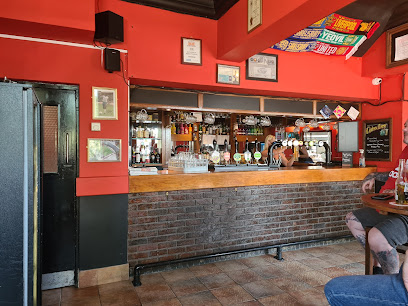
Albert's Shed
26.5 km
A quirky, intimate live music bar in Shrewsbury, championing grassroots bands and vibrant nights out with cocktails and karaoke.

Ten & Six
26.5 km
A chic champagne bar blending historic charm with vibrant nightlife in the heart of Shrewsbury's Mardol district.
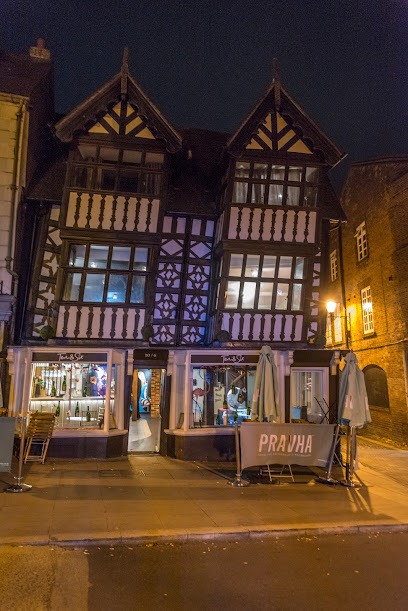
The Alb
26.6 km
A lively cocktail bar and welcoming hotel in Shrewsbury’s centre, known for creative drinks, friendly service, and comfortable stays.

Nightclubs & after hour spots

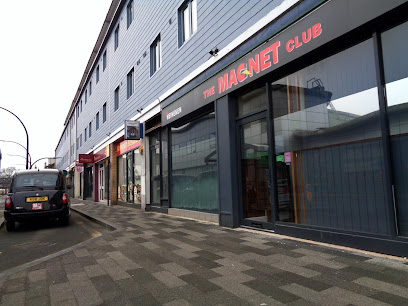
The Magnet Club
21.7 km
Wrexham’s independent venue since 1984, The Magnet Club blends live music, sports, and social games in a welcoming, refurbished space on King Street.
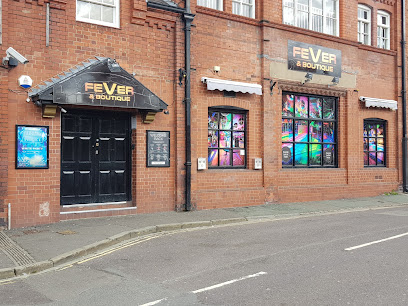
Boutique - Shrewsbury
26.4 km
A vibrant 90s-inspired nightclub in Shrewsbury offering lively nights, stylish booths, and a nostalgic yet modern clubbing experience.
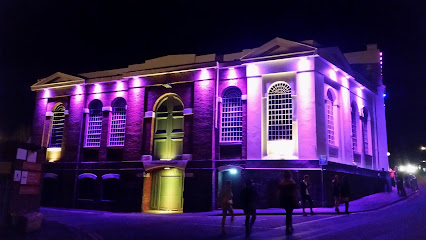
The Buttermarket
26.6 km
Shrewsbury’s iconic Grade II listed venue, The Buttermarket, offers vibrant live music, club nights, and diverse entertainment across three dynamic floors.
Havana Republic
27.2 km
Experience the vibrant Latin-inspired nightlife of Havana Republic, Shrewsbury’s hotspot for cocktails, music, and late-night fun.

Dj Tony B Disco Karaoke & video Roadshow
30.8 km
Dive into a night of music and fun at Dj Tony B Disco Karaoke & Video Roadshow, where every guest gets to shine on stage!
Bryn Griffiths W M Social Club
35.1 km
Discover the vibrant community spirit at Bryn Griffiths W M Social Club in Mold, where fun meets fellowship and local culture thrives.
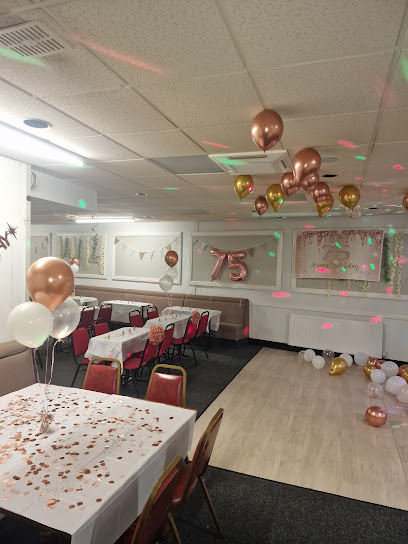
Ewloe Social and Community Club Ltd
37.2 km
Experience the heart of Deeside at Ewloe Social and Community Club, where fun, games, and community spirit come together.

The Guild Chester
38.7 km
Experience Chester's vibrant nightlife in a stunning historic venue blending classic charm with modern cocktail culture.
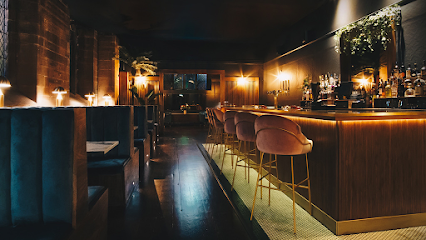
Chester City Club
38.7 km
Experience Chester’s vibrant nightlife at City Club, where modern beats meet historic charm in the heart of St Peters Churchyard.

BONOBO Bar & Canteen
38.8 km
A vibrant two-floor bar and canteen in Chester blending American eats, cocktails, video games, and lively music for a unique nightlife experience.

Red Door
38.9 km
Discover Chester's vibrant nightlife at Red Door, a stylish cocktail bar offering innovative drinks and a chic atmosphere for the perfect night out.

Rosies - Chester
38.9 km
Experience Chester’s vibrant nightlife at Rosies, a multiroom club with rooftop terrace, VIP lounges, and cutting-edge sound over three lively floors.
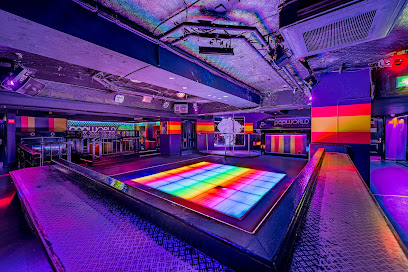
Cruise
38.9 km
A multi-floor nightclub in Chester offering vibrant music, premium drinks, and lively nightlife across seven bars.

Metronome Jazz Bar
38.9 km
Discover the enchanting Metronome Jazz Bar in Chester, where soulful performances and a cozy atmosphere create unforgettable musical nights.

Revolution Chester
39.1 km
Experience vibrant nightlife, creative cocktails, and lively music at Revolution Chester, the city’s premier lounge and party venue.

For the vibe & atmosphere seeker
- Tranquil
- Scenic
- Unique
- Casual
For the design and aesthetic lover
- Rustic Designs
For the architecture buff
- Historic
- Landmarks
For the view chaser and sunset hunter
- Iconic Views
For the social media creator & influencer
- Photo Spots
- Selfie Spots
For the eco-conscious traveler
- Public-Transport Accessible
For the kind of experience you’re after
- Cultural Heritage
- Myth & Legends
- Day Trip
For how adventurous you want the journey to be
- Easy Access
Location Audience
- Family Friendly
- Senior Friendly
- Child Friendly
- Solo Friendly
- Couple Friendly


