

Free Montgomeryshire Travel Guide & Mobile App
Explore Montgomeryshire with free travel guides. Discover regional history, expert tips, proposed trips, and audio guides on web or mobile app.


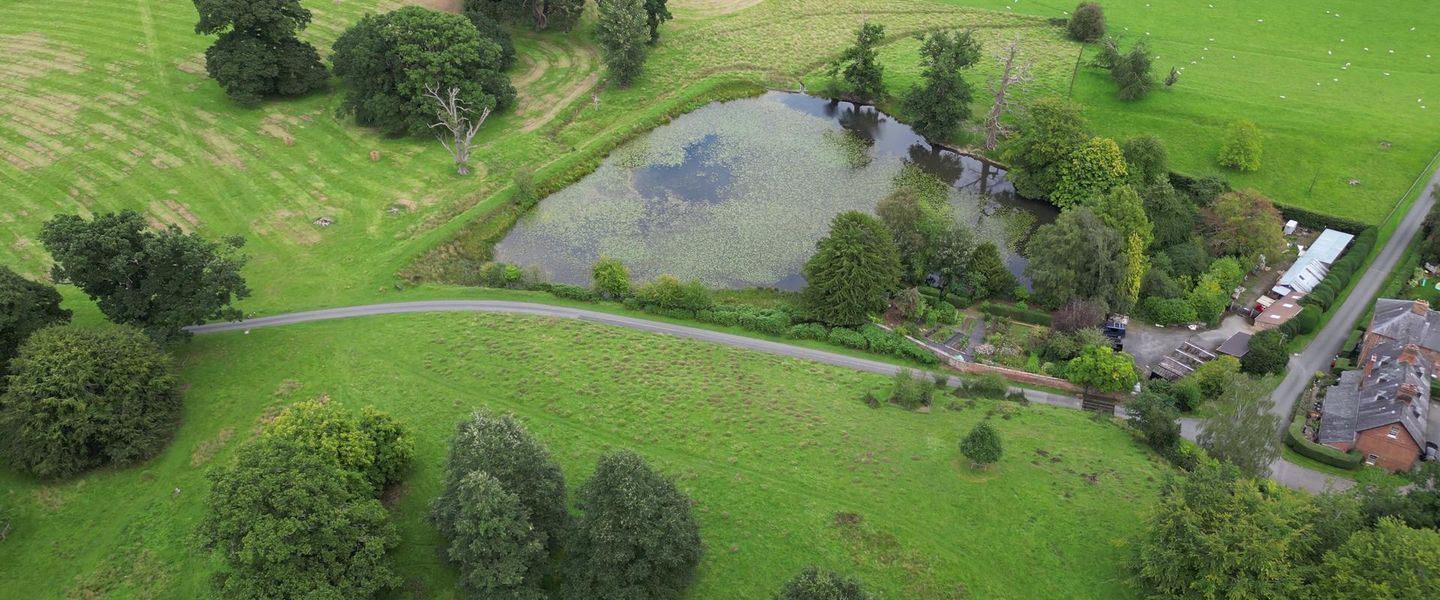


Explore Montgomeryshire in mid-Wales for medieval castles, river valleys, mountain landscapes, historic towns and quiet outdoor adventures.
Read more about Montgomeryshire
When is the best time to visit Montgomeryshire?
Best: June–August · 19–21°C| Month | High (°C) | Rainfall (mm) |
|---|---|---|
| January | 6 | 55 |
| February | 7 | 50 |
| March | 10 | 45 |
| April | 12 | 40 |
| May | 16 | 35 |
| June (best) | 19 | 30 |
| July (best) | 21 | 35 |
| August (best) | 20 | 40 |
| September | 18 | 45 |
| October | 14 | 50 |
| November | 9 | 55 |
| December | 7 | 60 |
Getting to and around Montgomeryshire
How to get there
Transportation
Best attractions in Montgomeryshire
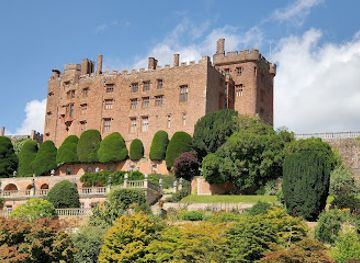
Montgomeryshire's attractions are spread through river valleys, market towns and upland landscapes rather than gathered in one resort. Powis Castle and Garden near Welshpool is the region's major historic attraction, combining medieval origins, a grand interior and formal terraces overlooking the Severn valley. Montgomery Castle and Dolforwyn Castle offer a more ruinous and atmospheric insight into the medieval frontier, while the preserved town centres of Montgomery, Llanidloes and Newtown add civic buildings, churches and local museums to the heritage picture. The Montgomery Canal provides gentle walking and cycling beside traditional waterways and towpaths. In the north-west, Lake Vyrnwy brings woodland walks, birdwatching and reservoir scenery, while Pistyll Rhaeadr provides a dramatic waterfall setting near Llanrhaeadr-ym-Mochnant. Outdoor visitors can follow sections of the Severn Way, explore forest tracks and seek quieter cycling routes through the valleys. Gardens at estates such as Glansevern Hall add a cultivated contrast to the open hills, and Machynlleth provides cultural venues and access towards the Dyfi valley. Weather and terrain make many countryside activities seasonal, so practical preparation is part of the experience.
-
Castle
National Trust - Powis Castle and Garden
Explore centuries of Welsh history, stunning Baroque interiors, and world-class gardens at Powis Castle and Garden, a National Trust treasure.
-
Tourist attraction
National Trust - Chirk Castle
Explore a majestic 13th-century fortress with stunning gardens and 480 acres of scenic parkland in the heart of the Welsh Marches.
-
Tourist attraction
Zip World Llechwedd
Experience thrilling underground adventures and historic slate mine exploration in the heart of Snowdonia’s dramatic landscape.
-
Tourist attraction
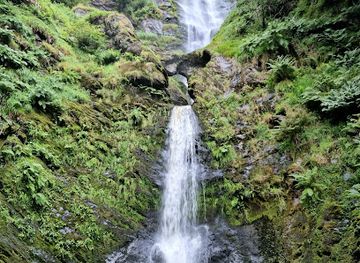
Pistyll Rhaeadr Waterfall
Experience the breathtaking beauty of Wales’ tallest waterfall, Pistyll Rhaeadr, where nature’s power meets tranquil landscapes.
Best landmarks in Montgomeryshire
Powis Castle is Montgomeryshire's most recognisable architectural landmark, standing above Welshpool with medieval fabric, later residential additions and celebrated formal terraces shaped by generations of aristocratic ownership. Montgomery Castle occupies a commanding ridge above the planned medieval town, its ruined walls illustrating the strategic importance of the border. Dolforwyn Castle, set on a wooded hill near Newtown, is closely associated with the princes of Powys and provides a direct visual link to the age of Welsh resistance and frontier conflict. The timber-framed town hall at Llanidloes is an unusual and memorable civic building, while the broad market square and medieval street plan of Montgomery retain a strong historic character. Lake Vyrnwy's Victorian dam and tower form a landmark of a different kind, representing the engineering ambitions and social consequences of supplying water to a major city beyond the region. Pistyll Rhaeadr, falling through a wooded cleft beneath the Berwyn uplands, is Montgomeryshire's most prominent natural landmark and a powerful reminder that the region's identity is shaped as much by geology and water as by castles and estates.
-
Tourist attraction
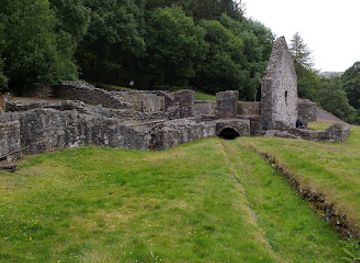
Bryntail Lead Mine Buildings
Industrial heritage preserved in a Welsh valley—where Victorian lead processing meets modern conservation.
-
Historical landmark
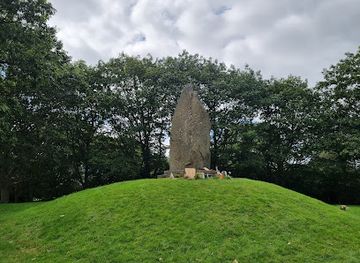
Llywelyn Monument
A solemn granite tribute in Cilmeri honoring Llywelyn ap Gruffudd, the last native Prince of Wales, set amid tranquil Welsh countryside.
-
Historical landmark
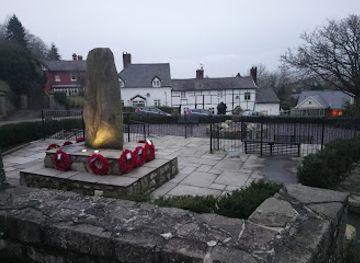
Montgomery War Memorial
A solemn white stone column on Town Hill honoring Montgomeryshire’s fallen with sweeping panoramic views across Powys.
-
Tourist attraction
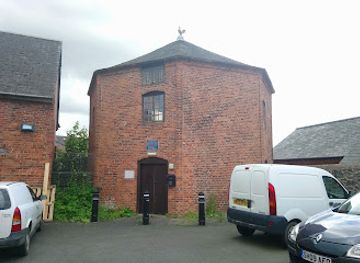
Welshpool Cockpit
Discover Welshpool Cockpit, an 18th-century octagonal historic landmark blending unique architecture with vibrant community heritage in the heart of Welshpool.
Explore Montgomeryshire on the map
Plan your trip on one map. See where the top cities, national parks and sights are, and book hotels and experiences in a few clicks.
Best hotels in Montgomeryshire
Best restaurants in Montgomeryshire
Dining in Montgomeryshire reflects its farming landscape and market-town scale. Menus commonly draw on Welsh lamb and beef, local cheeses, seasonal vegetables, trout and other regional produce, alongside familiar British pub food. Newtown, Welshpool, Machynlleth, Llanidloes and Montgomery have the broadest choice of cafés, bakeries, tearooms, pubs and independent restaurants, while rural inns often provide substantial meals in village settings. Welsh cakes, bara brith and other traditional baking are widely encountered across Wales, although they are national Welsh foods rather than exclusive specialities of Montgomeryshire. Farm shops and local markets are useful for bread, preserves, cider, vegetables and meat to take on walking days. Contemporary cooking ranges from modest café lunches to more ambitious menus using estate, farm and foraged ingredients, but opening patterns can be seasonal outside the larger towns. Booking is sensible for popular rural dining rooms and for evening meals when staying in smaller communities.
-
 Restaurant
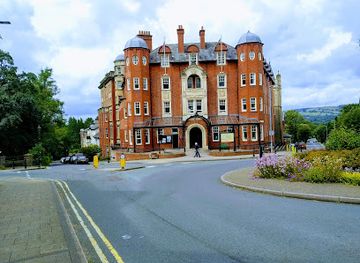
Metropole Hotel and Spa
Historic Victorian charm meets modern spa luxury in the heart of Llandrindod Wells with welcoming service and versatile amenities.
-
British
Lakeside Cafe and Catering
Charming lakeside cafe in Llandrindod Wells serving homemade British and Welsh dishes with scenic views and welcoming atmosphere.
-
Restaurant
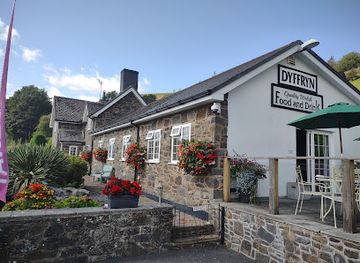
Dyffryn Cafe & Restaurant
A bright and spacious cafe-restaurant in Foel offering hearty breakfasts, homemade cakes, and a welcoming atmosphere with ample parking.
-
Restaurant
The Brigands Inn
Historic Welsh inn with cozy rooms, acclaimed dining, and stunning mountain views near Snowdonia’s southern edge.
Best bars in Montgomeryshire
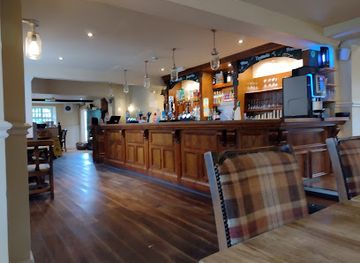
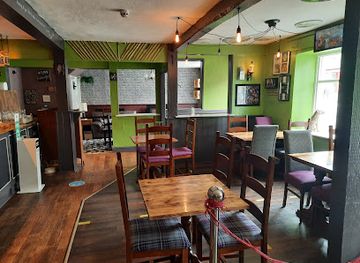
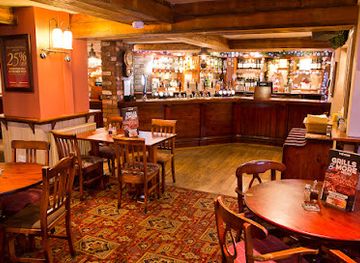
Evenings in Montgomeryshire are centred more on traditional pubs, hotel bars, restaurants and community events than on a large nightclub scene. Welshpool, Newtown and Machynlleth offer the widest selection of places for an evening drink, with Llanidloes and Montgomery providing smaller town alternatives. Rural pubs remain important social spaces and may serve local ales, ciders and food, while occasional live music, quiz nights and cultural performances add variety without creating a dedicated nightlife district. Machynlleth has a particularly strong arts and cultural presence, and larger local events can bring late-evening activity at certain times of year. Visitors staying in the western valleys should expect quiet nights, limited late transport and early closing compared with major Welsh cities. Check current arrangements locally rather than assuming that a pub or venue serves food every evening, especially outside the summer season.
-
Pub
Raven Inn
Welshpool’s welcoming pub with quality food, a lively bar, and a friendly atmosphere in the heart of Raven Square.
-
Pub
The Horseshoes Inn
Historic 17th-century Welsh country inn blending rustic charm, local cuisine, and cozy hospitality in the heart of Berriew village.
-
Bar
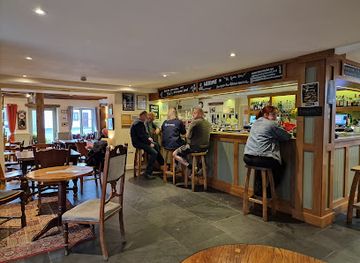
Y Llew Coch - Mach (The Red Lion Machynlleth Town)
A welcoming historic pub and lively music venue with great food and a spacious beer garden in the heart of Machynlleth.
-
Pub
Star Inn
Cosy village pub in Dinas Powys offering classic dishes, a friendly atmosphere, dog-friendly spaces, and seasonal celebrations year-round.
Best nightclubs in Montgomeryshire
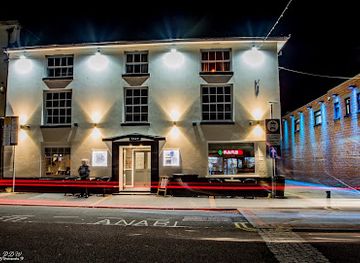
Evenings in Montgomeryshire are centred more on traditional pubs, hotel bars, restaurants and community events than on a large nightclub scene. Welshpool, Newtown and Machynlleth offer the widest selection of places for an evening drink, with Llanidloes and Montgomery providing smaller town alternatives. Rural pubs remain important social spaces and may serve local ales, ciders and food, while occasional live music, quiz nights and cultural performances add variety without creating a dedicated nightlife district. Machynlleth has a particularly strong arts and cultural presence, and larger local events can bring late-evening activity at certain times of year. Visitors staying in the western valleys should expect quiet nights, limited late transport and early closing compared with major Welsh cities. Check current arrangements locally rather than assuming that a pub or venue serves food every evening, especially outside the summer season.
-
Nightclub
Trilogy Nightclub
Experience Bangor’s vibrant nightlife at Trilogy Nightclub, where diverse music rooms and lively atmosphere create unforgettable weekend parties.
-
Social club
The Monty Club
A welcoming social and sports club in Newtown with ample space for pool, snooker, darts, and vibrant community events.
-
Club
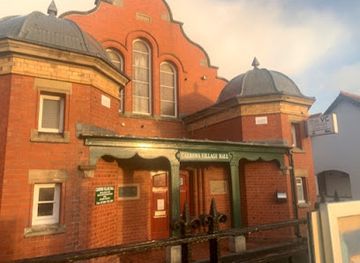
Caersws Village Club
A vibrant village club in Caersws offering lively events, warm community spirit, and a welcoming atmosphere in the heart of rural Wales.
-
Night Club
The Kirkhouse Nightclub (Koolers)
Experience Merthyr Tydfil’s vibrant nightlife at Koolers, a lively nightclub known for its friendly atmosphere and diverse music mix.


Best shops in Montgomeryshire
Shopping in Montgomeryshire is concentrated in traditional market towns rather than large retail complexes. Welshpool has the broadest practical range in the eastern part of the region, with independent shops, galleries, food retailers and access to the town's historic market traditions. Newtown provides everyday shopping alongside cafés, craft outlets and businesses serving the central Severn valley, while Machynlleth is known for independent retailers, arts-oriented shops and a strong market-town atmosphere. Llanidloes and Montgomery are suited to slower browsing among small galleries, antiques, books, crafts and locally made goods. Farm shops and food halls are useful for Welsh cheeses, chutneys, preserves, cakes, meat and seasonal produce, and can provide more representative souvenirs than generic gifts. Pottery, textiles, woodwork and artworks are available through individual makers and galleries, particularly around the western towns and valleys. Retail opening hours may be limited in smaller communities, especially on Sundays and outside the visitor season, so combine shopping with a market, heritage visit or café stop rather than relying on late trading.
-
Clothing Shop
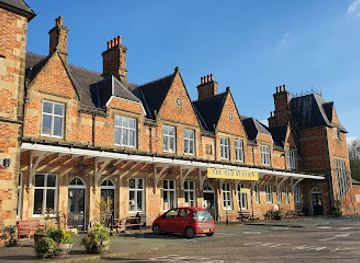
The Old Station
Historic charm meets cozy café and stylish shopping in Welshpool’s beloved Old Station on Severn Road.
-
Homewares Shop
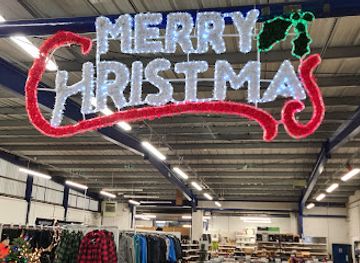
Charlies Stores
A comprehensive homewares and DIY store in Newtown offering tools, garden supplies, and workwear with friendly service and extended hours.
-
Hardware Shop
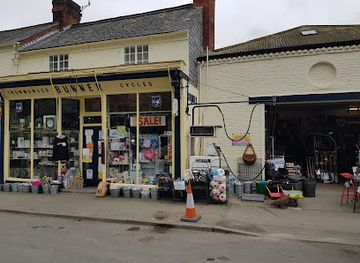
Bunners - R H Bunner & Son Ltd
Discover Bunners, Montgomery’s historic hardware emporium since 1892, offering an unmatched variety of tools, garden machinery, and more under one roof.
-
Shopping Centre
Bear Lanes
The heart of Newtown’s shopping scene, Bear Lanes offers diverse retail choices in a welcoming, family-friendly setting.
Get your free copy of our complete guide to Montgomeryshire, delivered straight to you.
Everything on this page, from attractions and restaurants to essentials and local phrases, in one PDF you can read offline, print or share.
Already have an account? Sign in
Your Montgomeryshire guide is ready.
We'll send it to · Not you? Sign out

Getting your guide ready…
We are putting together a fresh copy of the Montgomeryshire guide. This can take up to a minute.
This can take a few moments. If your browser asks, choose Allow so the download can start. You'll find the guide in your Downloads folder.
Nothing happened? Download it again
Sorry, the guide is taking longer than usual. Please try again in a minute, or get it by email instead.
Montgomeryshire essentials
Currency and Payment
Safety
Emergency Situations
Do's and Don'ts
Local Tips
From Eve
Local phrases worth knowing
You don't need to get them perfect. A few words go a long way, and locals appreciate the effort.
Basics
| English | Local | Say it |
|---|---|---|
| Hello | Howdy | [/ˈhaʊ.di/] |
| Goodbye | See ya | [/si jə/] |
| Yes | Yep | [/jɛp/] |
| No | Nah | [/nɑː/] |
| Please/You're welcome | Please/No problem | [/pliz/ /noʊ ˈprɒb.ləm/] |
| Thank you | Thanks a lot | [/θæŋks ə lɒt/] |
| Excuse me/Sorry | Pardon me/Sorry | [/ˈpɑːr.dən mi/ /ˈsɔːr.i/] |
| How are you? | How's it going? | [/haʊz ɪt ˈɡoʊ.ɪŋ/] |
| Fine. And you? | Good. And you? | [/ɡʊd. ənd ju/] |
| Do you speak English? | Can you speak English? | [/kæn ju spiːk ˈɪŋ.ɡlɪʃ/] |
| I don't understand | I don't get it | [/aɪ doʊnt ɡɛt ɪt/] |
Eating & Drinking
| English | Local | Say it |
|---|---|---|
| I'd like to see the menu, please | Can I see the menu, please? | [/kæn aɪ si ðə ˈmɛn.juː, pliz/] |
| I don't eat meat | I don't eat meat | [/aɪ doʊnt iːt miːt/] |
| Cheers! | Cheers! | [/ʧɪrz/] |
| I would like to pay, please | I'd like to settle up, please | [/aɪd laɪk tʊ ˈsɛt.əl ʌp, pliz/] |
Emergencies
| English | Local | Say it |
|---|---|---|
| Help! | Help! | [/hɛlp/] |
| Go away! | Get lost! | [/ɡɛt lɔst/] |
| Call the Police! | Call the cops! | [/kɔl ðə kɑps/] |
| Call a doctor! | Get a doctor! | [/ɡɛt ə ˈdɑk.tər/] |
| I'm lost | I'm lost | [/aɪm lɔst/] |
| I'm ill | I'm not feeling well | [/aɪm nɑt ˈfiː.lɪŋ wɛl/] |
Shopping
| English | Local | Say it |
|---|---|---|
| I'd like to buy... | I want to buy... | [/aɪ wɑnt tʊ baɪ/] |
| I'm just looking | Just browsing | [/dʒʌst ˈbraʊ.zɪŋ/] |
| How much is it? | What's the price? | [/wɑts ðə praɪs/] |
| That's too expensive | That's way too high | [/ðæts weɪ tu haɪ/] |
| Can you lower the price? | Can you bring the price down? | [/kæn ju brɪŋ ðə praɪs daʊn/] |
Time & Numbers
| English | Local | Say it |
|---|---|---|
| What time is it? | What time is it? | [/wɑt taɪm ɪz ɪt/] |
| It's one o'clock | It's one o'clock | [/ɪts wʌn əˈklɑk/] |
| Half past (10) | Half past ten | [/hæf pæst tɛn/] |
| Morning | Morning | [/ˈmɔrnɪŋ/] |
| Afternoon | Afternoon | [/ˌɑːf.tərˈnuːn/] |
| Evening | Evening | [/ˈiːv.nɪŋ/] |
| Yesterday | Yesterday | [/ˈjɛs.tər.deɪ/] |
| Today | Today | [/təˈdeɪ/] |
| Tomorrow | Tomorrow | [/təˈmɔː.roʊ/] |
| 1 | One | [/wʌn/] |
| 2 | Two | [/tu/] |
| 3 | Three | [/θri/] |
| 4 | Four | [/fɔr/] |
| 5 | Five | [/faɪv/] |
| 6 | Six | [/sɪks/] |
| 7 | Seven | [/ˈsɛv.ən/] |
| 8 | Eight | [/eɪt/] |
| 9 | Nine | [/naɪn/] |
| 10 | Ten | [/tɛn/] |
Transport & Directions
| English | Local | Say it |
|---|---|---|
| Where's a/the...? | Where's the...? | [/wɛrz ðə.../] |
| What's the address? | What's the address? | [/wɑts ði əˈdrɛs/] |
| Can you show me (on the map)? | Can you show me on the map? | [/kæn ju ʃoʊ mi ɑn ðə mæp/] |
| When's the next (bus)? | When's the next bus? | [/wɛn'z ðə nɛkst bʌs/] |
| A ticket (to ....) | A ticket to ... | [/ə ˈtɪk.ɪt tʊ .../] |
History of Montgomeryshire
Prehistoric landscapes and early settlement
Montgomeryshire contains evidence of settlement and ritual activity extending back into prehistory, including hillforts, standing stones and burial monuments associated with communities living along the Severn valley and on the surrounding uplands. Hillforts such as those at Ffridd Faldwyn near Newtown reflect the importance of defensible elevated sites during the later prehistoric and Roman periods. The surviving archaeological landscape is dispersed rather than concentrated in a single museum district, and many sites are best understood through the relationship between river valleys, pasture and high ground.
Roman occupation and the Severn frontier
Roman authority reached the region during the conquest of Wales in the first and second centuries, establishing roads, forts and administrative links across the middle Severn area. The fort at Caersws was an important Roman military and settlement site, positioned beside routes leading through mid-Wales. Roman control was less a complete transformation of local life than the imposition of military infrastructure and new political connections. Later roads and settlements often followed the same practical corridors through the valleys, leaving the Severn basin as a long-standing route across central Wales.
The medieval princes and the March
During the Middle Ages, Montgomeryshire lay within a contested zone between the Welsh principalities and the English-controlled Marches. Powys Wenwynwyn was an important medieval Welsh polity, and the remains of Dolforwyn Castle near Newtown represent the ambitions of Llywelyn ap Gruffudd, who began the castle in the late thirteenth century. Montgomery Castle, built by the English crown, formed part of a chain of fortified settlements intended to control the frontier. These castles and the planned town of Montgomery reveal the political pressure placed on the region before and after the Edwardian conquest of Wales.
Powis, estates and the Tudor transformation
Powis Castle, above Welshpool, developed from a medieval stronghold into the seat of a powerful Welsh border dynasty and later an aristocratic estate. Its transformation into a grand house and its terraced gardens reflect the changing priorities of the Tudor and Stuart eras, when military defence gave way to status, collection and cultivated landscape. The incorporation of Wales into the English legal and administrative system also altered the region's political structures, while local landowning families continued to shape towns, churches, farms and estate villages.
Wool, flannel and market-town commerce
From the early modern period into the nineteenth century, Montgomeryshire's economy depended heavily on sheep farming, wool and textile production. Newtown became a significant centre for flannel manufacture, with mills and workshops using the River Severn and later improved transport links. Welshpool, Llanidloes and other market towns connected surrounding farms with regional trade in livestock, wool, grain and manufactured goods. Industrial activity was generally smaller in scale than in south Wales, but it left a durable legacy in town houses, mills, bridges and the commercial layout of the valleys.
Railways, reservoirs and modern regional identity
The arrival of railways in the nineteenth century connected Montgomeryshire's market towns with the wider Welsh and English network, supporting trade, tourism and the movement of agricultural products. The Cambrian railway routes remain important for access to Newtown, Welshpool, Caersws and Machynlleth. The construction of Lake Vyrnwy reservoir in the late nineteenth century supplied water to Liverpool and reshaped a remote upland valley, including the displacement of the original settlement of Llanwddyn. In the modern era, Montgomeryshire's identity has increasingly combined farming, heritage, Welsh culture, conservation and outdoor recreation.
Montgomeryshire in Photos
Browse through our photo collection highlighting the charm and character of the destination.
Neighbouring regions of Montgomeryshire
The closest regions to Montgomeryshire, if you have time for more than one.
-

-

-

-

-


Swipe for more regions
Explore more

Explore more of United Kingdom
Discover the United Kingdom: A blend of rich history, stunning landscapes, and vibrant cities, offering a unique travel experience for every visitor.
Explore United Kingdom