
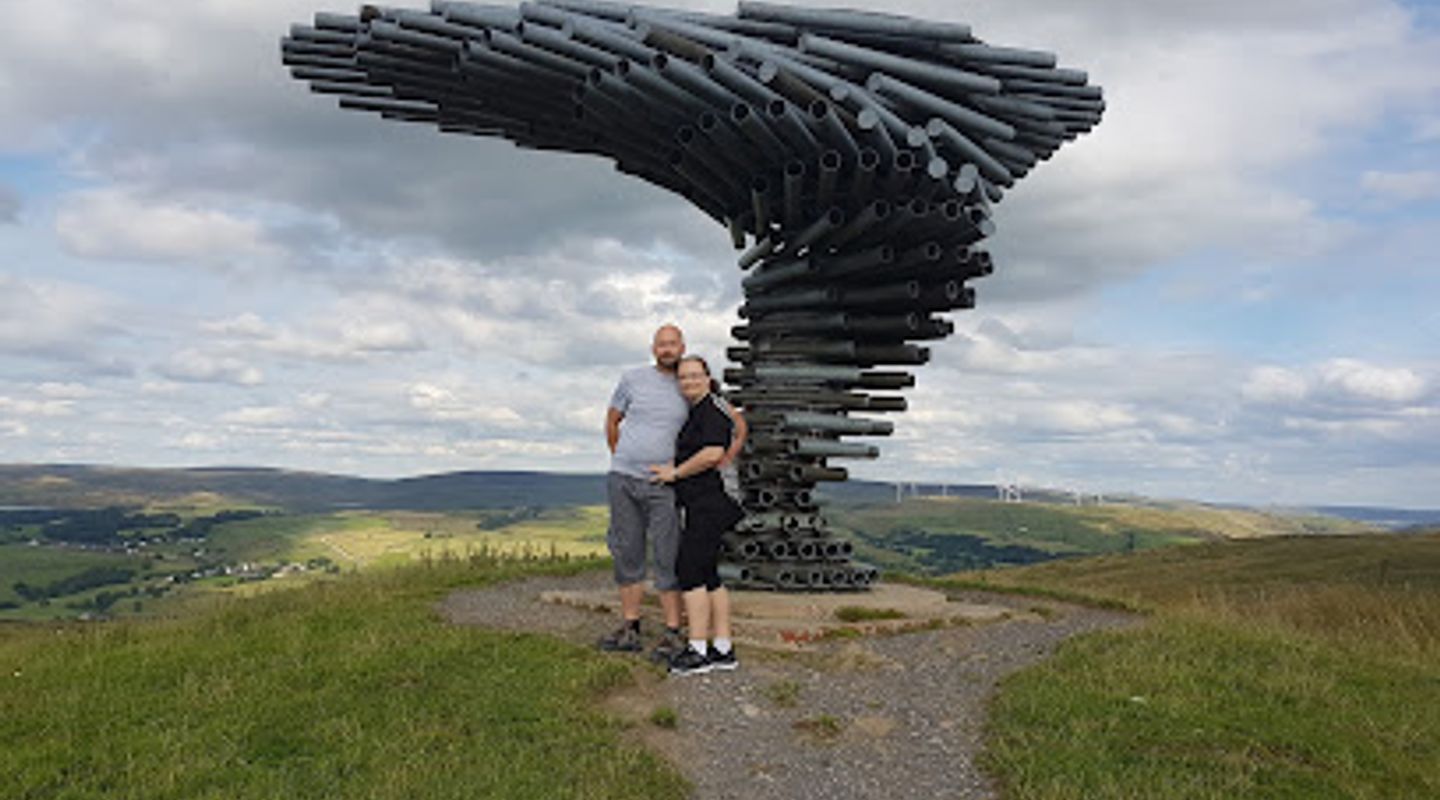
Singing Ringing Tree, North West England Travel Guide
A captivating wind-driven musical sculpture atop Burnley’s Crown Point, blending art, sound, and panoramic Pennine views.
The Singing Ringing Tree is a striking 3-meter-tall wind-powered musical sculpture made of galvanized steel pipes, perched high above Burnley on Crown Point. Designed by architects Mike Tonkin and Anna Liu and completed in 2006, this unique artwork produces haunting, melodic tones as the wind passes through its twisted pipes, blending art, architecture, and nature against the dramatic Pennine landscape. It offers panoramic views and a memorable sensory experience for visitors.
A brief summary to Singing Ringing Tree
- Crown Point Rd, Burnley, GB
- Click to display
- Click to display
- Duration: 0.5 to 2 hours
- Free
-
 Outdoor
- Mobile reception: 4 out of 5

Know before you go
Hi, I'm Eve. Here are a few practical things to know before exploring Singing Ringing Tree.
- Visit on a windy day to fully experience the sculpture’s haunting musical tones.
- Wear sturdy footwear for the short gravel path walk from the nearby car park.
- Bring a camera to capture panoramic views of Burnley and the surrounding countryside.
- Combine your visit with a walk along the Burnley Way or explore nearby Towneley Park.
Do you manage this location?
Take control to get all the benefits, like improved information, better appearance, and stronger visibility across AI-powered discovery. Learn more about listing your business on Evendo
Activate your presenceOther nearby places you may find interesting
The closest places of the same kind, if this one is not quite what you had in mind.

Explore Singing Ringing Tree on the Map
A handpicked selection of must-see spots near Singing Ringing Tree, mapped for you.
Getting There
-
Car
Driving from Burnley town center, take Manchester Road north to the crossroads, then follow Crown Point Road for about 1 mile to the car park near the sculpture. Parking is free. The drive typically takes 10-15 minutes depending on traffic.
-
Bus and Walk
Take a local bus from Burnley bus station towards the Crown Point area, then walk approximately 500 meters along a gravel path to the sculpture. The walk is on uneven terrain but generally accessible. Bus fares range from £2 to £4.
-
Walking
From Towneley Park in Burnley, a scenic but longer walk of about 3 miles on mixed terrain leads to the Singing Ringing Tree. The route includes moorland paths and is suitable for experienced walkers. Allow 1.5 to 2 hours.
For the on-the-go comforts that matter to you
-
 Restrooms
-
 Seating Areas
-
 Trash Bins
-
 Information Boards
Discover more about Singing Ringing Tree
A Sculptural Symphony in the Pennines
Rising three meters tall, the Singing Ringing Tree is a remarkable wind-driven musical sculpture crafted from galvanized steel pipes. Its design mimics a windswept tree, with pipes swirling and bending as if shaped by the elements. When the strong winds of Crown Point blow through its hollow pipes, it produces a hauntingly beautiful and eerie melody that spans several octaves. The sound is both discordant and melancholic, creating an atmospheric harmony that resonates across the moorland and can be heard for miles on windy days.Design Origins and Artistic Vision
Completed in 2006, the sculpture was conceived by award-winning architects Mike Tonkin and Anna Liu as part of the East Lancashire Environmental Arts Network’s project to create iconic landmarks across the region. The site previously housed a re-diffusion transmission station, which was dismantled to make way for this innovative artwork. The pipes are carefully tuned, with narrow slits cut on their undersides to vary the tones they produce. The sculpture’s name nods to a 1960s/70s BBC children’s TV series of the same name, known for its eerie and surreal mood, which complements the sculpture’s haunting sounds.Setting and Panoramic Vistas
Situated atop Crown Point, the Singing Ringing Tree overlooks the town of Burnley and the surrounding Pennine hills, offering sweeping panoramic views. The stark, rolling landscape provides a dramatic backdrop to the sculpture, enhancing its visual and auditory impact. Visitors can enjoy the natural beauty of the area alongside the artistic marvel, making it a compelling destination for both nature lovers and art enthusiasts.Recognition and Cultural Significance
The Singing Ringing Tree has been recognized as one of the landmarks defining 21st-century Britain, receiving the Royal Institute of British Architects (RIBA) National Award for architectural excellence in 2007. It is one of four 'panopticons'—structures designed to provide panoramic views—scattered throughout Lancashire. The sculpture represents a fusion of environmental art, architecture, and community identity, symbolizing the region’s creative spirit.Visitor Experience and Accessibility
Access to the Singing Ringing Tree is straightforward, with a car park located about a five-minute walk away along a gravel path. The walk is gentle and suitable for most visitors, providing a pleasant approach through the moorland landscape. The site is open year-round and free to visit, making it an accessible cultural highlight. On windy days, the sculpture’s musical tones come alive, offering a unique sensory encounter that changes with the weather.Environmental and Artistic Harmony
The sculpture’s integration into the natural environment emphasizes sustainability and respect for the landscape. Made from recycled materials from the former transmission station, it reflects a low-impact artistic approach. The interplay of wind, sound, and steel creates a dynamic piece that is both a visual landmark and an acoustic instrument, inviting visitors to experience the convergence of nature and human creativity in an extraordinary way.












Your all‑in‑one travel companion app
Explore expert travel guides, compare and book tours, experiences, hotels, and more—all from the palm of your hand. Download now for seamless trip planning wherever your wanderlust takes you.


Explore More of North West England

Looking beyond Singing Ringing Tree? Discover North West England for broader travel guides, local hot-spots, and regional highlights.
Explore North West England
Discover Alkincoats Park, Colne’s historic and scenic green space offering gardens, sports, and family-friendly fun across 38 acres.
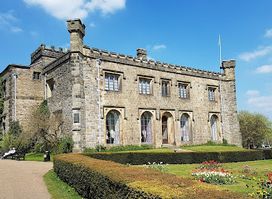
Historic Towneley Hall in Burnley: centuries-old family estate turned museum with fine art, Baroque interiors, and expansive public parkland.
