
Dacre Hall, Northumberland Travel Guide
Historic Tudor mansion within Lanercost Priory grounds, showcasing centuries of border heritage and noble legacy.
Dacre Hall, located within the grounds of Lanercost Priory near Brampton, Cumbria, is a Grade I listed historic building originally part of the 12th-century priory cloisters. Converted into a Tudor mansion in the mid-16th century by Sir Thomas Dacre, it features a grand hall with fine wall paintings and heraldic decorations. Now serving as Lanercost Village Hall, it remains a significant heritage site reflecting centuries of border history and noble patronage.
A brief summary to Dacre Hall
- Duration: 1 to 2.5 hours
- Budget
-
 Outdoor
- Mobile reception: 4 out of 5

Know before you go
Hi, I'm Eve. Here are a few practical things to know before exploring Dacre Hall.
- Visit during local community events when Dacre Hall is occasionally open to the public.
- Explore the nearby Lanercost Priory ruins and parish church for a fuller historical context.
- Bring a camera to capture the Tudor architectural details and surrounding Cumbrian landscape.
- Check seasonal opening times and local event schedules before planning your visit.
Do you manage this location?
Take control to get all the benefits, like improved information, better appearance, and stronger visibility across AI-powered discovery. Learn more about listing your business on Evendo
Activate your presenceOther nearby places you may find interesting
The closest places of the same kind, if this one is not quite what you had in mind.

Explore Dacre Hall on the Map
A handpicked selection of must-see spots near Dacre Hall, mapped for you.
Getting There
-
Car
Driving from Brampton town center takes approximately 15-20 minutes via the A689 and B6413 roads. Parking is available near Lanercost Priory, but spaces can be limited during events. No parking directly at Dacre Hall.
-
Bus
Local bus services connect Brampton to Lanercost village with a travel time of around 25-35 minutes. Services run less frequently on weekends and public holidays. From the village, a 10-minute walk on rural roads leads to Dacre Hall.
-
Walking
For walkers, a scenic 5-kilometer route from Brampton follows country lanes and footpaths, requiring moderate fitness due to uneven terrain. Suitable for most walkers but not wheelchair accessible.
For the on-the-go comforts that matter to you
-
 Restrooms
-
 Drink Options
-
 Food Options
-
 Seating Areas
-
 Information Boards
Discover more about Dacre Hall
Origins and Medieval Foundations
Dacre Hall began life in the mid-12th century as the west range of cloisters for Lanercost Priory, an Augustinian religious house founded around 1169 by Robert de Vaux. The priory was established as a symbol of Norman consolidation on the English-Scottish border and was built using stones from nearby Hadrian's Wall. The site witnessed turbulent border conflicts, including raids by Scottish forces and royal occupations, which left much of the priory in ruin over the centuries.Transformation into a Tudor Residence
In 1542, following the Dissolution of the Monasteries, the priory’s west cloister was granted to Sir Thomas Dacre, a notable border soldier and nobleman. He converted this section into a private family home, now known as Dacre Hall. The first floor was transformed into a great hall stretching some 30 meters, featuring a magnificent fireplace and large windows. Around 1560, Sir Thomas commissioned elaborate wall paintings, including a grand coat of arms and heraldic friezes celebrating the Dacre lineage.Architectural and Artistic Features
Dacre Hall’s Tudor architecture blends medieval monastic elements with Renaissance domestic style. The great hall’s plaster frieze and stained glass fragments, some now preserved in the nearby parish church, exemplify the artistic patronage of the Dacre family. The adjoining Dacre Tower, linked to the hall, reflects the fortified nature of border homes during this volatile period. Later modifications in the 19th century adapted parts of the building for community use.Legacy and Community Role
The Dacre family maintained ownership until the early 18th century, after which the estate passed to the Earls of Carlisle. By the 20th century, upkeep became challenging, and in 1952 the hall was gifted to the local community, becoming Lanercost Village Hall. It is reputedly the oldest village hall building in England and remains a focal point for local events. The adjacent priory church of St Mary Magdalene continues as an active parish church.Historical Significance and Preservation
Dacre Hall stands as a testament to the complex history of the Anglo-Scottish borderlands, reflecting shifts from monastic life to noble residence and community use. Its Grade I listing recognizes its exceptional architectural and historic interest. Conservation efforts over the centuries have preserved key features, allowing visitors to appreciate the layered history embodied in its walls.Visiting and Cultural Context
Although not generally open to the public except during community events, Dacre Hall’s proximity to Lanercost Priory offers visitors a rich historical experience. The site encapsulates stories of medieval piety, Tudor power, border warfare, and local heritage, set within the scenic Cumbrian countryside near Hadrian’s Wall.












Your all‑in‑one travel companion app
Explore expert travel guides, compare and book tours, experiences, hotels, and more—all from the palm of your hand. Download now for seamless trip planning wherever your wanderlust takes you.


Explore More of Northumberland
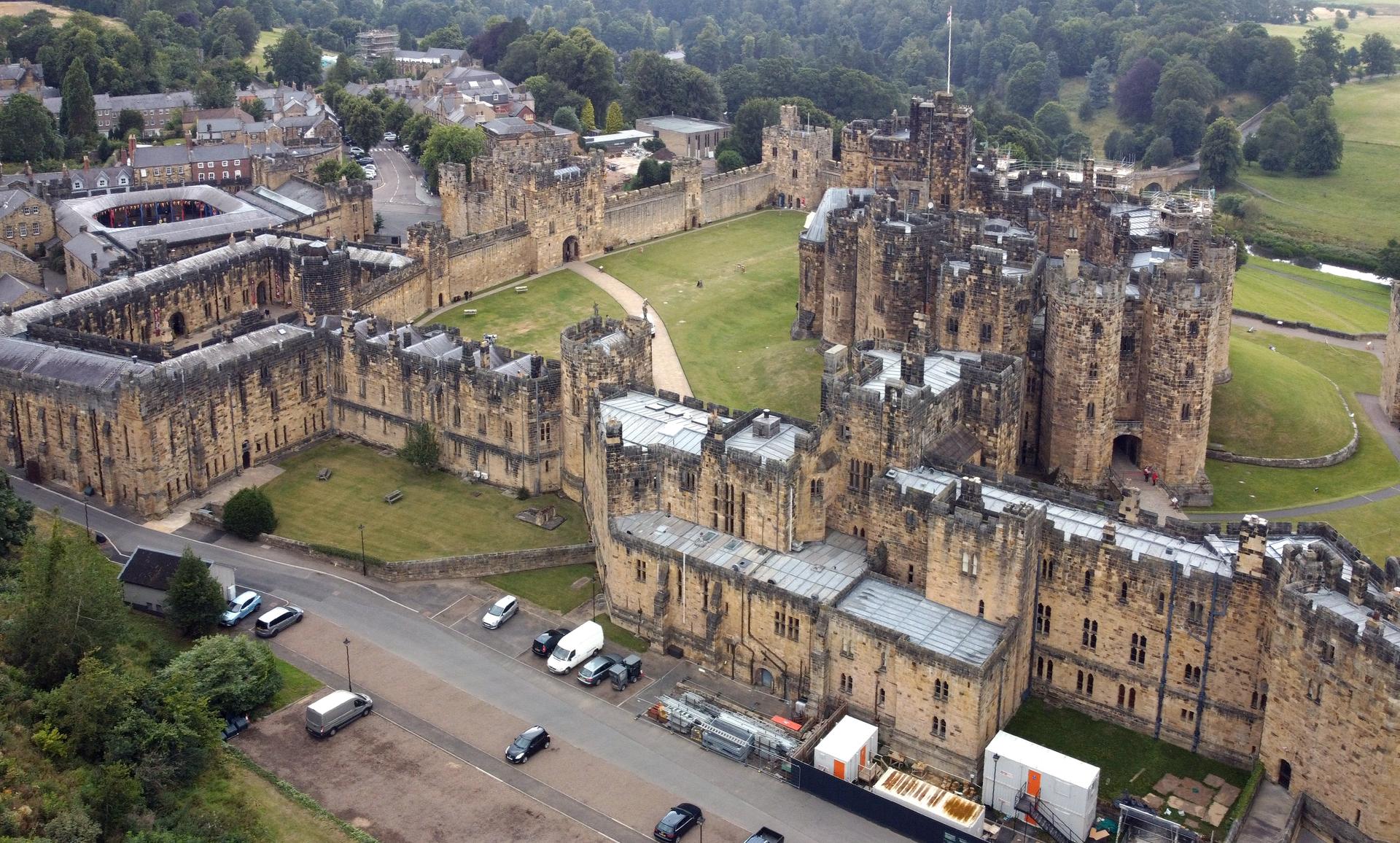
Looking beyond Dacre Hall? Discover Northumberland for broader travel guides, local hot-spots, and regional highlights.
Explore Northumberland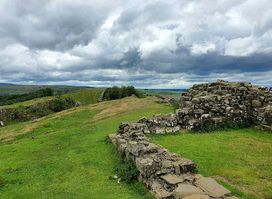
Explore ancient Roman history and tranquil nature at Walltown Quarry Country Park, where Hadrian’s Wall meets scenic Northumberland landscapes.
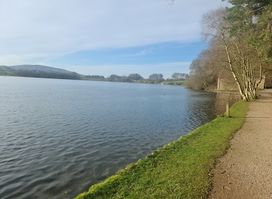
Explore Talkin Tarn Country Park’s glacial lake, accessible trails, rich wildlife, and family-friendly outdoor activities set against stunning Pennine Hills.
