

Free Northumberland Travel Guide & Mobile App
Explore Northumberland with free travel guides. Discover regional history, expert tips, proposed trips, and audio guides on web or mobile app.


Explore Northumberland’s castles, tidal coast, Roman frontier, dark skies and Cheviot landscapes through historic towns and open countryside.
Read more about Northumberland
When is the best time to visit Northumberland?
Best: June–August · 20–22°C| Month | High (°C) | Rainfall (mm) |
|---|---|---|
| January | 8 | 58 |
| February | 8 | 46 |
| March | 11 | 40 |
| April | 13 | 37 |
| May | 17 | 45 |
| June (best) | 20 | 56 |
| July (best) | 22 | 61 |
| August (best) | 22 | 60 |
| September | 19 | 55 |
| October | 15 | 66 |
| November | 10 | 70 |
| December | 8 | 66 |
Getting to and around Northumberland
How to get there
Transportation
Top city travel guides in Northumberland
The cities of Northumberland, and the easiest places to base yourself.
-
 Newcastle upon Tyne
 travel guide: explore bridges, medieval streets, museums, Geordie culture, riverside walks and lively North East food and nightlife.
Newcastle upon Tyne
Newcastle upon Tyne travel guide: explore bridges, medieval streets, museums, Geordie culture, riverside walks and lively North East food and nightlife.
-
 Durham
, England, pairs a UNESCO-listed cathedral and castle with riverside walks, medieval streets, museums, galleries and easy access to Northeast heritage and coast.
Durham
Durham, England, pairs a UNESCO-listed cathedral and castle with riverside walks, medieval streets, museums, galleries and easy access to Northeast heritage and coast.
Swipe for more cities
Destinations in Northumberland
Resorts, valleys and scenic spots worth a trip of their own.

Swipe for more destinations
Best attractions in Northumberland
Northumberland’s attractions are dispersed across a large, lightly settled county, with several distinct travel landscapes rather than one concentrated visitor centre. The Northumberland coast combines sandy beaches, dunes, fishing villages and wildlife excursions to the Farne Islands, where seabirds and seals are major seasonal draws. Holy Island adds a tidal journey, a historic priory and a compact settlement shaped by centuries of religious and maritime history. Inland, Alnwick Castle and its gardens, Warkworth Castle and the ruins of Dunstanburgh Castle provide different perspectives on aristocratic power and medieval defence. Hadrian’s Wall is the county’s defining archaeological landscape, with Roman forts, frontier roads and walking routes extending through open countryside. Northumberland National Park offers hillwalking, cycling, reservoirs, forests and some of England’s darkest skies, while the Cheviot Hills provide more demanding upland routes. Hexham Abbey, Brinkburn Priory and smaller fortified churches broaden the heritage story beyond the major castles. Museums, galleries, farm attractions and market-town events add cultural depth, but opening arrangements and seasonal transport vary, so rural itineraries need advance planning.
-
Castle
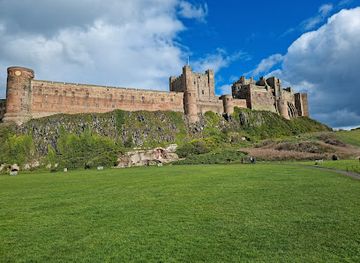
Bamburgh Castle
Explore Bamburgh Castle, a majestic medieval fortress with royal history, stunning coastal views, and a rich cultural legacy on England’s Northumberland coast.
-
Garden
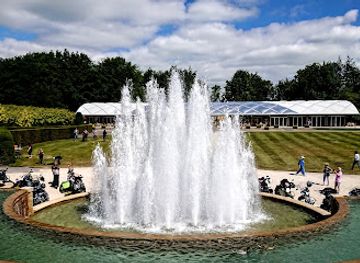
The Alnwick Garden
Discover a visionary garden where water dances, poisonous plants tell stories, and nature blooms in Northumberland’s contemporary oasis.
-
Book Shop
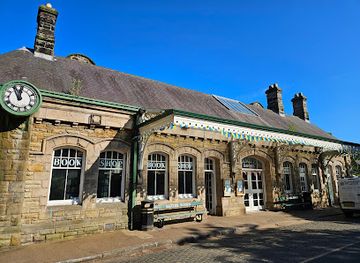
Barter Books
Discover a treasure trove of secondhand books and literary charm in a historic Victorian station at Barter Books, Alnwick.
-
Sculpture
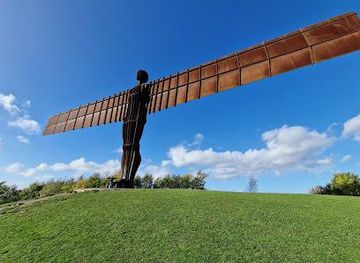
Angel of the North
A towering steel angel with outstretched wings, symbolizing hope and transformation above Gateshead’s skyline.
Best landmarks in Northumberland
Bamburgh Castle is Northumberland’s most recognisable coastal landmark, occupying a dramatic basalt outcrop above the beach and recalling the area’s importance to the medieval kingdom of Bernicia and later border history. Nearby Lindisfarne Priory represents the enduring religious significance of Holy Island, reached by a causeway whose access is governed by the tide. Alnwick Castle remains a powerful architectural symbol of the Percy family and the county’s aristocratic past, while Warkworth Castle commands a bend in the River Coquet from its elevated medieval site. Dunstanburgh Castle, reached on foot from Craster, is especially evocative as a ruined fortress set against the North Sea. In the west, Hadrian’s Wall, Housesteads Roman Fort and the remains at Vindolanda mark the former edge of the Roman Empire and give the upland landscape its historical framework. Hexham Abbey, with its long ecclesiastical history, and the Cheviot Hills, including the distinctive summit of The Cheviot, add religious and natural landmarks to the county’s architectural and geographical profile.
-
Castle
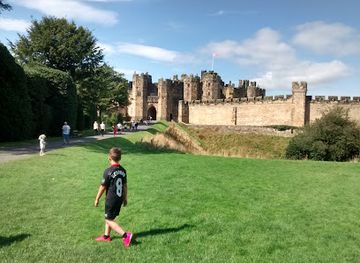
Alnwick Castle
Medieval fortress, aristocratic grandeur, and Harry Potter magic converge at this 950-year-old castle.
-
Abbey
Hexham Abbey
Medieval sanctuary where 1,350 years of faith, art, and history converge in Northumberland's most treasured abbey.
-
Historical landmark
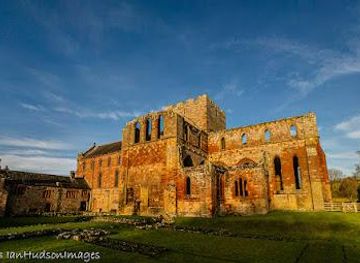
Lanercost Priory
Medieval Augustinian priory where kings sheltered and history unfolded amid Scottish raids and monastic devotion.
-
Historical landmark
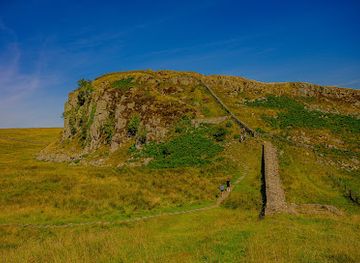
Sycamore Gap
Discover the dramatic Sycamore Gap on Hadrian's Wall, a historic and scenic landmark famed for its iconic tree and breathtaking landscapes.

Explore Northumberland on the map
Plan your trip on one map. See where the top cities, national parks and sights are, and book hotels and experiences in a few clicks.
Best hotels in Northumberland
Best restaurants in Northumberland
Northumberland’s food reflects its coast, farms, uplands and market towns. Seafood is central in coastal communities, with Craster particularly associated with traditionally smoked kippers; local menus may also feature crab, lobster and other North Sea catches when available. Inland cooking draws on lamb, beef, game, seasonal vegetables and farmhouse produce, while village pubs, rural inns and cafés often provide the most direct introduction to regional ingredients. Alnwick, Berwick-upon-Tweed, Hexham and Morpeth offer the widest range of restaurants, from contemporary kitchens to bakeries and informal cafés. Farm shops and farmers’ markets are useful for Northumberland cheeses, preserves, bread, smoked foods and locally produced drinks. Lindisfarne mead is a distinctive visitor purchase associated with Holy Island, although it is best regarded as a speciality product rather than a universal feature of local dining. In the countryside, booking ahead is prudent because many establishments have limited capacity or seasonal schedules, and distances between settlements can make spontaneous evening dining difficult.
-
Restaurant
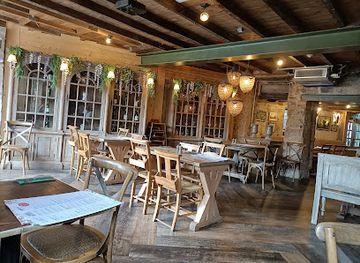
The Dirty Bottles
Historic Alnwick pub-inn where smokehouse feasts, craft pours, and quirky rooms fuel castle adventures in Northumberland's medieval heart.
-
Seafood
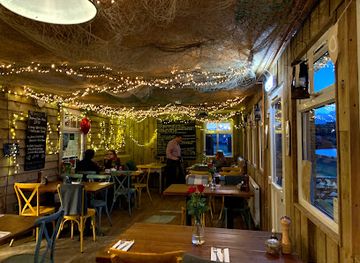
The Fish Shack
Rustic seafood dining on Amble’s harbour, serving fresh local catch with stunning views and cozy charm.
-
Modern British
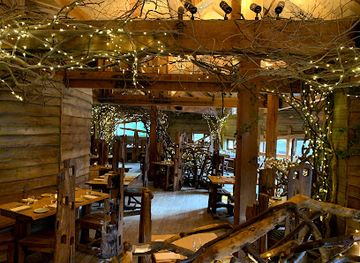
The Treehouse Restaurant
Dine enchanted in the treetops of The Alnwick Garden, where local British flavors meet magical woodland charm and handcrafted rustic elegance.
-
Restaurant
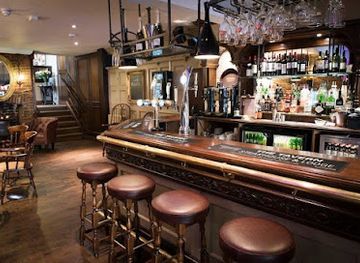
The Market Tavern, Steakhouse and Lodge
Traditional Northumberland pub serving locally sourced steaks and ales in the heart of historic Alnwick.
Best bars in Northumberland
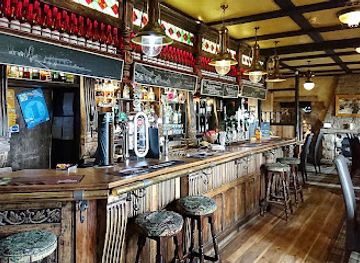
Evening life in Northumberland is centred more on traditional pubs, restaurants, breweries and live music than on a large nightclub scene. Alnwick, Berwick-upon-Tweed, Hexham and Morpeth have the broadest choice of pubs and bars, while coastal towns and villages offer seasonal seafront or harbour-side drinking and dining. Historic inns and village pubs provide settings for local ales, conversation and food, but opening patterns can be quieter in rural districts and late transport is limited. Some larger towns host live music, theatre performances and occasional arts events, while independent cafés and restaurants may create a more relaxed evening culture. The county’s dark skies and rural character also encourage non-alcoholic evening activities such as stargazing and night walks with suitable preparation. Visitors staying outside the main towns should arrange taxis or accommodation transport in advance rather than assuming that a regular late bus service will be available.
-
Pub
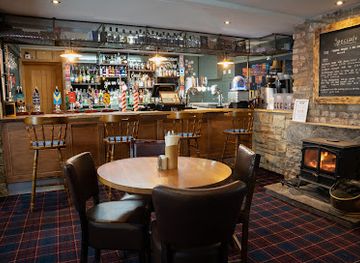
The Twice Brewed Inn
Historic pub and cozy inn near Hadrian’s Wall, offering hearty meals, award-winning brews, and unique stargazing in scenic Northumberland.
-
Pub
The Cook & Barker Inn
A charming traditional English pub with superb food, cozy rooms, and authentic Northumberland hospitality in Newton-on-the-Moor.
-
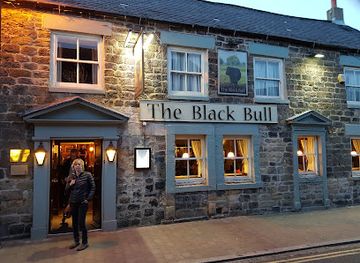
Pub
Black Bull
Historic 18th-century pub in Corbridge offering traditional British fare, local ales, and a warm, welcoming atmosphere in Northumberland.
-
 Hotel
HotelAnglers Arms
A charming four-star country inn in Northumberland offering cozy rooms, hearty cuisine, and warm hospitality in a tranquil rural setting.
Best nightclubs in Northumberland
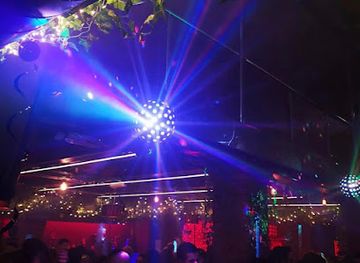
Evening life in Northumberland is centred more on traditional pubs, restaurants, breweries and live music than on a large nightclub scene. Alnwick, Berwick-upon-Tweed, Hexham and Morpeth have the broadest choice of pubs and bars, while coastal towns and villages offer seasonal seafront or harbour-side drinking and dining. Historic inns and village pubs provide settings for local ales, conversation and food, but opening patterns can be quieter in rural districts and late transport is limited. Some larger towns host live music, theatre performances and occasional arts events, while independent cafés and restaurants may create a more relaxed evening culture. The county’s dark skies and rural character also encourage non-alcoholic evening activities such as stargazing and night walks with suitable preparation. Visitors staying outside the main towns should arrange taxis or accommodation transport in advance rather than assuming that a regular late bus service will be available.
-
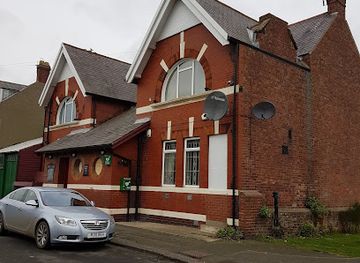
Club
The Brick Club, Red Row Working Mens Club
A welcoming traditional working men's club in Morpeth offering authentic local atmosphere, classic ales, and a strong community spirit.
-
Nightclub
Dance Delicious
Experience vibrant nightlife and energetic dancing at Dance Delicious, Ashington’s modern and spacious nightclub hotspot.
-
Nightclub
GREEN HOUSE | Berwick Upon Tweed
Experience Berwick’s vibrant nightlife at GREEN HOUSE, a lively nightclub in the town center pulsing with music and weekend energy.
-
Night Club
Knightrider Discos
Experience Morpeth’s vibrant disco nights and energetic dancefloor at Knightrider Discos, the heartbeat of local nightlife.


Best shops in Northumberland
Shopping in Northumberland is concentrated in market towns, coastal communities and independent rural businesses rather than large-scale retail districts. Alnwick, Berwick-upon-Tweed, Hexham and Morpeth combine everyday high-street shopping with bookshops, galleries, antiques, cafés and locally owned specialist stores. Coastal villages provide opportunities to buy artwork, photography, crafts and maritime-themed goods, while farm shops and food halls stock regional cheeses, preserves, smoked fish, baking, drinks and seasonal produce. Holy Island is associated with religious and island-inspired crafts as well as Lindisfarne mead, and the larger towns offer more practical choices for outdoor clothing and walking equipment. Markets and seasonal fairs vary by town and date, so check local arrangements before making a special journey. For distinctive souvenirs, locally produced food, handmade pottery, textiles, jewellery and prints generally provide a stronger connection with Northumberland than generic castle merchandise.
-
Shopping Centre
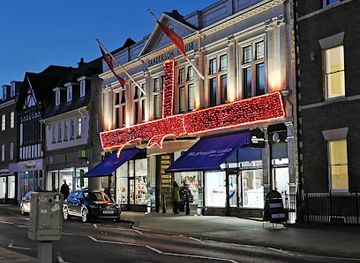
Sanderson Arcade
A vibrant shopping centre in Morpeth blending popular brands with unique local boutiques and a welcoming atmosphere.
-
Clothing Shop
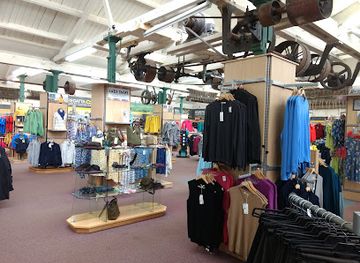
Otterburn Mill Shop and Café, Otterburn
Historic mill shop and cozy café nestled in Northumberland’s scenic Otterburn, blending outdoor gear, homemade food, and tranquil picnic grounds.
-
Supermarket
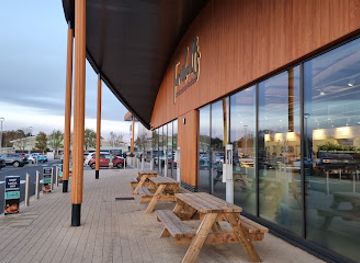
Tesco Extra
A versatile and convenient supermarket hub in Hexham’s Tynedale Retail Park, offering extended hours, fresh produce, clothing, and modern shopping services.
-
Shopping Centre
Willowburn Retail Park
A convenient and diverse retail hub in Alnwick offering national brands and local specialties with ample parking and easy A1 access.

Get your free copy of our complete guide to Northumberland, delivered straight to you.
Everything on this page, from attractions and restaurants to essentials and local phrases, in one PDF you can read offline, print or share.
Already have an account? Sign in
Your Northumberland guide is ready.
We'll send it to · Not you? Sign out

Getting your guide ready…
We are putting together a fresh copy of the Northumberland guide. This can take up to a minute.
This can take a few moments. If your browser asks, choose Allow so the download can start. You'll find the guide in your Downloads folder.
Nothing happened? Download it again
Sorry, the guide is taking longer than usual. Please try again in a minute, or get it by email instead.
Northumberland essentials
Currency and Payment
Safety
Emergency Situations
Do's and Don'ts
Local Tips
From Eve
Local phrases worth knowing
You don't need to get them perfect. A few words go a long way, and locals appreciate the effort.
Basics
| English | Local | Say it |
|---|---|---|
| Hello | Hiya | [hee-yah] |
| Goodbye | Ta-ra | [tah-rah] |
| Yes | Aye | [eye] |
| No | Naa | [nah] |
| Please/You're welcome | Please / Nae bother | [pleez / nay boh-thur] |
| Thank you | Cheers | [cheerz] |
| Excuse me/Sorry | Excuse me / Sorry | [ex-kyoos mee / sor-ree] |
| How are you? | Howay? | [hoh-way] |
| Fine. And you? | Aye, am fine. And yersel'? | [eye, am fine. And yer-sell?] |
| Do you speak English? | D'ye speak English? | [d'ye speek in-glish] |
| I don't understand | Ah divn't understand | [ah div-nt un-der-stand] |
Eating & Drinking
| English | Local | Say it |
|---|---|---|
| I'd like to see the menu, please | Can ah see the menu, please? | [kan ah see thuh men-yoo, pleez?] |
| I don't eat meat | Ah divn't eat meat | [ah div-nt eet meet] |
| Cheers! | Cheers! | [cheerz] |
| I would like to pay, please | Can ah pay, please? | [kan ah pay, pleez?] |
Emergencies
| English | Local | Say it |
|---|---|---|
| Help! | Help! | [help] |
| Go away! | Gerrout! | [ger-out] |
| Call the Police! | Call the Police! | [call thuh po-lees] |
| Call a doctor! | Call a doc! | [call a dock] |
| I'm lost | Ah'm lost | [ah'm lost] |
| I'm ill | Ah'm poorly | [ah'm poo-er-lee] |
Shopping
| English | Local | Say it |
|---|---|---|
| I'd like to buy... | Ah'd like to buy... | [ah'd like to buy...] |
| I'm just looking | Ah'm just lookin' | [ah'm just look-in'] |
| How much is it? | How much is it? | [how much iz it?] |
| That's too expensive | That's too dear | [that's too deer] |
| Can you lower the price? | Can ye lower the price? | [kan ye loh-er thuh prys?] |
Time & Numbers
| English | Local | Say it |
|---|---|---|
| What time is it? | Wot time is it? | [wot tym iz it?] |
| It's one o'clock | It's one o'clock | [its wun uh-clock] |
| Half past (10) | Half past ten | [half past ten] |
| Morning | Mornin' | [mor-nin'] |
| Afternoon | Aft'noon | [aft-noon] |
| Evening | Evenin' | [eev-nin'] |
| Yesterday | Yest'day | [yest-day] |
| Today | T'day | [t'day] |
| Tomorrow | T'morrow | [t'mor-row] |
| 1 | One | [wun] |
| 2 | Two | [too] |
| 3 | Three | [three] |
| 4 | Four | [for] |
| 5 | Five | [five] |
| 6 | Six | [six] |
| 7 | Seven | [sev-en] |
| 8 | Eight | [ayt] |
| 9 | Nine | [nayn] |
| 10 | Ten | [ten] |
Transport & Directions
| English | Local | Say it |
|---|---|---|
| Where's a/the...? | Whe's the...? | [whe's thuh...?] |
| What's the address? | Wot's the address? | [wot's thuh ad-dress?] |
| Can you show me (on the map)? | Can ye show me (on the map)? | [kan ye shoh mee (on thuh map)?] |
| When's the next (bus)? | When's the next (bus)? | [wen's thuh next (bus)?] |
| A ticket (to ....) | A ticket (to ....) | [a tick-it (to....)] |
History of Northumberland
Prehistoric Landscapes and Early Settlement
Northumberland contains evidence of settlement and ritual activity dating from prehistoric periods, including stone monuments, burial sites and later hillforts on prominent ridges. These remains reveal how communities used the county’s river valleys, uplands and coastal resources long before written records. Hillforts such as Yeavering Bell, associated with the Cheviot area, demonstrate the importance of defended elevated sites during the Iron Age. Much of this archaeological legacy survives as earthworks in open landscapes rather than as monumental ruins, making careful observation and informed walking especially rewarding.
The Roman Frontier and Hadrian’s Wall
The Roman conquest brought Northumberland into a militarised frontier zone. Hadrian’s Wall, begun in the second century, crossed the county from the Tyne valley towards the Solway coast, with forts, milecastles, turrets, roads and civilian settlements supporting the defensive system. Vindolanda, Housesteads and nearby frontier sites preserve different aspects of Roman military and daily life. The wall was not simply a single barrier: it controlled movement, displayed imperial power and connected soldiers and communities across the northern edge of Roman Britain.
The Kingdom of Northumbria
In the early medieval period, much of northern England formed part of the Kingdom of Northumbria, whose political and religious influence extended well beyond present county boundaries. The monastery at Lindisfarne, founded in the seventh century, became a major centre of Christian learning and manuscript culture. The later Viking attack on Lindisfarne in 793 entered European historical memory, although the community’s story continued afterwards. Churches, carved stones and archaeological sites across the county reflect the interaction of Christian, Anglo-Saxon and later Norse influences.
Medieval Castles and Border Warfare
For centuries, Northumberland’s location beside Scotland made it a contested frontier. Castles at Bamburgh, Alnwick, Berwick and elsewhere protected strategic routes and served as residences as well as military strongholds. The region experienced raids, sieges and shifting political control during the medieval conflicts between the English and Scottish crowns. Powerful families, notably the Percys of Northumberland, shaped local politics and architecture. Many surviving castles and fortified churches are best understood within this long period of insecurity rather than as isolated picturesque ruins.
Monasteries, Landholding and Religious Change
Medieval religious houses were important landowners, economic centres and cultural institutions. Lindisfarne Priory, Hexham Abbey and the remains of Brinkburn Priory illustrate different phases of Northumberland’s ecclesiastical history, from early Christian foundations to later Augustinian communities. Monasteries managed farms, fisheries and estates, while churches connected local communities to wider religious networks. The Dissolution of the Monasteries in the sixteenth century transformed this landscape, with buildings and lands passing into private hands and some religious sites becoming ruins or elements of later estates.
Border Estates and the Percy Legacy
From the later medieval period into the modern era, the Percy family became closely associated with Alnwick Castle and the title of Duke of Northumberland. Their influence extended through landholding, politics and patronage, helping shape the architecture and designed landscapes of central Northumberland. The county’s great houses and estates also reflect broader changes in British society, including agricultural improvement, estate management and the transformation of medieval fortresses into residences. Alnwick remains the clearest architectural expression of this enduring regional connection.
Coal, Ports and Industrial Change
Industrialisation influenced Northumberland’s southern and coastal districts through coal mining, quarrying, railways and port activity. The Tyne and Blyth areas became linked to wider networks of extraction and export, while smaller coastal communities maintained fishing and maritime trades. Industrial employment altered settlement patterns and connected rural districts to growing towns, although many collieries and associated industries later declined. Today, traces of this history survive in railway alignments, harbour structures, mining landscapes and the social memory of communities whose economies were once closely tied to coal.
Conservation and the Modern County
Twentieth-century economic change was accompanied by a growing emphasis on landscape and heritage conservation. Northumberland National Park, established in 1956, protects extensive upland scenery, while the Northumberland Coast and its islands are valued for habitats, geology and birdlife. Hadrian’s Wall and the region’s castles, abbeys and archaeological sites have become central to cultural tourism. The modern county therefore balances farming, forestry, conservation and tourism, with dark-sky recognition and protected coastal environments reinforcing Northumberland’s reputation for spacious, carefully managed landscapes.
Northumberland in Photos
Browse through our photo collection highlighting the charm and character of the destination.
Neighbouring regions of Northumberland
The closest regions to Northumberland, if you have time for more than one.
-
 North East England
Explore North East England for Newcastle culture, Roman heritage, Northumberland castles, Durham history and a windswept North Sea coast.
North East England
Explore North East England for Newcastle culture, Roman heritage, Northumberland castles, Durham history and a windswept North Sea coast.
-
 Roxburghshire
Discover the enchanting landscapes and rich history of Roxburghshire, a picturesque region in the Scottish Borders known for its ancient castles, scenic hills, and vibrant market towns.
Roxburghshire
Discover the enchanting landscapes and rich history of Roxburghshire, a picturesque region in the Scottish Borders known for its ancient castles, scenic hills, and vibrant market towns.
-
 Selkirkshire
Discover the enchanting beauty and rich history of Selkirkshire, the heart of the Scottish Borders, where nature, tradition, and culture come together.
Selkirkshire
Discover the enchanting beauty and rich history of Selkirkshire, the heart of the Scottish Borders, where nature, tradition, and culture come together.
-
 Berwickshire
Discover Berwickshire: A blend of coastal beauty, historic landmarks, and charming villages in Scotland's serene southeastern corner.
Berwickshire
Discover Berwickshire: A blend of coastal beauty, historic landmarks, and charming villages in Scotland's serene southeastern corner.
-
 Dumfriesshire
Discover Dumfriesshire: Immerse yourself in Scotland's rich history, stunning landscapes, and vibrant arts scene, all nestled in the serene southwest.
Dumfriesshire
Discover Dumfriesshire: Immerse yourself in Scotland's rich history, stunning landscapes, and vibrant arts scene, all nestled in the serene southwest.
Swipe for more regions

