Carrow Abbey, Norwich Travel Guide
Discover the serene ruins of a 12th-century Benedictine nunnery in Norwich, where medieval nuns shaped history amid gardens and echoes of anchoress Julian, steps from Carrow Road's buzz.
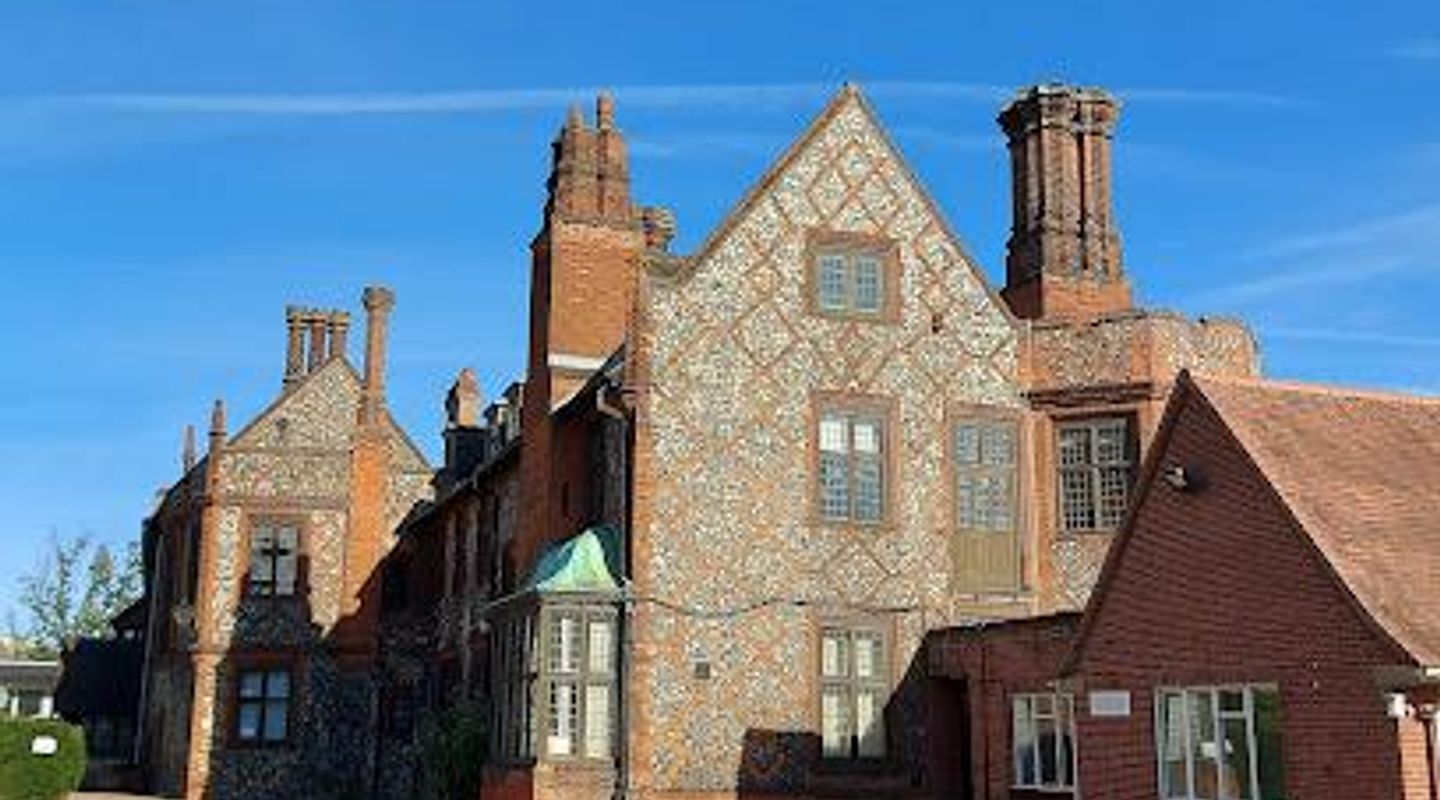
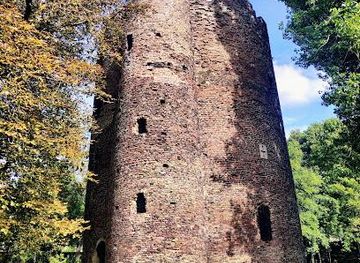
Carrow Abbey is a historic Benedictine priory founded around 1146 in southeast Norwich, England. Once home to nuns dedicated to St. Mary of Carhowe, it features Grade I listed ruins including the prioress's lodgings. Nestled near Carrow Road, it blends medieval heritage with serene gardens, offering a peaceful glimpse into Norwich's monastic past.
A brief summary to Carrow Abbey
- Bracondale, Norwich, NR1 2DD, GB
- Click to display
- Duration: 0.5 to 2 hours
- Free
-
 Outdoor
- Mobile reception: 5 out of 5

Know before you go
Hi, I'm Eve. Here are a few practical things to know before exploring Carrow Abbey.
- Visit early morning for tranquil exploration of the ruins before nearby football crowds arrive.
- Look for Katherine Wygun's rebus—a 'Y' and gun—in the 15th-century domestic wing.
- Stroll the gardens where herbs from the nuns' original herbarium still grow wild.
Do you manage this location?
Take control to get all the benefits, like improved information, better appearance, and stronger visibility across AI-powered discovery. Learn more about listing your business on Evendo
Activate your presenceOther nearby places you may find interesting
The closest places of the same kind, if this one is not quite what you had in mind.

Explore Carrow Abbey on the Map
A handpicked selection of must-see spots near Carrow Abbey, mapped for you.
Getting There
-
Walking
From Norwich Railway Station, 15-minute walk (1 km) along Carrow Road; free, flat path, scenic riverside views.
-
Bus
Bus 11 or 12 from city center to Carrow Bridge (5-10 minutes, £2), then 5-minute walk; frequent service.
-
Driving
10-minute drive from Norwich center via A147; limited parking nearby, £3-5/hour; avoid match days at Carrow Road.
For the on-the-go comforts that matter to you
-
 Seating Areas
-
 Trash Bins
-
 Information Boards
Discover more about Carrow Abbey
Founding and Early History
Carrow Abbey began around 1146 when King Stephen granted land in Norwich for a Benedictine nunnery. Sisters Seyna and Lescelina established St. Mary of Carhowe, initially housing a prioress and nine black nuns, later expanding to twelve. The nuns diligently acquired more land, even gifting a sparrowhawk to the king for charter adjustments, securing their holdings under subsequent monarchs like King John and Henry III.Medieval Life and Notable Figures
The priory thrived through the Middle Ages, with prioresses like Edith Wilton defending its interests in 1414 disputes against Holy Trinity Priory. Wilton prevailed in court, affirming Carrow's city status and resolving conflicts. Julian of Norwich, the famed anchoress, likely trained here in the 1350s-60s, her writings reflecting Benedictine influences. By 1396, eleven nuns resided there with annual income around £118.Later Developments and Dissolution
Prioress Margaret Pygot revitalized the site in the 1440s, boosting revenues to £169, building a new dormitory, and repairing the mill. The priory survived until the Dissolution of the Monasteries. In the 15th century, Katherine Wygun constructed the domestic wing, marked by her rebus—a 'Y' and gun symbol. Post-dissolution, the site passed to owners like Nathaniel Axtell by 1712.19th-Century Revival and Modern Legacy
In 1811, the Martineau family, prominent Norwich surgeons fleeing persecution, purchased the estate. Philip Meadows Martineau built Bracondale Hall using abbey stones for a gothic priory replica. Today, Carrow Abbey stands as a Grade I listed site since 1954, its prioress's lodgings the most intact structure amid gardens and ruins, near Norwich FC's Carrow Road.Visiting the Ruins
Explore the evocative remains in Bracondale, where wild herbs echo the nuns' garden. The site offers quiet reflection on 900 years of history, from monastic devotion to industrial Norwich's backdrop.












Your all‑in‑one travel companion app
Explore expert travel guides, compare and book tours, experiences, hotels, and more—all from the palm of your hand. Download now for seamless trip planning wherever your wanderlust takes you.


Explore More of Norwich
Looking beyond Carrow Abbey? Discover Norwich for broader travel guides, local hot-spots, and regional highlights.
Explore Norwich