Castle Acre Castle and Town Walls
Explore free Norman motte-and-bailey ruins at Castle Acre, where massive earthworks and gatehouses whisper tales of Conquest-era power amid Norfolk's serene countryside.
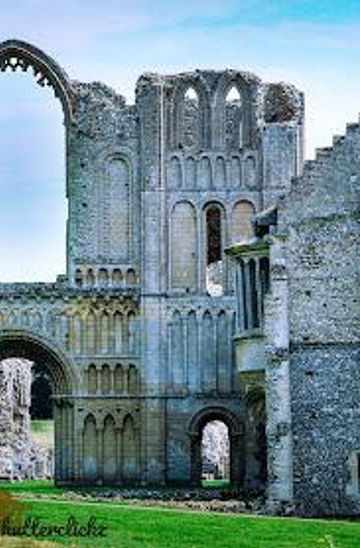
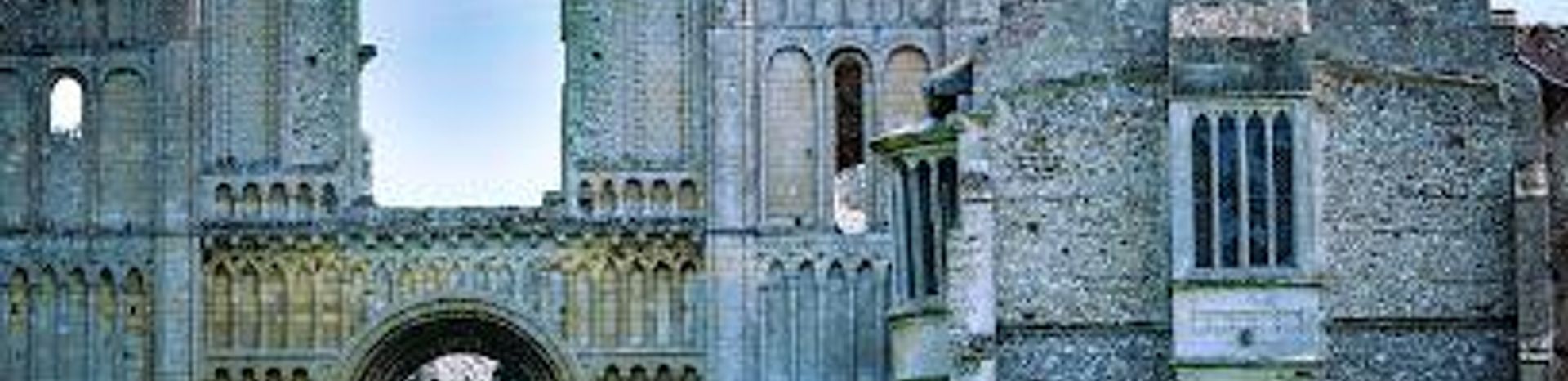
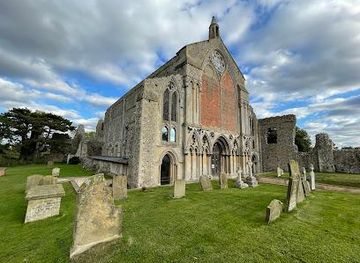
Castle Acre Castle, built soon after the Norman Conquest in the 1070s by William de Warenne, Earl of Surrey, stands as a striking motte-and-bailey ruin overlooking the River Nar and Peddars Way. Explore massive earthworks, stone gatehouses, and remnants of a once-grand keep amid the picturesque village of Castle Acre in Norfolk. Free access to these impressive medieval defences offers a glimpse into 11th-century Norman power. Nearby priory ruins add to the historical depth. Ideal for history enthusiasts seeking atmospheric ruins in a serene rural setting.
A brief summary to Castle Acre
- Norfolk, Pye's Ln, King's Lynn, Castle Acre, GB
- Duration: 0.5 to 2 hours
- Free
-
 Outdoor
- Mobile reception: 4 out of 5
- Monday 12 am-12 pm
- Tuesday 12 am-12 pm
- Wednesday 12 am-12 pm
- Thursday 12 am-12 pm
- Friday 12 am-12 pm
- Saturday 12 am-12 pm
- Sunday 12 am-12 pm

Know before you go
Hi, I'm Eve. Here are a few practical things to know before exploring Castle Acre.
- Combine your visit with the adjacent Castle Acre Priory (English Heritage, entry fee applies) for a full medieval experience; the sites are linked historically.
- Walk the Peddars Way trail through the village; the castle lies right on the path, perfect for hikers seeking history en route.
- Visit the bailey gatehouse for the best-preserved stonework; climb the motte for panoramic views over the River Nar valley.
Do you manage this location?
Take control to get all the benefits, like improved information, better appearance, and stronger visibility across AI-powered discovery. Learn more
Activate your presence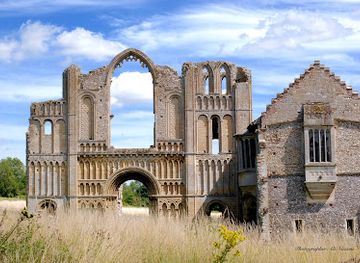
Getting There
-
Car
Drive 30-40 minutes from King's Lynn via A149/A1125; free parking in Castle Acre village near Pye's Lane. Easy access, no fees.
-
Public Transport
Bus from King's Lynn (30-45 minutes, £3-5) to Castle Acre; alight at village center, 5-minute walk to site.
-
Walking
Peddars Way National Trail passes directly through; from Swaffham, 10km/3-hour hike. Flat terrain.
For the on-the-go comforts that matter to you
-
 Trash Bins
Discover more about Castle Acre
Norman Origins and Construction
Castle Acre Castle was constructed in the 1070s by William de Warenne, a key ally of William the Conqueror who fought at the Battle of Hastings. Located at the strategic junction of the River Nar and the ancient Peddars Way Roman road, the site was originally an Anglo-Saxon manor owned by Toki, seized post-Conquest and granted to de Warenne through marriage. The initial motte-and-bailey design featured large earthwork ramparts protecting outer and inner baileys, with a stone-built double-hall in the motte's center serving as a grand residence rather than a fortified keep.Fortifications During the Anarchy
During the civil war of the 1130s-1150s known as the Anarchy, William de Warenne III significantly strengthened the castle. He raised earthworks, crowned them with stone walls, and began converting the hall into a tall square keep. The outer bailey gained stone-faced ramparts and gatehouses, while the adjacent town was enclosed by massive banks and ditches, redirecting the Peddars Way past the castle, town, and nearby priory to symbolize de Warenne dominance.Decline and Later Ownership
The de Warenne family held the castle until 1347, after which it passed to the Fitzalans and others, falling into neglect by the 15th century. Post-Dissolution of the Monasteries, Thomas Howard, Duke of Norfolk, leased the ruins in 1537. Sold in 1558 to Thomas Gresham and later to Sir Edward Coke in 1615, it remained in private hands. By the 18th century, it attracted antiquarians; English Heritage has managed preservation since 1984.Visiting the Ruins Today
The free-to-enter site reveals well-preserved earthworks, the inner bailey's stone wall fragments, and imposing gatehouses. Climb the motte for views over the village and priory. The vast outer bailey hints at its former scale, with traces of a chapel and great hall. Surrounded by lush Norfolk countryside, it's a peaceful spot for exploration, best in daylight to appreciate the defensive genius.Historical Significance
As one of England's finest motte-and-bailey examples, Castle Acre exemplifies early Norman castle-building and adaptation. Its town walls and priory connection highlight medieval planning. Free access preserves its role as a public heritage gem, drawing walkers on the Peddars Way trail.Explore the best of what Castle Acre has to offer













More about East Of England
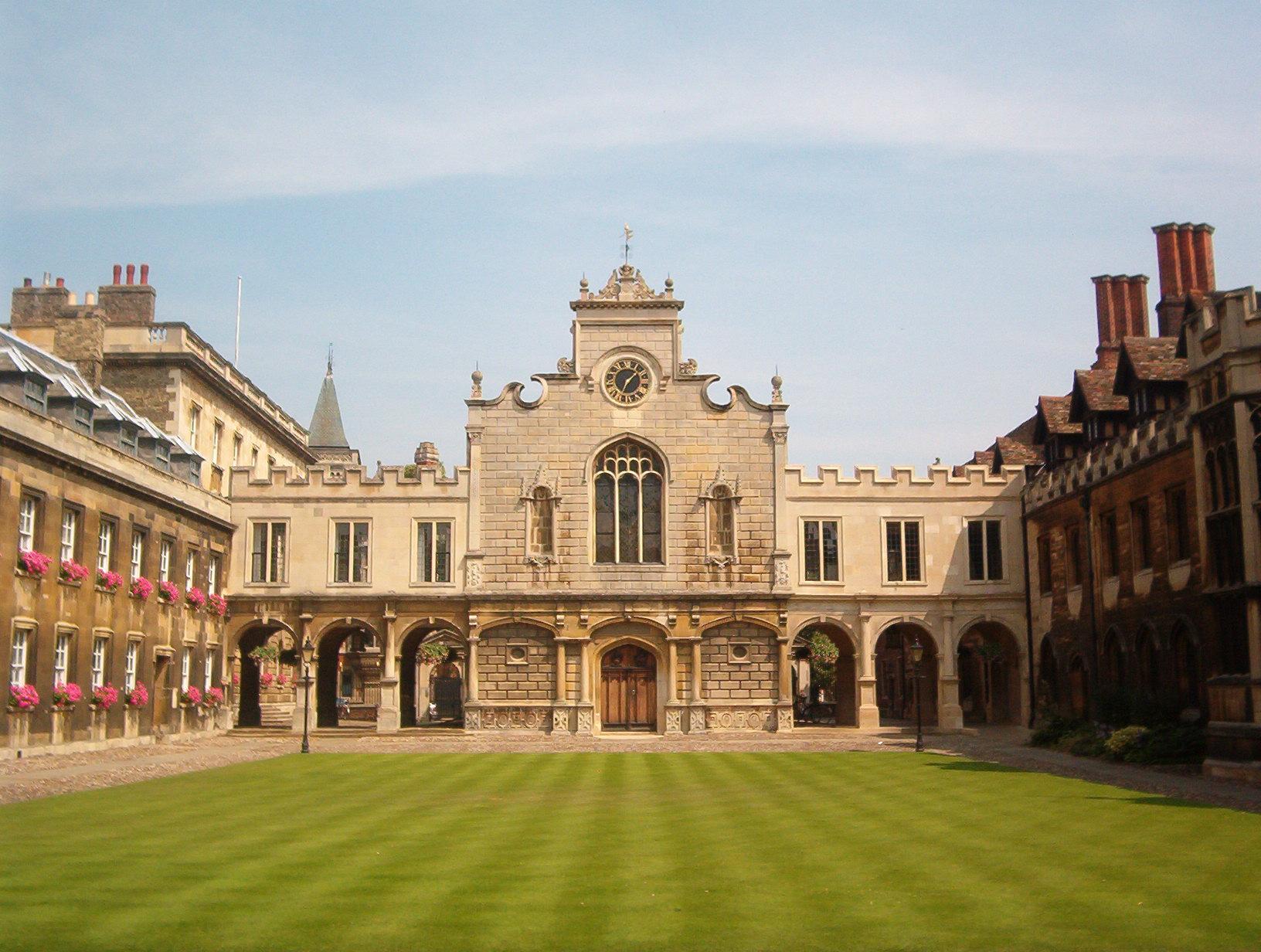
Experience the East of England: a picturesque blend of historic towns, stunning coastlines, and serene countryside, offering a perfect retreat for every traveler.
Tell me more about East Of England