Castle Acre Priory, East Of England Travel Guide
Discover England's finest Cluniac ruins at Castle Acre Priory: dramatic Norman architecture, serene cloisters, and monastic history amid Norfolk's peaceful countryside. Explore, picnic, and uncover 450 years of piety and power.
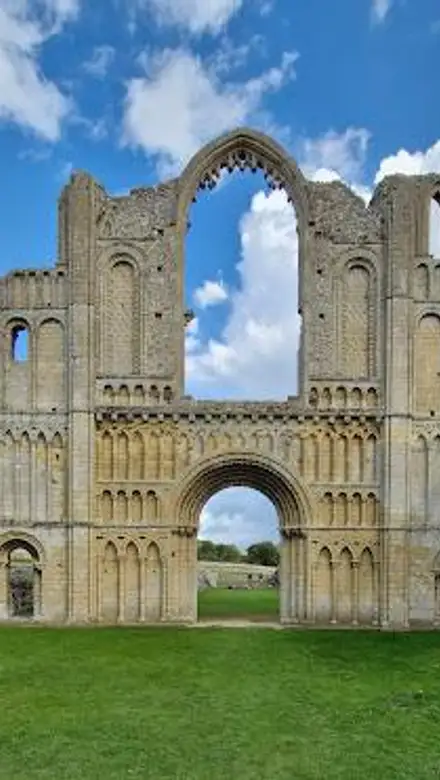
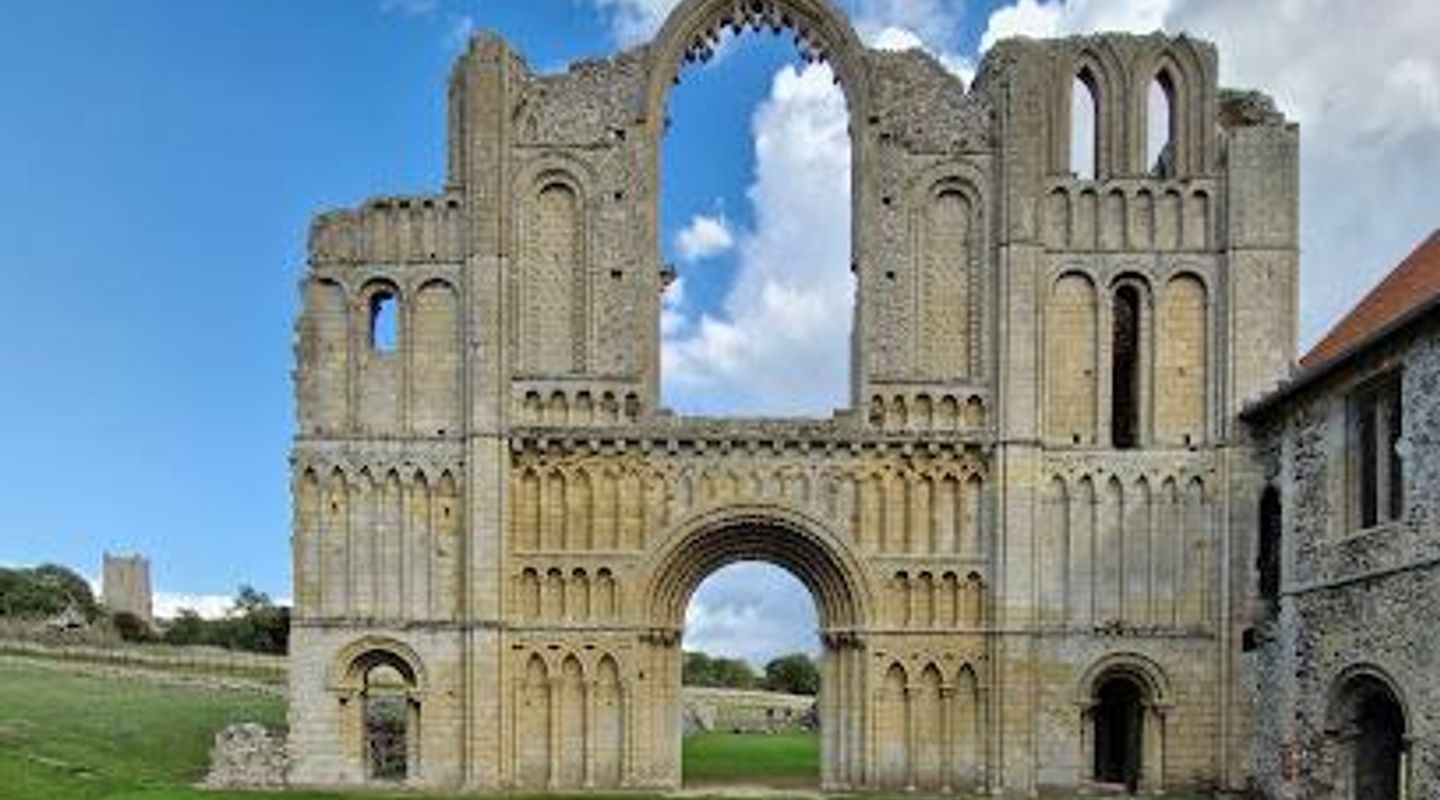
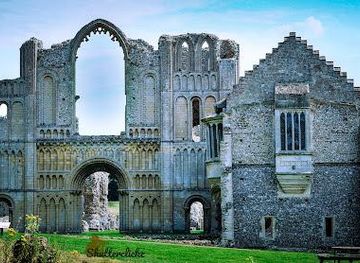
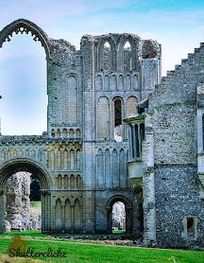
Castle Acre Priory, founded in 1089 by William de Warenne, stands as one of England's finest preserved monastic ruins. Explore the dramatic west front, cloister remains, prior's lodgings, and herb garden in this Cluniac site that thrived for over 450 years until the Dissolution in 1537. Managed by English Heritage, it offers interactive exhibits, family trails, and picnic spots amid serene Norfolk countryside.
A brief summary to Castle Acre Priory
- Priory Rd, King's Lynn, Castle Acre, GB
- Click to display
- Click to display
- Duration: 1 to 3 hours
- Mid ranged
-
 Outdoor
- Mobile reception: 4 out of 5
- Saturday 10 am-4 pm
- Sunday 10 am-4 pm

Know before you go
Hi, I'm Eve. Here are a few practical things to know before exploring Castle Acre Priory.
- Pick up the family trail leaflet to follow Brother Odo through priory ruins, village, Bailey Gate, and castle—perfect for imagining medieval life.
- Visit the interactive stonework exhibit in prior's lodgings; try building like a Norman mason and learn church construction techniques.
- Pack a picnic for the expansive grounds with benches overlooking ruins—ideal for families to relax after exploring.
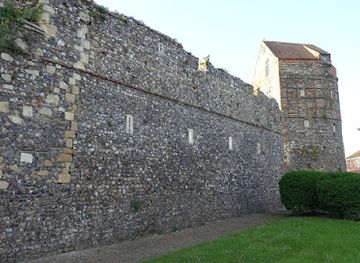
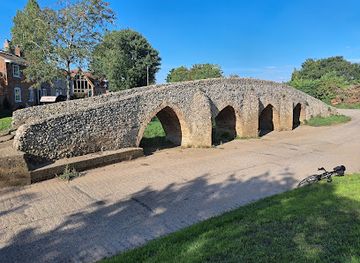
- Combine with free nearby Castle Acre Castle and town walls for a full day tracing Norman heritage in Castle Acre.
Do you manage this location?
Take control to get all the benefits, like improved information, better appearance, and stronger visibility across AI-powered discovery. Learn more about listing your business on Evendo
Activate your presenceOther nearby places you may find interesting
The closest places of the same kind, if this one is not quite what you had in mind.

Explore Castle Acre Priory on the Map
A handpicked selection of must-see spots near Castle Acre Priory, mapped for you.
Getting There
-
Car
From King's Lynn, drive A10 south 14 miles to Castle Acre (25 minutes). Free parking at site for English Heritage members; £2 fee otherwise via text. Ample spaces near Priory Rd entrance.
-
Bus
From King's Lynn station, take X1, 12A, or 32 bus (48-68 minutes, £5-8 return), alight Castle Acre, 5-minute walk to Priory Rd. Services frequent; check Stagecoach for times.
-
Train + Bus
Train to King's Lynn (from Norwich 45 mins, £10+), then bus as above (total 1.5-2 hours). Nearest station 14 miles away; no direct service.
For the on-the-go comforts that matter to you
-
 Restrooms
-
 Food Options
-
 Picnic Areas
-
 Trash Bins
-
 Information Boards
-
 Visitor Center
Discover more about Castle Acre Priory
History and Foundation
Castle Acre Priory was established around 1089 by William de Warenne, 2nd Earl of Surrey, son of a Norman knight who fought at Hastings. Initially within Castle Acre Castle walls, it relocated nearby due to space constraints. As a Cluniac house linked to the great abbey of Cluny in France, it housed up to 36 monks and servants, serving pilgrims, royalty, and nobility for nearly 450 years.Architectural Highlights
The priory's west front impresses with its dramatic Norman architecture, emphasizing its prestige. The nave, one of the oldest surviving parts, dates to the 12th century consecration. Explore substantial cloister remains, chapter house, and the exceptionally preserved prior's lodgings—one of England's best examples of medieval domestic architecture. The site reflects Cluniac flair for ornate decoration.Daily Life and Decline
Monks tended a herb garden for medicinal, culinary, and decorative uses, remnants of which are recreated today. The priory faced taxes during Anglo-French wars but gained 'English' status in 1325. Dissolved in 1537 under Henry VIII, its lands passed to nobility, with buildings dismantled except the prior's lodging, used into the 17th century.Modern Visitor Experience
Under English Heritage care since 1984, the site features exhibitions on Norman stonework, interactive medieval builder challenges, audio tours, and family trails linking to nearby castle and Bailey Gate. Peaceful grounds invite picnics, while information panels detail monastic life. Open weekends 10am-4pm, it's a serene escape revealing Norman Conquest's societal impact.Nearby Attractions
Complement your visit with free-entry Castle Acre Castle and town defences, forming a complete Norman legacy in flintstone village charm. The priory's scale and preservation make it essential for history lovers.












Your all‑in‑one travel companion app
Explore expert travel guides, compare and book tours, experiences, hotels, and more—all from the palm of your hand. Download now for seamless trip planning wherever your wanderlust takes you.


Explore More of East Of England
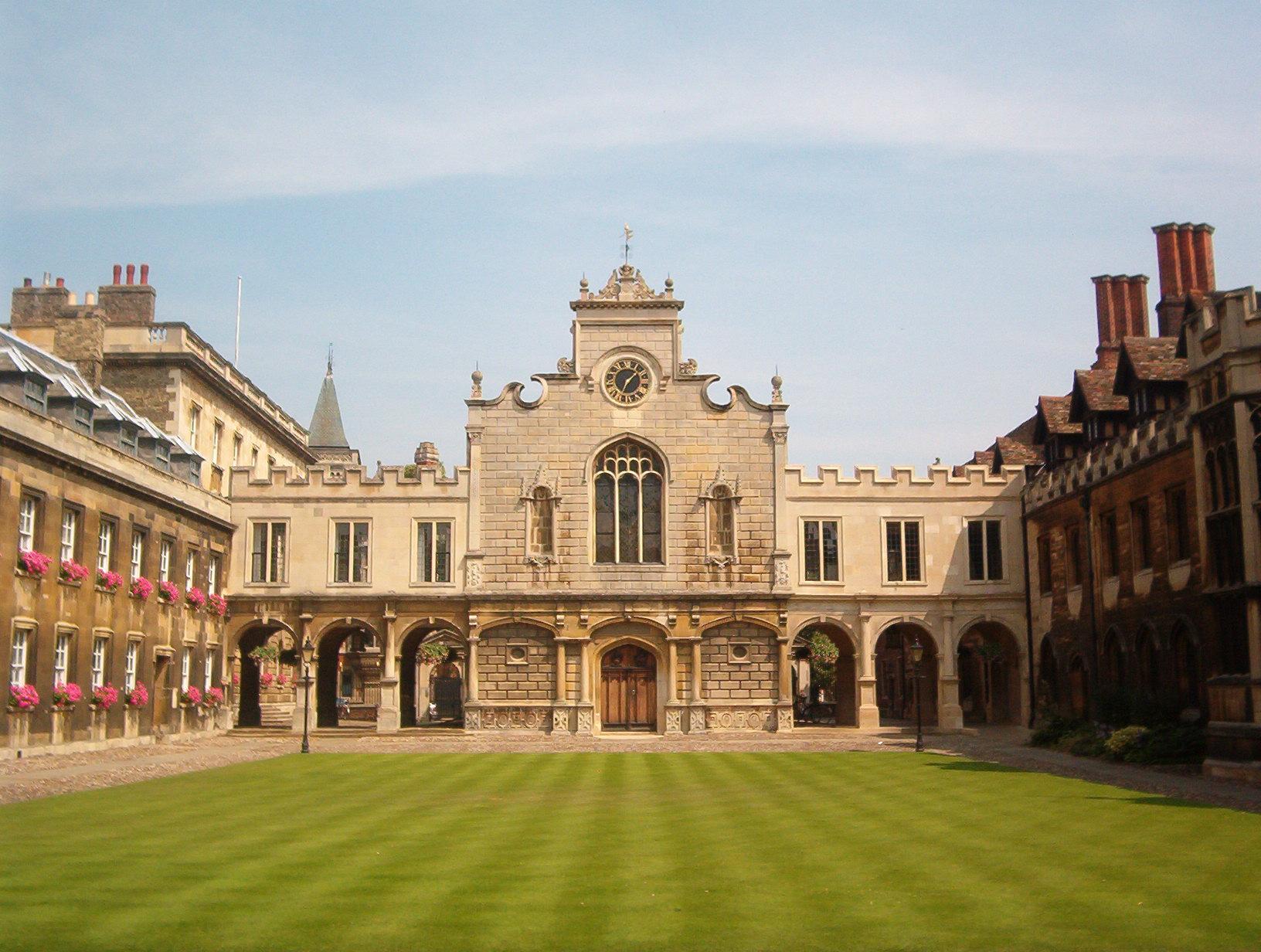
Looking beyond Castle Acre Priory? Discover East Of England for broader travel guides, local hot-spots, and regional highlights.
Explore East Of England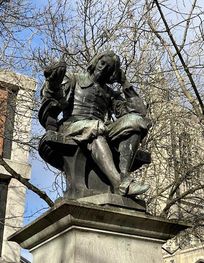
Seated tribute to Norwich's knighted polymath Sir Thomas Browne on vibrant Hay Hill—where 17th-century intellect meets modern city buzz, free and ever-watchful.
Explore free Norman motte-and-bailey ruins at Castle Acre, where massive earthworks and gatehouses whisper tales of Conquest-era power amid Norfolk's serene countryside.