Cromer Lighthouse
Iconic octagonal sentinel on Norfolk's cliffs, guarding ships since 1833 amid heathland walks, dramatic erosion history, and sweeping North Sea views.
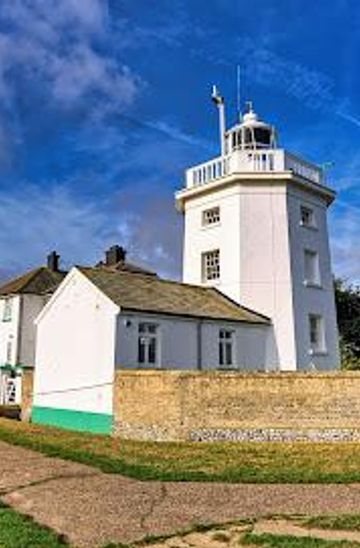
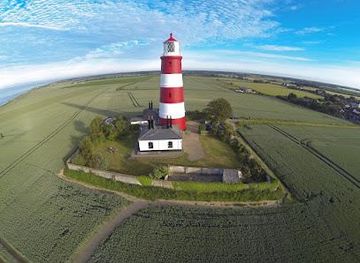
Perched on Norfolk's Cromer Ridge, this iconic octagonal lighthouse has guided ships since 1833. Built after earlier towers succumbed to cliff erosion, it offers stunning coastal views, scenic walks through heathland and golf course paths, and a glimpse into maritime history amid breathtaking North Sea panoramas.
A brief summary to Cromer Lighthouse
- Cromer, NR27 0JH, GB
- Click to display
- Click to display
- Duration: 0.5 to 2 hours
- Free
-
 Outdoor
- Mobile reception: 4 out of 5
- Monday 12 am-12 pm
- Tuesday 12 am-12 pm
- Wednesday 12 am-12 pm
- Thursday 12 am-12 pm
- Friday 12 am-12 pm
- Saturday 12 am-12 pm
- Sunday 12 am-12 pm

Know before you go
Hi, I'm Eve. Here are a few practical things to know before exploring Cromer Lighthouse.
- Climb the 236 steps from Cromer beach for breathtaking cliff-top views; pause frequently to admire the panorama and spot the lighthouse emerging.
- Follow the Norfolk Coast Path for a circular walk through heathland, past golf course and benches, avoiding steps via alternative inland route.
- Time your visit for potential air rescue helicopter practice sessions visible from cliff paths near the lighthouse.
Do you manage this location?
Take control to get all the benefits, like improved information, better appearance, and stronger visibility across AI-powered discovery. Learn more
Activate your presenceOther nearby places you may find interesting
Getting There
-
By Car
Drive east on B1159 Overstrand Road from Cromer center; park nearby at cliff-top lots or golf course access. 5-10 min from town, free parking, suitable for most vehicles.
-
By Foot
Follow Norfolk Coast Path from Cromer beach via 236 steps or inland route; 20-40 min walk, moderate effort with elevation, scenic but exposed to weather.
-
By Public Transport
Bus from Cromer station to Overstrand stops on B1159; 10-15 min walk from drop-off. Trains to Cromer frequent from Norwich, then short bus/taxi.
For the on-the-go comforts that matter to you
-
 Seating Areas
Discover more about Cromer Lighthouse
History of Guidance
Lights have guided vessels to Cromer since medieval times from the parish church tower. In 1669, Sir John Clayton erected an early structure at Foulness, but maintenance issues left it unlit. Trinity House took over in 1719, installing a coal fire lantern. Rapid cliff erosion caused landslips in 1799, 1825, and 1866, destroying predecessors and necessitating the current tower's construction inland in 1833.Architecture and Technology
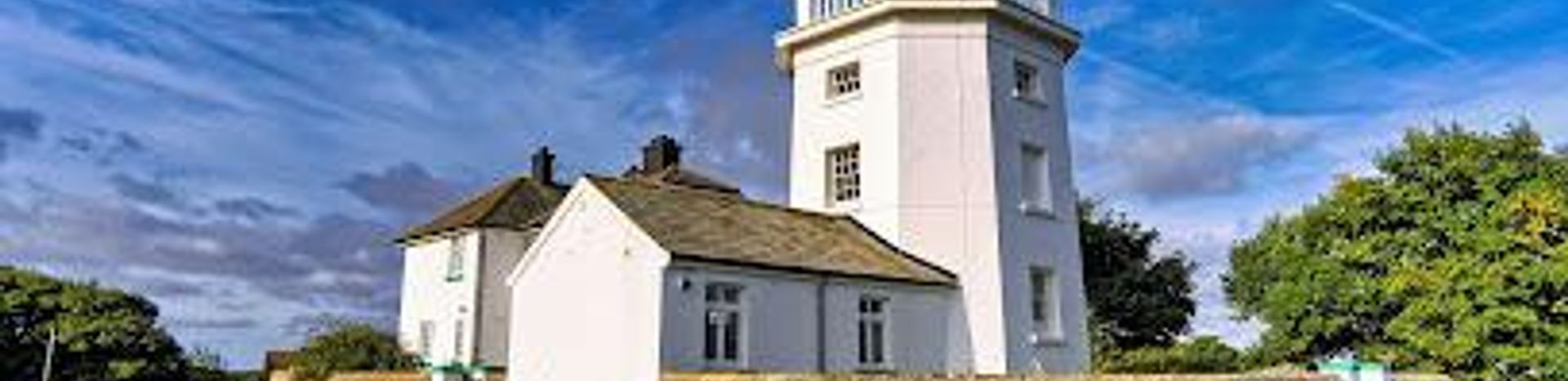
The present 18-meter white octagonal masonry tower stands resilient, 84 meters above sea level. Initially equipped with 30 oil lamps in parabolic reflectors, it displayed one flash per minute visible 27 nautical miles away. Upgraded in 1897 to mineral oil lamps, it electrified in 1958 with a new optic and smaller lantern. Automated in 1990, it's now remotely monitored from Harwich.Surrounding Landscape
Situated half a mile from eroding cliffs on open heathland, the lighthouse anchors dramatic coastal scenery. Nearby, the Norfolk Coast Path winds through cliffs, beaches, and golf courses, with 236 steps leading from Cromer beach to panoramic viewpoints. Benches invite pauses amid wild vistas rivaling Sheringham Park.Visiting the Site
Though entry is restricted, exterior access reveals the tower flanked by former keepers' cottages. Walks circle via cliff tops or beach returns, passing beach huts and potential air rescue helicopter sightings. Part of Norfolk's Deep History Coast, it complements Cromer Pier, lifeboat heritage, and crab-famous shores.Maritime Legacy
Cromer's seafaring role endures through this beacon, once tended by keepers including early female attendants. Its flashing light, once called a 'will-o-the-wisp' by sailors, revolutionized navigation as England's second revolving beacon in 1792.Explore the best of what Cromer Lighthouse has to offer













More about East Of England
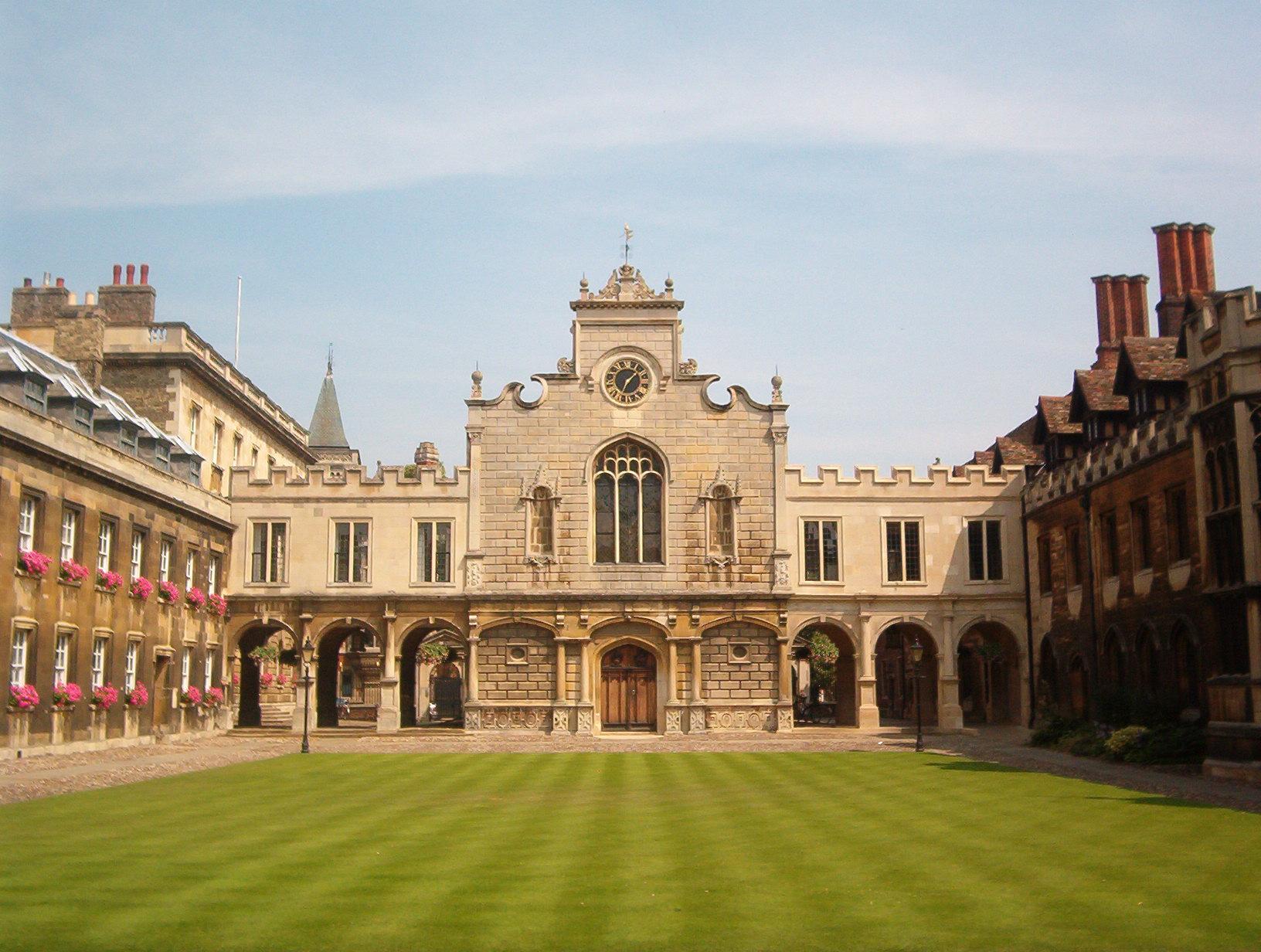
Experience the East of England: a picturesque blend of historic towns, stunning coastlines, and serene countryside, offering a perfect retreat for every traveler.
Tell me more about East Of England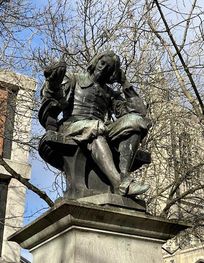
Seated tribute to Norwich's knighted polymath Sir Thomas Browne on vibrant Hay Hill—where 17th-century intellect meets modern city buzz, free and ever-watchful.
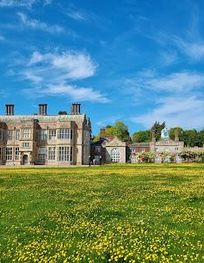
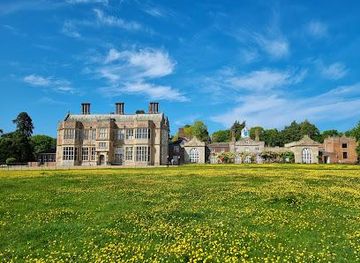
Discover Jacobean elegance at Felbrigg Hall, where 17th-century grandeur meets lush gardens, ancient woods, and Norfolk's timeless countryside charm.