

Baconsthorpe Castle
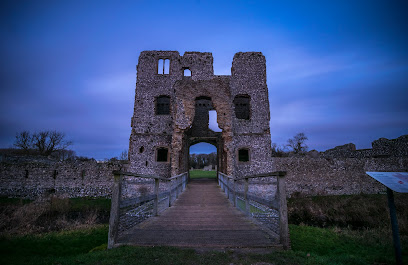
Explore the atmospheric ruins of a 15th-century fortified manor, once home to the powerful Heydon family of Norfolk.
Baconsthorpe Castle is a moated, ruined 15th-century fortified manor house near the village of Baconsthorpe in Norfolk, England. Built and expanded by the ambitious Heydon family, it began as a defensive residence and later became a grand courtyard house and wool-processing centre. Today, managed by English Heritage, its atmospheric ruins include an inner gatehouse, moat, outer court and the remains of an Elizabethan outer gatehouse, set in peaceful farmland. The site is free to visit during daylight hours and offers a quiet, evocative glimpse into the rise and fall of a powerful local dynasty.
A brief summary to Baconsthorpe Castle
- Castle Lane, Holt, Baconsthorpe, NR25 6LL, GB
- +443703331181
- Visit website
- Duration: 0.5 to 2 hours
- Free
-
 Outdoor
- Mobile reception: 4 out of 5
Local tips
- Visit Baconsthorpe Castle during daylight hours, as the site is open only during reasonable daylight times and there are no artificial lights.
- Wear sturdy footwear as the ground can be uneven and muddy, especially after rain; paths are gravel and grass with some narrow gates.
- Combine your visit with St Mary’s Church in Baconsthorpe village to see the Heydon family tombs and stained glass, completing the story of the castle’s owners.
- Bring a picnic and enjoy it by the moat; the site is peaceful and well-suited to a quiet lunch surrounded by history.
- Check the English Heritage website before visiting, as the site may occasionally close for conservation work or special events.

For the on-the-go comforts that matter to you
- Restrooms
- Drinking Water
- Seating Areas
- Sheltered Areas
- Trash Bins
- Information Boards
Getting There
-
By car
From Holt, follow the B1149 south towards Norwich, then turn onto local roads towards Baconsthorpe. The castle is signposted off Castle Lane, about 1.6 km from the village. There is an on-site car park with a small fee for non-members; English Heritage members park free.
-
By public transport and walk
Take a bus to Holt and then walk about 3 km along country lanes and footpaths to Baconsthorpe Castle. The walk takes around 40 minutes and follows quiet roads and field paths, but surfaces can be uneven and muddy in wet weather.
-
By bicycle
Cycle from Holt along the B1149 and then onto local roads to Baconsthorpe. The route is mostly flat but includes some narrow lanes and field paths; allow about 20–25 minutes. There is space to leave bikes near the car park.
-
On foot from Baconsthorpe village
From Baconsthorpe village, follow the Heydon Walk signs to the castle. The path is about 1 km long, crossing fields and country lanes, and takes roughly 15–20 minutes. The route is well-marked but can be muddy after rain.
Baconsthorpe Castle location weather suitability
-
 Any Weather
-
 Rain / Wet Weather
-
 Clear Skies
-
 Mild Temperatures
Discover more about Baconsthorpe Castle
A Fortress of Ambition
Baconsthorpe Castle began in the mid-15th century as the fortified manor of John Heydon I, a lawyer who rose to prominence in the turbulent years of the Wars of the Roses. Acquiring the site from the Bacon family, he and his father William transformed a modest manor into a tall, defensible residence, complete with a strong inner gatehouse and moat. John’s political connections and enemies made a fortified home essential, and Baconsthorpe was designed to impress as much as to protect. His son Sir Henry Heydon completed and extended the castle, adding a garden court and further fortifications, cementing the family’s status as influential Norfolk landowners.From Wool to Ruin
Over the 16th century, the Heydons became one of East Anglia’s leading families, amassing wealth from sheep farming and the wool trade. Their products reached markets in England and the Netherlands, funding further expansion at Baconsthorpe. Sir John Heydon II finished the north court and converted part of the east range into a wool factory, turning the castle into a working estate as well as a residence. Later, Sir Christopher Heydon I added an ornate outer gatehouse and obtained a licence to crenellate, creating a 300-acre deer park and formal gardens. Yet despite their prosperity, poor estate management led to mounting debts, and by the mid-17th century the family began demolishing the castle to sell off its stone, leaving only the moated inner court, outer court and parts of the gatehouse standing.Atmosphere of the Ruins
Today, Baconsthorpe Castle is a quiet, evocative ruin set in open Norfolk farmland. The moat still encircles the inner court, and the remains of the inner gatehouse, curtain walls and outer court give a clear sense of the castle’s original scale and layout. The Elizabethan outer gatehouse, later converted into a private dwelling known as Baconsthorpe Hall, stood occupied until 1920, when a turret collapsed after a fire. The site feels remote and contemplative, perfect for a slow walk among the grassy mounds and crumbling stonework, with views across fields and hedgerows. English Heritage now manages the ruins, preserving them as a free-to-enter historic site.Exploring the Heydon Legacy
The story of Baconsthorpe is inseparable from that of the Heydon family, whose rise and fall is echoed in the castle’s changing form. Visitors can follow the Heydon Walk, a short historical trail linking the castle to St Mary’s Church in Baconsthorpe village, where family tombs, memorials and stained glass shields from the castle’s banqueting hall can be seen. The church, older than the castle itself, offers deeper insight into the family’s prominence and eventual decline. Together, the ruins and the church form a poignant narrative of ambition, wealth, conflict and decay, set against the quiet rhythms of the Norfolk countryside.Iconic landmarks you can’t miss

Baconsthorpe Castle
0.0 km
Explore the atmospheric ruins of a 15th-century fortified manor, once home to the powerful Heydon family of Norfolk.
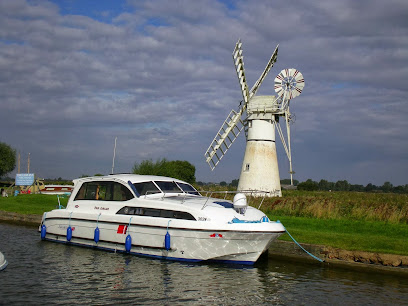
Faircraft Loynes
27.0 km
Discover the beauty of the Broads with Faircraft Loynes, your premier boat tour agency and rental service in Wroxham, offering unforgettable waterway experiences.
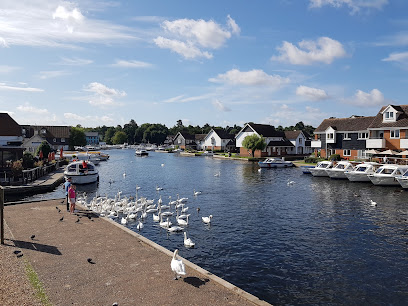
Wroxham Bridge
27.0 km
Historic 17th-century bridge and vibrant boating hub connecting Wroxham and Hoveton on the scenic Norfolk Broads.
TourNorfolk
28.2 km
Discover the essential internet marketing services at TourNorfolk, where local charm meets digital expertise in the heart of Barton Turf.
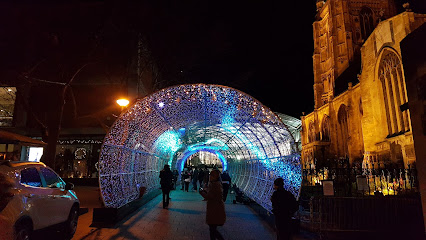
VisitNorwich
30.1 km
Discover Norwich Cathedral’s soaring Norman spire, medieval carvings, and tranquil cloisters nestled in a vast historic sanctuary.
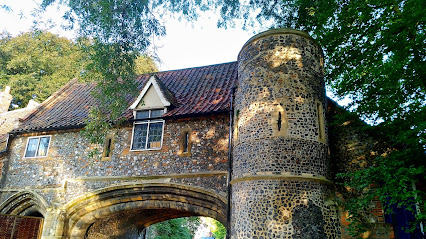
Pull's Ferry
31.6 km
A tranquil 15th-century watergate and ferry house on Norwich’s River Wensum, blending rich medieval history with scenic riverside charm.
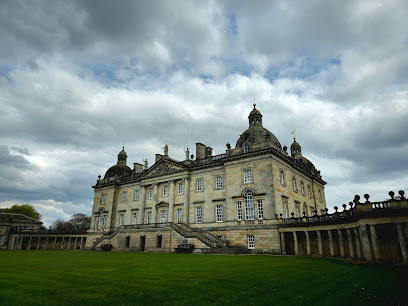
Houghton Hall & Gardens Norfolk
34.1 km
Experience the beauty and history of Houghton Hall & Gardens in Norfolk, where stunning architecture meets exquisite gardens and delightful café experiences.
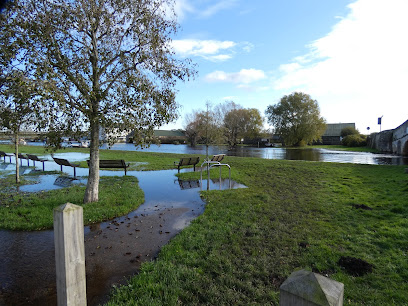
Potter Heigham bridge
35.7 km
Historic 14th-century bridge and boating hub in Norfolk Broads, blending medieval charm with scenic waterways and vibrant village life.
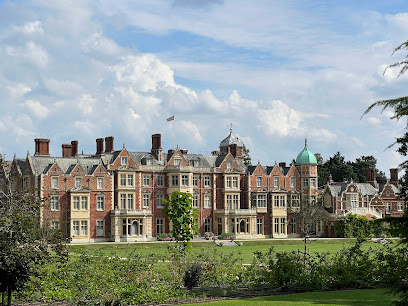
Sandringham Estate
43.6 km
Explore Sandringham Estate, a historical landmark in Norfolk, featuring exquisite gardens and rich royal history, perfect for all visitors.
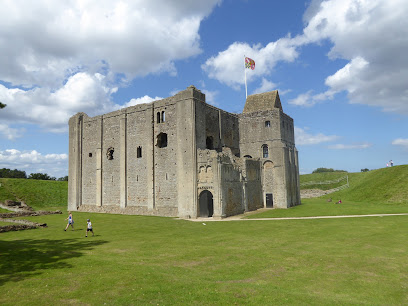
Castle Rising
47.3 km
Explore Castle Rising, a breathtaking medieval fortress in King's Lynn, where history and beauty intertwine in every stone.
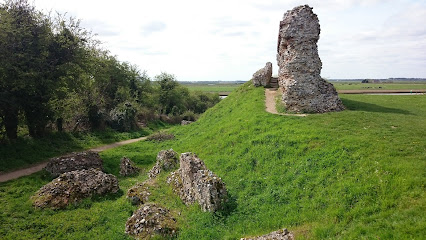
Burgh Castle
48.6 km
One of Britain’s best-preserved Roman forts, standing above the Norfolk Broads with sweeping views over Breydon Water and the surrounding marshes.
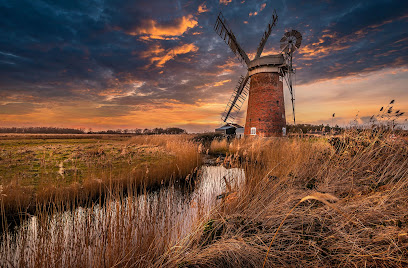
Visit The Broads
50.2 km
Your gateway to exploring the enchanting waterways, wildlife, and heritage of the Norfolk Broads National Park.
Pudding tower
50.4 km
Explore Pudding Tower, a medieval defensive relic in Great Yarmouth, steeped in history and local lore from the town’s fortified past.
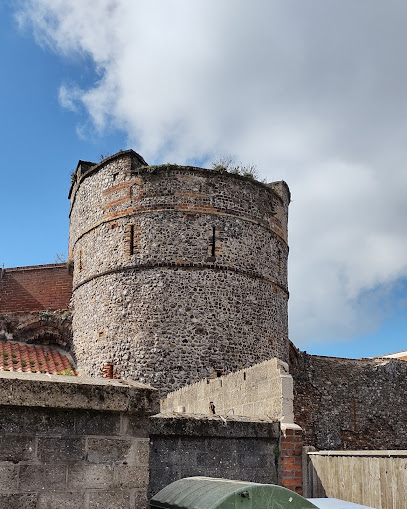
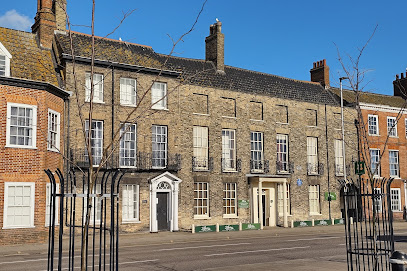
National Trust - Elizabethan House Museum
50.5 km
Step into centuries of history at Great Yarmouth’s Elizabethan House Museum, where Tudor to Victorian life comes alive with immersive exhibits and hands-on fun.
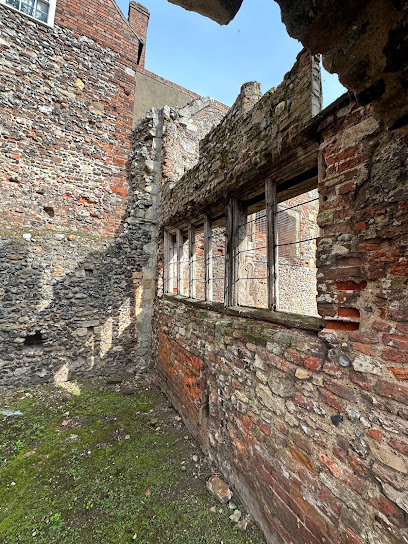
English Heritage - Greyfriars Cloisters
50.6 km
Medieval Franciscan ruins revealing seven centuries of Norfolk's spiritual heritage and monastic life.
Unmissable attractions to see

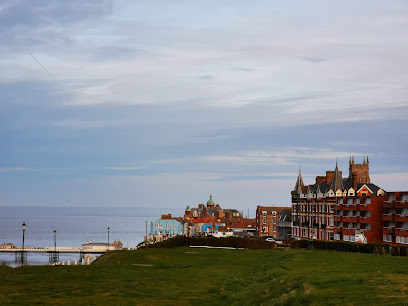
RNLI Henry Blogg Museum
10.8 km
Explore the heroic legacy of Henry Blogg and the brave lifeboatmen of Cromer at this engaging maritime museum by the sea.
National Trust - Blickling Estate
11.1 km
Explore the grandeur of a Jacobean mansion, centuries-old gardens, and peaceful Norfolk parkland at the historic Blickling Estate.
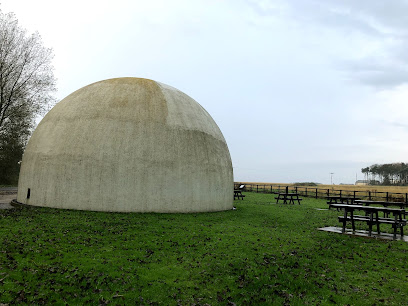
Langham Dome
13.0 km
Step inside a WWII anti-aircraft training dome and experience one of Britain’s earliest forms of virtual reality, now a unique military museum in North Norfolk.
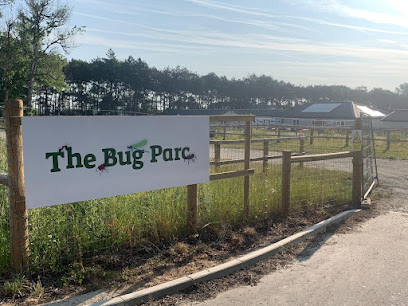
The Bug Parc
19.1 km
Explore England’s only all-invertebrate zoo with over 200 species, interactive bug handling, and family-friendly fun in the Norfolk countryside.
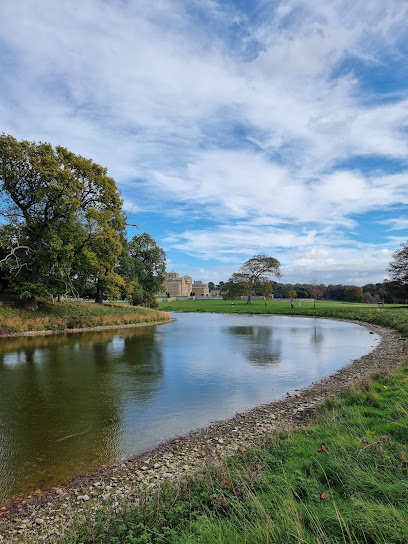
Holkham Hall
24.1 km
Discover Holkham Hall, a stunning 18th-century Palladian estate blending classical elegance, rich heritage, and expansive Norfolk coastal landscapes.
Wroxham Barns
25.4 km
Discover artisan crafts, family farm fun, and festive celebrations at Norfolk’s charming Wroxham Barns.
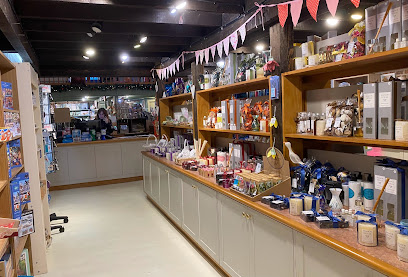
Gressenhall Farm & Workhouse
25.7 km
Explore Norfolk’s rich rural heritage and Victorian workhouse history at Gressenhall Farm & Workhouse, a living museum on a sprawling 50-acre site.
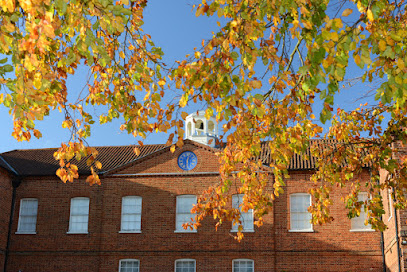
East Ruston Old Vicarage Garden
26.3 km
Explore 32 acres of themed gardens blending exotic plants and tranquil woodland near Norfolk’s coast, with expert tours and a charming tea room.
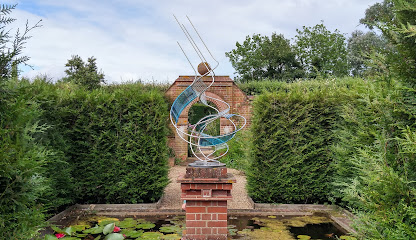
Creake Abbey ruins
26.4 km
Explore the atmospheric 13th-century Creake Abbey ruins nestled in tranquil Norfolk meadows, where history, nature, and local culture intertwine.
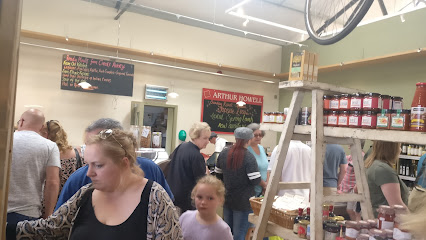
Hoveton Hall Estate
26.6 km
Elegant Regency estate with 15 acres of stunning gardens, welcoming accommodation, and versatile event spaces in the heart of Norfolk.
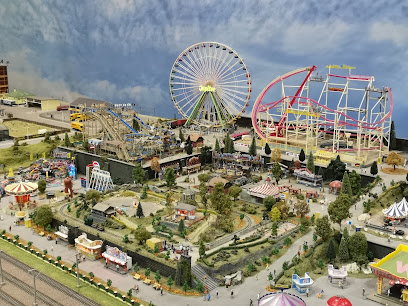
Wroxham Miniature Worlds
26.7 km
Explore the UK's largest indoor model railway attraction with intricate layouts, vintage toys, Lego cities, and interactive fun for all ages.
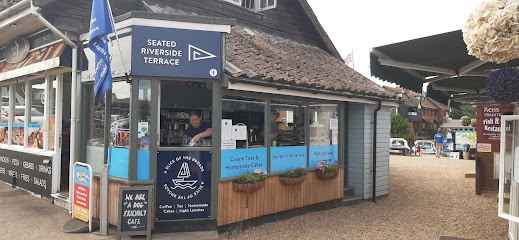
A slice of the broads
27.0 km
Cozy coffee haven in Hoveton blending local flavors with the serene charm of the Norfolk Broads.
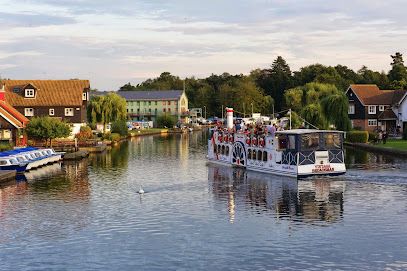
Broads Tours
27.0 km
Explore Norfolk’s iconic Broads with expert-guided river trips or self-drive boat hires from Wroxham’s scenic waterfront base.
Roys of Wroxham Food Hall
27.0 km
Family-run since 1895, Roys of Wroxham Food Hall offers local Norfolk produce and a charming shopping experience near the Norfolk Broads.
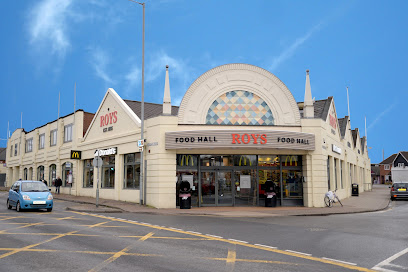
The Broads Centre
27.1 km
Conveniently located supermarket in Hoveton offering a broad range of shops and services for locals and visitors exploring the Norfolk Broads.
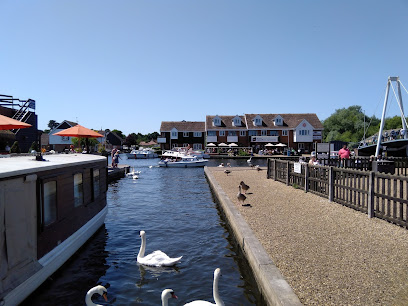
Essential places to dine

Meadowsweet Restaurant with Rooms
4.4 km
Michelin-starred modern British fine dining with boutique rooms in historic Holt, blending exquisite flavors with warm hospitality.
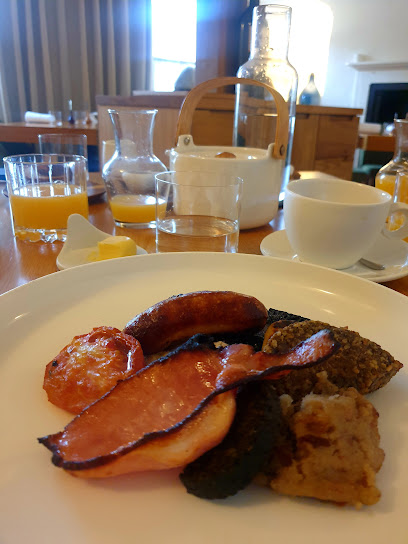
The Gunton Arms
12.8 km
A stylish gastropub in Norfolk’s deer park where open-fire cooking meets contemporary art and rustic charm.
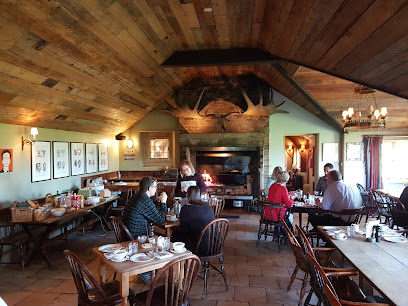
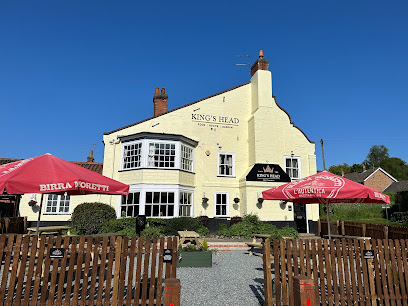
King's Head Coltishall
24.0 km
Historic Norfolk gastropub blending award-winning British cuisine, cozy B&B stays, and scenic Broads views in charming Coltishall village.
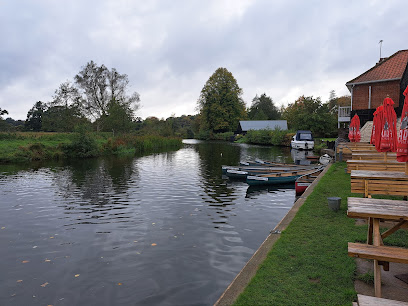
Rising Sun Coltishall
24.0 km
Charming riverside pub and inn in Coltishall serving hearty British fare with warm hospitality and scenic Norfolk Broads views.
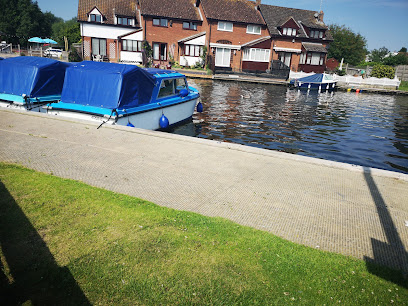
The Old Mill
27.0 km
Family-run British café bar with classic breakfasts and grills, set by the riverside in Hoveton near the Norfolk Broads.
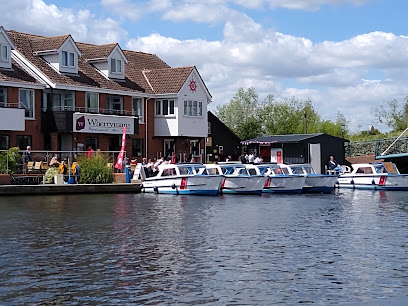
Wherrymans
27.0 km
A friendly riverside café and bar in Wroxham offering great coffee, casual dining, and a welcoming atmosphere by the Norfolk Broads.
The Swan Inn Stalham
28.2 km
A beloved Norfolk pub and restaurant offering traditional British fare, friendly service, and a warm community atmosphere in the heart of Stalham.
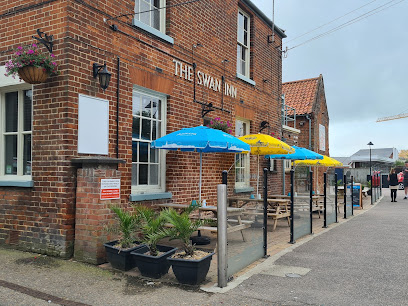
The Ingham Swan
29.5 km
A charming Norfolk gastropub and inn blending rustic heritage with modern dining and comfort in tranquil countryside surroundings.
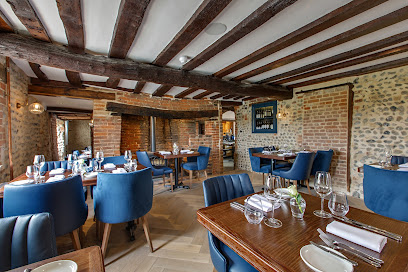
The Kings Head
29.5 km
A charming 4-star gastropub and inn in Bawburgh blending historic character with exceptional seasonal dining and cozy accommodation.
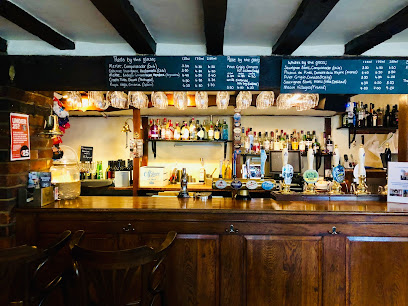
Bure River Cottage Restaurant
29.9 km
An intimate Norfolk Broads seafood haven serving expertly crafted fresh fish and shellfish in a relaxed, welcoming atmosphere.
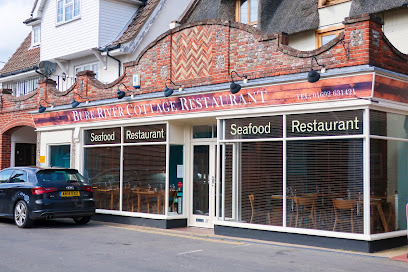
New Inn, Horning
30.2 km
Charming riverside pub in Horning offering hearty British fare, scenic moorings, and a friendly, laid-back atmosphere on the Norfolk Broads.
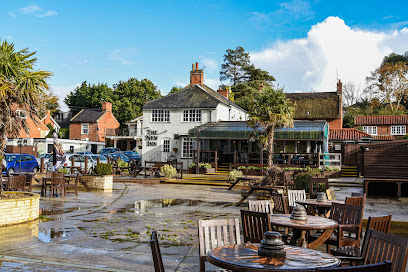
Roger Hickman's Restaurant
31.3 km
Elegant modern British fine dining with French flair in the heart of Norwich’s historic district.
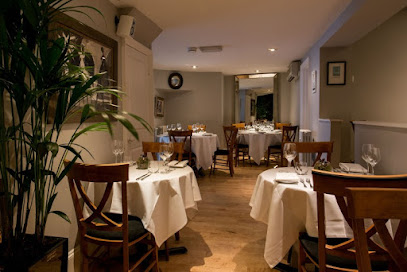
The White Horse Brancaster Staithe
32.6 km
A stylish coastal gastropub and hotel offering award-winning seafood, stunning tidal marsh views, and a tranquil Norfolk retreat.
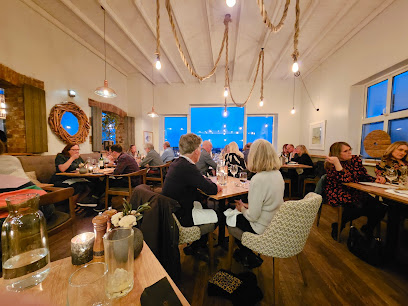
The Cellar House
32.9 km
A charming family-run pub in Norwich’s Eaton district, blending traditional British hospitality with beautifully crafted modern cuisine.
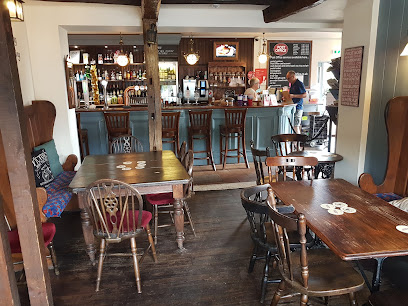
Kings Arms
33.2 km
Experience traditional English hospitality at Kings Arms in Ludham – a perfect blend of comfort food and local charm.
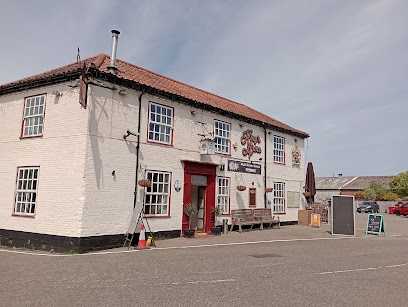
Markets, malls and hidden boutiques

Make Holt
4.3 km
Discover unique handicrafts and homewares at Make Holt, a charming shop in the heart of Holt, showcasing local artistry and creativity.
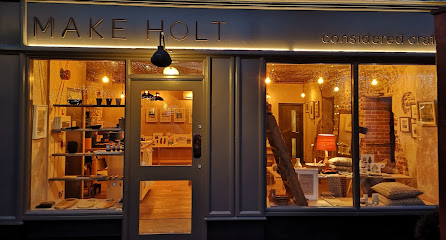
Very Nice Things Gift Shop
14.7 km
Discover quirky gifts and seasonal treasures in the heart of Reepham’s charming market town.
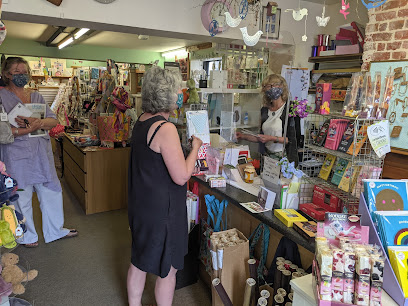
North Norfolk Crafts & Gift Shop
19.1 km
Discover authentic handmade crafts and unique gifts by local artisans in the charming coastal village of Mundesley.
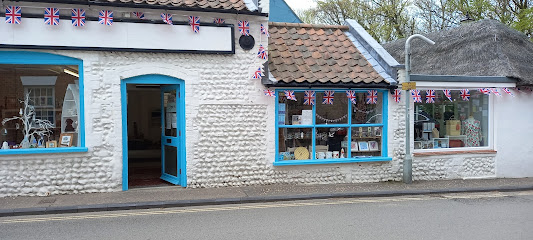
Shop With A View
21.1 km
Charming gift shop on Wells-next-the-Sea’s picturesque quay, blending unique shopping with stunning harbour views and local maritime spirit.
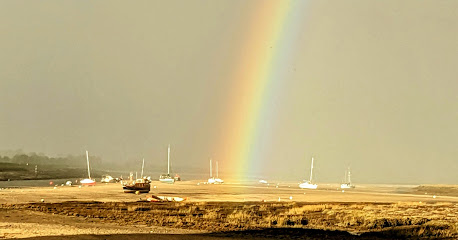
Natural East
21.2 km
Discover unique gifts and stylish home furniture in a charming coastal shop on The Quay at Wells-next-the-Sea.
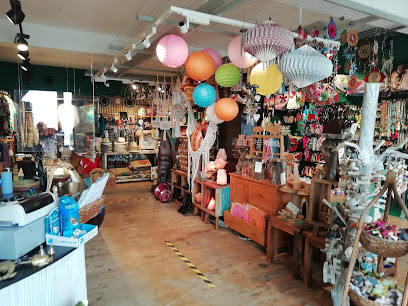
Tucked Away Norfolk
22.4 km
Discover handcrafted Norfolk treasures in a charming barn setting at Tucked Away, North Walsham’s artisan gift shop.
A Piece Of Cake
23.6 km
Cozy tea room and bakery in Coltishall, serving fresh cakes, hearty breakfasts, and traditional British fare in a charming riverside village setting.
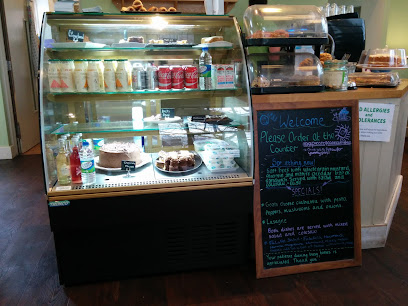
Roys of Wroxham Department store
27.0 km
Discover traditional British charm and a vast array of goods at Roys of Wroxham, Norfolk’s iconic department store and festive shopping haven.
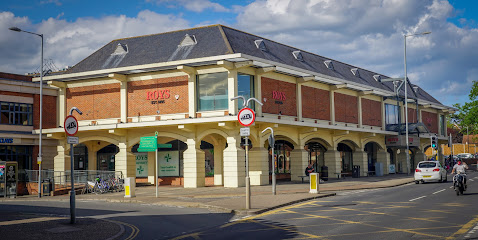
The Bridge Gift Shop
27.0 km
Discover unique local crafts and authentic souvenirs at The Bridge Gift Shop, a charming stop in the heart of Norfolk’s Broads.
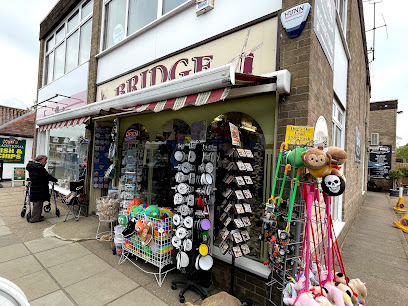
Tidings
30.0 km
Discover Tidings, your go-to convenience store in Horning, offering essential supplies and local delights for travelers exploring the Norfolk Broads.
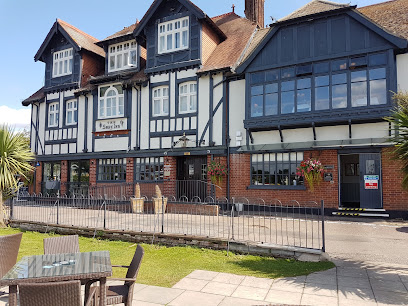
The Galley Horning
30.0 km
Discover the flavors of Norfolk at The Galley Horning, where gourmet deli delights meet charming cafe culture in a picturesque village setting.
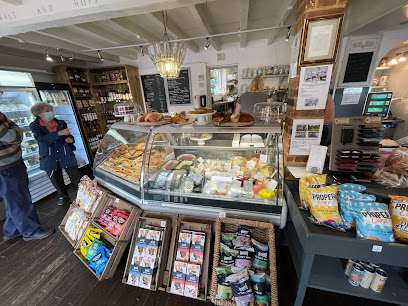
Anglia Square
30.7 km
Eclectic shopping and vibrant local character converge in Norwich’s distinctive Anglia Square urban centre.
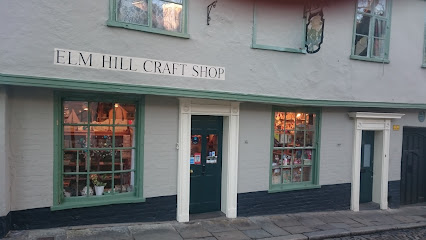
Elm Hill Craft Shop
31.3 km
Discover handcrafted gifts and nostalgic treasures in the heart of Norwich’s historic Elm Hill at Elm Hill Craft Shop.
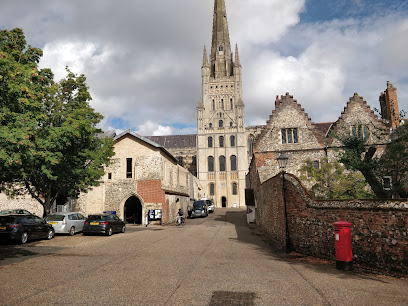
Cathedral Shop
31.4 km
Discover unique Norfolk crafts and Cathedral treasures at Norwich Cathedral’s charming Gift Shop in the historic Cathedral Close.
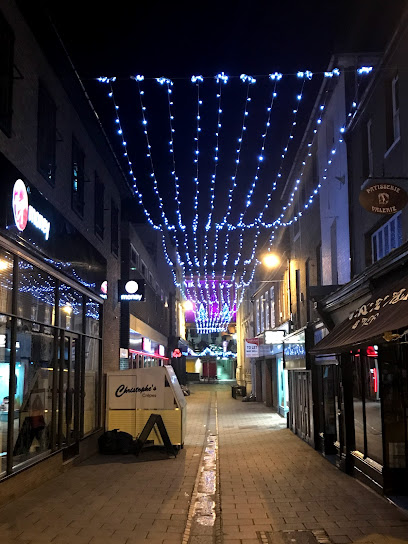
Norwich Lanes
31.4 km
Discover Norwich Lanes, a vibrant maze of independent shops, artisan cafes, and historic charm in the heart of Norwich city centre.
Essential bars & hidden hideouts

The White Horse Blakeney
11.0 km
Cosy, characterful gastropub and inn perched above Blakeney Quay, blending historic charm with coastal comfort on the Norfolk coast.
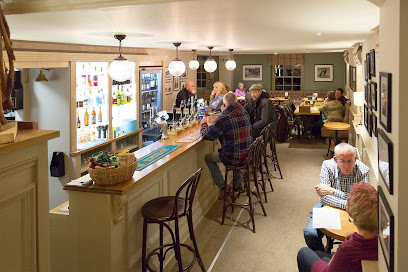
The Haig Club
19.1 km
A welcoming pub club in Mundesley offering quality ales, live music, and a friendly community atmosphere on the Norfolk coast.
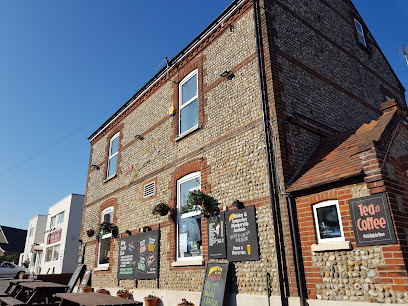
The Brisley Bell
23.5 km
Historic 17th-century Norfolk pub with award-winning food, boutique rooms, and expansive gardens blending tradition and modern comfort.
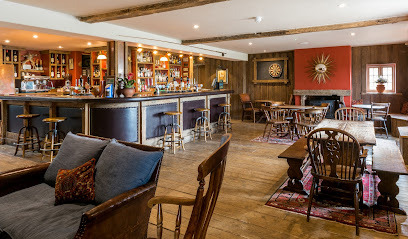
White Horse Inn Neatishead
27.8 km
Charming historic pub with award-winning ales, seasonal menus, and a welcoming atmosphere on the Norfolk Broads.
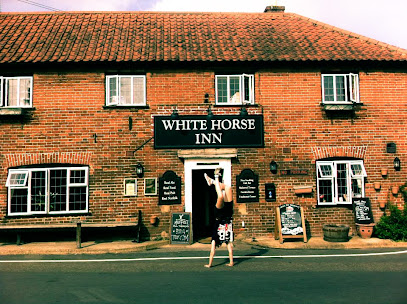
The Harnser
29.3 km
Historic pub and cozy B&B in Stalham Green, blending traditional Norfolk charm with gourmet dining and scenic countryside comfort.
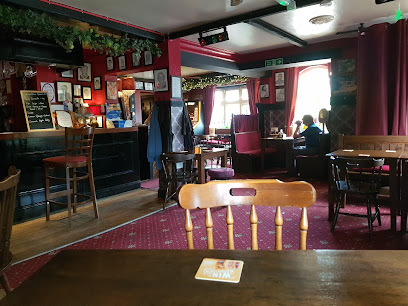
The Swan Inn
29.9 km
Charming riverside pub and inn in Horning offering cozy rooms, hearty British fare, and scenic views along the Norfolk Broads.
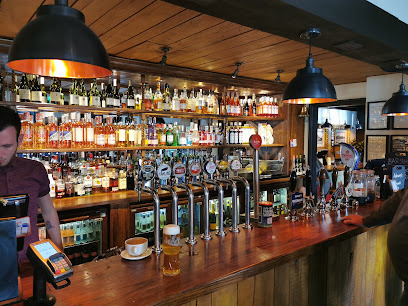
Innkeeper's Collection Norfolk Broads, Horning
30.0 km
Charming riverside inn on the Norfolk Broads offering cozy rooms, classic pub dining, and scenic waterway views in the heart of Horning village.

The Ferry Inn of Horning
31.0 km
A lively traditional pub on the Norfolk Broads offering hearty fare, riverside charm, and a family-friendly atmosphere.
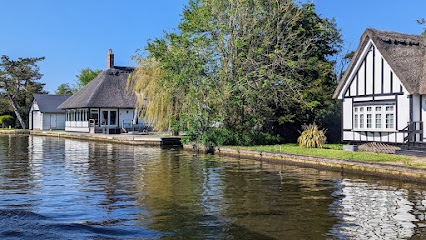
The Wallow | Self Service Wine Bar
31.3 km
Discover Norwich’s pioneering self-service wine bar offering over 50 wines, delicious sharing platters, and a relaxed, stylish atmosphere.
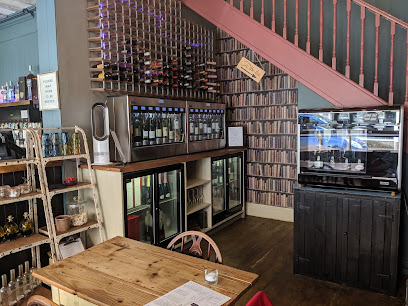
Dog Inn Ludham
32.8 km
A welcoming, dog-friendly pub in Ludham offering hearty home-cooked meals, local ales, and a cozy campsite in the Norfolk Broads.
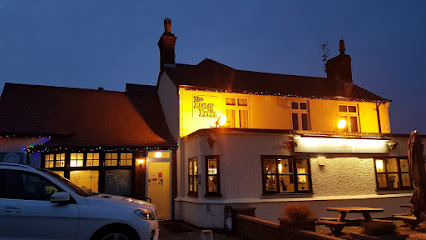
Coldham Hall
37.0 km
Charming riverside pub and bespoke wedding venue on the scenic Norfolk Broads, blending rustic warmth with stunning natural views.
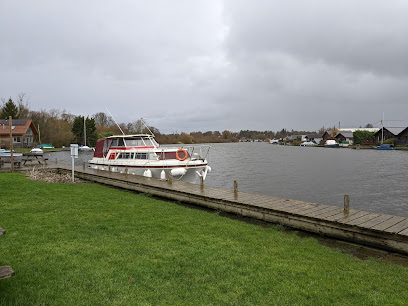
The Gin Trap Inn
41.3 km
A cozy Norfolk country pub and inn blending traditional charm with fine dining and comfortable, thoughtful accommodation.
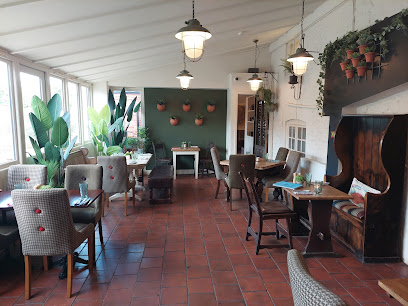
The Rose & Crown
43.5 km
A quintessential Norfolk village inn blending historic charm with modern dining, cozy rooms, and a welcoming pub atmosphere.
The Lord Nelson
47.0 km
Charming riverside pub on the Norfolk Broads offering quality ales, fresh British fare, and private moorings in a welcoming community setting.
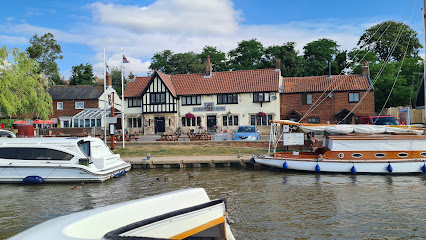
The Avenue
49.6 km
A friendly family-run pub in Great Yarmouth offering hearty meals, great drinks, and a welcoming atmosphere for all ages and tastes.
Nightclubs & after hour spots

ClubKA
17.9 km
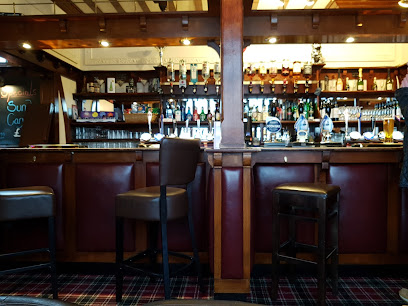
Traditional charm meets lively nightlife at The Kings Arms Hotel and ClubKA in North Walsham, offering comfort, great food, and late-night fun.
Mantra
31.6 km
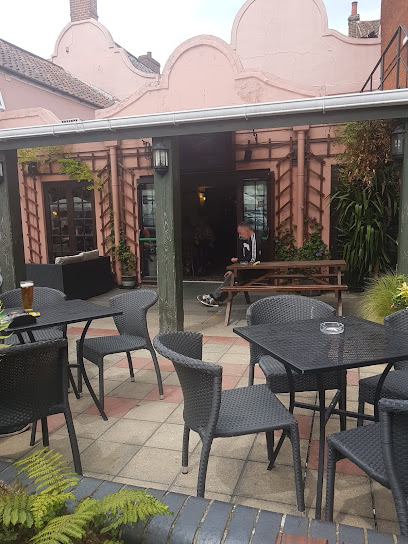
Experience vibrant nightlife and great music at Mantra Nightclub, Norwich’s energetic weekend party destination with friendly staff and affordable drinks.

Sugar & Spice - Strip Club and Lap Dancing Norwich
31.6 km
Norwich’s premier American-style strip club offering vibrant entertainment, VIP experiences, and a welcoming atmosphere for all guests.
Mojo's
31.6 km
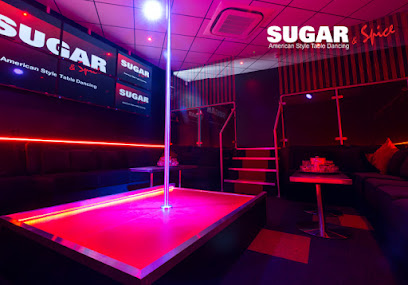
Mojo's: Norwich's gritty, no-frills nightclub pulsing with late-night beats and authentic urban energy.
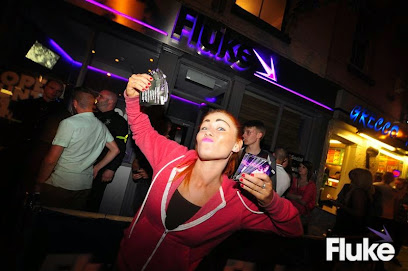
Fluke
31.7 km
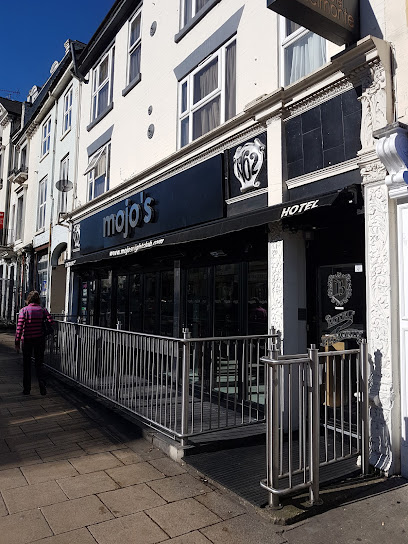
Experience Norwich’s vibrant nightlife at Fluke, where great music, affordable drinks, and a lively crowd come together for unforgettable nights.
Popworld - Norwich
31.7 km
Norwich’s vibrant late-night hotspot for pop hits, friendly vibes, and unforgettable party nights on Prince of Wales Road.

Loft Nightclub
31.7 km
Norwich’s vibrant gay nightclub with over 30 years of inclusive nightlife, music, and community spirit in the heart of the city.
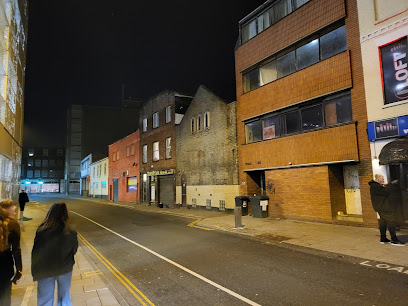
The Bermuda Club
43.3 km
A welcoming nightclub and bar in Hemsby offering lively evenings, family-friendly nights, and affordable drinks near Norfolk’s scenic coast.
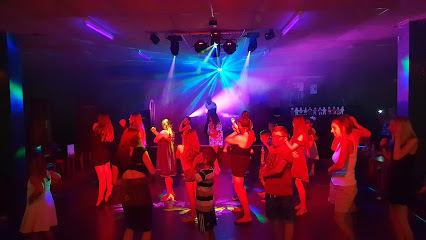
Fallen Angels
50.8 km
Experience vibrant nightlife and adult entertainment at Fallen Angels, Great Yarmouth’s premier late-night club on Marine Parade.
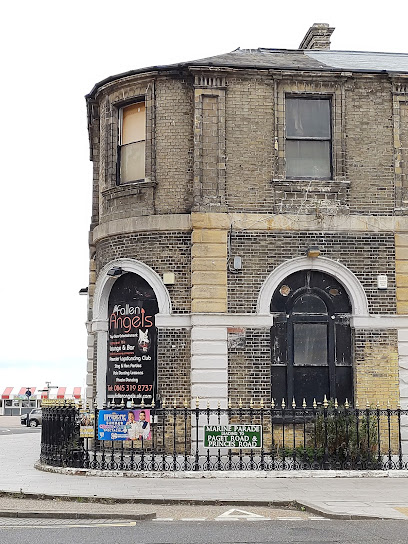
Mavvy’s
51.2 km
Experience Great Yarmouth’s vibrant nightlife at Mavvy’s, where music, dancing, and lively atmosphere come alive until the early hours.

Buddha Club
51.2 km
Experience Great Yarmouth’s vibrant nightlife at Buddha Club, where modern beats, colorful lights, and coastal vibes create unforgettable weekend nights.
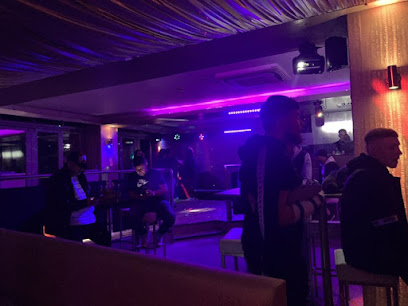
Moonlight Cabaret & Karaoke
51.9 km
Experience lively karaoke nights and captivating cabaret shows in the heart of Great Yarmouth’s vibrant nightlife scene.
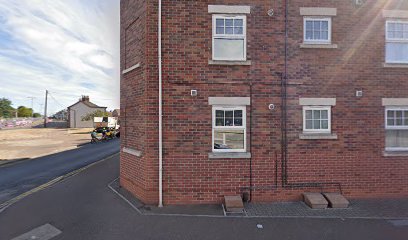
Ice Nightclub
60.4 km
Thetford’s vibrant nightlife hotspot with nostalgic tunes, lively parties, and a welcoming atmosphere for over-18s.
Kush Nightclub
60.5 km
Experience Skegness’ premier nightclub with luxury vibes, cutting-edge sound, and a vibrant dance floor at Kush within The Hive complex.
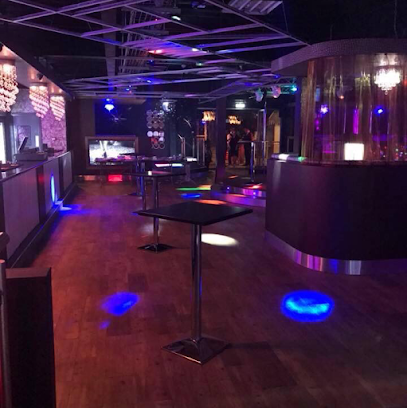
Sole Bay Bowls Club
71.6 km
Discover the serene beauty and community spirit of Sole Bay Bowls Club in Southwold, where leisure and tradition blend seamlessly.
For the vibe & atmosphere seeker
- Tranquil
- Scenic
- Relaxing
- Unique
- Historic
For the design and aesthetic lover
- Rustic Designs
- Vintage Styles
For the architecture buff
- Historic
- Landmarks
- Heritage Neighborhoods
For the view chaser and sunset hunter
- Iconic Views
- Panoramas
For the social media creator & influencer
- Instagrammable
- Photo Spots
- Aesthetic Corners
For the eco-conscious traveler
- Public-Transport Accessible
- Low Impact
- Protected Area
For the kind of experience you’re after
- Cultural Heritage
- Photowalk
- Day Trip
- Weekend Getaway
For how adventurous you want the journey to be
- Easy Access
- Requires Hike
Location Audience
- Family Friendly
- Senior Friendly
- Child Friendly
- Teen Friendly
- Wheelchair Access
- Pet Friendly
- Solo Friendly
- Couple Friendly
- Solo Female Friendly


