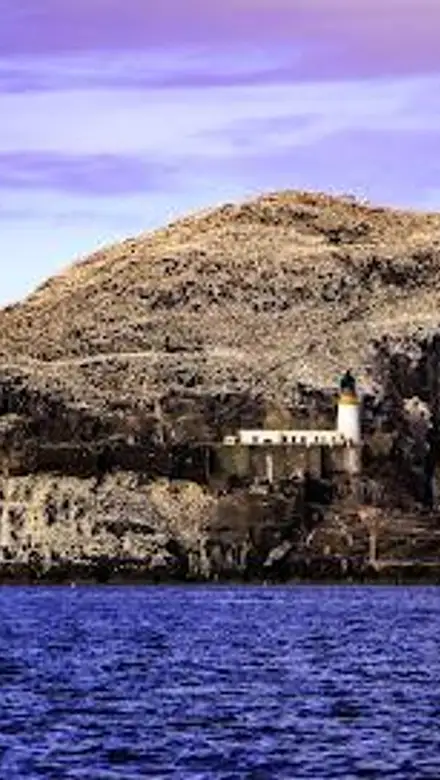
Bass Rock Travel Guide
Free Guide: A volcanic island in the Firth of Forth, home to the world’s largest colony of northern gannets and centuries of history as a hermitage, fortress, and prison.


A brief summary of Bass Rock
A volcanic island in the Firth of Forth, home to the world’s largest colony of northern gannets and centuries of history as a hermitage, fortress, and prison.
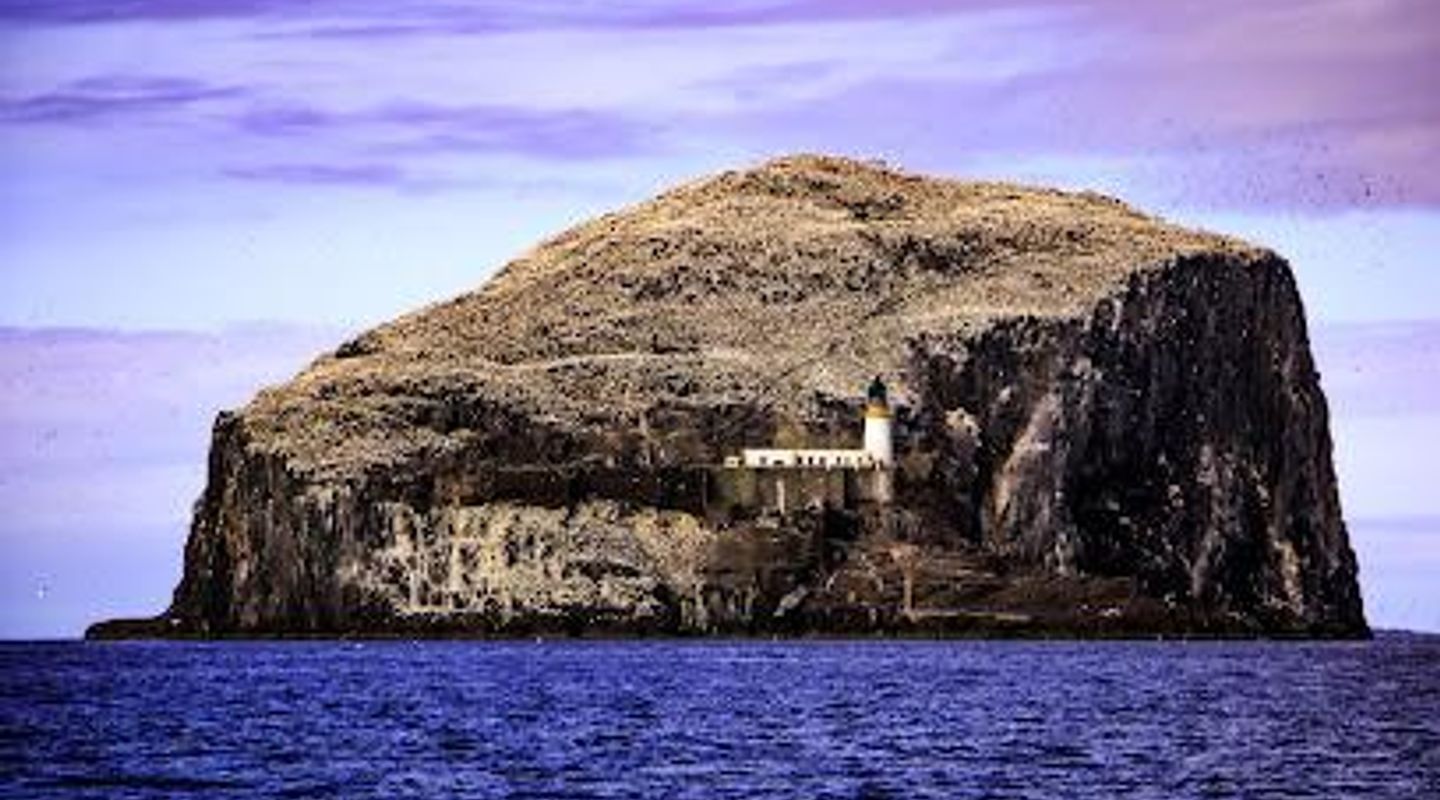
Rising dramatically from the Firth of Forth, Bass Rock is a volcanic island and the world’s largest colony of northern gannets. From a distance it looks snow-covered, but the white is actually tens of thousands of seabirds and their guano. The island has a rich history as a hermitage, fortress, and prison, with castle ruins and a 1902 lighthouse still visible. Access is only by boat from North Berwick or Dunbar, offering close-up views of the gannet colony and dramatic coastal scenery.
On-site amenities
 Restrooms
 Drink options
 Drinking water
 Food options
 Seating areas
 Sheltered areas
 Trash bins
 Information boards
 Visitor centre
- Address
- Bass Rock
Getting there
Boat from North Berwick
Boat from Dunbar
Train to North Berwick
Road to North Berwick
Discover more about Bass Rock
A Seabird City on a Volcanic Plug
Bass Rock is a striking volcanic plug rising 107 metres from the Firth of Forth, about 5 km northeast of North Berwick. Formed around 340 million years ago when magma hardened in a volcano’s vent, the surrounding softer rock eroded away, leaving this steep-sided, circular island. Today it’s best known as the world’s largest single-rock colony of northern gannets, with over 150,000 birds nesting here each breeding season. From a distance, the rock appears snow-covered, but the white is actually the birds and their guano, giving the island its distinctive, almost luminous appearance.
Home to the Gannets
The gannet colony dominates Bass Rock, transforming the island into a noisy, bustling seabird city. During the breeding season, the air is filled with the calls of gannets, the sound of wings beating overhead, and the constant activity of birds arriving and departing. The lower ledges also host shags, guillemots, and razorbills, while seals can often be seen hauled out on the rocks below. The island is a Site of Special Scientific Interest and a key location for seabird research, with live cameras and seasonal boat trips allowing visitors to observe this extraordinary wildlife spectacle up close.
Centuries of Human History
Bass Rock has been a place of human significance for over a thousand years. In the 7th century, it served as a hermitage for St Baldred, an early Christian saint, and later housed a chapel dedicated to him. By the 14th century, the Lauders had built a castle on the island, which later became a strategic fortress and, in the 17th century, a notorious prison. The substantial ruins of the castle still stand near the only landing place, and the 1902 lighthouse, built on the site of the Governor’s House, continues to guide ships through the Firth of Forth.
Visiting the Rock
Access to Bass Rock is strictly by boat, with regular sightseeing trips departing from North Berwick harbour and some from Dunbar. Standard cruises circle the island, offering excellent views of the gannet colony, castle ruins, and lighthouse, while longer, exclusive landing experiences allow guided visits onto the island itself. These landings are seasonal, weather-dependent, and require appropriate clothing and footwear due to the exposed, rocky terrain. From the mainland, the rock can also be admired from coastal paths near North Berwick and Tantallon Castle, where it forms a dramatic backdrop to the East Lothian coastline.
Evendo Review Centre
 Google
Guest reviews
Best time to go
Quietest: Jan, Feb & Dec · before 7am or from 9pm
Busy times are Evendo estimates for a typical year, to help you plan. Actual crowds vary with events, school holidays and the weather.
Explore Bass Rock on the map
A handpicked selection of must-see spots near Bass Rock, mapped for you.
Get your free copy of our complete guide to Bass Rock, delivered straight to you.
Everything on this page, from opening hours and how to get there to Eve’s tips and the best time to go, in one PDF you can read offline, print or share.
Already have an account? Sign in
Your Bass Rock guide is ready.
We'll send it to · Not you? Sign out

Getting your guide ready…
We are putting together a fresh copy of the Bass Rock guide. This can take up to a minute.
This can take a few moments. If your browser asks, choose Allow so the download can start. You'll find the guide in your Downloads folder.
Nothing happened? Download it again
Sorry, the guide is taking longer than usual. Please try again in a minute, or get it by email instead.
Unlock the best of Bass Rock
Skip-the-line tickets, guided tours with entry, and walking tours of the area, booked in a few clicks.

Other nearby places you may find interesting
The closest places of the same kind, if this one is not quite what you had in mind.
-
-
-
-
-


Swipe for more places
More to explore near Bass Rock

 Best experiences near Bass Rock
 Best hotels near Bass Rock
 Best landmarks near Bass Rock
 Best attractions near Bass Rock
 Best shops near Bass Rock
 Best restaurants near Bass Rock
 Best bars near Bass Rock
Do you manage this location?
Take control to get all the benefits, like improved information, better appearance, and stronger visibility across AI-powered discovery.
Explore more

Explore more of Peeblesshire
Discover the serene beauty of Peeblesshire in the Scottish Borders, where history, nature, and local charm come together for an unforgettable experience.
Explore Peeblesshire
Explore more of United Kingdom
Discover the United Kingdom: A blend of rich history, stunning landscapes, and vibrant cities, offering a unique travel experience for every visitor.
Explore United Kingdom