Stobo Kirk Travel Guide
Free Guide: Explore Stobo Kirk, a rare 12th-century Norman church dedicated to St Mungo, nestled in the serene Scottish Borders near Peebles.


A brief summary of Stobo Kirk
Explore Stobo Kirk, a rare 12th-century Norman church dedicated to St Mungo, nestled in the serene Scottish Borders near Peebles.
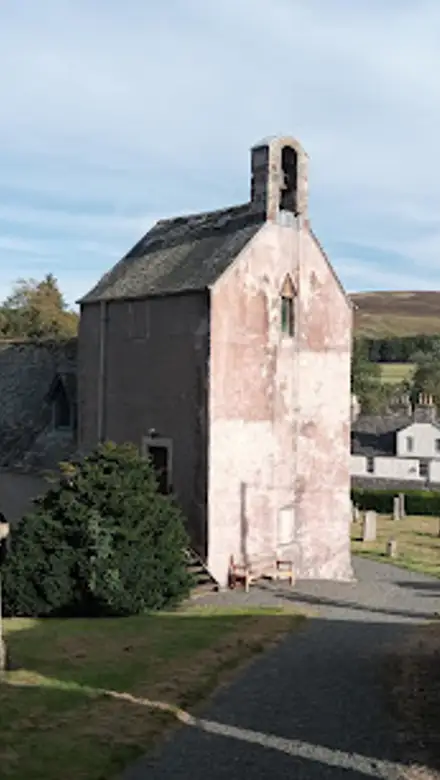
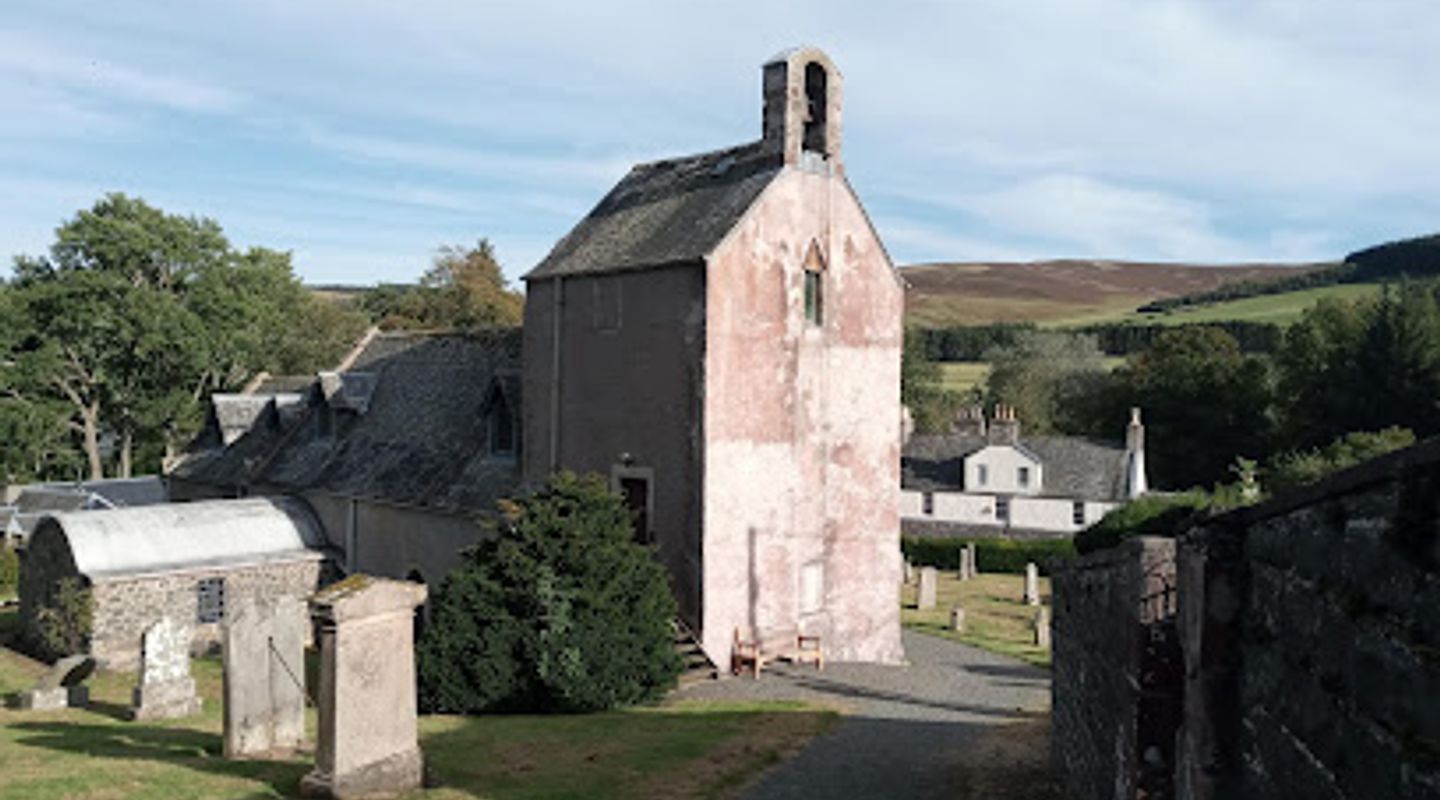
Stobo Kirk is a historic Church of Scotland site near Peebles, Scotland, with origins dating back to the 6th century. Dedicated to St Mungo, it features Norman architecture, a unique NE-SW axis, and a rich history spanning medieval times, the Reformation, and Victorian restoration. Its tranquil rural setting near the River Tweed complements the church’s character and heritage.
On-site amenities
 Seating areas
 Information boards
Opening hours
- Mon–SatClosed
- Sun11:30 am–12:30 pm
Opening hours as listed on the venue’s Google Business Profile. Hours can change for services and special events, so check with the venue before you go.
- Address
- B712, Peebles EH45 8NU
- Phone
- Website
Getting there
Car
Bus
Walking
Discover more about Stobo Kirk
Roots in Early Scottish Christianity
Stobo Kirk is believed to have been founded in the 6th century by St Kentigern, also known as St Mungo, a key figure in early Scottish Christianity. As the mother church ('plebania') for the surrounding district, it held spiritual authority over several chapelries in the region. This early ecclesiastical importance marks Stobo Kirk as a significant religious site in the ancient kingdom of Strathclyde.
Architectural Legacy from Norman to Victorian
The present church building largely descends from a 12th-century Norman structure, notable for its rare northeast-southwest orientation rather than the typical east-west axis. Key features include a 12th-century nave and chancel, and a distinctive Norman stone entrance with a cedar door sourced from nearby Dawyck estate. The late 15th to 16th-century porch bears grooves etched by schoolchildren sharpening slate pencils and possibly archers preparing for practice, linking the church to local social history.
Medieval and Reformation Transitions
During the 15th and 16th centuries, Stobo Kirk witnessed the social and religious ferment that preceded the Scottish Reformation. The local community’s desire for reform was reflected in events such as the succession of a canon by his son, which fueled calls for change. Unlike many churches, Stobo retained much of its original medieval fabric through the Reformation, including its windows and structural elements, while the tower was heightened in the 16th century.
Victorian Restoration and Preservation
The 19th century brought significant restoration efforts led by architect John Lessels in 1863, followed by further work in 1929. These restorations preserved the church’s historical character while maintaining its structural integrity. The exterior remains modest, but the interior reveals rich architectural details and a palpable sense of history.
Setting and Surroundings
Stobo Kirk is situated on rising ground just north of the River Tweed near the B712 road, about six miles southwest of Peebles. The surrounding landscape is quintessentially Scottish Borders—rolling hills, historic bridges, and scenic river views. The churchyard and building are both protected as category B listed structures, underscoring their cultural and architectural significance.
Distinctive Features and Cultural Impressions
Among its unique attributes are the porch grooves linked to local traditions, the Norman cedar door, and stained glass windows depicting St Kentigern’s missionary work. The church’s unusual orientation and survival through centuries of religious upheaval make it a compelling site for those interested in Scottish ecclesiastical history and rural heritage.
Evendo Review Centre
 Google
Guest reviews
Best time to go
Quietest: Jan, Feb & Dec · before 7am or at 9pm
Busy times are Evendo estimates for a typical year, to help you plan. Actual crowds vary with events, school holidays and the weather.
Explore Stobo Kirk on the map
A handpicked selection of must-see spots near Stobo Kirk, mapped for you.
Get your free copy of our complete guide to Stobo Kirk, delivered straight to you.
Everything on this page, from opening hours and how to get there to Eve’s tips and the best time to go, in one PDF you can read offline, print or share.
Already have an account? Sign in
Your Stobo Kirk guide is ready.
We'll send it to · Not you? Sign out

Getting your guide ready…
We are putting together a fresh copy of the Stobo Kirk guide. This can take up to a minute.
This can take a few moments. If your browser asks, choose Allow so the download can start. You'll find the guide in your Downloads folder.
Nothing happened? Download it again
Sorry, the guide is taking longer than usual. Please try again in a minute, or get it by email instead.
Other nearby places you may find interesting
The closest places of the same kind, if this one is not quite what you had in mind.
-
-
-
-
-


Swipe for more places
More to explore near Stobo Kirk

 Best experiences near Stobo Kirk
 Best hotels near Stobo Kirk
 Best landmarks near Stobo Kirk
 Best attractions near Stobo Kirk
 Best shops near Stobo Kirk
 Best restaurants near Stobo Kirk
 Best bars near Stobo Kirk
Do you manage this location?
Take control to get all the benefits, like improved information, better appearance, and stronger visibility across AI-powered discovery.
Explore more

Explore more of Peeblesshire
Discover the serene beauty of Peeblesshire in the Scottish Borders, where history, nature, and local charm come together for an unforgettable experience.
Explore Peeblesshire
Explore more of United Kingdom
Discover the United Kingdom: A blend of rich history, stunning landscapes, and vibrant cities, offering a unique travel experience for every visitor.
Explore United Kingdom