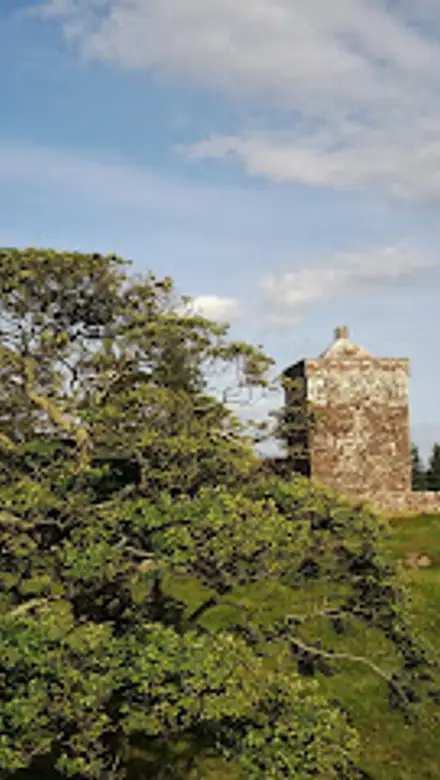
Repentance Tower Travel Guide
Free Guide: Historic 16th-century watchtower with panoramic views over Solway Firth, steeped in border lore and Maxwell family history.


A brief summary of Repentance Tower
Historic 16th-century watchtower with panoramic views over Solway Firth, steeped in border lore and Maxwell family history.
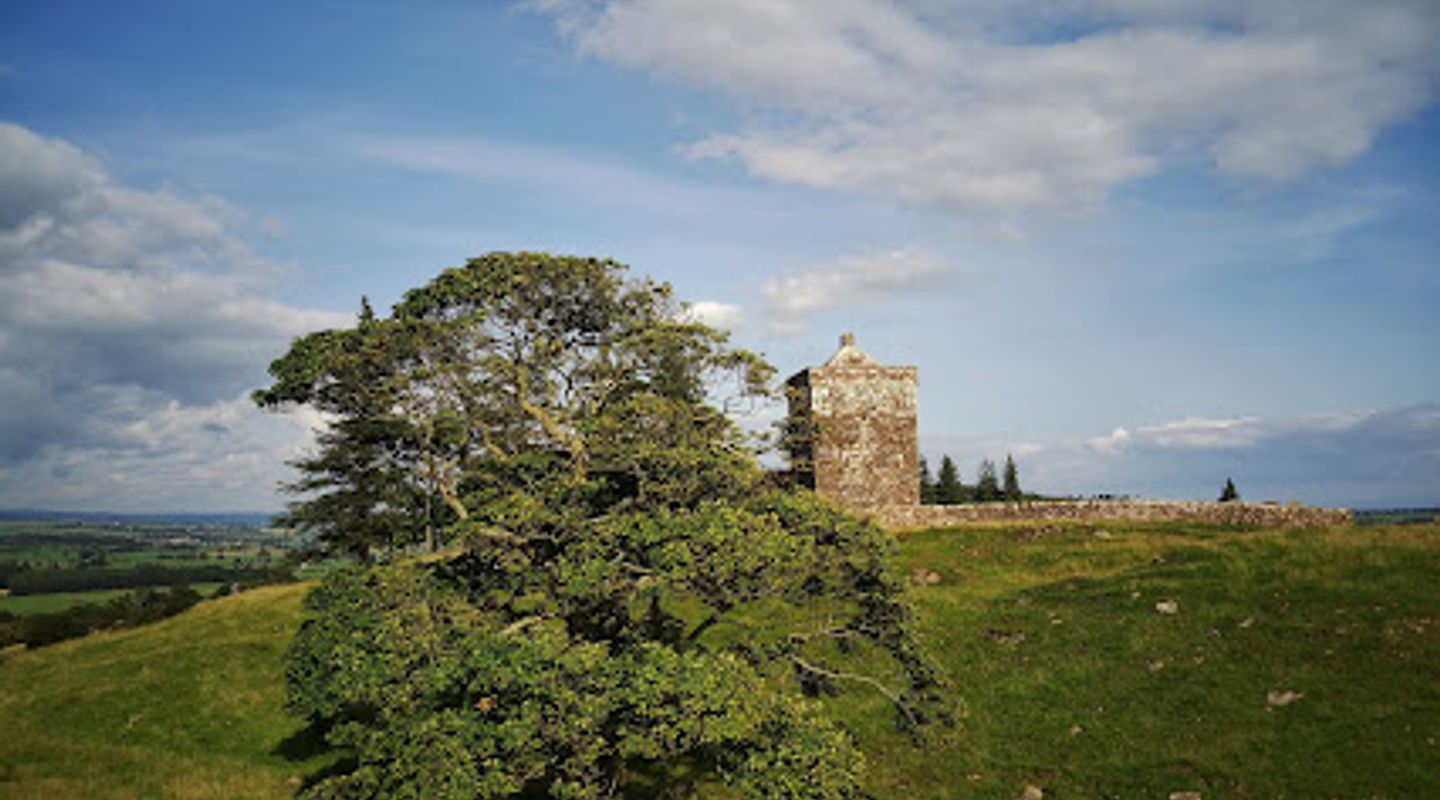
Repentance Tower, built in 1565 by John Maxwell, 4th Lord Herries, is a historic watchtower perched atop Trailtrow Hill near Hoddom, Lockerbie. Originally constructed as a defensive beacon to guard the Scottish border against English incursions, it offers panoramic views over the Solway Firth and surrounding countryside. The tower’s name derives from a carved inscription above its entrance, reflecting a story of repentance linked to its builder. Today, it stands as a poignant landmark rich with history and scenic beauty.
On-site amenities
 Seating areas
 Trash bins
 Information boards
Opening hours
- Every dayOpen 24 hours
Opening hours as listed on the venue’s Google Business Profile. Hours can change for services and special events, so check with the venue before you go.
- Address
- Hoddom, Lockerbie DG11 1AS
Getting there
Train and Bus Combination
Car Travel
Walking from Hoddom Village
Discover more about Repentance Tower
Origins Rooted in Border Defense and Repentance
Repentance Tower was erected in 1565 by John Maxwell, the 4th Lord Herries, shortly after he built Hoddom Castle nearby. The tower was constructed on Trailtrow Hill, a conical elevation about 350 feet high, providing a strategic vantage point over the Solway Firth and the English borderlands. Its name stems from the word "Repentance" carved above the entrance, which is believed to signify Maxwell’s remorse for having used stones from the now-demolished Trailtrow Chapel in building Hoddom Castle or alternatively as a memorial for Scots who perished after Maxwell broke a pledge not to fight the English. This watchtower was part of a network of defensive structures to guard the West March of the Scottish Borders during a turbulent era marked by frequent raids and conflicts.
Architectural Features and Historical Role
The tower is a compact stone structure designed primarily for surveillance rather than habitation, featuring only a small fireplace and minimal living quarters. It was originally equipped with a bell and beacon fire to signal English invasions or raids to nearby garrisons. The tower suffered damage during an English siege in 1570 but was repaired by 1579. In the 18th century, the upper floor was converted into a dovecote, reflecting a shift from military to agricultural use. The tower’s robust stonework and commanding position have preserved its silhouette as a landmark visible for miles around.
Setting and Scenic Surroundings
Situated on Trailtrow Hill, the tower overlooks a landscape that includes the remnants of Hoddom Castle, the Solway coastline, and the hills of Cumberland across the border in England. The surrounding area is rich in natural beauty with woodland and riverside walks nearby, offering visitors a tranquil environment to explore. The hill’s elevation provides sweeping panoramic views that have made the tower a favored spot for short hikes and photography, especially during sunset.
Legacy and Visitor Experience
Though once accessible inside, safety concerns have led to the closure of interior access, but visitors can still appreciate the tower’s exterior and its impressive vantage point. The site is steeped in stories of border conflicts, local lore, and the complex history of the Maxwell family. The tower’s evocative name and historical significance invite reflection on themes of conflict, repentance, and remembrance. Nearby, the Hoddom Estate and the River Annan add to the cultural and natural appeal of the area.
Nearby Attractions and Cultural Context
Repentance Tower lies within reach of other historical and cultural sites such as Hoddom Castle ruins, the birthplace of Thomas Carlyle, and the Gretna Green blacksmiths’ shops. This region of Dumfries and Galloway is known for its rich Scottish heritage, scenic landscapes, and connections to notable historical figures. Visitors can combine a visit to the tower with explorations of local towns, countryside walks, and heritage landmarks for a well-rounded experience.
Preservation and Historical Importance
The tower is recognized as a scheduled monument, reflecting its importance as a heritage asset. Its preservation offers insight into 16th-century border defenses and the social history of the Scottish Marches. The site remains a symbol of the turbulent history of the Anglo-Scottish border and the legacy of the Maxwell family’s role in regional defense and politics.
Evendo Review Centre
 Google
Guest reviews
Best time to go
Quietest: Jan, Feb & Dec · before 6am or at 9pm
Busy times are Evendo estimates for a typical year, to help you plan. Actual crowds vary with events, school holidays and the weather.
Explore Repentance Tower on the map
A handpicked selection of must-see spots near Repentance Tower, mapped for you.
Get your free copy of our complete guide to Repentance Tower, delivered straight to you.
Everything on this page, from opening hours and how to get there to Eve’s tips and the best time to go, in one PDF you can read offline, print or share.
Already have an account? Sign in
Your Repentance Tower guide is ready.
We'll send it to · Not you? Sign out

Getting your guide ready…
We are putting together a fresh copy of the Repentance Tower guide. This can take up to a minute.
This can take a few moments. If your browser asks, choose Allow so the download can start. You'll find the guide in your Downloads folder.
Nothing happened? Download it again
Sorry, the guide is taking longer than usual. Please try again in a minute, or get it by email instead.
Other nearby places you may find interesting
The closest places of the same kind, if this one is not quite what you had in mind.
-
-
-
-
-


Swipe for more places
More to explore near Repentance Tower

 Best experiences near Repentance Tower
 Best hotels near Repentance Tower
 Best landmarks near Repentance Tower
 Best attractions near Repentance Tower
 Best shops near Repentance Tower
 Best restaurants near Repentance Tower
 Best bars near Repentance Tower
Do you manage this location?
Take control to get all the benefits, like improved information, better appearance, and stronger visibility across AI-powered discovery.
Explore more
Explore more of Perthshire
Discover Perthshire: Scotland's Heartland of Natural Beauty, Cultural Heritage, and Outdoor Adventure.
Explore Perthshire
Explore more of United Kingdom
Discover the United Kingdom: A blend of rich history, stunning landscapes, and vibrant cities, offering a unique travel experience for every visitor.
Explore United Kingdom