

Free Perthshire Travel Guide & Mobile App
Explore Perthshire with free travel guides. Discover regional history, expert tips, proposed trips, and audio guides on web or mobile app.


Explore Perthshire’s historic towns, forested glens, Highland lochs, riverside paths, castles and mountain landscapes in central Scotland.
Read more about Perthshire
When is the best time to visit Perthshire?
Best: June–August · 19–20°C| Month | High (°C) | Rainfall (mm) |
|---|---|---|
| January | 7 | 80 |
| February | 7 | 60 |
| March | 9 | 70 |
| April | 12 | 50 |
| May | 16 | 60 |
| June (best) | 19 | 70 |
| July (best) | 20 | 70 |
| August (best) | 20 | 80 |
| September | 17 | 70 |
| October | 13 | 90 |
| November | 7 | 90 |
| December | 6 | 100 |
Getting to and around Perthshire
How to get there
Transportation
Top city travel guides in Perthshire
The cities of Perthshire, and the easiest places to base yourself.
-

-

-

-

-


Swipe for more cities
Destinations in Perthshire
Resorts, valleys and scenic spots worth a trip of their own.
-

-

-


Swipe for more destinations
Best attractions in Perthshire
Perthshire's attractions range from royal and aristocratic heritage to forests, rivers and mountain routes. Scone Palace explains the area's association with Scottish kings, while Blair Castle near Blair Atholl presents the history of one of Scotland's influential families and its estate. Dunkeld Cathedral, Castle Menzies near Aberfeldy and the largely ruined Huntingtower Castle near Perth add architectural depth across different parts of the region. The Battle of Killiecrankie visitor area interprets the Jacobite conflict and the strategic pass. Outdoor attractions are equally important: the River Tay, Loch Tay, Loch Tummel, the Birks of Aberfeldy and extensive woodland trails offer walking, cycling, fishing and water-based recreation. Schiehallion provides a well-known mountain objective, while quieter glens such as Glen Lyon appeal to visitors seeking longer drives and more remote walking. Pitlochry Festival Theatre adds a cultural dimension, and Perth's museums, galleries and riverside spaces provide accessible options when weather limits outdoor plans.
-
Castle
Palace of Holyroodhouse
Explore Scotland’s royal heritage at the Palace of Holyroodhouse, a majestic residence rich with history, art, and stunning gardens.
-
Park and Garden
George Square
Glasgow’s iconic civic square, rich in history, grand architecture, and commemorative monuments celebrating Scotland’s heritage.
-
Museum
Camera Obscura & World of Illusions
Explore Edinburgh’s historic Camera Obscura and five floors of mind-bending illusions with panoramic rooftop views.
-
Cathedral
St Giles' Cathedral
Explore nearly 900 years of Scottish history, faith, and artistry at St Giles' Cathedral, the iconic heart of Edinburgh's Royal Mile.


Best landmarks in Perthshire
Scone Palace is Perthshire's most politically resonant landmark, occupying the site associated with the inauguration of Scottish monarchs and preserving a powerful royal landscape near Perth. Dunkeld Cathedral, beside the River Tay, combines medieval ecclesiastical remains with the visual character of a historic riverside settlement. Blair Castle is a prominent white-walled landmark in Highland Perthshire and reflects the long influence of the Atholl family. Castle Menzies near Aberfeldy is a substantial sixteenth-century fortified house whose architecture records the uncertain conditions of Renaissance Scotland. The Pass of Killiecrankie is both a geographical landmark and a battlefield, its steep wooded sides explaining why the route mattered militarily. Schiehallion forms one of the region's most recognisable mountain profiles, while the Tay provides a defining natural axis from Perth through Dunkeld and into the Highland landscape. Together these places express Perthshire's blend of royal history, clan society, strategic terrain, architecture and river country.
-
Tourist attraction
Royal Mile
Edinburgh's iconic mile-long spine connecting castle and palace through medieval history, culture, and Scottish character.
-
Monument
Scott Monument
Gothic spire honoring Sir Walter Scott with panoramic city views from 287 steps in Edinburgh’s Princes Street Gardens.
-
Hotel
Atholl Palace Hotel
Historic Victorian elegance meets Highland tranquility at Atholl Palace Hotel, a luxurious retreat in the heart of Pitlochry.
-
 Hotel
Ballathie House Hotel
Historic Scottish country house hotel with award-winning dining and tranquil river views on a vast Perthshire estate.


Explore Perthshire on the map
Plan your trip on one map. See where the top cities, national parks and sights are, and book hotels and experiences in a few clicks.
Best hotels in Perthshire
Best restaurants in Perthshire
Perthshire dining draws on the produce of its farms, rivers, forests and orchards. Menus commonly feature Scottish beef and lamb, game in season, salmon and trout, alongside vegetables, cheeses, breads and berries from the wider region. Blairgowrie and the surrounding countryside are particularly associated with soft-fruit growing, while farm shops and food halls provide opportunities to buy local produce for picnics or self-catering. Perth, Dunkeld, Pitlochry, Crieff and Aberfeldy offer the broadest choice of restaurants, cafés, bakeries and pubs, while rural inns remain important for hearty lunches and evening meals. Whisky from Perthshire distilleries and locally produced beer often accompany food, though the region's dining culture is not limited to drinks. Booking is sensible in smaller towns during summer, autumn foliage season and major theatre or event dates, when table numbers can be limited.
-
Restaurant
Victoria's Restaurant
A long-standing family-run eatery in Pitlochry, blending a relaxed coffee house by day with a chic bistro by evening, serving Scottish, British and Italian comfort food in a warm, open-fire setting.
-
Pub
Broxden Farm - Dining & Carvery
A charming Scottish pub in Perth offering hearty carvery meals and warm hospitality in a cozy, family-friendly setting.
-
Restaurant
The Maltings - Pub & Grill
A modern pub and grill in Perth offering flame-grilled classics, gluten-free options, and a welcoming atmosphere for casual dining.
-
Family friendly
Paco's Restaurant
Lively family-friendly dining in Perth offering diverse international flavors and a welcoming atmosphere on historic Mill Street.


Best bars in Perthshire
Perthshire's evening life is centred more on pubs, hotel bars, restaurants, theatre and live music than on a large nightclub scene. Perth has the widest choice, with traditional pubs, contemporary bars and venues that attract a local evening crowd. Pitlochry combines welcoming pubs and restaurants with audiences attending performances at Pitlochry Festival Theatre, while Dunkeld and Aberfeldy offer smaller selections of historic inns, bars and places to sample local whisky or beer. Crieff and other market towns have a similarly relaxed pattern, with activity concentrated around the town centre and weekends. In rural districts, evenings are quieter and often organised around a pub meal, a drinks tasting or conversation rather than late-night entertainment. Opening arrangements vary considerably outside the larger settlements, so visitors staying in a glen should plan transport and avoid assuming that a taxi or venue will be available late at night.
-
Pub
The Glover Arms
Historic Scottish pub with hearty fare, cozy fires, and a lively beer garden in Perth’s Huntingtower Park.
-
Pub
The Maltings - Pub & Grill
A modern pub and grill in Perth serving quality chargrilled dishes in a friendly, comfortable setting with gluten-free options.
-
Pub
The Foundry
A lively pub and restaurant in Perth offering hearty fare, friendly service, and a vibrant social atmosphere in the city center.
-
Pub
Sandeman
Historic charm meets vibrant hospitality at Sandeman, Perth’s welcoming pub and restaurant in the iconic Sandeman Building.


Best nightclubs in Perthshire
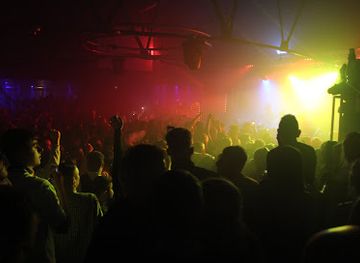
Perthshire's evening life is centred more on pubs, hotel bars, restaurants, theatre and live music than on a large nightclub scene. Perth has the widest choice, with traditional pubs, contemporary bars and venues that attract a local evening crowd. Pitlochry combines welcoming pubs and restaurants with audiences attending performances at Pitlochry Festival Theatre, while Dunkeld and Aberfeldy offer smaller selections of historic inns, bars and places to sample local whisky or beer. Crieff and other market towns have a similarly relaxed pattern, with activity concentrated around the town centre and weekends. In rural districts, evenings are quieter and often organised around a pub meal, a drinks tasting or conversation rather than late-night entertainment. Opening arrangements vary considerably outside the larger settlements, so visitors staying in a glen should plan transport and avoid assuming that a taxi or venue will be available late at night.
-
Nightclub
Fubar Nightclub
Vibrant late-night clubbing in Stirling with diverse music, multiple bars, and a lively student-friendly atmosphere.
-
Nightclub
Ice Factory Perth
Perth’s energetic nightclub and live music venue offering vibrant weekend parties and relaxed Sunday sessions in a welcoming atmosphere.
-
Nightclub
Loft Nightclub
Experience Perth’s vibrant nightlife at Loft Nightclub, where six bars and open-format music fuel late-night socialising in a lively, stylish setting.
-
Nightclub
Ego Nightclub - Perth
Experience Perth’s vibrant nightlife at Ego Nightclub, where quality music and positive energy unite after dark.



Best shops in Perthshire
Perth is the region's main shopping centre, with a conventional high street, independent retailers, galleries, cafés and access to larger stores. Smaller towns provide a more local pattern: Dunkeld is known for independent shops and galleries in historic streets, while Pitlochry and Aberfeldy cater strongly to visitors seeking crafts, outdoor goods, books, whisky and regional food. Crieff has long-standing connections with antiques and interior-related shopping, although individual businesses and opening arrangements change. Farm shops and produce outlets are useful for Perthshire berries, preserves, smoked foods, baking and locally made drinks. Craft products may include textiles, woodwork, ceramics and jewellery, but visitors should check provenance when buying items described as local. Markets and seasonal fairs can add to the retail experience, particularly in larger settlements, though dates vary and should be confirmed before planning a journey.
-
Department store
The House of Bruar
Scotland’s iconic Highland shopping emporium blending timeless country style, gourmet delights, and scenic charm near Pitlochry.
-
Gift shop
Nutcracker
A year‑round Christmas wonderland in Crieff, packed with festive decorations, ornaments, and holiday magic for every season.
-
Gift shop
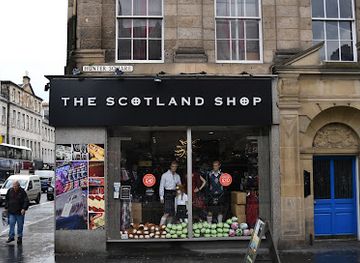
The Scotland Shop
Explore authentic Scottish heritage through bespoke kilts, tartan accessories, and traditional craftsmanship in the heart of Edinburgh.
-
Antique Shop
Rustic Retro
Discover timeless antiques and vintage treasures in the heart of Scone at Rustic Retro, where history and charm meet.



Get your free copy of our complete guide to Perthshire, delivered straight to you.
Everything on this page, from attractions and restaurants to essentials and local phrases, in one PDF you can read offline, print or share.
Already have an account? Sign in
Your Perthshire guide is ready.
We'll send it to · Not you? Sign out

Getting your guide ready…
We are putting together a fresh copy of the Perthshire guide. This can take up to a minute.
This can take a few moments. If your browser asks, choose Allow so the download can start. You'll find the guide in your Downloads folder.
Nothing happened? Download it again
Sorry, the guide is taking longer than usual. Please try again in a minute, or get it by email instead.
Perthshire essentials
Currency and Payment
Safety
Emergency Situations
Do's and Don'ts
Local Tips
From Eve
Local phrases worth knowing
You don't need to get them perfect. A few words go a long way, and locals appreciate the effort.
Basics
| English | Local | Say it |
|---|---|---|
| Hello | Hello | [həˈloʊ] |
| Goodbye | Cheerio | [ˌtʃɪə.riˈoʊ] |
| Yes | Aye | [aɪ] |
| No | Nae | [neɪ] |
| Please/You're welcome | Please | [pliːz] |
| Thank you | Cheers | [tʃɪrz] |
| Excuse me/Sorry | Excuse me | [ɪkˈskjuːz mi] |
| How are you? | How's it gaun? | [haʊz ɪt ɡɑːn] |
| Fine. And you? | Braw. And yersel? | [brɔː. ənd jərˈsɛl] |
| Do you speak English? | D'ye speak English? | [dʒə spiːk ˈɪŋɡlɪʃ] |
| I don't understand | Ah dinnae ken | [ɑː ˈdɪniː kɛn] |
Eating & Drinking
| English | Local | Say it |
|---|---|---|
| I'd like to see the menu, please | Ah'd like tae see the menu, please | [ɑːd laɪk teɪ si ðə ˈmɛnjuː pliːz] |
| I don't eat meat | Ah dinnae eat meat | [ɑː ˈdɪniː it miːt] |
| Cheers! | Cheers! | [tʃɪrz] |
| I would like to pay, please | Ah'd like tae pay, please | [ɑːd laɪk teɪ peɪ pliːz] |
Emergencies
| English | Local | Say it |
|---|---|---|
| Help! | Help! | [hɛlp] |
| Go away! | G'way! | [ɡəˈweɪ] |
| Call the Police! | Call the polis! | [kɔːl ðə ˈpoʊlɪs] |
| Call a doctor! | Call a doc! | [kɔːl ə dɒk] |
| I'm lost | Ah'm lost | [ɑːm lɒst] |
| I'm ill | Ah'm no weel | [ɑːm nɔʊ wiːl] |
Shopping
| English | Local | Say it |
|---|---|---|
| I'd like to buy... | Ah'd like tae buy... | [ɑːd laɪk teɪ baɪ] |
| I'm just looking | Ah'm just lookin' | [ɑːm dʒʌst ˈlʊkɪn] |
| How much is it? | How much's that? | [haʊ mʌtʃz ðæt] |
| That's too expensive | That's ower pricey | [ðæts ˈoʊər ˈpraɪsi] |
| Can you lower the price? | Kin ye lower the price? | [kɪn jə ˈloʊər ðə praɪs] |
Time & Numbers
| English | Local | Say it |
|---|---|---|
| What time is it? | Whit time is it? | [wɪt taɪm ɪz ɪt] |
| It's one o'clock | It's one o'clock | [ɪts wʌn əˈklɒk] |
| Half past (10) | Half past ten | [hɑːf pɑːst tɛn] |
| Morning | Mornin' | [ˈmɔrnɪn] |
| Afternoon | Afternoon | [ˌɑːftərˈnuːn] |
| Evening | Evenin' | [ˈiːvnɪn] |
| Yesterday | Yesterday | [ˈjɛstərdeɪ] |
| Today | Today | [təˈdeɪ] |
| Tomorrow | Morrow | [ˈmɒroʊ] |
| 1 | One | [wʌn] |
| 2 | Two | [tuː] |
| 3 | Three | [θriː] |
| 4 | Four | [fɔːr] |
| 5 | Five | [faɪv] |
| 6 | Six | [sɪks] |
| 7 | Seven | [ˈsɛvən] |
| 8 | Eight | [eɪt] |
| 9 | Nine | [naɪn] |
| 10 | Ten | [tɛn] |
Transport & Directions
| English | Local | Say it |
|---|---|---|
| Where's a/the...? | Where's a/the...? | [wɛrz ə/ðə] |
| What's the address? | Whit’s the address? | [wɪts ðə əˈdrɛs] |
| Can you show me (on the map)? | Kin ye show me (on the map)? | [kɪn jə ʃoʊ mi (ɒn ðə mæp)] |
| When's the next (bus)? | When's the next (bus)? | [wɛn z ðə nɛkst (bʌs)] |
| A ticket (to ....) | A ticket (ta ...) | [ə ˈtɪkɪt (tə ...)] |
History of Perthshire
Pictish Kingdoms and Early Christianity
Before the formation of medieval Scotland, much of Perthshire lay within the territory associated with the Picts. Carved stones and early ecclesiastical remains provide evidence of communities with distinctive artistic and religious traditions. The area around Dunkeld became an important Christian centre, and the later cathedral stands on a site with early medieval associations. Pictish Perthshire was not an isolated wilderness: its river valleys connected settlements and routes across central Scotland, while its position between lowland and Highland zones gave it strategic importance.
The Medieval Royal Landscape of Scone
Scone was one of medieval Scotland's most important political and ceremonial centres. Traditionally associated with the Stone of Scone, it was the setting for the inauguration of Scottish monarchs, including Robert the Bruce in 1306. The abbey founded there became a major religious institution before the Reformation. Although the medieval abbey has not survived intact, Scone's royal associations remain central to Perthshire's historical identity, and the later palace developed within the same landscape.
Burghs, Castles and Religious Foundations
During the medieval period, Perth developed as a royal burgh and an important centre for trade, administration and movement along the Tay. Castles and fortified houses appeared across the region, controlling routes through straths and passes. Religious houses at places such as Dunkeld and Inchaffray shaped landholding and local society before the Reformation. Perthshire's surviving tower houses, estate landscapes and ecclesiastical ruins reflect the political authority of powerful families and institutions rather than a single unified architectural style.
Reformation, Royal Conflict and the Jacobite Era
The sixteenth and seventeenth centuries brought religious upheaval and political conflict to Perthshire, as they did to Scotland more widely. The region's strategic passes made it significant during the Wars of the Three Kingdoms and later Jacobite risings. The Battle of Killiecrankie in 1689, fought near the pass north of Pitlochry, was an important Jacobite victory, although Viscount Dundee was killed and the rising soon lost momentum. The battlefield remains one of the clearest places to understand the military importance of Perthshire's terrain.
Agricultural Improvement and Estate Landscapes
From the eighteenth century, agricultural improvement reshaped much of Perthshire. Landowners reorganised farms, built planned villages and invested in roads, bridges, policies and ornamental planting. Commercial forestry became increasingly important, helping to create the wooded landscapes now associated with Highland Perthshire. At the same time, cattle, sheep, oats, fruit and other agricultural products supported market towns such as Crieff, Blairgowrie and Perth. Many walled gardens, avenues and estate buildings visible today are legacies of this period.
Tourism, Railways and the Romantic Highlands
Improved roads and the arrival of railways in the nineteenth century made Perthshire more accessible to visitors from Scotland's cities and further afield. Writers, artists and tourists were drawn to the area's mountains, forests, rivers and associations with Scottish history. Pitlochry expanded as a resort, while Dunkeld, Aberfeldy and other settlements benefited from the growing interest in Highland scenery. Tourism brought hotels, guidebooks and new forms of recreation, while also reshaping local economies that had previously depended more heavily on agriculture and estate work.
Perthshire in the Modern Era
Twentieth-century Perthshire combined established rural industries with new forms of tourism, conservation and outdoor recreation. Forestry, farming, hydroelectric infrastructure and whisky production remained important, while heritage properties and walking landscapes became major visitor draws. Perth continued to function as the principal administrative and commercial centre, and towns such as Pitlochry and Aberfeldy developed broad tourism economies. Today the region's identity rests on the interaction of working countryside, historic estates, Highland culture, environmental stewardship and access to the outdoors.
Perthshire in Photos
Browse through our photo collection highlighting the charm and character of the destination.
Neighbouring regions of Perthshire
The closest regions to Perthshire, if you have time for more than one.
-

-
-

-
-


Swipe for more regions
Explore more

Explore more of United Kingdom
Discover the United Kingdom: A blend of rich history, stunning landscapes, and vibrant cities, offering a unique travel experience for every visitor.
Explore United Kingdom