
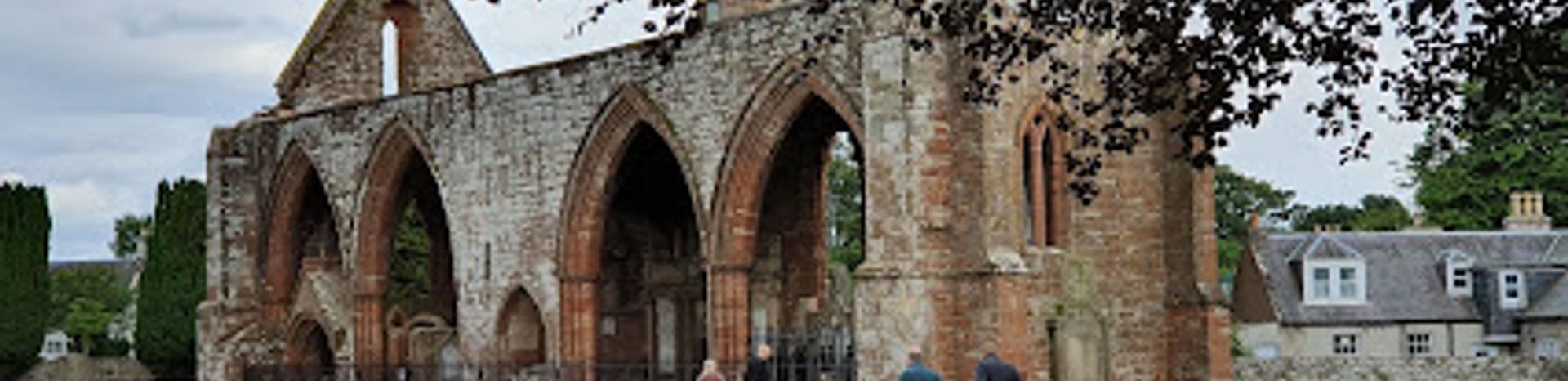
The Majestic Ruins of Fortrose Cathedral
Explore the enchanting ruins of Fortrose Cathedral, a historical gem in the Scottish Highlands, steeped in rich ecclesiastical heritage.
Fortrose Cathedral, a striking remnant of medieval architecture, is an enchanting site located in the picturesque town of Fortrose along the Scottish coastline. Built in the 13th century, this former cathedral served as the center of Christianity in the region and is steeped in history. The cathedral's impressive ruins, with their intricate stonework and soaring arches, provide a captivating experience for visitors, offering a glimpse into the past. As you stroll through the grounds, you can admire the remaining structures, including the beautifully carved entrance and the remains of the nave, which speak to the cathedral's former grandeur. The tranquil gardens surrounding the site provide a peaceful retreat, perfect for reflection and photography. The ambiance is accentuated by the nearby Moray Firth, where you might even catch a glimpse of playful dolphins. Adventurous tourists can explore the surrounding area, which is rich in natural beauty and offers stunning coastal views. Additionally, the town of Fortrose itself is charming, with quaint shops and delightful local eateries. Ensure you take the time to engage with the historical context of the site, as informative plaques detail its significance, making a visit to Fortrose Cathedral not just a visual experience, but an educational one as well.
Local tips
- Visit early in the morning or late in the afternoon for the best light for photography.
- Take a short walk along the coast after your visit for stunning views of the Moray Firth.
- Check local events, as sometimes there are guided tours or special exhibitions at the cathedral.
- Make sure to wear comfortable shoes, as the grounds can be uneven in places.

A brief summary to Fortrose Cathedral
- 7 Cathedral Square, Fortrose, Inverness, Fortrose, IV10 8TB, GB
- +441667460232
- Visit website
Getting There
-
Car
If you are driving from Inverness, head east on the A9 towards the Kessock Bridge. Cross the bridge and continue on the A9 until you reach the turn-off for the A832 towards Fortrose. Follow the A832 for about 9 miles, and as you approach Fortrose, continue straight until you reach the town center. Turn left onto Cathedral Square, where you'll find Fortrose Cathedral at number 7.
-
Public Transportation
If you are using public transportation, take a bus from Inverness to Fortrose. Look for the bus service heading to Fortrose, which typically departs from the Inverness Bus Station. The journey takes approximately 30 minutes. Once you arrive at the Fortrose bus stop, walk towards the town center. Head straight until you reach Cathedral Square, and Fortrose Cathedral will be located at number 7 on your left.


Attractions Nearby to Fortrose Cathedral
-
 Groam House Museum
-
Fairy Glen Falls
-
Chanonry Point
-
Chanonry Lighthouse
-
The Highlanders' Museum
-
Fort George
-
Clootie Well
-
Kessock Bridge Viewpoint
-
Culloden Wood
-
Kessock Bridge
-
Cromarty Firth
-
North Kessock East Pier Viewpoint
-
Culloden Clootie Well (St. Mary’s Well)
-
North Kessock Community Pier
-
Cumberland Stone
Landmarks nearby to Fortrose Cathedral
-
 Culloden House Hotel
-
Holiday Inn Express Inverness, an IHG Hotel
-
Leanach Farm
-
Craig Castle
-
Timberbush Tours Inverness
-
Inshes Gate Brewers Fayre
-
Inverness
-
The National Trust For Scotland
-
Mangrove
-
MacGregor's
-
Blackfriars Inverness
-
Royal Highland Hotel
-
Highland Buddhist Community
-
Visit Inverness Loch Ness
-
Cheese & Tomatin