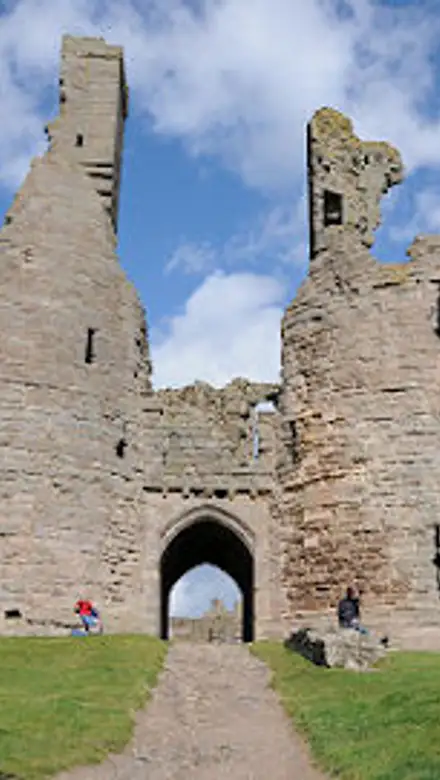
Dunstanburgh Castle Travel Guide
Free Guide: Explore the dramatic ruins of Dunstanburgh Castle, a majestic medieval fortress set against Northumberland’s stunning coastal backdrop.


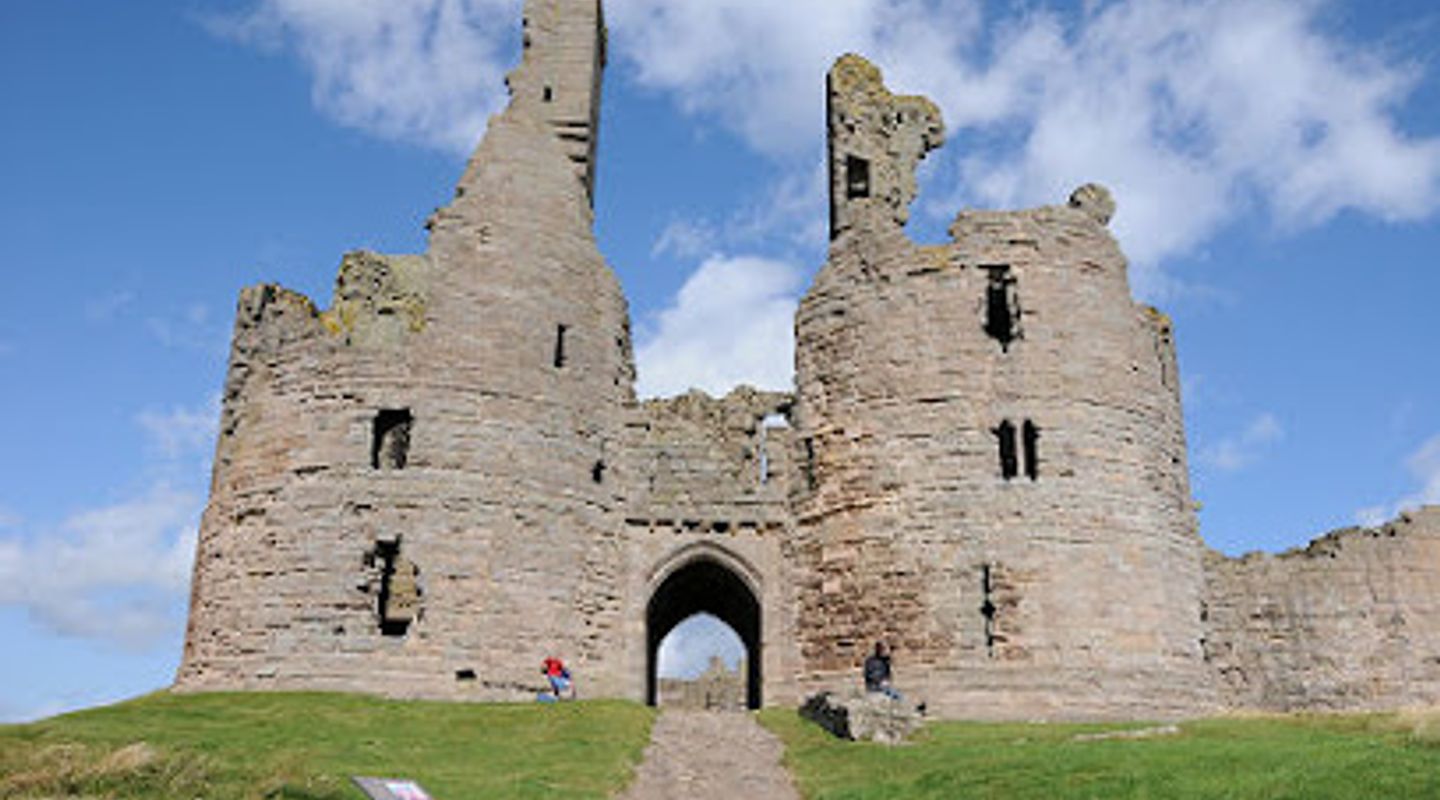
A brief summary of Dunstanburgh Castle
Explore the dramatic ruins of Dunstanburgh Castle, a majestic medieval fortress set against Northumberland’s stunning coastal backdrop.
Dunstanburgh Castle, perched on a remote headland along Northumberland’s rugged coast, is one of England’s grandest medieval fortresses. Built in the early 14th century by Earl Thomas of Lancaster, its atmospheric ruins overlook dramatic cliffs and the North Sea. Accessible via a scenic 1.3-mile coastal walk from Craster village, the castle offers panoramic sea views, rich history, and abundant wildlife, making it a captivating destination for history enthusiasts and nature lovers alike.
On-site amenities
 Restrooms
 Food options
 Drink options
 Seating areas
 Information boards
Opening hours
- Every day10 am–5 pm
Opening hours as listed on the venue’s Google Business Profile. Hours can change for services and special events, so check with the venue before you go.
- Address
- Dunstanburgh Rd, Craster, Alnwick NE66 3TT
- Phone
- Website
Getting there
Bus and Walk
Car and Walk
Taxi
Discover more about Dunstanburgh Castle
Origins and Historical Significance
Dunstanburgh Castle was constructed between 1313 and 1322 by Thomas, the 2nd Earl of Lancaster, as a symbol of his power and rivalry with King Edward II. Built on the site of an earlier Iron Age fort, the castle’s massive gatehouse with twin drum towers served as a formidable defense. Later, John of Gaunt inherited the castle in the late 14th century, adding a second gatehouse and converting the original gatehouse into a keep, though his hurried construction used inferior stone that deteriorated faster. The castle played a role in medieval conflicts, including the Wars of the Roses, before falling into ruin.
Architectural Features and Layout
Despite its ruined state, Dunstanburgh Castle retains impressive architectural elements. The Great Gatehouse remains the most intact structure, featuring two large towers approximately 39 feet in diameter and rising 79 feet high, linked by a bridge at the first-floor level. The curtain walls stretch along the headland, offering panoramic views and showcasing medieval defensive design. The Constable’s Tower, once the constable’s accommodation, and the remnants of the chapel provide further insights into castle life. The large inner bailey, likely used for farming or livestock, adds to the site’s historical depth.
Setting and Natural Surroundings
Set on a dramatic coastal headland, the castle overlooks sheer cliffs, sandy beaches, and the vast North Sea. The surrounding grounds, about 0.9 hectares, contain paths that wind through gardens and natural habitats supporting diverse birdlife such as kittiwakes, oystercatchers, and redshanks. Rock pools at low tide reveal marine life, while the coastal walk from Craster offers stunning sea views and opportunities to spot seals and seabirds, enriching the visitor experience.
Visitor Experience and Accessibility
Visitors typically approach Dunstanburgh Castle via a scenic 1.3-mile walk from Craster village, traversing mostly flat but uneven terrain with some rocky sections near the castle entrance. The walk is suitable for families and casual walkers, providing rewarding views along the way. Entry requires a ticket, though English Heritage and National Trust members can enter free. On-site facilities include toilets, a gift shop, and food options nearby in Craster. The castle grounds encourage exploration and photography, particularly during early morning or late afternoon light.
Legends and Local Lore
The castle is steeped in legend, including tales of medieval knights and a friendly ghost known as Sir Guy the Seeker. Nearby Queen Margaret’s Cove is linked to Margaret of Anjou’s escape to France in 1460. These stories add a layer of mystique and cultural heritage to the site, inviting visitors to imagine the castle’s vibrant past amid its evocative ruins.
Conservation and Management
Managed by English Heritage, Dunstanburgh Castle is preserved as a significant historical landmark. Efforts focus on maintaining the ruins and surrounding natural environment, balancing public access with conservation. Visitors are encouraged to respect the site and follow countryside codes, particularly as the walk crosses farmland with livestock. The castle remains a protected area, offering a blend of cultural heritage and natural beauty for future generations.
Evendo Review Centre
 Google
Guest reviews
Best time to go
Quietest: Jan, Feb & Dec · before 8am or from 8pm
Busy times are Evendo estimates for a typical year, to help you plan. Actual crowds vary with events, school holidays and the weather.
Explore Dunstanburgh Castle on the map
A handpicked selection of must-see spots near Dunstanburgh Castle, mapped for you.
Get your free copy of our complete guide to Dunstanburgh Castle, delivered straight to you.
Everything on this page, from opening hours and how to get there to Eve’s tips and the best time to go, in one PDF you can read offline, print or share.
Already have an account? Sign in
Your Dunstanburgh Castle guide is ready.
We'll send it to · Not you? Sign out

Getting your guide ready…
We are putting together a fresh copy of the Dunstanburgh Castle guide. This can take up to a minute.
This can take a few moments. If your browser asks, choose Allow so the download can start. You'll find the guide in your Downloads folder.
Nothing happened? Download it again
Sorry, the guide is taking longer than usual. Please try again in a minute, or get it by email instead.
Unlock the best of Dunstanburgh Castle
Skip-the-line tickets, guided tours with entry, and walking tours of the area, booked in a few clicks.


Other nearby places you may find interesting
The closest places of the same kind, if this one is not quite what you had in mind.
-
-
-
-
-


Swipe for more places
More to explore near Dunstanburgh Castle

 Best experiences near Dunstanburgh Castle
 Best hotels near Dunstanburgh Castle
 Best landmarks near Dunstanburgh Castle
 Best attractions near Dunstanburgh Castle
 Best shops near Dunstanburgh Castle
 Best restaurants near Dunstanburgh Castle
 Best bars near Dunstanburgh Castle
Do you manage this location?
Take control to get all the benefits, like improved information, better appearance, and stronger visibility across AI-powered discovery.
Explore more
Explore more of Roxburghshire
Discover the enchanting landscapes and rich history of Roxburghshire, a picturesque region in the Scottish Borders known for its ancient castles, scenic hills, and vibrant market towns.
Explore Roxburghshire
Explore more of United Kingdom
Discover the United Kingdom: A blend of rich history, stunning landscapes, and vibrant cities, offering a unique travel experience for every visitor.
Explore United Kingdom