

Hermitage Castle, Roxburghshire Travel Guide
Explore Hermitage Castle, an imposing 13th-century fortress steeped in dark legends and borderland history in the wild Scottish Borders.
Hermitage Castle, located in the remote Scottish Borders near Newcastleton, is a vast and eerie fortress dating back to the 13th century. Known as the 'guardhouse of the bloodiest valley in Britain,' it played a pivotal role in controlling the Scottish Middle March. With a history steeped in violence, intrigue, and legend—including connections to Mary Queen of Scots and notorious Border reivers—this imposing ruin offers a haunting glimpse into Scotland’s turbulent past.
A brief summary to Hermitage Castle
- Hawick, Newcastleton, TD9 0LU, GB
- Click to display
- Click to display
- Duration: 1 to 2.5 hours
- Mid ranged
-
 Outdoor
- Mobile reception: 3 out of 5
- Monday 10 am-4:30 pm
- Tuesday 10 am-4:30 pm
- Wednesday 10 am-4:30 pm
- Thursday 10 am-4:30 pm
- Friday 10 am-4:30 pm
- Saturday 10 am-4:30 pm
- Sunday 10 am-4:30 pm

Know before you go
Hi, I'm Eve. Here are a few practical things to know before exploring Hermitage Castle.
- Wear sturdy footwear as the terrain around the castle is uneven and can be boggy, especially after rain.
- Visit between April and September when the castle is open daily from 10am to 4:30pm; it is closed during winter months.
- Bring a picnic to enjoy in the scenic surroundings, as there are no food facilities on site.
- Historic Environment Scotland members enjoy free entry—consider joining for savings if visiting multiple sites.
Do you manage this location?
Take control to get all the benefits, like improved information, better appearance, and stronger visibility across AI-powered discovery. Learn more about listing your business on Evendo
Activate your presenceOther nearby places you may find interesting
The closest places of the same kind, if this one is not quite what you had in mind.
Explore Hermitage Castle on the Map
A handpicked selection of must-see spots near Hermitage Castle, mapped for you.
Getting There
-
Car
Driving from Hawick to Hermitage Castle takes approximately 40 to 50 minutes via the A7 and B6357 roads. Parking is available near the site but limited, so arrive early during peak season. The roads are rural and can be narrow, so cautious driving is advised.
-
Bus and Taxi
Take a regional bus from Hawick to Newcastleton, which takes about 1 hour. From Newcastleton, a taxi ride of approximately 10 minutes is needed to reach the castle due to its remote location. Bus services are infrequent, so plan accordingly.
-
Walking
For experienced walkers, a hike from Newcastleton to Hermitage Castle covers roughly 6 km over uneven terrain and can take around 1.5 to 2 hours. The route is scenic but includes boggy and hilly sections, so suitable footwear and fitness are necessary.
For the on-the-go comforts that matter to you
-
 Restrooms
-
 Information Boards
-
 Seating Areas
-
 Trash Bins
Discover more about Hermitage Castle
A Fortress Born of Conflict and Power
Hermitage Castle was originally established in the 1240s, likely by Sir Nicholas de Soulis, as a Norman motte-and-bailey stronghold. Positioned in the wild valley of Liddesdale near the English border, it became a strategic bulwark during the Wars of Scottish Independence. The castle changed hands multiple times between the English and Scots, symbolizing the fierce contest for control over the borderlands. Its massive stone walls and defensive design reflect its primary role as a military fortress rather than a comfortable residence.Legends and Dark Histories
The castle’s reputation is steeped in grim tales, including the notorious William de Soulis, who was accused of witchcraft and plotting regicide. Legend claims he was boiled alive at the nearby Nine Stane Rig stone circle, though historically he died imprisoned. Hermitage was infamous for brutal acts such as imprisonments and executions, including the starvation of Sir Alexander Ramsay of Dalhousie. The castle earned the moniker “the guardhouse of the bloodiest valley in Britain” due to the violent feuds and reiver raids that plagued the region.The Douglas and Hepburn Eras
In the late 14th century, the powerful Black Douglas family took control, significantly reinforcing the castle’s defenses with corner towers and gun holes to withstand artillery. The Hepburn family later became keepers of the castle, with James Hepburn, 4th Earl of Bothwell—Mary Queen of Scots’ secret lover—being wounded here. Mary’s dramatic 25-mile ride to Hermitage to visit him is a poignant episode in the castle’s storied past, adding a layer of romantic tragedy to its otherwise grim history.Architectural Features and Defensive Innovations
Hermitage Castle is a prime example of a pele tower fortress, designed for defense with thick walls, narrow windows, and a formidable gatehouse featuring a murder hole for dropping projectiles on attackers. The castle’s layout includes a large courtyard, multiple towers, and a prison. In the 16th century, adaptations were made to counter gunpowder artillery, including external gun defenses. Despite centuries of conflict and neglect, much of the castle’s structure remains intact, offering visitors a vivid sense of its original might.Romantic Ruin and Preservation
After losing strategic importance following the 1603 union of the Scottish and English crowns, Hermitage Castle fell into disrepair. In the 19th century, inspired by Romanticism and the writings of Sir Walter Scott, the Duke of Buccleuch undertook restoration efforts to preserve the haunting ruins. Today, the castle stands as a protected Scheduled Ancient Monument, cared for by Historic Environment Scotland, inviting visitors to explore its evocative ruins amid the dramatic landscape of Liddesdale.Visiting Experience and Surroundings
Set in a remote and atmospheric location, Hermitage Castle offers a powerful experience of Scotland’s turbulent border history. Nearby are the ruins of a 14th-century chapel and the scenic Liddel Water river. The site’s uneven terrain and many interior steps mean it is not easily accessible for those with limited mobility. Visitors can explore the castle’s formidable architecture, imagine the lives of its notorious inhabitants, and soak in the eerie ambiance of one of the Borders’ most iconic castles.












Your all‑in‑one travel companion app
Explore expert travel guides, compare and book tours, experiences, hotels, and more—all from the palm of your hand. Download now for seamless trip planning wherever your wanderlust takes you.


Explore More of Roxburghshire
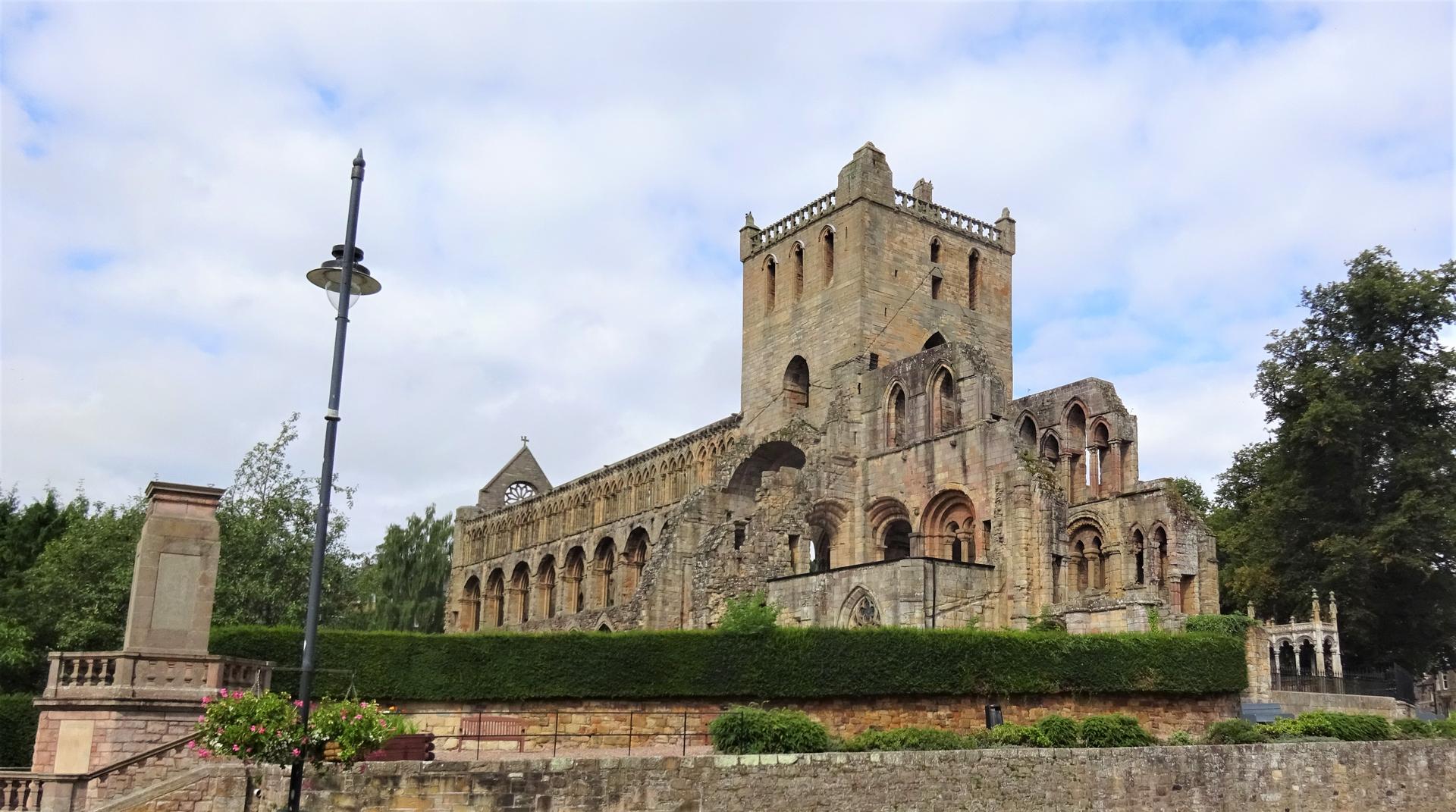
Looking beyond Hermitage Castle? Discover Roxburghshire for broader travel guides, local hot-spots, and regional highlights.
Explore Roxburghshire
Discover the thrilling salmon journey and soaring golden eagles at Philiphaugh Estate’s unique wildlife centre and conservation hub.
Experience thrilling outdoor adventures and cozy Scandinavian lodges in the serene Scottish Borders at Rock UK Whithaugh Park.
