Dryhope Tower, Scotland Travel Guide
Explore the evocative ruins of Dryhope Tower, a 16th-century Border stronghold steeped in history and legend beside St Mary's Loch.
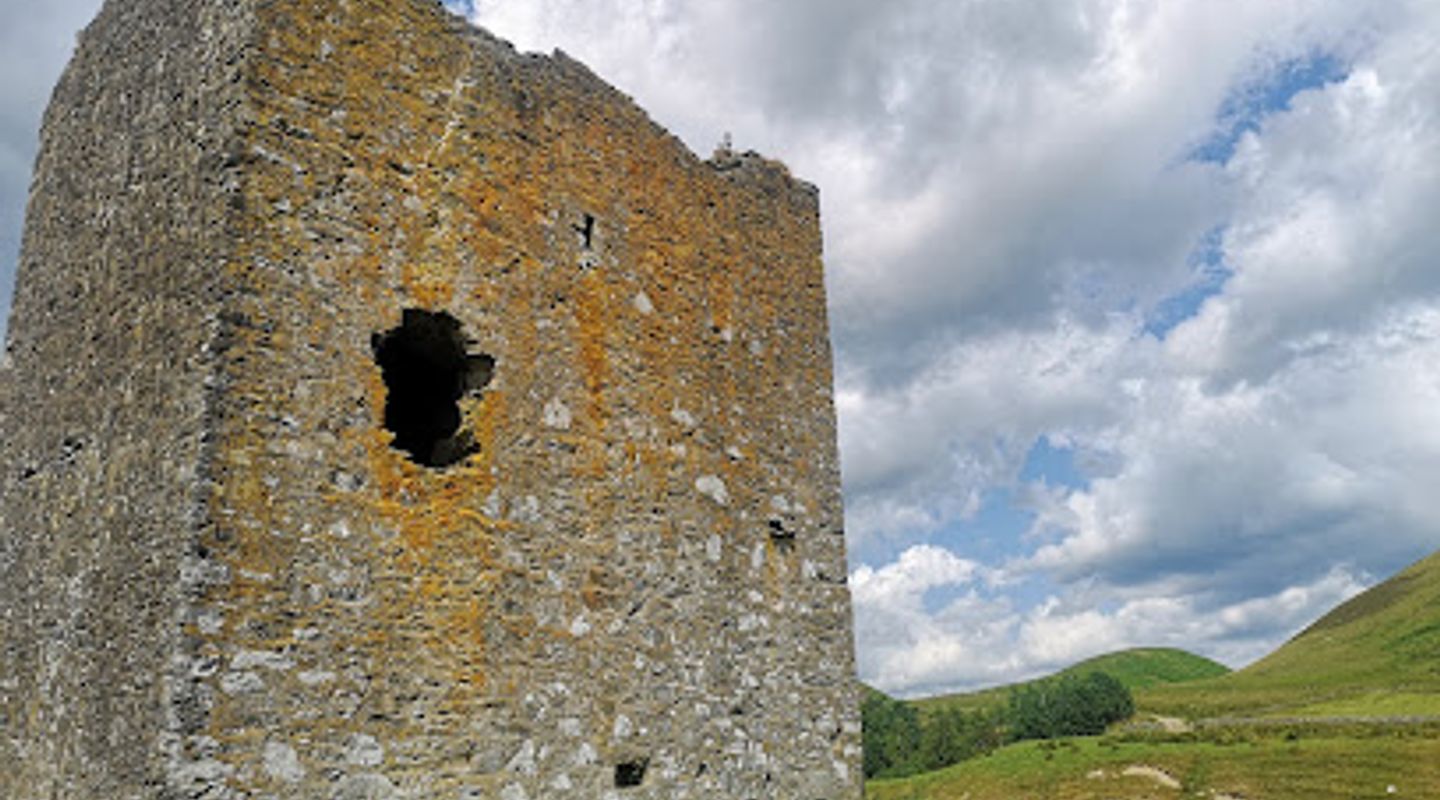
Dryhope Tower is a striking 16th-century peel tower ruin nestled in the Yarrow Valley near Selkirk, Scotland. Once a fortified home of the Scotts of Dryhope, it guarded the northeastern shores of St Mary's Loch. The tower’s vaulted stone construction and defensive gunloops reflect its turbulent Borderlands history, including ties to the famed Flower of Yarrow, Mary Scott. Now stabilized and protected, it offers visitors a glimpse into Scotland’s storied past amid tranquil lochside surroundings.
A brief summary to Dryhope Tower
- Selkirk, Dryhope, GB
- Duration: 0.5 to 2 hours
- Free
-
 Outdoor
- Mobile reception: 3 out of 5

Know before you go
Hi, I'm Eve. Here are a few practical things to know before exploring Dryhope Tower.
- Wear sturdy footwear as the terrain around the tower can be uneven and overgrown in places.
- Visit during daylight hours to fully appreciate the views of St Mary's Loch and surrounding countryside.
- Bring a camera to capture the tower’s distinctive gunloops and vaulted stonework.
- Combine your visit with a walk along the nearby Southern Upland Way for a broader Borderlands experience.
Do you manage this location?
Take control to get all the benefits, like improved information, better appearance, and stronger visibility across AI-powered discovery. Learn more about listing your business on Evendo
Activate your presenceOther nearby places you may find interesting
The closest places of the same kind, if this one is not quite what you had in mind.

Explore Dryhope Tower on the Map
A handpicked selection of must-see spots near Dryhope Tower, mapped for you.
Getting There
-
Car
Driving from Selkirk, take the A708 towards Moffat for about 15-20 minutes. Parking is limited near Dryhope Tower, so plan to park at designated spots along minor roads and walk approximately 500 meters over uneven terrain to reach the site. No parking fees apply.
-
Bus
Local bus services connect Selkirk to nearby villages such as Cappercleuch. From there, a 2-3 km walk on rural roads and footpaths leads to Dryhope Tower. Bus frequency is limited, so check schedules in advance. Fares typically range from £3 to £6 one way.
-
Walking
For hiking enthusiasts, Dryhope Tower can be accessed via the Southern Upland Way footpath. Expect a moderate walk of 1-2 hours through mixed terrain including farm tracks and woodland paths. Suitable footwear and weather-appropriate clothing are recommended.
For the on-the-go comforts that matter to you
-
 Information Boards
-
 Seating Areas
-
 Trash Bins
Discover more about Dryhope Tower
Architectural Heritage of a Border Stronghold
Dryhope Tower stands as a remarkable example of a 16th-century Scottish peel tower, originally constructed from local stone. It was built as a four-storey fortified residence, with the first two storeys featuring vaulted ceilings, a testament to the defensive needs of the time. The tower is surrounded by the remnants of a barmkin—a defensive courtyard wall—that once enclosed additional buildings, creating a small fortified settlement. Its walls are pierced by gunloops, designed to provide protection against raiders in the turbulent Borderlands.Historical Significance and the Scotts of Dryhope
The tower was built following a 1535 statute by the Scottish Parliament mandating landholders in the Borders to erect stone barmkins for defense. Dryhope Tower was the home of the Scotts of Dryhope, a prominent Border family. Mary Scott, known as the "Flower of Yarrow," was a celebrated figure linked to the tower and an ancestor of Sir Walter Scott. Her marriage to Wat Scott of Kirkhope, a notorious Border Reiver, tied the tower to the region’s turbulent history of clan conflicts and reiving.Conflict, Rebuilding, and Decline
In 1592, the tower was slighted by order of King James VI due to Wat Scott’s involvement in plots against the crown, including an attack on Falkland Palace. Despite this, Dryhope Tower was rebuilt by 1613 but eventually fell into decay later in the 17th century. Ownership passed to the senior Scotts branch, the Dukes of Buccleuch. Today, the tower is part of the Philiphaugh Estate and has undergone stabilization to preserve its ruins as a scheduled monument.Setting and Surroundings
Situated in the scenic valley of the Yarrow Water, Dryhope Tower overlooks the tranquil St Mary’s Loch. The site is naturally defended by the Dryhope Burn and Kirkstead Burn on either side, enhancing its strategic importance. The surrounding landscape is peaceful and verdant, offering visitors a serene environment to explore the ruins and reflect on the region’s rich history.Cultural Legends and Local Lore
The tower is entwined with local ballads and legends, especially those surrounding Mary Scott. The "Dowie Dens of Yarrow" ballad recounts tragic tales of love and violence linked to the family and the Border Reivers’ way of life. These stories add a layer of cultural heritage to the site, enriching the visitor experience with echoes of Scotland’s past.Preservation and Visitor Experience
Dryhope Tower has been cleared of overgrowth and consolidated to ensure safety and accessibility. While it remains a ruin, its evocative structure invites exploration and contemplation. Visitors can appreciate the blend of natural beauty and historical depth, making it a compelling destination for those interested in Scotland’s Border history and architecture.












Your all‑in‑one travel companion app
Explore expert travel guides, compare and book tours, experiences, hotels, and more—all from the palm of your hand. Download now for seamless trip planning wherever your wanderlust takes you.


Explore More of Scotland
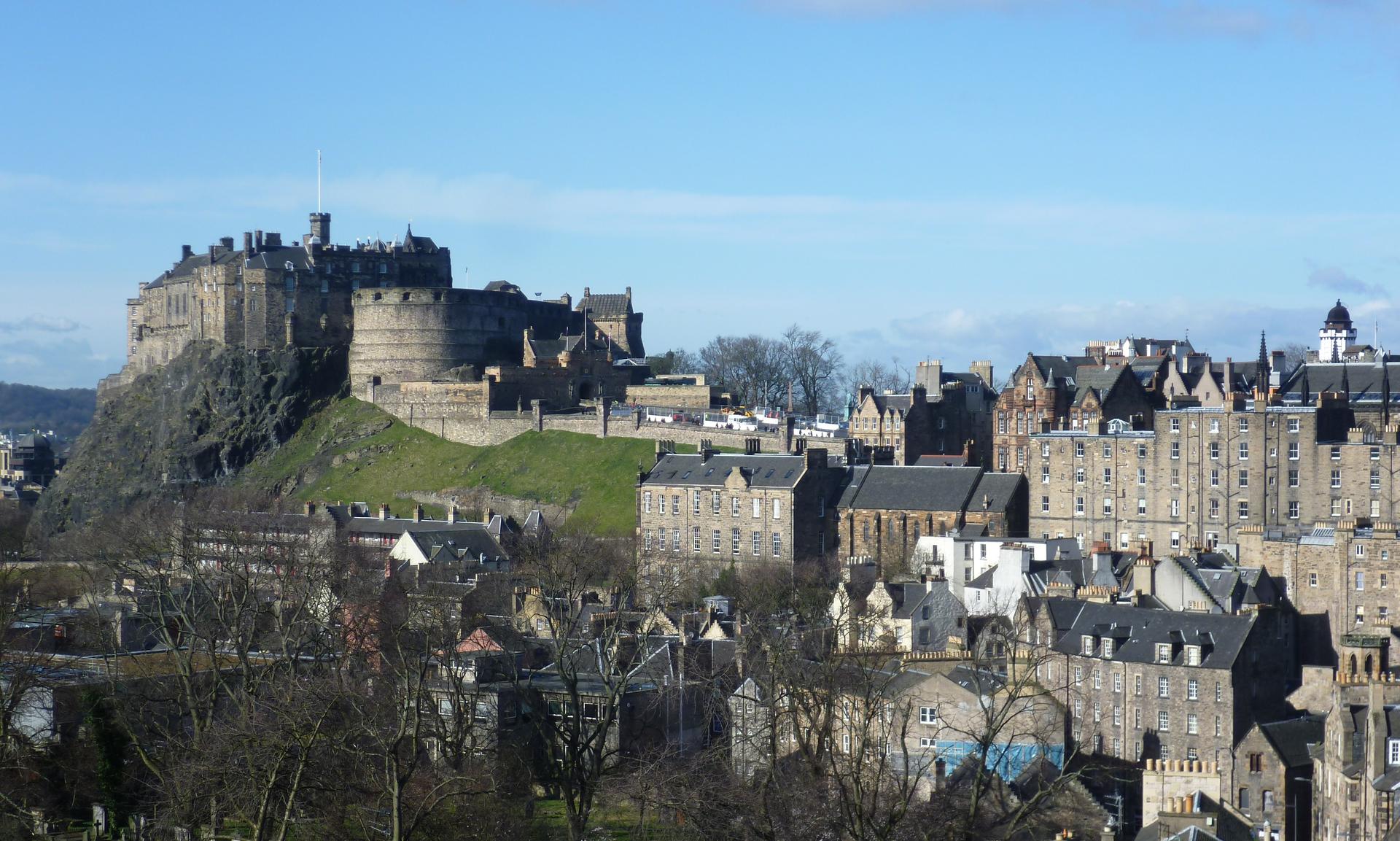
Looking beyond Dryhope Tower? Discover Scotland for broader travel guides, local hot-spots, and regional highlights.
Explore Scotland