
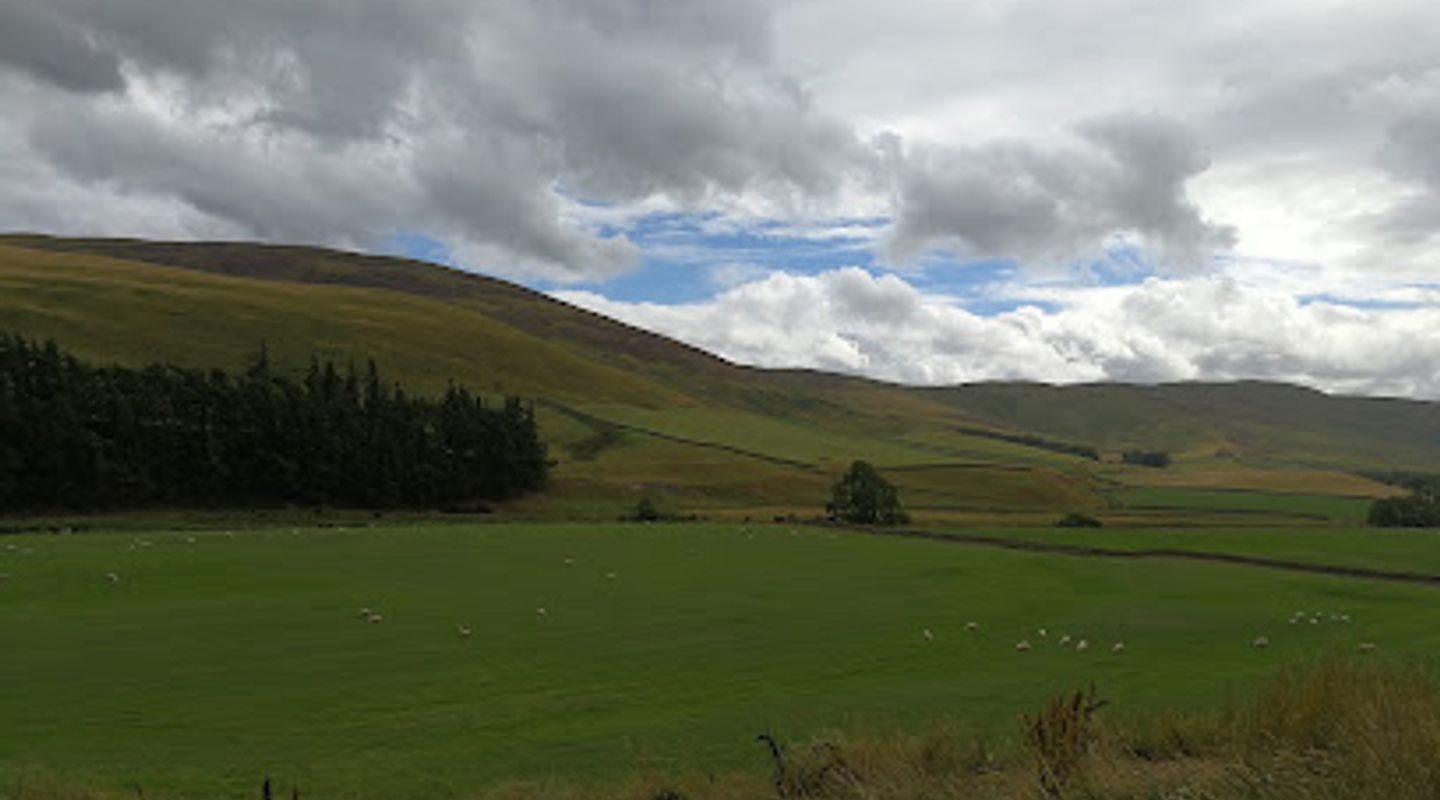
Yarrow Stone, Peeblesshire Travel Guide
Discover the ancient Yarrow Stone, a rare early Christian monument commemorating princes of Strathclyde in the scenic Scottish Borders.
The Yarrow Stone is a rare early Christian standing stone located near Selkirk in the Scottish Borders. Bearing a Latin inscription commemorating two British princes from the 5th or 6th century, it stands as a significant archaeological and historical monument. Easily visible from the A708 road, this enigmatic stone offers a glimpse into early medieval Britain’s cultural and spiritual heritage.
A brief summary to Yarrow Stone
- A708, Selkirk, TD7 5LA, GB
- Duration: 0.5 to 1.5 hours
- Free
-
 Outdoor
- Mobile reception: 3 out of 5

Know before you go
Hi, I'm Eve. Here are a few practical things to know before exploring Yarrow Stone.
- Visit during daylight hours for the best visibility of the inscription and surrounding landscape.
- Wear sturdy footwear if exploring the nearby rural paths around the Yarrow Valley.
- Combine your visit with a stop at Yarrow Church, located about 1 km east of the stone.
- Respect the fenced enclosure around the stone to help preserve this fragile archaeological site.
Do you manage this location?
Take control to get all the benefits, like improved information, better appearance, and stronger visibility across AI-powered discovery. Learn more about listing your business on Evendo
Activate your presenceOther nearby places you may find interesting
The closest places of the same kind, if this one is not quite what you had in mind.
Explore Yarrow Stone on the Map
A handpicked selection of must-see spots near Yarrow Stone, mapped for you.
Getting There
-
Car
Drive from Selkirk along the A708 towards Moffat; the Yarrow Stone is located about 5 km west of Selkirk, visible from the roadside. Parking is limited to roadside spaces; no dedicated parking lot is available.
-
Bus
Take the local bus service from Selkirk towards Yarrow or Moffat, which runs infrequently along the A708. Expect a 15-25 minute journey; check schedules in advance due to limited service frequency. From the bus stop, the stone is a short walk.
-
Walking
For walkers, a rural path from Yarrow Church to the stone takes about 20-30 minutes over gentle terrain. Suitable for most fitness levels but wear appropriate footwear for uneven ground.
For the on-the-go comforts that matter to you
-
 Information Boards
Discover more about Yarrow Stone
Historical Significance of the Yarrow Stone
The Yarrow Stone, also known as the Liberalis Stone, is a remarkable early Christian monument dating back to the 5th or 6th century. It bears a Latin inscription commemorating two princes from the ancient British kingdom of Strathclyde, making it a rare example of early medieval epigraphy in the region. The stone was discovered in the early 1800s during ploughing near Selkirk and later erected at its current location close to the A708 road. Its inscription and form provide valuable insights into the Christianisation of Scotland and the cultural connections across early Britain.Location and Setting in the Yarrow Valley
Situated about 50 meters northwest of the A708 Selkirk to Moffat road, the Yarrow Stone lies approximately 1,000 meters west of Yarrow Church. The site is set within the tranquil and scenic Yarrow Valley, an area known for its natural beauty and historical richness. Surrounded by pastoral landscapes and gentle hills, the stone’s location offers a peaceful atmosphere that complements its spiritual and cultural significance.Physical Characteristics and Preservation
The Yarrow Stone is a standing stone or menhir, protected by a fence to prevent damage from livestock. Its surface bears the Latin inscription, which is highly unusual for stones in this part of Scotland. The stone’s preservation allows visitors to appreciate its ancient craftsmanship and the enduring legacy of early Christian communities in the Borders region. Although on private land, it remains visible from the roadside, making it accessible for those interested in archaeology and history.Cultural and Archaeological Context
The stone is part of a wider cultural tapestry of standing stones and early Christian monuments scattered throughout the Scottish Borders. It reflects the region’s complex history of tribal kingdoms, religious transformation, and territorial shifts during the early medieval period. The inscription commemorates princes, suggesting the stone served both a memorial and possibly a territorial marker function. Its presence enriches the understanding of the Borders’ heritage, linking local history to broader British and Celtic narratives.Visitor Experience and Surroundings
Visitors to the Yarrow Stone can enjoy a quiet, reflective experience amid the rural landscape. The proximity to Selkirk and the A708 road makes it an easy stop for those exploring the Borders’ archaeological sites. Nearby, the Yarrow Church and the Yarrow Water river add to the historical ambiance. The area is ideal for photowalks and cultural heritage exploration, offering a unique glimpse into Scotland’s early Christian past.Conservation and Accessibility
The stone is protected as a scheduled monument, ensuring its conservation for future generations. While it stands on private land, it is accessible for viewing from the roadside. The site does not have visitor facilities, so visitors should plan accordingly. The surrounding environment is peaceful and largely unspoiled, providing a natural setting that enhances the monument’s solemnity and historical weight.












Your all‑in‑one travel companion app
Explore expert travel guides, compare and book tours, experiences, hotels, and more—all from the palm of your hand. Download now for seamless trip planning wherever your wanderlust takes you.


Explore More of Peeblesshire
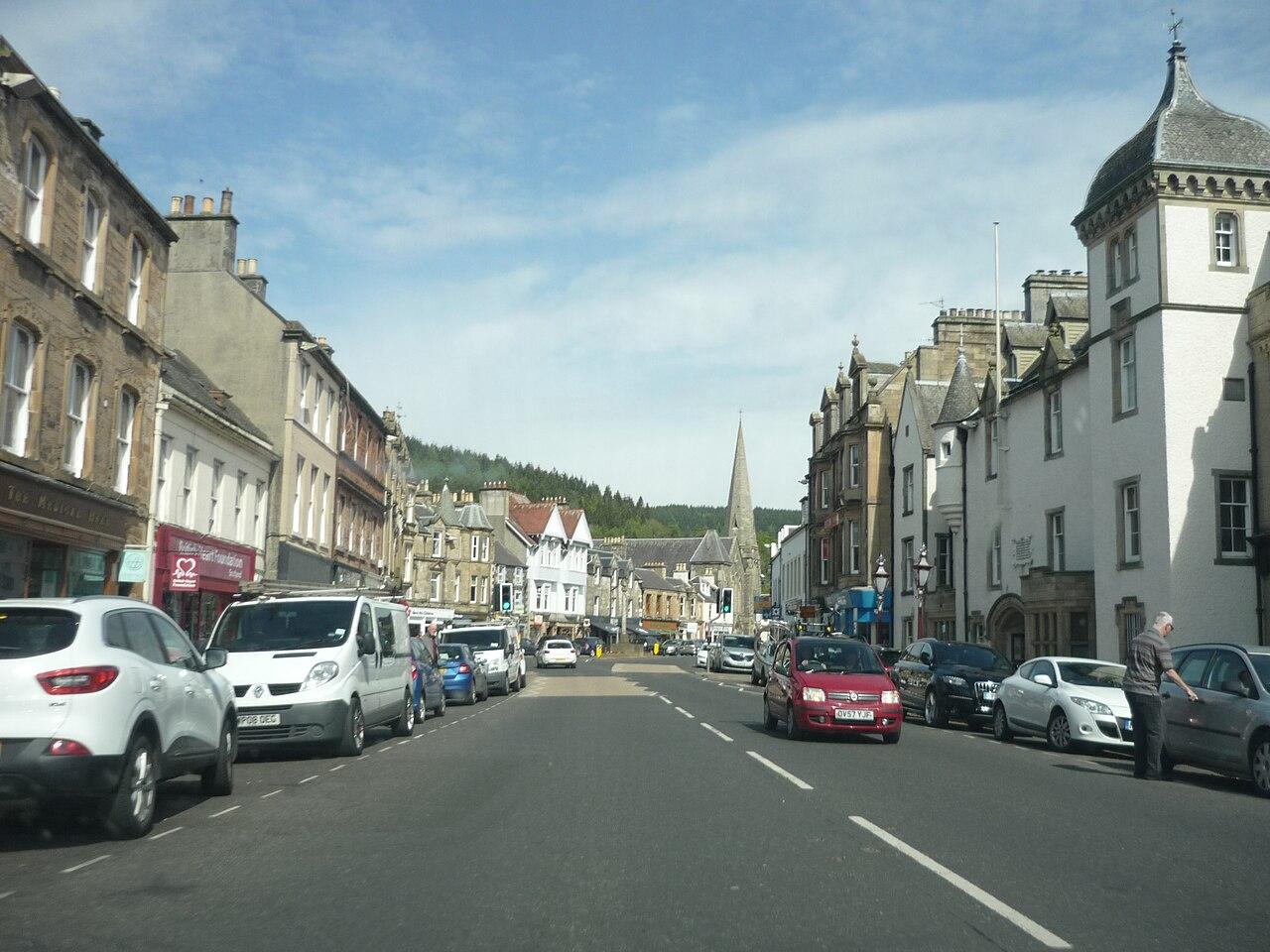
Looking beyond Yarrow Stone? Discover Peeblesshire for broader travel guides, local hot-spots, and regional highlights.
Explore Peeblesshire
Discover the tranquil beauty and rich heritage of Manor Water, a peaceful river winding through the scenic Manor Valley near Peebles.
Explore Bowhill House’s Victorian heritage, scenic woodland walks, and family adventure playground in the heart of the Scottish Borders.
