Lochmaben Castle Travel Guide
Free Guide: Explore the evocative ruins of Lochmaben Castle, a medieval fortress steeped in Scottish border history and royal intrigue beside scenic Castle Loch.


A brief summary of Lochmaben Castle
Explore the evocative ruins of Lochmaben Castle, a medieval fortress steeped in Scottish border history and royal intrigue beside scenic Castle Loch.
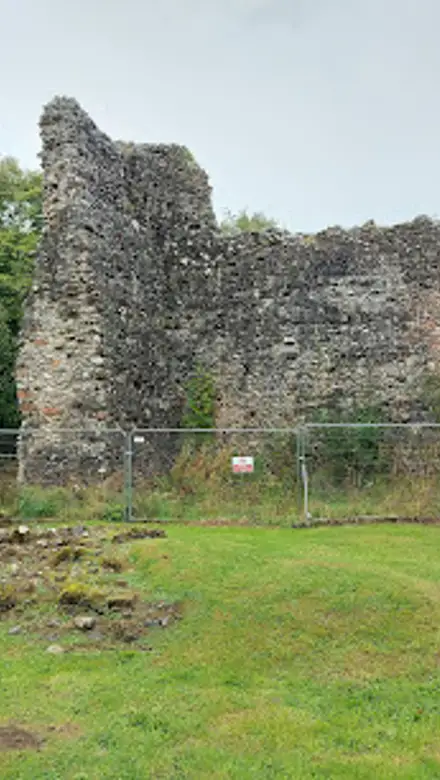
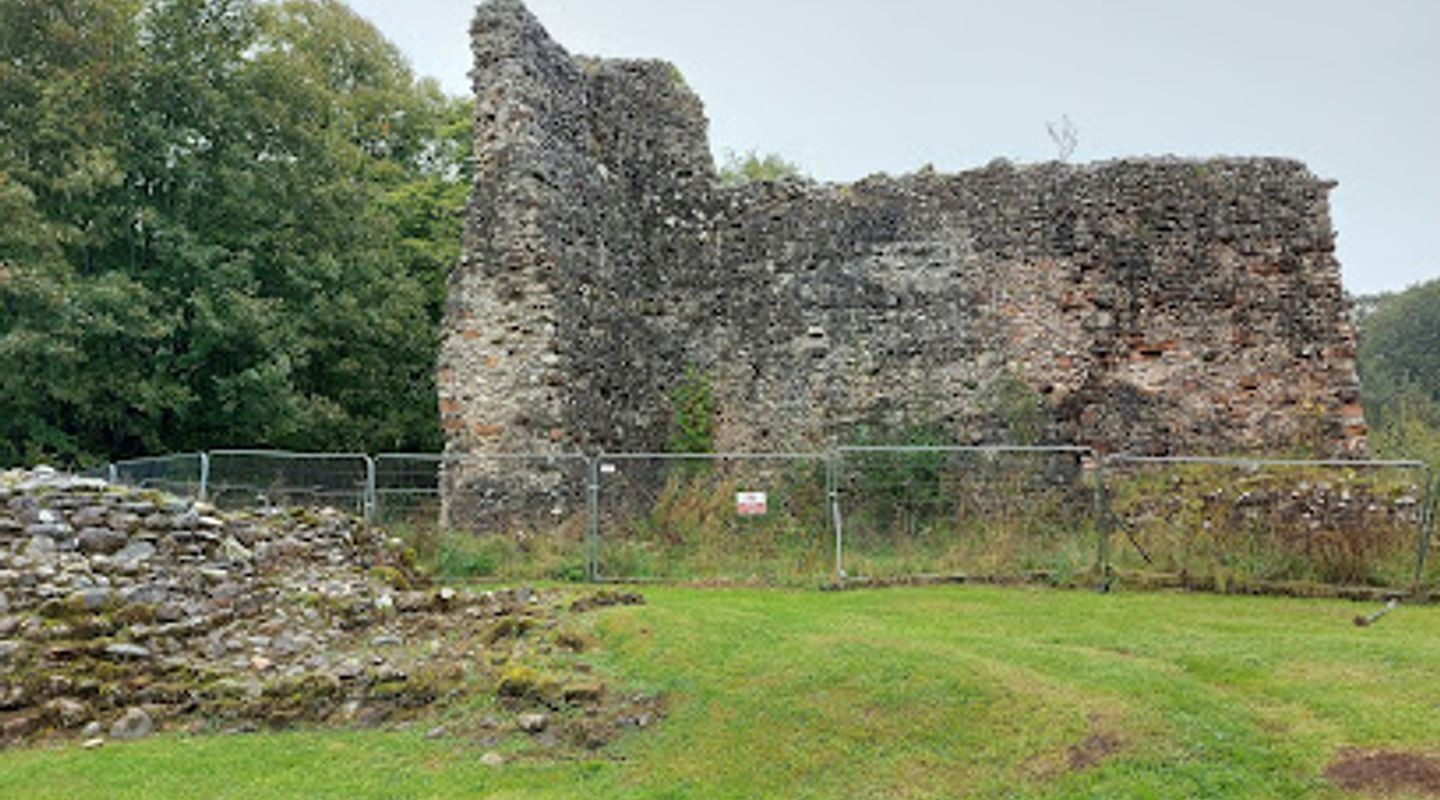
Lochmaben Castle, located in Dumfries and Galloway near Lockerbie, is a ruined 14th-century fortress built by Edward I on the site of an earlier Bruce family motte and bailey castle. The castle played a pivotal role in the Wars of Scottish Independence, frequently changing hands between the Scots and English. Today, its dramatic stone ruins, including a 15th-century tower and remnants of curtain walls and a moat, stand beside Castle Loch, surrounded by woodland and scenic walking paths. Though currently closed for conservation, the site offers a glimpse into Scotland’s turbulent medieval past.
On-site amenities
 Restrooms
 Food options
 Seating areas
 Information boards
Opening hours
- Every dayOpen 24 hours
Opening hours as listed on the venue’s Google Business Profile. Hours can change for services and special events, so check with the venue before you go.
- Address
- Lockerbie DG11 1JE
- Website
Getting there
Car
Bus
Walking
Discover more about Lochmaben Castle
Origins and Strategic Importance in the Borders
Lochmaben Castle's history begins with the Bruce family, Lords of Annandale, who built an original motte-and-bailey castle near the modern golf course around the 12th century. This earlier fortress was the ancestral seat of Robert the Bruce’s family. Around 1300, King Edward I of England replaced this wooden fortification with a much stronger stone castle at the south end of Castle Loch, establishing a formidable English stronghold in a hostile border region. The castle’s location on marshy ground and its surrounding moat made it a naturally defensible site, critical for controlling the Annandale route between Scotland and England.
Medieval Sieges and Shifting Control
Throughout the 14th and 15th centuries, Lochmaben Castle was a focal point in the Wars of Scottish Independence and subsequent border conflicts. It endured multiple sieges, including a notable nine-day siege in 1384-85 when Archibald Douglas, Lord of Galloway, captured and razed it to the ground to prevent English reoccupation. The castle was rebuilt and remained a royal possession from 1445. It was frequently garrisoned and repaired by Scottish monarchs such as James IV and James V, who used it as a mustering base for military campaigns. The castle also witnessed significant events like Mary, Queen of Scots’ visit in 1565 and the 1588 siege by James VI to suppress a Catholic rebellion.
Architectural Features and Ruinous State
The surviving ruins of Lochmaben Castle reveal a complex structure with a 15th-century tower house built in the Z-plan style, massive curtain walls, and a surrounding moat fed by the waters of Castle Loch. Despite its formidable construction, the castle was abandoned around the early 17th century, falling into disrepair. Stones from the castle were quarried for local buildings over the centuries. Today, fenced off for safety, the remains stand as evocative ruins amidst attractive woodland, with some walls still reaching near their original height. Visitors can view the exterior masonry and moat, gaining insight into medieval fortification techniques.
Natural Setting and Visitor Experience
Lochmaben Castle is set beside Castle Loch, surrounded by scenic woodland offering peaceful walking trails that loop around the loch. The area is rich in birdlife, making it a pleasant spot for nature lovers and photographers. Although the castle itself is closed for conservation and unsafe for internal access, the surrounding grounds and lochside paths provide a tranquil environment to appreciate the historic site from outside the safety fencing. Nearby Lochmaben village offers amenities including eateries and visitor facilities.
Legacy and Preservation
As a scheduled monument under the care of Historic Environment Scotland, Lochmaben Castle represents an important chapter in Scotland’s border history and medieval heritage. Its turbulent past, marked by sieges, royal visits, and political intrigue, reflects the broader struggles between Scotland and England. The site’s preservation efforts aim to maintain the ruins for future generations while balancing public safety. The castle’s connection to the Bruce family and its role in Scottish independence imbue it with cultural significance beyond its physical remains.
Access and Practical Information
Visitors can view the castle ruins year-round during daylight hours from outside the fenced area. A small car park is accessible via a narrow farm track with potholes, requiring cautious driving. The site has no entry fee and no facilities on-site due to current conservation work. Nearby Lochmaben provides restrooms, dining, and accommodation options. Sensible footwear is recommended as paths may be muddy. The castle loch is not open for swimming due to shallow waters and environmental concerns. Informative but weathered plaques offer historical context near the castle.
Evendo Review Centre
 Google
Guest reviews
Best time to go
Quietest: Jan, Feb & Dec · before 6am or at 10pm
Busy times are Evendo estimates for a typical year, to help you plan. Actual crowds vary with events, school holidays and the weather.
Explore Lochmaben Castle on the map
A handpicked selection of must-see spots near Lochmaben Castle, mapped for you.
Get your free copy of our complete guide to Lochmaben Castle, delivered straight to you.
Everything on this page, from opening hours and how to get there to Eve’s tips and the best time to go, in one PDF you can read offline, print or share.
Already have an account? Sign in
Your Lochmaben Castle guide is ready.
We'll send it to · Not you? Sign out

Getting your guide ready…
We are putting together a fresh copy of the Lochmaben Castle guide. This can take up to a minute.
This can take a few moments. If your browser asks, choose Allow so the download can start. You'll find the guide in your Downloads folder.
Nothing happened? Download it again
Sorry, the guide is taking longer than usual. Please try again in a minute, or get it by email instead.
Other nearby places you may find interesting
The closest places of the same kind, if this one is not quite what you had in mind.
-
Edinburgh Castle Discover Edinburgh Castle, a historic fortress atop Castle Rock offering royal heritage, stunning city views, and iconic Scottish traditions.
-
Urquhart Castle Explore the evocative ruins of Urquhart Castle, where history and Loch Ness legends meet amidst breathtaking Highland scenery.
-
National Museum of Scotland Discover Scotland’s rich heritage and global stories at the National Museum of Scotland, a captivating cultural landmark in Edinburgh’s heart.
-
Royal Mile Historic Edinburgh’s iconic Royal Mile, a vibrant mile of medieval charm, culture, and royal heritage linking castle to palace.
-
The Hermitage Discover towering Douglas firs, roaring waterfalls, and historic Ossian’s Hall in the enchanting woodland of The Hermitage near Dunkeld.
Swipe for more places
More to explore near Lochmaben Castle

 Best experiences near Lochmaben Castle
 Best hotels near Lochmaben Castle
 Best landmarks near Lochmaben Castle
 Best attractions near Lochmaben Castle
 Best shops near Lochmaben Castle
 Best restaurants near Lochmaben Castle
 Best bars near Lochmaben Castle
Do you manage this location?
Take control to get all the benefits, like improved information, better appearance, and stronger visibility across AI-powered discovery.
Explore more
Explore more of Scotland
Discover the magic of Scotland: stunning landscapes, historic castles, vibrant cities, and world-famous whisky. An unforgettable journey awaits in this enchanting land.
Explore Scotland
Explore more of United Kingdom
Discover the United Kingdom: A blend of rich history, stunning landscapes, and vibrant cities, offering a unique travel experience for every visitor.
Explore United Kingdom