Haughmond Abbey, Shropshire Travel Guide
Explore the evocative ruins of Haughmond Abbey, a serene Augustinian monastery nestled in Shropshire’s tranquil woodlands near Shrewsbury.
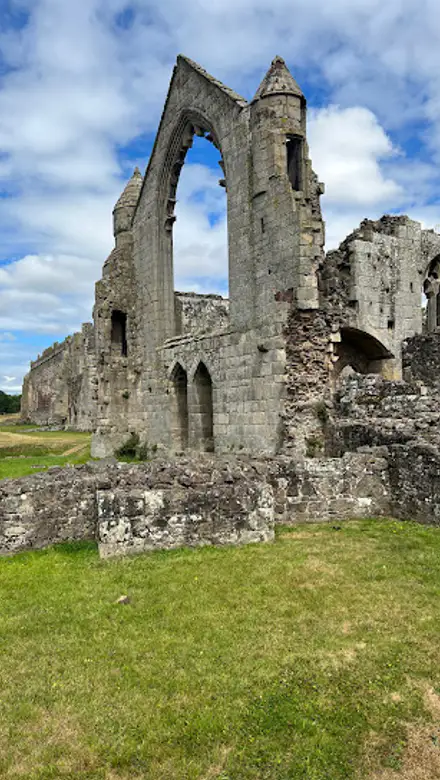
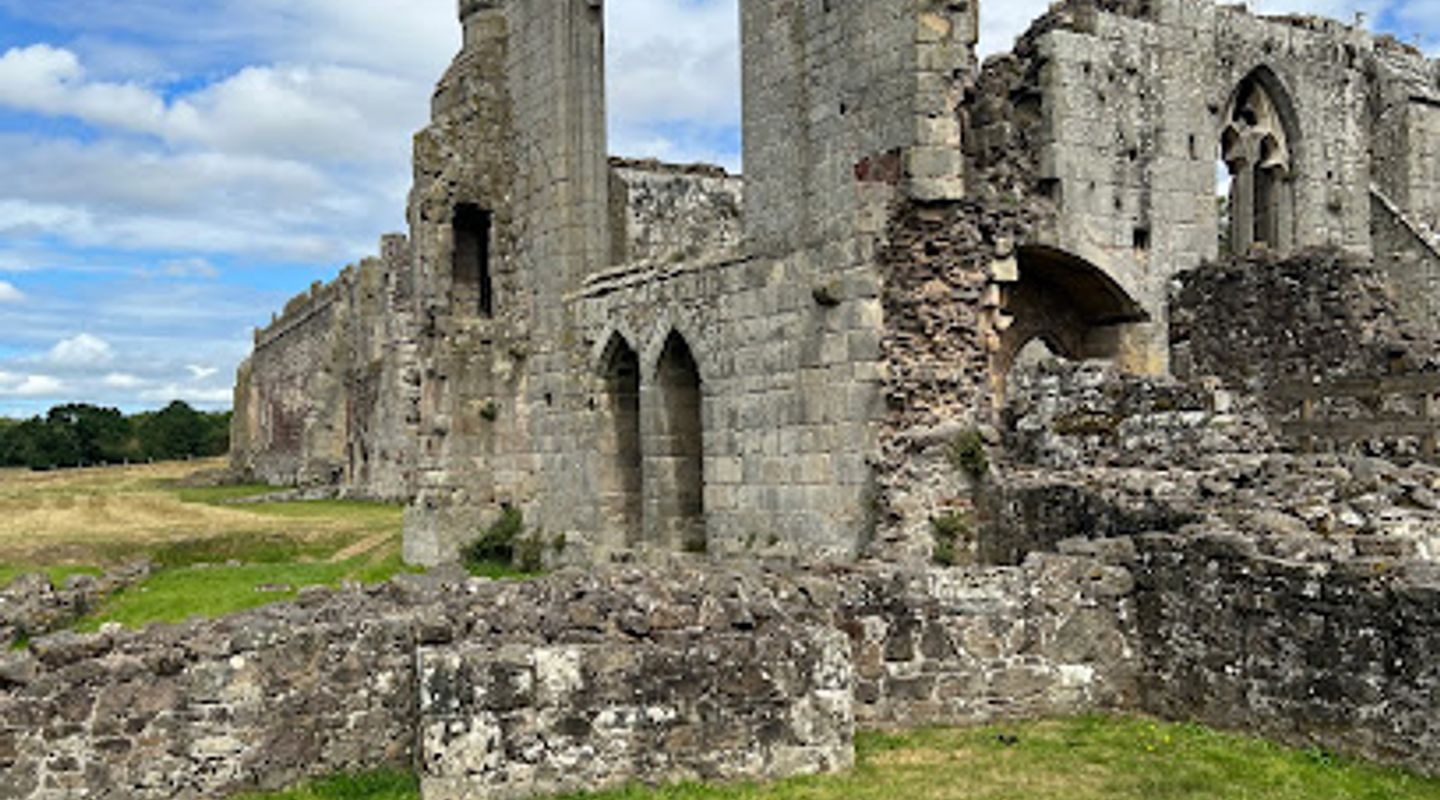
Haughmond Abbey, located near Shrewsbury in Shropshire, England, is the atmospheric ruin of a once-great Augustinian monastery founded around 1100. The site features extensive remains including the abbot’s quarters, refectory, cloister, and a richly carved chapter house with a fine timber roof from circa 1500. Surrounded by tranquil woodland, the abbey offers visitors a glimpse into medieval monastic life, with free entry and interpretive panels enhancing the experience.
A brief summary to Haughmond Abbey
- B5062, Shrewsbury, SY4 4RW, GB
- Click to display
- Duration: 1 to 2 hours
- Free
-
 Outdoor
- Mobile reception: 4 out of 5
- Monday 10 am-6 pm
- Tuesday 10 am-6 pm
- Wednesday 10 am-6 pm
- Thursday 10 am-6 pm
- Friday 10 am-6 pm
- Saturday 10 am-6 pm
- Sunday 10 am-6 pm

Know before you go
Hi, I'm Eve. Here are a few practical things to know before exploring Haughmond Abbey.
- Wear sturdy footwear as the ground is uneven and there are steps connecting different levels of the ruins.
- Visit the richly carved chapter house and the well-preserved abbot’s hall to appreciate medieval architecture.
- Bring a picnic to enjoy in the tranquil picnic area beside the ruins.
- Use the interpretive panels scattered around the site to learn about the abbey’s history and functions.
- Parking is limited to about 15 cars on a bumpy lane, so consider visiting during off-peak times.
Do you manage this location?
Take control to get all the benefits, like improved information, better appearance, and stronger visibility across AI-powered discovery. Learn more about listing your business on Evendo
Activate your presenceOther nearby places you may find interesting
The closest places of the same kind, if this one is not quite what you had in mind.
Explore Haughmond Abbey on the Map
A handpicked selection of must-see spots near Haughmond Abbey, mapped for you.
Getting There
-
Car
Driving from Shrewsbury town center takes about 15-20 minutes via the B5062. Free parking is available for approximately 15 cars on a bumpy lane near the abbey entrance. Note the parking area is limited and may fill during peak times.
-
Bus
Local bus services from Shrewsbury to nearby villages run regularly, but the nearest stop requires a 2-3 km walk on country lanes to the abbey. Check current schedules as service frequency varies and the walk involves uneven terrain.
-
Walking
For walkers, the abbey is accessible via scenic rural footpaths from Shrewsbury or surrounding villages, with walks typically taking 1-2 hours depending on starting point. Terrain includes uneven ground and some steps, so suitable footwear is essential.
For the on-the-go comforts that matter to you
-
 Picnic Areas
-
 Information Boards
-
 Restrooms
Discover more about Haughmond Abbey
Origins and Founding of Haughmond Abbey
Haughmond Abbey began as a small chapel or hermitage on a wooded hill east of Shrewsbury around 1100. It was initially funded by the sheriff of Shropshire, likely Warin the Bald or his successors. Over the 12th century, it evolved from a modest religious community into a prominent Augustinian monastery. The FitzAlan family, powerful local lords, played a key role in its development by granting land and endowments, enabling the abbey to flourish. By about 1155, Haughmond was elevated from priory to abbey status, allowing it to expand its religious community and undertake major building works.Architectural Grandeur and Monastic Life
The abbey complex grew to include a large church, cloister, refectory, abbot’s hall, and chapter house. The abbot’s hall, rebuilt in the 14th century, was a grand space for feasts and manorial court sessions, reflecting the abbot’s dual role as religious leader and local lord. The chapter house, richly adorned with 12th- and 14th-century carvings, was where the canons met daily to discuss abbey business. The refectory and kitchen were centers of monastic life, with records indicating the abbey sourced local produce and brewed ale and mead. The canons, known as Black Canons for their distinctive black hooded copes, lived a life balancing religious duties with outreach to the community.The Abbey’s Decline and Transformation
By the early 16th century, reports noted declining discipline and poor upkeep of the buildings. The abbey was dissolved in 1539 during Henry VIII’s Dissolution of the Monasteries, ending its religious function. Shortly after, Sir Rowland Hill, a wealthy merchant from Shropshire, purchased the site. His nephew demolished much of the church and dormitory but preserved the abbot’s hall, kitchen, refectory, and chapter house, converting them into a Tudor mansion with courtyards and gardens. This adaptive reuse preserved key parts of the abbey’s heritage.Visiting Today: Atmosphere and Features
Today, Haughmond Abbey is managed by English Heritage and open to the public free of charge. Visitors can explore the atmospheric ruins set in tranquil woodland, with interpretive panels providing historical context. The site includes uneven ground and steps connecting different levels, so sturdy footwear is recommended. The surviving chapter house with its fine timber roof and the abbot’s hall remain highlights. Nearby picnic areas invite visitors to relax amid the peaceful surroundings. Limited free parking is available, and while there are no on-site facilities, the nearby town of Shrewsbury offers a range of amenities.Historical Significance and Legacy
Haughmond Abbey stands as a testament to the religious, social, and political history of medieval Shropshire. Its close ties to the FitzAlan family and its role as a spiritual and community center illustrate the multifaceted nature of monastic life. The abbey’s ruins offer insight into Augustinian practices and the architectural styles spanning several centuries. Despite dissolution and partial demolition, the site preserves a remarkable narrative of continuity and change from the Middle Ages to Tudor England.Engagement and Interpretation
Visitors today can immerse themselves in the abbey’s history through detailed information boards and occasional guided tours. The site’s serene setting and evocative ruins make it a favored spot for photographers, history enthusiasts, and those seeking a contemplative experience. The abbey’s story of foundation, growth, decline, and transformation enriches understanding of England’s monastic heritage and the broader historical landscape of the region.












Your all‑in‑one travel companion app
Explore expert travel guides, compare and book tours, experiences, hotels, and more—all from the palm of your hand. Download now for seamless trip planning wherever your wanderlust takes you.


Explore More of Shropshire
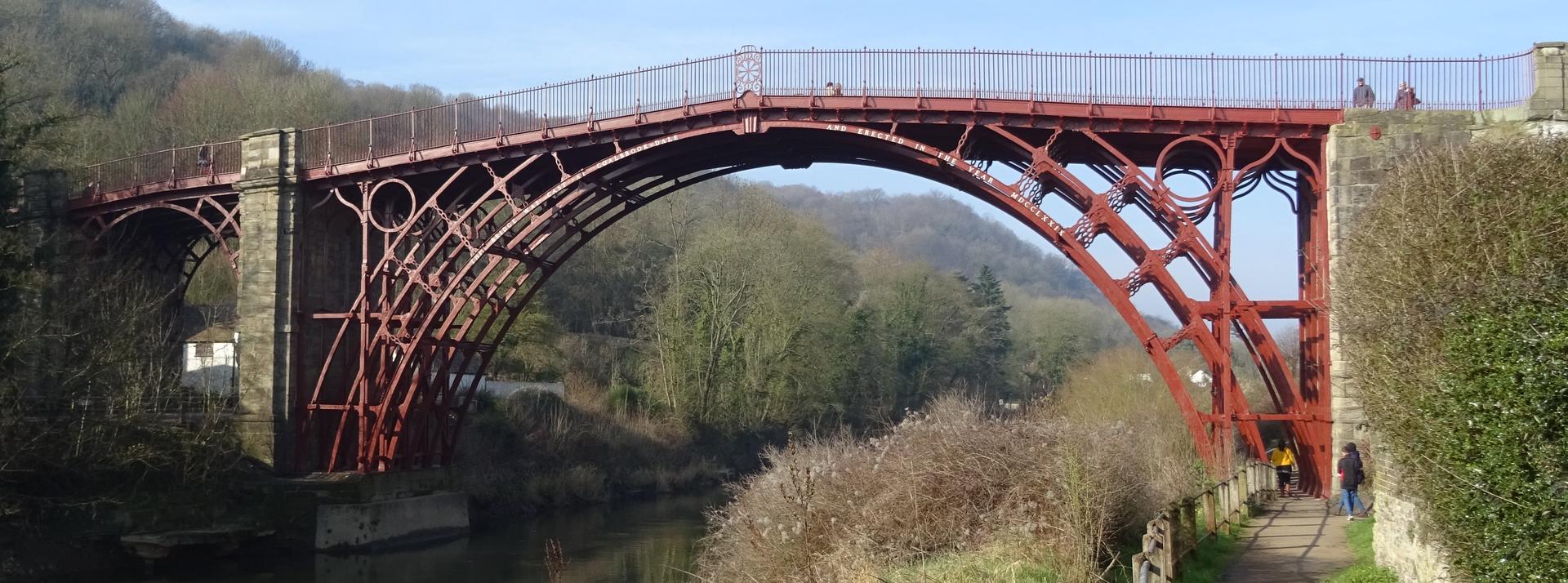
Looking beyond Haughmond Abbey? Discover Shropshire for broader travel guides, local hot-spots, and regional highlights.
Explore Shropshire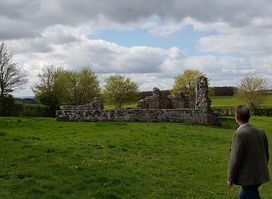
Explore the evocative ruins of a 12th-century Augustinian priory, famed for sheltering Charles II during his dramatic 1651 escape.

Explore England’s tallest Doric column in Shrewsbury, a majestic monument honoring General Lord Hill with panoramic town views from its historic spiral staircase.