

Free Shropshire Travel Guide & Mobile App
Explore Shropshire with free travel guides. Discover regional history, expert tips, proposed trips, and audio guides on web or mobile app.


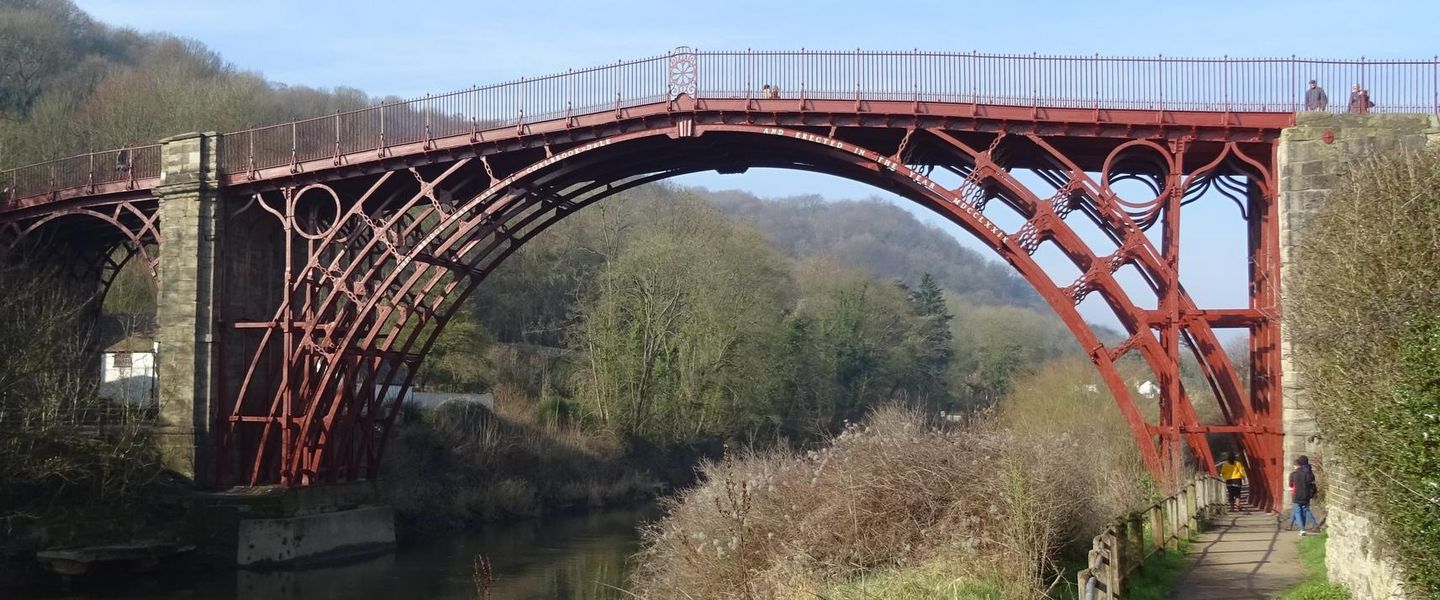


Explore Shropshire’s medieval towns, Ironbridge heritage, Welsh-border landscapes, market food and walking country across rural western England.
Read more about Shropshire
When is the best time to visit Shropshire?
Best: June–August · 19–21°C| Month | High (°C) | Rainfall (mm) |
|---|---|---|
| January | 7 | 50 |
| February | 8 | 40 |
| March | 11 | 45 |
| April | 13 | 40 |
| May | 16 | 60 |
| June (best) | 19 | 60 |
| July (best) | 21 | 55 |
| August (best) | 21 | 55 |
| September | 18 | 50 |
| October | 14 | 65 |
| November | 10 | 55 |
| December | 8 | 60 |
Getting to and around Shropshire
How to get there
Transportation
Top city travel guides in Shropshire
The cities of Shropshire, and the easiest places to base yourself.
-

-


Swipe for more cities
Best attractions in Shropshire
Shropshire’s attractions range from prehistoric earthworks and Roman archaeology to industrial museums, medieval castles and extensive walking country. The Ironbridge Gorge is the county’s most internationally recognised visitor area, with museums and surviving industrial sites spread through a wooded Severn valley shaped by ironmaking, mining and engineering. Wroxeter Roman City provides a direct connection with Roman urban life, while Stokesay Castle, Ludlow Castle, Shrewsbury Castle, Buildwas Abbey and Haughmond Abbey reveal different aspects of medieval power and religion. The Shropshire Hills National Landscape is the principal destination for walking, cycling and landscape viewing, with routes around the Long Mynd, Stiperstones, Caer Caradoc and the valleys near Church Stretton. Shrewsbury offers museums, historic streets and riverside walks, and smaller towns such as Much Wenlock, Bridgnorth and Oswestry add distinctive local character. Country houses and gardens, including Attingham Park near Shrewsbury, complement the archaeological and industrial sites. The county is best understood as a collection of linked landscapes and settlements rather than a single attraction circuit, with travel times between rural sites worth allowing for.
-
Park and Garden
National Trust - Attingham Park
Explore the grandeur of an 18th-century Georgian mansion and 4,000 acres of stunning parkland at Attingham Park, a National Trust treasure near Shrewsbury.
-
Park and Garden
The Quarry
Historic riverside park with stunning gardens, family-friendly amenities, and vibrant events in the heart of Shrewsbury.
-
National reserve
National Trust - Carding Mill Valley and the Long Mynd
Explore the stunning heather moorlands and scenic trails of Carding Mill Valley and the Long Mynd, a natural haven in Shropshire’s Hills.
-
Zoo
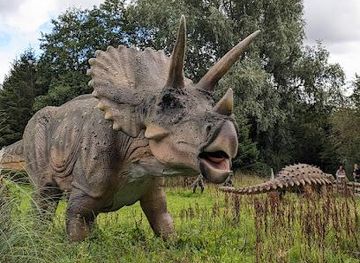
Hoo Zoo and Dinosaur World
Explore over 100 animal species and one of the UK’s largest animatronic dinosaur collections in a family-friendly woodland setting.
Best landmarks in Shropshire
The Iron Bridge over the River Severn is Shropshire’s most recognisable industrial landmark, an eighteenth-century structure that symbolises the development of cast-iron engineering and gives its name to the surrounding gorge. Ludlow Castle dominates the southern market town with its massive medieval ruins, while Stokesay Castle preserves an unusually complete fortified medieval manor house beside the A49. Shrewsbury’s skyline is marked by the red sandstone of Shrewsbury Castle and the tower of Shrewsbury Abbey, set within a town whose medieval street pattern follows the curve of the Severn. Wroxeter’s Roman remains provide a different kind of landmark, linking the modern countryside to the substantial town of Viroconium. In the hills, the Long Mynd and Stiperstones are natural landmarks whose ridges and distinctive rock formations define the county’s southern landscape. The remains of Buildwas Abbey, standing in a quiet Severn valley, and the ruins of Haughmond Abbey near Shrewsbury add a monastic dimension to Shropshire’s historic identity. Together these places show how the region’s visual character was formed by frontier politics, religion, industry and geology.
-
Castle
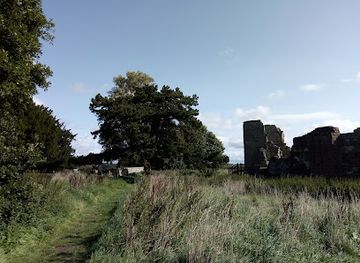
Moreton Corbet Castle
Medieval fortress meets Renaissance ambition in these free, atmospheric Shropshire ruins.
-
Museum
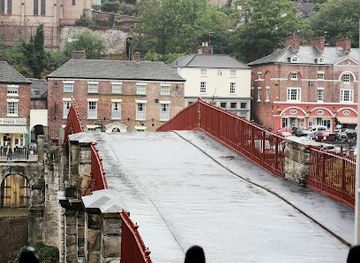
Iron Bridge Tollhouse
Walk the world's first cast-iron bridge, a 1779 engineering triumph and symbol of the Industrial Revolution.
-
Historical landmark
Flounders' Folly
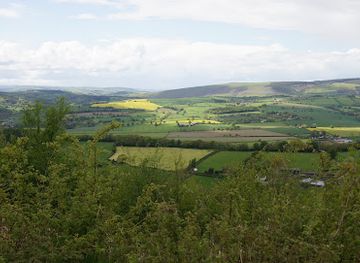
Historic 80-foot stone tower atop Callow Hill offering panoramic views and scenic walks near Craven Arms, South Shropshire.
-
Historical landmark
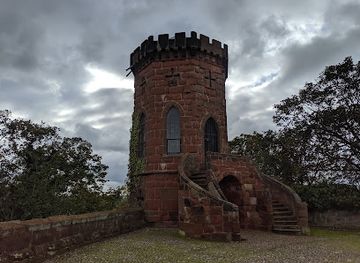
Laura's Tower
An 18th-century folly by Thomas Telford offering stunning panoramic views atop Shrewsbury Castle’s historic motte.
Explore Shropshire on the map
Plan your trip on one map. See where the top cities, national parks and sights are, and book hotels and experiences in a few clicks.
Best hotels in Shropshire
Best restaurants in Shropshire
Shropshire’s dining culture is grounded in farming, market-town trade and the produce of the Welsh borderlands. Menus commonly draw on local beef, lamb, pork, dairy produce, apples, seasonal vegetables and game, while farm shops and independent delis make it easy to assemble a picnic for hill walks or riverside excursions. Ludlow has a particularly strong food identity, with restaurants, specialist shops, bakeries and food-focused events contributing to its reputation as a destination for eating as well as heritage. Shrewsbury offers the broadest range of cafés, pubs and contemporary restaurants, while rural villages tend towards traditional inns, tearooms and gastropub-style dining. Local beers and ciders are widely encountered, and afternoon tea remains a familiar choice in historic towns and country-house settings. Menus change with the seasons, especially outside the larger towns, so visitors travelling into the hills should not assume that every village has evening food service.
-
Barbecue
Hickory's Smokehouse Shrewsbury
Experience authentic Southern barbecue and vibrant hospitality at Hickory's Smokehouse in Shrewsbury's Victoria Quay.
-
Pub
Riverside Inn
Riverside Inn: Shropshire's riverside gem where stunning River Severn views meet hearty pub classics, cozy rooms, and warm hospitality in a tranquil village setting.
-
Restaurant
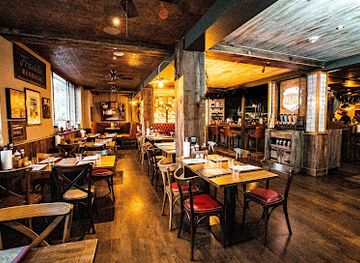
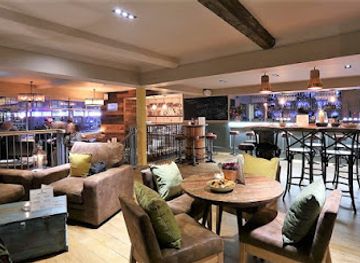
The Loopy Shrew
A lively boutique gastro pub and hotel in Shrewsbury’s historic heart, blending modern British cuisine with local charm and vibrant social scenes.
-
Restaurant
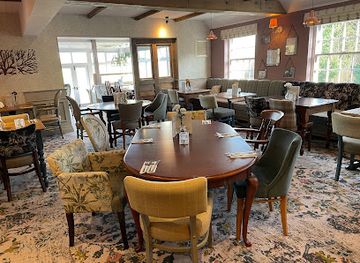
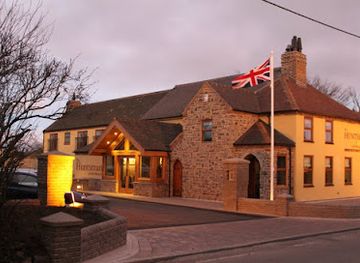
The Huntsman of Little Wenlock
Charming country inn in Little Wenlock offering hearty British classics, cozy fires, and warm hospitality in Shropshire’s scenic countryside.
Best bars in Shropshire
Evening life in Shropshire is centred more on traditional pubs, independent bars, restaurants and live music than on a large club scene. Shrewsbury has the widest choice, ranging from historic inns and riverside drinking places to contemporary bars and venues associated with theatre and music. Telford provides a more modern urban nightlife offer, with pubs, restaurants and entertainment venues distributed across its town centres and developed areas. Ludlow’s evening character is closely tied to food, historic streets and small bars rather than late-night clubs, while Bridgnorth, Oswestry and smaller market towns generally wind down earlier and rely on local pubs and restaurants. In rural districts, evening plans need more advance thought because licensed premises may be separated by considerable distances and public transport is limited. Breweries, taprooms and seasonal events can add variety, but their arrangements change, so check locally rather than relying on assumptions about late opening.
-
Pub
The Armoury
Traditional riverside pub in Shrewsbury with cosy interiors, fresh British fare, and scenic outdoor seating overlooking the River Severn.
-
Grill
The Boathouse
Historic riverside pub in Shrewsbury offering hearty grills, scenic terraces, and a welcoming atmosphere year-round.
-
Pub
The Mytton & Mermaid
Historic riverside pub and hotel blending traditional charm with modern comfort and fresh, high-end cuisine in scenic Atcham.
-
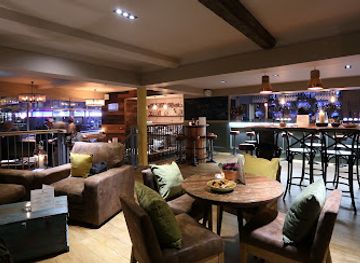
Bar
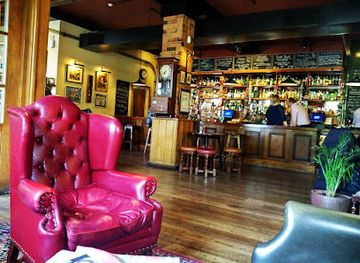
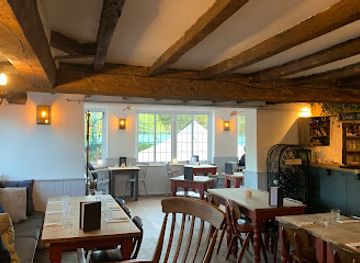
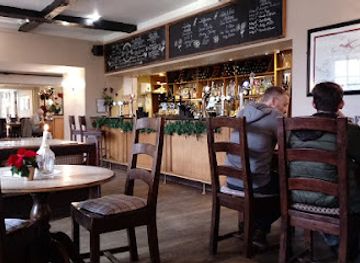
The Loopy Shrew
A vibrant gastropub and boutique inn in Shrewsbury’s historic heart, blending modern British cuisine with cozy charm and lively local spirit.
Best nightclubs in Shropshire
Evening life in Shropshire is centred more on traditional pubs, independent bars, restaurants and live music than on a large club scene. Shrewsbury has the widest choice, ranging from historic inns and riverside drinking places to contemporary bars and venues associated with theatre and music. Telford provides a more modern urban nightlife offer, with pubs, restaurants and entertainment venues distributed across its town centres and developed areas. Ludlow’s evening character is closely tied to food, historic streets and small bars rather than late-night clubs, while Bridgnorth, Oswestry and smaller market towns generally wind down earlier and rely on local pubs and restaurants. In rural districts, evening plans need more advance thought because licensed premises may be separated by considerable distances and public transport is limited. Breweries, taprooms and seasonal events can add variety, but their arrangements change, so check locally rather than relying on assumptions about late opening.
-
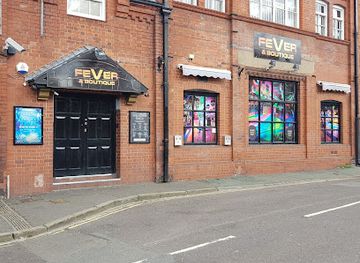
Nightclub
Boutique - Shrewsbury
A vibrant 90s-inspired nightclub in Shrewsbury offering lively nights, stylish booths, and a nostalgic yet modern clubbing experience.
-
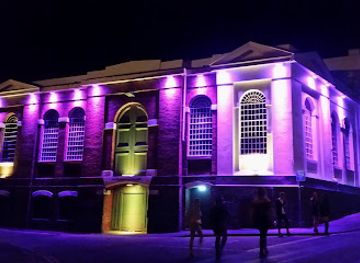
Live Music
The Buttermarket
Shrewsbury’s iconic Grade II listed venue, The Buttermarket, offers vibrant live music, club nights, and diverse entertainment across three dynamic floors.
-
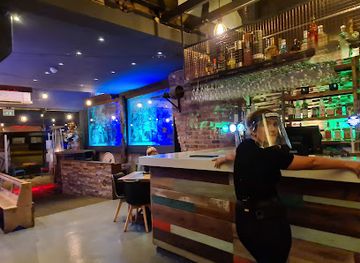
Nightclub
Havana Republic
Experience the vibrant Latin-inspired nightlife of Havana Republic, Shrewsbury’s hotspot for cocktails, music, and late-night fun.
-
Nightclub
757 Night Club & Laluna events venue
A vibrant nightclub and events venue in Wellington, Telford, blending modern style with lively weekend entertainment.

Best shops in Shropshire
Shopping in Shropshire is concentrated in its historic market towns rather than in a single regional retail district. Shrewsbury combines national retailers with independent bookshops, galleries, food shops and small businesses in medieval streets around the town centre. Ludlow is particularly appealing for specialist food, antiques, kitchenware, crafts and independent boutiques, while Much Wenlock and Bridgnorth offer smaller collections of shops within historic surroundings. Farmers’ markets, farm shops and delis are useful places to find local cheese, preserves, cider, baked goods and seasonal produce, although market dates vary by town. The Ironbridge area has craft and heritage-focused shops associated with its museums and industrial history, while galleries across the county showcase ceramics, textiles, jewellery and other work by regional makers. Visitors should distinguish durable local products from generic souvenirs: Shropshire food, books on border history, handmade crafts and goods from county producers tend to reflect the region more meaningfully than mass-produced mementoes.
-
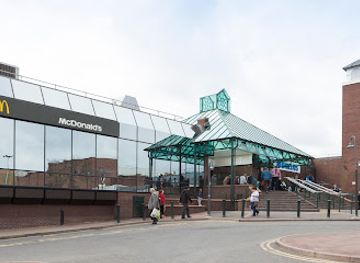
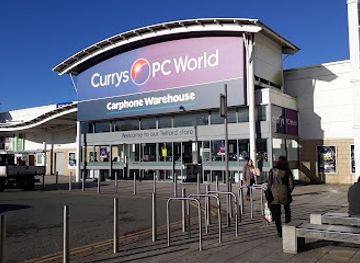
Shopping Centre
Telford Centre
A comprehensive shopping and leisure destination in Telford with over 160 stores and seamless access to entertainment at Southwater.
-
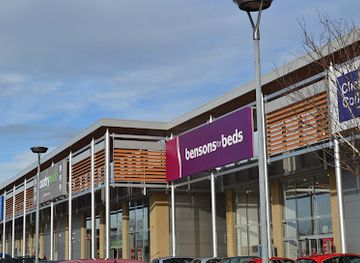
Shopping Centre
The Forge Retail Park
A vibrant and convenient outdoor shopping destination in Telford with diverse stores and ample parking for all your retail needs.
-
Shopping Centre
Sundorne Retail Park
A modern, accessible retail park in Shrewsbury offering diverse shopping, ample parking, and convenient hours for everyday needs.
-
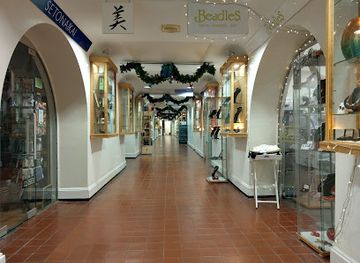
Shopping Centre
The Parade Shops
Discover Shrewsbury’s hidden gem: a charming Georgian shopping centre with unique boutiques and scenic river views.
Get your free copy of our complete guide to Shropshire, delivered straight to you.
Everything on this page, from attractions and restaurants to essentials and local phrases, in one PDF you can read offline, print or share.
Already have an account? Sign in
Your Shropshire guide is ready.
We'll send it to · Not you? Sign out

Getting your guide ready…
We are putting together a fresh copy of the Shropshire guide. This can take up to a minute.
This can take a few moments. If your browser asks, choose Allow so the download can start. You'll find the guide in your Downloads folder.
Nothing happened? Download it again
Sorry, the guide is taking longer than usual. Please try again in a minute, or get it by email instead.
Shropshire essentials
Currency and Payment
Safety
Emergency Situations
Do's and Don'ts
Local Tips
From Eve
Local phrases worth knowing
You don't need to get them perfect. A few words go a long way, and locals appreciate the effort.
Basics
| English | Local | Say it |
|---|---|---|
| Hello | Ay up | [ay up] |
| Goodbye | Ta-ra | [ta-ra] |
| Yes | Aye | [aye] |
| No | Nah | [nah] |
| Please/You're welcome | Please/No problem | [pleez/no prob-lum] |
| Thank you | Cheers | [cheers] |
| Excuse me/Sorry | S'cuse me/Sorree | [s'kyooz mee/sor-ee] |
| How are you? | Ow do? | [ow do?] |
| Fine. And you? | Reet. An yers? | [reet. an yers?] |
| Do you speak English? | Do y' speak English? | [doo y' speek ing-glish?] |
| I don't understand | Ah don' get it | [ah don' get it] |
Eating & Drinking
| English | Local | Say it |
|---|---|---|
| I'd like to see the menu, please | Can I see th' menu, please? | [kan I see th' men-yoo, pleez?] |
| I don't eat meat | Ah don' eat meat | [ah don' eet meet] |
| Cheers! | Cheers! | [cheers] |
| I would like to pay, please | Can Ah pay, please? | [kan ah pay, pleez?] |
Emergencies
| English | Local | Say it |
|---|---|---|
| Help! | Help! | [help] |
| Go away! | Clear off! | [clear off] |
| Call the Police! | Ring the coppers! | [ring the kop-ers] |
| Call a doctor! | Get a doc! | [get a dok] |
| I'm lost | Ah'm lost | [ah'm lost] |
| I'm ill | Ah'm poorly | [ah'm poor-lee] |
Shopping
| English | Local | Say it |
|---|---|---|
| I'd like to buy... | Ah'd like to buy... | [ah'd lik' to bye...] |
| I'm just looking | Just a-lookin' | [just a-lookin'] |
| How much is it? | Wot's it cost? | [wots it cost?] |
| That's too expensive | That’s a bit pricey | [thats a bit pry-see] |
| Can you lower the price? | Can y' knock it down? | [kan y' nok it down?] |
Time & Numbers
| English | Local | Say it |
|---|---|---|
| What time is it? | Wot time is it? | [wot time iz it?] |
| It's one o'clock | It's one o'clock | [its wun o'clok] |
| Half past (10) | Half past ten | [half past ten] |
| Morning | Mornin' | [mor-nin'] |
| Afternoon | Arvo | [ar-vo] |
| Evening | Evenin' | [eev-nin'] |
| Yesterday | Yest'day | [yest-day] |
| Today | T'day | [t'day] |
| Tomorrow | T'morrow | [t'mor-row] |
| 1 | One | [wun] |
| 2 | Two | [too] |
| 3 | Three | [three] |
| 4 | Four | [for] |
| 5 | Five | [fiv] |
| 6 | Six | [siks] |
| 7 | Seven | [sev-en] |
| 8 | Eight | [ate] |
| 9 | Nine | [nayn] |
| 10 | Ten | [ten] |
Transport & Directions
| English | Local | Say it |
|---|---|---|
| Where's a/the...? | Where's th' ...? | [wheres th' ...?] |
| What's the address? | Wot's th' address? | [wots th' ad-dress?] |
| Can you show me (on the map)? | Can y' show me on th' map? | [kan y' sho mee on th' map?] |
| When's the next (bus)? | Wen's th' next bus? | [wens th' nekst bus?] |
| A ticket (to ....) | A ticket to ... | [a tik-it to ...] |
History of Shropshire
Prehistoric Landscapes and Hillforts
Shropshire contains substantial evidence of prehistoric activity, particularly on its uplands and along routes through the Welsh borderlands. Hillforts such as Old Oswestry and Caer Caradoc occupy prominent ridges, reflecting the importance of defensible high ground during the Iron Age. These sites were not isolated military outposts but places connected to settlement, agriculture and regional exchange. Their earthworks remain among the clearest signs that the hills and valleys of Shropshire were organised landscapes long before the Roman period.
Roman Viroconium at Wroxeter
The Roman settlement at Wroxeter, known as Viroconium Cornoviorum, grew into one of the largest towns in Roman Britain. It stood beside important roads and near the River Severn, serving a wide territory that included parts of the western Midlands and the Welsh border. Archaeological remains include public buildings, streets and a reconstructed town house. Wroxeter demonstrates that Roman urban life extended well beyond London and that Shropshire occupied a significant position within the province’s transport and administrative systems.
The Welsh Marches and Medieval Shropshire
After the Norman conquest, Shropshire became part of the Welsh Marches, a politically fluid frontier between the English crown and Welsh territories. Lords of the March built castles, founded religious houses and controlled market settlements along routes leading towards Wales. Ludlow Castle, built and expanded by the de Lacy and Mortimer families, became a major centre of Marcher power, while Shrewsbury developed as a stronghold and commercial town. The medieval landscape of castles, abbeys and walled settlements still defines many of the county’s best-known places.
Monasteries, Towns and the Medieval Economy
Religious foundations helped shape Shropshire’s economy and settlement pattern during the Middle Ages. Augustinian, Cistercian and other communities held land, managed farms and influenced local trade, leaving substantial remains at Buildwas Abbey, Haughmond Abbey and elsewhere. Market towns such as Ludlow, Much Wenlock, Bridgnorth and Shrewsbury prospered through agriculture, wool, livestock and regional commerce. Their surviving churches, timber-framed buildings and street layouts reflect centuries in which religious institutions, fairs and markets connected the county to both England and Wales.
The Industrial Revolution in the Severn Gorge
The Ironbridge Gorge became one of the defining industrial landscapes of eighteenth-century Britain. Local coal, ironstone, limestone and clay supported experiments in coke-smelted iron and large-scale manufacturing. Abraham Darby I’s work at Coalbrookdale helped establish methods that transformed iron production, while the Iron Bridge, opened in 1781, became a durable symbol of engineering innovation. Furnaces, workers’ settlements, canal infrastructure and factories developed along the gorge, creating an industrial system whose surviving remains now form a UNESCO World Heritage Site.
Canals, Railways and Modern Industry
Transport improvements connected Shropshire’s mines, furnaces, farms and towns to wider markets. Canals served the industrial districts before railway development accelerated during the nineteenth century, linking places such as Shrewsbury, Wellington, Oswestry and Ludlow with national networks. Railways helped move coal, agricultural goods and manufactured products while also making the county more accessible to visitors. In the twentieth century, industrial activity continued around Telford, whose planned development created a major new town and reshaped the economic geography of eastern Shropshire.
The Growth of Telford New Town
Telford was designated a new town in 1968, bringing together existing settlements and extensive new development in east Shropshire. Its creation responded to national plans for population growth, housing and industry, and marked a sharp contrast with the county’s medieval towns and rural districts. Telford’s industrial estates, planned neighbourhoods and modern infrastructure changed commuting and employment patterns across the region. The town now forms one of Shropshire’s main urban centres while remaining close to the historic and industrial sites of the Severn Gorge.
Shropshire in Photos
Browse through our photo collection highlighting the charm and character of the destination.
Neighbouring regions of Shropshire
The closest regions to Shropshire, if you have time for more than one.
-

-
-

-

-


Swipe for more regions
Explore more

Explore more of United Kingdom
Discover the United Kingdom: A blend of rich history, stunning landscapes, and vibrant cities, offering a unique travel experience for every visitor.
Explore United Kingdom