
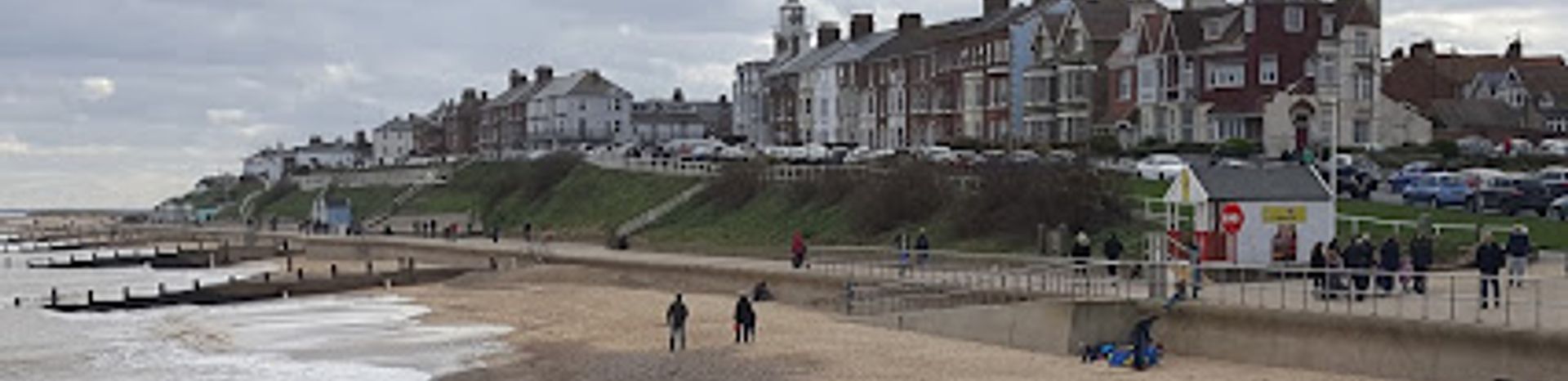
Alfred Corry Lifeboat Museum
Restored Victorian lifeboat and intimate museum celebrating 25 years of coastal rescue heroism
Housed in a restored Victorian boathouse on Southwold's seafront, the Alfred Corry Lifeboat Museum preserves the history of the Alfred Corry, Southwold's lifeboat from 1893 to 1918. This intimate museum showcases maritime heritage through the restored vessel itself, alongside photographs, artifacts, and stories of the brave crews who served the Norfolk coast. Run entirely by dedicated volunteers, it offers visitors a glimpse into the vital role lifeboats played in coastal rescue operations during the late 19th and early 20th centuries.
A brief summary to Alfred Corry Lifeboat Museum
- Alfred Corry Museum, Ferry Road, Southwold, IP18 6NB, GB
- +441502723200
- Visit website
- Duration: 0.75 to 1.5 hours
- Free
-
 Mixed
Mixed
- Mobile reception: 4 out of 5
- Monday 10:30 am-4:30 pm
- Tuesday 10:30 am-4:30 pm
- Thursday 10:30 am-4:30 pm
- Saturday 10:30 am-4:30 pm
- Sunday 10:30 am-4:30 pm
Local tips
- The museum is run entirely by volunteers and occasionally closes at short notice, so it's worth calling ahead during opening hours to confirm availability before making a special trip.
- Allow at least 45 minutes to an hour to properly explore the restored vessel and examine the photographs and artifacts without feeling rushed.
- Visit on a weekday morning if possible to enjoy a quieter experience and potentially have more time to chat with volunteers who often have fascinating personal knowledge of the boat's history.
- Combine your visit with a walk along Southwold's seafront and pier to fully appreciate the maritime character of the town and the context in which the lifeboat operated.
- Photography is permitted inside the museum, making it an excellent opportunity to document the intricate details of Victorian-era lifeboat construction and maritime artifacts.

For the on-the-go comforts that matter to you
- Restrooms
- Information Boards
Getting There
-
Bus from Southwold Town Centre
Local buses serve Southwold's town centre, with stops approximately 400–500 metres from Ferry Road. Journey time from the town centre is typically 5–10 minutes on foot or a short bus ride. Services run regularly throughout the day, though frequency may vary seasonally. No specific fare applies as this is a local service; check local transport operators for current pricing.
-
Car with Parking
Ferry Road has limited on-street parking available. Alternatively, Southwold's main car parks (including the seafront car park) are within 200–400 metres of the museum. Parking charges typically apply year-round; expect to pay approximately £1.50–£3.00 per hour depending on the car park. Driving time from central Southwold is less than 5 minutes.
-
Walking from Southwold Seafront
The museum is located on Ferry Road, directly adjacent to Southwold's seafront and pier area. Walking from the pier or main beach access takes approximately 10–15 minutes depending on starting point. The route is flat and accessible, following the coastal promenade and then turning inland onto Ferry Road. This is a pleasant walk through Southwold's maritime quarter.
-
Cycling
Southwold is a cycle-friendly coastal town with bike routes connecting to Ferry Road. Journey time from the town centre by bicycle is approximately 5–10 minutes. Bike parking facilities are available near the museum and throughout the seafront area. No specific fees apply for cycling access.
Alfred Corry Lifeboat Museum location weather suitability
-
 Any Weather
Discover more about Alfred Corry Lifeboat Museum
A Vessel of Courage and Maritime Heritage
The Alfred Corry stands as a remarkable survivor of Victorian maritime history. Built in 1893, this wooden lifeboat served as Southwold's primary rescue vessel for 25 years, operating from the bustling Suffolk coast during a critical era of maritime development. The boat itself—now over 130 years old—has been meticulously restored to its original condition, allowing visitors to appreciate the craftsmanship and engineering of late 19th-century lifeboat design. Every plank, rope, and fitting tells a story of the men who crewed her and the countless lives she helped save.The Museum's Mission and Restoration Journey
The Alfred Corry Lifeboat Museum Trust was established with a singular purpose: to preserve and restore this historic vessel for future generations. The restoration process has been painstaking, undertaken entirely by volunteers who possess deep knowledge of maritime heritage and traditional boat construction. The museum's dedication to authenticity means that visitors encounter not merely a display piece, but a living artifact that reflects genuine historical practices and the conditions faced by lifeboat crews. This commitment to preservation extends beyond the boat itself to include the stories, photographs, and personal accounts of those who served aboard her.Intimate Encounters with Coastal Rescue History
Inside the Victorian boathouse, the museum creates an immersive experience of early 20th-century maritime life. Visitors encounter period photographs documenting rescue operations, crew members, and the daily realities of lifeboat service. The collection reveals the dangers faced by these brave volunteers—men who launched into treacherous seas in all weather conditions, often with minimal safety equipment by modern standards. The artifacts on display, from navigational instruments to rescue equipment, provide tangible connections to this heroic chapter of Suffolk's coastal heritage. The intimate scale of the museum allows for close examination of details that larger institutions cannot offer.Volunteer-Driven Authenticity and Community Spirit
The museum operates entirely through the efforts of passionate volunteers, a fact that shapes both its character and its operational approach. This grassroots model ensures that the museum remains deeply connected to local maritime traditions and community memory. Volunteers bring personal knowledge, family connections to lifeboat history, and genuine enthusiasm that transforms a visit from a passive observation into a meaningful dialogue. The volunteer-run nature also means the museum maintains an authentic, unhurried atmosphere—a place where quality of experience takes precedence over commercial efficiency.Southwold's Maritime Legacy
Southwold itself has long been defined by its relationship with the sea. Located on the Suffolk coast, the town developed as a fishing port and maritime hub, with the lifeboat service representing one of its most vital institutions. The Alfred Corry Museum sits within this broader context, serving as a focal point for understanding how coastal communities organized rescue operations and valued the lives of those at sea. The museum's location on Ferry Road, near the seafront, places it within the historic maritime quarter where such vessels were launched and maintained. This geographical positioning reinforces the connection between the artifact and its original operational environment.Iconic landmarks you can’t miss

SOUTHWOLD OLD DRILL HALL
1.7 km
Historic Edwardian drill hall in Southwold, blending military heritage with vibrant community life.
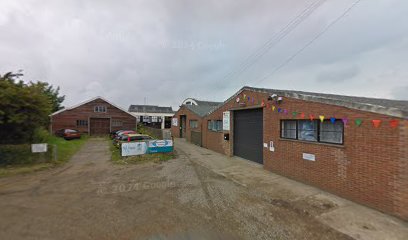
Framlingham Castle
24.4 km
Explore the rich history and stunning architecture of Framlingham Castle, a quintessential English heritage site in the heart of Suffolk.
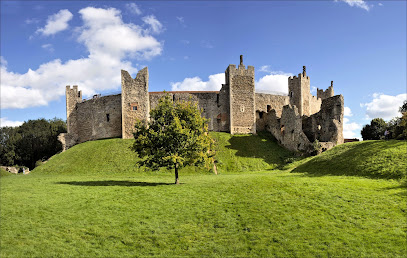
English Heritage - Orford Castle
26.4 km
Discover the rich history and breathtaking views of Orford Castle, a stunning medieval fortress in the heart of England's picturesque countryside.
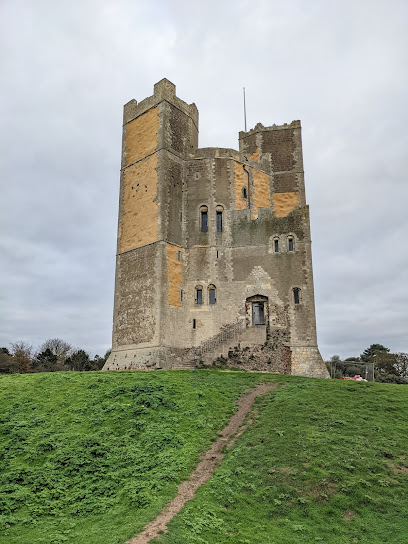
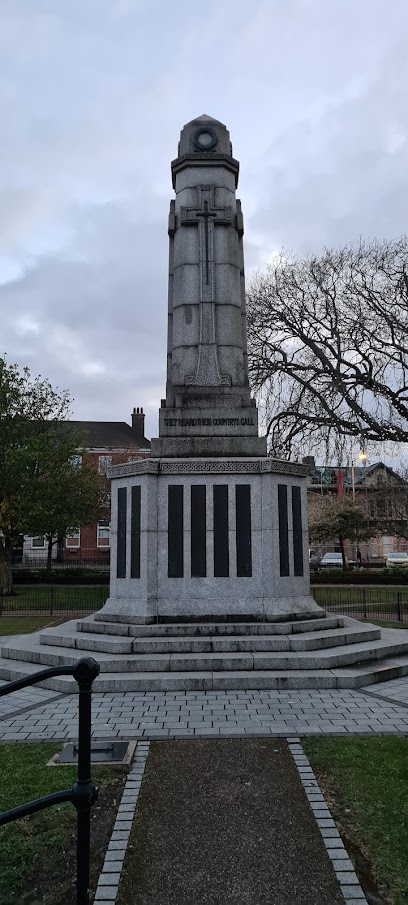
War Memorial
32.6 km
A solemn tribute in Great Yarmouth, honouring local service personnel and civilians lost in 20th-century conflicts with quiet dignity and enduring respect.
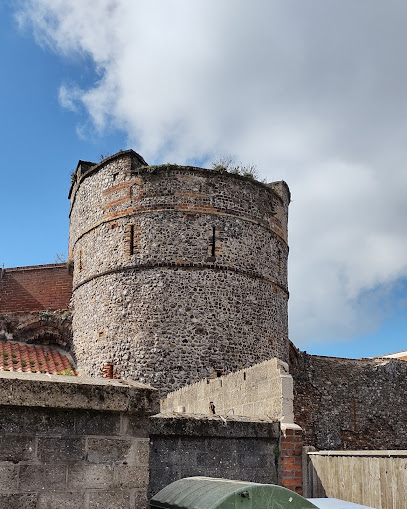
Pudding tower
32.9 km
Explore Pudding Tower, a medieval defensive relic in Great Yarmouth, steeped in history and local lore from the town’s fortified past.
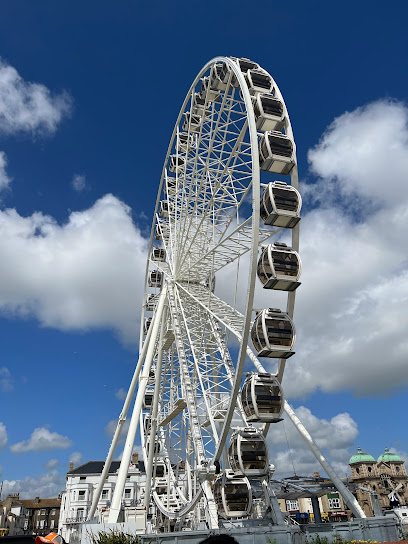
Britannia Pier
32.9 km
Historic Great Yarmouth pier blending classic seaside amusements, live shows, bars, and panoramic coastal charm for all ages.
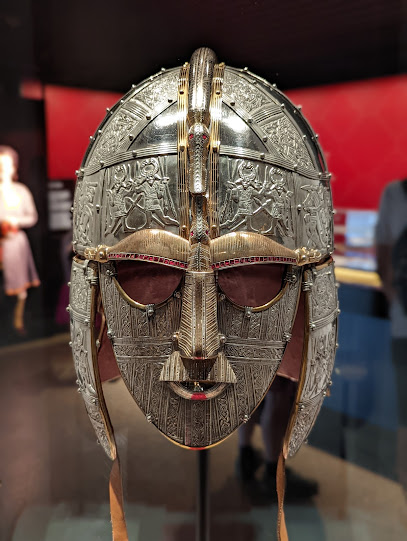
National Trust - Sutton Hoo
33.4 km
Explore Sutton Hoo, an iconic archaeological site revealing the secrets of the Anglo-Saxon era in stunning natural surroundings.
The Broads National Park
34.0 km
Explore the breathtaking waterways and rich wildlife of The Broads National Park, a hidden gem in Norfolk and Suffolk perfect for nature lovers.
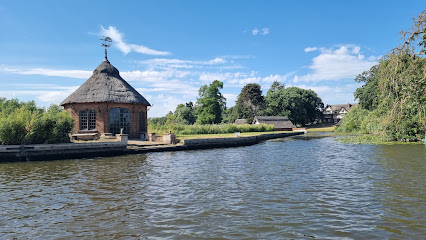
Wheatfen Broad - Ted Ellis Trust
35.6 km
Explore the serene beauty of Wheatfen Broad, a nature reserve near Norwich, rich in wildlife and stunning landscapes ideal for relaxation and exploration.
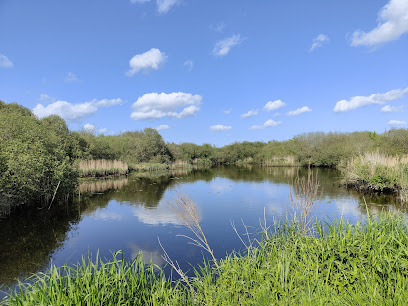
Eye Castle
35.6 km
Discover the historic Eye Castle, a medieval gem in Eye, England, offering stunning architecture and rich history for curious travelers.
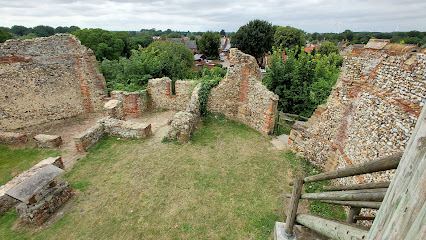
Discover the Norfolk Broads
40.2 km
Discover the natural beauty and tranquil waterways of the Norfolk Broads, a haven for outdoor enthusiasts and nature lovers in East Anglia.
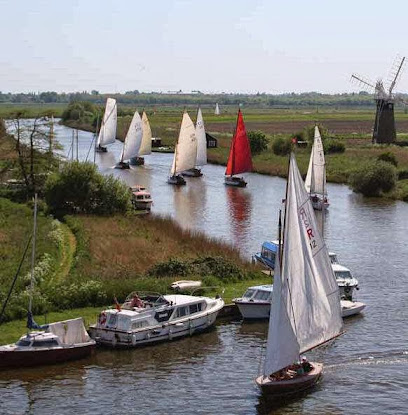
Fairhaven Woodland & Water Garden
40.7 km
Explore the natural beauty of Fairhaven Woodland & Water Garden, where lush landscapes meet serene waters in the heart of Norfolk.
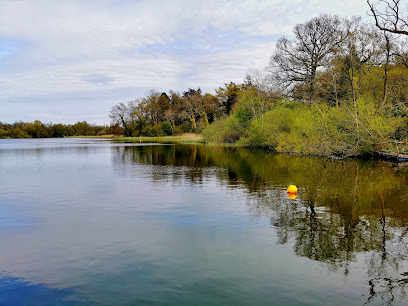
Whitlingham Country Park
41.3 km
Explore Whitlingham Country Park: a tranquil retreat with picturesque trails, diverse wildlife, and exciting outdoor activities near Norwich.
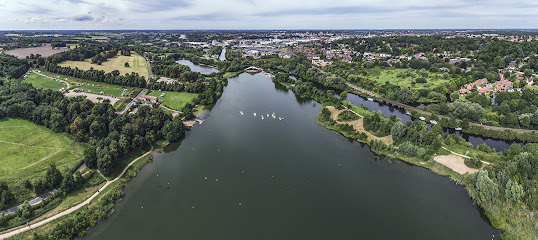
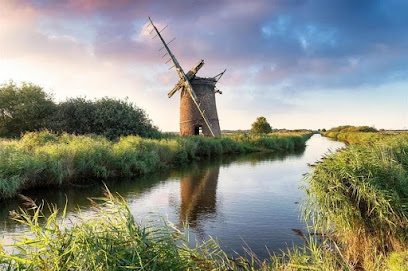
The Broads Authority
42.6 km
Explore the breathtaking landscapes of The Broads Authority, where nature meets adventure in the heart of Norfolk's stunning waterways.
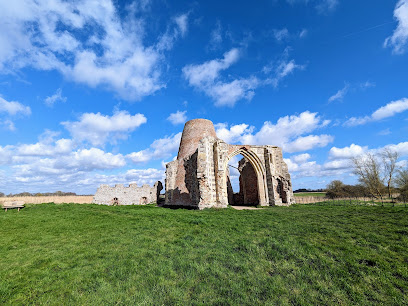
St. Benet's Abbey
42.7 km
Discover the enchanting ruins of St. Benet's Abbey, a historical gem in Great Yarmouth, surrounded by breathtaking natural beauty and rich heritage.
Unmissable attractions to see

Southwold Harbour
0.1 km
Historic fishing port and vibrant leisure harbour set within Suffolk’s Area of Outstanding Natural Beauty, blending maritime heritage with stunning coastal scenery.
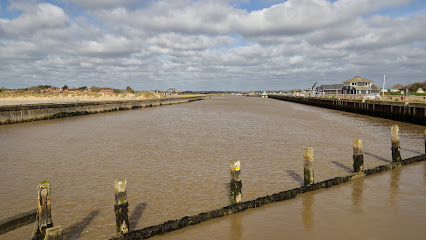
Walberswick Harbour
0.3 km
A tranquil Suffolk harbour linking historic Walberswick and Southwold with timeless ferry crossings and stunning natural beauty.
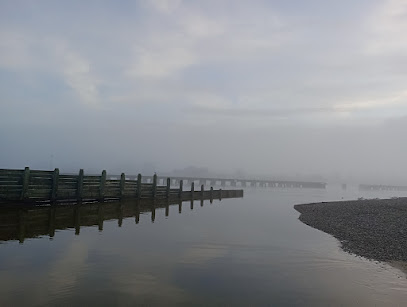
Walberswick - Southwold Ferry
0.5 km
A charming, traditional rowing ferry linking Walberswick and Southwold across the scenic River Blyth, blending history, nature, and community spirit.
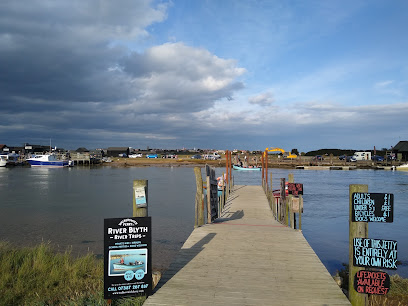
The Denes Beach
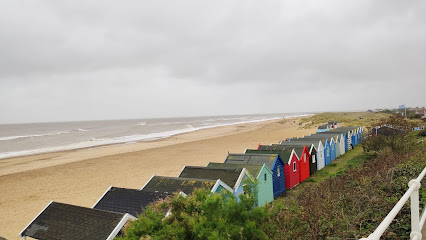
0.6 km
A tranquil sand and shingle beach with natural dunes, dog-friendly spaces, and easy access to Southwold’s charming coastal town.
Southwold Harbour
0.7 km
Historic Southwold Harbour blends maritime heritage with stunning coastal beauty in Suffolk’s Area of Outstanding Natural Beauty.

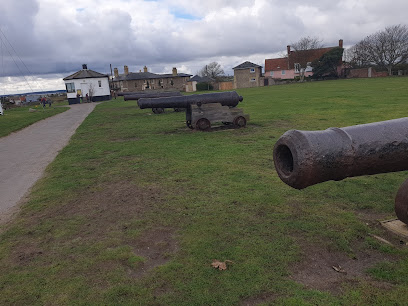
Southwold Cannons
0.9 km
Explore the Southwold Cannons: a historic landmark offering breathtaking views and a glimpse into maritime history.
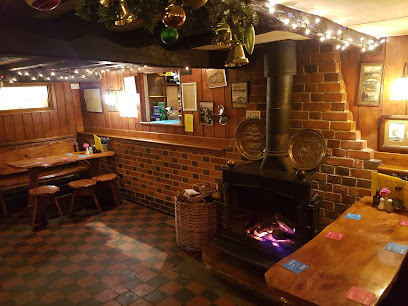
Harbour Inn
1.0 km
Historic harbourside pub in Southwold offering fresh seafood, lively music nights, and a cozy, welcoming atmosphere by the water.
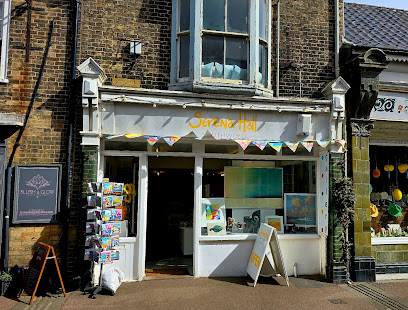
The Serena Hall Gallery
1.2 km
Discover bold contemporary art and handmade crafts in a vibrant Southwold gallery founded by local artist Serena Hall.
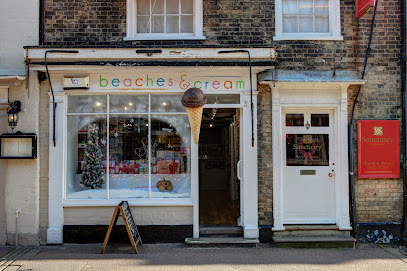
Beaches & Cream Southwold
1.2 km
Classic British ice cream parlor in Southwold offering generous scoops, vegan flavors, and a lively seaside atmosphere for all ages.
Coasters
1.2 km
Discover the culinary delights of Coasters in Southwold, a charming English restaurant serving fresh, local dishes in a cozy atmosphere.
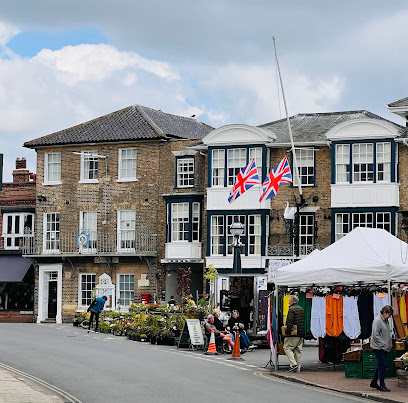
ninedeli
1.3 km
Discover ninedeli, Southwold’s cozy Modern British café known for fresh sandwiches, excellent coffee, and a welcoming atmosphere tucked away on Pinkney's Lane.
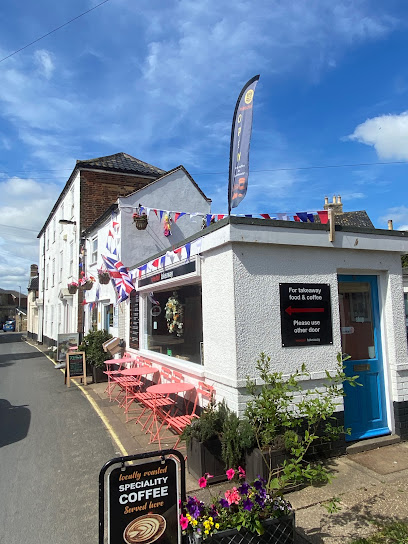
The Amber Shop & Museum
1.3 km
Discover the UK's only dedicated amber museum and shop in charming Southwold, where ancient amber history meets exquisite jewellery craftsmanship.
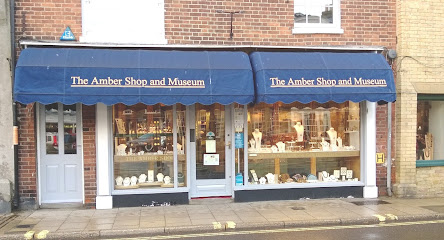
Harris & James Store Southwold
1.3 km
Artisan gelato, bean-to-bar chocolate, fresh coffee, and hand-made pizzas in the heart of charming Southwold.
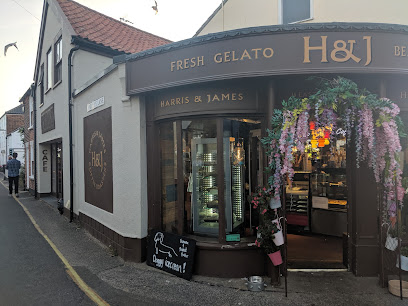
Southwold Sailors' Reading Room
1.3 km
Historic refuge and maritime museum celebrating Southwold’s seafaring heritage since 1864.
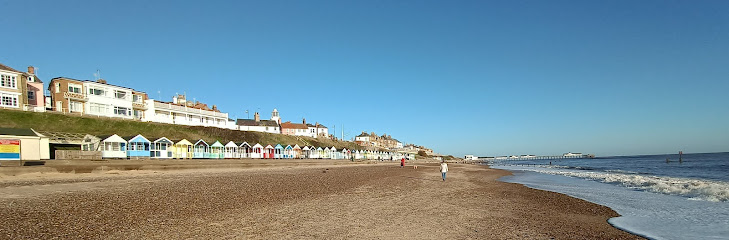
The Lord Nelson
1.3 km
A historic nautical pub in Southwold offering cozy fires, quality Adnams ales, and acclaimed pizzas in a warm, welcoming atmosphere.
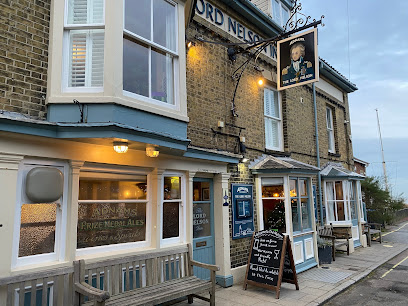
Essential places to dine

Sole Bay Fish Company
0.5 km
Rustic harbour-side seafood eatery in Southwold serving fresh fish, classic fish and chips, and indulgent shellfish platters with estuary views.
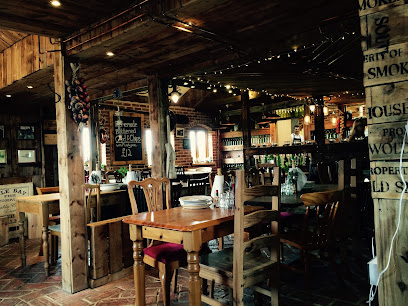
The Sail Loft
0.5 km
A vibrant seaside restaurant and hotel offering fresh seafood, rustic charm, and stunning sea views in the heart of Southwold.
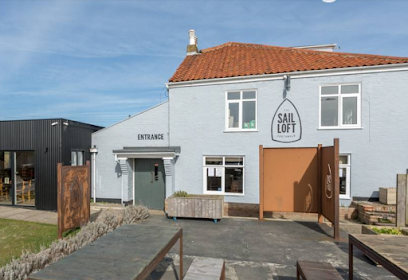
Anchor at Walberswick
0.8 km
A warm, Arts & Crafts coastal pub and inn in Walberswick serving fresh local seafood and seasonal dishes with a welcoming village charm.
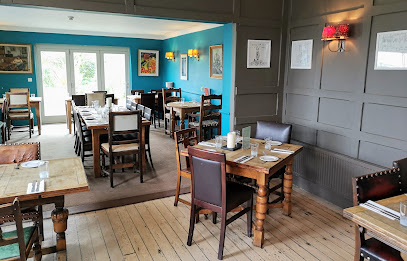
Le ROC at the Harbour
0.8 km
Charming French bistro on Southwold harbour, serving fresh Mediterranean-influenced dishes with stunning sunset views and warm, dog-friendly hospitality.
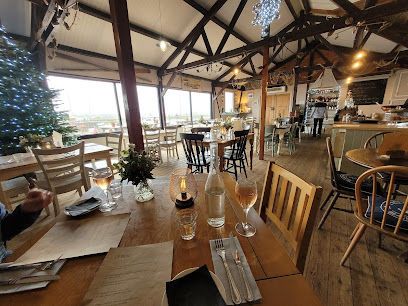
Red Lion
1.2 km
Historic 17th-century pub on South Green offering local ales, home-cooked food, and a welcoming, dog-friendly atmosphere.
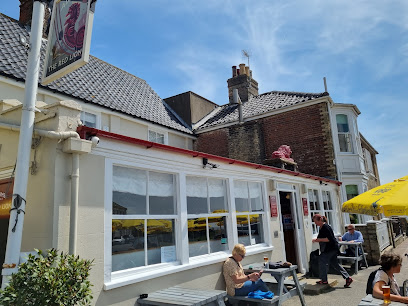
The Black Dog Deli Pizza Company
1.3 km
Artisanal sourdough pizzas crafted with fresh, local ingredients in the historic Lord Nelson pub, Southwold’s cozy coastal gem.

Jack's Burgers & Friends
1.3 km
Tasty, freshly cooked burgers and kebabs served in a relaxed, friendly setting in the heart of Southwold’s Market Place.

Suzie's Cafe
1.3 km
Charming seaside cafe on Southwold promenade serving classic British fare with stunning beach views and a welcoming atmosphere.
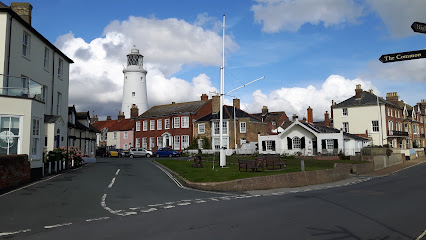
The Swan Southwold
1.3 km
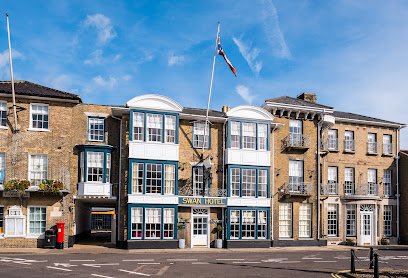
Historic Georgian charm meets modern coastal luxury at The Swan Southwold, a vibrant hotel with award-winning brews and fine dining by the sea.
Squiers of Southwold
1.3 km
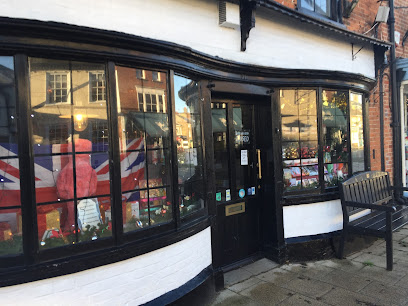
A quaint, traditional tearoom on Southwold’s High Street offering simple, hearty fare and a warm community spirit.
The Crown
1.3 km
Historic Georgian inn on Southwold High Street offering cozy rooms, a welcoming bar, and quality dining near the beach.
Doh Pizzeria
1.4 km
Family-run pizzeria on Southwold High Street serving fresh, authentic Anglo-Italian pizzas in a cozy, welcoming atmosphere with vegan options.
Dining at Sutherland House
1.4 km
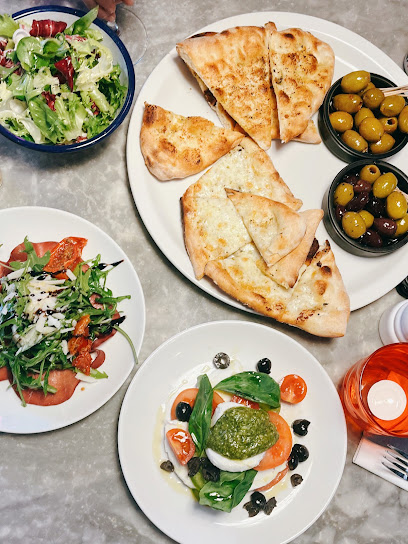
A historic Southwold gem offering refined seafood dining and boutique adult-only accommodation in a beautifully restored 15th-century building.
Sutherland House
1.4 km
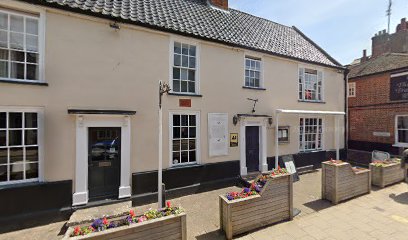
Historic boutique hotel and acclaimed restaurant offering gourmet dining and cozy rooms in the heart of charming Southwold.
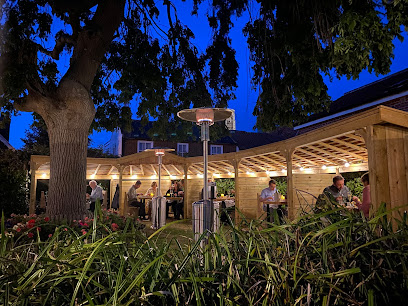
Al Fresco Dining
1.4 km
Enjoy fresh, locally sourced meals in the charming open-air setting of The Common, Southwold’s beloved al fresco dining spot.
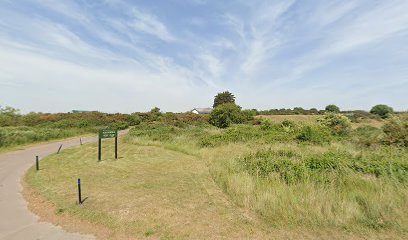
Markets, malls and hidden boutiques

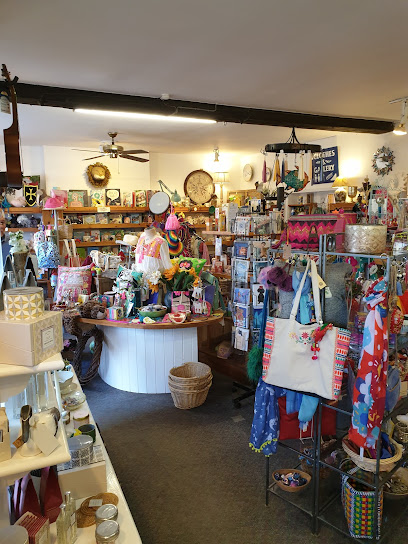
The Parish Lantern
0.7 km
Charming gift shop and tea room where village life unfolds over freshly prepared food and curated treasures.
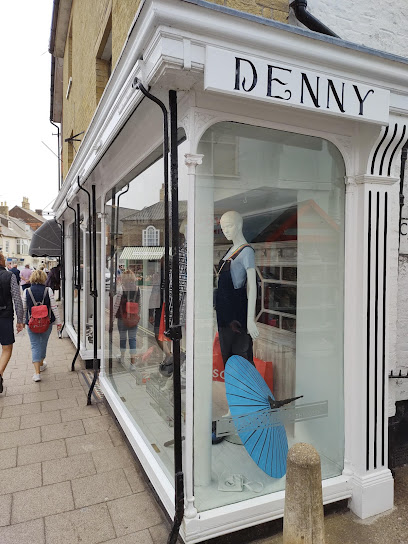
Denny Of Southwold Ltd
1.3 km
Historic tailoring and classic British style meet at Denny Of Southwold Ltd, Southwold’s enduring clothing shop since 1851.
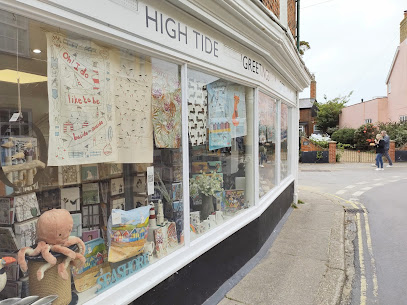
High Tide
1.3 km
Charming Southwold gift shop with unique Jellycat toys and distinctive coastal gifts in a friendly, welcoming setting on East Street.
Collen & Clare
1.3 km
Discover curated designer fashion and accessories in Southwold’s beloved independent boutique with a welcoming seaside charm.
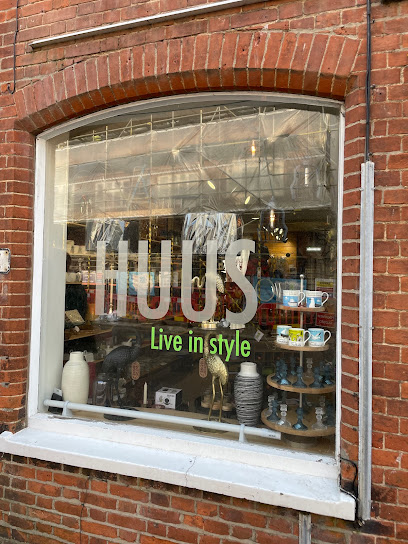
Huus
1.3 km
A Southwold homewares shop showcasing Scandinavian-inspired furniture, lighting and accessories in a bright, airy former bank building.
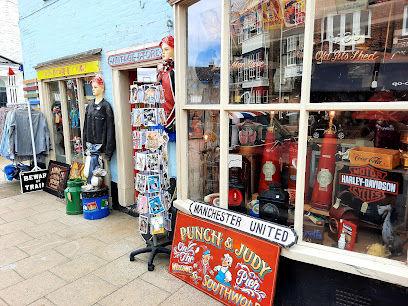
Vintage Store
1.3 km
Discover timeless treasures and quirky vintage finds at WOW Vintage, Southwold’s beloved emporium of retro charm and unique collectibles.
Seasalt Cornwall
1.3 km
Cornish coastal fashion meets Suffolk charm on Southwold's high street.
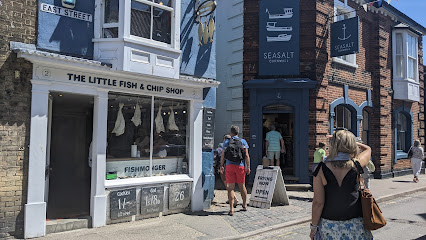
Chapmans of Southwold
1.3 km
Discover unique gifts and Southwold souvenirs at Chapmans, a charming High Street shop blending tradition with local spirit.
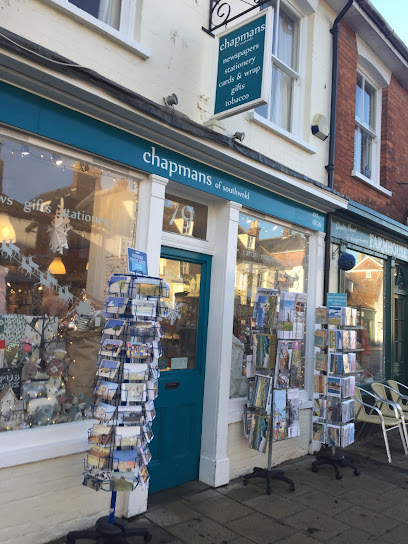
Little Pretty
1.3 km
Quirky gifts and local treasures on Southwold's vibrant high street.
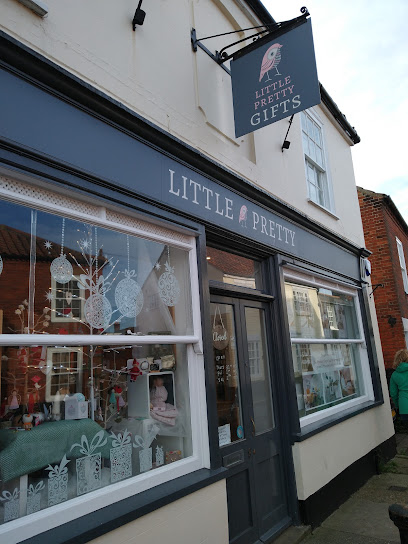
Quba & Co
1.3 km
Discover nautically-inspired, sustainable casual wear at Quba & Co Southwold—where coastal heritage meets contemporary style.
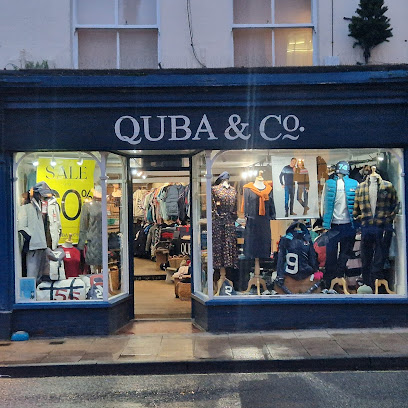
Jack Wills
1.3 km
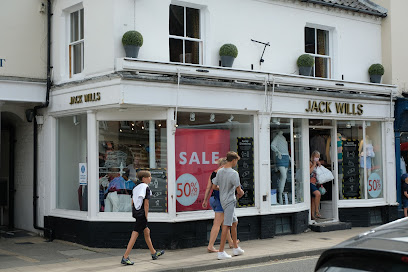
Discover timeless British fashion with a youthful twist at Jack Wills Southwold, blending heritage style and coastal charm.
MEA boutique
1.4 km
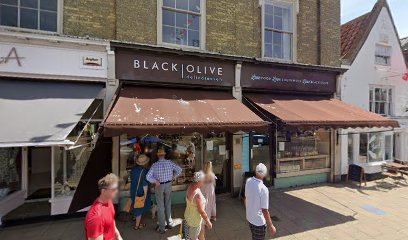
Discover MEA Boutique, Southwold’s charming family-run shop offering stylish women’s clothing, footwear, and accessories in a welcoming coastal setting.
Mountain Warehouse Southwold
1.4 km
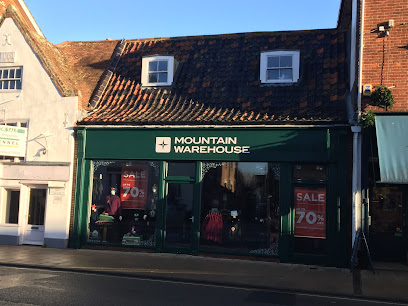
Your trusted outdoor gear and clothing store in Southwold, ready to equip every adventure with quality and value.
East of Eden
1.4 km
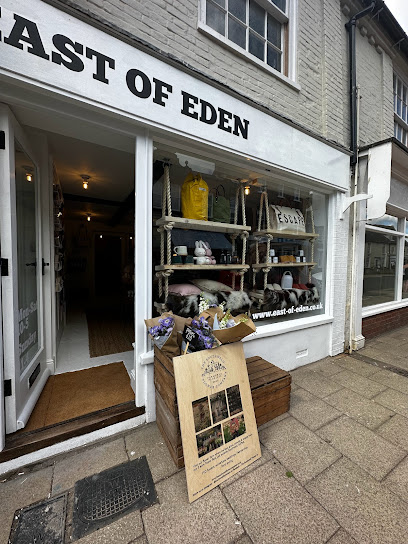
Discover unique gifts and local charm at East of Eden, Southwold’s welcoming boutique on the historic High Street.
Joules
1.4 km
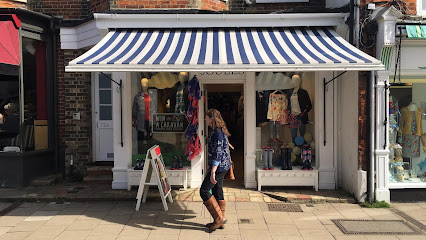
Contemporary British clothing and lifestyle retailer anchoring Southwold's High Street with style and accessibility.
Essential bars & hidden hideouts

Duchies
1.4 km
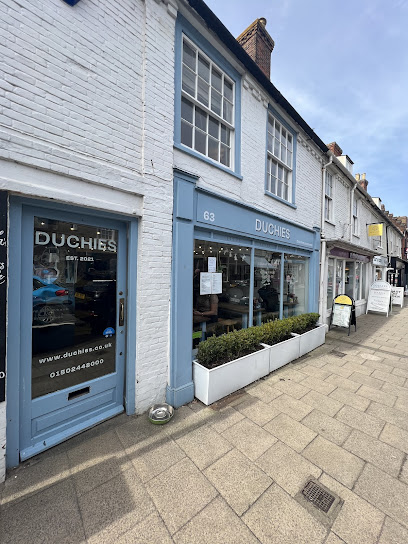
Duchies offers exceptional breakfasts and warm hospitality in a stylish, relaxed café setting on Southwold’s historic High Street.
The William Adams
29.8 km
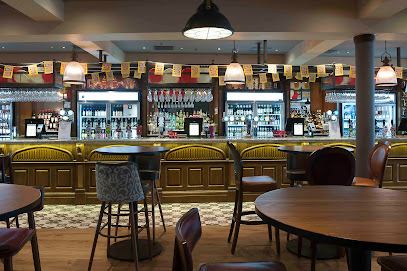
A vibrant coastal pub honoring Gorleston’s lifesaving hero with great food, real ales, and a welcoming community vibe.
The Rumbold Arms
31.4 km
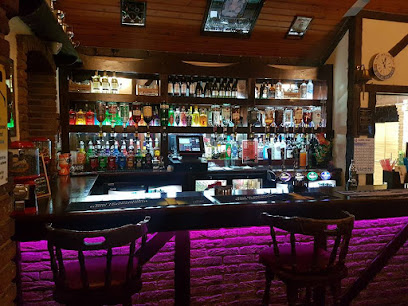
A friendly, family-oriented pub in Great Yarmouth known for hearty home-cooked meals, lively community spirit, and a spacious garden with play area.
The Red Herring
32.1 km
A cozy, traditional Great Yarmouth pub offering quality ales, local charm, and a welcoming community atmosphere.
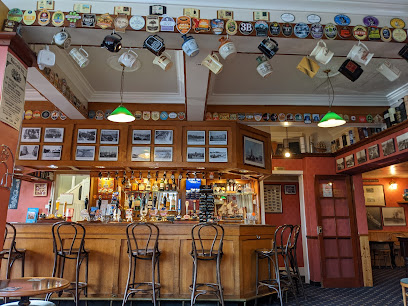
The Alexandra Freehouse
32.1 km
A lively family-run pub in Great Yarmouth offering traditional ales, hearty food, and a warm, welcoming atmosphere.
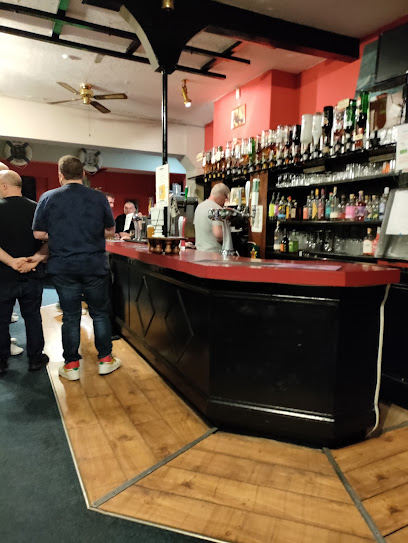
The Marine
32.2 km
A lively beachfront pub and hotel in Great Yarmouth, blending traditional charm with vibrant entertainment and family-friendly dining.
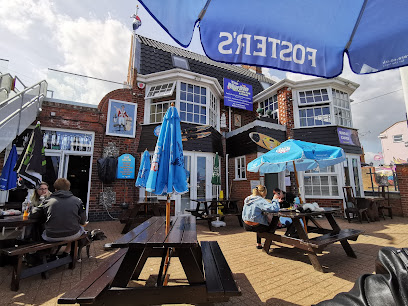
The Blue Oyster
32.4 km
A lively Great Yarmouth bar blending expertly crafted cocktails, hearty food, and warm hospitality in a vibrant social setting.
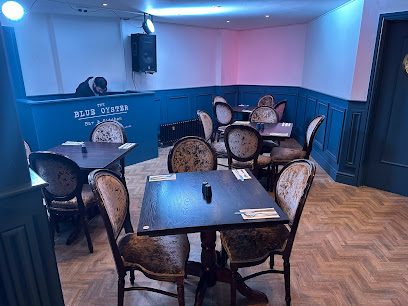
Liberty's Rock Cafe
32.4 km
A vibrant rock-themed pub in Great Yarmouth offering lively atmosphere, affordable drinks, and extended late-night hours in the heart of town.
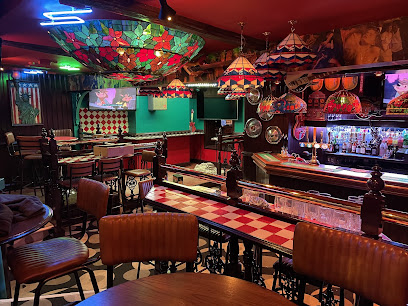
The Landmark
32.5 km
A lively seafront pub with family-friendly play area, freshly grilled meals, and a warm, rustic atmosphere in the heart of Great Yarmouth.
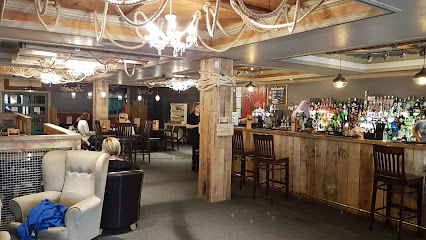
Uptown Bar
32.6 km
A friendly, affordable bar in Great Yarmouth offering lively atmosphere and good ales in a casual, welcoming setting.
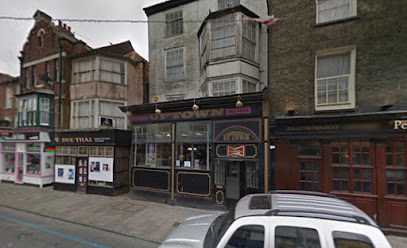
Peggotys Lounge
32.6 km
Experience vibrant nightlife and expertly crafted cocktails at Peggotys Lounge, Great Yarmouth’s lively pub and restaurant hotspot.
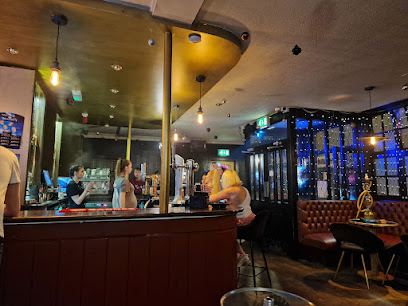
Lady Haven
32.6 km
A cozy, affordable pub in Great Yarmouth offering friendly vibes and a welcoming atmosphere for locals and visitors alike.
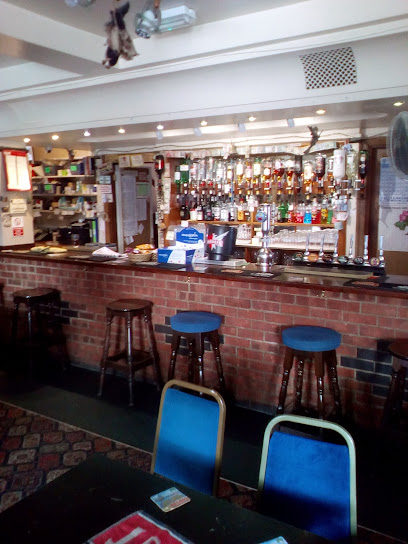
Merlin’s Sports Bar
32.6 km
A vibrant sports bar in Great Yarmouth offering live games, pool, snooker, and a lively social scene with sea views and great drinks.
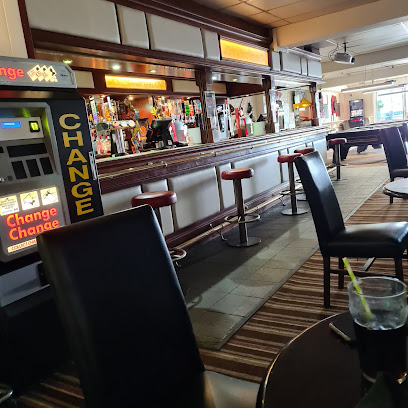
The Empire
32.7 km
A vibrant Great Yarmouth landmark blending live music, street food, craft beer, and community spirit on the iconic Marine Parade.
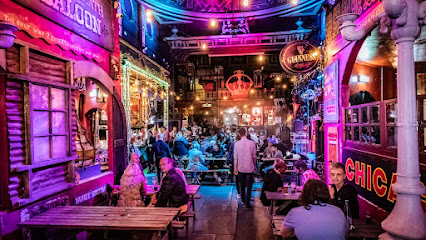
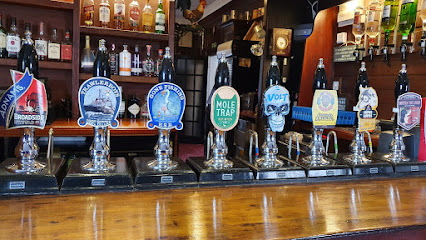
The Mariners
32.7 km
A beloved Great Yarmouth pub famed for its rich selection of cask ales, lively atmosphere, and authentic British charm.
Nightclubs & after hour spots

Southwold Reydon & District Constitutional Club
1.3 km
Experience the local social scene at Southwold Reydon & District Constitutional Club, where community spirit and friendly faces await.
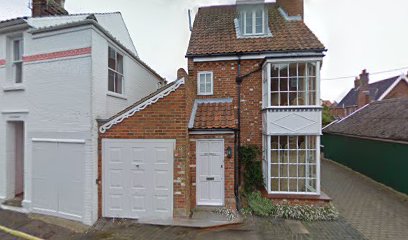
Moonlight Cabaret & Karaoke
30.3 km
Experience lively karaoke nights and captivating cabaret shows in the heart of Great Yarmouth’s vibrant nightlife scene.
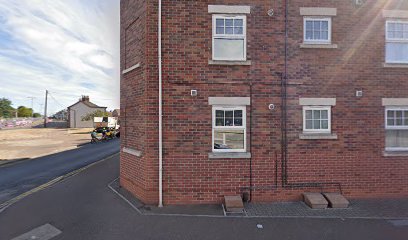
Buddha Club
32.4 km
Experience Great Yarmouth’s vibrant nightlife at Buddha Club, where modern beats, colorful lights, and coastal vibes create unforgettable weekend nights.
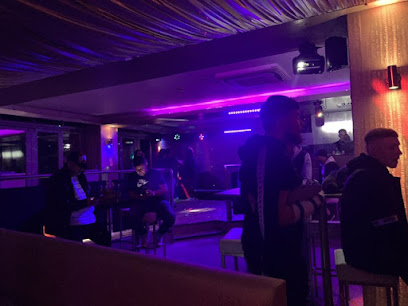
Mavvy’s
32.4 km
Experience Great Yarmouth’s vibrant nightlife at Mavvy’s, where music, dancing, and lively atmosphere come alive until the early hours.

Fallen Angels
33.0 km
Experience vibrant nightlife and adult entertainment at Fallen Angels, Great Yarmouth’s premier late-night club on Marine Parade.
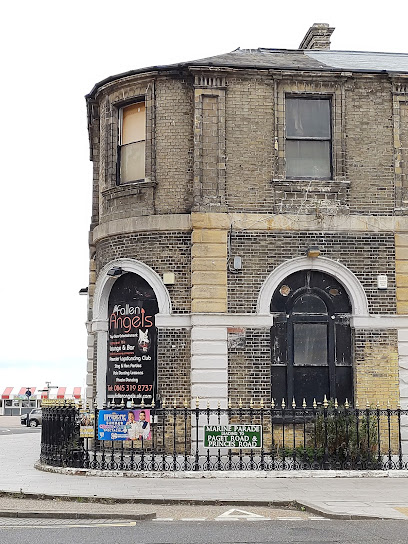
The Bermuda Club
41.9 km
A welcoming nightclub and bar in Hemsby offering lively evenings, family-friendly nights, and affordable drinks near Norfolk’s scenic coast.
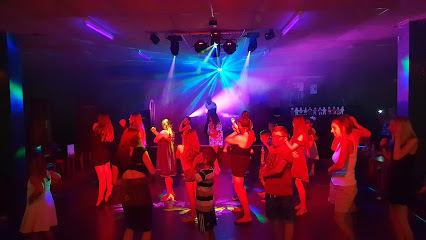
Loft Nightclub
43.0 km
Norwich’s vibrant gay nightclub with over 30 years of inclusive nightlife, music, and community spirit in the heart of the city.
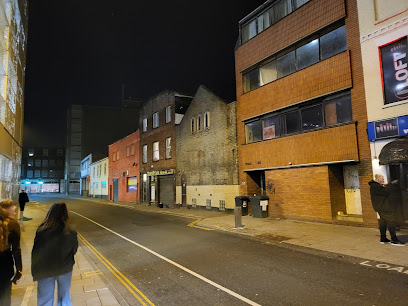
Popworld - Norwich
43.0 km
Norwich’s vibrant late-night hotspot for pop hits, friendly vibes, and unforgettable party nights on Prince of Wales Road.
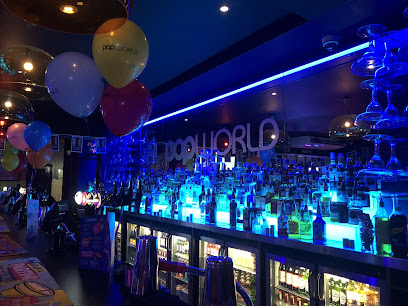
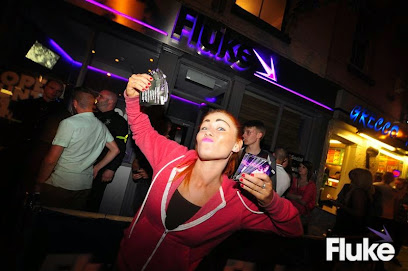
Fluke
43.1 km
Experience Norwich’s vibrant nightlife at Fluke, where great music, affordable drinks, and a lively crowd come together for unforgettable nights.
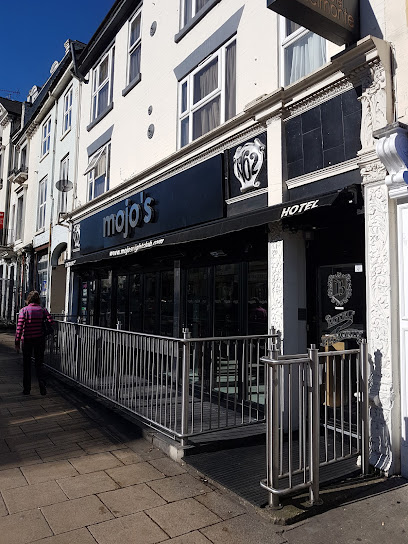
Mojo's
43.1 km
Mojo's: Norwich's gritty, no-frills nightclub pulsing with late-night beats and authentic urban energy.
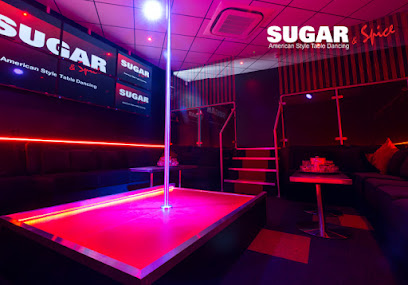
Sugar & Spice - Strip Club and Lap Dancing Norwich
43.1 km
Norwich’s premier American-style strip club offering vibrant entertainment, VIP experiences, and a welcoming atmosphere for all guests.
Mantra
43.1 km
Experience vibrant nightlife and great music at Mantra Nightclub, Norwich’s energetic weekend party destination with friendly staff and affordable drinks.

Supper Club
45.5 km
Lively nightclub in Ipswich offering great drinks, music, and a vibrant social scene from afternoon until early morning.
The Club
45.6 km
Experience Ipswich’s vibrant nightlife at The Club, where music, dancing, and a lively atmosphere come alive in the city centre.
Carbon Nightclub
48.0 km
Experience Stowmarket’s lively nightlife at Carbon Nightclub, a modern venue pulsing with music and weekend energy.

For the vibe & atmosphere seeker
- Romantic
- Scenic
- Unique
- Casual
For the design and aesthetic lover
- Vintage Styles
- Rustic Designs
For the architecture buff
- Historic
- Heritage Neighborhoods
For the view chaser and sunset hunter
- Waterfront
- Iconic Views
For the social media creator & influencer
- Photo Spots
- Architectural Shots
For the eco-conscious traveler
- Locally Managed
- Low Impact
For the kind of experience you’re after
- Cultural Heritage
- Photowalk
- Day Trip
For how adventurous you want the journey to be
- Easy Access
Location Audience
- Family Friendly
- Senior Friendly
- Solo Friendly
- Couple Friendly


