Pudding tower Travel Guide
Free Guide: Explore Pudding Tower, a medieval defensive relic in Great Yarmouth, steeped in history and local lore from the town’s fortified past.


A brief summary of Pudding tower
Explore Pudding Tower, a medieval defensive relic in Great Yarmouth, steeped in history and local lore from the town’s fortified past.
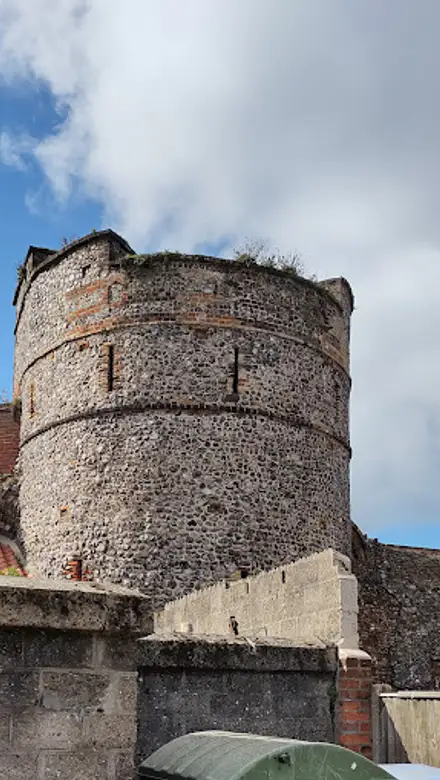
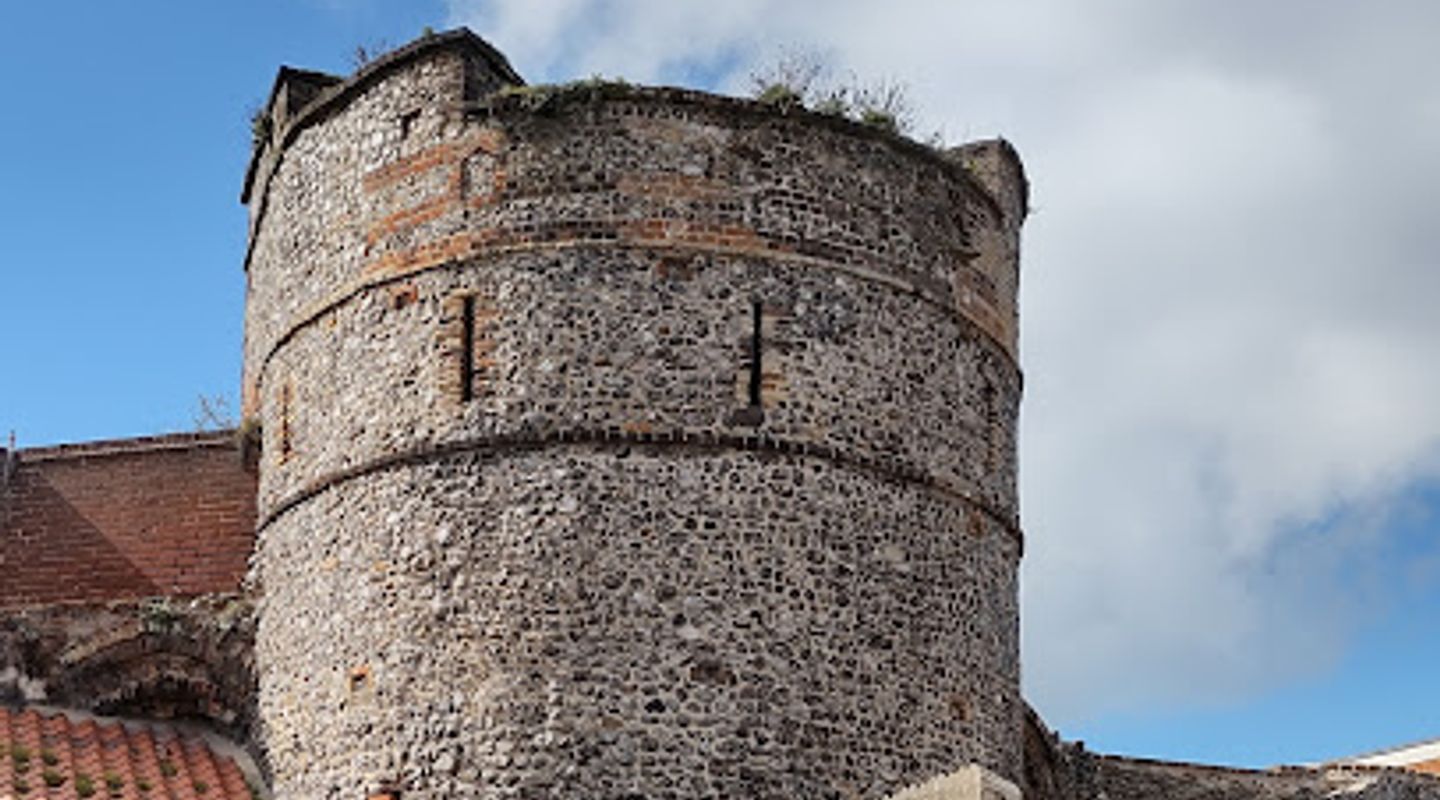
Pudding Tower, located in Great Yarmouth, England, is a historic medieval defensive tower once part of the town’s fortifications. Dating back to the 13th and 14th centuries, it formed a crucial part of the town walls built to protect against invasions. The tower's name likely derives from nearby slaughterhouses that produced blood pudding. Though now a ruin, it offers a tangible link to Great Yarmouth’s rich medieval heritage and defensive architecture.
On-site amenities
 Information boards
 Seating areas
 Trash bins
- Address
- Great Yarmouth NR30 2EY
Getting there
Bus
Car
Walking
Discover more about Pudding tower
Medieval Origins and Defensive Role
Pudding Tower is a surviving fragment of Great Yarmouth’s extensive medieval town defenses, constructed primarily during the 13th and 14th centuries. The town walls, including the tower, were authorized by royal charters, notably under King Henry III in the 13th century, to protect the prosperous port and borough from potential invaders. The tower itself was part of a fortified gate known as the Pudding Gate, which guarded one of the main access points into the town. Positioned strategically along the wall, it helped secure the harbor and surrounding land against attacks.
The Name and Historical Context
The name "Pudding Tower" is believed to originate from the proximity of slaughterhouses nearby, where blood pudding—a traditional regional delicacy—was produced. This connection ties the tower not only to military history but also to the local economy and culture of medieval Great Yarmouth. The surrounding area included burial grounds for plague victims, reflecting the harsh realities of medieval urban life. The tower and gate were integral to the town’s defenses during times of unrest, including the 14th-century plague and various military threats.
Architectural Features and Construction
Constructed mainly of brick and stone, the tower exhibits the characteristic medieval brickwork and robust defensive design typical of the period. The walls of the tower and adjoining gate were substantial, measuring several yards thick, designed to withstand sieges and artillery. The tower included multiple floors originally used for storage and guard rooms. Its architecture reflects the practical military engineering of the time, combining functionality with the imposing presence necessary to deter attackers.
Later History and Preservation
Over the centuries, the tower and town walls have undergone various changes, including partial demolitions and repurposing of materials. Some sections were dismantled in the early 20th century, but Pudding Tower remains a significant historical landmark. It stands as a testament to Great Yarmouth’s medieval past and the town’s efforts to preserve its heritage. The tower is now a protected site, attracting visitors interested in England’s urban medieval fortifications.
Surrounding Historical Landscape
Pudding Tower is part of a broader historical landscape that includes other medieval fortifications such as St. Nicholas Tower and King Henry’s Tower. The area around the tower reflects layers of history, from plague burial grounds to remnants of the town’s bustling medieval economy. Nearby, the town’s harbor and defensive earthworks illustrate the strategic importance of Great Yarmouth as a maritime and trading center through the centuries.
Visiting Pudding Tower Today
Today, visitors to Pudding Tower can appreciate its enduring presence amid Great Yarmouth’s urban fabric. Although only a fragment of the original defenses remains, the tower offers a tangible connection to the town’s medieval heritage. Its evocative ruins invite reflection on the challenges faced by medieval towns in balancing defense, commerce, and community life. The tower’s story enriches any exploration of Great Yarmouth’s historical identity and architectural legacy.
Evendo Review Centre
 Google
Guest reviews
Best time to go
Quietest: Jan, Feb & Dec · before 3am
Busy times are Evendo estimates for a typical year, to help you plan. Actual crowds vary with events, school holidays and the weather.
Explore Pudding tower on the map
A handpicked selection of must-see spots near Pudding tower, mapped for you.
Get your free copy of our complete guide to Pudding tower, delivered straight to you.
Everything on this page, from opening hours and how to get there to Eve’s tips and the best time to go, in one PDF you can read offline, print or share.
Already have an account? Sign in
Your Pudding tower guide is ready.
We'll send it to · Not you? Sign out

Getting your guide ready…
We are putting together a fresh copy of the Pudding tower guide. This can take up to a minute.
This can take a few moments. If your browser asks, choose Allow so the download can start. You'll find the guide in your Downloads folder.
Nothing happened? Download it again
Sorry, the guide is taking longer than usual. Please try again in a minute, or get it by email instead.
Other nearby places you may find interesting
The closest places of the same kind, if this one is not quite what you had in mind.
-
-


Swipe for more places
More to explore near Pudding tower

 Best experiences near Pudding tower
 Best hotels near Pudding tower
 Best landmarks near Pudding tower
 Best attractions near Pudding tower
 Best shops near Pudding tower
 Best restaurants near Pudding tower
 Best bars near Pudding tower
Do you manage this location?
Take control to get all the benefits, like improved information, better appearance, and stronger visibility across AI-powered discovery.
Explore more

Explore more of Great Yarmouth
Discover Great Yarmouth: A delightful blend of historic charm, vibrant seaside fun, and breathtaking coastal beauty on England's east coast.
Explore Great Yarmouth
Explore more of United Kingdom
Discover the United Kingdom: A blend of rich history, stunning landscapes, and vibrant cities, offering a unique travel experience for every visitor.
Explore United Kingdom