

Trongate, Stirling Travel Guide
Free Guide: Explore Trongate, Glasgow’s oldest street and historic merchant hub, where commerce, culture, and heritage converge in the city’s vibrant heart.


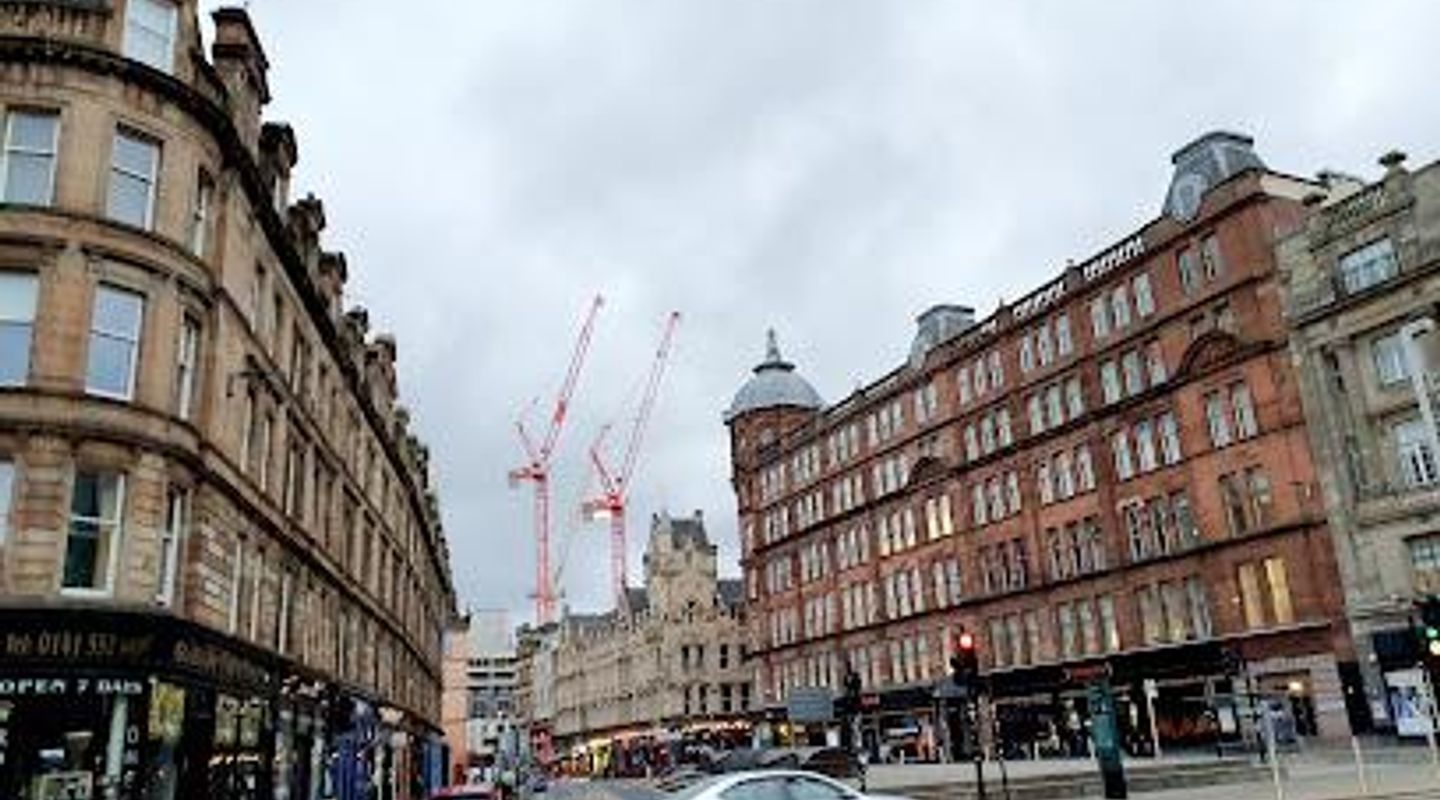
A brief summary of Trongate
Explore Trongate, Glasgow’s oldest street and historic merchant hub, where commerce, culture, and heritage converge in the city’s vibrant heart.
Trongate is one of Glasgow’s oldest streets, dating back to the 1500s, and was historically the city’s commercial hub. Originating as St. Thenew’s Gait, it became known for its weighbeam or 'tron' used for taxing goods. The street was central to Glasgow’s merchant economy, lined with warehouses and social halls, and remains a key urban artery with rich architectural and cultural heritage.
On-site amenities
 Restrooms
 Drink options
 Food options
 Seating areas
 Information boards
- Address
- Glasgow
Getting there
Bus
Subway and Walking
Taxi
Discover more about Trongate
Origins and Historical Significance
Trongate, originally known as St. Thenew's Gait, is a street steeped in Glasgow’s early history. Named after the weighbeam or 'tron' installed in the mid-16th century, it served as the official site where goods were weighed for duty, reflecting the city’s role as a burgeoning trading hub. The street’s origins trace back to one of the original eight streets of medieval Glasgow, marking it as a foundational artery in the city’s layout. Its early importance was tied to commerce, with merchants using the street as their headquarters and warehouses for goods arriving from the Clyde River and overseas markets.
Architectural and Cultural Landmarks
Running westward from Glasgow Cross, Trongate is anchored by notable landmarks such as the Tolbooth steeple, once part of the city’s prison and administrative center. The Tron Church, founded in 1525 and rebuilt after fires, stands as a testament to the street’s religious and community role. The Tontine Building and Merchants’ Steeple nearby were key social and commercial meeting points for the Tobacco Lords and merchants who shaped Glasgow’s wealth in the 18th century. These structures highlight the blend of civic, commercial, and religious life that characterized the street.
Economic Role and Social Fabric
Trongate was the core of Glasgow’s ‘warehouse economy’, where goods such as tobacco were weighed, stored, and traded before export to Europe and beyond. The street’s paved area, known as the 'plainstanes', was a favored gathering spot for the city’s elite merchants. It was not an area for the working class but a symbol of affluence and power. The street also hosted the Town Hall and social venues that underscored its status as a fashionable and affluent district during the 18th century.
Transformation and Modern Use
The street has witnessed significant changes, including devastating fires in the 17th and 18th centuries that reshaped its architecture. The tram system once ran along Trongate until the mid-20th century, and today it remains a major bus corridor linking Glasgow’s east and southeast. While modern developments have altered its appearance, Trongate still retains its historic character and continues to be a vital part of Glasgow’s urban fabric.
Artistic and Historical Documentation
Trongate’s historical importance has been captured in art, notably in John Knox’s 1826 painting 'Old Glasgow Cross or The Trongate', which depicts the street’s architecture and bustling street life before industrial expansion. This artwork serves as a valuable visual record of Glasgow’s social and commercial history during a formative period.
Legacy and Cultural Identity
Today, Trongate symbolizes Glasgow’s rich mercantile past and urban evolution. Its blend of historic architecture, cultural landmarks, and ongoing role as a transport artery make it a living monument to the city’s growth from medieval origins to a modern metropolis.
Evendo Review Centre
 Google
Guest reviews
Best time to go
Quietest: Jan, Feb & Nov · before 3am
Busy times are Evendo estimates for a typical year, to help you plan. Actual crowds vary with events, school holidays and the weather.
Explore Trongate on the map
A handpicked selection of must-see spots near Trongate, mapped for you.
Get your free copy of our complete guide to Trongate, delivered straight to you.
Everything on this page, from opening hours and how to get there to Eve’s tips and the best time to go, in one PDF you can read offline, print or share.
Already have an account? Sign in
Your Trongate guide is ready.
We'll send it to · Not you? Sign out

Getting your guide ready…
We are putting together a fresh copy of the Trongate guide. This can take up to a minute.
This can take a few moments. If your browser asks, choose Allow so the download can start. You'll find the guide in your Downloads folder.
Nothing happened? Download it again
Sorry, the guide is taking longer than usual. Please try again in a minute, or get it by email instead.
Unlock the best of Trongate
Skip-the-line tickets, guided tours with entry, and walking tours of the area, booked in a few clicks.



Other nearby places you may find interesting
The closest places of the same kind, if this one is not quite what you had in mind.
-
The King's Knot Explore the historic octagonal earthworks of the King's Knot, a royal garden legacy beneath Stirling Castle with stunning castle views and tranquil green space.
-
Beheading Stone. A haunting medieval execution site atop Stirling’s Mote Hill, bearing witness to Scotland’s turbulent past and royal justice.
-
King's Park King's Park in Stirling offers historic charm, scenic castle views, and vibrant green spaces for all ages near the town centre.
-
The Stirling Smith Art Gallery & Museum Explore Stirling’s rich history and vibrant culture in a Victorian museum set within beautiful gardens, featuring diverse exhibitions and family-friendly activities.
-
Airthrey Castle Airthrey Castle: A majestic 18th-century estate blending classical architecture with tranquil university grounds in Stirling.
Swipe for more places
More to explore near Trongate

 Best experiences near Trongate
 Best hotels near Trongate
 Best landmarks near Trongate
 Best attractions near Trongate
 Best shops near Trongate
 Best restaurants near Trongate
 Best bars near Trongate
Do you manage this location?
Take control to get all the benefits, like improved information, better appearance, and stronger visibility across AI-powered discovery.
Explore more

Explore more of Stirling
Discover Stirling: A city where history comes alive amidst stunning landscapes and cultural richness in the heart of Scotland.
Explore Stirling
Explore more of United Kingdom
Discover the United Kingdom: A blend of rich history, stunning landscapes, and vibrant cities, offering a unique travel experience for every visitor.
Explore United Kingdom
