Britannia Panopticon, Glasgow Travel Guide
Free Guide: Discover Glasgow’s Britannia Panopticon, the world’s oldest surviving music hall, where Victorian variety meets early cinema in a vibrant historic venue.


A brief summary of Britannia Panopticon
Discover Glasgow’s Britannia Panopticon, the world’s oldest surviving music hall, where Victorian variety meets early cinema in a vibrant historic venue.
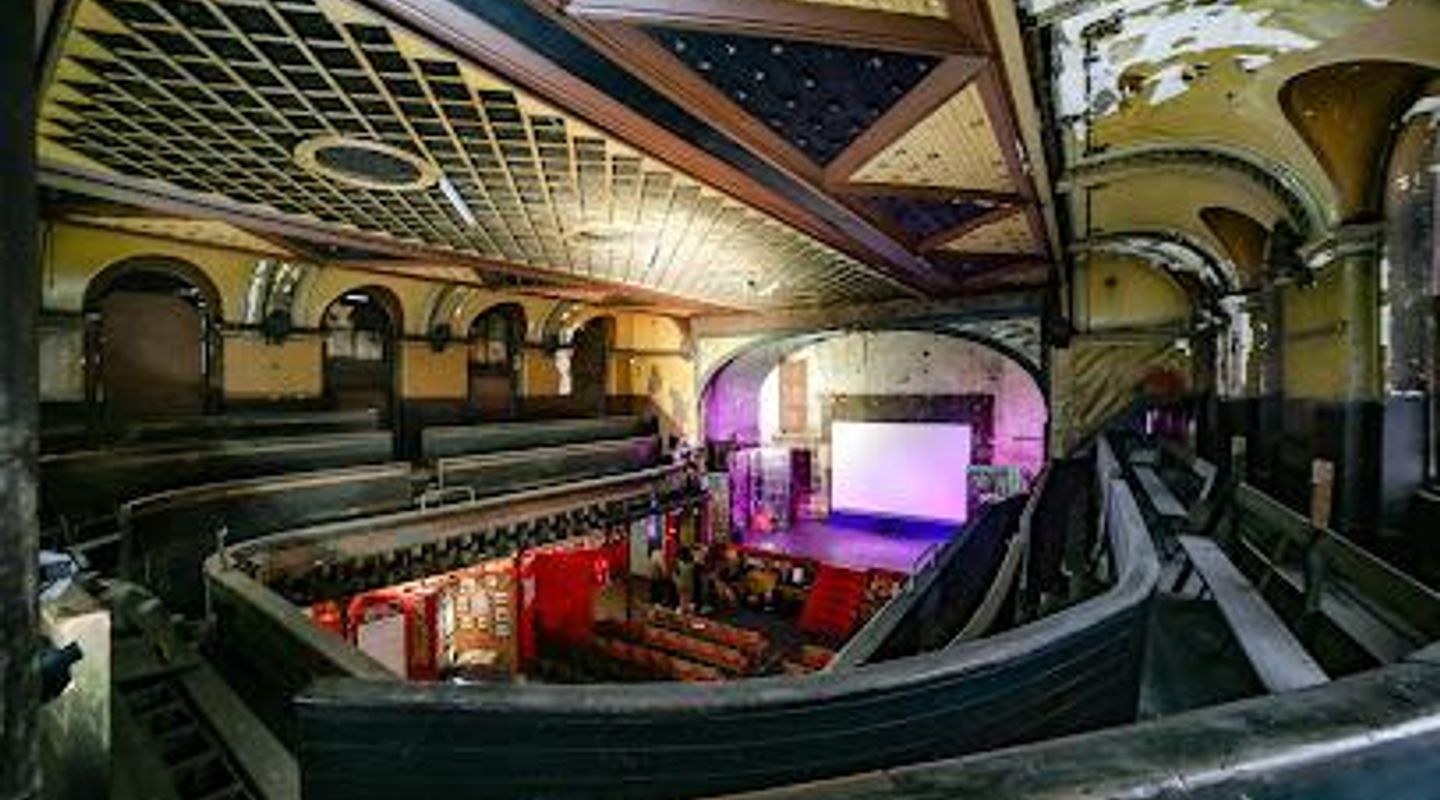
The Britannia Panopticon Music Hall in Glasgow is the world's oldest surviving music hall, dating back to 1857. Known for its rich history of Victorian variety entertainment, it hosted legendary performers like Stan Laurel and featured early cinema and electric lighting. Today, it operates as a vibrant cultural venue preserving Glasgow's music hall heritage with restored 1920s stage and eclectic shows.
On-site amenities
 Restrooms
 Drink options
 Food options
 Seating areas
 Information boards
- Address
- 113-117 Trongate, Glasgow G1 5HD
- Phone
- Website
Getting there
Public Transport
Bus
Taxi
Discover more about Britannia Panopticon
A Living Relic of Victorian Entertainment
The Britannia Panopticon Music Hall, nestled in Glasgow’s Trongate, stands as the oldest surviving music hall in the world, originally built in 1857. Initially developed from a Georgian warehouse, it was designed to entertain the working-class population of industrial Glasgow with a variety of acts including music hall performances, acrobats, and novelty shows. Its classical façade conceals a rich interior where up to 1,500 patrons once gathered for lively entertainment, reflecting the city’s vibrant social life during the Victorian era.
From Music Hall to Early Cinema Pioneer
Over the decades, the Panopticon evolved with the times. By the late 19th century, it embraced new technologies such as electric lighting and early cinematography. In 1896, moving pictures were introduced, making it one of Scotland’s first venues to exhibit films. The hall was renamed the Britannia and Grand Panopticon in 1906 under A.E. Pickard, who expanded its attractions to include a carnival, waxworks, and a zoo in the attic, earning it the nickname "Pots and Pans." This blend of variety entertainment and early cinema made it a unique cultural hub.
Notable Performers and Cultural Legacy
The Panopticon hosted many legendary performers who shaped entertainment history. Stan Laurel, later famous as part of Laurel and Hardy, made his stage debut here in 1906. Other stars included Dan Leno, Harry Lauder, Marie Loftus, and Vesta Tilley. The venue’s eclectic programming ranged from traditional music hall acts to comedy, drag shows, and sing-alongs, preserving a distinctly bawdy and lively spirit characteristic of Glasgow’s entertainment scene.
Decline, Rediscovery, and Restoration
By 1938, the Panopticon became outdated for modern cinema and variety shows, leading to its closure and concealment behind a false ceiling. For over 60 years, it lay largely forgotten, even serving as a wartime chicken farm. Rediscovered in 1997 by Judith Bowers, a passionate advocate, the venue has since undergone ongoing restoration efforts. The 1920s stage has been carefully restored, and plans continue to revive the balcony front, aiming to secure the Panopticon’s future as a vibrant performance space.
Current Role and Visitor Experience
Today, the Britannia Panopticon operates as a lively cultural venue offering traditional music hall shows, classic films, comedy nights, drag performances, and community events. Its quirky displays of ephemera, costumes, and artefacts provide a tangible connection to Glasgow’s theatrical past. Admission is modest, with proceeds supporting conservation efforts. The venue stands as a rare and precious window into the city’s entertainment heritage, inviting visitors to step back in time and experience the charm of a bygone era.
Architectural and Social Significance
Architecturally, the Panopticon is notable for its monumental classical façade and intimate music hall interior, a rare survivor of its kind. Socially, it embodies Glasgow’s working-class culture and the evolution of popular entertainment from Victorian variety to early cinema. Its preservation by a dedicated trust highlights the community’s commitment to safeguarding this unique cultural landmark for future generations.
Evendo Review Centre
 Google
Guest reviews
Best time to go
Quietest: Jan, Feb & Nov · before 8am
Busy times are Evendo estimates for a typical year, to help you plan. Actual crowds vary with events, school holidays and the weather.
Explore Britannia Panopticon on the map
A handpicked selection of must-see spots near Britannia Panopticon, mapped for you.
Get your free copy of our complete guide to Britannia Panopticon, delivered straight to you.
Everything on this page, from opening hours and how to get there to Eve’s tips and the best time to go, in one PDF you can read offline, print or share.
Already have an account? Sign in
Your Britannia Panopticon guide is ready.
We'll send it to · Not you? Sign out

Getting your guide ready…
We are putting together a fresh copy of the Britannia Panopticon guide. This can take up to a minute.
This can take a few moments. If your browser asks, choose Allow so the download can start. You'll find the guide in your Downloads folder.
Nothing happened? Download it again
Sorry, the guide is taking longer than usual. Please try again in a minute, or get it by email instead.
Unlock the best of Britannia Panopticon
Skip-the-line tickets, guided tours with entry, and walking tours of the area, booked in a few clicks.


Other nearby places you may find interesting
The closest places of the same kind, if this one is not quite what you had in mind.
-
-
-
-
-


Swipe for more places
More to explore near Britannia Panopticon

 Best experiences near Britannia Panopticon
 Best hotels near Britannia Panopticon
 Best landmarks near Britannia Panopticon
 Best attractions near Britannia Panopticon
 Best shops near Britannia Panopticon
 Best restaurants near Britannia Panopticon
 Best bars near Britannia Panopticon
Do you manage this location?
Take control to get all the benefits, like improved information, better appearance, and stronger visibility across AI-powered discovery.
Explore more

Explore more of Glasgow
Discover Glasgow, Scotland's cultural capital, where history, architecture, and vibrant arts scene meet, offering a unique and unforgettable travel experience.
Explore Glasgow
Explore more of United Kingdom
Discover the United Kingdom: A blend of rich history, stunning landscapes, and vibrant cities, offering a unique travel experience for every visitor.
Explore United Kingdom