
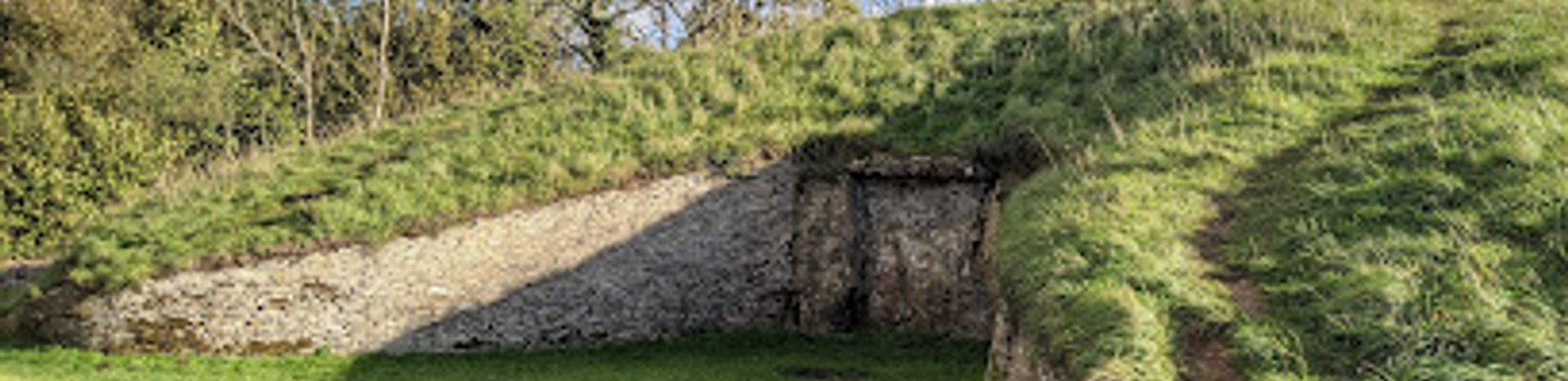
Belas Knap Long Barrow
A 5,000-year-old Neolithic mystery carved in stone, where ancient rituals and timeless Cotswolds views converge.
A remarkably preserved Neolithic chambered long barrow dating to around 3000 BCE, situated on Cleeve Hill near Winchcombe in the Cotswolds. This outstanding example of a Cotswold-Severn cairn features an intriguing false entrance and four burial chambers, offering visitors a tangible connection to 5,000 years of human history. The site combines archaeological significance with scenic countryside walks and panoramic views across the rolling Cotswolds landscape.
A brief summary to Belas Knap Long Barrow
- Cheltenham, Winchcombe, GL54 5AL, GB
- +443703331181
- Visit website
- Duration: 1 to 1.5 hours
- Free
-
 Outdoor
- Mobile reception: 3 out of 5
Local tips
- Wear sturdy, waterproof walking boots. The 0.8 km uphill walk from the car park can be muddy and slippery, particularly after rain. The terrain includes two stiles and a kissing gate.
- Visit in spring or early morning for the best experience—fewer crowds, softer light for photography, and the landscape at its most vibrant. Golden hour at sunset also offers exceptional views across the Cotswolds.
- Keep dogs on leads if you bring them, as sheep often graze in the fields along the walking route. The site is part of working agricultural land.
- Allow 1–1.5 hours total, including the walk to and from the car park and time to explore the barrow and absorb the atmosphere. Bring water and snacks; facilities are in Winchcombe, a short drive away.
- Consider combining your visit with other Gloucestershire long barrows—Uley, Nympsfield, and Windmill Tump—for a deeper understanding of Neolithic burial practices across the region.

For the on-the-go comforts that matter to you
- Picnic Areas
- Information Boards
Getting There
-
Car from Winchcombe
Drive approximately 3 km north from Winchcombe town centre on the Cotswold Way road towards Cleeve Hill. Limited parking is available in a lay-by near the signpost, marked on the Cotswold Way National Trail. The walk to the barrow begins across the road along the public footpath. Journey time approximately 5–7 minutes by car from Winchcombe centre. Parking is free.
-
Walking from Winchcombe
From Winchcombe town centre, follow the Cotswold Way National Trail northward for approximately 3 km. The route is well-marked with waymarkers and takes 45–60 minutes on foot. The final section involves a steep climb through woodland and open fields. This option suits experienced walkers comfortable with sustained uphill terrain and muddy conditions in wet weather.
-
Walking from Cleeve Hill Car Park
If accessing from Cleeve Hill Car Park (approximately 2 km away), follow the Cotswold Way southward. The walk is approximately 25–35 minutes and involves moderate terrain with good views. This alternative starting point may offer more parking availability during peak times.
-
Guided Tour or Group Visit
Local walking groups and heritage organisations periodically offer guided walks incorporating Belas Knap as part of broader Cotswolds or Neolithic heritage tours. These typically depart from Winchcombe and include historical interpretation. Contact Winchcombe visitor information or English Heritage for current tour schedules and availability.
Belas Knap Long Barrow location weather suitability
-
 Clear Skies
-
 Mild Temperatures
-
 Rain / Wet Weather
Discover more about Belas Knap Long Barrow
An Ancient Monument of Mystery and Ritual
Belas Knap stands as one of the finest examples of a Neolithic long barrow in Britain, constructed around 3000 BCE on the elevated terrain of Cleeve Hill. This chambered monument represents the Cotswold-Severn group of cairns, a distinctive architectural tradition found scattered along the River Severn valley. The barrow measures approximately 54 metres in length, 18 metres in width, and rises nearly 4.3 metres in height, its trapezoid form oriented unusually north to south. What makes Belas Knap particularly exceptional is not merely its preservation, but the complex ritual and spiritual beliefs it embodies—beliefs that shaped how the ancient communities of the Neolithic period honoured their dead and conceptualised the passage between the living and the afterlife.The Enigma of the False Entrance
The most captivating feature of Belas Knap is its false entrance, a monumental facade of carefully positioned standing stones and a lintel, fronted by a forecourt with distinctive horn-like projections. This elaborate entrance does not lead inside; instead, it presents one of archaeology's enduring mysteries. Scholars have proposed two compelling interpretations: the false door may have served as a deterrent to tomb robbers, though little of value has been found in undisturbed chambers to suggest this was a primary concern. More intriguingly, it may have functioned as a 'spirit door'—a symbolic gateway allowing the deceased to depart and return, to receive offerings from their living descendants, and to maintain a spiritual presence within the community. This concept reveals a sophisticated worldview in which the boundary between death and life remained permeable and ritually significant.The Hidden Chambers Within
Beneath the earthen mound lie four burial chambers, ingeniously positioned along the eastern and western sides and at the southern end of the barrow. Each chamber was originally enclosed by upright stone slabs linked with dry-stone walling and topped with corbelled roofs, creating intimate spaces for the dead. When sealed and covered by earth, these chambers would have been completely invisible from outside, accessible only through knowledge passed down within the community. Excavations spanning from 1863 to 1963 revealed the remains of dozens of individuals—men, women, and children—interred over an extended period, along with animal bones, flint tools, and pottery fragments. The deliberate blocking of the passages with stones and clay suggests that at some point, the community chose to seal the monument, perhaps marking the end of its use as an active burial site or signifying a ritual closure to a chapter of their collective history.Layers of History and Restoration
The survival of Belas Knap owes much to careful restoration efforts across multiple centuries. Romano-British pottery discovered within one chamber indicates the site remained accessible and held significance even during the Roman occupation of Britain. The first systematic archaeological investigation occurred between 1863 and 1865, employing the methods of Victorian-era archaeology. Subsequent restoration by Emma Dent of nearby Sudeley Castle preserved the monument's integrity. Further excavations and stabilisation work in 1928–1931 secured the walling, covered three of the chambers, and restored the mound's contour to its original form. The result is a site that appears remarkably intact, yet represents layers of human engagement spanning millennia—from its original construction by Neolithic communities through Roman times, medieval periods, and into the modern era.A Gateway to the Cotswold Landscape
Belas Knap occupies a position of considerable natural beauty, situated along the Cotswold Way National Trail. The approach to the barrow involves a steep climb through woodland and open fields, rewarding visitors with expansive panoramic views across the rolling Cotswolds countryside. This elevated setting was not chosen arbitrarily; the prominence of the location would have made the monument visible across considerable distances, serving as a landmark and a focal point for ritual gatherings. The surrounding landscape, largely unchanged in character since Neolithic times, allows visitors to experience the barrow within its original environmental context—a place where ancient peoples would have gathered to conduct ceremonies, make offerings, and maintain connection with their ancestors.A Living Connection to Deep Time
Visiting Belas Knap offers more than archaeological interest; it provides a profound opportunity to contemplate human continuity across five millennia. The individuals whose remains rest within these chambers faced the same fundamental human experiences—birth, kinship, loss, and mortality—that define human existence today. The care taken in their burial, the ritual significance of the false entrance, and the communal effort required to construct such a monument all speak to societies with complex spiritual beliefs and strong social bonds. Standing before Belas Knap, one confronts the deep past not as abstract history but as a tangible presence, a stone-built testament to people who sought to preserve memory and maintain connection across the boundary of death.Iconic landmarks you can’t miss

Cotswold Journeys
3.8 km
Explore the enchanting Cotswolds on expertly crafted walking tours with seamless logistics and charming local stays.

World Walks (inc. Cotswold Journeys, British & Irish Walks)
3.9 km
Explore the captivating beauty of the Cotswolds with World Walks, your gateway to unforgettable guided walking tours across Britain and Ireland.
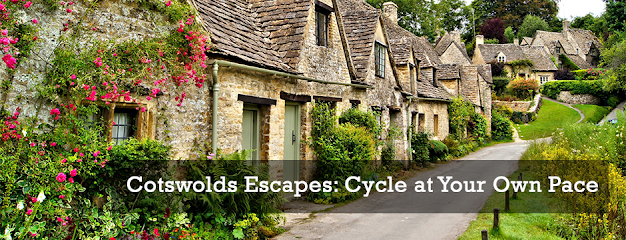
Cotswold Way
14.6 km
Discover the breathtaking landscapes and charming villages along the Cotswold Way, a premier hiking trail in England's stunning Cotswolds region.
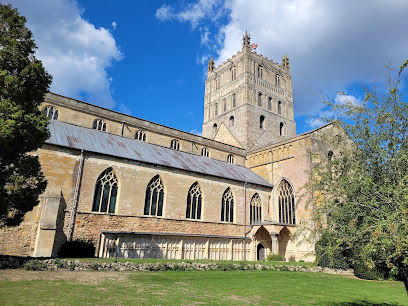
Tewkesbury Abbey
14.8 km
Explore Tewkesbury Abbey, a stunning medieval masterpiece rich in history and breathtaking architecture, nestled in the heart of Tewkesbury.
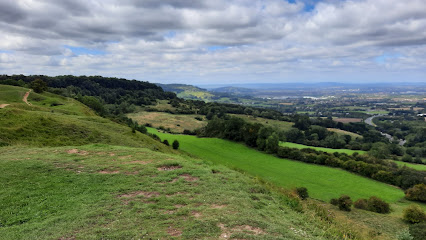
Cotswolds AONB
15.3 km
Discover the breathtaking beauty and rich heritage of the Cotswolds AONB, a must-visit destination for nature lovers and cultural enthusiasts alike.
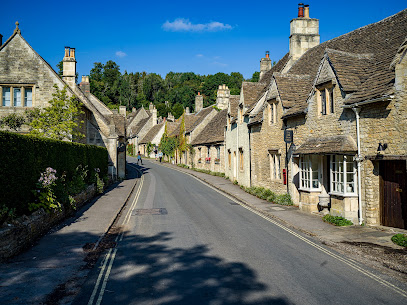
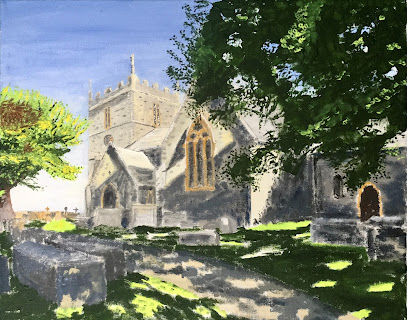
Gloucestershire Historic Churches Trust
15.4 km
Explore the rich ecclesiastical heritage of Gloucestershire through its historic churches, showcasing stunning architecture and engaging community initiatives.
Visit Cotswolds Online
15.4 km
Explore the enchanting Cotswolds, where rolling hills, historic villages, and breathtaking landscapes await every traveler seeking an unforgettable adventure.
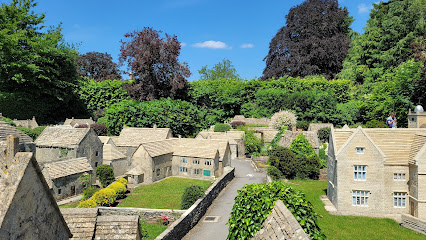
The Model Village
15.6 km
Experience the enchanting world of The Model Village, a miniature gem in Bourton-on-the-Water, capturing the essence of Cotswold charm.
The Dragonfly Maze
15.7 km
Explore the whimsical pathways of The Dragonfly Maze in Bourton-on-the-Water, a serene adventure for nature lovers and families alike.
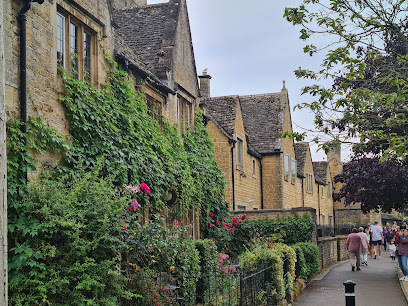
Odda's Chapel
15.8 km
Explore the historic Odda's Chapel in Deerhurst, a stunning example of Anglo-Saxon architecture and a serene retreat into England's past.
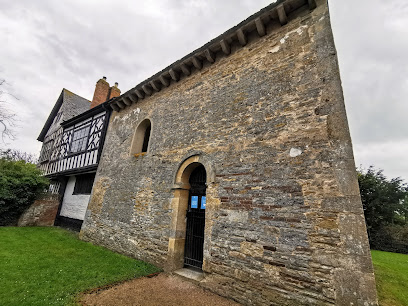
Greystones Farm Nature Reserve
15.8 km
Experience the natural beauty and tranquility of Greystones Farm Nature Reserve in the Cotswolds, a perfect getaway for nature lovers and families.
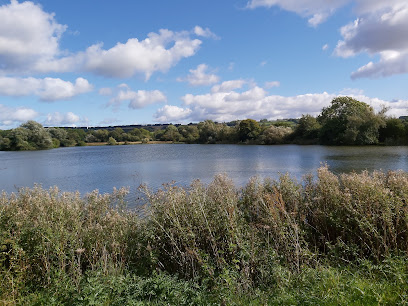
Sezincote House & Garden
16.1 km
Explore the exotic beauty of Sezincote House & Garden, a stunning blend of Indian architecture and lush Cotswold landscapes.
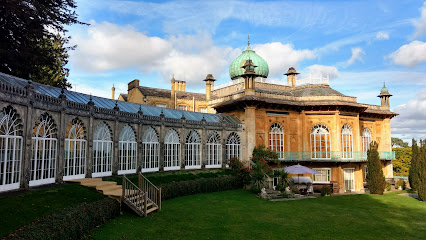
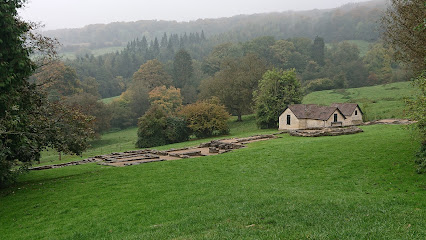
Great Witcombe Roman Villa
16.5 km
Explore the exquisite mosaics and rich history of Great Witcombe Roman Villa, a key historical site in Gloucester's picturesque countryside.
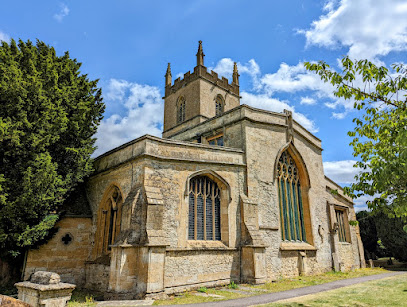
St Edward's Church
16.9 km
Explore St Edward's Church in Stow-on-the-Wold, a historic gem steeped in rich heritage and stunning architecture, perfect for culture enthusiasts.
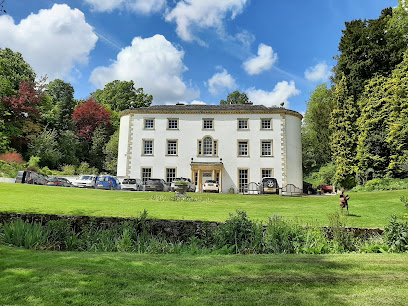
Cerney House Gardens
17.8 km
Explore the breathtaking beauty of Cerney House Gardens, a tranquil retreat in the Cotswolds, perfect for nature lovers and relaxation.
Unmissable attractions to see

Sudeley Castle Gardens
2.4 km
A Tudor jewel with 1,000 years of history, ten award-winning gardens, and royal connections in the Cotswolds.

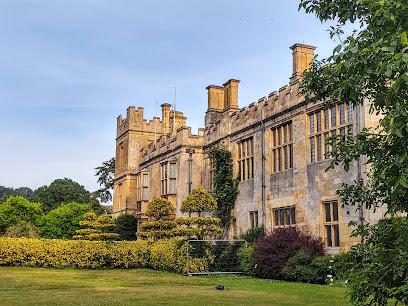
Sudeley Castle
2.4 km
Explore a Tudor castle with royal tombs, award-winning gardens, and family adventures nestled in the scenic Cotswolds.
Cleeve Hill
2.6 km
Discover the highest peak of the Cotswolds with breathtaking views, rich nature, and invigorating walking trails at Cleeve Hill.
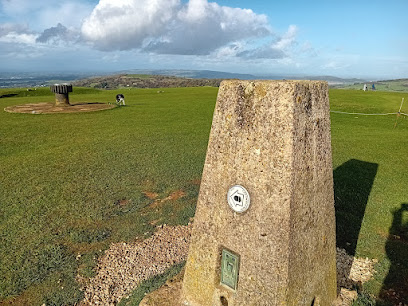
Winchcombe Museum
2.9 km
Discover Winchcombe’s rich history and artisan pottery heritage at this intimate museum in the heart of the Cotswolds.
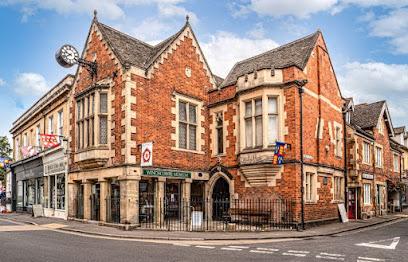
Gloucestershire Warwickshire Steam Railway
4.3 km
Step aboard vintage steam trains through the scenic Cotswolds on a 28-mile heritage railway journey filled with history, charm, and community spirit.
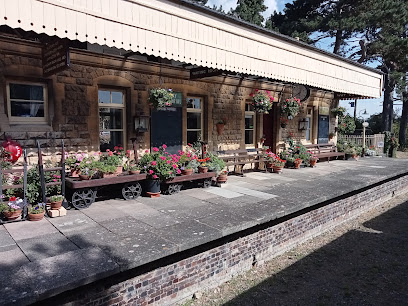
Whittington Court
4.9 km
Discover the charm of Whittington Court, a beautifully preserved Tudor manor nestled in the tranquil Cotswold countryside near Cheltenham.
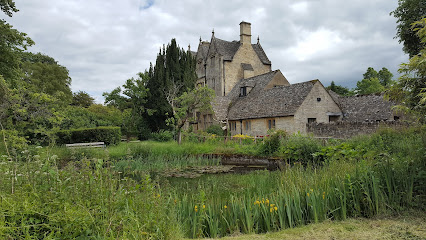
Hailes Abbey
5.5 km
Explore the tranquil ruins of 13th-century Hailes Abbey, a captivating Cistercian site steeped in medieval history and set in peaceful Cotswold countryside.

Hailes Church
5.5 km
Discover the serene beauty and historical significance of Hailes Church in Cheltenham, a true gem nestled in the picturesque Cotswolds.
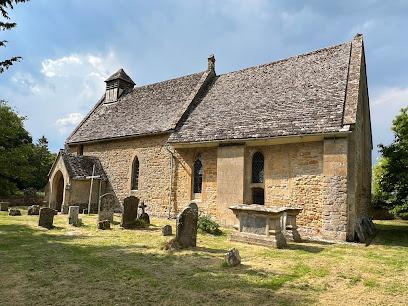
Pittville Park
7.0 km
Cheltenham’s largest ornamental park blending Victorian heritage, lakes, sports, and family fun in a lush, historic setting.
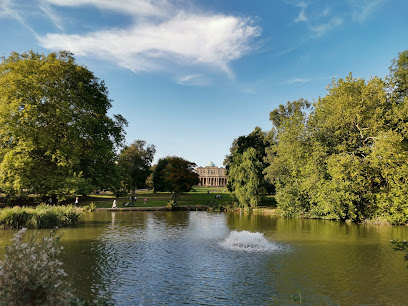
The Frogmill
7.2 km
A charming historic mill-turned-inn offering cosy rooms, delicious food, and a tranquil Cotswolds escape near Cheltenham.
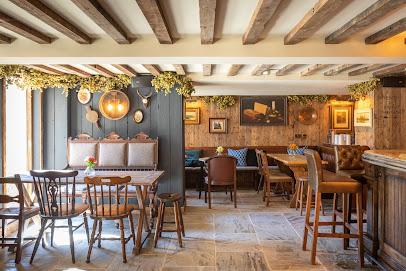
Holst Victorian House
7.3 km
Step into the birthplace of Gustav Holst and experience authentic Victorian life in Cheltenham’s only open Victorian home.
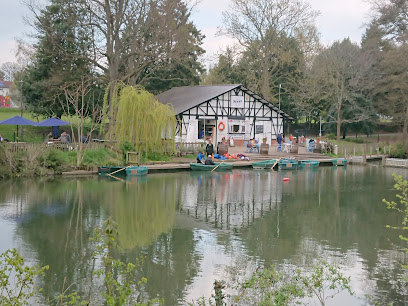
High St
7.8 km
Cheltenham’s main shopping street, where big brands meet independent boutiques in a lively Cotswolds market town.

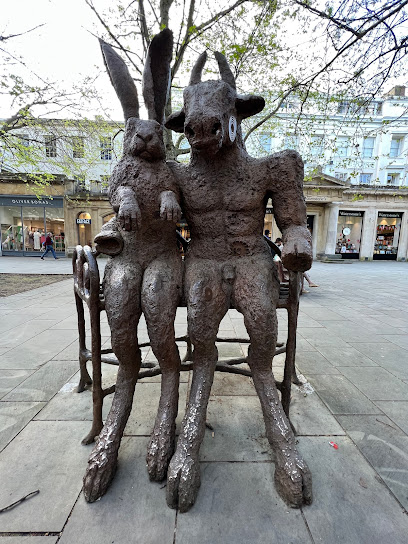
The Hare and the Minotaur
7.9 km
A captivating sculpture blending myth and nature, The Hare and the Minotaur stands tall on Cheltenham’s Promenade, crafted from reclaimed metal by Sophie Ryder.
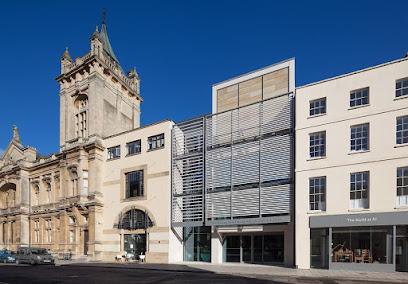
The Wilson Art Gallery and Museum and The Wilson Kitchen arts café
7.9 km
Discover Cheltenham’s vibrant arts and heritage hub with inspiring exhibitions, family activities, and a charming café in the heart of the town.
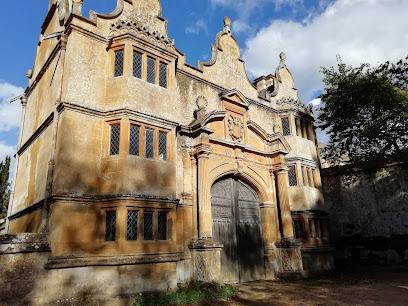
Stanway House
8.0 km
Discover the timeless charm of Stanway House, a Jacobean manor with Britain’s tallest gravity-fed fountain and enchanting historic gardens.
Essential places to dine

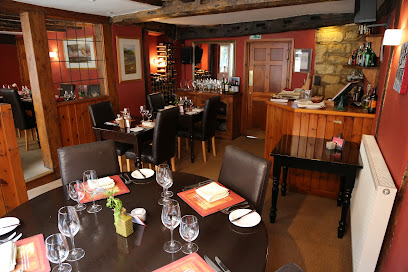
5 North St
2.9 km
An intimate French dining experience in Winchcombe, blending innovative cuisine with cozy charm and unpretentious service.
The Halfway at Kineton
7.6 km
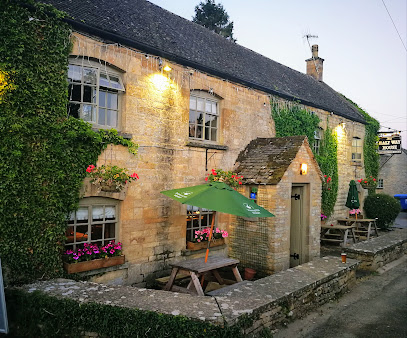
A charming 17th-century Cotswold pub blending rustic ambiance with refined seasonal British cuisine and warm hospitality.
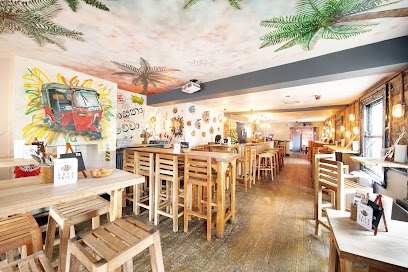
The Coconut Tree Cheltenham
7.7 km
Experience vibrant Sri Lankan street food and island cocktails in a cozy, lively Cheltenham venue with authentic flavours and warm hospitality.
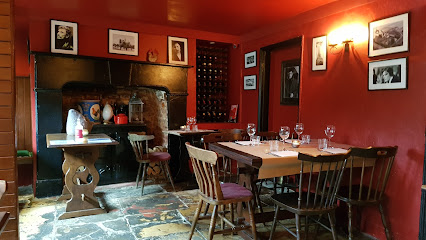
Petit Coco Bistro
7.7 km
Charming French bistro in Cheltenham offering authentic classics, cozy farmhouse decor, and a warm, intimate dining experience.
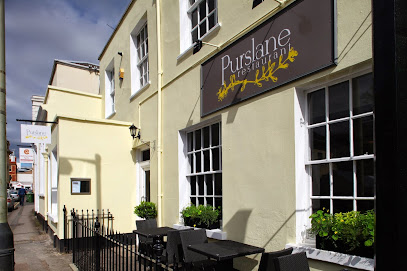
Purslane Restaurant
7.7 km
Discover Purslane, Cheltenham’s intimate modern British restaurant celebrating sustainable seafood and seasonal local produce with inventive flair.
Cosy Club
7.8 km
Eclectic British dining and lively social vibes await you daily in Cheltenham’s vibrant Brewery Quarter.
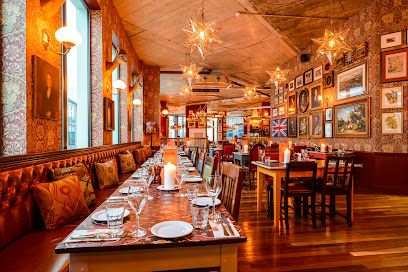
Prithvi
7.8 km
Experience innovative Indian fine dining in Cheltenham with exquisite flavors, elegant ambiance, and impeccable service at Prithvi.
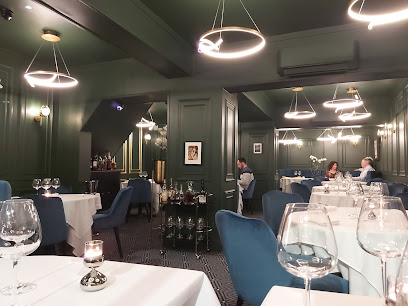
Lumiere
7.9 km
Michelin-starred Lumière in Cheltenham offers innovative British fine dining with seasonal, home-grown ingredients in an elegant, intimate setting.
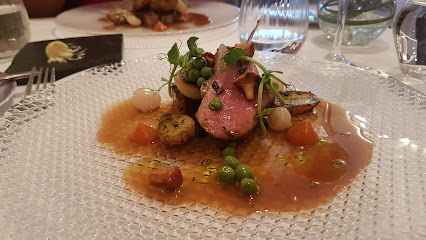
MUSE Brasserie
8.0 km
Creative fusion of French and Indian cuisine in stylish Cheltenham setting, offering innovative dishes and warm, attentive service.
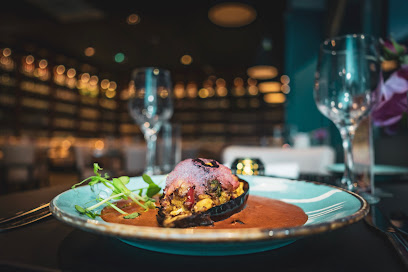
Le Champignon Sauvage
8.4 km
A serene Michelin-starred haven in Cheltenham offering inventive Anglo-French cuisine with exceptional service and a celebrated wine list.
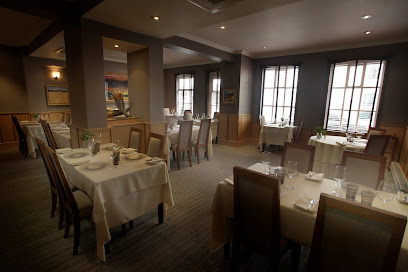
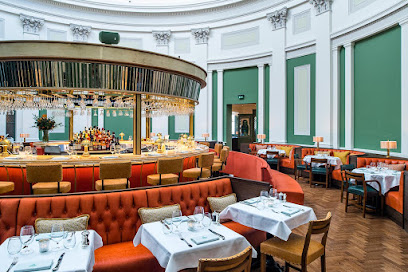
The Ivy Montpellier Brasserie Cheltenham
8.5 km
Elegant dining in Cheltenham’s historic Montpellier Rotunda, blending modern British cuisine with iconic Ivy style and grand architectural charm.
Buckland Manor
12.1 km
Elegant historic manor hotel with fine dining and tranquil gardens in the heart of the Cotswolds’ charming Broadway village.
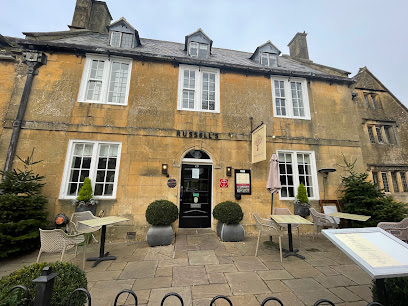
Russell’s of Broadway
14.2 km
Elegant boutique hotel and acclaimed restaurant blending historic charm with refined British cuisine in the heart of Broadway, Cotswolds.
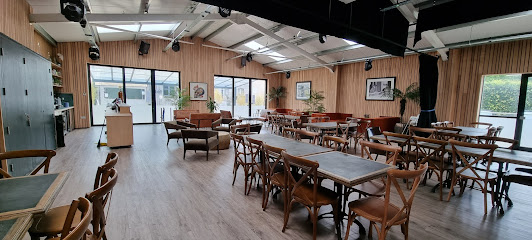
The Old Smokery
14.4 km
A lively Cotswolds hub blending rustic dining, vibrant events, and welcoming atmosphere at Far Peak Camping.
The Rose Tree Restaurant
15.4 km
Charming riverside British dining in a historic Cotswold cottage with cozy interiors and scenic garden views.

Markets, malls and hidden boutiques

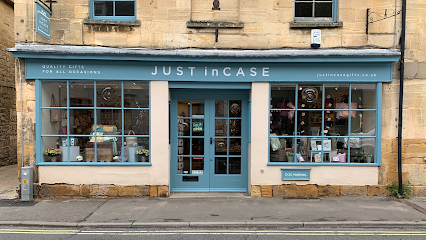
Just Incase Gifts
3.0 km
Discover unique, quality gifts and local crafts at this warm, family-run shop in the heart of Winchcombe’s charming Cotswold village.
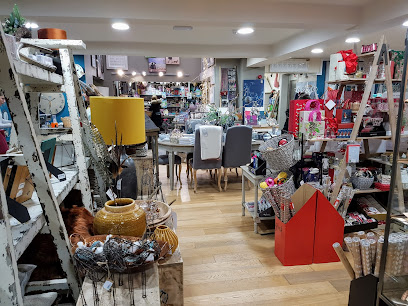
Vinegar Hill
8.1 km
Discover Cheltenham’s family-run boutique blending stylish homewares, fashion, and unique gifts in a warm, inviting setting since 1997.
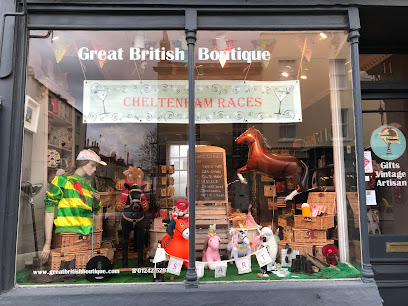
Great British Boutique
8.6 km
Discover unique gifts and quirky homeware in Cheltenham’s welcoming Great British Boutique, where friendly service meets charming finds.
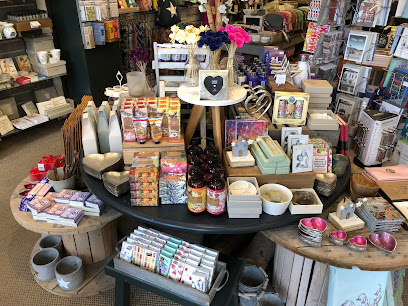
Emporium
8.6 km
Discover unique gifts and a warm welcome at Emporium, Cheltenham’s charming family-run gift shop on Bath Road.
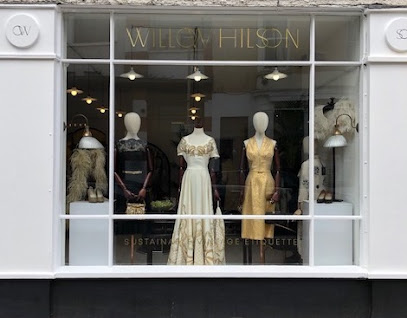
Willow Hilson Vintage
8.8 km
Authentic vintage fashion from the 1920s to 1960s in a charming Cheltenham boutique with artistic flair and photography studio.
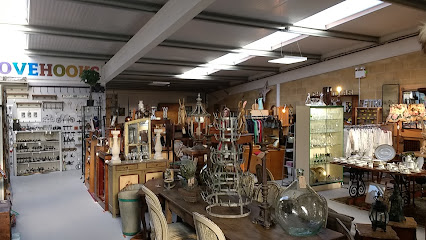
The Malt House Emporium
12.5 km
Discover unique antiques, vintage treasures, and a cozy café experience at The Malt House Emporium near Tewkesbury.
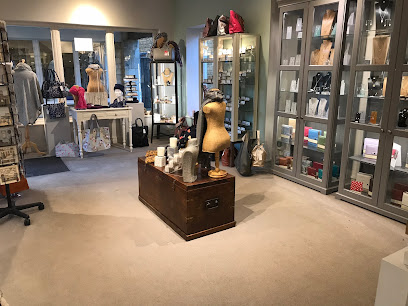
Wild at Heart
14.1 km
Discover unique contemporary jewellery and gifts from local artisans at Wild at Heart, Broadway’s family-run boutique with a personal touch.
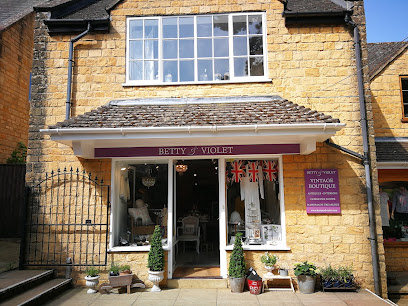
Betty & Violet
14.1 km
Vintage treasures and handmade goods celebrating independent makers in the heart of the Cotswolds.
The Man Cave Broadway
14.2 km
Eclectic collectibles and gifts in a historic Cotswolds village setting.
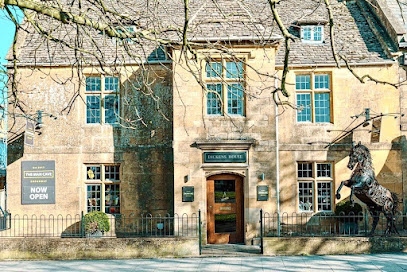
Cotswolds Distillery Shop
14.2 km
Discover the heart of Cotswolds spirits craftsmanship at the Broadway shop, home to award-winning whiskies and gins.
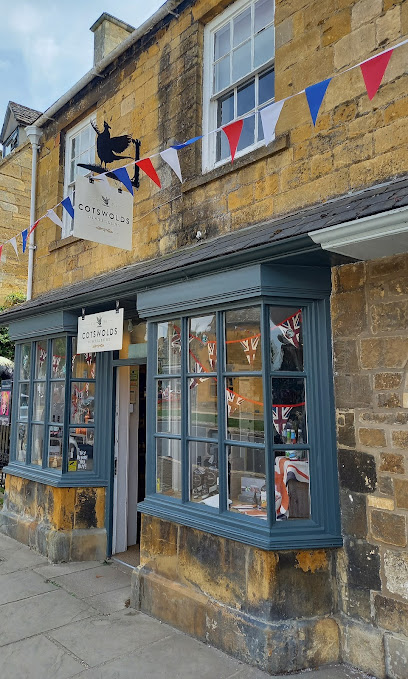
Whatever The Weather
14.2 km
Discover unique gifts and charming curiosities in a historic thatched cottage at the heart of Broadway’s picturesque High Street.
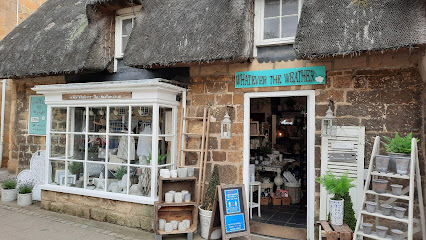
Cotswold Trading - Broadway
14.3 km
A stylish homewares and gift shop in the heart of Broadway, offering curated kitchenware, décor, and presents with a distinctly British flair.
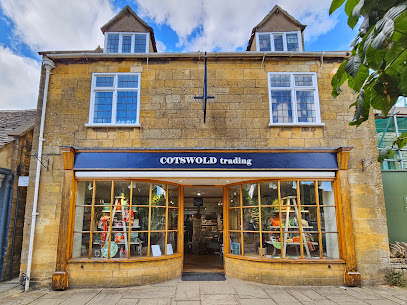
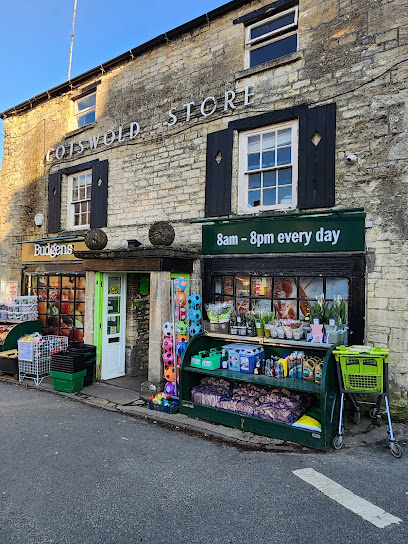
The Cotswold Stores
14.3 km
A welcoming convenience store in historic Northleach’s Market Place, offering local treats and everyday essentials daily from 8 AM to 8 PM.
Cotswold Picture Shop
15.1 km
Discover authentic Cotswold art and unique gifts in a charming Bourton-on-the-Water boutique open daily until midnight.

Cotswold China & Cookware
15.3 km
Discover exquisite British chinaware and cookware in a charming boutique nestled in the heart of Bourton-on-the-Water.

Essential bars & hidden hideouts

The Lion Inn
3.0 km
Historic 15th-century coaching inn in Winchcombe offering cozy rooms, hearty British fare, and a warm, inviting atmosphere in the heart of the Cotswolds.

The Royal Oak, Prestbury
5.5 km
Historic 16th-century pub in Prestbury offering traditional Cotswold charm, seasonal British fare, award-winning ales, and a warm, welcoming atmosphere.
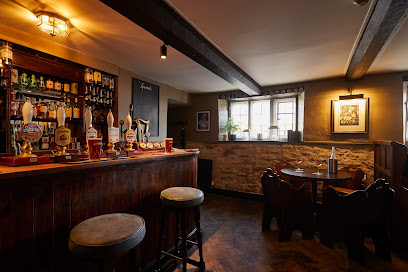
Hollow Bottom
7.1 km
A historic Cotswold pub blending hearty local fare, warm hospitality, and scenic countryside charm in the heart of Guiting Power.
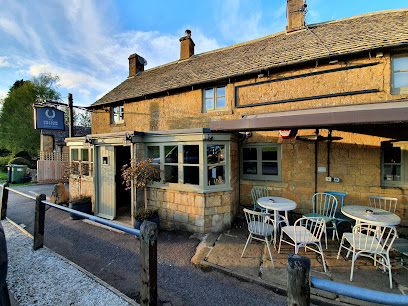
The Cotswold Inn, Cheltenham.
7.5 km
A lively Cheltenham pub blending traditional charm with vibrant live music and a welcoming local atmosphere.
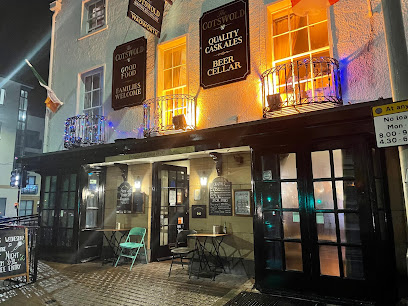
Copa of Cheltenham
7.8 km
Lively pub and restaurant on Regent Street offering great drinks, tasty pub food, and a welcoming atmosphere with live sports and a beer garden.
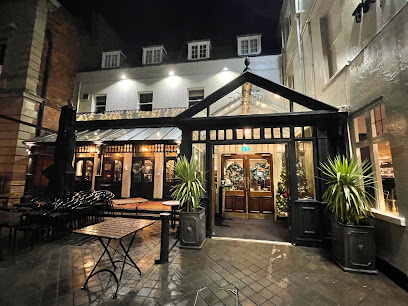
The Retreat
8.4 km
A charming Cheltenham wine bar blending historic ambiance with locally sourced cuisine and a relaxed, inviting atmosphere.
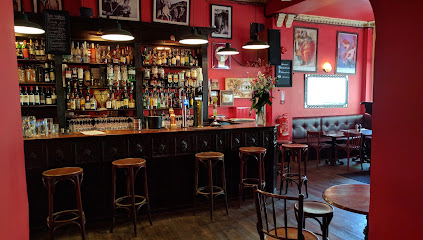
Snowshill Arms
11.2 km
Authentic Cotswold pub offering hearty fare, friendly service, and a welcoming atmosphere in the picturesque village of Snowshill.
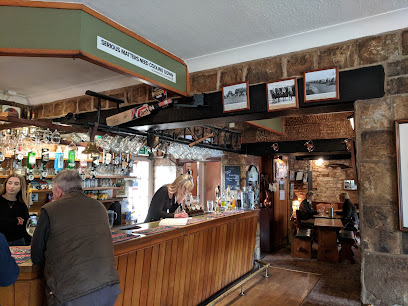
The House in The Tree
11.9 km
A charming and historic English pub in Cheltenham, serving hearty homemade meals in a cozy, welcoming atmosphere with rustic character.
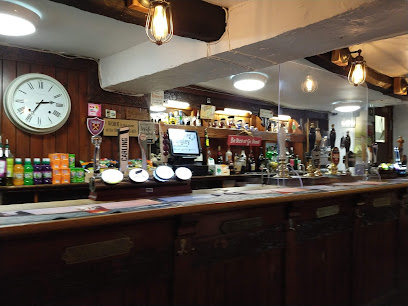
Experimental Cocktail Club Cotswolds
12.2 km
Sophisticated cocktails and vibrant DJ nights in the heart of the Cotswolds at Cowley Manor’s stylish Experimental Cocktail Club.
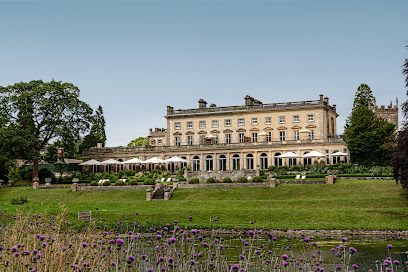
The Gloucester Old Spot
12.2 km
A quintessential English pub in Cheltenham offering hearty modern British fare, rare breed pork specialties, and a warm, inviting atmosphere year-round.
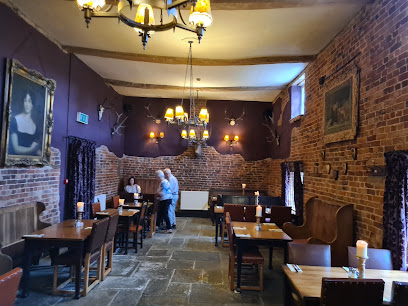
The Green Dragon Inn Pub & Shop
12.4 km
A historic 17th-century Cotswold inn blending rustic charm, fine dining, and countryside comfort in tranquil Cockleford near Cheltenham.
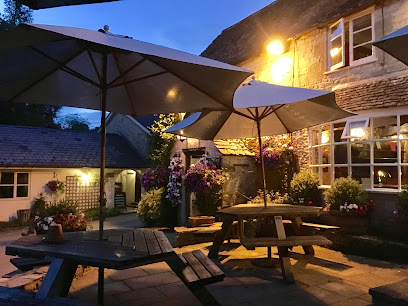
Kingsbridge
15.4 km
A classic riverside pub in Bourton-on-the-Water offering hearty British fare, cask ales, and warm hospitality in a scenic Cotswold village setting.

The Coach & Horses
16.2 km
A cosy, traditional Cotswold pub in Longborough serving hearty fare, local ales, and welcoming guests with charming B&B rooms.
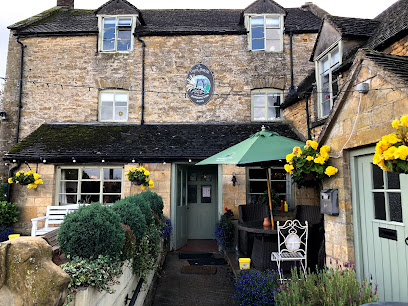
THE STUMP
16.7 km
A historic Cotswolds coaching inn blending rustic charm, acclaimed wood-fired pizzas, and cozy rooms for a quintessential English countryside experience.
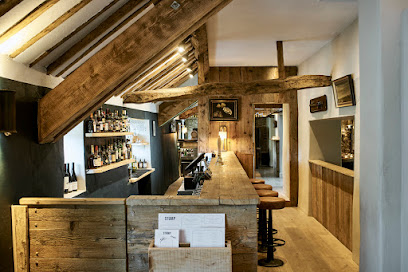
Sheep on Sheep Street
17.1 km
Historic charm meets modern comfort at The Sheep on Sheep Street, a vibrant inn and pub in the heart of Stow-on-the-Wold.
Nightclubs & after hour spots

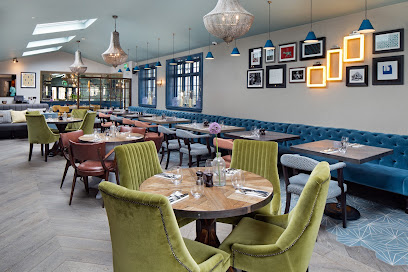
2 PIGS
7.8 km
A lively Cheltenham nightclub with dual rooms spinning rock, punk, indie, and classic hits, known for affordable drinks and an alternative vibe.
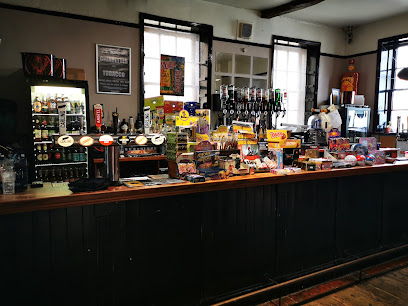
Coco
7.8 km
Cheltenham’s underground hotspot for vibrant nightlife, top DJs, and creative cocktails in a lively basement setting.
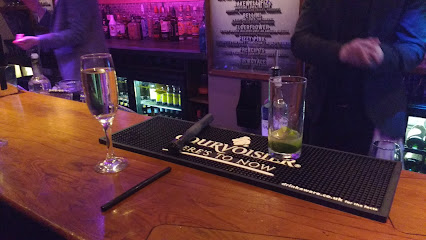
The 21 Club
7.9 km
Experience Cheltenham’s vibrant nightlife at The 21 Club, where music, dancing, and great drinks create unforgettable nights.
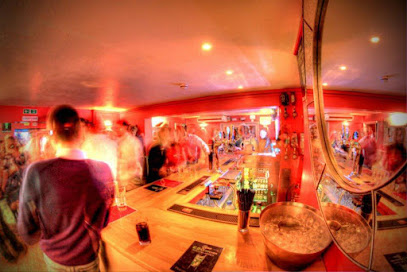
MooMoo Clubrooms Cheltenham
8.0 km
Experience Cheltenham’s vibrant nightlife with dynamic music, VIP vibes, and late-night energy at MooMoo Clubrooms.

Popworld - Cheltenham
8.0 km
Cheltenham’s lively late-night hotspot where cheesy pop tunes and creative cocktails fuel unforgettable party nights.

Home and Botanic Nightclub
8.1 km
Historic charm meets vibrant nightlife at Cheltenham’s Home and Botanic, a multi-room club offering cocktails, live piano, DJs, and unforgettable nights.

Thirteen Degrees
8.1 km
Cheltenham’s late-night hotspot for dancing, cocktails, and private events in a central urban setting.
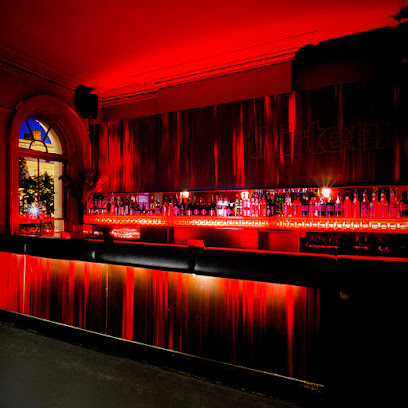
Under the Prom
8.2 km
Experience Cheltenham’s vibrant nightlife with premium drinks, three unique bars, and VIP service at Under The Prom nightclub.

ATIK Gloucester
19.8 km
Gloucester’s largest nightclub, ATIK pulses with vibrant music, student nights, and an energetic party atmosphere until the early hours.

Bar Fever Gloucester
19.9 km
Experience Gloucester’s vibrant nightlife at Bar Fever, a trendy nightclub with dynamic music, stylish interiors, and a welcoming atmosphere.
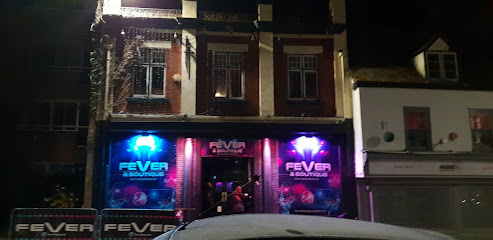
Jax Nightclub Gloucester
20.1 km
Energetic nightclub in Gloucester offering diverse music, two dance floors, and a welcoming atmosphere for late-night fun.
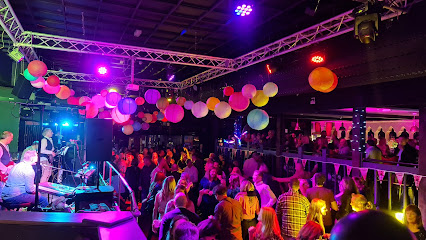
ReVA Nightclub
23.5 km
Cirencester’s largest nightclub offering electrifying music, stylish cocktails, and a vibrant atmosphere for unforgettable nights.
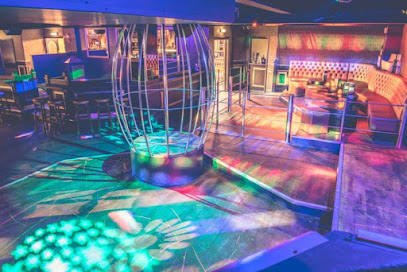
Trio Nightclub
26.5 km
Experience Stroud’s vibrant nightlife at Trio Nightclub, where music, dancing, and energetic vibes light up weekend nights.

Sin
33.8 km
Experience Worcester’s vibrant nightlife at Sin, a lively nightclub known for energetic music, salsa nights, and a bustling dance floor in the city centre.

The Stratford Upon Avon Bridge Club
33.8 km
Explore the vibrant community of The Stratford Upon Avon Bridge Club, where bridge enthusiasts gather for games, camaraderie, and local culture in a picturesque setting.
For the vibe & atmosphere seeker
- Scenic
- Tranquil
- Unique
- Adventurous
For the design and aesthetic lover
- Rustic Designs
For the architecture buff
- Historic
- Sacred Sites
- Landmarks
For the view chaser and sunset hunter
- Panoramas
- Iconic Views
- Sunrise Spots
- Sunset Spots
For the social media creator & influencer
- Photo Spots
- Architectural Shots
- Instagrammable
For the eco-conscious traveler
- Protected Area
- Leave-No-Trace Critical
- Locally Managed
For the kind of experience you’re after
- Cultural Heritage
- Myth & Legends
- Photowalk
- Nature Escape
- Day Trip
For how adventurous you want the journey to be
- Requires Hike
- Physically Demanding
Location Audience
- Family Friendly
- Solo Friendly
- Couple Friendly
- Senior Friendly
- Pet Friendly


