
Morlais Castle: The Ruined Stronghold Above Taff Gorge
Explore the rugged ruins of Morlais Castle, a 13th-century fortress perched above Taff Gorge, steeped in medieval Welsh history and dramatic landscapes.
Morlais Castle is a 13th-century ruined fortress perched on a limestone ridge above the Taff Gorge near Merthyr Tydfil, Wales. Built around 1270 by Gilbert de Clare amid territorial disputes, it was never fully completed and is notable for its triangular inner ward, round keep, and surviving vaulted chambers. The remote and exposed site offers a glimpse into medieval Welsh history and the complex power struggles of the Marcher Lords.
A brief summary to Castell Morlais 'morlais Castle'
- Pontsarn Cl, Merthyr Tydfil, CF48 2TR, GB
- Visit website
- Duration: 1 to 2.5 hours
- Budget
-
 Outdoor
- Mobile reception: 3 out of 5
Local tips
- Wear sturdy footwear as the terrain around the castle ruins is uneven and can be slippery, especially after rain.
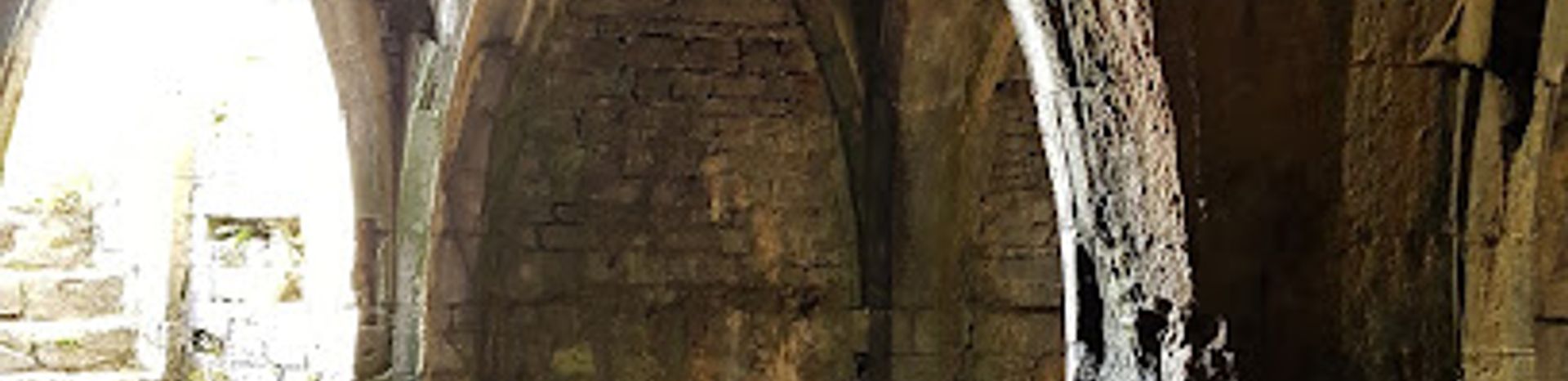
- Visit the surviving vaulted chamber inside the keep to experience a rare glimpse of medieval castle architecture.
- Bring a camera to capture panoramic views of the Taff Gorge and surrounding valleys from the castle ridge.
- Combine your visit with a walk along nearby trails to explore the historic landscape and natural beauty of the area.

For the on-the-go comforts that matter to you
- Information Boards
- Seating Areas
- Trash Bins
Getting There
-
Train and Bus
From Merthyr Tydfil railway station, take a local bus toward Pontsarn Cl, with a journey time of approximately 25-35 minutes. Buses run several times daily but check schedules in advance as frequency varies. The stop is about a 10-minute walk from the castle ruins.
-
Car
Driving from Merthyr Tydfil town center, the castle is reachable in about 15-20 minutes via local roads. Parking is limited near the site, so plan to park in designated areas and walk the final stretch over uneven terrain.
-
Walking
For active visitors, a 4-mile hike from Pontsarn station to the castle follows scenic and moderately challenging paths with some elevation gain. Suitable for those with good fitness and proper footwear.
Castell Morlais 'morlais Castle' location weather suitability
-
 Any Weather
-
 Rain / Wet Weather
-
 Clear Skies
-
 Windy Conditions
-
 Mild Temperatures
Discover more about Castell Morlais 'morlais Castle'
Origins and Historical Context of Morlais Castle
Morlais Castle was constructed in the late 13th century, around 1270, by Gilbert de Clare, the Earl of Gloucester and Lord of Glamorgan. The castle was built on land claimed by Humphrey de Bohun, the Earl of Hereford, sparking a fierce territorial dispute between these powerful Marcher Lords. This conflict escalated into warfare in 1290, forcing King Edward I to intervene personally. The castle was briefly captured by the Welsh leader Madog ap Llywelyn during his 1294 uprising. Despite its formidable design, Morlais Castle was likely never fully completed, and its remote, exposed location made it unsuitable as a permanent residence.Architectural Features and Layout
The castle is set within an Iron Age hillfort on a limestone ridge, commanding views over the Taff Gorge. Its layout features a triangular inner ward approximately 45 meters on each side and an inner bailey about 60 meters wide. Key structures include a large round keep, 17 meters in diameter, located at the northern corner, and several D-shaped towers with staircases positioned at strategic points. The gateway lies between two of these towers. A freestanding building about 25 meters long adjoins the south tower, with an almost square building connecting them. A deep pit in front of the south tower is presumed to be a cistern. The outer ward includes a D-shaped tower with a rib-vaulted basement and a sharply pointed doorway. Thick-walled buildings flank the curtain walls, though today only fragments of walls and one intact chamber remain visible.The Castle’s Decline and Present Condition
By the 18th century, Morlais Castle had fallen into ruin, with engravings from 1741 showing remnants of high-standing walls. Over time, much of the structure has collapsed or become buried under debris and scree. The moat surrounding most of the castle remains partially visible, though one side has been lost, possibly due to nearby limestone quarrying. Today, visitors can explore the ruins and enter the surviving vaulted chamber at the top, offering a tangible connection to the medieval past. The adjacent Morlais Castle golf course occupies part of the surrounding landscape, blending leisure with heritage.Setting and Natural Environment
Situated at approximately 1,250 feet on a limestone ridge, Morlais Castle overlooks the dramatic Taff Gorge, providing panoramic views of the surrounding South Wales valleys. The site’s elevated position was strategically chosen for defense but contributes to its exposed and rugged character. The castle’s location within a historic landscape that includes Iron Age fortifications and mineral springs adds layers of cultural and geological significance. The natural environment around the castle is marked by limestone outcrops and woodland, creating a scenic and tranquil atmosphere for visitors.Visitor Experience and Historical Significance
Exploring Morlais Castle offers insight into the turbulent history of the Welsh Marches during the late medieval period. The castle’s incomplete state and ruins evoke the complex power struggles between native Welsh lords and Norman-English nobility. The surviving vaulted chamber invites visitors to imagine the castle’s original grandeur and defensive capabilities. While the site lacks extensive visitor facilities, its historical ambiance and striking setting make it a compelling destination for history enthusiasts and those interested in medieval architecture and Welsh heritage.Preservation and Cultural Legacy
Morlais Castle remains an important historical landmark, protected as a ruin that reflects the region’s feudal past. Archaeological interest continues in the site’s remains and surrounding landscape, contributing to understanding the evolution of medieval fortifications in Wales. The castle’s story is intertwined with notable figures such as Gilbert de Clare and Madog ap Llywelyn, linking it to broader narratives of Welsh resistance and English governance. Preservation efforts focus on maintaining the visible ruins and promoting awareness of the site’s cultural value within the Merthyr Tydfil area.Iconic landmarks you can’t miss

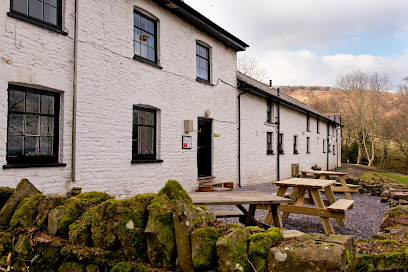
YHA Brecon Beacons
15.0 km
Rustic farmhouse hostel offering clean, cozy accommodation and a warm communal atmosphere in the heart of Brecon Beacons National Park.
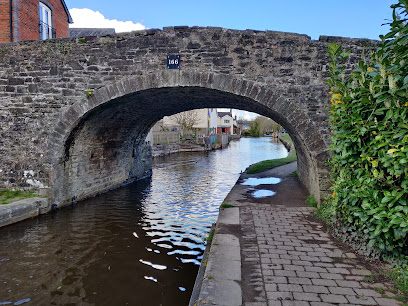
Monmouthshire and Brecon Canal
18.4 km
Discover the serene beauty of the Monmouthshire and Brecon Canal, a historic waterway offering scenic walks, wildlife spotting, and breathtaking views.
Brecon Walk Way
18.4 km
Experience the tranquility and stunning landscapes at Brecon Walk Way, a must-visit tourist attraction in the heart of Wales.
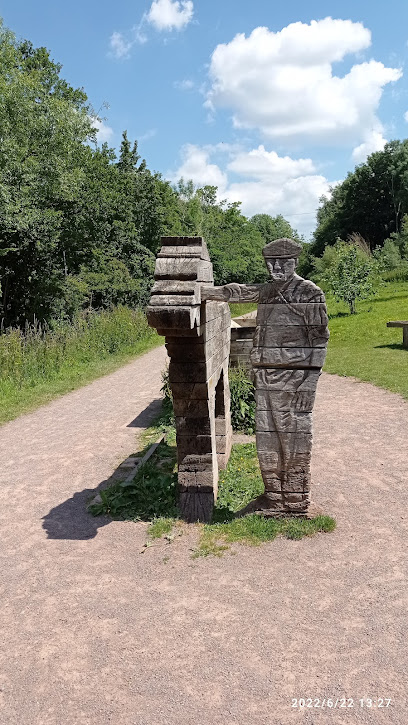
A Welsh Coal Mining Experience
18.5 km
Explore the rich history of Welsh coal mining at Rhondda Heritage Park, a captivating local history museum with engaging exhibits and a charming café.
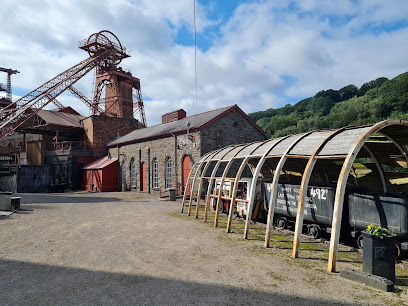
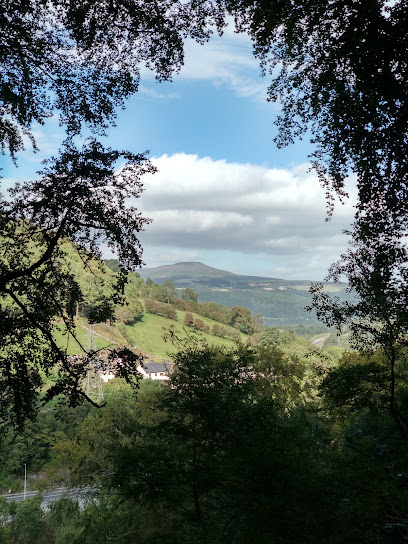
Clydach Gorge
18.6 km
Experience the breathtaking beauty and historical significance of Clydach Gorge, a natural wonder in Abergavenny, perfect for adventure seekers and nature lovers.
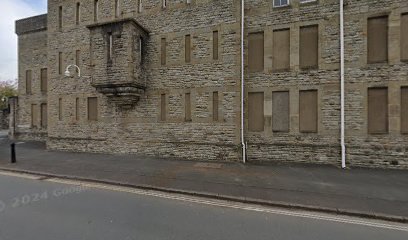
Brecon Barracks
18.6 km
Historic military hub in Brecon, home to the Royal Welsh Regiment and its museum, set within the stunning Brecon Beacons National Park.
Theatr Brycheiniog
18.6 km
Experience the vibrant performing arts scene at Theatr Brycheiniog in Brecon, where culture meets scenic beauty along the canal.
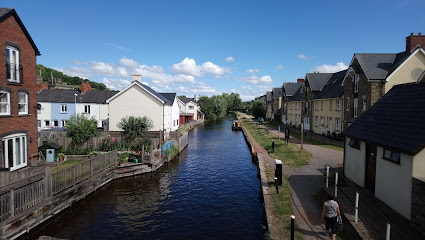
Brecon Canal Basin
18.6 km
Breathe in the beauty of Brecon Canal Basin, a serene escape in Wales perfect for leisurely walks, local cuisine, and outdoor adventures amidst stunning landscapes.
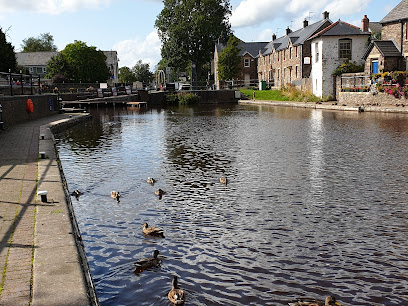
The Royal Welsh Regimental Museum
18.7 km
Explore the Royal Welsh Regimental Museum in Brecon, where Wales' military history comes alive through captivating exhibits and rich heritage.
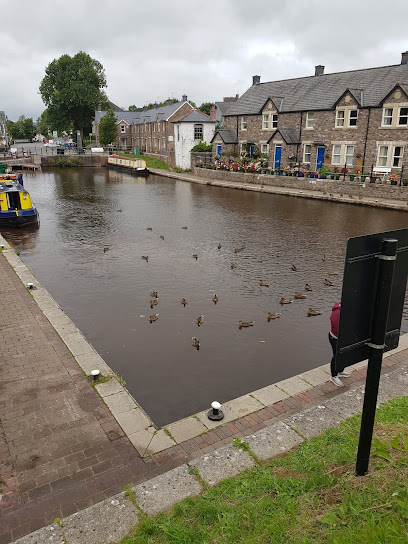
Y Gaer Museum, Art Gallery & Library
18.9 km
Explore Y Gaer Museum, Art Gallery & Library in Brecon for an enriching experience of local history, art, and literature in a cultural landmark.
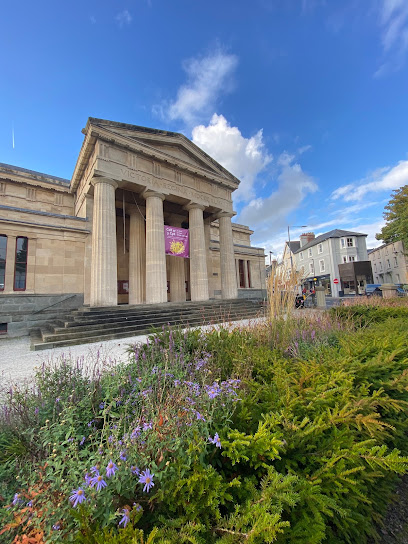
Big Pit National Coal Museum
18.9 km
Explore the depths of history at Big Pit National Coal Museum, where the rich heritage of coal mining in Wales comes to life through immersive experiences.
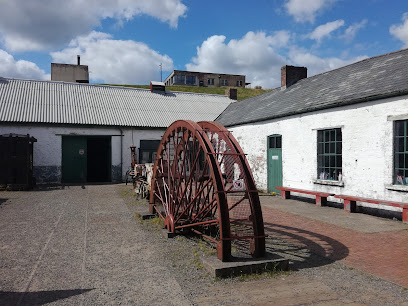
Crickhowell Castle
18.9 km
Discover the historic charm of Crickhowell Castle, a medieval marvel set against the breathtaking backdrop of Wales' stunning landscape.
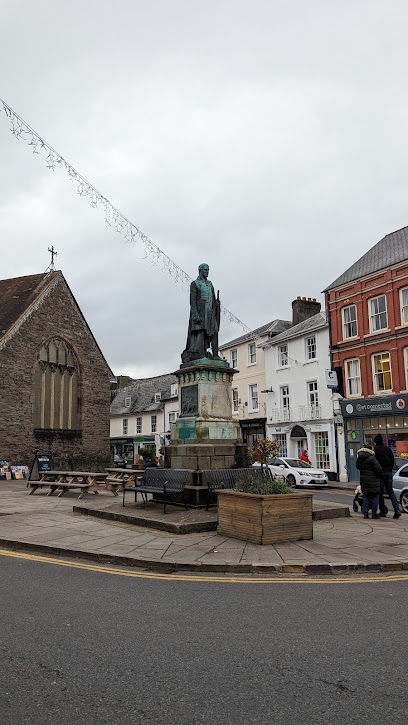
Duke of Wellington Monument
18.9 km
Historic bronze statue honoring the Duke of Wellington, a commanding presence in Brecon’s town centre and a testament to local artistry and British heritage.
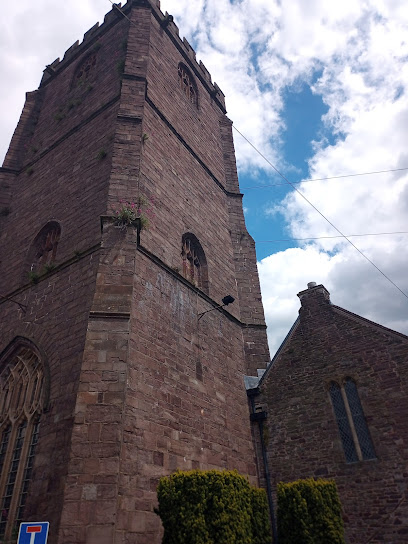
Brecon Town Tours - guided history walks
19.0 km
Experience the rich history of Brecon with guided tours that unveil the town's hidden gems and captivating stories in the heart of the Brecon Beacons.
Visit Brecon
19.1 km
Explore the beauty of Brecon, a quaint Welsh town that serves as the gateway to the stunning Brecon Beacons National Park.
Unmissable attractions to see

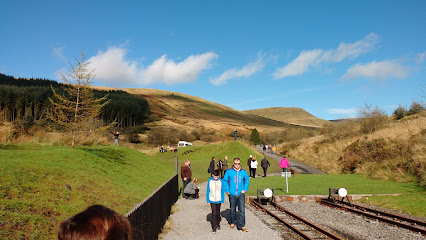
Brecon Mountain Railway
1.0 km
Step aboard vintage steam trains for a scenic journey through Wales’ breathtaking Brecon Beacons National Park, reliving railway history in stunning surroundings.
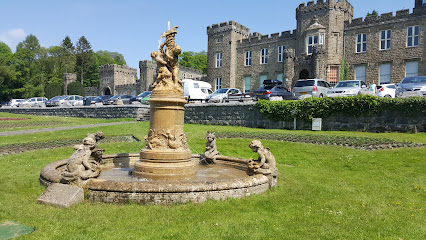
Cyfarthfa Castle Museum and Art Gallery
2.3 km
Explore the grand industrial heritage and art treasures of Cyfarthfa Castle, a majestic 19th-century ironmaster’s mansion set in expansive parkland.
St Tydfil Shopping Centre
3.4 km
Merthyr Tydfil’s premier shopping centre offering a modern, accessible retail experience with over 50 shops and ample parking in the town heart.

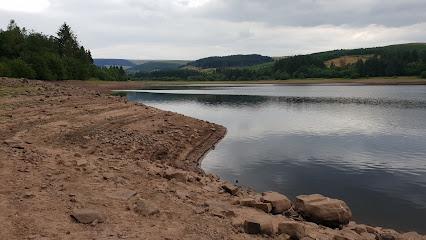
Llwyn-on Reservoir
4.9 km
Discover serene waters, scenic walks, and rich wildlife at Llwyn-on Reservoir, the largest reservoir in the Taf Fawr valley nestled in the Brecon Beacons.
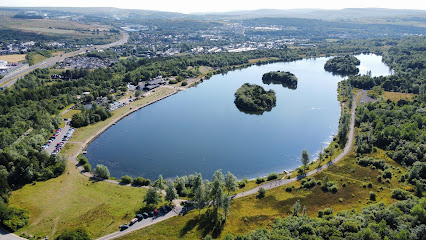
Parc Bryn Bach
7.6 km
Explore 340 acres of woodland, lake, and adventure activities at Parc Bryn Bach, Tredegar’s premier nature reserve and outdoor hub.
Cadair Fawr
7.7 km
Accessible mountain views across South Wales' rolling landscape, perfect for all abilities.
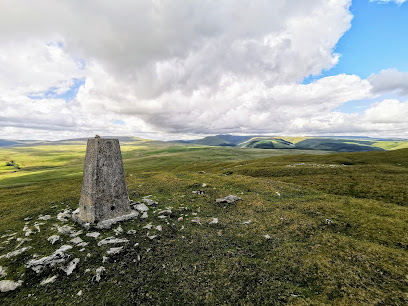
Twyn Mwyalchod
8.5 km
A steep yet rewarding trig point summit offering panoramic ridge views and poignant memorials in the heart of the Brecon Beacons.
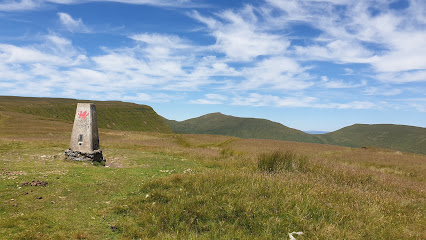
Bedwellty House and Park
9.4 km
Explore Bedwellty House and Park, a beautifully restored Regency villa and Victorian garden steeped in Welsh industrial heritage and community spirit.
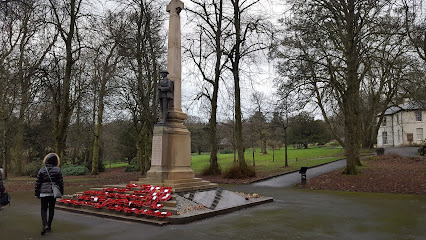
Aberfan Disaster Memorial
9.7 km
A poignant memorial garden honoring the 1966 Aberfan disaster victims and the enduring spirit of a resilient community.
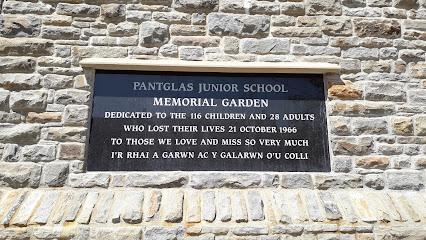
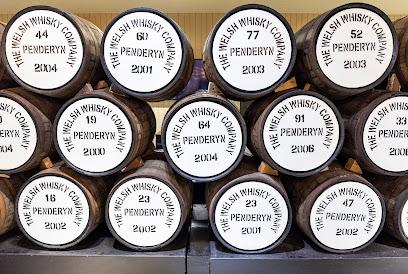
Penderyn Brecon Beacons Distillery - Visitor Centre and Shop
9.9 km
Discover the home of Welsh whisky in the Brecon Beacons – tour the original Penderyn Distillery, see the Faraday still, and taste award-winning single malts.
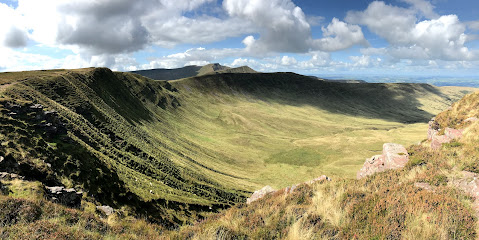
Gwaun Cerrig Llwydion
10.0 km
Explore the rugged sandstone plateau of Gwaun Cerrig Llwydion, a scenic hiking gem with panoramic views in Wales’ Brecon Beacons.
Bannau Brycheiniog National Park (Brecon Beacons)
10.2 km
Explore Wales’ breathtaking Bannau Brycheiniog National Park, where majestic peaks, cascading waterfalls, and rich heritage await every adventurer.
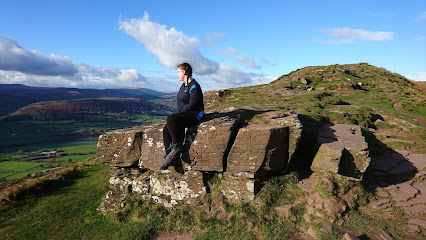
Fan y Bîg
11.2 km
Discover Fan y Big’s pointed summit, iconic 'Diving Board,' and panoramic Brecon Beacons views on this scenic mountain hike.
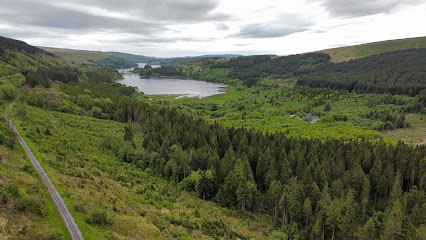
Winding House
11.9 km
Discover New Tredegar’s mining legacy and vibrant culture in the historic Winding House museum and arts centre.
Sgwd Yr Eira Waterfall
12.0 km
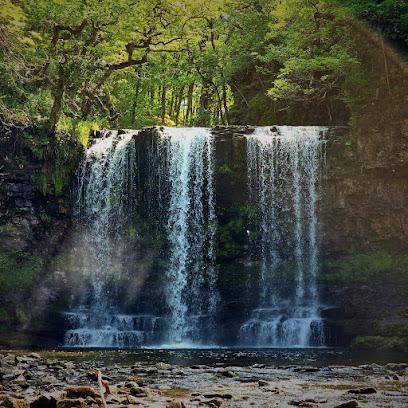
Walk behind the stunning 50-foot curtain of water at Sgwd yr Eira, the enchanting Waterfall of Snow in Wales’ Brecon Beacons.
Essential places to dine

Aberglais Inn
0.6 km
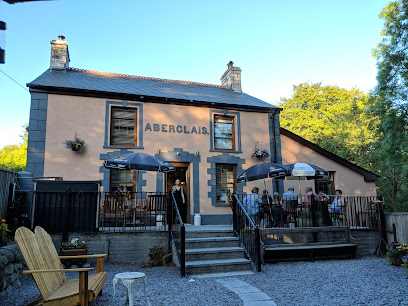
Cozy pub and restaurant in Merthyr Tydfil offering hearty British classics, vegan and gluten-free options, with a warm, friendly atmosphere.
The Pantyscallog Inn
1.6 km
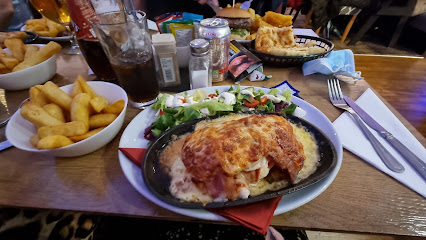
A beloved steakhouse in Pant, Merthyr Tydfil, known for hearty portions, friendly service, and a warm, welcoming atmosphere.
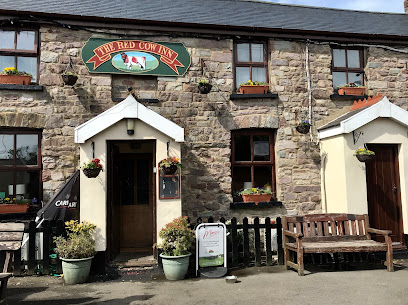
Red Cow Inn
2.0 km
A charming traditional Welsh pub in Pontsticill offering hearty home-cooked meals, award-winning ales, and a warm, welcoming atmosphere.
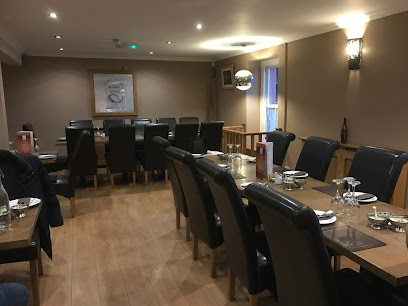
Mango House Restaurant
2.4 km
Experience authentic Indian cuisine with warm hospitality in the heart of Merthyr Tydfil’s Cefn-coed-y-cymmer.
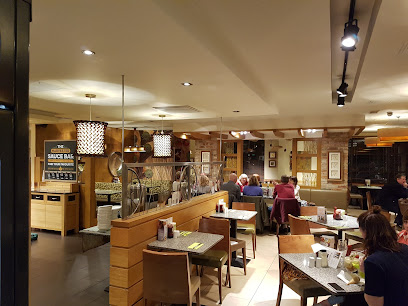
Rhydycar Harvester
4.1 km
Casual family dining with classic British flavors and welcoming amenities in Merthyr Tydfil’s Rhydycar Leisure Park.
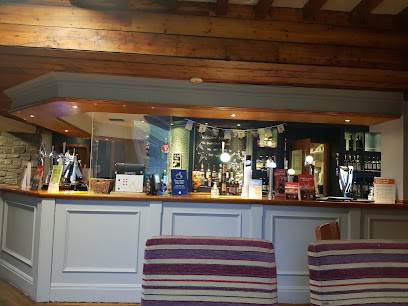
Pentrebach House Table Table
5.8 km
Classic British pub dining with family-friendly charm and hearty meals in the heart of Merthyr Tydfil.
The Farmers Arms
6.1 km
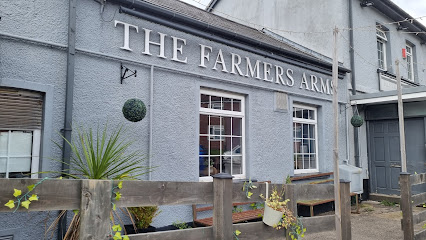
Historic farmhouse pub in Rhymney offering scratch-cooked Welsh cuisine, a full bar, and a warm, welcoming atmosphere for all occasions.
The Red Lion Inn, Penderyn
10.5 km
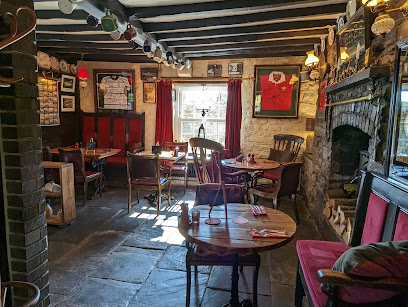
A cozy Welsh gastropub blending traditional charm, local flavors, and legendary roasts in the scenic village of Penderyn.
The Red Lion
14.5 km
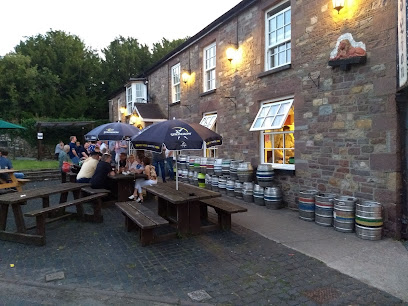
A historic Welsh village pub blending centuries-old charm with warm hospitality and local brews in the heart of Llangynidr.
The White Hart
14.5 km
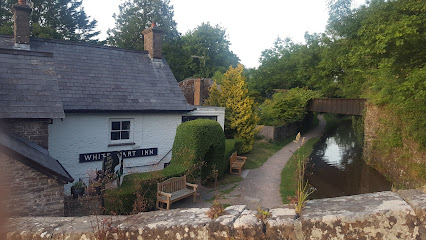
Traditional Welsh inn in Talybont-on-Usk offering hearty British fare, local ales, and warm hospitality near the Brecon Beacons.
Travellers Rest Inn
14.5 km
Cozy countryside inn with hearty meals and warm hospitality near the scenic Brecon Beacons.
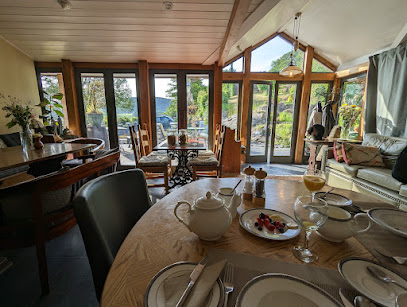
The Tai’r Bull Inn
17.4 km
A cosy Welsh country pub and B&B offering hearty fare, real ales, and warm hospitality in the heart of Brecon Beacons National Park.
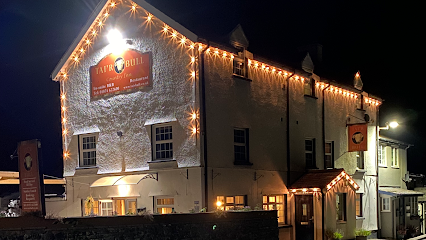
Nantyffin Cider Mill Inn
18.0 km
A cozy country pub in Crickhowell offering hearty local fare, warm hospitality, and a family-friendly atmosphere in the heart of the Brecon Beacons.
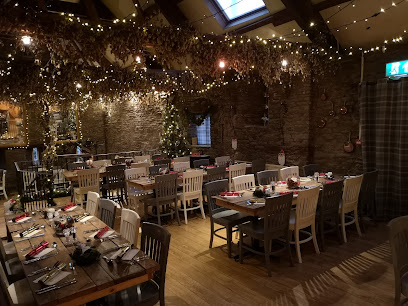
The Vine Tree Llangattock
18.5 km
Refined Welsh tasting menus in a relaxed Brecon Beacons setting, where skilled cooking meets genuine hospitality.
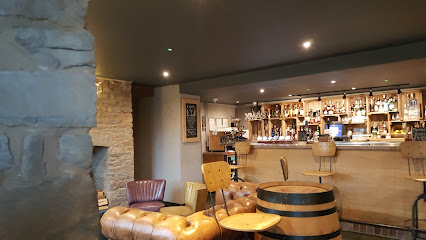
Carnivore By The Mine
18.6 km
A cozy meat-lover’s haven in Neath, blending hearty dishes with heartfelt mining heritage and warm local charm.
Markets, malls and hidden boutiques

Izzy Roo's
9.1 km
Explore Izzy Roo's in Tredegar for unique gifts and local crafts, capturing the essence of the region's charm and creativity.
Gwent Shopping Centre
9.2 km
A vibrant retail hub in Tredegar offering diverse shops, convenient hours, and a welcoming community atmosphere.
KM Gifts & Accessories
11.8 km
Discover quality gifts, stylish accessories, and friendly service at KM Gifts & Accessories in the heart of Ebbw Vale.
West View Stores
14.2 km
Experience the warmth of Trelewis at West View Stores - your local supermarket for fresh produce and unique Welsh delicacies.
The Den
16.2 km
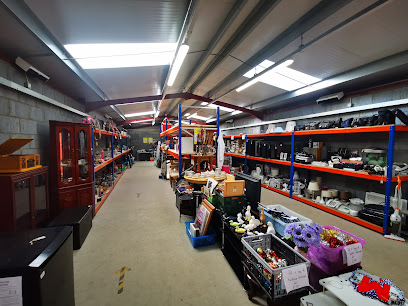
Discover unique second-hand treasures at The Den, Abertillery’s charity shop championing sustainability and community support.
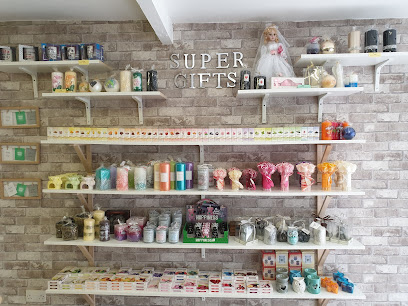
Super Gifts
17.6 km
Discover unique treasures at Super Gifts in Abertillery, where delightful souvenirs and local craftsmanship await every visitor.
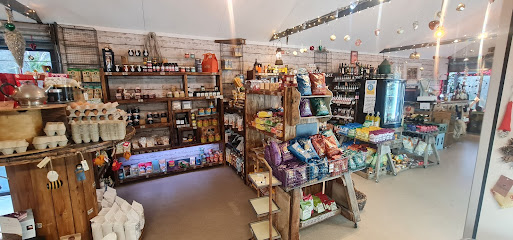
Camden Stores
18.3 km
Experience the essence of Welsh culture at Camden Stores, a charming farm shop and café in the heart of Brecon's countryside.
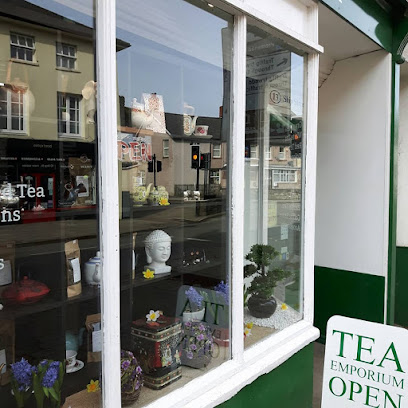
The UK Loose Leaf Tea Company Ltd
18.4 km
Discover ethically sourced, premium loose leaf teas and sustainable brewing essentials at The UK Loose Leaf Tea Company Ltd in Brecon.
Mind
18.6 km
Explore unique finds and support mental health initiatives at Mind Charity Shop in Brecon, where every purchase makes a difference.
Hay & Brecon Farmers Brecon
18.6 km
Experience the best of local Welsh produce at Hay & Brecon Farmers Brecon, where freshness and quality meet a warm community spirit.

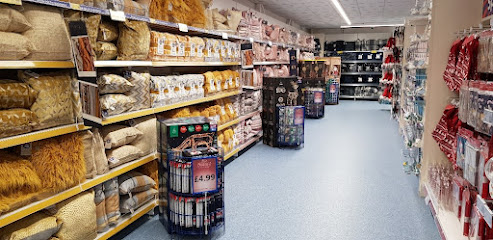
B&M Home Store with Garden Centre
18.8 km
Affordable shopping meets gardening passion at Brecon’s versatile B&M Home Store with Garden Centre.
CERTAS - BRECON
18.8 km
Discover convenience in Brecon with CERTAS, your one-stop shop for essentials, local treats, and friendly service.

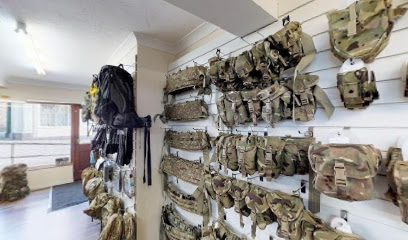
DIXIES CORNER
18.8 km
Brecon's trusted specialist in authentic military surplus and outdoor gear since establishment.
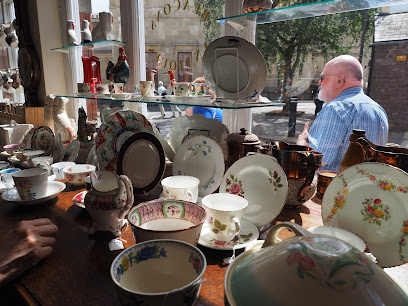
Beacons Antiques
18.9 km
Discover timeless vintage treasures and unique collectibles at Beacons Antiques, a charming hub of history in the heart of Brecon.
Tŷ Cariad
19.0 km
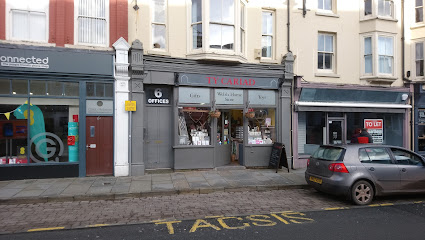
Discover authentic Welsh crafts and unique gifts at Tŷ Cariad, Brecon’s cozy hub for local artistry and culture.
Essential bars & hidden hideouts

Coach & Horses
14.1 km
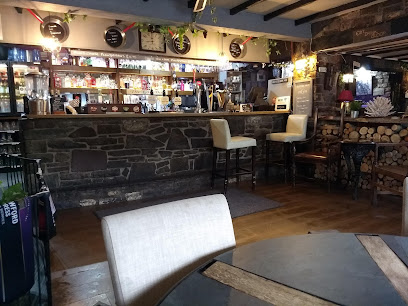
Historic canal-side pub and inn in Llangynidr offering hearty Welsh fare, cozy rooms, and a warm, welcoming atmosphere.
The New Inn
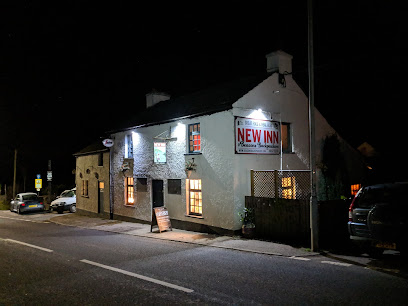
15.9 km
A cozy, affordable pub and backpackers’ haven in Bwlch, offering hearty food, friendly service, and a welcoming base for exploring the Brecon Beacons.
Royal Oak
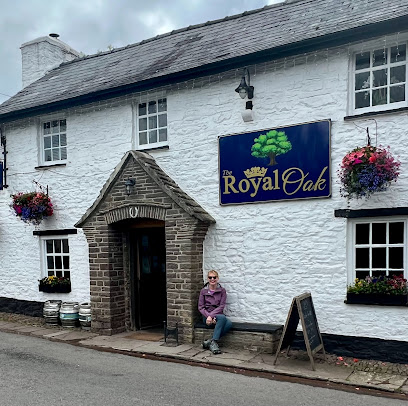
16.0 km
Cozy Welsh pub in Pencelli offering traditional hospitality and local ales amidst the scenic Brecon Beacons.
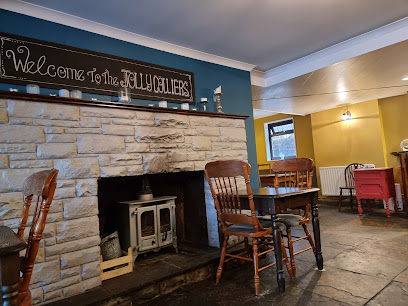
Jolly Colliers
17.6 km
A cozy, friendly pub in Llanelly Hill offering hearty British fare and rustic tapas in a charming countryside setting.
Bumble Bee
18.2 km
A welcoming modern pub in Gwent with classic pub fare, outdoor seating, and a secret beer garden for families and friends.
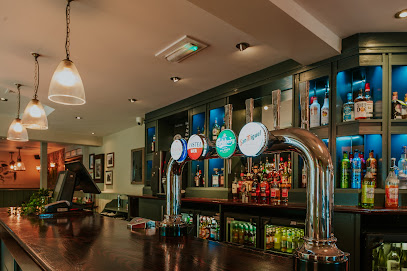
Drovers Arms
18.8 km
A welcoming Welsh village pub blending historic charm with hearty fare and friendly hospitality in the heart of Llanfaes, Brecon.
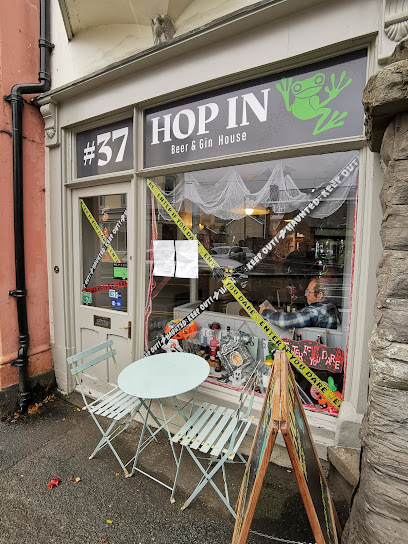
hop in beer and gin
18.8 km
Discover Brecon’s quirky bar with top-quality craft beers, artisanal gins, and delicious tapas in a cozy, historic setting.
The Three Horseshoes Inn
18.9 km
A cosy Welsh village pub blending traditional charm with refined British cuisine and a warm, welcoming atmosphere.
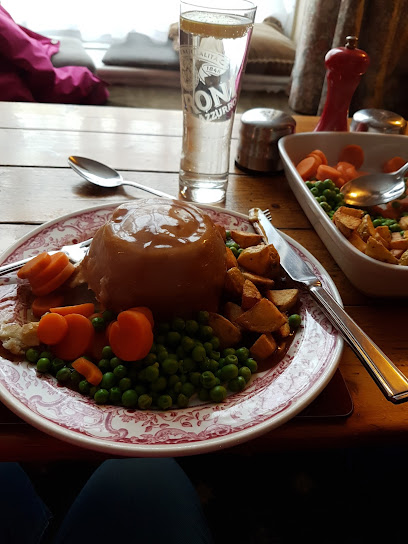
Markets Tavern
18.9 km
Traditional Welsh pub and welcoming hotel in Brecon offering hearty food, cozy rooms, and authentic local charm on Free Street.
The Rorkes Drift
19.0 km
Historic Welsh pub in Brecon offering local ales, lively music, and a warm atmosphere inspired by the legendary Rorke’s Drift battle.
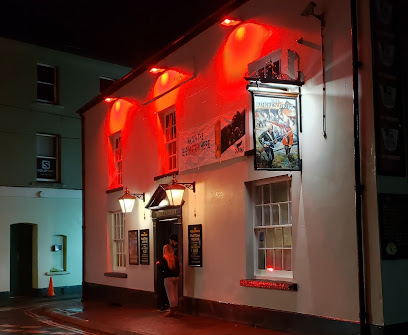
The Sarah Siddons
19.0 km
Experience authentic Welsh hospitality with local ales and lively atmosphere at The Sarah Siddons, Brecon’s beloved town centre pub.
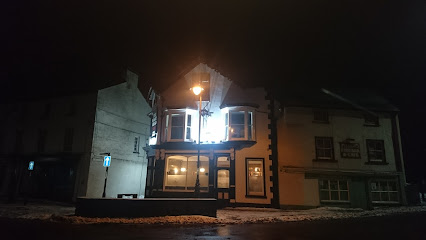
The Lounge Bar & Cafe
19.1 km
Brecon’s pioneering bar with a modern twist, offering signature cocktails, live music, and a welcoming atmosphere in the town centre.
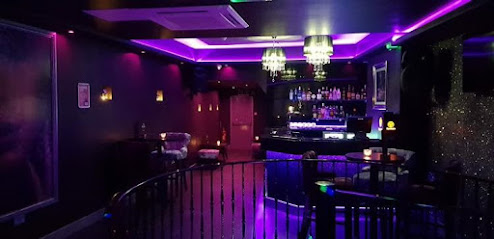
Lakeside Bar
19.4 km
Relax lakeside at this friendly pub within Brecon’s scenic caravan park, perfect for unwinding after exploring the Brecon Beacons.
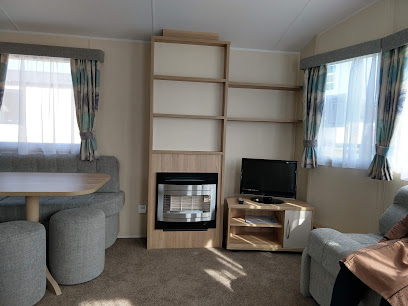
The Red Lion Llangorse
20.0 km
A welcoming Welsh gastropub in Llangorse offering seasonal local dishes, real fires, and a cozy atmosphere near the Brecon Beacons.
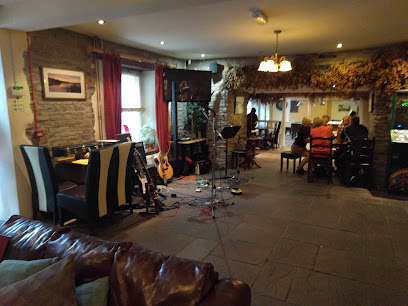
The Beaufort
20.3 km
A cozy village pub in Gilwern offering hearty food, friendly locals, and comfortable rooms near the Brecon Beacons.
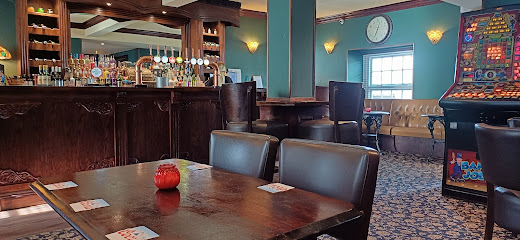
Nightclubs & after hour spots

The Kirkhouse Nightclub (Koolers)
3.3 km
Experience the vibrant and friendly nightlife of Merthyr Tydfil at The Kirkhouse Nightclub, known locally as Koolers.

Pure Bar & Nightclub Ltd
3.3 km
A lively nightclub and cocktail bar in Merthyr Tydfil offering vibrant music, crafted drinks, and late-night entertainment in South Wales.
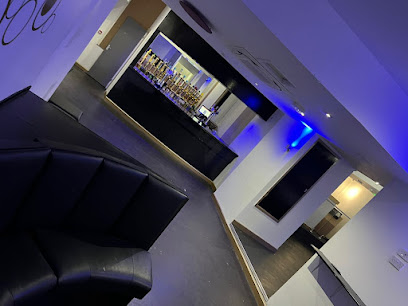
Squares Night club
18.4 km
Experience Porth’s vibrant nightlife at Squares Nightclub, where music, dance, and unforgettable evenings come alive every weekend.
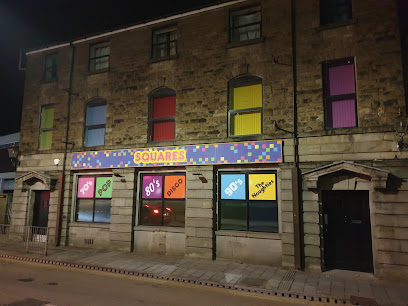
Northcote Conservative Club
18.9 km
Discover the lively ambiance of Northcote Conservative Club, Brecon's premier destination for nightlife, music, and local culture.
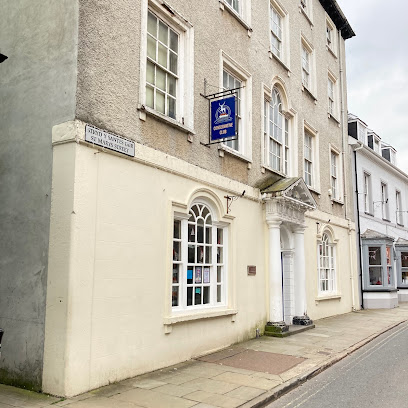
Brecon Jazz Club (Muse Arts Centre)
19.0 km
Discover the heart of jazz in Brecon at the Brecon Jazz Club, where live music and a vibrant atmosphere collide for an unforgettable night.
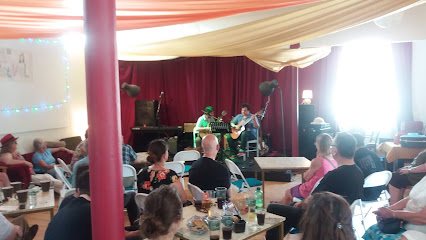
BRECON JAZZ
19.1 km
Experience the soulful sounds of Brecon Jazz, an intimate venue celebrating the rich heritage of jazz music in the heart of Wales.
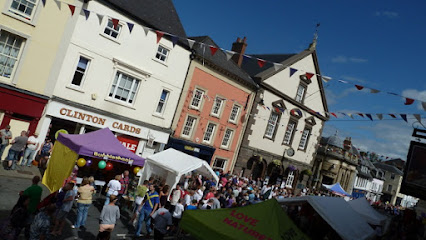
Brecon Working Mens Club
19.1 km
Experience authentic Welsh hospitality at Brecon Working Mens Club, where locals gather for drinks and camaraderie in a charming setting.
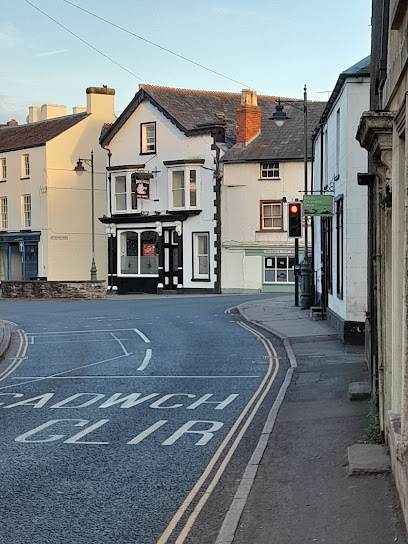
Eclipse Nightclub
21.3 km
Experience Pontypridd’s vibrant midweek nightlife at Eclipse Nightclub, where music, dancing, and community come alive every Wednesday night.
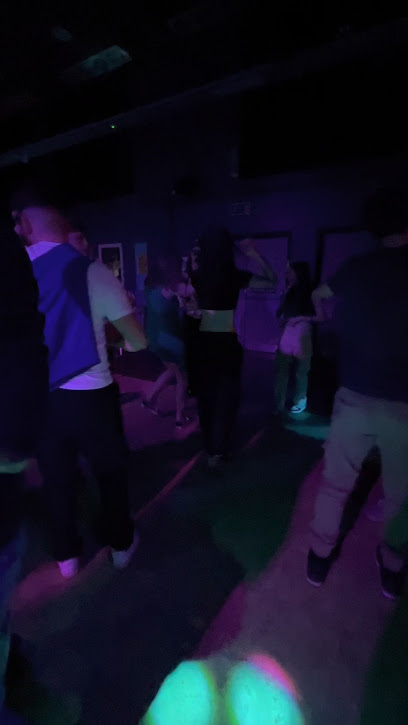
The Top Club
22.2 km
Experience Blaengarw’s vibrant nightlife at The Top Club, where electrifying entertainment meets community spirit in the heart of South Wales.
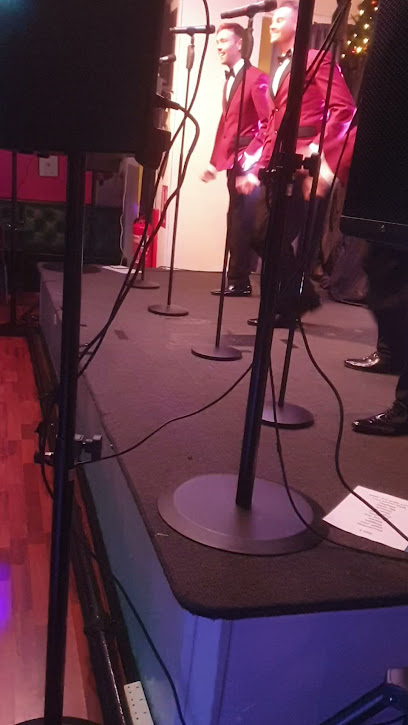
The Arch Bar & Nightclub
32.2 km
A lively Neath hotspot blending nightclub energy, live music, pub charm, and Thai cuisine in one vibrant venue.
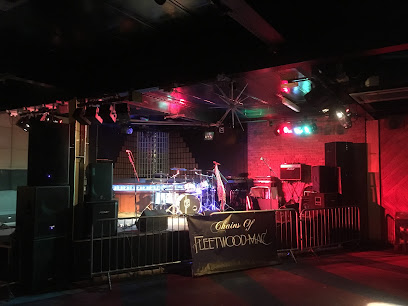
Vibez
33.6 km
Experience Newport’s vibrant nightlife at Vibez Superclub, where pounding bass and late-night energy create unforgettable weekend parties.

Hush Newport
33.6 km
Experience the vibrant Saturday nightlife at Hush Newport, Baneswell’s hotspot for music, dancing, and late-night fun in the heart of Newport.
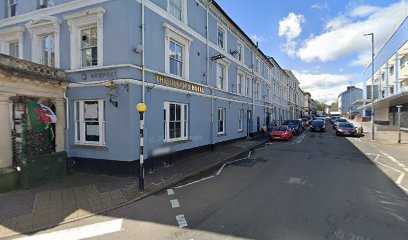
Stow Hill Rooms
33.7 km
A stylish Art Deco nightclub and function venue in the heart of Newport, blending vibrant nightlife with versatile event spaces.
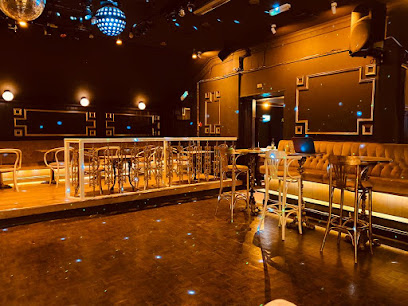
Jimmy's Bar
34.4 km
Experience the vibrant nightlife and live music scene at Jimmy's Bar, Port Talbot’s lively local hotspot with a welcoming atmosphere.
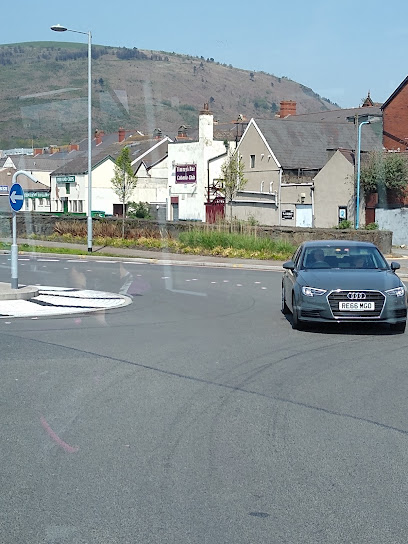
The Globe
34.7 km
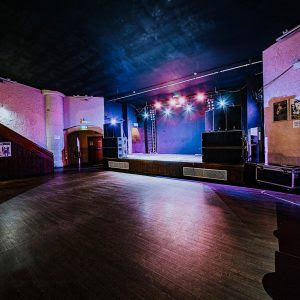
A compact Grade II-listed former cinema turned lively live-music venue and nightclub, famed for intimate gigs and energetic club nights on Albany Road.
For the vibe & atmosphere seeker
- Scenic
- Tranquil
- Unique
- Historic
For the design and aesthetic lover
- Rustic Designs
- Vintage Styles
For the architecture buff
- Historic
- Landmarks
- Heritage Neighborhoods
For the view chaser and sunset hunter
- Iconic Views
- Panoramas
- Sunset Spots
For the social media creator & influencer
- Instagrammable
- Photo Spots
- Selfie Spots
For the eco-conscious traveler
- Protected Area
- Public-Transport Accessible
- Leave-No-Trace Critical
- Locally Managed
For the kind of experience you’re after
- Cultural Heritage
- Photowalk
- Nature Escape
- Day Trip
- Weekend Getaway
For how adventurous you want the journey to be
- Easy Access
- Requires Hike
Location Audience
- Family Friendly
- Senior Friendly
- Child Friendly
- Teen Friendly
- Solo Friendly
- Couple Friendly


