Harvard House Travel Guide
Free Guide: Explore the Tudor craftsmanship and transatlantic legacy of Harvard House, birthplace of Harvard University's benefactor in historic Stratford-upon-Avon.


A brief summary of Harvard House
Explore the Tudor craftsmanship and transatlantic legacy of Harvard House, birthplace of Harvard University's benefactor in historic Stratford-upon-Avon.
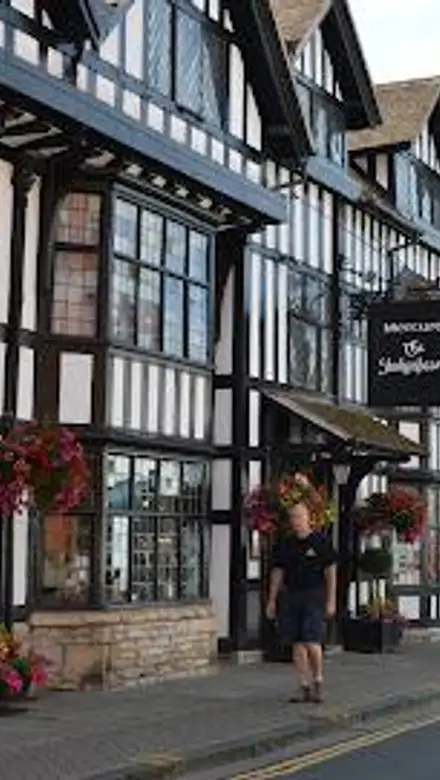
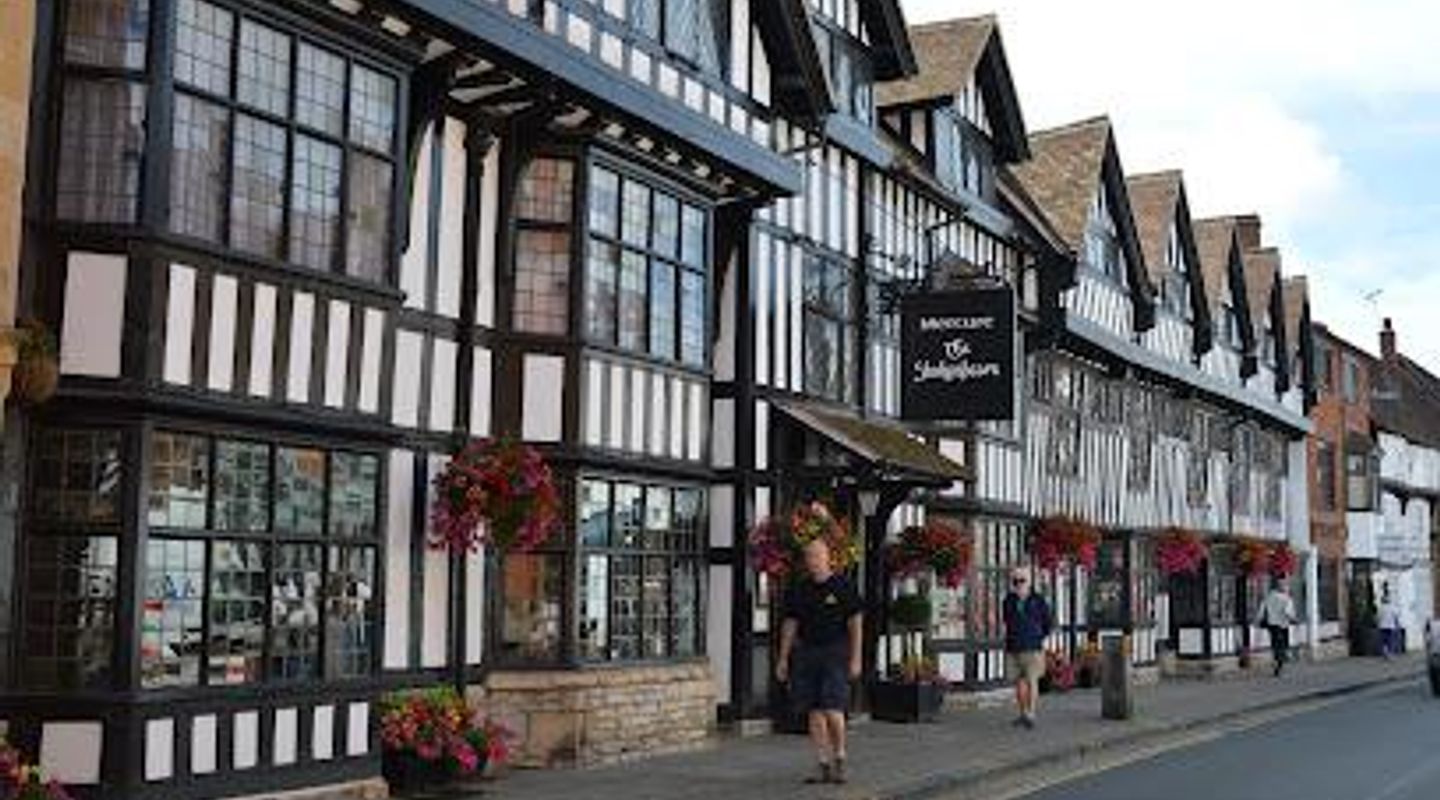
Harvard House, located at 26 High Street in Stratford-upon-Avon, is a remarkable Tudor-era timber-framed building constructed in 1596 by Thomas Rogers, the grandfather of John Harvard, the benefactor of Harvard University. Managed by the Shakespeare Birthplace Trust since 1990, it offers a glimpse into 16th and 17th-century town life and commerce, with its original oak beams and period furnishings. The house is notable for its historical ties to both Stratford and the origins of Harvard University in the USA.
On-site amenities
 Information boards
- Address
- 26 High St, Harvard House, Stratford-upon-Avon CV37 6AU
- Phone
- Website
Getting there
Bus
Train and Walk
Taxi
Discover more about Harvard House
Architectural Significance and Tudor Origins
Harvard House stands as a fine example of Tudor architecture, built in 1596 by Thomas Rogers, a prosperous butcher and merchant, following devastating fires in Stratford-upon-Avon in 1594 and 1595. The timber-framed frontage features elaborately carved beams and the initials of Thomas Rogers and his second wife, Alice, alongside the date of construction, marking it as a distinct and prestigious residence of its time. The house’s narrow, three-story layout includes a ground-floor shop space and living quarters above, preserving original oak beams and painted panels that reflect period decorative techniques.
Historical Connections to John Harvard and Harvard University
The house’s historical importance is amplified by its connection to John Harvard, the founding benefactor of Harvard University in the United States. Thomas Rogers was John Harvard’s grandfather, linking the house to the legacy of one of America’s most prestigious educational institutions. John Harvard emigrated to America and left a significant bequest that helped establish the college that bears his name. In 1909, the house was purchased and restored by American Edward Morris and gifted to Harvard University, cementing its symbolic transatlantic heritage.
Evolution of Use and Ownership Through Centuries
After Thomas Rogers’ death, the house passed through several generations of the Rogers family before being sold in the mid-1600s to John Capp, a blacksmith. Over the following centuries, Harvard House served various commercial purposes, including bookselling, plumbing, ironmongery, tailoring, and eventually as an estate agent’s office. This varied usage reflects the changing economic landscape of Stratford and the adaptability of the building’s structure.
Current Role and Visitor Experience
Today, Harvard House is cared for by the Shakespeare Birthplace Trust and is part of Stratford’s heritage trail, often included in combined tickets with other Shakespeare-related sites. The interior is sparsely furnished with period-appropriate items to evoke the atmosphere of a 17th-century town house. Interactive exhibits aimed at younger visitors provide educational insights into Tudor customs and daily life. Though relatively small and intimate, the house offers a genuine historical experience distinct from more heavily restored properties nearby.
Preservation and Community Engagement
The building is Grade I listed and has undergone careful conservation to maintain its structural and historical integrity. Recent initiatives include hosting temporary exhibitions to celebrate the wider history of Stratford and engage the local community in heritage discussions. The Shakespeare Birthplace Trust continues to manage the property, balancing preservation with public education and cultural enrichment.
Architectural Details and Accessibility
Harvard House’s façade is notable for its intricate timber work and the preserved painted panels inside, which replicate the original decorative style. The ground floor is accessible via a ramp, with interpretive displays and information boards, while upper floors are reached by stairs. There are no visitor facilities such as shops or restrooms on site, emphasizing the house’s role as a preserved historic residence rather than a commercial venue.
Evendo Review Centre
 Google
Guest reviews
Best time to go
Quietest: Jan, Feb & Dec · before 7am or at 9pm
Busy times are Evendo estimates for a typical year, to help you plan. Actual crowds vary with events, school holidays and the weather.
Explore Harvard House on the map
A handpicked selection of must-see spots near Harvard House, mapped for you.
Get your free copy of our complete guide to Harvard House, delivered straight to you.
Everything on this page, from opening hours and how to get there to Eve’s tips and the best time to go, in one PDF you can read offline, print or share.
Already have an account? Sign in
Your Harvard House guide is ready.
We'll send it to · Not you? Sign out

Getting your guide ready…
We are putting together a fresh copy of the Harvard House guide. This can take up to a minute.
This can take a few moments. If your browser asks, choose Allow so the download can start. You'll find the guide in your Downloads folder.
Nothing happened? Download it again
Sorry, the guide is taking longer than usual. Please try again in a minute, or get it by email instead.
Unlock the best of Harvard House
Skip-the-line tickets, guided tours with entry, and walking tours of the area, booked in a few clicks.


Other nearby places you may find interesting
The closest places of the same kind, if this one is not quite what you had in mind.
-
-
-
-
-


Swipe for more places
More to explore near Harvard House

 Best experiences near Harvard House
 Best hotels near Harvard House
 Best landmarks near Harvard House
 Best attractions near Harvard House
 Best shops near Harvard House
 Best restaurants near Harvard House
 Best bars near Harvard House
Do you manage this location?
Take control to get all the benefits, like improved information, better appearance, and stronger visibility across AI-powered discovery.
Explore more
Explore more of Warwickshire
Discover Warwickshire: A blend of Shakespearean charm, medieval history, and serene countryside in the heart of England.
Explore Warwickshire
Explore more of United Kingdom
Discover the United Kingdom: A blend of rich history, stunning landscapes, and vibrant cities, offering a unique travel experience for every visitor.
Explore United Kingdom