Forth Bridge Travel Guide
Free Guide: Explore the majestic Forth Bridge, a UNESCO World Heritage Site and a towering symbol of Scotland’s Victorian engineering genius and industrial heritage.


A brief summary of Forth Bridge
Explore the majestic Forth Bridge, a UNESCO World Heritage Site and a towering symbol of Scotland’s Victorian engineering genius and industrial heritage.
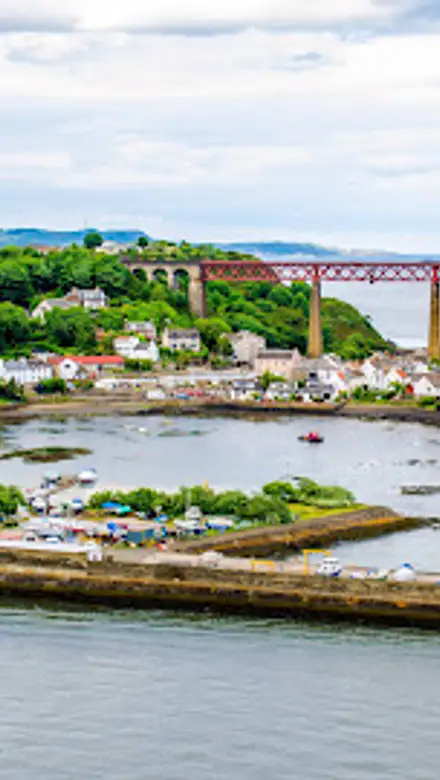
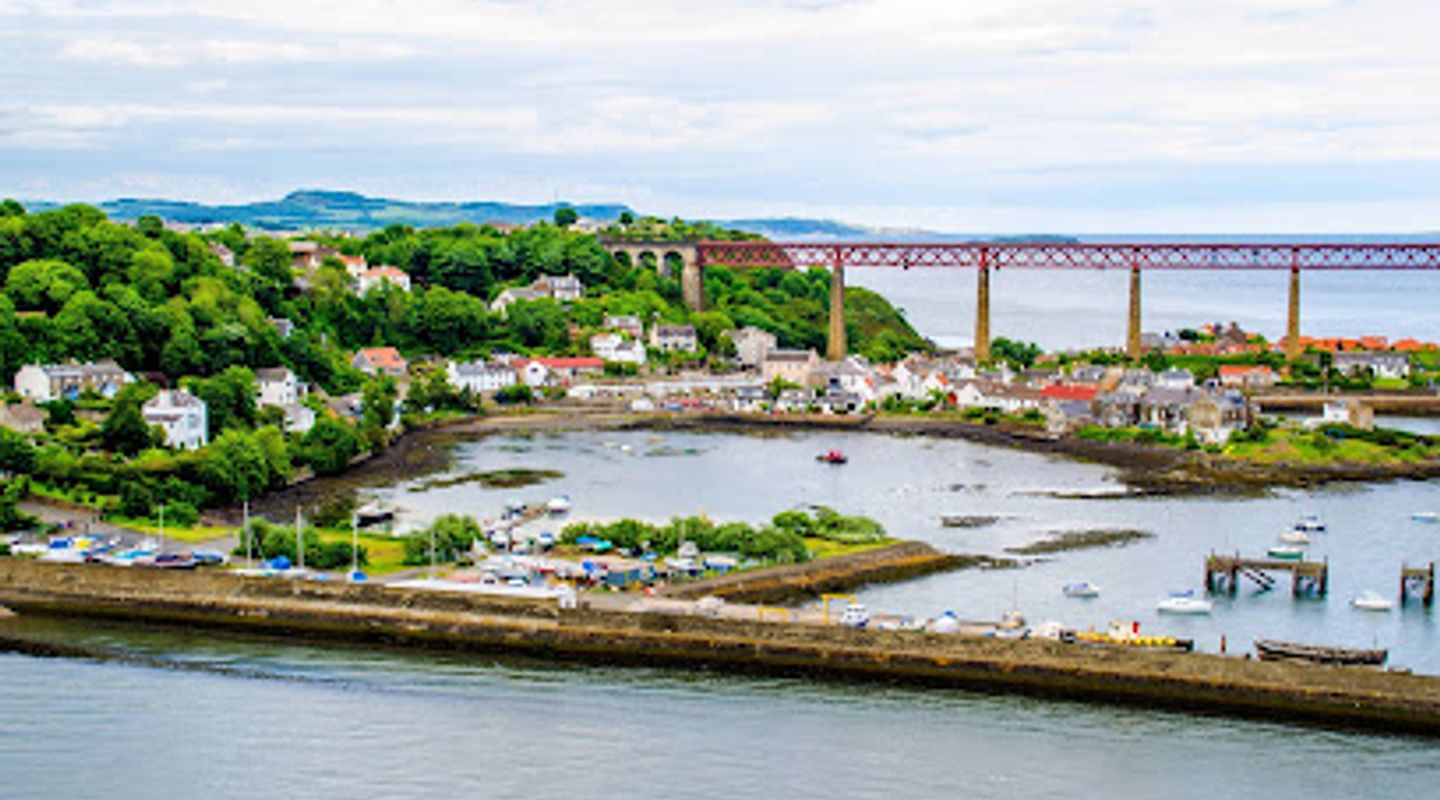
The Forth Bridge is a monumental red steel cantilever railway bridge spanning the Firth of Forth between South Queensferry and North Queensferry in Scotland. Completed in 1890, this UNESCO World Heritage Site is a symbol of Scottish industrial heritage and engineering prowess. Stretching 2.5 km with towering cantilevers over 100 meters high, it remains a vital rail link carrying around 200 trains daily and offers spectacular views from nearby towns and viewpoints.
On-site amenities
 Restrooms
 Drink options
 Food options
 Seating areas
 Information boards
 Visitor centre
- Address
- Queensferry, South Queensferry
- Website
Getting there
Train
Bus
Car
Boat
Discover more about Forth Bridge
A Testament to Victorian Engineering Brilliance
The Forth Bridge stands as a remarkable achievement of late 19th-century engineering. Designed by Sir John Fowler and Sir Benjamin Baker, it was constructed between 1883 and 1890 using the cantilever principle. This method allowed the bridge to span the Firth of Forth with three massive double cantilever towers, each rising over 100 meters (330 feet) high. At 2.5 kilometers (1.5 miles) long, it was the longest cantilever bridge in the world at the time and remains the second longest today. Built from around 50,000 tonnes of mild steel and held together by approximately six million rivets, its distinctive red color was originally chosen for protective qualities and has become an iconic feature.
Historical Significance and Legacy
The bridge was constructed following the tragic Tay Bridge disaster of 1879, which underscored the need for a safer and more robust design. The Forth Bridge’s innovative engineering and use of mild steel ensured unprecedented strength and durability, earning it a reputation as a symbol of safety and reliability. Opened by Edward, Prince of Wales in 1890, it has continuously served as a vital railway link between Edinburgh and Fife, carrying around 200 trains daily at speeds up to 50 mph. In 2015, it was honored as a UNESCO World Heritage Site, recognizing its outstanding contribution to engineering and cultural heritage.
Experiencing the Bridge and Its Surroundings
Visitors can admire the Forth Bridge from both South Queensferry and North Queensferry, charming towns that offer excellent vantage points for photography and exploration. The nearby Forth Bridge Heritage Centre at North Queensferry Station provides historical context, artifacts, and detailed exhibits about the bridge’s construction and significance. For a unique perspective, guided tours and special events allow visitors to ascend to the viewing platform 361 feet above the water or walk beneath the bridge on an exclusive walkway, experiencing the scale and complexity of the structure up close.
The Forth Bridges Trio and Scenic Views
The Forth Bridge is part of a trio of impressive crossings over the Firth of Forth, alongside the Forth Road Bridge and the Queensferry Crossing. From South Queensferry, visitors can enjoy panoramic views capturing all three bridges, especially stunning at sunrise and sunset. Boat tours offer memorable experiences from the water, providing close-up views of the bridges and local wildlife like seals and birds. The surrounding area also features historical landmarks such as Blackness Castle and Inchgarvie Island, adding to the rich tapestry of the region.
Architectural and Cultural Impact
The Forth Bridge’s design has influenced bridge engineering worldwide and remains a celebrated icon of Scotland’s industrial heritage. Its robust cantilever structure, vivid red hue, and sheer scale make it a favorite subject for photographers and filmmakers. It has appeared in numerous films and television programs, reinforcing its status as a cultural landmark. The bridge continues to inspire admiration for its blend of functionality, aesthetic presence, and historical importance.
Ongoing Preservation and Visitor Amenities
Maintaining the bridge’s integrity is a continuous effort, involving regular inspections and repainting to preserve its iconic appearance. Visitors to the area can find amenities such as restrooms, seating areas, and information boards near viewing points and the heritage centre. The nearby towns offer food and drink options, making it easy to combine sightseeing with local hospitality. Whether you are a history enthusiast, engineering aficionado, or simply seeking breathtaking views, the Forth Bridge offers a compelling experience steeped in heritage and natural beauty.
Evendo Review Centre
 Google
Guest reviews
Best time to go
Quietest: Jan, Feb & Dec · before 3am
Busy times are Evendo estimates for a typical year, to help you plan. Actual crowds vary with events, school holidays and the weather.
Explore Forth Bridge on the map
A handpicked selection of must-see spots near Forth Bridge, mapped for you.
Get your free copy of our complete guide to Forth Bridge, delivered straight to you.
Everything on this page, from opening hours and how to get there to Eve’s tips and the best time to go, in one PDF you can read offline, print or share.
Already have an account? Sign in
Your Forth Bridge guide is ready.
We'll send it to · Not you? Sign out

Getting your guide ready…
We are putting together a fresh copy of the Forth Bridge guide. This can take up to a minute.
This can take a few moments. If your browser asks, choose Allow so the download can start. You'll find the guide in your Downloads folder.
Nothing happened? Download it again
Sorry, the guide is taking longer than usual. Please try again in a minute, or get it by email instead.
Unlock the best of Forth Bridge
Skip-the-line tickets, guided tours with entry, and walking tours of the area, booked in a few clicks.

 Tour
TourLoch Ness and the Highlands of Scotland day trip from Edinburgh
from $61.62 Tour
TourSt Andrews, Falkland Palace and fishing villages tour
from $74.20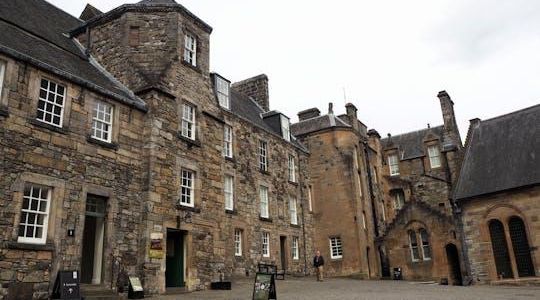 Tour
TourGuided tour from Edinburgh of Rosslyn Chapel, Stirling Castle and Dunfermline Abbey
from $80.48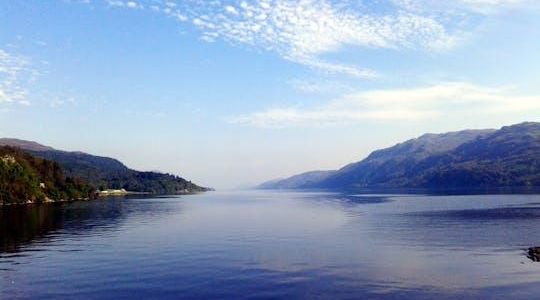 Tour
TourLoch Ness, Glen Coe and the Highlands tour from Edinburgh
from $81.74
Other nearby places you may find interesting
The closest places of the same kind, if this one is not quite what you had in mind.
-
-
-
-
-


Swipe for more places
More to explore near Forth Bridge

 Best experiences near Forth Bridge
 Best hotels near Forth Bridge
 Best landmarks near Forth Bridge
 Best attractions near Forth Bridge
 Best shops near Forth Bridge
 Best restaurants near Forth Bridge
 Best bars near Forth Bridge
Do you manage this location?
Take control to get all the benefits, like improved information, better appearance, and stronger visibility across AI-powered discovery.
Explore more

Explore more of West Lothian
Unveil the charm of West Lothian: a perfect blend of history, nature, and culture in the heart of Scotland.
Explore West Lothian
Explore more of United Kingdom
Discover the United Kingdom: A blend of rich history, stunning landscapes, and vibrant cities, offering a unique travel experience for every visitor.
Explore United Kingdom