

Free West Lothian Travel Guide & Mobile App
Explore West Lothian with free travel guides. Discover regional history, expert tips, proposed trips, and audio guides on web or mobile app.


West Lothian combines Linlithgow’s royal heritage, Forth-side castles, shale landscapes, country parks and easy access from Edinburgh and Glasgow.
Read more about West Lothian
When is the best time to visit West Lothian?
Best: June–August · 16–18°C| Month | High (°C) | Rainfall (mm) |
|---|---|---|
| January | 7 | 60 |
| February | 7 | 50 |
| March | 9 | 50 |
| April | 10 | 50 |
| May | 13 | 50 |
| June (best) | 16 | 50 |
| July (best) | 18 | 60 |
| August (best) | 18 | 60 |
| September | 16 | 60 |
| October | 13 | 60 |
| November | 10 | 60 |
| December | 7 | 60 |
Getting to and around West Lothian
How to get there
Transportation
Best attractions in West Lothian
West Lothian’s attractions range from royal and military heritage to accessible countryside. Linlithgow Palace and the adjacent loch form the region’s principal historic ensemble, while Blackness Castle adds a fortified Forth-side setting with strong maritime associations. Cairnpapple Hill offers a more ancient perspective through its prehistoric ceremonial remains and elevated views. The Union Canal provides a linear route for walking, cycling and boating, with the Almond Aqueduct among its most notable engineering features. Beecraigs Country Park combines woodland, reservoirs, hill paths and family-friendly outdoor activities, while Almondell and Calderwood Country Park follows wooded river valleys and historic estate landscapes. Former shale-working areas around Broxburn and West Calder are valuable for visitors interested in industrial archaeology, although access should be confined to signed paths. The Five Sisters Zoo near West Calder provides a family-oriented animal attraction, and The House of the Binns introduces visitors to an historic estate and landscaped grounds. Livingston supplies modern leisure, shopping and entertainment, creating a useful contrast with the region’s older burghs and rural sites.
-
Tourist attraction
The Falkirk Wheel
Experience the world’s only rotating boat lift, a stunning engineering marvel connecting Scotland’s historic canals with breathtaking views and family fun.
-
Shopping Centre
The Centre Livingston
Scotland’s vibrant shopping hub with over 150 shops, diverse dining, and family-friendly facilities all year round in the heart of Livingston.
-
Zoo
Five Sisters Zoo
Discover Scotland’s unique wildlife sanctuary with over 160 species, interactive experiences, and family fun at Five Sisters Zoo in West Lothian.
-
Stadium
Hampden Park
Scotland’s historic national stadium blending legendary football heritage with modern sporting grandeur in the heart of Glasgow.


Best landmarks in West Lothian
Linlithgow Palace is West Lothian’s defining architectural landmark, its roofless royal halls and courtyard rising beside Linlithgow Loch. St Michael’s Church, with its distinctive crown steeple, completes the historic townscape and reflects Linlithgow’s medieval importance. Blackness Castle is a second major landmark: its robust stone walls extend towards the Firth of Forth in a form shaped by both royal power and coastal defence. Cairnpapple Hill provides a landmark of a different age, its summit marking a prehistoric ceremonial site and an important viewpoint over central Scotland. The Almond Aqueduct carries the Union Canal high above the River Almond and remains an impressive example of early nineteenth-century engineering. West Lothian’s shale bings are also significant visual landmarks, although industrial rather than monumental; their unusual conical and terraced forms record the scale of the former oil-shale industry. Livingston’s planned layout, separated roads and open spaces represent the region’s principal modern architectural transformation.
-
Bridge
Forth Bridge
Explore the majestic Forth Bridge, a UNESCO World Heritage Site and a towering symbol of Scotland’s Victorian engineering genius and industrial heritage.
-
Tourist attraction
Avon Aqueduct
Scotland's grandest aqueduct: cast iron, twelve arches, and two centuries of history spanning the River Avon.
-
Historical landmark
The Cross Well
Discover Linlithgow’s iconic crown-shaped Cross Well, a historic monument and vibrant town centre gathering spot steeped in royal heritage.
-
Historical landmark
James Clerk Maxwell Statue
Celebrate the legacy of James Clerk Maxwell, the father of modern physics, with this evocative statue on Edinburgh’s historic George Street.


Explore West Lothian on the map
Plan your trip on one map. See where the top cities, national parks and sights are, and book hotels and experiences in a few clicks.
Best hotels in West Lothian
Best restaurants in West Lothian
Dining in West Lothian is varied but generally informal, with cafés, traditional pubs, hotel restaurants, farm shops and independent eateries concentrated in Livingston, Linlithgow, Bathgate and the larger villages. Menus commonly draw on wider Scottish produce, including beef, lamb, game, fish, seasonal vegetables, soups, baking and puddings, rather than a single dish exclusive to the region. Linlithgow’s historic centre is well suited to a café stop or pub meal after visiting the palace, while rural inns and country-estate venues provide a quieter setting beyond the towns. Local shops and farm retailers may offer Scottish cheeses, oatcakes, preserves, shortbread, smoked products and seasonal produce for picnics along the canal or at a country park. Livingston has the broadest choice of casual dining and national cuisines, reflecting its modern population and commercial role. Visitors should check current opening arrangements in smaller settlements, particularly outside daytime and weekend periods.
-
Italian
Tony Macaroni
Casual Italian dining with fresh ingredients, award-winning pasta, and pizza in Livingston’s bustling Hub shopping area.
-
Carvery
Toby Carvery Bathgate Farm
Traditional British carvery in Bathgate serving hearty roasts, breakfasts, and family-friendly meals in a welcoming setting.
-
Buffet
Hot Flame World Banquet
Experience a vibrant all-you-can-eat buffet with live cooking and global flavors at Hot Flame World Banquet in Livingston Designer Outlet.
-
Steak
Deer Park Beefeater
Classic British grill dining with hearty steaks and a welcoming atmosphere beside Livingston’s M8 junction.


Best bars in West Lothian
West Lothian’s evening life is centred more on traditional pubs, restaurants, hotel bars and occasional live music than on a large nightclub scene. Linlithgow offers historic-town pubs and relaxed places to eat and drink, while Bathgate, Livingston and Broxburn provide a broader selection of contemporary bars and late-evening entertainment. Livingston’s larger urban population supports the region’s most extensive choice, including venues associated with shopping and leisure areas, though the character is more suburban than city-centre. In villages and rural districts, evenings tend to revolve around local pubs, dining and community events rather than a dense entertainment district. Scottish beer, whisky and gin are widely available, but alcohol is not central to every visitor experience; canal walks, theatre, cinema and early evening dining are also practical options. Current licensing arrangements and closing times vary, so check locally.
-
Bar
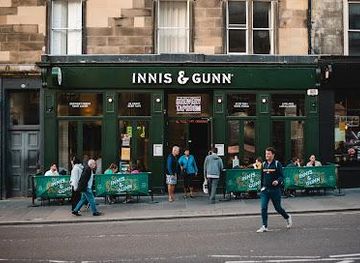
Innis & Gunn Edinburgh City Centre Brewery Taproom
Edinburgh’s vibrant craft beer hub serving award-winning Scottish steak frites and a rotating selection of local and international brews.
-
Pub
The NewYearField - JD Wetherspoon
A spacious, family-friendly JD Wetherspoon pub in Livingston Designer Outlet, offering great beers, casual dining, and a relaxed atmosphere.
-
Pub
Rowan Tree
A vibrant, family-friendly pub in Armadale offering fresh pub classics, vegan options, and a welcoming atmosphere with a stylish conservatory and beer garden.
-
Pub
Saltire
A lively pub and restaurant in Livingston offering flame-grilled classics, live sports, and a welcoming atmosphere for all.


Best nightclubs in West Lothian
West Lothian’s evening life is centred more on traditional pubs, restaurants, hotel bars and occasional live music than on a large nightclub scene. Linlithgow offers historic-town pubs and relaxed places to eat and drink, while Bathgate, Livingston and Broxburn provide a broader selection of contemporary bars and late-evening entertainment. Livingston’s larger urban population supports the region’s most extensive choice, including venues associated with shopping and leisure areas, though the character is more suburban than city-centre. In villages and rural districts, evenings tend to revolve around local pubs, dining and community events rather than a dense entertainment district. Scottish beer, whisky and gin are widely available, but alcohol is not central to every visitor experience; canal walks, theatre, cinema and early evening dining are also practical options. Current licensing arrangements and closing times vary, so check locally.
-
Lounge
Volunteer Arms Lounge Bistro
A friendly, moderately priced lounge bistro in Uphall offering home-cooked meals, live music, and a welcoming atmosphere for all occasions.
-
Pub
The Tower Bar
Historic Livingston pub with lively entertainment, fresh local food, and welcoming spaces including a beer garden and function room.
-
Nightclub
The Twig Nightclub
Bathgate’s oldest nightclub offering vibrant weekend parties and a lively social scene in a historic setting.


Best shops in West Lothian
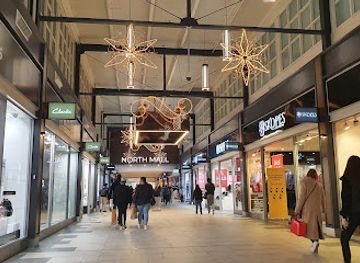
Shopping in West Lothian combines practical modern retail with the independent businesses and markets of older towns. Livingston is the region’s main commercial centre, with extensive retail and leisure provision at The Centre and Livingston Designer Outlet, while Bathgate and Linlithgow retain smaller high streets with cafés, independent shops, services, antiques and gifts. Linlithgow is a useful place to look for books, crafts, Scottish-themed goods and food products after visiting its heritage sites, although stock and individual businesses change over time. Farmers’ markets, farm shops and local food retailers provide opportunities to buy preserves, baking, cheeses, oatcakes, smoked goods and other Scottish produce when operating. The surrounding villages offer a more limited but often useful selection of independent retailers and estate or garden-related outlets. Visitors interested in regional souvenirs will find stronger choices in historic centres and specialist food shops than in rural areas, while Livingston is the most convenient destination for mainstream fashion and household shopping.
-
Shopping outlet
Livingston Designer Outlet
Scotland’s largest designer outlet with over 80 premium brands, dining, cinema, and festive family fun in Livingston.
-
Clothing Shop
Primark
Discover budget-friendly fashion and homeware across three floors at Primark Livingston, located in the heart of The Centre shopping complex.
-
Discount shop
The Original Factory Shop (Bathgate)
Discover unbeatable deals on clothing, beauty, and home essentials at The Original Factory Shop in Bathgate, your go-to discount retailer.
-
Gift shop
One World Shop
Edinburgh’s oldest fair trade shop offering ethically sourced gifts and goods beneath historic St John’s Church.


Get your free copy of our complete guide to West Lothian, delivered straight to you.
Everything on this page, from attractions and restaurants to essentials and local phrases, in one PDF you can read offline, print or share.
Already have an account? Sign in
Your West Lothian guide is ready.
We'll send it to · Not you? Sign out

Getting your guide ready…
We are putting together a fresh copy of the West Lothian guide. This can take up to a minute.
This can take a few moments. If your browser asks, choose Allow so the download can start. You'll find the guide in your Downloads folder.
Nothing happened? Download it again
Sorry, the guide is taking longer than usual. Please try again in a minute, or get it by email instead.
West Lothian essentials
Currency and Payment
Safety
Emergency Situations
Do's and Don'ts
Local Tips
From Eve
Local phrases worth knowing
You don't need to get them perfect. A few words go a long way, and locals appreciate the effort.
Basics
| English | Local | Say it |
|---|---|---|
| Hello | Hullo | [hʌloʊ] |
| Goodbye | Cheerio | [ˌtʃɪəˈriːoʊ] |
| Yes | Aye | [aɪ] |
| No | Naw | [nɔː] |
| Please/You're welcome | Please/No bother | [pliːz/ noʊ ˈbɒtə] |
| Thank you | Cheers | [tʃɪəz] |
| Excuse me/Sorry | Excuse me/Sorry | [ɪkˈskjuːz miː/ˈsɒri] |
| How are you? | How are ye? | [haʊ ə jɪ] |
| Fine. And you? | Aye, no bad. And yersel'? | [aɪ, noʊ bæd. ənd jɪrˈsɛl] |
| Do you speak English? | Dae ye speak English? | [deɪ jɪ spiːk ˈɪŋɡlɪʃ] |
| I don't understand | Ah dinnae understand | [ɑː ˈdɪneɪ ˌʌndərˈstænd] |
Eating & Drinking
| English | Local | Say it |
|---|---|---|
| I'd like to see the menu, please | Ah'd like tae see the menu, please | [ɑːd laɪk teɪ siː ðə ˈmɛnjuː, pliːz] |
| I don't eat meat | Ah dinnae eat meat | [ɑː ˈdɪneɪ iːt miːt] |
| Cheers! | Cheers! | [tʃɪəz] |
| I would like to pay, please | Ah'd like tae pay, please | [ɑːd laɪk teɪ peɪ, pliːz] |
Emergencies
| English | Local | Say it |
|---|---|---|
| Help! | Help! | [hɛlp] |
| Go away! | Gie us peace! | [ɡiː ʌs piːs] |
| Call the Police! | Phone the polis! | [foʊn ðə ˈpoʊlɪs] |
| Call a doctor! | Phone a doc! | [foʊn ə dɒk] |
| I'm lost | Ah'm lost | [ɑːm lɒst] |
| I'm ill | Ah'm no well | [ɑːm noʊ wɛl] |
Shopping
| English | Local | Say it |
|---|---|---|
| I'd like to buy... | Ah'd like tae buy... | [ɑːd laɪk teɪ baɪ...] |
| I'm just looking | Ah'm just lookin' | [ɑːm dʒʌst ˈlʊkɪn] |
| How much is it? | How much is it? | [haʊ mʌtʃ ɪz ɪt] |
| That's too expensive | That’s too dear | [ðæts tuː dɪər] |
| Can you lower the price? | Can ye lower the price? | [kæn jɪ ˈloʊər ðə praɪs] |
Time & Numbers
| English | Local | Say it |
|---|---|---|
| What time is it? | Whit time is it? | [wɪt taɪm ɪz ɪt] |
| It's one o'clock | It's one o'clock | [ɪts wʌn əˈklɒk] |
| Half past (10) | Half past ten | [hɑːf pɑːst tɛn] |
| Morning | Mornin' | [ˈmɔrnɪn] |
| Afternoon | Aft'noon | [æftəˈnuːn] |
| Evening | E'enin' | [ˈiːnɪn] |
| Yesterday | Yest'day | [ˈjɛstədeɪ] |
| Today | T'day | [təˈdeɪ] |
| Tomorrow | Morrow | [ˈmɒroʊ] |
| 1 | One | [wʌn] |
| 2 | Two | [tuː] |
| 3 | Three | [θriː] |
| 4 | Four | [fɔːr] |
| 5 | Five | [faɪv] |
| 6 | Six | [sɪks] |
| 7 | Seven | [ˈsɛvən] |
| 8 | Eight | [eɪt] |
| 9 | Nine | [naɪn] |
| 10 | Ten | [tɛn] |
Transport & Directions
| English | Local | Say it |
|---|---|---|
| Where's a/the...? | Whar's a/the...? | [wɛrz ə/ðə...?] |
| What's the address? | Whit’s the address? | [wɪts ðə əˈdrɛs] |
| Can you show me (on the map)? | Can ye show me (on the map)? | [kæn jɪ ʃoʊ miː (ɒn ðə mæp)] |
| When's the next (bus)? | When's the next (bus)? | [wɛnʔs ðə nɛkst (bʌs)?] |
| A ticket (to ....) | A ticket (ta ....) | [ə ˈtɪkɪt (tə ....)] |
History of West Lothian
Prehistoric Cairnpapple Hill
Cairnpapple Hill, near Torphichen, was an important prehistoric ceremonial and burial site. Archaeological evidence indicates activity over several thousand years, including an early monument and later Bronze Age burials. Its elevated position gave communities a prominent place for ritual gatherings and allowed the hill to function as a visible landmark across central Scotland. The surviving remains are less architecturally dramatic than a later castle or palace, but they reveal that West Lothian’s strategic and symbolic importance predates written history by millennia.
Linlithgow and the Medieval Crown
Linlithgow developed as a royal burgh beside the loch and on the route between Edinburgh and Stirling. A royal residence existed here before the present palace, while the Church of St Michael became one of Scotland’s most important medieval parish churches. The town’s position made it a natural stopping place for monarchs and a centre of administration and trade. Its medieval street pattern, market traditions and civic buildings still provide the clearest historic expression of West Lothian’s role within the Scottish kingdom.
Linlithgow Palace and Mary, Queen of Scots
The present Linlithgow Palace was built and enlarged by Scottish monarchs during the fifteenth and sixteenth centuries, replacing buildings damaged during conflict. Set between Edinburgh Castle and Stirling Castle, it served as a comfortable royal residence and a place where travelling monarchs could rest. Mary, Queen of Scots was born there in December 1542, shortly before the death of her father, James V. Although damaged and roofless today, the palace’s great hall, courtyard and dramatic position beside the loch retain its political and architectural significance.
Blackness Castle and the Forth
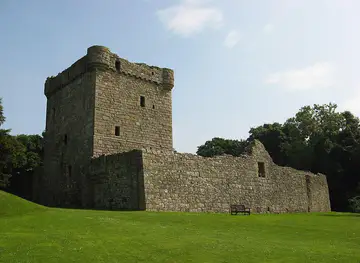
Blackness Castle was established in the fifteenth century by the Crichton family and later became a royal fortress. Its position on the southern shore of the Firth of Forth allowed it to control access to Linlithgow and support maritime movement towards the capital. The castle was strengthened over time and used for military, administrative and prison purposes. Its long, seaward-pointing form reflects the demands of artillery warfare and has given it the enduring nickname of the ‘ship that never sailed’.
The Union Canal and Industrial Change
Opened in 1822, the Union Canal connected Edinburgh with the mining and manufacturing districts of central Scotland. Its level route depended on major engineering works, including the Almond Aqueduct, and it crossed rural West Lothian before descending towards the wider canal network. Coal, stone and other goods travelled along the waterway during the nineteenth century. Although commercial traffic later declined as railways and roads expanded, the canal remains an important piece of industrial heritage and a linear route for walking, cycling and boating.
West Lothian’s Shale-Oil Industry
From the nineteenth century, West Lothian became the centre of Scotland’s shale-oil industry. Companies mined oil shale, heated it in retorts and processed the resulting oil, creating employment and transforming settlements such as Broxburn and West Calder. The industry left behind distinctive spoil heaps, or shale bings, as well as housing, rail infrastructure and polluted industrial ground. Production declined during the twentieth century as other fuels became more competitive, but the bings remain a highly recognisable industrial landscape and an important reminder of the region’s working past.
Livingston New Town
Livingston was designated as a new town in 1962 as part of post-war efforts to relieve pressure on Edinburgh and provide new housing and employment. Planned neighbourhoods, separated traffic routes, public open space and expanding industrial estates reshaped a largely rural area. The town grew rapidly and became West Lothian’s main commercial centre, while nearby settlements retained older identities and historic cores. Livingston illustrates the scale of Scotland’s twentieth-century planned urban development and the continuing economic relationship between West Lothian, Edinburgh and Glasgow.
West Lothian in Photos
Browse through our photo collection highlighting the charm and character of the destination.
Neighbouring regions of West Lothian
The closest regions to West Lothian, if you have time for more than one.
-

-

-
-

-


Swipe for more regions
Explore more

Explore more of United Kingdom
Discover the United Kingdom: A blend of rich history, stunning landscapes, and vibrant cities, offering a unique travel experience for every visitor.
Explore United Kingdom