Threave Castle, Wigtownshire Travel Guide
Explore the formidable 14th-century island fortress of Threave Castle, a historic stronghold of the Black Douglases set amidst stunning natural beauty.
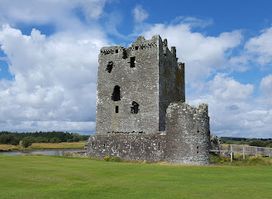
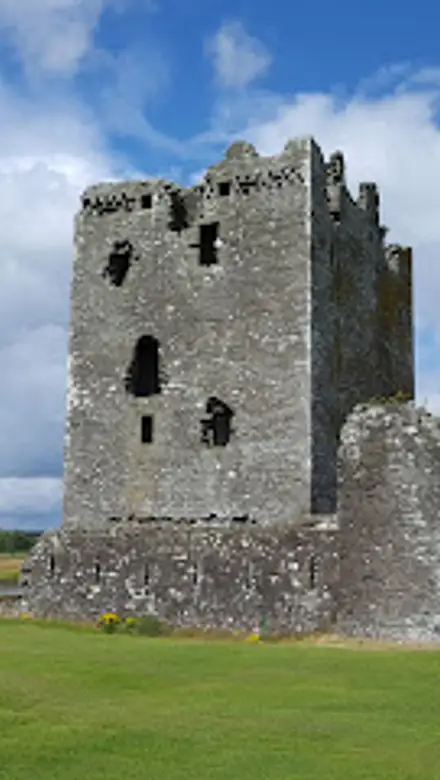
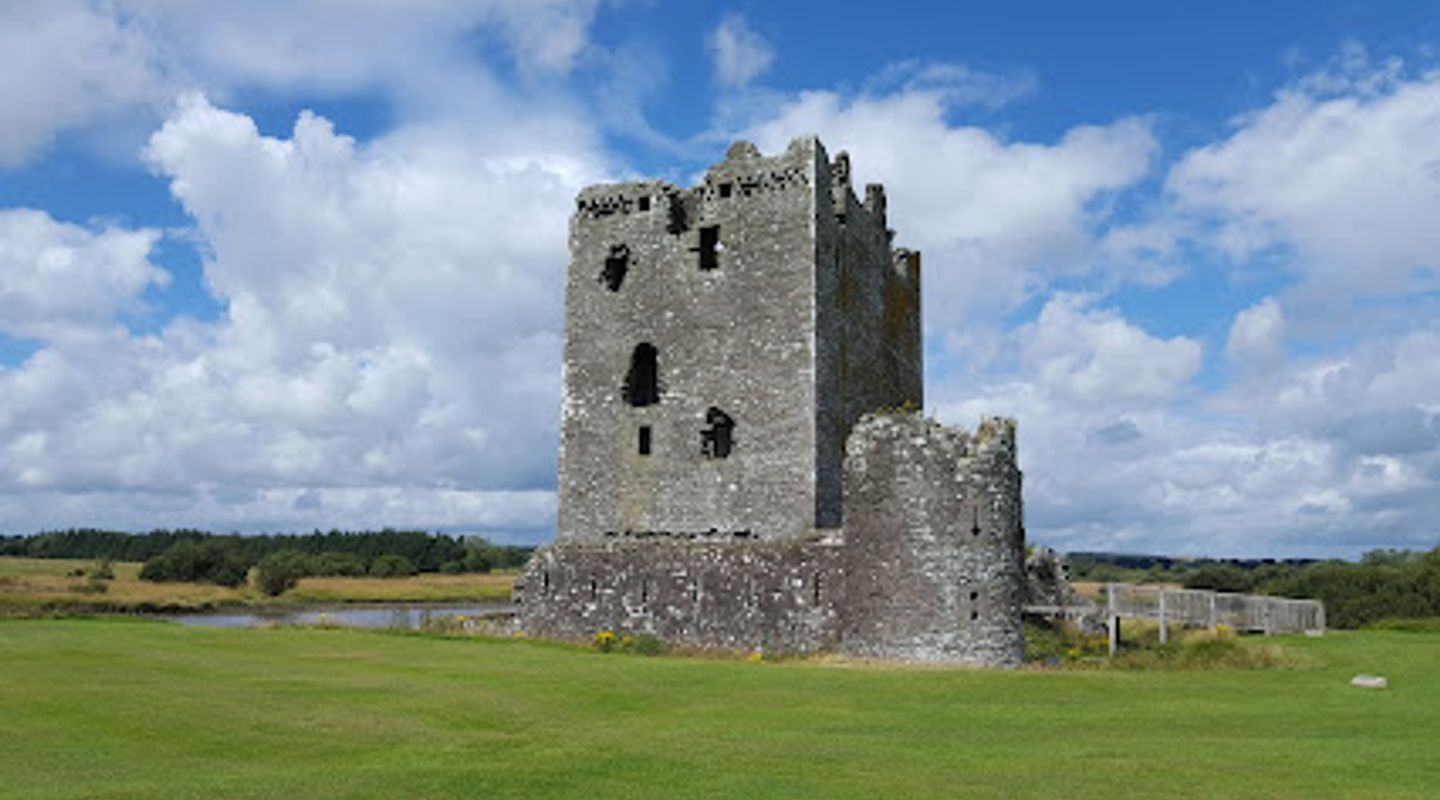
Threave Castle is a 14th-century Scottish tower house located on an island in the River Dee near Castle Douglas, Dumfries and Galloway. Built by Archibald 'the Grim' in 1369 as a stronghold for the powerful Black Douglas family, the castle features a massive five-storey keep and an innovative artillery fortification. Surrounded by a nature reserve rich in wildlife, it offers a unique blend of medieval history and scenic natural beauty, accessible by boat during the open season.
A brief summary to Threave Castle
- Castle Douglas, Dumfries, DG7 1TJ, GB
- Click to display
- Click to display
- Duration: 1.5 to 3 hours
- Mid ranged
-
 Outdoor
- Mobile reception: 4 out of 5
- Tuesday 10 am-4 pm
- Wednesday 10 am-4 pm
- Thursday 10 am-4 pm
- Friday 10 am-4 pm
- Saturday 10 am-4 pm

Know before you go
Hi, I'm Eve. Here are a few practical things to know before exploring Threave Castle.
- Check current opening status before visiting, as the castle is periodically closed for conservation work.
- Wear sturdy footwear for walking on uneven grassy terrain on the island and surrounding nature reserve.
- Bring binoculars for birdwatching, especially to spot ospreys and red kites in the area.
- Plan your visit between April and September when boat trips to the island operate regularly.
- Use the information boards on the island for a self-guided historical tour, as there is no mandatory guide.
Do you manage this location?
Take control to get all the benefits, like improved information, better appearance, and stronger visibility across AI-powered discovery. Learn more about listing your business on Evendo
Activate your presenceOther nearby places you may find interesting
The closest places of the same kind, if this one is not quite what you had in mind.
Explore Threave Castle on the Map
A handpicked selection of must-see spots near Threave Castle, mapped for you.
Getting There
-
Car
Driving from Castle Douglas town center to the Threave Castle visitor car park takes approximately 10-15 minutes. The route is scenic with well-maintained roads. Parking is available at the visitor center, but the castle island is only accessible by boat. Parking is free, but space can be limited during peak season.
-
Public Bus
Local bus services connect Castle Douglas with nearby towns. From Castle Douglas, take a taxi or walk about 3 km to the Threave Castle visitor center. Bus frequency varies, so check local timetables. The boat trip to the castle operates seasonally and requires separate ticket purchase.
-
Boat Transfer
Access to Threave Castle is by a short boat trip from the visitor center across the River Dee. Boat trips operate from April to September, typically from 10:00 to 16:30. Tickets for the boat and castle entry are purchased at the visitor center. The boat ride takes about 5 minutes and offers scenic views.
-
Walking
Walking trails in the surrounding Threave Estate and nature reserve are well maintained and suitable for families and casual walkers. The path to the visitor center from Castle Douglas is about 3 km on mostly flat terrain. The island itself has uneven grass surfaces and steps, so moderate mobility is required.
For the on-the-go comforts that matter to you
-
 Restrooms
-
 Seating Areas
-
 Information Boards
-
 Visitor Center
Discover more about Threave Castle
Origins and Strategic Importance in Medieval Scotland
Threave Castle was constructed in the late 1360s by Archibald the Grim, the 3rd Earl of Douglas, to consolidate his control over Galloway. Situated on a small island in the River Dee, the castle's location provided natural defenses, accessible only by boat. The main structure is a towering five-storey keep, one of the earliest Scottish tower houses built without outer defenses. It symbolized the power of the Black Douglas family and served as a military stronghold during the turbulent Wars of Scottish Independence.Architectural Innovations and Military History
In the mid-15th century, the castle was fortified with an artillery house featuring thick walls and drum towers designed to withstand cannon fire, a pioneering defense for its time. The castle endured several sieges, including a notable two-month siege by King James II in 1455, which ended with the fall of the Black Douglases. Later, during the 1640 Bishops' Wars, Covenanter forces besieged the castle for 13 weeks before it was partially dismantled to prevent further military use.The Maxwell Era and Later Use
From the early 16th century, the Maxwell family became hereditary keepers of Threave Castle, maintaining control until the mid-17th century. The castle briefly fell into English hands during the 1540s but was reclaimed by the Scots. After the Covenanter siege, the castle was abandoned and fell into ruin. In the 20th century, it was entrusted to state care and is now a scheduled monument maintained by Historic Environment Scotland.Natural Setting and Wildlife Sanctuary
The castle island is part of a larger nature reserve known for its rich biodiversity, including wildflowers, ospreys, otters, and red kites. The surrounding wetlands and woodlands offer scenic walking paths and birdwatching opportunities. The island’s isolation enhances its tranquil atmosphere, making it a favored spot for picnicking, painting, and nature appreciation.Visitor Experience and Conservation
Visitors traditionally reach the castle by a short boat trip across the River Dee, which adds to the sense of adventure and discovery. While the castle interior is currently closed for conservation work, the island and surrounding reserve remain accessible for exploration. Informative boards and occasional guided talks enrich the understanding of the castle’s history and architecture.Legacy and Cultural Significance
Threave Castle stands as a testament to medieval Scottish power struggles and architectural ingenuity. It reflects the rise and fall of powerful families like the Black Douglases and Maxwells and their impact on Scottish history. Today, it is cherished both as a historical monument and a natural haven, embodying the intertwined heritage of culture and landscape in Dumfries and Galloway.












Your all‑in‑one travel companion app
Explore expert travel guides, compare and book tours, experiences, hotels, and more—all from the palm of your hand. Download now for seamless trip planning wherever your wanderlust takes you.


Explore More of Wigtownshire
Looking beyond Threave Castle? Discover Wigtownshire for broader travel guides, local hot-spots, and regional highlights.
Explore Wigtownshire