

Wigtownshire, United Kingdom Travel Guide
Discover Wigtownshire: Scotland's literary haven with stunning coastlines, rich history, and serene natural beauty.
Wigtownshire, located in the southwestern region of Scotland, is a hidden treasure for tourists seeking a blend of history, natural beauty, and quaint charm. Known for its stunning coastlines and rolling countryside, Wigtownshire offers a peaceful retreat away from the bustling city life. The region is dotted with picturesque villages, each showcasing the rich cultural heritage and warm hospitality of the locals. Wigtownshire is often referred to as the 'Book Town' of Scotland, thanks to its numerous bookshops and annual literary festival. This makes it a paradise for book lovers who can spend hours browsing through rare and antique collections. The town of Wigtown itself is a cozy haven, with its charming streets and welcoming cafes where you can enjoy a cup of tea while delving into a good book. Nature enthusiasts will find plenty to explore in Wigtownshire. The Galloway Forest Park, known as the UK's first Dark Sky Park, offers breathtaking views of the night sky, making it a perfect spot for stargazing. The rugged coastlines and sandy beaches provide ample opportunities for scenic walks, bird watching, and even dolphin spotting. For those interested in history, the region boasts several ancient sites, including the Whithorn Priory and the Mull of Galloway Lighthouse, which offer a glimpse into Scotland's rich past.

Know before you go
Hi, I'm Eve. Here are a few practical things to know before exploring Wigtownshire.
- Visit during the Wigtown Book Festival in late September for a literary treat.
- Pack warm clothing, especially if planning to stargaze at Galloway Forest Park.
- Explore local eateries for traditional Scottish dishes and fresh seafood.
- Rent a bike for a scenic ride along the coastline and through the countryside.
- Check tide times if planning a visit to the beaches to ensure safe and enjoyable trips.
Explore Wigtownshire: Things to Do, Places to Eat, Hotels & More
Handpicked recommendations for top attractions, local dining, accommodations, and more

Top Attractions & Sightseeing in Wigtownshire
Top-rated picks
Best Attractions

Drumlanrig Castle & Gardens
Explore the Pink Palace of Scotland with its Renaissance grandeur, vast Victorian gardens, rich history, and family-friendly adventures.

Galloway Forest Park
Explore Britain’s largest forest park, a haven for mountain biking, wildlife, and Europe’s premier Dark Sky sanctuary in scenic Dumfries and Galloway.

Caerlaverock Castle
Explore Scotland’s only triangular castle, a moated medieval fortress rich in history and surrounded by stunning natural beauty.

Cairn Holy Chambered Cairn
Explore over 5,000 years of Scottish history at Cairn Holy’s ancient Neolithic chambered cairns with stunning views over Wigtown Bay.

Best landmarks in Wigtownshire
Top-rated picks
Best Landmarks
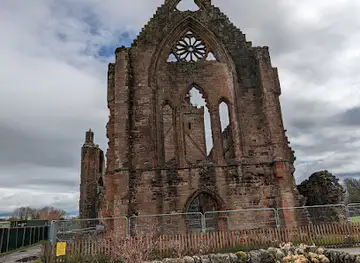
Sweetheart Abbey
Medieval love carved in red sandstone—where a widow's devotion built an abbey that endures.
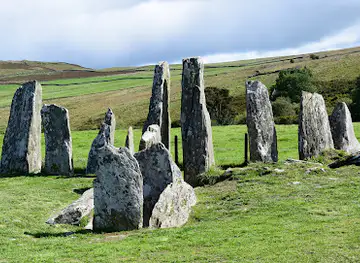
Cairn Holy Chambered Cairn
Explore the ancient Neolithic cairns of Cairn Holy, timeless burial monuments set on scenic hills with panoramic views over Wigtown Bay.
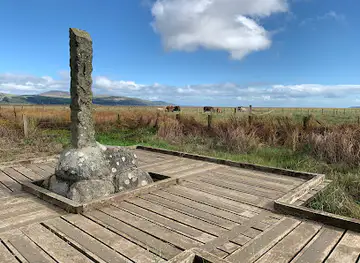
Martyr's Stake
A poignant memorial at Wigtown Bay marking the sacrifice of two Covenanter women drowned for their faith in 1685.

Orchardton Tower
Discover Scotland’s only free-standing circular tower house, a rare medieval fortress steeped in history and legend near Castle Douglas.

Best restaurants in Wigtownshire
Top-rated picks
Best Restaurants

The Globe Inn Dumfries
Step into Robert Burns' 17th-century haunt for Michelin-caliber Scottish tasting menus, 300+ whiskies, and timeless Dumfries charm in a snug, poet-haunted laneway gem.

Casa Mia Dumfries
Experience modern European cuisine with exceptional service and a welcoming atmosphere at Casa Mia Dumfries.

Claudios Restaurant
Experience authentic Italian flavors in a cozy historic setting at Claudios, Moffat’s beloved family-friendly restaurant.

The Boathouse Restaurant & Shop
A relaxed riverside restaurant and shop on Glencaple’s quayside, serving hearty food, great coffee, and homemade baking with beautiful views over the River Nith.

Best bars in Wigtownshire
Top-rated picks
Best Bars
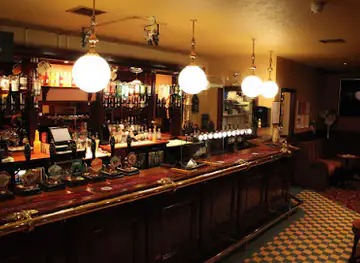
Cavens Arms
A vibrant traditional pub and restaurant in Dumfries, offering award-winning real ales, hearty meals, and a welcoming atmosphere for all.

The Clachan Inn
A historic Scottish inn blending rustic charm with exquisite local cuisine and warm hospitality in the heart of St John's Town of Dalry.
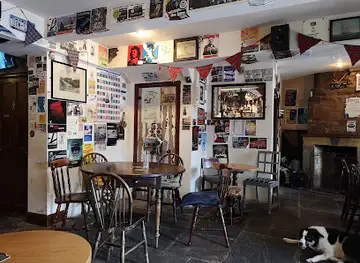
Coach & Horses Inn
Historic riverside pub in Dumfries offering authentic ales, live music, and a warm, welcoming atmosphere since 1801.

Dickies Bar
Experience warm Scottish hospitality and local brews in the cozy heart of Dumfries at Dickies Bar, open daily until late.

Best nightclubs in Wigtownshire
Top-rated picks
Best Nightclubs

Chancers Night Club
Experience Dumfries’ vibrant nightlife at Chancers Night Club, where music, dancing, and lively vibes keep the party going till dawn.

The Venue Dumfries
Experience Dumfries’ vibrant nightlife with live music, dancing, and a lively atmosphere at The Venue Dumfries nightclub and concert hall.

Railway Social Club
A friendly, community-focused social club in Dumfries offering affordable drinks, lively events, and a welcoming atmosphere near the town centre.

Best shops in Wigtownshire
Top-rated picks
Best Shops

Foggie Toddle Books
Scotland's children's bookshop and publisher celebrating Scottish stories, rare finds, and literary community in Wigtown's Book Town.

The Wigtown Emporium
Discover antiques, vintage treasures, and curiosities in the heart of Scotland's National Book Town at The Wigtown Emporium.

Beltie Books & Cafe
A cozy bookshop cafe in Wigtown blending local charm, great reads, and homemade treats in a bright, welcoming setting.

Faodail
Discover unique antiques, vintage jewellery, and rare Scottish books in the heart of Wigtown’s charming National Book Town.

Explore Wigtownshire on the Map
A handpicked selection of must-see spots in Wigtownshire, mapped for you.
Wigtownshire Essentials
-
Wigtownshire is located in the southwestern part of Scotland, in the United Kingdom. The nearest international airport is Glasgow Prestwick Airport, which is approximately 80 miles away. From the airport, you can rent a car or take a train to Stranraer, one of the main towns in Wigtownshire. Alternatively, you can fly into Glasgow International Airport and take a train or bus to Stranraer. For those traveling by train, the nearest major railway station is in Stranraer, which has connections to Glasgow and other major cities.
-
Wigtownshire is best explored by car, offering the freedom to visit its many scenic spots and historical sites. Car rental services are available in major towns such as Stranraer. Public transportation options include local buses that connect key towns and villages. Taxis are also available, although they might be less economical for longer trips. For those who enjoy cycling, Wigtownshire offers beautiful routes that are perfect for exploring the countryside at a leisurely pace.
-
The official currency in the United Kingdom is the British Pound Sterling (£). Credit and debit cards are widely accepted in hotels, restaurants, and shops throughout Wigtownshire. However, it is advisable to carry some cash, especially when visiting smaller villages and rural areas where card payment facilities may not be available. ATMs are available in major towns like Stranraer and Wigtown, so you can withdraw cash as needed.
-
Wigtownshire is generally a safe destination for tourists. However, like any travel destination, it is advisable to take standard precautions. Avoid walking alone at night in unfamiliar areas and keep an eye on your belongings in crowded places. There are no specific high-crime areas targeting tourists in Wigtownshire, but it is always wise to stay vigilant and aware of your surroundings.
-
In case of emergency, dial 999 for immediate assistance. Emergency services, including police, fire, and medical services, are available throughout Wigtownshire. Stranraer has a hospital, the Galloway Community Hospital, which provides medical care for more serious health issues. Pharmacies are available in major towns for minor health concerns and over-the-counter medications. It is recommended to have travel insurance that covers medical emergencies.
-
Fashion: Do dress in layers, as the weather can be unpredictable. Waterproof clothing is advisable given the frequent rain. Avoid overly casual attire if dining in finer restaurants. Religion: Do respect local customs and traditions. When visiting churches, it is polite to remain quiet and respectful. Public Transport: Do be respectful and give up your seat to elderly passengers. Don’t eat or drink on public transport. Greetings: Do greet people with a friendly 'Hello' or 'Hi.' A handshake is common in formal settings. Eating & Drinking: Do try local delicacies such as haggis and Scotch whisky. Don’t refuse hospitality, as it is considered impolite.
-
To experience Wigtownshire like a local, visit the weekly farmers' markets where you can buy fresh produce and handcrafted goods. Engage with locals, as they are often friendly and happy to share insights about the area’s history and culture. Don’t miss the annual Wigtown Book Festival, which attracts authors and book lovers from around the world. For a unique experience, explore the Galloway Forest Park, known for its stunning landscapes and starry skies, as it is one of the UK's Dark Sky Parks.
When is the best time to visit Wigtownshire?
Useful Local Phrases for Wigtownshire
You don't need to speak the language perfectly. Even learning a few simple words can make conversations warmer—and locals usually appreciate the effort.
— Eve

Here are the phrases I use most often in Wigtownshire. Try a few—you'll be surprised how far they go! 😊
❤️
-
- HelloAye up
[ai up] - GoodbyeCheerio
[cheer-ee-oh] - YesAye
[ai] - NoNay
[nay] - Please/You’re welcomeAye, no bother
[ai, no bother] - Thank youThanks a lot
[thangs a lot] - Excuse me/SorryPardon me
[pardon me] - How are you?How's it gaun?
[how's it gawn] - Fine. And you?Aye, grand. Ye?
[ai, grand. ye?] - Do you speak English?Dae ye speak English?
[deh ye speak English?] - I don't understandAh dinnae get it
[ah dinnae get it]
- HelloAye up
-
- I’d like to see the menu, pleaseCan ah see the menu, please?
[can ah see the menu, pleeze?] - I don't eat meatAh dinnae eat meat
[ah dinnae eat meet] - Cheers!Cheers!
[cheers] - I would like to pay, pleaseAh'd like tae pay, please
[ah'd like tay pay, pleeze]
- I’d like to see the menu, pleaseCan ah see the menu, please?
-
- Help!Help!
[help] - Go away!Gie it a rest!
[gee it a rest] - Call the Police!Phone the polis!
[fone the polis] - Call a doctor!Phone a doc!
[fone a doc] - I’m lostAh'm lost
[ah'm lost] - I’m illAh'm no weel
[ah'm no weel]
- Help!Help!
-
- I’d like to buy...Ah'd like tae buy...
[ah'd like tay buy...] - I’m just lookingAh'm just lookin'
[ah'm just lookin'] - How much is it?Whit’s the price?
[whit's the price] - That’s too expensiveThat's far too dear
[that's far too dear] - Can you lower the price?Can ye bring the price doon?
[can ye bring the price doon]
- I’d like to buy...Ah'd like tae buy...
-
- What time is it?Whit time is it?
[whit time is it?] - It’s one o'clockIt’s one o’clock
[it's one o'clock] - Half past (10)Half past ten
[half past ten] - MorningMornin'
[mornin'] - AfternoonAfernoon
[afernoon] - EveningEvenin'
[evenin'] - YesterdayYestreen
[yestreen] - TodayToday
[today] - TomorrowMorrow
[morrow] - 1Ae
[ay] - 2Twa
[twa] - 3Thrie
[three] - 4Fower
[fo-wer] - 5Five
[five] - 6Six
[six] - 7Seven
[seven] - 8Eight
[eight] - 9Nine
[nine] - 10Ten
[ten]
- What time is it?Whit time is it?
-
- Where's a/the...?Whar's a/the...?
[whar's a/the...?] - What's the address?Whit’s the address?
[whit's the address?] - Can you show me (on the map)?Can ye show me (on the map)?
[can ye show me (on the map)?] - When's the next (bus)?Whan’s the next (bus)?
[whan's the next (bus)?] - A ticket (to ....)A ticket (ta ....)
[a ticket (ta ....)]
- Where's a/the...?Whar's a/the...?
History of Wigtownshire
-
Wigtownshire, nestled in the southwestern corner of Scotland, boasts a rich tapestry of history dating back to ancient times. The region was inhabited by Celtic tribes known as the Novantae, who left behind traces of their existence in the form of standing stones and cairns scattered across the landscape. The arrival of the Romans in the 1st century AD saw the construction of temporary forts, although the rugged terrain and fierce resistance from local tribes limited their influence in the area.
-
The medieval period saw the establishment of Wigtown as a significant settlement. Granted royal burgh status in 1341, Wigtown became an important market town and judicial center. The medieval Wigtown Castle, once a formidable structure, played a pivotal role in the region's defense and administration. However, it was during this time that the infamous Wigtown Martyrs' execution took place in 1685, where Margaret McLachlan and Margaret Wilson were executed for their Covenanter beliefs, highlighting the religious turmoil of the era.
-
Whithorn holds a special place in Scottish history as the cradle of Christianity in Scotland. Founded by St. Ninian in the 5th century, the Whithorn Priory became an important religious center and pilgrimage site. The ruins of the priory and the nearby Whithorn Museum offer insight into the early Christian heritage of the area. St. Ninian's Cave, a coastal retreat believed to have been used by the saint for meditation, remains a site of spiritual significance.
-
The early 18th century brought significant agricultural changes to Wigtownshire, marked by the actions of the Galloway Levellers. These agrarian reformers dismantled enclosures erected by landlords, advocating for the rights of small tenants and common folk. This movement led to widespread social unrest but also paved the way for more structured agricultural practices and improvements in the region's farming productivity.
-
Wigtownshire's industrial heritage is closely tied to its maritime history. The coastal town of Stranraer became a bustling port, particularly during the 19th century, serving as a vital link between Scotland and Ireland. The construction of the Stranraer Harbour and the establishment of ferry services transformed the town into a gateway for trade and travel. Additionally, the area's natural resources, including granite from Creetown, contributed to local industry and architecture.
-
In contemporary times, Wigtown has gained fame as Scotland's National Book Town. This transformation began in 1998, when the town was designated a book town in an effort to rejuvenate the local economy. Today, Wigtown hosts an annual book festival that attracts literary enthusiasts from around the globe. The town is home to numerous bookshops, offering a haven for book lovers and preserving its cultural heritage in a unique and vibrant way.
Neighbouring Regions of Wigtownshire
The closest regions to Wigtownshire, if you have time for more than one.

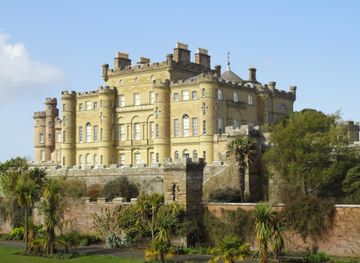


Your all‑in‑one travel companion app
Explore expert travel guides, compare and book tours, experiences, hotels, and more—all from the palm of your hand. Download now for seamless trip planning wherever your wanderlust takes you.


Explore More of United Kingdom

Looking beyond Wigtownshire? Discover United Kingdom for broader travel guides, local hot-spots, and regional highlights.
Explore United KingdomWigtownshire in Photos
Browse through our photo collection highlighting the charm and character of the destination.

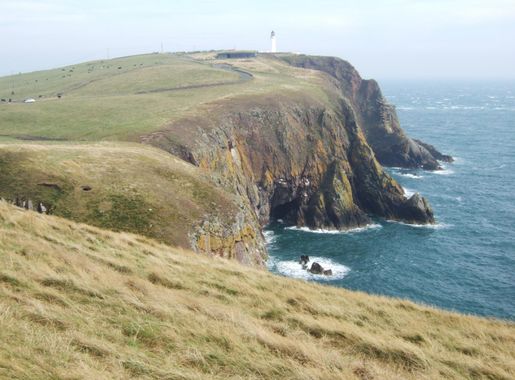


Wigtownshire: Scotland's Coastal Gem
Wigtownshire, located in the southwestern region of Scotland, is a hidden treasure for tourists seeking a blend of history, natural beauty, and quaint charm. Known for its stunning coastlines and rolling countryside, Wigtownshire offers a peaceful retreat away from the bustling city life. The region is dotted with picturesque villages, each showcasing the rich cultural heritage and warm hospitality of the locals. Wigtownshire is often referred to as the 'Book Town' of Scotland, thanks to its numerous bookshops and annual literary festival. This makes it a paradise for book lovers who can spend hours browsing through rare and antique collections. The town of Wigtown itself is a cozy haven, with its charming streets and welcoming cafes where you can enjoy a cup of tea while delving into a good book. Nature enthusiasts will find plenty to explore in Wigtownshire. The Galloway Forest Park, known as the UK's first Dark Sky Park, offers breathtaking views of the night sky, making it a perfect spot for stargazing. The rugged coastlines and sandy beaches provide ample opportunities for scenic walks, bird watching, and even dolphin spotting. For those interested in history, the region boasts several ancient sites, including the Whithorn Priory and the Mull of Galloway Lighthouse, which offer a glimpse into Scotland's rich past.