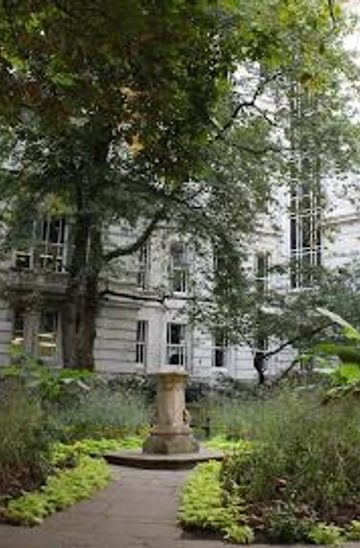
Postman's Park and the Memorial to Heroic Self-Sacrifice
A serene London green space honoring everyday heroes through a unique memorial of self-sacrifice and courage.
Nestled in the heart of London near St Paul’s Cathedral, Postman's Park is a tranquil green space known for its unique Memorial to Heroic Self-Sacrifice. Established in 1880 on former churchyards, the park features a sheltered wall lined with ceramic plaques commemorating ordinary people who lost their lives saving others. This poignant tribute, conceived by artist George Frederick Watts, honors everyday heroism with stories spanning from the 19th century to the 21st century.
A brief summary to Postman's Park
- King Edward St, London, EC1A 7BT, GB
- Click to display
- Click to display
- Duration: 0.5 to 1.5 hours
- Free
-
 Outdoor
- Mobile reception: 5 out of 5
- Monday 8 am-4:30 pm
- Tuesday 8 am-4:30 pm
- Wednesday 8 am-4:30 pm
- Thursday 8 am-4:30 pm
- Friday 8 am-4:30 pm
- Saturday 8 am-4:30 pm
- Sunday 8 am-4:30 pm
Local tips
- Visit the Memorial to Heroic Self-Sacrifice to read stories of ordinary people who performed extraordinary acts.
- Spend some quiet time by the goldfish pond and enjoy the park’s peaceful atmosphere away from the city bustle.
- Explore the surrounding historic churches’ sites and notice the old gravestones along the park’s edges.
- Check the park’s opening hours as it closes at 4:30 pm daily, so plan your visit accordingly.

Other nearby places you may find interesting
Getting There
-
London Underground
Take the Central Line to St Paul’s Station, approximately a 5-10 minute walk to Postman’s Park. The station is well-served with frequent trains; a single journey costs around £2.50 with an Oyster card or contactless payment.
-
Bus
Bus routes 8, 25, and 242 stop near St Paul’s Cathedral, about a 5-minute walk from the park. Buses run regularly throughout the day with fares around £1.75 using an Oyster card.
-
Walking
From St Paul’s Cathedral, a 5-minute walk on mostly flat, paved paths leads to the park entrance. The route is wheelchair accessible and suitable for all fitness levels.
For the on-the-go comforts that matter to you
-
 Restrooms
-
 Seating Areas
-
 Information Boards
Postman's Park location weather suitability
-
 Any Weather
-
 Clear Skies
-
 Mild Temperatures
-
 Rain / Wet Weather
Discover more about Postman's Park
Origins and Historical Setting of Postman's Park
Postman's Park occupies a distinctive place in London’s urban fabric, formed in 1880 by amalgamating the burial grounds of three historic churches: St Botolph’s Aldersgate, St Leonard’s Foster Lane, and Christ Church Greyfriars. The park’s elevated terrain reflects centuries of interments, with many gravestones still visible along its edges. The park’s name derives from its proximity to the General Post Office, established nearby in 1829, which served as England’s first dedicated post office building. This connection also influenced the original name of the nearby St Paul’s tube station, once called Post Office.The Memorial to Heroic Self-Sacrifice: Concept and Creation
The park’s most remarkable feature is the Memorial to Heroic Self-Sacrifice, a long sheltered wall adorned with 54 glazed ceramic tablets commemorating 62 individuals who died saving others. The memorial was the vision of Victorian artist George Frederick Watts, who sought to honor the moral courage of everyday heroes rather than famous figures. Watts first proposed this idea in 1887, aiming to inspire the public by celebrating selfless acts. Though initially unsuccessful, the project found a home in Postman’s Park in 1898, with construction beginning in 1899 and the memorial unveiled in 1900. Watts, by then seriously ill, was represented at the opening by his wife, Mary Watts, who ensured the memorial’s continuation.Stories Behind the Plaques and Their Emotional Impact
Each ceramic tablet tells a poignant story of sacrifice, often involving ordinary Londoners risking and losing their lives to save strangers. The memorial includes tales such as Mary Rogers, a stewardess who gave up her life belt to save others during a shipwreck, and Arthur Strange, who perished attempting to rescue two girls from quicksand. These narratives humanize the individuals beyond their heroic acts, emphasizing the fragility and nobility of human life. The memorial’s understated design—simple tiles rather than grand statues—invites quiet reflection on the nature of courage and altruism amid the bustling city.Postman's Park’s Role in London’s Urban Landscape and Culture
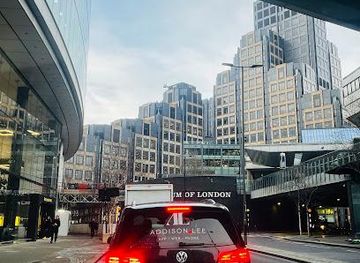
Despite its small size, Postman’s Park offers a peaceful retreat from the surrounding financial district’s glass towers and busy streets. The park’s greenery, goldfish pond, and floral borders contrast with the urban environment, creating a contemplative atmosphere. The memorial’s presence has also permeated popular culture, inspiring elements in films such as "Closer" (2004), where the story of Alice Ayres, one of the memorialized heroes, is referenced. The park remains a symbol of Victorian values and a rare tribute to unsung heroism within a modern metropolis.Preservation and Community Engagement
Postman’s Park is protected as a Grade II listed site, ensuring its preservation for future generations. The Friends of the Watts Memorial, established in 2015, actively promote and safeguard the memorial’s legacy. They also encourage public engagement through events, educational activities, and digital storytelling platforms that share the heroic histories commemorated in the park. This community involvement continues to highlight the memorial’s relevance and fosters appreciation for the everyday sacrifices that shape society.Visiting Experience and Practical Details
Visitors to Postman’s Park can enjoy a serene environment ideal for reflection and learning. The park is open daily from 8 am to 4:30 pm, offering an accessible urban green space with seating areas and information boards explaining the memorial’s significance. The combination of historical depth, emotional resonance, and tranquil setting makes Postman’s Park a distinctive and meaningful destination within London’s rich tapestry of public spaces.Explore the best of what Postman's Park has to offer















More about Windsor
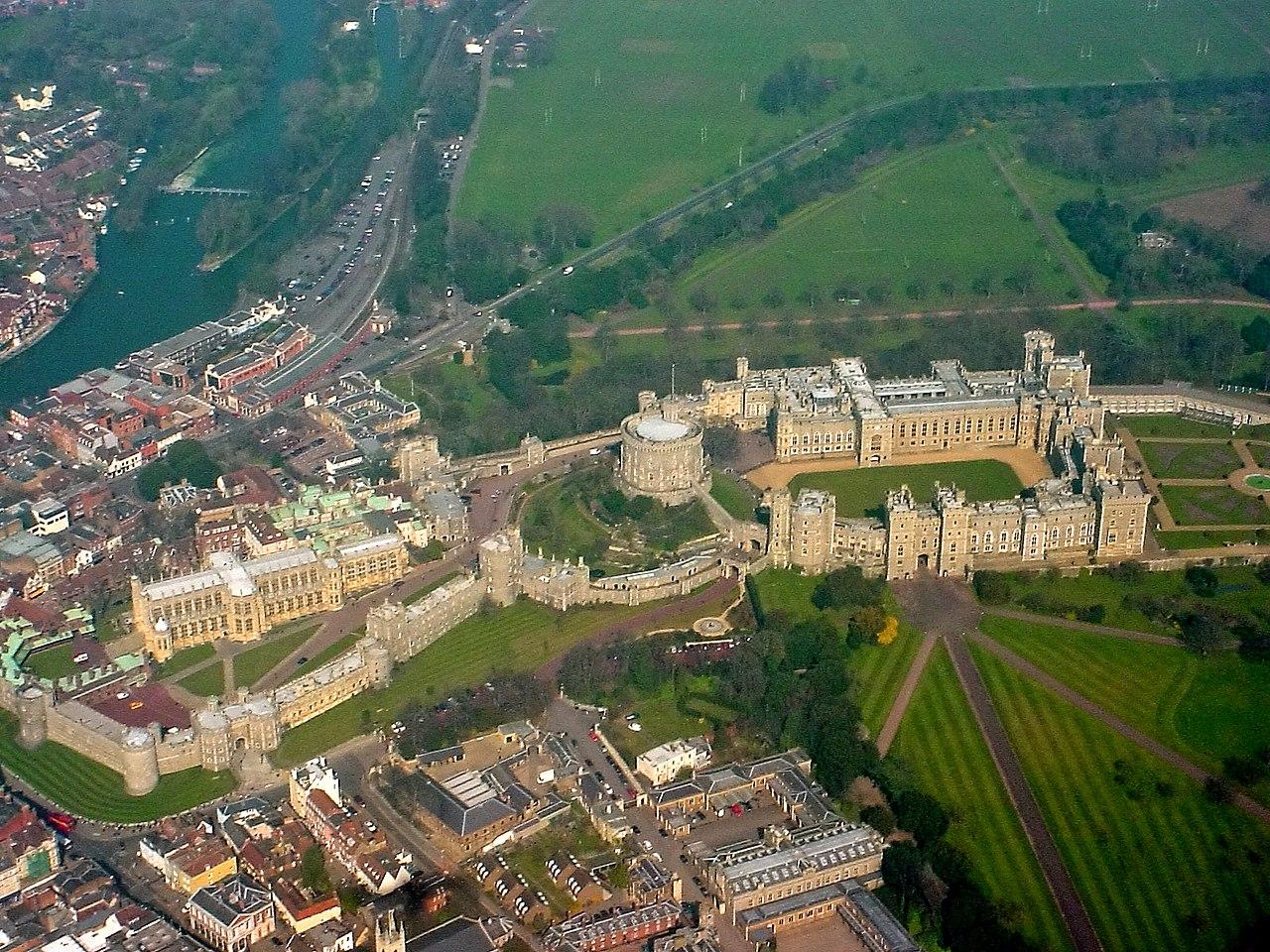
Discover Windsor, a historic town in Berkshire, England, known for its royal heritage, stunning Windsor Castle, scenic parks, vibrant town center, and family-friendly attractions.
Tell me more about Windsor
Discover The Punch Tavern, a historic pub on Fleet Street, serving traditional British fare and a vast selection of drinks in a charming atmosphere.
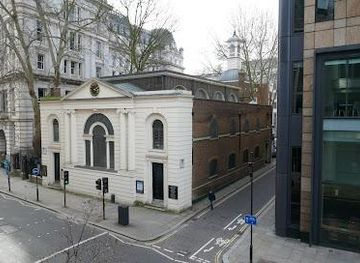
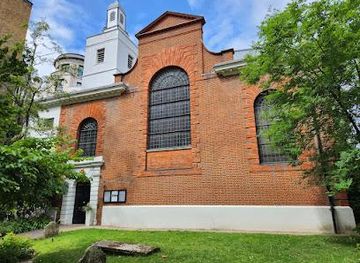
Historic Georgian church at London’s eastern City gate, blending medieval roots with Victorian artistry and community resilience.
Want to improve this location?
Activate this location now and let Evendo enhance its appearance, information, and visibility for millions of travellers.