St Botolph’s-without-Aldersgate, London Travel Guide
Free Guide: A small guild church on Aldersgate Street, where weekday ministry, heritage interest, and quiet interior space meet in the City of London.


A brief summary of St Botolph’s-without-Aldersgate
A small guild church on Aldersgate Street, where weekday ministry, heritage interest, and quiet interior space meet in the City of London.
On Aldersgate Street, St Botolph’s-without-Aldersgate is a compact Church of England guild church that feels more like a working city chapel than a tourist stop. Visitors come for short heritage visits, lunchtime talks, or a few calm minutes indoors between the towers and traffic of the Square Mile. Its appeal lies in scale, restraint, and its place in London’s old church network.
On-site amenities
 Seating areas
 Information boards
Opening hours
- MonClosed
- Tue1 pm–1:40 pm
- WedClosed
- ThuClosed
- FriClosed
- SatClosed
- SunClosed
Opening hours as listed on the venue’s Google Business Profile. Hours can change for services and special events, so check with the venue before you go.
- Address
- Aldersgate St London
- Phone
- Website
Getting there
Underground
Underground
Taxi / Ride-hail
On foot
Discover more about St Botolph’s-without-Aldersgate
What it is
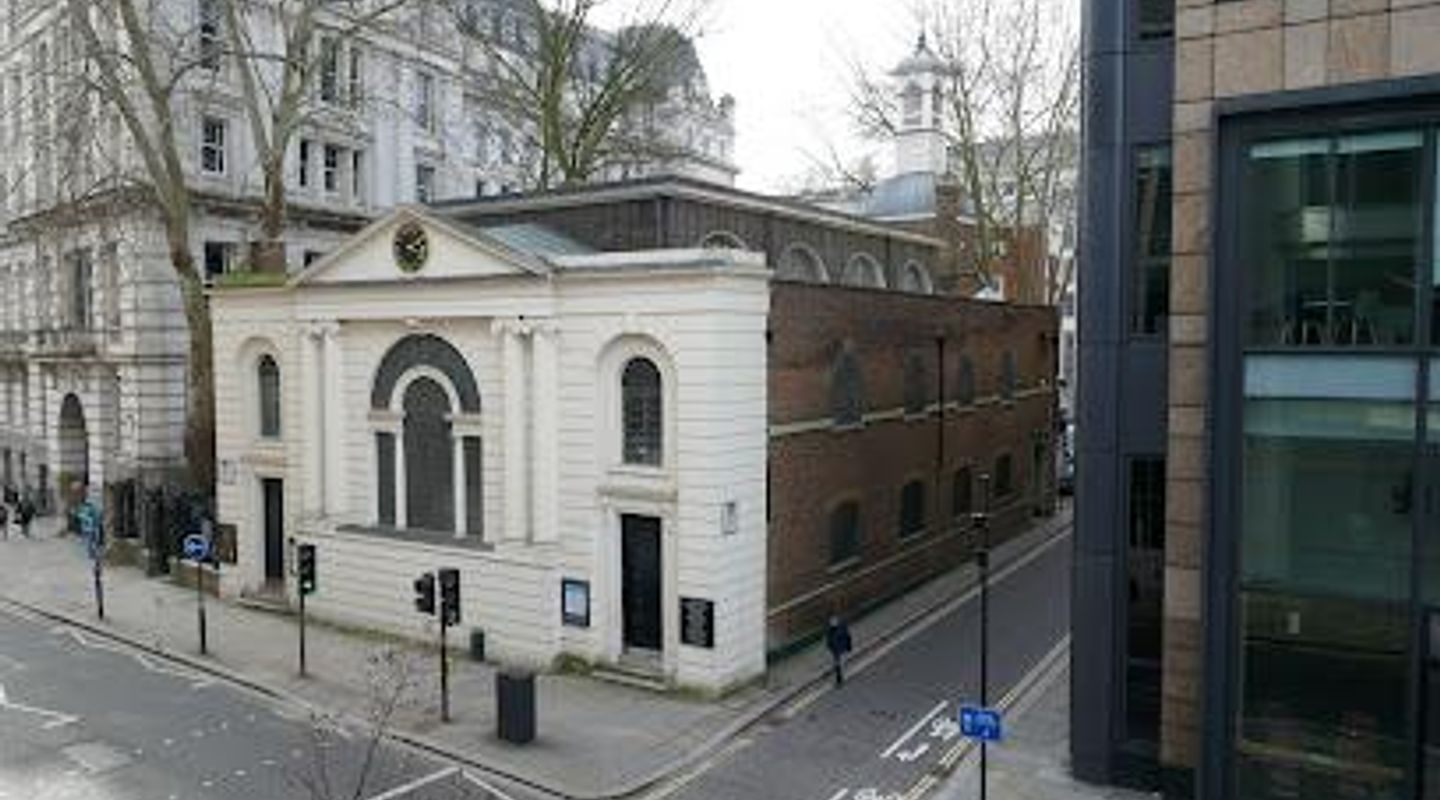
St Botolph’s-without-Aldersgate is a Church of England guild church in the City of London, set on Aldersgate Street near Postman’s Park. It is not a grand cathedral or a museum-like monument. Instead, it functions as a weekday church for the City, with Christian teaching, lunchtime talks, and brief visits forming the core of the experience. That working character gives it a different rhythm from London’s better-known ecclesiastical sights.The church belongs to the dense historic fabric of the Square Mile, where worship, commerce, and civic life have long overlapped. Its significance is mainly religious and heritage-based, with interest for travellers who want to understand how London’s old churches still operate in the present tense.
Atmosphere and setting
The setting is urban and compact. Outside, Aldersgate Street carries the usual City mix of office traffic, pedestrians, and hard-edged stone and glass. Inside, the mood shifts to something restrained and reflective. The scale is small to medium, and the layout is straightforward, so the visit feels immediate rather than sprawling.The church’s strongest visual contrast comes from the change between the busy street and the quieter interior. Nearby Postman’s Park adds a little breathing space, but this is still very much an inner-city stop. Travellers should expect a calm, functional space rather than decorative excess or long interpretive displays.
What visitors actually do
Most visits are brief. You might step in for a few minutes of quiet, attend an Aldersgate Talk, or include the church in a wider walk through the City of London. The best fit is for travellers interested in church history, Christian heritage, and the everyday life of a working city church. It also suits people who prefer low-key indoor stops between longer walks.The experience unfolds in a practical way: arrive from a nearby Tube station or on foot, spend a short time inside, and then continue to another church, park, or street-level landmark nearby. Because the church is used for ministry and talks, access can be shaped by the weekly schedule rather than by tourist demand. That makes it feel lived-in, not staged.
Practical expectations
This is an easy central-London visit rather than a destination that requires planning. Barbican is the clearest nearby Underground option, with St Paul’s and Farringdon also workable for a longer walk through the City. Driving is inconvenient, and parking is limited in this part of London. The site is best approached on foot or by public transport.Facilities should be treated conservatively. Seating is likely available during services or talks, but toilets, water, lockers, and food options are not clearly established for casual visitors. The church is most rewarding when paired with nearby heritage walking, especially in good weather. For travellers who want a compact, quiet, historically grounded stop in the City, it offers a clear sense of place without the crowds of a major attraction.
Evendo Review Centre
 Google
Guest reviews
Best time to go
Quietest: Jan, Feb & Dec · before 12pm or from 1pm
Busy times are Evendo estimates for a typical year, to help you plan. Actual crowds vary with events, school holidays and the weather.
Explore St Botolph’s-without-Aldersgate on the map
A handpicked selection of must-see spots near St Botolph’s-without-Aldersgate, mapped for you.
Get your free copy of our complete guide to St Botolph’s-without-Aldersgate, delivered straight to you.
Everything on this page, from opening hours and how to get there to Eve’s tips and the best time to go, in one PDF you can read offline, print or share.
Already have an account? Sign in
Your St Botolph’s-without-Aldersgate guide is ready.
We'll send it to · Not you? Sign out

Getting your guide ready…
We are putting together a fresh copy of the St Botolph’s-without-Aldersgate guide. This can take up to a minute.
This can take a few moments. If your browser asks, choose Allow so the download can start. You'll find the guide in your Downloads folder.
Nothing happened? Download it again
Sorry, the guide is taking longer than usual. Please try again in a minute, or get it by email instead.
Unlock the best of St Botolph’s-without-Aldersgate
Skip-the-line tickets, guided tours with entry, and walking tours of the area, booked in a few clicks.

Other nearby places you may find interesting
The closest places of the same kind, if this one is not quite what you had in mind.
-
-
-
-
-


Swipe for more places
More to explore near St Botolph’s-without-Aldersgate
-
 Best experiences near St Botolph’s-without-Aldersgate
-
 Best hotels near St Botolph’s-without-Aldersgate
-
 Best landmarks near St Botolph’s-without-Aldersgate
-
 Best attractions near St Botolph’s-without-Aldersgate
-
 Best shops near St Botolph’s-without-Aldersgate
-
 Best restaurants near St Botolph’s-without-Aldersgate
-
 Best bars near St Botolph’s-without-Aldersgate


Do you manage this location?
Take control to get all the benefits, like improved information, better appearance, and stronger visibility across AI-powered discovery.
Explore more

Explore more of London
Explore London: A city of iconic landmarks, rich history, vibrant culture, and endless attractions that cater to every taste, making it a must-visit destination.
Explore London
Explore more of United Kingdom
Discover the United Kingdom: A blend of rich history, stunning landscapes, and vibrant cities, offering a unique travel experience for every visitor.
Explore United Kingdom