

Fishergate Postern Tower, York Travel Guide
Free Guide: Explore Fishergate Postern Tower, a beautifully preserved medieval gatehouse guarding York’s ancient city walls since the early 1500s.


A brief summary of Fishergate Postern Tower
Explore Fishergate Postern Tower, a beautifully preserved medieval gatehouse guarding York’s ancient city walls since the early 1500s.
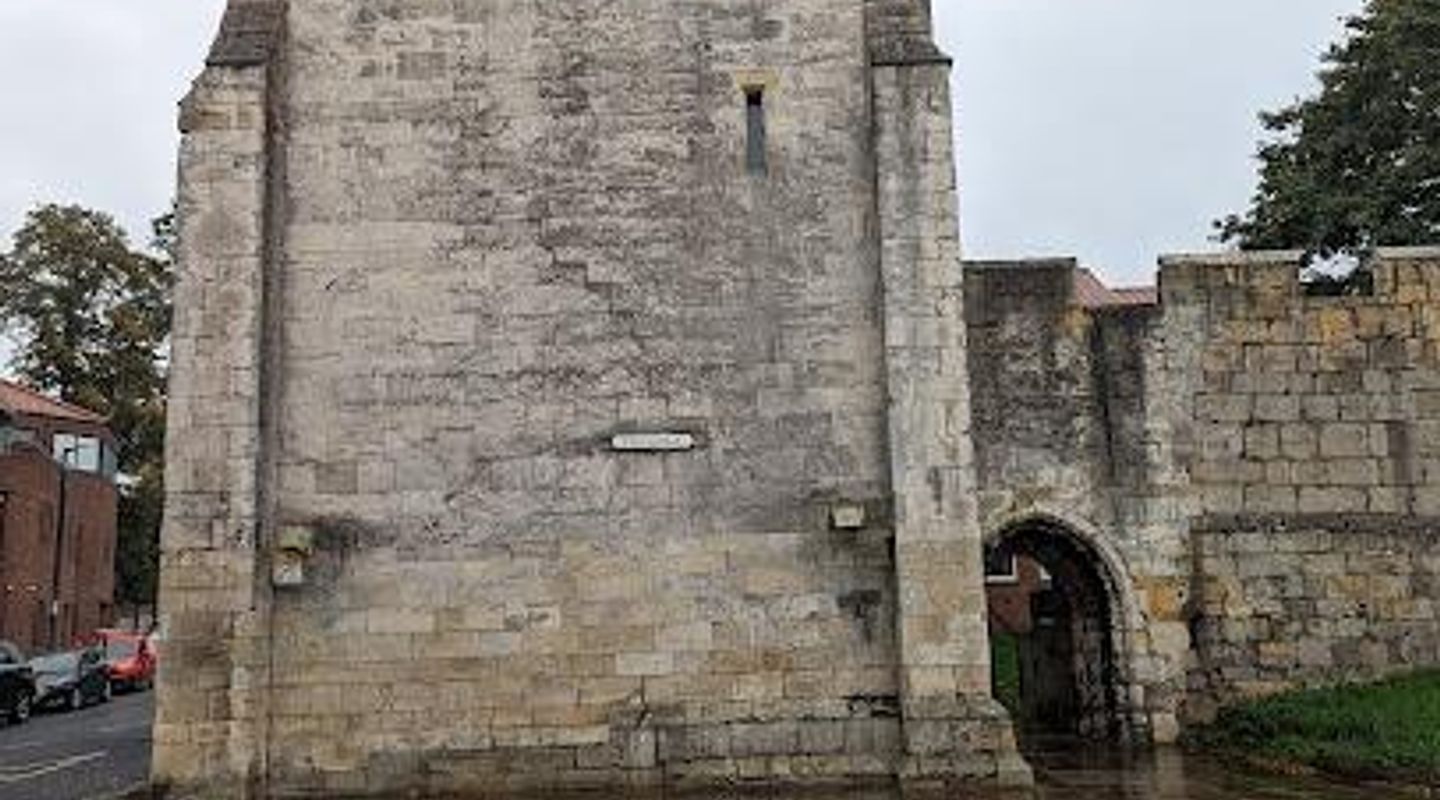
Fishergate Postern Tower is a well-preserved, Grade I listed medieval tower built between 1504 and 1507 as part of York’s ancient city walls. Originally replacing the 14th-century Talkan Tower, it served as a defensive postern gate and later a dovecote. The tower features distinctive architectural elements such as a pointed arch postern with a portcullis slot, clasping buttresses, and a historic roof dating from the 16th or 17th century. It offers visitors a glimpse into York’s fortified past and panoramic views from its upper floors.
On-site amenities
 Restrooms
 Seating areas
 Information boards
- Address
- Piccadilly, York YO1 9AF
- Website
Getting there
Bus
Walking
Taxi
Discover more about Fishergate Postern Tower
Origins and Historical Significance
Fishergate Postern Tower stands as a testament to York’s rich medieval heritage, constructed between 1504 and 1507 to replace the earlier Talkan Tower from the 14th century. The original tower, likely named after Robert Talkan, a mayor in 1399, was repaired in the mid-15th century before being superseded by the current structure. The decision to build a "substantial postern" at Fishergate reflected the city’s strategic need to strengthen its defenses at this vulnerable point near the river Foss, where water once filled the moat and formed a natural barrier. Historical records show rent increases and leases that confirm the transition from Talkan Tower to Fishergate Postern Tower, highlighting its importance in York’s defensive network.
Architectural Features and Evolution
This four-storey tower is built primarily of ashlar masonry and is characterized by a pointed arch postern with four chamfered orders and a portcullis slot, evidencing its defensive function. The tower originally featured battlements and was embattled, with a moulded plinth and clasping buttresses at two corners, one incorporating a projecting garderobe (medieval toilet) on the first floor. The roof, with queen posts, clasped purlins, and high collars, dates from the 16th or early 17th century, replacing earlier forms and providing the upper floor needed for its use as a dovecote by 1636. The tower’s structure and roof have remained remarkably intact through restorations in 1838 and 1960, preserving its historic character.
Role Within York’s City Walls
Fishergate Postern Tower marks the end of the city walls at Fishergate, an area historically protected by the flooded river Foss, which created a natural defensive lake known as the King’s Fishpond. The tower’s position was strategic, guarding a postern gate that allowed controlled access through the walls. It was part of a wider network of fortifications that included bars and towers, integral to York’s medieval defenses against invasions and unrest. The tower’s continued maintenance and use, including its leasing and artillery assignments in the 16th century, underscore its ongoing military relevance.
Visitor Experience and Interior Highlights
Visitors to Fishergate Postern Tower can explore its multiple floors connected by a spiral staircase, offering insight into medieval military architecture and daily life. The mezzanine floor houses the ancient garderobe, famously positioned to empty onto the street below, a vivid reminder of medieval sanitation. The top floor provides panoramic views over York’s cityscape and the surrounding area, enriching the historical experience. Informative displays and occasional volunteer guides enhance understanding of the tower’s significance within York’s defensive history.
Preservation and Cultural Importance
As a Grade I listed building, Fishergate Postern Tower is protected for its exceptional architectural and historic interest. Its preservation allows visitors and scholars alike to appreciate the craftsmanship and strategic ingenuity of York’s medieval fortifications. The tower also features in local heritage events, connecting the public with York’s past and the stories embedded in its ancient walls. Its enduring presence contributes to the city’s identity as a place where history is visibly layered and accessible.
Setting and Surroundings
Situated on Piccadilly near the city center, the tower stands prominently beside the city walls, close to where the river Foss once flowed and the King’s Fishpond was located. The surrounding area blends York’s medieval urban fabric with modern city life, offering a unique juxtaposition of past and present. The tower’s location makes it a compelling focal point for exploring York’s historic defenses and the evolution of its urban landscape over centuries.
Evendo Review Centre
 Google
Guest reviews
Best time to go
Quietest: Jan, Feb & Dec · before 6am or at 9pm
Busy times are Evendo estimates for a typical year, to help you plan. Actual crowds vary with events, school holidays and the weather.
Explore Fishergate Postern Tower on the map
A handpicked selection of must-see spots near Fishergate Postern Tower, mapped for you.
Get your free copy of our complete guide to Fishergate Postern Tower, delivered straight to you.
Everything on this page, from opening hours and how to get there to Eve’s tips and the best time to go, in one PDF you can read offline, print or share.
Already have an account? Sign in
Your Fishergate Postern Tower guide is ready.
We'll send it to · Not you? Sign out

Getting your guide ready…
We are putting together a fresh copy of the Fishergate Postern Tower guide. This can take up to a minute.
This can take a few moments. If your browser asks, choose Allow so the download can start. You'll find the guide in your Downloads folder.
Nothing happened? Download it again
Sorry, the guide is taking longer than usual. Please try again in a minute, or get it by email instead.
Unlock the best of Fishergate Postern Tower
Skip-the-line tickets, guided tours with entry, and walking tours of the area, booked in a few clicks.


Other nearby places you may find interesting
The closest places of the same kind, if this one is not quite what you had in mind.
-
-
-
-
-


Swipe for more places
More to explore near Fishergate Postern Tower
-
 Best experiences near Fishergate Postern Tower
-
 Best hotels near Fishergate Postern Tower
-
 Best landmarks near Fishergate Postern Tower
-
 Best attractions near Fishergate Postern Tower
-
 Best shops near Fishergate Postern Tower
-
 Best restaurants near Fishergate Postern Tower
-
 Best bars near Fishergate Postern Tower


Do you manage this location?
Take control to get all the benefits, like improved information, better appearance, and stronger visibility across AI-powered discovery.
Explore more

Explore more of York
Explore York, a captivating city where medieval history meets modern charm. Discover York Minster, The Shambles, and a vibrant food scene in this must-visit UK destination.
Explore York
Explore more of United Kingdom
Discover the United Kingdom: A blend of rich history, stunning landscapes, and vibrant cities, offering a unique travel experience for every visitor.
Explore United Kingdom
