

Free York Travel Guide & Mobile App
Plan your York trip with Evendo. Get free guides to top attractions, restaurants, hotels, and bars. Web access or download the mobile app.


York blends Roman and Viking history with medieval streets, grand architecture, museums and riverside culture for memorable sightseeing in northern England.
Layers of History
York stands at the meeting point of the Rivers Ouse and Foss in northern England, a compact city whose streets preserve more than two millennia of urban history. Roman Eboracum, the Viking settlement of Jorvik and the medieval centre of an influential wool-trading city all survive in the modern landscape. The medieval walls trace much of the old perimeter, while York Minster rises above the rooftops as one of northern Europe's most important Gothic cathedrals.Read more about York
Streets, Museums and River Life
A Walkable Northern City
When is the best time to visit York?
Best: June–August · 19–21°C| Month | High (°C) | Rainfall (mm) |
|---|---|---|
| January | 7 | 60 |
| February | 7 | 50 |
| March | 10 | 50 |
| April | 12 | 40 |
| May | 16 | 40 |
| June (best) | 19 | 50 |
| July (best) | 21 | 60 |
| August (best) | 21 | 60 |
| September | 18 | 50 |
| October | 14 | 60 |
| November | 10 | 60 |
| December | 8 | 60 |
Getting to and around York
How to get there
Transportation
Best attractions in York
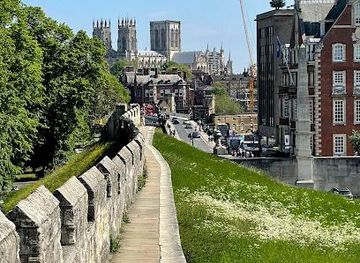
York's principal attractions form a remarkably concentrated circuit. York Minster dominates the skyline, with vast medieval stained glass and a treasury that reflects the city's ecclesiastical importance. The JORVIK Viking Centre uses archaeological discoveries from Coppergate to recreate aspects of tenth-century Jorvik, while the nearby York Castle Museum explores social history through period interiors and recreated streets. The National Railway Museum, beside the main station, brings together locomotives and engineering stories that explain York's industrial transformation. The Shambles offers a close-up of the medieval street pattern, though its shops are now largely modern, and the Museum Gardens combine botanical planting with the ruins of St Mary's Abbey and Roman remains. A walk along the River Ouse or across the historic walls adds changing views of the compact centre, connecting the city's architecture with its waterways and defensive perimeter.
-
Rail museum
National Railway Museum York
Explore Britain's rich railway heritage with iconic locomotives, interactive exhibits, and immersive history at York’s National Railway Museum.
11 min walk · 0.8 km from city centre
-
Market
Shambles Market
Discover York’s vibrant covered market with artisan stalls, fresh food, and a lively atmosphere nestled near the historic Shambles street.
5 min walk · 0.4 km from city centre
-
 History museum
JORVIK Viking Centre
Step into Viking-age York at JORVIK Viking Centre, where history comes alive through immersive rides, artefacts, and interactive experiences.
7 min walk · 0.6 km from city centre
-
Park and Garden
Museum Gardens
Tranquil botanical gardens blending historic ruins and vibrant plant collections in the heart of York, open daily with free entry.
4 min walk · 0.3 km from city centre
Best landmarks in York
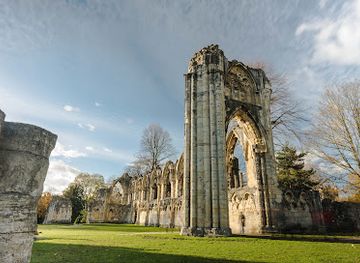
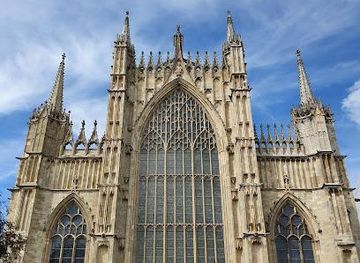
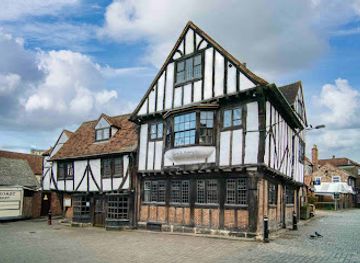
York Minster is the city's defining landmark, a monumental Gothic cathedral whose long construction history is visible in its masonry, towers and extensive medieval stained glass. The medieval walls, entered through gates including Bootham Bar, Micklegate Bar and Walmgate Bar, express York's defensive history while incorporating traces of earlier urban development. Clifford's Tower is the most prominent surviving part of York Castle, rebuilt in stone under Henry II and later associated with the castle complex's changing functions. St Mary's Abbey in the Museum Gardens preserves substantial ruins of a major Benedictine house founded after the Norman Conquest. Merchant adventurers' buildings, timber-framed houses and the guildhall add a civic and commercial dimension, while the railway station and its historic train shed represent the nineteenth-century transformation of York into a national transport centre.
-
Cathedral
York Minster
England's largest Gothic cathedral, a 250-year architectural triumph housing Britain's finest medieval stained glass.
2 min walk · 0.1 km from city centre
-
Market
Shambles Market
Discover York’s vibrant Shambles Market, where historic charm meets artisan crafts and global street food in a lively covered marketplace.
5 min walk · 0.4 km from city centre
-
Historical landmark
York City Walls
England's longest medieval walls: a free 3.4km elevated circuit through 2,000 years of history.
5 min walk · 0.4 km from city centre
-
Historical landmark
Bootham Bar
Step through Bootham Bar, York’s ancient northern gateway blending Roman roots and medieval fortifications with stunning views of the city’s historic heart.
2 min walk · 0.1 km from city centre

Explore York on the map
Plan your York trip on one map. See where the top attractions, landmarks, restaurants, bars and hotels are, find what's near where you're staying, and book hotels and experiences in a few clicks.
Best hotels in York
Best restaurants in York
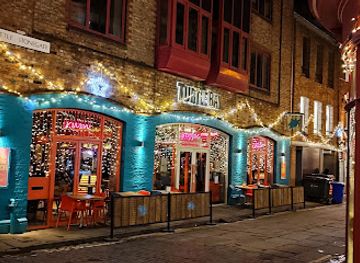
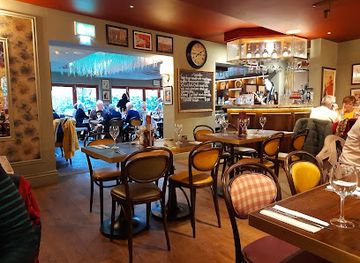
York's dining scene draws on the wider culinary traditions of Yorkshire while reflecting the city's large student, visitor and resident populations. Menus commonly feature regional produce, Yorkshire-bred meats, local cheeses and the county's celebrated baking traditions, including Yorkshire parkin and rich fruit cakes. Traditional pubs provide cask ales, pies and substantial modern British cooking, while cafés and tearooms serve afternoon tea, sandwiches and locally made cakes. Fossgate has become associated with independent restaurants and contemporary food, with further choices around Micklegate, Goodramgate and the riverside. The Shambles Market and other central food stalls can provide quick meals and snacks, though market offers change. International restaurants are well represented, reflecting York's diverse population, while fine dining and creative small plates sit alongside longstanding pubs and casual eateries.
-
Caribbean
Turtle Bay York
Experience authentic Caribbean flavors and vibrant island vibes in the heart of historic York at Turtle Bay.
3 min walk · 0.2 km from city centre
-
Restaurant
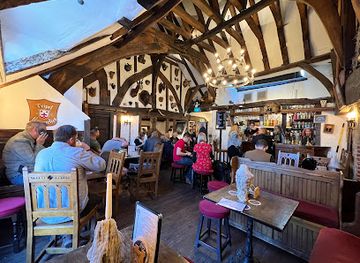
House Of The Trembling Madness // Stonegate (No table bookings)
A medieval ale house with a vast craft beer collection, quirky charm, and hearty Yorkshire fare in the heart of historic York.
1 min walk · 0.1 km from city centre
-
Restaurant
Valhalla York
Experience hearty Viking-inspired tapas, unique ales, and a lively atmosphere at Valhalla York in the heart of the city.
4 min walk · 0.3 km from city centre
-
French
Rustique Restaurant
Experience authentic French cuisine in the cosy, historic heart of York at Rustique Restaurant on Castlegate.
8 min walk · 0.6 km from city centre

Best bars in York
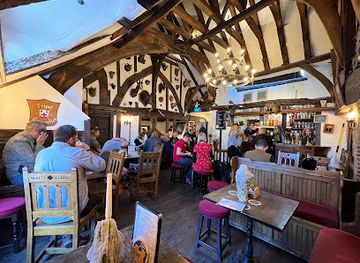
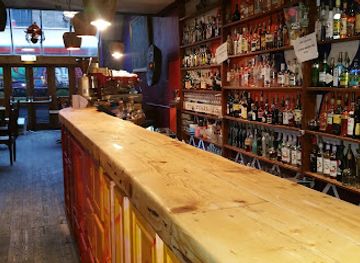
York's evenings range from historic pubs and quiet wine bars to live music, theatre and late-night venues, rather than the scale of a major metropolitan club scene. The streets around Fossgate, Walmgate, Micklegate, Stonegate and Goodramgate contain many of the city's established drinking and social venues, with independent pubs occupying old timber-framed or stone buildings. Traditional ale houses are part of the local character, while cocktail bars and contemporary spaces offer a more modern atmosphere. The Grand Opera House and York Theatre Royal provide regular stage entertainment, and smaller venues host comedy, music and cultural events. The city centre can be lively at weekends and during university terms, but quieter pubs and riverside walks offer a slower evening. Venue policies and opening arrangements vary, so checking current information is sensible.
-
Bar
House Of The Trembling Madness // Stonegate (No table bookings)
York’s medieval gem on Stonegate, famed for craft beers, hearty Yorkshire fare, and a quirky, intimate atmosphere without table bookings.
1 min walk · 0.1 km from city centre
-
Cocktail bar
Slug & Lettuce York Riverside
Lively riverside bar and restaurant in York offering cocktails, casual dining, and vibrant social vibes with scenic river views.
6 min walk · 0.5 km from city centre
-
Pub
Valhalla York
Experience York’s vibrant Viking-themed pub with rustic charm, hearty Yorkshire tapas, and a lively, welcoming atmosphere.
4 min walk · 0.3 km from city centre
-
Cocktail bar
Evil Eye
Discover York’s quirky cocktail lounge blending exotic charm, inventive drinks, and lively weekly entertainment on historic Stonegate.
1 min walk · 0.1 km from city centre


Best nightclubs in York
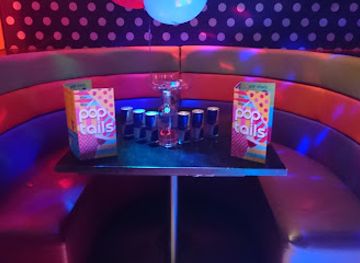
York's evenings range from historic pubs and quiet wine bars to live music, theatre and late-night venues, rather than the scale of a major metropolitan club scene. The streets around Fossgate, Walmgate, Micklegate, Stonegate and Goodramgate contain many of the city's established drinking and social venues, with independent pubs occupying old timber-framed or stone buildings. Traditional ale houses are part of the local character, while cocktail bars and contemporary spaces offer a more modern atmosphere. The Grand Opera House and York Theatre Royal provide regular stage entertainment, and smaller venues host comedy, music and cultural events. The city centre can be lively at weekends and during university terms, but quieter pubs and riverside walks offer a slower evening. Venue policies and opening arrangements vary, so checking current information is sensible.
-
Nightclub
Popworld York
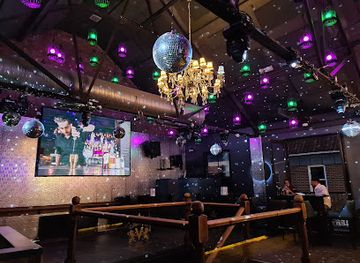
York’s vibrant pop music nightclub with a unique revolving dancefloor and a lively atmosphere for unforgettable nights out.
7 min walk · 0.5 km from city centre
-
Nightclub
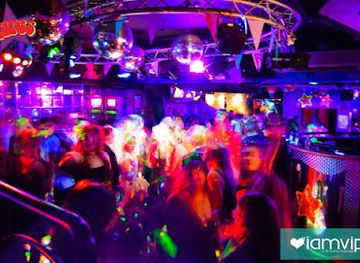
Flares - York
Experience York’s ultimate retro nightclub with decades-spanning hits, vibrant dance floors, and an inclusive party atmosphere.
5 min walk · 0.4 km from city centre
-
Night Club
Vudu Lounge
York’s stylish after-hours lounge blending luxury cocktails with vibrant late-night energy until 4am.
3 min walk · 0.3 km from city centre
-
Nightclub
Kuda
York’s energetic nightclub hotspot with DJ beats, live music, and a lively late-night scene for young party enthusiasts.
7 min walk · 0.6 km from city centre

Best shops in York
Shopping in York combines historic lanes with independent retail and a long-established market culture. The Shambles is the most recognisable shopping street, though its medieval setting now contains mostly contemporary speciality shops; nearby Stonegate and Petergate offer boutiques, gifts and traditional visitor merchandise. Fossgate and Walmgate are associated with independent businesses, cafés and specialist retailers, while Coney Street and Coppergate provide more conventional high-street shopping. Shambles Market changes its stalls regularly and is a useful place to browse crafts, food and small-scale local products. Visitors may find Yorkshire-made confectionery, tea, preserves, textiles, ceramics, artwork and books, although authenticity and provenance vary between sellers. The city's antique shops, second-hand bookshops and independent galleries reward slower browsing, particularly away from the busiest central routes.
-
Gift shop
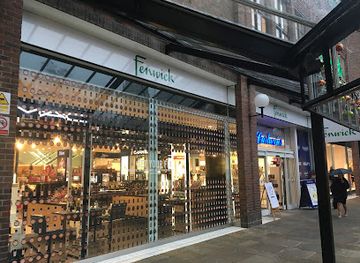
Fenwick York
Discover refined fashion, beauty, and homeware at Fenwick York, a stylish department store nestled in the historic Coppergate Centre.
8 min walk · 0.6 km from city centre
-
Gift shop
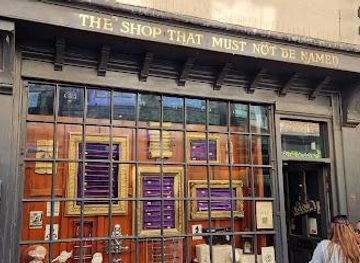
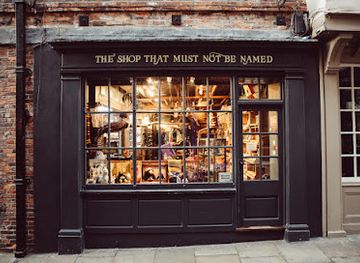
The Shop That Must Not Be Named
Step into York’s enchanting Harry Potter shop on the historic Shambles, where magic, merchandise, and medieval charm combine for an unforgettable experience.
5 min walk · 0.4 km from city centre
-
Souvenir Shop
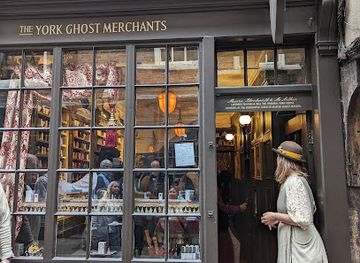
The York Ghost Merchants
Discover handmade, one-of-a-kind York Ghosts in a charming historic shop on The Shambles, blending heritage with spooky whimsy.
4 min walk · 0.3 km from city centre
-
Model shop
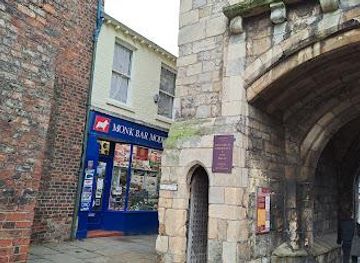
Monk Bar Model Shop
York’s historic model shop offering a vast selection of trains, kits, and collectibles with expert staff and a welcoming atmosphere.
4 min walk · 0.3 km from city centre
Get your free copy of our complete guide to York, delivered straight to you.
Everything on this page, from attractions and restaurants to essentials and local phrases, in one PDF you can read offline, print or share.
Already have an account? Sign in
Your York guide is ready.
We'll send it to · Not you? Sign out

Getting your guide ready…
We are putting together a fresh copy of the York guide. This can take up to a minute.
This can take a few moments. If your browser asks, choose Allow so the download can start. You'll find the guide in your Downloads folder.
Nothing happened? Download it again
Sorry, the guide is taking longer than usual. Please try again in a minute, or get it by email instead.
York essentials
Currency and Payment
Safety
Emergency Situations
Do's and Don'ts
Local Tips
From Eve
Local phrases worth knowing
You don't need to get them perfect. A few words go a long way, and locals appreciate the effort.
Basics
| English | Local | Say it |
|---|---|---|
| Hello | Ey up | [ay up] |
| Goodbye | Ta-ra | [ta-ra] |
| Yes | Aye | [aye] |
| No | Nah | [nah] |
| Please/You're welcome | Ta | [ta] |
| Thank you | Cheers | [cheers] |
| Excuse me/Sorry | Beg pardon | [beg pard-un] |
| How are you? | Now then? | [now then] |
| Fine. And you? | Aye, not bad. You? | [aye, not bad. you] |
| Do you speak English? | D'ya speak English? | [d'ya speak english] |
| I don't understand | Ah divvent get ya | [ah divvent get ya] |
Eating & Drinking
| English | Local | Say it |
|---|---|---|
| I'd like to see the menu, please | Can I 'ave a gander at the menu, please | [can i 'ave a gander at the menu please] |
| I don't eat meat | Ah divvent eat meat | [ah divvent eat meat] |
| Cheers! | Cheers! | [cheers] |
| I would like to pay, please | Can I settle up, please | [can i settle up please] |
Emergencies
| English | Local | Say it |
|---|---|---|
| Help! | Help! | [help] |
| Go away! | Clear off! | [clear off] |
| Call the Police! | Ring the bobbies! | [ring the bobbies] |
| Call a doctor! | Get a doctor round! | [get a doctor round] |
| I'm lost | Ah'm lost | [ah'm lost] |
| I'm ill | Ah'm poorly | [ah'm poorly] |
Shopping
| English | Local | Say it |
|---|---|---|
| I'd like to buy... | Ah'd like te buy... | [ah'd like te buy] |
| I'm just looking | Ah'm just 'avin a gander | [ah'm just 'avin a gander] |
| How much is it? | How much is that? | [how much is that] |
| That's too expensive | That's reet dear | [that's reet dear] |
| Can you lower the price? | Can ya do it cheaper? | [can ya do it cheaper] |
Time & Numbers
| English | Local | Say it |
|---|---|---|
| What time is it? | What's the time? | [what's the time] |
| It's one o'clock | It's one on't clock | [it's one on't clock] |
| Half past (10) | Half past ten | [half past ten] |
| Morning | Morning | [morning] |
| Afternoon | Afternoon | [afternoon] |
| Evening | Evening | [evening] |
| Yesterday | Yesterday | [yesterday] |
| Today | Today | [today] |
| Tomorrow | Tomorrow | [tomorrow] |
| 1 | One | [one] |
| 2 | Two | [two] |
| 3 | Three | [three] |
| 4 | Four | [four] |
| 5 | Five | [five] |
| 6 | Six | [six] |
| 7 | Seven | [seven] |
| 8 | Eight | [eight] |
| 9 | Nine | [nine] |
| 10 | Ten | [ten] |
Transport & Directions
| English | Local | Say it |
|---|---|---|
| Where's a/the...? | Where's t'... | [where's t'] |
| What's the address? | What's t' address? | [what's t' address] |
| Can you show me (on the map)? | Can ya show me (on't map)? | [can ya show me (on't map)] |
| When's the next (bus)? | When's next (bus)? | [when's next (bus)] |
| A ticket (to ....) | A ticket (to ....) | [a ticket (to ....)] |
History of York
Roman Eboracum and Imperial Power
The Roman army established a fortress at York, known as Eboracum, in AD 71 under the governor Petillius Cerialis. Positioned beside the Rivers Ouse and Foss, it became a major military and administrative centre for northern Britain. The fortress housed a legion and supported a civilian settlement whose inhabitants included soldiers, traders and families from across the Roman world. The emperor Septimius Severus held court at York during campaigns in the north and died there in AD 211; his presence underlines the city's importance within the empire. Foundations, archaeological remains and the Multangular Tower still provide evidence of this period, while the Roman street plan influenced the shape of the later city.
Anglian York and the Rise of Christianity
After Roman authority receded in the early fifth century, York became part of the Anglian kingdom of Deira and later the wider kingdom of Northumbria. The city developed as a centre of royal and ecclesiastical significance, particularly after King Edwin's conversion to Christianity. Paulinus baptised Edwin at York in 627, and an early timber church was followed by a stone church associated with the origins of the Minster. York's intellectual importance grew under figures such as Alcuin, who was born in the city in the eighth century and became a leading scholar at the court of Charlemagne. Political power shifted frequently in this period, but York remained a key northern settlement.
Jorvik and the Viking Kingdom
A Viking army captured York in 866, transforming the city into the centre of a Scandinavian kingdom known as Jorvik. Its position on navigable waterways connected it to trade routes reaching the North Sea and beyond, and the settlement attracted merchants and craftspeople from different parts of Europe. After the death of the Viking ruler Guthrum, the Northumbrian kingdom around York was ruled by successive Scandinavian leaders, including Eric Bloodaxe, until English control was restored in 954. Excavations in the Coppergate area have revealed workshops, homes, clothing, tools and organic materials that illuminate everyday Viking life. The JORVIK Viking Centre interprets this archaeological evidence for modern visitors.
Norman Rule and Medieval Defences
William I seized York in 1066 and constructed castles to secure Norman authority in the north, although rebellion and resistance led to the brutal campaigns known as the Harrying of the North. The first Norman cathedral began on the site of the present Minster, while York Castle developed into a royal stronghold beside the River Foss. Much of the surviving city wall follows medieval lines, incorporating earlier Roman features and later gateways, or bars. The Norman period altered York's political, architectural and social order, establishing institutions and fortifications that continued to shape the city long after the immediate conquest.
Medieval Commerce and the Minster
From the twelfth to the fifteenth centuries, York prospered as a commercial and ecclesiastical centre. Its merchants traded wool, cloth, food and other goods, while religious houses, parish churches and craft guilds gave the city a dense institutional life. Construction of the present York Minster began in the thirteenth century and continued for centuries, reflecting the resources and ambition of the archbishops and urban community. The Shambles and nearby lanes preserve the scale of the medieval commercial quarter, where butchers and other trades operated in narrow streets. York also witnessed political tension, religious change and outbreaks of plague, revealing the pressures beneath its prosperity.
Civil War, Industry and the Railway Age
York was drawn into the English Civil War and became the site of the Royalist siege of 1644, which ended with defeat at the Battle of Marston Moor outside the city. In the following centuries, its role changed from major regional trading centre to an important transport and tourism city. The arrival of the railway in 1839, followed by the expansion of the North Eastern Railway, transformed York's economy and urban connections. The railway works employed thousands and helped establish the city as a central point on the national network. Modern York continues to express these layers through its historic core, railway heritage, conservation work and internationally recognised visitor institutions.
York in Photos
Browse through our photo collection highlighting the charm and character of the destination.
Cities near York
The closest cities to York, if you have time for more than one stop.
-

-

-
-

-


Swipe for more cities
Explore more

Explore more of United Kingdom
Discover the United Kingdom: A blend of rich history, stunning landscapes, and vibrant cities, offering a unique travel experience for every visitor.
Explore United Kingdom